

Hayfever affects around one in five people in the UK. For most, antihistamines and nasal sprays provide adequate relief. But for those with severe symptoms that disrupt sleep, work, and daily life β and for whom standard treatments have not worked well enough β a private GP appointment to discuss further hayfever treatment options is worth considering.
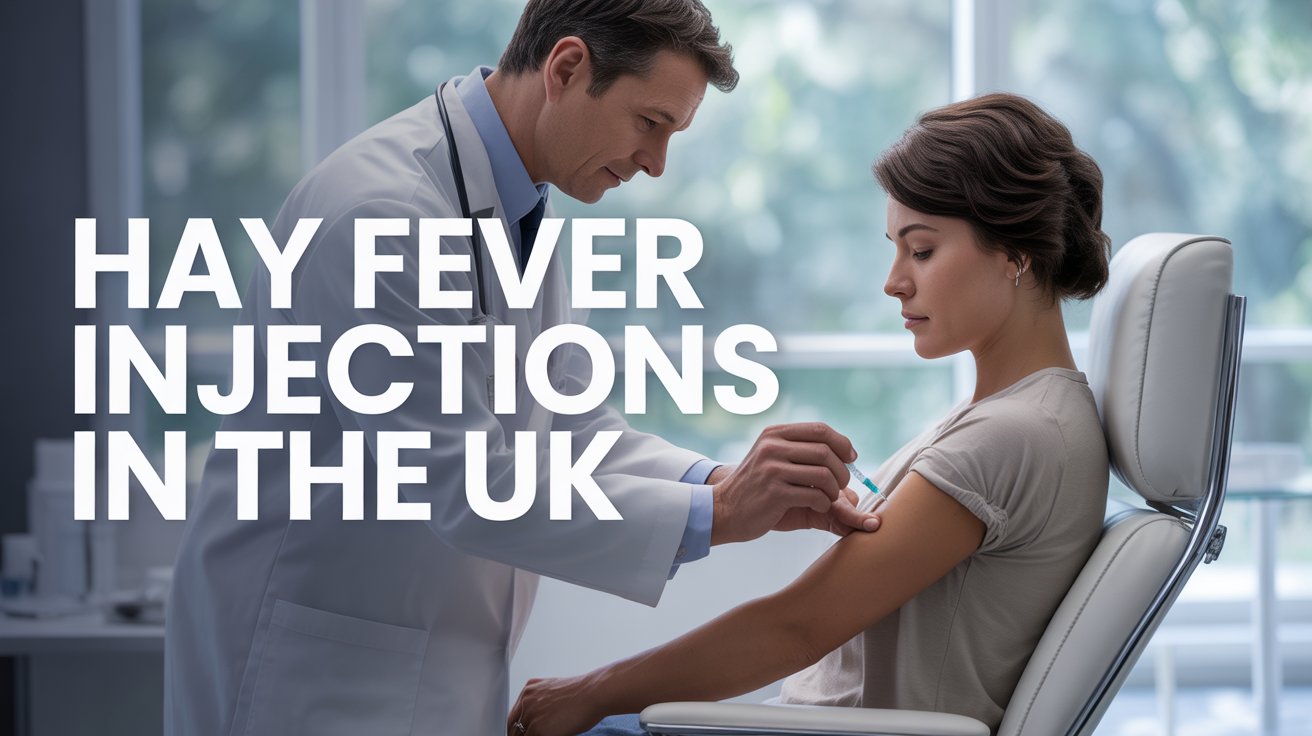
At The Private GP in Birmingham, we offer a hayfever treatment appointment that includes a full GP consultation and, where clinically appropriate, a corticosteroid injection to help manage symptoms through the pollen season.
How Much Does a Hayfever Injection Cost in Birmingham?
At The Private GP, a hayfever injection appointment costs Β£150 for a single dose. The GP consultation is included in this price β there are no separate consultation fees to pay.
The appointment is available at our Birmingham locations. No GP referral is required. You can book directly, and the GP will carry out a full assessment at the appointment before any treatment is given.
What Is the Hayfever Injection?
The hayfever injection is a corticosteroid administered by a GP. It works by reducing the body’s inflammatory response to pollen, which is the underlying cause of hayfever symptoms such as sneezing, nasal congestion, itchy eyes, and fatigue.
The injection is given intramuscularly β typically into the upper buttock β and most patients notice improvement within 24 to 48 hours of administration. For suitable patients, relief can last throughout the pollen season, though individual response varies.
It is important to understand that this treatment is not available on the NHS and is not a licensed treatment specifically for hayfever in the UK. The MHRA has confirmed that the corticosteroid used is licensed for other medical conditions and is offered for hayfever management under the clinical responsibility of the prescribing GP, following a thorough assessment of suitability. It is not something that should be administered without a proper medical consultation.
Who Is It Suitable For?
The hayfever injection is suitable for adults with moderate to severe hayfever symptoms who have already tried standard first-line treatments without achieving sufficient relief.
Before considering this treatment, patients should have already tried β or be currently using β antihistamine tablets, corticosteroid nasal sprays, and antihistamine eye drops where relevant. These remain the recommended first approach for managing hayfever, as confirmed by NHS guidance on hayfever treatment.
The injection is not suitable for everyone. It is not recommended during pregnancy, and a full review of your medical history and current medications is carried out at the GP consultation before any decision is made. Patients with certain health conditions β including those affecting the immune system or bone density β may not be suitable candidates. This is precisely why the GP assessment happens first.
If you are unsure whether this treatment is right for you, our private GP consultation is the right starting point. The GP will review your history, discuss your symptoms, and advise on the most appropriate course of action.
What Happens at the Appointment?
The appointment begins with a GP consultation. Your doctor will take a full medical history, review any medications you are currently taking, and assess whether the corticosteroid injection is clinically appropriate for you.
If the GP confirms you are a suitable candidate, the injection is administered at the same appointment. It is a quick procedure β the injection itself takes only a few minutes. You will be given aftercare advice before you leave, including what to expect in the hours and days that follow.
Some patients experience mild soreness at the injection site for a day or two. In a small number of cases, a second dose may be considered later in the season if symptoms return, though this is assessed on an individual basis and is not a routine recommendation.
What Are the First-Line Hayfever Treatments?
Before considering a hayfever injection, it is important that first-line treatments have been tried. The NHS advises that hayfever can usually be managed with:
Antihistamine tablets or liquids β available over the counter, these reduce sneezing, itching, and watery eyes. Non-drowsy options such as cetirizine and loratadine are generally preferred.
Corticosteroid nasal sprays β particularly effective for nasal symptoms including congestion and runny nose. These work best when started two to three weeks before the pollen season begins and used consistently every day.
Antihistamine eye drops β for itchy, watery eyes that are not adequately controlled by tablets alone.
For many people, a combination of these treatments provides good symptom control. The hayfever injection is an option for those for whom this approach has not been sufficient, and it is considered only after a clinical assessment confirms it is appropriate.
Hayfever does not have to dominate your spring and summer. If you have already tried standard treatments without adequate relief, a private GP appointment can help you explore whether a corticosteroid injection is the right next step for you.
Frequently Asked Questions
Is the hayfever injection available on the NHS?
No. This treatment is not available on the NHS and is only offered privately, following a full GP assessment to confirm clinical suitability.
How long does the hayfever injection last?
Response varies between individuals. Many patients experience relief throughout the pollen season, though some may find symptoms return before the season ends. A second dose may be considered on clinical grounds.
Can I have the hayfever injection if I am pregnant?
No. The injection is not recommended during pregnancy. The GP will discuss all relevant medical history at the consultation before any treatment is given.
Do I need to try other treatments before having the injection?
Yes. The injection is intended for patients who have already tried first-line treatments β antihistamines, nasal sprays, and eye drops β without sufficient symptom control. Your GP will confirm this at the consultation.
How quickly does the hayfever injection work?
Most patients notice improvement within 24 to 48 hours of the injection. Some experience relief sooner, though individual response varies.