

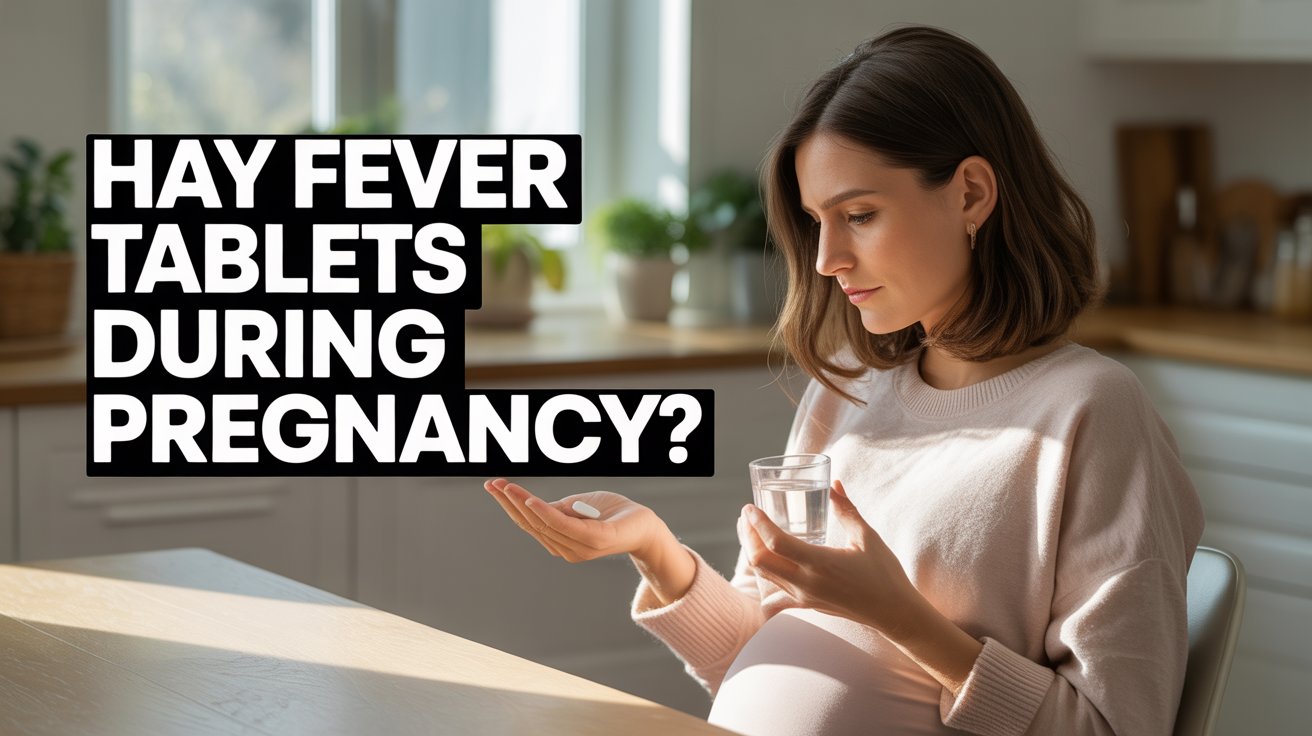
Hayfever during pregnancy presents a particular challenge. The symptoms — nasal congestion, sneezing, itchy eyes, disrupted sleep — are already more burdensome when you are pregnant, and the instinct to reach for the usual antihistamine is understandable. But pregnancy naturally prompts caution about any medication, and the question of which hayfever treatments are safe is one that GPs are asked regularly throughout the pollen season.
The reassuring answer is that hayfever in pregnancy can be managed, and several options are considered safe to use. The key is knowing which treatments to choose, which to avoid, and when to seek specific advice for your own circumstances.
Why Hayfever Can Feel Worse During Pregnancy
It is worth noting that pregnancy itself can intensify nasal symptoms. Elevated oestrogen levels cause the nasal mucosa to swell and produce more mucus — a condition known as rhinitis of pregnancy — which is entirely separate from allergic rhinitis but compounds it significantly. If your hayfever seems worse than in previous years, this physiological change is likely contributing alongside the pollen.
Non-Medication Approaches to Try First
Before reaching for medication, a number of practical measures can meaningfully reduce symptoms without any risk to the pregnancy:
- Saline nasal rinses or sprays. Rinsing the nasal passages with saline helps flush out pollen and reduce congestion. This is entirely safe in pregnancy, has no systemic effects, and can be used as frequently as needed.
- Nasal strips. Adhesive strips worn across the bridge of the nose gently open the nasal passages and can reduce the discomfort of congestion, particularly at night.
- Petroleum jelly around the nostrils. A small amount applied around the inside of each nostril can trap pollen particles before they are inhaled, reducing the allergen load reaching the nasal passages.
- Keeping windows closed during peak pollen periods. Particularly in the morning and evening when ground-level pollen counts are highest.
- Wraparound sunglasses outdoors. Reduce the amount of pollen reaching the eyes and help with eye-related symptoms without any medication.
These measures alone may be sufficient for mild symptoms. For moderate to severe hayfever, they work best alongside appropriate medical treatment rather than as a complete substitute.
Antihistamines in Pregnancy: What the Guidance Says
No antihistamine carries a product licence specifically for use in pregnancy, because clinical trials are not conducted in pregnant women. This means that safety data is based on observational evidence, post-marketing surveillance, and decades of clinical use rather than controlled trials — which is the context behind the cautious wording on most patient information leaflets.
In practice, certain antihistamines have a long track record of use in pregnancy with no established association with fetal harm, and are used when the benefit of treatment outweighs the risk of unmanaged symptoms.
Loratadine
Loratadine is the antihistamine most commonly recommended by UK GPs and pharmacists for use during pregnancy. It is non-sedating, has the most substantial observational safety data in pregnant women of any second-generation antihistamine, and is the preferred choice in all three trimesters when an oral antihistamine is needed.
Cetirizine
Cetirizine is also considered acceptable in pregnancy, with a reasonable body of observational evidence supporting its use. It is typically regarded as a second option after loratadine rather than a first choice, though some clinicians use both interchangeably. If you have been taking cetirizine prior to becoming pregnant and it has been managing your symptoms well, your GP may advise continuing rather than switching.
Antihistamines to avoid
First-generation antihistamines — including chlorphenamine — are generally not recommended in pregnancy. Although they have been used historically, their sedating properties and the availability of better-evidenced alternatives mean they are no longer the preferred option. Fexofenadine has more limited safety data in pregnancy compared to loratadine and cetirizine and is not typically recommended as a first choice during this period.
Nasal Corticosteroid Sprays in Pregnancy
For many hayfever sufferers, a nasal corticosteroid spray is more effective than antihistamines alone — and this remains the case during pregnancy. Nasal steroids work locally with minimal systemic absorption, and several formulations have data supporting their use in pregnancy.
Beclometasone nasal spray (available over the counter as Beconase) is the most commonly used and has the most established safety profile in pregnancy. Budesonide is also considered acceptable. Both are used at low doses that result in negligible systemic absorption.
As with all medications in pregnancy, the lowest effective dose for the shortest necessary period is the guiding principle — but for women with moderate to severe hayfever, the impact of unmanaged symptoms on sleep, wellbeing, and quality of life is a legitimate consideration in the treatment decision.
What to Avoid During Pregnancy
- Oral decongestants. Medications containing pseudoephedrine or phenylephrine — found in many combined cold and flu or hayfever products — should be avoided in pregnancy. These can cause vasoconstriction that may affect placental blood flow.
- Decongestant nasal sprays beyond a few days. Short-term use of xylometazoline or oxymetazoline sprays is generally considered low risk, but prolonged use is not recommended in pregnancy as with the general population, and some clinicians advise avoiding them altogether.
- Herbal remedies without GP guidance. Many herbal products marketed for hayfever relief have not been assessed for safety in pregnancy. “Natural” does not mean safe during pregnancy, and GP or pharmacist advice should be sought before using any supplement or herbal treatment.
Speak to a GP Before Starting Any New Medication
The guidance above reflects general clinical practice, but individual circumstances vary. The trimester you are in, your symptom severity, your medical history, and any other medications you are taking all influence which treatment is most appropriate for you specifically. At The Private GP in Birmingham, same-day appointments are available for a GP consultation to discuss your hayfever management during pregnancy and get advice tailored to your situation.
Frequently Asked Questions
- Which hayfever tablet is safest during pregnancy?
Loratadine is the antihistamine most widely recommended by UK GPs during pregnancy. It is non-sedating, has the most substantial observational safety data in pregnant women, and is the preferred oral antihistamine in all three trimesters when treatment is needed. Cetirizine is considered an acceptable alternative.
- Can hayfever tablets harm an unborn baby?
No antihistamine has been proven to cause harm to an unborn baby when used at recommended doses. The absence of a product licence for use in pregnancy reflects the absence of formal clinical trials in pregnant women rather than evidence of harm. Loratadine and cetirizine both have extensive observational data with no established association with fetal abnormality.
- Is it safe to use a nasal spray for hayfever when pregnant?
Yes. Beclometasone nasal spray (Beconase) and budesonide nasal spray are both considered acceptable during pregnancy. Because they work locally with very low systemic absorption, they are often preferred over oral antihistamines for women who want to minimise any potential systemic exposure during pregnancy.
- Can hayfever get worse during pregnancy?
Yes. Rhinitis of pregnancy — caused by elevated oestrogen levels increasing nasal mucosal swelling and mucus production — can compound pre-existing hayfever significantly. Some women find their symptoms are noticeably more severe during pregnancy even if their pollen exposure is no greater than in previous years.
- Should I see a GP about hayfever during pregnancy?
Yes, particularly if your symptoms are moderate to severe, affecting your sleep, or you are unsure which treatment is appropriate for your stage of pregnancy. A GP can advise on the safest and most effective approach for your specific circumstances. A same-day consultation at The Private GP in Birmingham means you do not have to wait for answers during a time when you want clarity quickly.
Get Clear Advice on Hayfever in Pregnancy
Managing hayfever safely during pregnancy is straightforward with the right guidance. At The Private GP in Birmingham, our doctors offer same-day GP consultations for pregnant patients who want personalised advice on which treatments are safe for them — without the wait.