

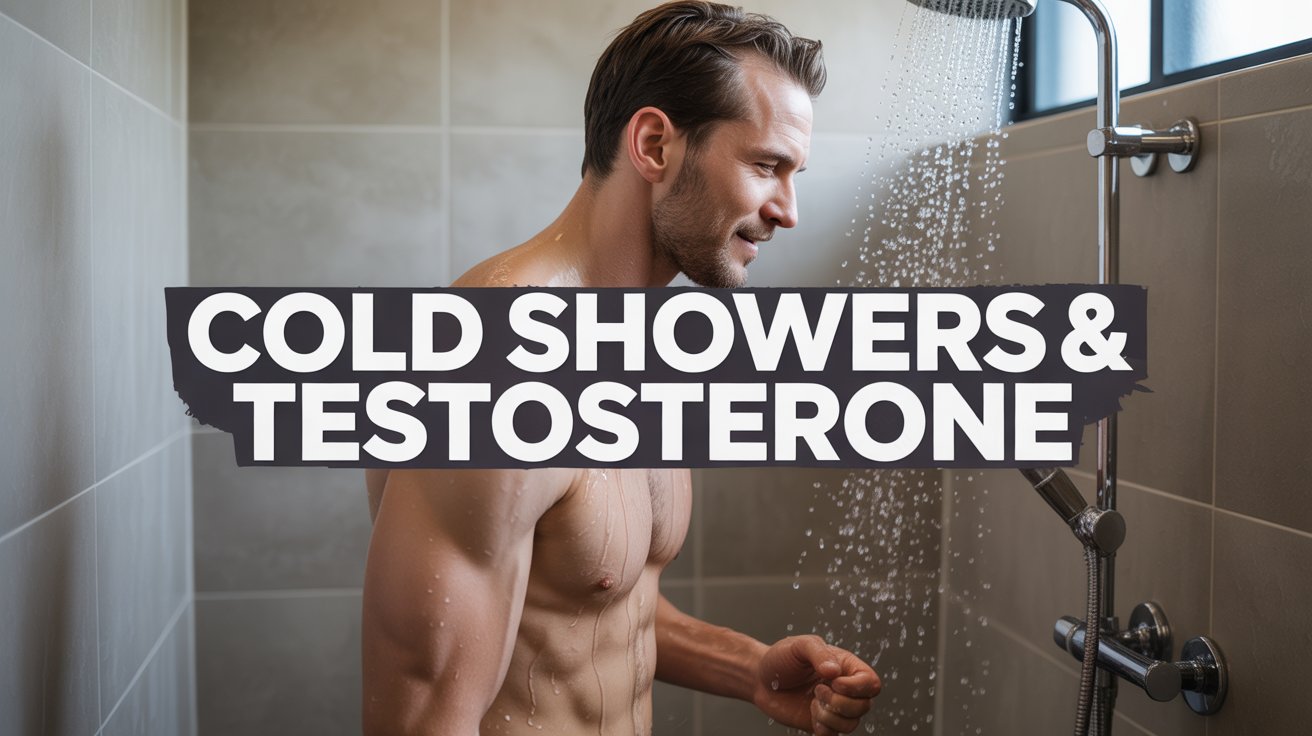
Do Cold Showers Boost Testosterone? A GP Explains

Cold showers have accumulated an enthusiastic following in recent years, credited with everything from improved mood and circulation to metabolic benefits and, most persistently, raised testosterone levels. The claim appears regularly in fitness content, men’s health podcasts, and wellness communities. But what does the clinical evidence actually show?

The honest answer is that cold showers have some genuine physiological effects β€” but their impact on testosterone is considerably more modest than the online conversation suggests. Understanding what the evidence does and does not support helps distinguish useful habits from overstated claims.


What the Evidence Actually Shows

There is a biological rationale behind the cold shower and testosterone claim, and it centres on testicular temperature. Testosterone is produced in the testes, which are housed outside the body in the scrotum precisely because sperm production and optimal testicular function require a temperature slightly below core body temperature β€” typically around 34 to 35 degrees Celsius rather than the body’s internal 37 degrees.

The logic follows that if heat impairs testicular function and cold preserves it, then cold exposure should support testosterone production. This is partially supported by evidence: sustained heat exposure β€” from hot baths, saunas, or prolonged sitting β€” has been shown in some studies to temporarily suppress testosterone levels and sperm production. Reducing that heat stress should, in theory, be beneficial.

However, the leap from β€œcold preserves testicular function” to β€œcold showers meaningfully raise testosterone in healthy men” is not well supported by clinical data. The studies most frequently cited in this context are small, methodologically limited, and do not demonstrate the kind of consistent, clinically significant testosterone elevation that would justify the confidence with which the claim is often made.


What Cold Exposure Does Do

Setting testosterone aside, cold water immersion does produce measurable physiological effects that are relevant to men interested in hormonal health and general wellbeing:

Cortisol Regulation

Brief cold exposure activates the sympathetic nervous system and triggers a stress response, including a transient cortisol spike. Regular cold exposure may, over time, improve the body’s cortisol regulation and stress resilience β€” relevant because chronically elevated cortisol suppresses testosterone production. In this indirect way, cold showers may support testosterone by helping manage stress physiology, though this chain of causation is speculative rather than directly proven.

Dopamine and Mood

Cold exposure produces a significant and sustained rise in dopamine β€” a neurotransmitter associated with motivation, drive, and mood. This is one of the most robustly supported effects of cold water immersion and is relevant to men experiencing low mood or low motivation alongside any hormonal concerns.

Sympathetic Activation and Alertness

The immediate physiological response to cold water β€” increased heart rate, deeper breathing, heightened alertness β€” is real and pronounced. Whether or not testosterone is significantly affected, many men report feeling more energised and mentally sharp after a cold shower, which has genuine practical value.


What Actually Moves Testosterone Levels

If raising testosterone is the goal, the evidence points clearly toward lifestyle factors that have a substantially larger and better-documented effect than cold showers:

Resistance Training

Heavy compound exercise β€” particularly squats, deadlifts, and presses β€” produces a well-documented acute and potentially chronic rise in testosterone. This is one of the most consistent and reproducible findings in exercise endocrinology.

Sleep Quality and Duration

The majority of daily testosterone production occurs during sleep, particularly during deep slow-wave sleep. Men sleeping fewer than six hours consistently show meaningfully lower testosterone levels than those sleeping seven to nine hours. Sleep is likely the single most impactful modifiable lifestyle factor for testosterone.

Body Composition

Excess body fat β€” particularly visceral abdominal fat β€” increases the activity of aromatase, an enzyme that converts testosterone to oestrogen. Reducing body fat through diet and exercise has a direct and clinically meaningful effect on testosterone levels.

Stress Management

Chronic psychological stress elevates cortisol, which directly suppresses testosterone production via the hypothalamic-pituitary-gonadal axis. Addressing chronic stress is a more impactful testosterone intervention than any single wellness practice.

Vitamin D and Zinc

Deficiency in either is associated with lower testosterone levels. Vitamin D deficiency is common in the UK, particularly through autumn and winter. Correcting a genuine deficiency through supplementation or sun exposure has a measurable effect on testosterone in those who are deficient.


When Low Testosterone Needs Clinical Assessment

If you are experiencing symptoms of low testosterone β€” persistent fatigue, reduced libido, low mood, difficulty building muscle, or poor concentration β€” cold showers and lifestyle optimisation are reasonable starting points but are not a substitute for clinical assessment. A testosterone blood test provides an accurate baseline from which to understand whether your levels are genuinely low and whether treatment is warranted.

Low testosterone has identifiable causes β€” ranging from lifestyle factors to hormonal disorders β€” and effective treatments including testosterone replacement therapy for those who meet the clinical criteria. Self-management with wellness practices is appropriate when symptoms are mild and levels are within the normal range. When symptoms are significant and persistent, a GP-led assessment is the more appropriate path.


Frequently Asked Questions

  • Do cold showers increase testosterone?

The evidence is limited and inconsistent. There is a biological rationale based on testicular temperature regulation, and cold exposure does produce genuine physiological effects β€” including dopamine release and sympathetic activation. However, current research does not demonstrate a clinically meaningful or sustained rise in testosterone from cold showers in healthy men. The effect, if present, is likely modest and indirect.

  • How long would a cold shower need to be to have any effect?

The studies that have examined cold water exposure and hormonal effects typically use cold water immersion rather than showers, and for periods of several minutes at water temperatures below 15 degrees Celsius. A brief cold rinse at the end of a shower is unlikely to produce the degree of physiological stress used in research settings. Dedicated cold water immersion β€” in a cold plunge or bath β€” is more consistent with what has actually been studied.

  • What are the signs of low testosterone?

Common symptoms include persistent fatigue and low energy, reduced sex drive, difficulty building or maintaining muscle mass, increased body fat particularly around the abdomen, low mood or depressive symptoms, poor concentration, and reduced morning erections. These symptoms are not specific to low testosterone and can have other causes, which is why a blood test is an important part of the assessment.

  • How is low testosterone diagnosed?

Low testosterone is diagnosed through a blood test measuring total testosterone, typically taken in the morning when levels are at their daily peak. A private testosterone blood test at The Private GP in Birmingham can be arranged same-day with results reviewed directly with a doctor who can place the number in clinical context rather than simply reporting it against a reference range.

  • Is testosterone replacement therapy available in Birmingham?

Yes. Testosterone replacement therapy (TRT) is available at The Private GP in Birmingham for men who have confirmed low testosterone on blood testing and meet the clinical criteria for treatment. A thorough assessment including history, examination, and blood work is carried out before any treatment is initiated.


Get Your Testosterone Properly Assessed in Birmingham

If you have symptoms that suggest low testosterone, the most useful thing you can do is get a clear picture of where your levels actually stand. The Private GP in Birmingham offers same-day testosterone blood tests and GP consultations to assess your hormonal health properly β€” so any decisions about treatment are based on evidence rather than wellness claims.

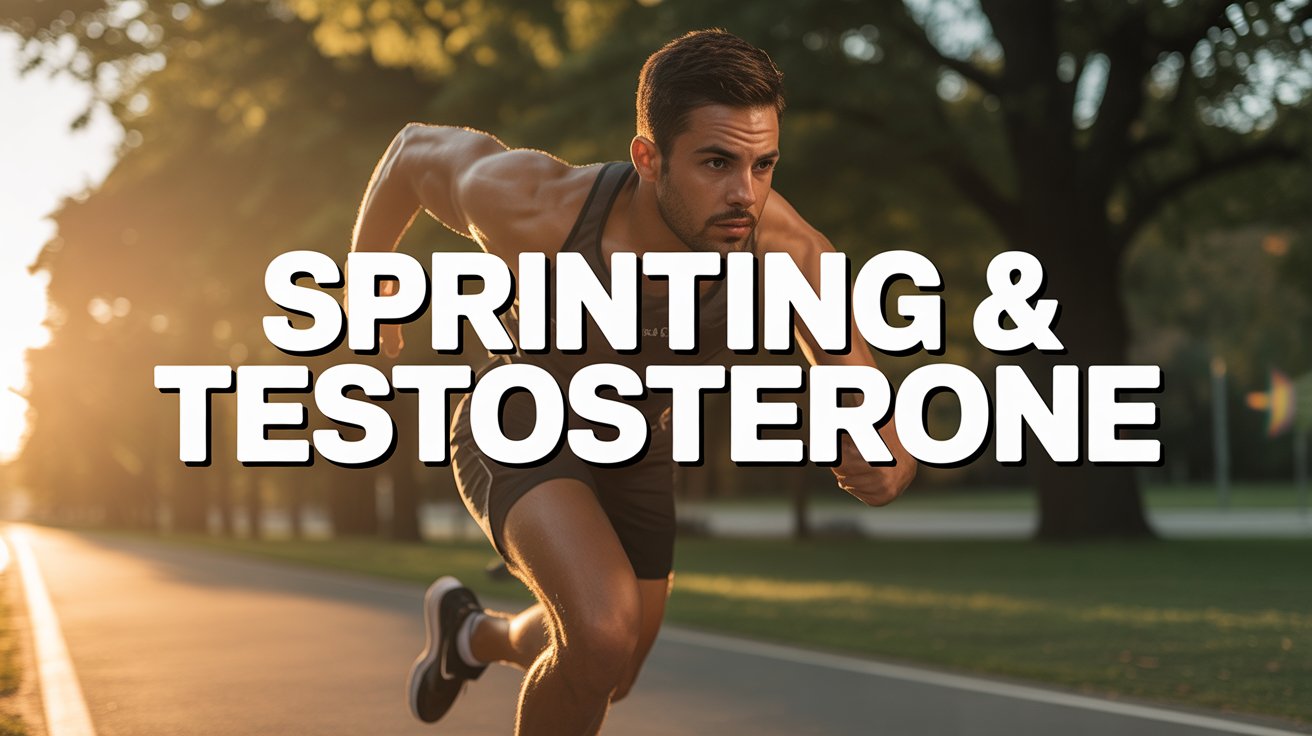
Does Sprinting Increase Testosterone?

Among the lifestyle interventions discussed in men’s health circles, sprinting occupies an unusually credible position. Unlike many wellness claims, the link between high-intensity exercise and testosterone has a genuine evidence base. But understanding what that evidence actually shows β€” and what it means for someone trying to support their hormonal health through training β€” requires a more nuanced look than most fitness content provides.

The short answer is yes, sprinting does produce a measurable rise in testosterone β€” but the nature, size, and duration of that effect matter considerably.


What the Research Shows

Exercise intensity is the key variable in the relationship between physical activity and testosterone. Studies examining different exercise modalities consistently find that high-intensity exercise β€” including sprinting, heavy resistance training, and interval-based protocols β€” produces a more pronounced acute testosterone response than steady-state aerobic exercise at moderate intensity.

Sprint-specific research has shown that short bouts of maximal or near-maximal effort β€” typically six to thirty seconds β€” produce a significant rise in circulating testosterone immediately post-exercise. This effect is most pronounced in the first fifteen to thirty minutes after sprinting and returns toward baseline within an hour or two. Some studies show a secondary rise several hours post-exercise, possibly related to delayed growth hormone and luteinising hormone activity.

The acute response is real and reproducible. What is less clear β€” and where the evidence is more limited β€” is whether repeated sprint training over weeks and months produces a meaningful chronic elevation of resting testosterone levels in otherwise healthy men.


Why High-Intensity Exercise Affects Testosterone

The Intensity Threshold

Testosterone response to exercise appears to require a threshold of intensity to be meaningful. Walking, light jogging, and moderate-pace cycling produce minimal acute testosterone elevation. As intensity increases toward maximal effort β€” as in true sprinting β€” the hormonal response becomes more pronounced. This is thought to involve activation of the sympathetic nervous system, recruitment of fast-twitch muscle fibres, and stimulation of the hypothalamic-pituitary-gonadal axis under metabolic stress.

Large Muscle Group Recruitment

Sprinting recruits an enormous proportion of total muscle mass β€” the glutes, hamstrings, quadriceps, hip flexors, and calves are all working near maximally during a full sprint. The evidence from resistance training research consistently shows that exercises recruiting larger muscle groups produce a greater hormonal response than isolated movements. Sprinting, as a whole-body explosive effort, satisfies this criterion more completely than most forms of exercise.

Lactate and Growth Hormone

Maximal sprinting produces significant lactate accumulation, which is associated with a pronounced post-exercise growth hormone spike. Growth hormone and testosterone are closely related in their anabolic effects, and the growth hormone response to sprinting may amplify or complement the testosterone signal produced by the exercise itself.


How Sprinting Compares to Other Exercise

Sprinting sits alongside heavy compound resistance training as one of the most testosterone-stimulating forms of exercise available. Both involve maximal or near-maximal effort, large muscle group recruitment, and significant metabolic stress. The practical distinction is primarily one of injury risk and training age β€” sprinting at maximal intensity without adequate preparation is a common cause of hamstring injury, particularly in men over thirty-five who have not sprinted at full effort for some time.

Prolonged endurance exercise β€” marathon training, long-distance cycling β€” can, at high volumes, suppress testosterone through a combination of elevated cortisol, reduced recovery capacity, and caloric deficit. This does not mean cardio is harmful to testosterone in moderate amounts, but it does highlight why intensity and volume matter more than simply being physically active.


Practical Implications: How to Use Sprinting for Hormonal Health

For men interested in using exercise to support testosterone levels, the evidence points toward the following principles:

Prioritise Intensity Over Duration

Six to eight maximal sprints of fifteen to thirty seconds with adequate recovery between efforts is likely to produce a greater hormonal stimulus than a thirty-minute steady jog. The effort level during each sprint matters far more than the total time spent running.

Allow Adequate Recovery

The testosterone response to high-intensity exercise is dependent on adequate recovery between sessions. Training at maximal intensity every day suppresses recovery and can elevate cortisol chronically, counteracting the testosterone benefit. Two to three sprint sessions per week with rest days between is a reasonable starting point.

Warm Up Properly

Full-intensity sprinting without adequate preparation is a significant hamstring injury risk, particularly in men who have not sprinted recently. Dynamic warm-up and progressive intensity build-up before maximal efforts is essential.

Combine with Resistance Training

The evidence for resistance training and testosterone is the most robust in exercise endocrinology. Combining sprinting with compound weight training produces a more comprehensive hormonal stimulus than either in isolation.


When Exercise Is Not Enough

For men with genuinely low testosterone β€” confirmed by blood testing β€” lifestyle optimisation including sprint training, resistance exercise, adequate sleep, and stress management is an important foundation. But when levels are clinically low and symptoms are significant, exercise alone is unlikely to fully restore testosterone to optimal ranges. A testosterone blood test provides the baseline needed to understand whether a clinical intervention such as testosterone replacement therapy is warranted alongside lifestyle measures.


Frequently Asked Questions

  • How much does sprinting raise testosterone?

Studies show that maximal sprint exercise can raise circulating testosterone by 15 to 30 percent acutely in the immediate post-exercise period. The effect peaks in the first fifteen to thirty minutes and returns toward baseline within one to two hours. Whether repeated sprint training produces a meaningful chronic elevation in resting testosterone in healthy men remains less clearly established by current evidence.

  • Is sprinting better than weightlifting for testosterone?

Both produce a significant acute testosterone response, and the evidence for heavy compound resistance training β€” particularly squats and deadlifts β€” is arguably more consistent and better studied than sprint-specific research. The most effective approach for hormonal health likely combines both. Sprinting offers the additional benefits of cardiovascular fitness and metabolic conditioning that heavy lifting alone does not provide.

  • How often should I sprint to support testosterone?

Two to three sprint sessions per week, allowing adequate recovery between sessions, is supported by the principles of hormonal response to high-intensity exercise. More frequent maximal-intensity sessions risk elevating cortisol chronically, which can suppress testosterone. Quality and intensity of each session matter more than frequency.

  • Can overtraining lower testosterone?

Yes. Overtraining syndrome β€” characterised by excessive training volume without adequate recovery β€” is associated with chronically elevated cortisol and suppressed testosterone. This is most commonly seen in endurance athletes training at very high volumes, but any form of training that consistently outpaces recovery will eventually compromise hormonal health rather than support it. Sleep, nutrition, and rest days are not optional extras for men training with hormonal health in mind.

  • Should I get my testosterone tested before changing my training?

If you have symptoms suggesting low testosterone β€” fatigue, low libido, poor recovery, difficulty building muscle β€” a testosterone blood test before making significant training changes gives you a useful baseline. It allows you to assess whether lifestyle interventions are moving your levels and whether clinical support might be appropriate if symptoms persist despite optimised training and recovery.


Get Your Testosterone Assessed in Birmingham

If you want to know where your testosterone levels actually stand β€” rather than guessing based on symptoms β€” The Private GP in Birmingham offers same-day testosterone blood tests with results reviewed directly with a doctor. If levels are low and symptoms are significant, testosterone replacement therapy is available for those who meet the clinical criteria.

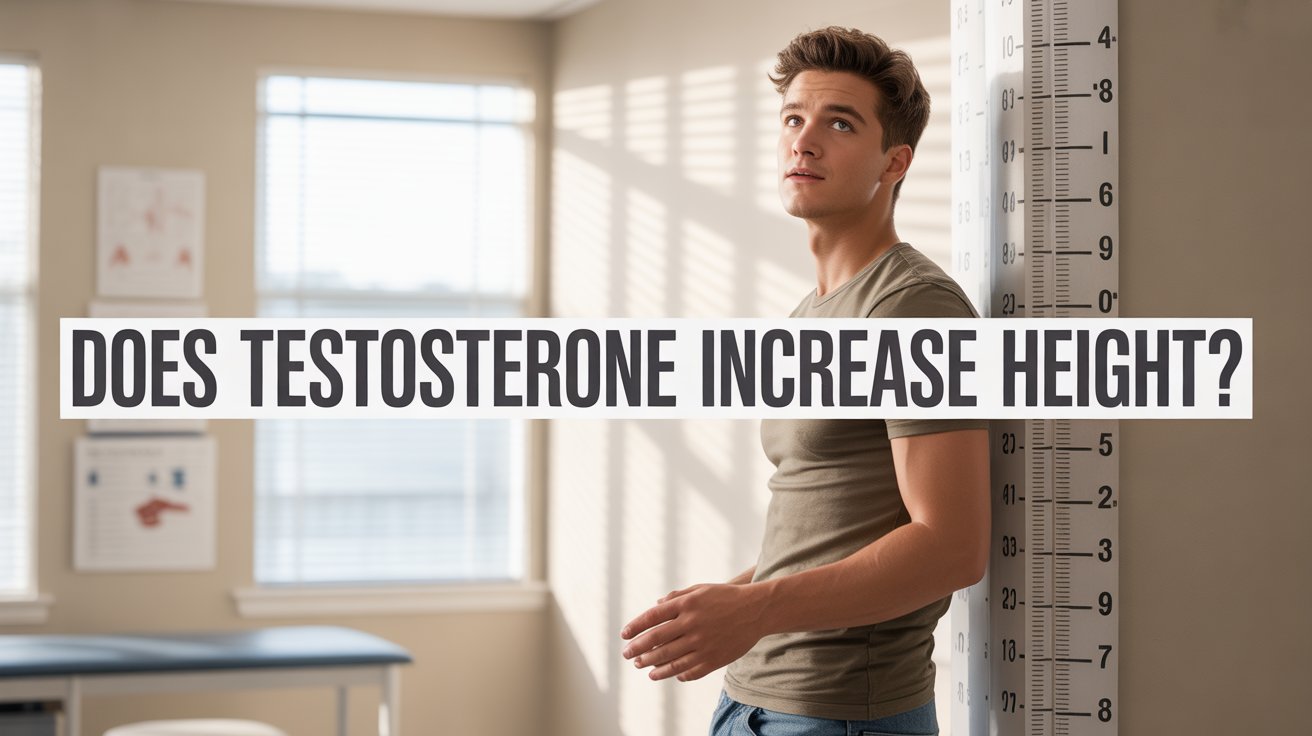
Will Testosterone Increase Height?

Testosterone’s role in physical development is significant and well understood, which makes the question of whether it increases height a reasonable one to ask. The relationship between testosterone and height is real β€” but it is also more complicated than a straightforward yes or no, and it changes fundamentally depending on age and whether the growth plates are still open.

The honest answer is that testosterone can support height increase during the right developmental window, but in adults whose growth plates have closed, it cannot add height and may under certain circumstances have the opposite effect.


Testosterone and Growth During Puberty

To understand how testosterone affects height, it helps to understand how height is determined in the first place. Bones grow at specialised regions near their ends called epiphyseal growth plates β€” or simply growth plates. These areas of cartilage allow long bones to lengthen during childhood and adolescence. Once they fuse and harden into bone at the end of puberty, no further height increase is possible regardless of hormone levels.

During puberty, testosterone plays a dual role in height. On one hand, it stimulates the release of growth hormone and IGF-1 (insulin-like growth factor 1), which drive the adolescent growth spurt. Boys typically experience their most rapid height gain in early to mid puberty β€” partly because of rising testosterone levels. This is the window in which testosterone genuinely supports increased height.

On the other hand, testosterone β€” and particularly its conversion to oestrogen via aromatase β€” is also responsible for eventually closing the growth plates. This is why boys who enter puberty earlier tend to be shorter in adulthood than those whose puberty is delayed: the early testosterone surge drives initial rapid growth, but also closes the growth plates sooner, limiting the total time available for growth.


What Happens to Height After the Growth Plates Close?

In most males, growth plates fuse fully between the ages of seventeen and twenty-five, with the majority completing fusion by their early twenties. Once this has happened, the structural capacity for height increase no longer exists. Bones cannot lengthen through hormonal stimulation once the growth plates are gone.

For adult men β€” including those considering or already on testosterone replacement therapy β€” testosterone does not increase height. It can influence body composition, muscle mass, fat distribution, and bone density, but it cannot reopen fused growth plates or cause long bones to lengthen.


Can Testosterone Therapy Affect Height in Any Way?

In adults with fully fused growth plates, TRT does not increase height. However, there are a few adjacent effects worth understanding:

Bone Density

Testosterone supports bone mineral density. Men with chronically low testosterone over years may experience some degree of bone thinning. TRT in this context can help preserve and in some cases partially restore bone density, but this affects the structural integrity of existing bone rather than its length.

Posture and Muscle Support

Low testosterone is associated with reduced muscle mass and core strength, which can contribute to postural changes β€” a slight forward rounding of the upper spine, for instance. Restoring testosterone levels through TRT, alongside exercise, may support better posture and a more upright stance. This is not an increase in skeletal height but can affect how tall someone appears and feels.

In Adolescents with Delayed Puberty

For boys with clinically diagnosed hypogonadism or significantly delayed puberty, carefully timed testosterone therapy under specialist supervision can support the growth spurt that would otherwise be stunted or delayed. The timing and dose are critical β€” testosterone given too early or in excess can accelerate growth plate closure and result in shorter adult height rather than taller.


The Risk of Exogenous Testosterone in Young Men

This is an important clinical point that is often overlooked in online discussions about testosterone and height. Young men β€” particularly teenagers and men in their early twenties β€” who use anabolic steroids or unsupervised testosterone to enhance performance or physique may actually compromise their final adult height if their growth plates have not yet fully fused. Supraphysiological levels of testosterone accelerate growth plate closure, potentially ending the growth window prematurely.

This is one of several reasons why testosterone use outside of medically supervised replacement therapy carries significant risk in younger men, and why clinical assessment of growth plate status is relevant when testosterone therapy is being considered in anyone under twenty-five.


What Testosterone Actually Does in Adult Men

For adult men whose growth plates are fully fused β€” which is the majority of men considering TRT β€” the benefits of testosterone replacement, when clinically indicated, relate to areas well beyond height:

  • Energy and fatigue. Restoration of low testosterone often produces meaningful improvement in energy levels and reduction in persistent fatigue.
  • Libido and sexual function. Testosterone is the primary hormonal driver of male sex drive, and low levels are a common and treatable cause of reduced libido.
  • Muscle mass and body composition. Testosterone supports lean muscle retention and fat metabolism. Men on TRT typically find it easier to build and maintain muscle while reducing body fat.
  • Mood and cognitive function. Low testosterone is associated with low mood, irritability, and difficulty concentrating. Restoration to normal levels often produces a noticeable improvement in these areas.


Frequently Asked Questions

  • Can testosterone make you taller after puberty?

No. Once the growth plates have fused β€” typically by the early to mid twenties β€” no hormonal intervention can increase skeletal height. Testosterone does not reopen fused growth plates. In adults, TRT influences body composition, bone density, energy, and libido but has no effect on height.

  • Does low testosterone make you shorter?

Low testosterone in adulthood does not directly reduce height, but it can contribute to reduced bone density over time and postural changes associated with muscle weakness. These effects can make someone appear or feel less upright, but they are not a reduction in skeletal height. TRT in men with confirmed low testosterone can help preserve bone density and support better posture and muscle mass.

  • At what age do growth plates close in males?

Growth plates typically begin closing in mid to late adolescence and complete fusion in most males between the ages of seventeen and twenty-five. The exact timing varies between individuals and between different bones in the body. A bone age X-ray can determine whether growth plates are still open in cases where this is clinically relevant.

  • Can anabolic steroids stunt growth in teenagers?

Yes. Supraphysiological levels of testosterone or anabolic steroids in teenagers whose growth plates have not yet fully fused can accelerate plate closure and reduce final adult height. This is one of the most significant risks of unsupervised anabolic steroid use in young men, alongside cardiovascular, hormonal, and psychological effects.

  • How do I know if I have low testosterone?

The most reliable way is a blood test. Symptoms of low testosterone β€” fatigue, low libido, poor recovery, difficulty building muscle, low mood β€” are non-specific and can have other causes. A testosterone blood test at The Private GP in Birmingham provides an accurate baseline, with results discussed directly with a doctor who can advise on whether levels are clinically low and whether testosterone replacement therapy is appropriate.


Get Your Testosterone Assessed in Birmingham

If you have questions about testosterone and your health β€” whether related to energy, body composition, libido, or hormonal wellbeing β€” The Private GP in Birmingham offers same-day testosterone blood tests and GP consultations, with results reviewed and explained by a doctor rather than simply posted through the door.