

Can I Switch From NHS to Private GP?

Here’s the reworded version with the word removed throughout, formatted for a clean paste into WordPress:


TL;DR

You do not need to switch from NHS to private GP care in the sense of giving one up for the other — most people use both. You stay registered with your NHS GP and book private appointments separately as needed. There is no formal switching process, no de-registration required, and your NHS entitlements remain unaffected. The practical question is less about switching and more about how to use both services together effectively.

“Switching” is a slightly misleading way to think about this, because in the UK you are not actually choosing one system over the other — you are choosing how much of each to use, and when.

Do You Need to De-Register From Your NHS GP to Use a Private One?

No. There is no requirement, and no advantage, to de-registering from your NHS GP in order to use private GP services.

The two systems operate entirely independently of each other. There is no formal switching process, no paperwork that links your NHS registration to a private appointment, and no administrative step required before you can book privately. You simply book a private GP appointment when you want one, while remaining registered with your NHS practice exactly as before.

De-registering would only disadvantage you. It would remove your access to NHS hospital care, emergency treatment, maternity services, vaccinations, and the broader NHS pathway — none of which a private GP clinic is designed to replace. The overwhelming majority of people who use private GP services remain registered with an NHS practice throughout, using each for what it does best.

How to Start Using a Private GP Alongside Your NHS One

Getting started with a private GP is considerably simpler than people often expect.

Choosing a provider is your first decision, and unlike NHS general practice, private GP services do not operate within catchment areas — you can choose any provider you like, regardless of where you live. Location, appointment availability, the range of services offered, and whether video or in-person consultations suit you better are all reasonable things to weigh up.

You do not need a referral to book. You can contact a private clinic directly, by phone or online, and arrange an appointment without going through your NHS GP first. Some private clinics require you to register as a patient; others allow pay-as-you-go booking without any prior sign-up.

Bring a list of your current medications and any relevant medical history to your first appointment. Since private and NHS records are held separately, your private GP will not automatically have access to your NHS file, so this information helps them give you the most accurate assessment.

Billing is typically straightforward — most private GP services charge per consultation, though some offer membership-style plans with a fixed fee covering a set number of appointments over a period of time.

NHS GP vs Private GP — A Practical Comparison

NHS GPPrivate GP
Referral neededNoNo
Catchment areaYes, based on registrationNo, any provider
Typical appointment wait1–3 weeks for non-urgent; same-day urgent slots limitedSame-day or next-day in most cases
Typical consultation lengthAround 10 minutesTypically 20–30 minutes
Cost of consultationFreePaid, varies by clinic
Access to NHS specialist referralYesYes, via NHS e-Referral system
Medical recordsHeld by NHS practiceHeld separately, shared only with consent

This is a general comparison and individual practices vary — but it gives a realistic picture of where the two systems genuinely differ in day-to-day use.

What Happens to Referrals and Medication When Using Both?

A private GP can refer you either into the NHS system or to a private specialist, and both routes are entirely valid — your choice depends on whether you want NHS-funded treatment with its associated waiting times, or faster private specialist access.

Medication costs work slightly differently depending on where they originate. Guidance published by an NHS general practice confirms that if you take a private medication order to an NHS pharmacy, you will pay the full cost of the drug, not the standard NHS charge. This applies regardless of which pharmacy dispenses it — what determines the cost is who authorised the medication, not where you collect it.

For long-term medication that a private specialist or GP has started, your NHS GP may be able to take over the ongoing supply once you are clinically stable, which would then mean paying the standard NHS charge going forward rather than the full private cost. This depends on the specific medication. NHS commissioning guidance on the boundaries between NHS and private healthcare describes medicines as falling into categories — broadly, those considered safe for GPs to issue in primary care, and those that must be started and monitored by a hospital specialist due to their complexity or risk profile. Whether your NHS GP can take over responsibility for a particular medication depends on which category it falls into and whether a formal shared care agreement exists between the GP and the specialist who started it. Your GP is not obligated to accept ongoing responsibility for a medication recommended by another doctor if they do not feel able to do so safely.

Does Your NHS GP Need to Know You’re Using a Private GP?

Not automatically. Private GPs do not routinely share consultation records with NHS GPs, and the same applies in reverse — your NHS GP’s notes are not automatically visible to a private clinician you see.

That said, telling your NHS GP is good practice, particularly where a private consultation has resulted in a new diagnosis, a new medication being started, or test results that are clinically relevant to your ongoing care. A GP managing your health without full information about medication started elsewhere is working with an incomplete picture, which is a genuine safety consideration rather than just a tidiness issue.

The simplest way to keep things joined up is to ask your private GP to send a brief summary letter to your NHS practice after your appointment, or to mention the consultation yourself at your next NHS visit. Neither is mandatory, but both make for safer, better-coordinated care.

Can You Mix NHS and Private Care for the Same Condition?

You cannot split a single course of treatment between NHS and private funding — but using private care for one stage and NHS care for another, as clearly separate episodes, is generally permitted.

A straightforward and common example: you see a private GP for a prompt assessment and arrange a private scan to get a fast diagnosis, then take the results back to your NHS GP to access NHS-funded treatment for what the scan found. This is a recognised and accepted pathway.

What is not permitted is blending the two within a single treatment episode — for instance, having a procedure performed on the NHS and then paying privately for an add-on to that same procedure, or having part of a course of physiotherapy on the NHS and part privately for the same injury at the same time. NHS guidance is explicit that you cannot have part of one treatment privately and another part on the NHS — the two must stay clearly separate.

Importantly, choosing a private consultation at any stage does not move you up or down an existing NHS waiting list. Your position is determined by clinical need, not by whether you have also sought private advice alongside it.

Frequently Asked Questions

Will I lose my place on an NHS waiting list if I see a private GP?
No. Choosing a private consultation does not move you up or down any existing NHS waiting list. Your position remains based on clinical need, entirely separate from any private care you also access.

Can a private GP arrange NHS-funded medication for me?
No. Medication authorised by a private GP is charged at the full drug cost even if collected from an NHS pharmacy. Our urgent medication service provides prompt access privately when you cannot reach your NHS GP in time.

Do I need a referral to see a private GP?
No. You can book a private GP appointment directly without any referral from your NHS GP or anyone else.

Can I go back to my NHS GP after a private appointment?
Yes, always. Your NHS registration and entitlements are entirely unaffected by any private appointments you have. You can return to your NHS GP for ongoing care at any time.

Is private GP care covered by health insurance?
It depends on your specific policy. Some private health insurance plans include GP consultations as part of their cover; others do not. Check your policy documents or contact your insurer to confirm before booking if you intend to claim.

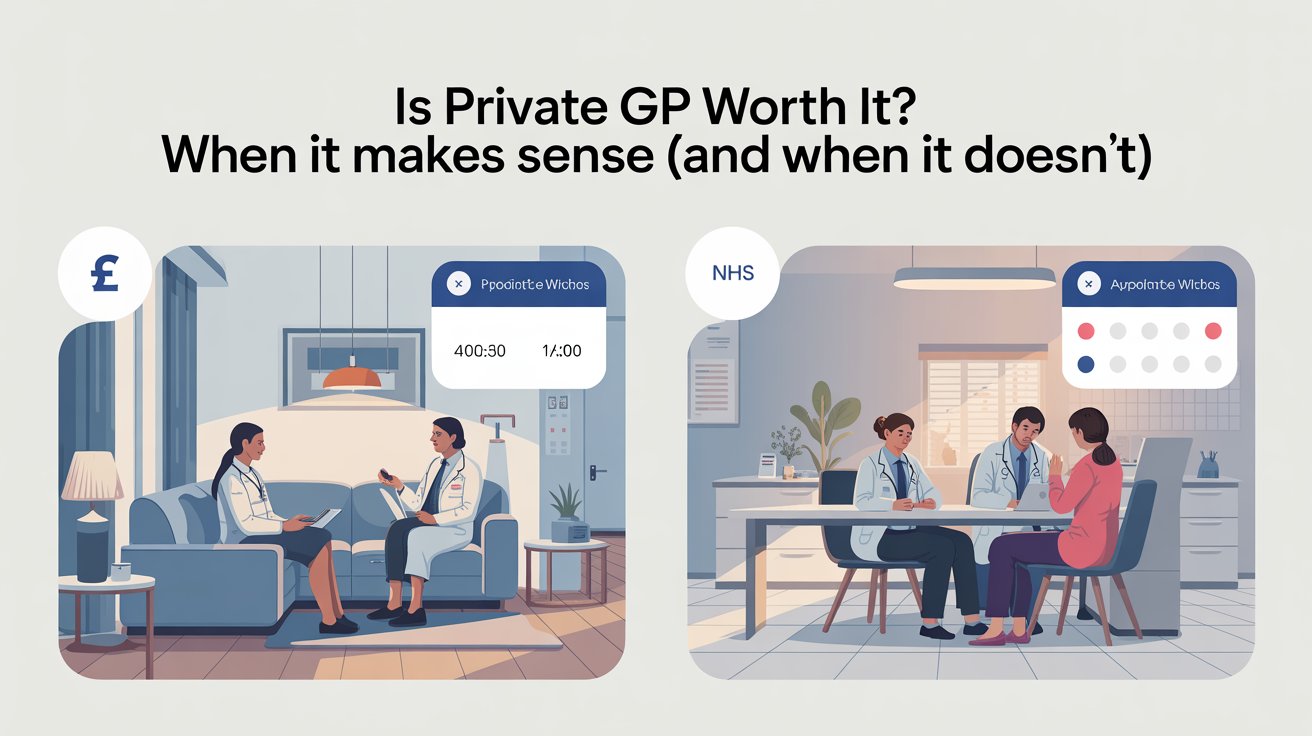
Is Private GP Worth It? When It Makes Sense (and When It Doesn’t)

This is the same document as your first message — here’s that reworded version again (word removed, ready to paste into WordPress):


What Does a Private GP Appointment Actually Cost?

The question is not really whether private GP care is good — it is whether it is worth it for your specific situation, right now. The honest answer depends on what you need, how urgently you need it, and what the NHS can realistically offer you at this point in time.

This article gives you a clear, balanced framework for making that decision — covering the specific situations where private care adds genuine value, and the situations where the NHS is the smarter choice.

Before weighing up whether private care is worth it, it helps to know what you are actually comparing.

At The Private GP in Birmingham, key services are priced clearly with no hidden charges:

  • Private GP consultation: same-day appointment, in-person or video
  • ECG heart health check-up: £85, results reviewed same day
  • Private blood tests: from £80, results within one to three working days
  • Full health check-up: comprehensive assessment including ECG, blood tests, physical examination, and GP consultation
  • Private medication service: £35

Additional costs to factor in are the medication itself if it is issued (charged at full drug cost at the pharmacy), and any specialist fees if a referral to a private consultant follows. Referrals back into the NHS pathway carry no additional cost.

The relevant comparison is not simply the cost of the appointment versus zero — it is the cost of the appointment versus the practical and clinical cost of waiting.

When Is a Private GP Genuinely Worth It?

There are specific situations where a private GP appointment provides clear, tangible value that the NHS cannot match in a reasonable timeframe.

When You Need to Be Seen Today

RCGP data for February 2026 shows that 16.9% of NHS GP appointments took place more than two weeks after they were booked. For non-urgent concerns, that wait is manageable. For symptoms that are worsening, anxiety-provoking, or time-sensitive, two weeks is a long time.

A private GP appointment is genuinely worth it when waiting means the concern will get worse, when the anxiety of not knowing is affecting your quality of life and work, or when a clinical decision — a referral, medication being issued, a sick note — needs to happen today rather than in a fortnight. Same-day access is the single most common reason people choose private GP care, and it is a legitimate and practical one.

When You Need a Longer Appointment

NHS GP consultations are typically ten minutes. For a straightforward presentation — a chest infection, a repeat medication request, a single specific concern — ten minutes is adequate. For anything more complex, it frequently is not.

If you have several interrelated symptoms, a concern you want to discuss thoroughly rather than rush through, or a health history you want a doctor to understand properly before making a recommendation, twenty to thirty minutes with a private GP makes a meaningful clinical difference. The additional time allows for a more thorough examination, a more detailed history, and a conversation about findings rather than a brief summary at the end of a rushed appointment.

When You Need Tests With Same-Day Results

On the NHS, investigations are typically requested at one appointment and results reviewed at a separate follow-up — often days or weeks later. At The Private GP, an ECG is performed, results are reviewed by a GP, and findings are discussed with you at the same appointment. Blood tests are typically returned within one to three working days with a GP review included.

For patients who want to know where they stand today — cardiac symptoms, unexplained fatigue, suspected thyroid problems, hormonal concerns — the same-day or rapid-results model is a concrete advantage. It removes the anxious wait between test and result, and it means clinical decisions can be made at a single visit rather than stretched across multiple appointments.

When You Need a Document or Referral Quickly

Sick notes, referral letters, insurance medicals, medical reports, and letters confirming medication needs are all available at a private GP appointment.

On the NHS, the time between requesting a document and receiving it varies between practices and can take several days. For patients who need a referral letter arranged urgently, a sick note for an employer who needs it today, or medication that has run out sorted promptly, a private appointment resolves the issue at the point of contact.

When You Want a Health Check Not Available on the NHS

The NHS Health Check is a cardiovascular risk screen offered every five years from the age of 40. It does not include ECG, thyroid function, testosterone, hormone panels, vitamin D, B12, iron studies, or inflammatory markers.

For patients who want a broader, more comprehensive picture of their health — or who want to check specific markers that the NHS does not routinely test — a private health check fills that gap directly. Our full health check-up covers the markers that matter most, with same-day results and a GP consultation to discuss findings and next steps.

When You Are Travelling or Away From Home

If you are visiting Birmingham, are not registered with a local GP, or are between practices following a house move, accessing NHS primary care at short notice is genuinely difficult. A private GP appointment provides immediate access to clinical care regardless of where you are registered — no paperwork, no waiting to be allocated a practice, no uncertainty about whether you are in the catchment area.

When Is a Private GP Not Worth It?

Private GP care is not the right answer for every situation — and being honest about this matters.

For ongoing long-term condition management — type 2 diabetes, hypertension, asthma, COPD, chronic kidney disease — the NHS provides structured annual reviews, monitoring, medication management, and access to the specialist multi-disciplinary teams that manage these conditions over the long term. The NHS confirms that GP practices provide ongoing management of long-term conditions as a core service, and the continuity of care, shared records, and structured review process the NHS offers for these patients is something a private GP clinic is not designed to replicate as a primary route.

For maternity care, cancer pathways, complex mental health support, and anything requiring hospital-level treatment, the NHS pathway is irreplaceable. Private GP care operates at the primary care level — a private GP consultation is not a substitute for specialist hospital care, surgical treatment, or the complex multi-agency management that serious conditions require.

For genuine emergencies — chest pain, signs of stroke, sudden severe breathlessness, serious injury — always call 999 or go to A&E. A private GP clinic is not an emergency service.

And for anything that can genuinely wait — a routine medication review, a non-urgent smear test, a minor skin concern that has been present for months without change — the NHS provides exactly the same clinical service at no cost. Using a private appointment for something that is neither urgent nor time-sensitive is simply unnecessary spending.

How to Think About the Cost

Cost is the most obvious reason people hesitate before booking a private GP appointment. It is a legitimate consideration, and the right way to think about it is not cost versus zero — it is cost versus the practical consequences of waiting.

For someone in full-time employment, a two-week wait for an appointment often means two weeks of managed symptoms, potential missed work, the anxiety of not knowing, and the possibility that a condition worsens during the wait in a way that requires more intensive treatment than prompt care would have. The clinical and practical cost of delay is real, even if it is less visible than the number on an invoice.

For many patients, the value calculation is straightforward. A same-day appointment for £35 to £85 that resolves a concern, provides a referral, or delivers test results the same day represents better value than two weeks of uncertainty — particularly when the alternative is not free care but free care with a fortnight’s delay.

For others — those without urgent concerns, those whose NHS GP is accessible and responsive, those managing stable long-term conditions on the NHS — the NHS is unambiguously the right choice and private care adds no meaningful value.

The most effective approach for most people is to use both strategically. Keep your NHS GP for ongoing management, complex pathways, and anything that can wait. Use a private GP when speed, thoroughness, or same-day access genuinely matters.

Frequently Asked Questions

Is a private GP appointment worth it for a one-off concern?
Yes, in most cases. For a single specific concern that needs prompt assessment, a same-day private appointment provides immediate access, a thorough consultation, and clarity on the same day — without the wait for an NHS slot.

Is private GP care worth it if I rarely get sick?
For people in good health who rarely need GP care, a private appointment for occasional time-sensitive concerns is a sensible, low-cost complement to NHS care. A private health check once a year or every two years also adds value for proactive monitoring not covered by the NHS.

Can I claim a private GP appointment on health insurance?
It depends on your policy. Many private health insurance plans in the UK include GP consultations or offer them at a reduced rate. Check your policy documents or contact your insurer directly to confirm what is covered before booking.

Is a private GP better than an NHS GP?
Both are equally qualified. The difference is in access, appointment length, and what is available on the day — not clinical capability or training. A private GP is not inherently better; they are better suited to specific situations where speed and thoroughness matter most.

How do I know if my concern needs a private GP or an NHS one?
If your concern can wait two to three weeks without significant clinical risk or personal impact, the NHS is the right choice. If you need to be seen today, need results quickly, need a document arranged promptly, or want a thorough assessment that a ten-minute appointment cannot provide, a private GP appointment offers clear practical value.

Can I Still Keep My NHS GP If I Go Private?

One of the most common concerns people have before booking a private GP appointment is whether it will cost them their NHS GP. It is an understandable worry — but the answer is straightforwardly no. Using a private GP does not remove, reduce, or in any way affect your NHS entitlements. Understanding the rules clearly allows you to use both types of care to your advantage without any anxiety about what you might be giving up.


Will I Lose My NHS GP if I Use a Private One?

No. Booking and attending a private GP appointment has absolutely no effect on your NHS GP registration or your entitlement to NHS care.

The NHS Constitution for England is unambiguous on this point. It confirms that NHS organisations should not withdraw NHS care simply because a patient chooses to buy additional private care, and that the NHS should continue to provide free of charge all care that the patient would have been entitled to had they not chosen to have additional private care.

In practical terms, this means:

  • Your NHS GP registration remains in place regardless of how many private appointments you have
  • You cannot be asked to pay towards your NHS care because you have also used private healthcare
  • Your position on any NHS waiting list is not affected by a private consultation
  • You retain the right to all NHS services — hospital care, specialist referrals, emergency treatment, and ongoing condition management — exactly as before

The decision to access private care is yours to make at any time and for any reason. It does not constitute a waiver of any NHS entitlement, and no NHS practice can legitimately remove you from their list or refuse you care on the basis that you have seen a private GP.


Can I Use Both an NHS and a Private GP at the Same Time?

Yes — and this is exactly how most people who use private GP services structure their healthcare.

The NHS confirms that you have the right to be registered with an NHS GP and to access NHS services. There is no rule that requires you to choose between NHS and private care. The two exist independently of each other, and patients are entirely free to use both as and when each is most appropriate.

The most common approach is straightforward. Patients keep their NHS GP for long-term condition management, hospital referrals, repeats for established medications, maternity care, and access to the broader NHS pathway. They use a private GP — like The Private GP in Birmingham — for same-day appointments when they cannot wait, for health checks not available on the NHS, for time-sensitive referrals, or for concerns they want thoroughly assessed without a two-week wait.

Our private GP consultation is available same-day with no referral needed. Our full health check-up covers markers the NHS Health Check does not include.None of these require you to change, suspend, or give up your NHS registration in any way.


Will My NHS GP Know I Have Seen a Private GP?

Not automatically. NHS and private medical records are held in entirely separate systems and are not linked. Your private GP cannot access your NHS records, and your NHS GP will not be notified of a private appointment unless you specifically consent to information being shared.

This separation works in both directions. Your NHS GP will not see what was discussed, prescribed, or referred at your private appointment unless you tell them or consent to a summary being sent. Equally, a private GP does not have access to your NHS medical history, which is why a thorough clinical history is taken at your first private appointment.

While the separation of records protects your privacy, it does create a practical responsibility — particularly where new medications have been prescribed or a significant new diagnosis has been made. If either of those applies, informing your NHS GP matters for your safety and for the quality of your ongoing care. A private GP who has prescribed a new medication, for example, may not know about a drug that your NHS GP has prescribed, creating a risk of interaction if the two are not coordinated.

The simplest approach is to mention any private consultations at your next NHS appointment, particularly if they resulted in a new medication, a diagnosis, or a referral. This keeps your NHS records current and ensures your care is properly coordinated across both settings.


Can a Private GP Refer Me to the NHS?

Yes. A referral from a private GP into the NHS pathway is entirely valid and carries the same clinical weight as a referral from an NHS GP.

The NHS Constitution confirms that patients who have chosen to pay privately for an element of their care are entitled to receive NHS diagnostic tests free of charge, as long as they are clinically eligible. A referral by a private GP for an NHS diagnostic test should not be treated any differently from an NHS GP referral.

In practice, this means your private GP can assess your symptoms, determine that a specialist opinion or investigation is clinically warranted, and write a referral letter into the NHS e-Referral system. You would then enter the NHS pathway at the same point you would have done had your NHS GP made the referral — your position on the waiting list is not affected by the fact that the referral originated from a private clinician.

Alternatively, if you want faster access to a specialist than the NHS pathway allows, your private GP can also refer you to a private consultant. In that case, the specialist assessment and any associated investigations would be arranged privately. If, after private diagnosis, you wish to return to the NHS for treatment, this is generally possible but may require a new NHS referral depending on the clinical pathway involved.


What Are the Rules Around Mixing NHS and Private Care?

Using NHS and private care together is both permitted and increasingly common. There are, however, a small number of rules that govern how the two can interact — and understanding them helps you navigate both systems confidently.

Treatment must be separate. You cannot have one part of a single course of treatment delivered privately and another part on the NHS. For example, if you choose to have a private surgical procedure, the NHS cannot be asked to fund part of that same procedure or provide the aftercare as though it were an NHS episode.

NHS care must be at a different time and place from private care. Where you are receiving both NHS and private care, the two must be clearly distinct — different appointments, different providers, different settings.

The NHS cannot subsidise private treatment. NHS funding cannot be used to contribute to or offset the cost of your private care. The two funding streams must remain entirely separate.

Non-emergency complications from private care should be managed privately. If a complication arises from a procedure or treatment you have had privately, the expectation is that your private provider manages it. NHS emergency care is always available for genuine emergencies regardless of how the original treatment was funded.

These rules apply primarily to treatment episodes rather than to primary care consultations. Seeing a private GP for an appointment and then seeing your NHS GP the following week for an unrelated matter involves no complexity at all — you are simply using two different services, as you are entirely entitled to do.


Should You Tell Your NHS GP You Have Seen a Private GP?

Yes — not because you are required to, but because it is the right approach for your own safety and the quality of your care.

If your private appointment resulted in a new diagnosis, a new prescribed medication, or a referral, informing your NHS GP ensures that your NHS records are accurate and that anyone treating you in future has a complete picture of your health. A GP who does not know about a medication prescribed elsewhere cannot check for interactions with what they are prescribing — and that gap in information is a genuine clinical risk.

The simplest way to handle this is to mention the private consultation at your next NHS appointment, or to ask your private GP to write a brief summary letter to your NHS practice. At The Private GP, we are happy to provide a consultation summary that you can share with your NHS GP if you wish.


Frequently Asked Questions

Do I need to de-register from my NHS GP to use a private GP?

No, never. You should remain registered with your NHS GP regardless of how often you use private services. De-registering would remove your access to NHS care, which would be against your own interests.

Will my NHS GP be notified when I see a private GP?

Not automatically. NHS and private records are separate. It is good practice to inform your NHS GP of any significant private consultations — particularly if a new medication was prescribed or a new diagnosis was made.

Does using a private GP affect my position on an NHS waiting list?

No. The NHS Constitution confirms your position on any NHS waiting list is not affected by choosing to also access private care. The two are entirely independent.

Can I switch between private and NHS care for the same condition?

You can use both for the same condition, but a single course of treatment cannot be split between NHS and private funding. If you receive a private diagnosis and wish to have NHS treatment, a new NHS referral may be needed depending on the pathway involved.

What happens if I need emergency care after seeing a private GP?

NHS emergency care is always available regardless of whether your recent care has been private. Call 999 or go to A&E for any genuine emergency. Private GP clinics are not emergency services and are not equipped to manage acute life-threatening presentations.

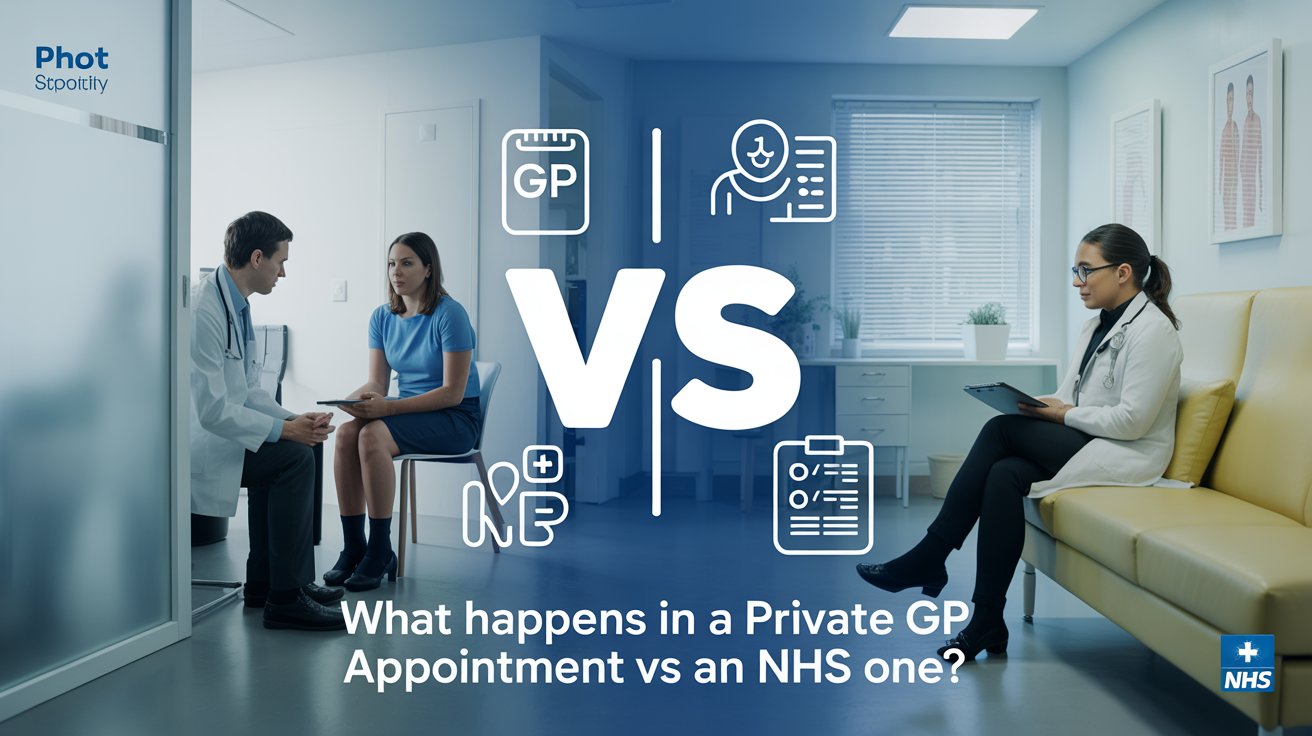
What Happens in a Private GP Appointment vs an NHS One?

Here’s the reworded version with the word removed throughout, ready to paste into WordPress:


Are Private GPs as Qualified as NHS GPs?

Whether you have spent weeks trying to get a routine NHS appointment or simply want to understand your options before spending money, knowing the practical differences between a private and NHS GP appointment helps you make a genuinely informed decision.

The doctors are comparably qualified. What differs is the experience — the timing, the length of the appointment, what can be done on the day, and what happens next. This guide covers the differences honestly, without dismissing the NHS or overselling private care.

Yes. Both NHS and private GPs are fully qualified medical doctors who have completed the same undergraduate medical degree, foundation training, and speciality training in general practice. Qualification is not what distinguishes a private GP from an NHS one.

The General Medical Council requires all doctors practising medicine in the UK — whether NHS or private — to be registered and hold a valid licence to practise. Without GMC registration and a current licence, a doctor cannot legally see patients in the UK in any setting. Private clinics regulated by the Care Quality Commission are subject to the same inspection standards as NHS practices.

The clinical training pathway for GPs is the same regardless of whether a doctor subsequently works in NHS or private practice. The regulatory standard, authority to issue medication, and scope of clinical practice are identical. A private GP can diagnose, issue medication, refer, and order investigations with precisely the same clinical authority as an NHS GP.

How Do You Access Each One?

The access experience is one of the most significant practical differences between NHS and private GP care — and it is where the two diverge most sharply in 2026.

Accessing an NHS GP requires being registered with a practice. You contact the surgery by phone or online system, request an appointment, and are allocated a slot based on availability and clinical urgency. Same-day urgent slots exist at most practices but are limited and typically released at 8am. For non-urgent concerns, waits of one to three weeks are common across England.

The NHS confirms that GP practices are required to offer a range of appointment types including same-day urgent care, routine bookable appointments, and online consultation pathways. In practice, the availability of each varies considerably between practices and regions.

Accessing a private GP does not require registration or a referral. You book directly — by phone or online — and appointments are typically available the same day or next day. Video consultations remove the need to travel entirely. There is no 8am rush, no waiting list, and no need to explain your urgency to a receptionist before being assessed by a clinician.

What Happens During the Appointment?

The clinical scope of what both types of GP can do is essentially the same — the practical difference lies in how much time is available to do it.

Both NHS and private GPs can examine you, take a full clinical history, make a diagnosis, issue medication, refer you to specialists, request blood tests and other investigations, issue sick notes, and provide ongoing clinical management. There is no clinical capability that private GPs possess that NHS GPs do not — both are working within the same scope of medical practice.

The meaningful difference is appointment length. NHS GP consultations are typically ten minutes. This is sufficient for many straightforward presentations — a chest infection, a repeat medication request, a simple referral — but it leaves little room for complex or multi-system presentations, thorough examination, or detailed discussion of test results.

Private GP appointments are generally longer — typically 20 to 30 minutes, and sometimes more for comprehensive assessments. The additional time allows the GP to take a more thorough history, perform a more detailed examination, discuss findings in context, explain the reasoning behind any recommendations, and address more than one concern in a single visit.

For patients with several interrelated symptoms — fatigue, weight change, and mood changes, for example — the difference between ten and twenty minutes is the difference between a focused single-concern assessment and a consultation that can meaningfully explore the full clinical picture.

What About Medication and Referrals?

Both NHS and private GPs can issue medication and refer patients to specialists. The practical differences lie in cost and speed.

Medication. An NHS medication charge is £9.90 per item in England, or nothing if you are exempt (under 16, over 60, pregnant, or hold a medical exemption certificate, amongst other qualifying criteria). Medication issued privately is charged at the full cost of the drug plus a dispensing fee at the pharmacy. For some medications — particularly those available over the counter or at low cost — the private price can be comparable to or cheaper than the NHS charge. For others, particularly branded or specialist medications, the cost may be considerably higher.

Referrals. Both NHS and private GPs can refer you to NHS specialists via the NHS e-Referral system, or to private consultants for faster access. An NHS referral to a specialist typically involves a wait — the elective waiting list in England currently stands at over 7 million cases. A private referral can often result in a specialist appointment within days. Importantly, a referral from a private GP carries exactly the same clinical weight as one from an NHS GP — consultants in both settings accept referrals from either.

What Can a Private GP Offer That an NHS GP Cannot?

The differences between private and NHS GP care are not about clinical qualification — they are about access, time, and what is available on the day of your appointment.

Same-day access without the 8am rush. At The Private GP, a private GP consultation is available the same day, seven days a week, with no waiting list and no need to call at a specific time. For patients with time-sensitive concerns — symptoms that are worsening, a referral needed urgently, or medication running out — this removes a genuinely significant barrier.

Longer appointments. Private appointments give the GP the time to do the consultation properly. A thorough history, a full examination, and a clear explanation of findings and next steps — without the pressure of a ten-minute slot.

On-site diagnostics with same-day results. At The Private GP, investigations including an ECG heart health check-up and blood tests are available on site, with results reviewed by the GP at the same appointment or within one to three working days. On the NHS, investigations are typically requested at one appointment and results reviewed at a separate follow-up.

Health checks not available on the NHS. The NHS Health Check is a cardiovascular risk screen offered every five years from the age of 40. A private full health check-up at The Private GP covers a significantly broader range of markers — including ECG, full blood panel, thyroid function, and a GP consultation — available at any age and at any frequency.

Access to medications not routinely available on the NHS. Some treatments are available privately that NHS primary care does not routinely offer — either because they fall outside NHS clinical criteria or because they require a clinical assessment that the NHS pathway does not accommodate promptly. A private GP can assess suitability and issue medication where clinically appropriate.

When Is the NHS the Better Choice?

A private GP appointment is not the right answer for every situation — and being clear about this matters.

The NHS provides comprehensive, free care across the full spectrum of general practice — including management of long-term conditions, maternity care, mental health support, cancer referrals, paediatric care, and access to the full multi-disciplinary NHS pathway. For conditions requiring ongoing specialist involvement, hospital treatment, complex surgery, or multi-agency coordination, the NHS is irreplaceable.

For genuine emergencies — chest pain, signs of stroke, serious injury, sudden severe illness — always call 999 or go to A&E. A private GP clinic is not an emergency service and is not equipped to manage acute life-threatening presentations.

For patients with long-term conditions such as type 2 diabetes, hypertension, or heart disease, the NHS provides structured annual reviews, monitoring, and access to specialist teams that private primary care does not replicate. Private GP care works best as a complement to NHS care, not as a replacement for it.

The most effective approach for most people is to use both — the NHS for ongoing management, complex pathways, and emergency care, and a private GP for prompt access, thorough health assessments, and time-sensitive concerns that cannot wait.

Frequently Asked Questions

Do private GPs have access to your NHS medical records?
Not automatically. With your consent, your private GP can request a summary of your NHS records, and you can bring a printed summary or list of current medications to your appointment. At The Private GP, we take a full clinical history at your first appointment.

Can a private GP refer me to an NHS specialist?
Yes. A referral from a private GP carries the same clinical weight as one from an NHS GP. Your private GP can refer you into the NHS e-Referral system or to a private consultant, depending on your preference and clinical need.

Is medication issued privately more expensive than on the NHS?
It depends on the medication. The private issuing fee at The Private GP is £35. The medication itself is charged at full cost at the pharmacy, which for some drugs is cheaper than the £9.90 NHS charge and for others is higher. Your GP can advise at the appointment.

Do I need to tell my NHS GP I have seen a private GP?
It is good practice to inform your NHS GP, particularly if you have been started on new medication or received a diagnosis. This ensures your NHS records are up to date and avoids any duplication or conflict in your ongoing care.

Is a private GP appointment worth the cost?
For non-urgent concerns that can wait, the NHS is free and entirely appropriate. For time-sensitive symptoms, a referral needed promptly, a health check you want without delay, or a concern you want thoroughly assessed in a single appointment, the value of same-day access and longer consultation time is real and practical.

How Long Are NHS GP Waiting Times in 2026?

Getting a GP appointment on the NHS in 2026 is faster for some patients than the headlines suggest — and considerably slower for others. The national picture is mixed, with real variation by region, practice, appointment type, and urgency. Understanding the data behind the headlines helps you make informed decisions about your care.

This article draws on the latest available figures from NHS and clinical body sources to give you an accurate picture of where GP waiting times stand in 2026.


What Do the Latest NHS GP Waiting Time Figures Show?

The most recent national data paints a nuanced picture — one where a significant proportion of patients are seen quickly, but a meaningful minority wait considerably longer.

The Royal College of General Practitioners reports that in February 2026, general practice and primary care networks delivered approximately 31.8 million consultations. Of these:

  • 44.4% took place on the same day as booking — approximately 14.1 million appointments
  • 83.1% took place within two weeks of booking — around 26.4 million consultations
  • 16.9% took place more than two weeks after the appointment was booked

In practical terms, this means that while nearly half of all NHS GP contacts in England happen on the day of booking, one in six patients waited more than two weeks for their appointment. For patients with non-urgent concerns — a review of persistent symptoms, a medication question, a referral request — the two-week-plus wait is a common reality.

It is also worth noting that these figures capture appointments that were successfully booked, not the experience of patients who tried to get an appointment and could not. The volume of contacts that go unmet is not fully captured in published national data.


Why Do GP Waiting Times Vary So Much?

The variation in GP waiting times across England is not random — it reflects a combination of structural pressures that have built up over many years.

Workforce

The House of Commons Library’s NHS key statistics briefing confirms that the number of fully qualified GPs in England has fallen by 2% since 2016, even as the population has grown and the complexity of patient need has increased. This has left many practices operating with fewer clinical hours per registered patient than a decade ago.

Demand

General practice is now managing a substantially higher volume of contacts than before the pandemic. An ageing population, rising rates of multi-morbidity, and the impact of backlogs in secondary care — with patients bouncing back to their GP when hospital waiting lists are long — have all increased demand on primary care.

Online consultation systems

Since October 2025, GP practices have been contractually required to offer online consultation systems throughout core hours for routine appointments and administrative requests. The BMA reports that online consultation submissions peaked at over 9.6 million in March 2026. However, a BMA survey of more than 1,300 GP practices found that 74% reported an increase in workload following this change, 55% reported negative effects on patient care, and 42% had to reduce face-to-face appointments to manage the additional demand.

Regional and practice-level variation

GP waiting times vary significantly between practices in the same area. Practices in areas of higher deprivation, rural practices with smaller lists, and practices with significant recruitment challenges tend to have longer waits than average. The national figure of 44.4% same-day is an average that conceals wide variation.


How Long Is the Wait for a Non-Urgent NHS GP Appointment?

For routine, non-urgent appointments — a review of persistent symptoms, a medication query, a request for a referral, or a health concern that is not immediately pressing — waits of one to three weeks are typical across England in 2026.

The Health Foundation has cited survey evidence that a survey of 900 GPs found average waits for non-urgent appointments were now over two weeks. This aligns broadly with the RCGP data showing 16.9% of appointments took place more than two weeks after booking.

For patients with concerns that feel urgent to them but do not meet the clinical threshold for a same-day appointment, this wait can be both frustrating and, in some cases, clinically relevant. Symptoms that worsen during a two-week wait sometimes escalate to require more intensive treatment — a pattern that costs the system more in the long run than prompt primary care access would have.

It is also important to understand that a two-week wait for a booked appointment does not necessarily mean two weeks with no access to care. Most practices offer duty doctor slots for acute concerns that cannot wait, pharmacy first pathways for certain conditions, and nurse-led services for specific clinical needs.


What About Urgent and Same-Day Appointments?

Most NHS GP practices maintain a number of same-day urgent slots for patients with acute clinical need. These are typically released at 8am and filled quickly — sometimes within minutes of the phone lines opening. For patients unable to call at 8am due to work or other commitments, accessing these slots is genuinely difficult.

The NHS 10 Year Health Plan has set a goal of 90% of clinically urgent primary care cases being seen the same day. The House of Commons Library notes this is under active development for 2026/27 and is not yet a formally mandated standard. At present, same-day access remains inconsistent across practices and regions.

For patients who cannot get through on the phone or who contact their practice after slots have been taken, the options include NHS 111 for clinical triage and advice, pharmacist assessment through the Pharmacy First scheme for certain defined conditions, walk-in urgent treatment centres, and for genuinely life-threatening concerns, A&E or 999.


What Is the NHS Doing About GP Waiting Times?

The NHS and government have acknowledged the scale of the primary care access problem and introduced several measures aimed at improving it.

The online consultation requirement from October 2025 was intended to create a more structured and equitable route into general practice. However, the BMA’s survey data suggests that in its early months, the change has added workload pressure on practices rather than reducing it — with 68% of practices reporting a rise in staff stress following implementation.

The Additional Roles Reimbursement Scheme (ARRS) has funded practices to employ a broader range of clinical staff — including physiotherapists, pharmacists, paramedics, and mental health practitioners — to expand the capacity of the primary care team. The impact of ARRS on waiting times varies between practices depending on how well the additional roles have been integrated.

The NHS 10 Year Health Plan sets out ambitions for improved access, same-day urgent care, and a shift toward more proactive, preventive primary care. These are long-term goals rather than immediate solutions — meaningful change at scale will take years to implement and will require sustained workforce investment alongside structural reform.


What Are Your Options If You Cannot Get a Timely NHS GP Appointment?

For patients who cannot wait one to three weeks for a non-urgent appointment — or who simply want prompt access to clinical advice — several practical alternatives exist.


NHS 111. Free to call 24 hours a day, NHS 111 provides clinical triage and can arrange urgent appointments at GP practices, urgent treatment centres, or emergency departments where needed. It is not a substitute for a GP consultation but can direct you appropriately when your own practice cannot see you quickly.


Pharmacy First. For seven defined conditions including earache, sinusitis, sore throat, urinary tract infections, and shingles, you can access a clinical assessment and treatment directly from a community pharmacist without a GP appointment.


Private GP consultation. For patients who want to be seen the same day by a GP — without the 8am call, without a two-week wait, and without uncertainty about whether an urgent slot will be available — a private GP appointment provides immediate access. At The Private GP in Birmingham, our private GP consultation is available same-day with no referral and no waiting list.

For patients who specifically need a repeats but cannot access their NHS GP promptly. For those who want a comprehensive health assessment without waiting for NHS availability, our full health check-up is bookable directly.


A&E and 999. For genuine medical emergencies — chest pain, difficulty breathing, signs of stroke, serious injury — always call 999 or go to A&E. These services are not appropriate for non-urgent GP-type concerns, but they are the right route when something cannot safely wait.


Frequently Asked Questions

How long is the average NHS GP wait in 2026?

For non-urgent appointments, waits of one to three weeks are typical. RCGP data for February 2026 shows 16.9% of appointments took place more than two weeks after booking, while 44.4% were on the same day.

Can I be seen the same day by an NHS GP?

Yes, in many cases — 44.4% of NHS GP appointments in England in February 2026 took place on the same day. However, same-day urgent slots are limited and typically released at 8am, making them difficult to access for many patients.

Why is it so hard to get a GP appointment?

The number of fully qualified GPs in England has fallen by 2% since 2016 while demand has risen significantly. Rising workload from online consultations, secondary care backlogs, and an ageing population have all added pressure to a system that has fewer GPs per patient than a decade ago.

What can I do if I cannot get an NHS GP appointment?

Call NHS 111 for clinical triage, use Pharmacy First for defined conditions, attend an urgent treatment centre, or book a same-day private GP appointment at The Private GP in Birmingham if you need to be seen quickly.

Is a private GP appointment worth it if I can eventually see an NHS GP?

It depends on your circumstances. For non-urgent concerns, waiting for an NHS appointment is entirely reasonable. For time-sensitive symptoms, a referral you need promptly, or a health check you want without the wait, a private appointment provides immediate access that may save time and reduce anxiety.

How Much Does a Private Blood Test Cost in the UK?

More people than ever are choosing to take control of their health with private blood testing — and one of the first questions they ask is a practical one: how much does a private blood test cost in the UK? The answer depends on what you are testing for, who carries it out, and — crucially — what is included alongside the test itself. A blood result without clinical interpretation is far less useful than a result reviewed by a GP who can put it in context, act on any findings, and advise on next steps. Understanding the full picture of private blood test pricing helps you make an informed choice about where to go and what to expect.


The Range: What Private Blood Tests Typically Cost in the UK

Private blood test prices in the UK vary considerably — from around £30 to £40 for a single basic marker through a postal testing kit, to upwards of £400 for a comprehensive multi-system health panel at a private clinic. The wide range reflects several genuine differences in what providers are offering, not simply variations in markup.

As a general guide, the typical cost brackets across the UK private testing market in 2025 look like this:

  • Single basic tests (e.g. full blood count, single vitamin or hormone): £30 to £80, depending on the marker and provider.
  • Focused panels (e.g. thyroid function, liver function, kidney function, lipid profile): £60 to £150 per panel.
  • Comprehensive metabolic or health check panels (multiple systems tested together): £150 to £300.
  • Advanced or specialist panels (e.g. hormonal profiles, full cancer marker screens, genetic markers): £200 to £400 or more.
  • Full private health check-ups (blood testing combined with clinical assessment, ECG, and GP consultation): £250 to £500+, depending on what is included.

These ranges reflect clinic-based, phlebotomist-administered venous blood tests — the most accurate type. Postal finger-prick kits are typically cheaper but have important limitations in sample quality, volume, and the absence of clinical review, which we address below.


What Affects the Cost of a Private Blood Test?

Several factors drive the variation in private blood test prices, and understanding them helps you assess whether a particular price represents genuine value:

The Number and Complexity of Markers

The most straightforward driver of price is what is being tested. A single TSH measurement costs less to process than a full thyroid panel that also includes free T3, free T4, and thyroid antibodies. A basic lipid screen is less expensive than a comprehensive metabolic panel that covers kidney function, liver function, full blood count, blood glucose, and HbA1c simultaneously. Panels that group multiple clinically related markers together often represent better value per test than ordering individual markers one by one.

Whether GP Interpretation Is Included

This is one of the most important — and most underappreciated — cost factors in private blood testing. A blood result returned as a number without clinical context has limited practical value. Knowing that your TSH is 4.8 mIU/L tells you very little unless a doctor reviews it in the context of your symptoms, your age, your medication, and your clinical history. At some providers, results are simply posted to a patient portal; at others, every result is reviewed by a GMC-registered GP before being released, with flagged abnormalities communicated directly.

Providers that include GP interpretation — and action on abnormal results — typically charge more than those that do not. But the clinical safety and practical value of that inclusion is considerable. A blood test that reveals an abnormality and results in nothing is not a health service; it is data without direction.

In-Clinic Phlebotomy vs At-Home Testing

At-home finger-prick blood testing kits are widely marketed as a convenient and low-cost alternative to clinic-based venous draws. They can be suitable for certain tests where the volume of blood required is small and the marker being tested is stable in capillary blood samples. However, they have real limitations: capillary blood samples can be more affected by hydration status and technique than venous samples, certain tests require a larger volume than a finger-prick can reliably provide, and haemolysis (cell breakdown) from an imperfect collection can affect result accuracy. For most clinically meaningful blood panels, a venous draw by a trained phlebotomist remains the most reliable option.

Location

Private healthcare costs vary across the UK, with London and the South East typically at the higher end of the market. Birmingham sits comfortably in the mid-range of UK private healthcare pricing — offering clinically rigorous, GP-supervised blood testing at prices that are meaningfully more accessible than the London market without compromising on quality or clinical oversight.

Speed of Results

Same-day results — where the blood sample is processed through a rapid-turnaround laboratory — typically carry a small premium over standard one-to-three-day turnaround. For most health monitoring purposes, next-day or two-day results are entirely appropriate. Where urgency is genuine — a clinical concern that needs rapid assessment — same-day processing is worth the additional cost.


What You Should Actually Get for Your Money

Price alone is not a reliable guide to the quality of private blood testing. What matters is the clinical package that surrounds the test — and there are several questions worth asking any provider before you book:

  • Are results reviewed by a GMC-registered GP before being released? If not, you will be interpreting numbers without clinical guidance.
  • What happens if a result is abnormal? Does the provider contact you proactively, or do you need to chase the result yourself?
  • Is a consultation included, or charged separately? The cost of a GP consultation to discuss your results can add £50 to £150 on top of the test cost at many providers.
  • Are the laboratory accreditations in place? Results should be processed through a UKAS-accredited laboratory to ensure accuracy and clinical reliability.
  • Can abnormal results be followed up in the same clinical setting? A private blood test that flags a concerning finding is most useful where onward investigation — imaging, specialist referral, medication review — can be arranged without starting the process from scratch elsewhere.

At The Private GP in Birmingham, every private blood test is reviewed by a GMC-registered GP, with same-day results available and direct clinical support where findings require action. There are no hidden consultation fees for results review — your blood test and clinical interpretation are provided as a single, joined-up service. If your results indicate a need for further investigation, we can arrange imaging, specialist referral, or an extended GP consultation without delay.


The Most Commonly Requested Private Blood Tests and Their Typical Costs

Full Blood Count (FBC)

One of the most frequently requested blood tests, the FBC assesses red blood cells, white blood cells, haemoglobin, platelets, and related markers. It is used to screen for anaemia, infection, inflammation, and a range of blood conditions. Typical private cost: £40 to £70.

Thyroid Function Panel

A full thyroid panel covering TSH, free T3, free T4, and thyroid antibodies (anti-TPO and anti-thyroglobulin) provides a comprehensive picture of thyroid health. A basic TSH-only test costs less but frequently misses subclinical dysfunction. Typical private cost for a full panel: £60 to £120. Our private thyroid blood test in Birmingham includes full antibody screening with same-day results.

Cholesterol and Lipid Profile

A lipid profile measuring total cholesterol, LDL, HDL, and triglycerides is a standard component of cardiovascular risk assessment. Often requested alongside blood glucose and HbA1c for a fuller metabolic picture. Typical private cost: £40 to £80. Our private cholesterol test provides same-day results with clinical interpretation.

HbA1c (Diabetes Check)

HbA1c measures average blood sugar control over approximately three months and is the primary marker for both diagnosing type 2 diabetes and monitoring its management. Widely requested by people with diabetes, those on weight management medications, and those with metabolic risk factors. Typical private cost: £30 to £60. Our private HbA1c test includes same-day results.

Liver and Kidney Function

Liver function tests (ALT, AST, ALP, bilirubin, albumin) and kidney function tests (creatinine, urea, eGFR) are requested for general health monitoring, medication review, and investigation of specific symptoms. Typical private cost: £50 to £100 per panel. Our eGFR blood test is available individually or as part of a broader renal panel.

Vitamin and Nutritional Markers

Vitamin D, vitamin B12, folate, ferritin, and magnesium are among the most commonly requested nutritional markers in private practice — frequently in people with fatigue, low mood, or general underperformance. Typical private cost: £30 to £60 per individual marker; £80 to £150 for a combined nutritional panel.

Full Health Check-Up

A comprehensive private health check combining blood testing across multiple systems with a GP consultation, blood pressure assessment, and in some cases an ECG, weight, and BMI review provides the most complete picture of overall health. At The Private GP in Birmingham, our full health check-up is a thorough, GP-led assessment that goes well beyond a simple blood test panel — giving you genuine clinical insight into your health in a single appointment.


Is Private Blood Testing Worth the Cost?

For many people, the answer is yes — and not simply because of faster results. The NHS is a genuinely excellent service for the investigation and management of conditions that have already declared themselves. But for proactive health monitoring, reassurance about non-urgent concerns, testing for conditions that do not yet meet NHS referral thresholds, or simply avoiding a multi-week wait for a result that is needed now, private blood testing offers real and meaningful value.

The most important thing is to choose a provider where the blood test is the beginning of a clinical process, not the end of one. A number returned without context, action, or expert interpretation is information without healthcare. At The Private GP, your results are always reviewed by a doctor who knows what to do with them — and who is available to discuss them with you directly.


Frequently Asked Questions

How much does a private blood test cost at a GP clinic in Birmingham?

At The Private GP in Birmingham, individual blood tests start from around £40 for single markers, with focused panels — such as thyroid function, kidney function, or lipid profiles — typically ranging from £60 to £120. Comprehensive multi-system health panels are available from around £150. All results are reviewed by a GMC-registered GP with same-day results available, and no additional consultation fee is charged for results review. Contact us directly for current pricing on specific tests.

Is a private blood test cheaper than going through a GP?

NHS blood tests arranged through your GP are free at the point of use — but access is typically restricted to tests deemed clinically necessary for a specific presenting condition. Private blood testing offers access to any test you choose, without the need for a GP referral or clinical justification. The cost is therefore not a comparison of price for price — it is a comparison of access, speed, and the scope of what can be tested. For proactive monitoring, reassurance testing, or tests outside NHS criteria, private testing offers access that the NHS does not.

What is included in the cost of a private blood test?

This varies significantly between providers and is one of the most important questions to ask before booking. At The Private GP in Birmingham, the cost of a private blood test includes phlebotomy (blood draw by a trained clinician), laboratory processing through an accredited laboratory, GP review of all results, same-day availability, and direct clinical support where findings require action. No hidden fees for results review or follow-up advice on the day.

Are at-home blood test kits as accurate as clinic tests?

For some markers, yes — but with important caveats. At-home finger-prick kits can be suitable for certain tests where sample volume requirements are small and the marker is stable. However, they are more susceptible to variation in collection technique, haemolysis (which can distort results), and hydration status than clinic-based venous draws. For any test where accuracy matters clinically — HbA1c, full blood count, thyroid antibodies, kidney function — a venous draw by a trained phlebotomist in a clinic setting provides the most reliable result.

Do I need a GP referral for a private blood test?

No. At The Private GP in Birmingham, you can access a private blood test without any referral. You can either book a blood test directly, or attend a GP consultation first so that a doctor can advise on which tests are most clinically appropriate for your circumstances. Same-day appointments are available, and no lengthy waiting times apply.

How Much Does TRT Cost Per Month in the UK?

Low testosterone — clinically known as testosterone deficiency or hypogonadism — affects a significant number of men in the UK and can have a considerable impact on energy, mood, libido, muscle mass, and overall wellbeing. For those who have been diagnosed or suspect they may have low testosterone, understanding the cost of private TRT is often one of the first practical questions they ask.

This guide covers what TRT costs at The Private GP, what the monthly package includes, who TRT is suitable for, and what ongoing monitoring is required.


How Much Does TRT Cost Per Month in the UK?

At The Private GP in Birmingham, TRT is available as a comprehensive monthly package costing £450. This covers your GP consultation, testosterone medication, and clinical monitoring — all in one place, with no hidden costs.

No referral from your NHS GP is required. The first step is a private GP consultation to assess your symptoms and review your blood test results. Treatment is only started once a clinical diagnosis of testosterone deficiency has been confirmed.


What Is TRT and Who Is It For?

TRT is a medical treatment that restores testosterone levels to within the normal range in men diagnosed with testosterone deficiency. It is not a lifestyle supplement or a performance-enhancing treatment — it is a medication used to address a confirmed hormonal deficiency.

The British Society for Sexual Medicine’s practical guide on testosterone deficiency confirms that a diagnosis of testosterone deficiency requires two components: characteristic signs and symptoms, alongside reduced serum concentrations of total or free testosterone. The three most common presenting symptoms are erectile dysfunction, loss of early morning erections, and low sexual desire.

Other symptoms that may indicate testosterone deficiency include:

  • Persistent fatigue and low energy
  • Low mood, irritability, or depression
  • Reduced muscle mass and strength
  • Increased body fat, particularly around the abdomen
  • Poor concentration and mental fog
  • Reduced bone density

NHS clinical guidance on male hypogonadism notes that non-specific symptoms such as decreased energy, low mood, poor concentration, and reduced muscle bulk are all recognised features of testosterone deficiency — but also acknowledges that these symptoms can overlap with other conditions. This is why a thorough clinical assessment and confirmed blood test results are essential before any treatment is initiated.

Our private blood tests can check testosterone levels alongside other key markers including SHBG, LH, FSH, and oestradiol, giving a full hormonal picture before treatment decisions are made.


What Does the £450 Monthly Package Include?

The £450 monthly package at The Private GP is designed to provide everything required for safe, well-monitored TRT in a single fee.

GP consultation

Each monthly cycle includes a clinical review with your GP to assess how you are responding to treatment, review any symptoms.

Testosterone medication

The type of testosterone prescribed — whether injectable, gel, or another formulation — is determined at the initial consultation based on your clinical profile, preferences, and lifestyle. Your prescribing GP will discuss the options with you.

Blood monitoring

Regular blood tests are included to monitor your testosterone levels, haematocrit, prostate-specific antigen (PSA), and other safety markers throughout treatment. This is not optional — it is a clinical requirement for safe TRT.

Ongoing clinical support

Any concerns or questions that arise between appointments are handled by the clinical team.


Can You Get TRT on the NHS?

TRT is available on the NHS, but access is restricted and the pathway to treatment is more complex than through a private clinic.

NHS clinical guidance confirms that testosterone deficiency is typically diagnosed when total testosterone falls below 8 nmol/L alongside relevant symptoms, with levels between 8 and 12 nmol/L considered borderline and requiring further assessment. Treatment on the NHS generally requires a referral to secondary care — meaning an endocrinologist or urologist — rather than being initiated in primary care.

For many men, this means a wait of months before they are seen, assessed, and started on treatment. The range of testosterone formulations available on the NHS may also be more limited than through a private clinic, where treatment can be tailored more closely to individual preference and response.

Some men also find that their testosterone levels fall within the borderline range — symptomatic but not below the NHS threshold for treatment — and therefore do not qualify for NHS TRT despite experiencing a meaningful impact on their quality of life. In these cases, a private assessment and treatment programme provides an alternative route.


What Monitoring Is Required During TRT?

Ongoing monitoring is not optional with TRT — it is a clinical requirement for safe treatment and is built into the £450 monthly package at The Private GP.

Research published in PMC on the practical management of male hypogonadism confirms that testosterone therapy requires monitoring of blood markers throughout treatment. Key parameters checked include testosterone levels (to confirm the target range is being maintained), haematocrit (to monitor red blood cell concentration, which testosterone can elevate), PSA (prostate-specific antigen, as a safety marker for prostate health), and liver function.

TRT is contraindicated in men with prostate cancer or significant benign prostatic hyperplasia. It is also not appropriate in men who are trying to conceive, as exogenous testosterone suppresses natural sperm production. These are among the reasons that a full clinical assessment — including a detailed medical history — is essential before treatment begins.

Monitoring frequency is typically every three months in the first year of treatment, moving to every six months once stable. Your GP will advise on the appropriate schedule based on your individual response and results.


Frequently Asked Questions

Do I need a blood test before starting TRT?

Yes, always. A diagnosis of testosterone deficiency requires confirmed low testosterone levels on at least two separate blood tests, alongside relevant symptoms. Treatment is never started without this confirmation.

How long does TRT take to work?

Response varies between individuals and depends on the formulation used. Some men notice improvements in energy and mood within a few weeks. Full benefits, including changes to body composition and sexual function, typically develop over three to six months.

Is TRT safe?

When properly prescribed and monitored, TRT is considered safe for suitable candidates. Regular blood monitoring is essential to ensure testosterone levels remain within range and to check safety markers including haematocrit and PSA. It is not appropriate for all men — your GP will assess suitability at the consultation.

Can I start TRT without a diagnosis?

No. TRT is a medication and requires a confirmed clinical diagnosis of testosterone deficiency based on blood test results and symptoms. It cannot and should not be started without a proper medical assessment.

What happens if I stop TRT?

If TRT is stopped, testosterone levels will return to their pre-treatment baseline over time. Symptoms of deficiency are likely to return. Any decision to stop treatment should be discussed with your prescribing GP, who can advise on how to manage the transition appropriately.

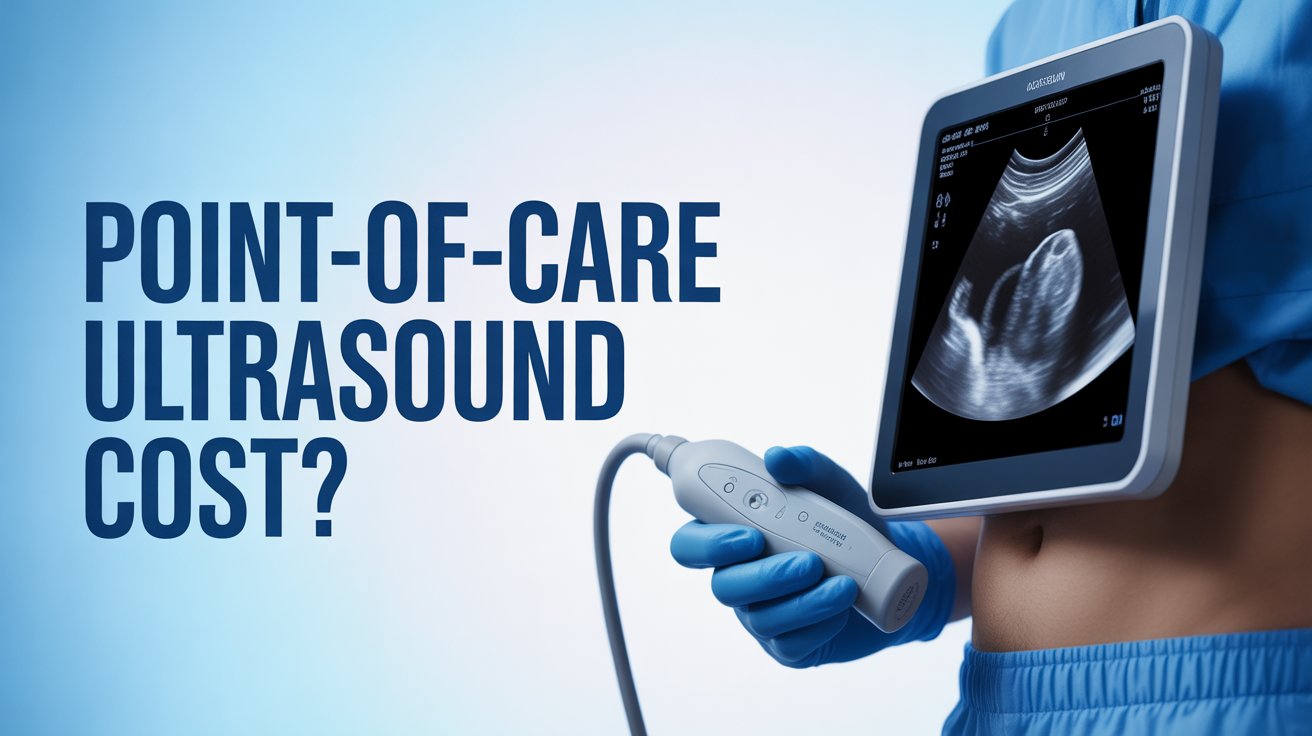
How Much Does a Point of Care Ultrasound Cost in the UK?

Most people are familiar with ultrasound scans from hospital imaging departments — the kind where you book a separate appointment, travel to a radiology unit, and wait days or weeks for a report. Point of care ultrasound is something quite different. It is a targeted, real-time scan performed by your GP during the consultation itself, using a portable handheld device, to answer a specific clinical question on the spot.

At The Private GP in Birmingham, a POCUS appointment costs £50. Here is everything you need to know about what it involves and whether it is right for you.


How Much Does a Point of Care Ultrasound Cost in the UK?

At The Private GP in Birmingham, a point of care ultrasound costs £50. The scan is performed by your GP during the consultation and results are discussed with you immediately — no separate imaging appointment, no waiting for a radiologist’s report, no additional booking required.

No referral from your NHS GP is needed. You can book a private GP consultation directly, and if POCUS is appropriate for your clinical question, it can be performed at the same appointment.


What Is a Point of Care Ultrasound?

Point of care ultrasound is a bedside ultrasound scan performed and interpreted by the clinician in real time, during the patient’s consultation. It is not sent away for reporting — the GP performs the scan and assesses the images immediately, in direct correlation with your symptoms.

Research published in the British Journal of General Practice defines POCUS as an ultrasound examination performed and interpreted in real time during a patient’s consultation, and describes it as the “stethoscope of the future.” The introduction of POCUS in general practice can improve diagnostic pathways, leading to prompter referral and treatment, and thereby contributing to better patient outcomes.

The key principle behind POCUS is that it answers focused, binary clinical questions — is there fluid present or not? Does this structure appear normal? Is there an abnormality that requires further investigation? It is not designed to replace a comprehensive departmental ultrasound, but to provide immediate, targeted clinical information at the point of care.

Portable ultrasound devices are becoming smaller, more sensitive, and more affordable, making POCUS increasingly accessible in primary care settings — including private GP clinics. The RCGP now has a dedicated POCUS special interest group, reflecting the growing role of this technology in UK general practice.


What Can a Point of Care Ultrasound Show?

POCUS is used to answer a specific clinical question at the time of the consultation. A systematic review of GP-performed POCUS published in PMC found high accuracy for a range of clinical applications in primary care settings.

Common uses in a GP setting include:

Abdominal Assessment

Detecting the presence of free fluid in the abdomen (ascites), assessing organ appearance, and identifying abnormalities that may require further investigation or urgent referral.

Bladder Assessment

Checking for urinary retention or measuring post-void residual volume — useful when a patient is experiencing difficulty passing urine or recurrent urinary symptoms.

Chest Assessment

Identifying pleural effusions — a build-up of fluid around the lungs — which may explain breathlessness or reduced breath sounds on examination.

DVT Screening

Assessing the leg veins for suspected deep vein thrombosis in patients presenting with calf pain or swelling, helping to guide the urgency of further investigation.

Soft Tissue and Joint Assessment

Examining soft tissue lumps, joint swelling, or fluid within a joint. POCUS can also be used to guide procedures such as joint injections — if you are considering a joint injection consultation, POCUS can confirm the presence of joint fluid and assist accurate needle placement.

Fracture Detection

The PMC systematic review found generally high sensitivity and specificity for detecting cortical disruption representing a fracture, particularly for clavicular and other surface bones.


How Does POCUS Differ From a Full Ultrasound Scan?

POCUS and a full departmental ultrasound answer different types of clinical questions. Understanding the difference helps set the right expectations.

A full departmental ultrasound — performed in a hospital or imaging centre by a trained sonographer — provides a comprehensive assessment of organ size, internal structure, blood flow (via Doppler), and detailed measurements. It is designed to answer complex diagnostic questions and produces a formal written report reviewed by a radiologist.

POCUS answers focused, immediate questions at the bedside. The British Medical Ultrasound Society (BMUS) confirms that in appropriately trained hands, ultrasound is a relatively inexpensive but powerful diagnostic tool that often provides instant answers, and supports all POCUS applications when used to answer a clinical question.

The two are complementary rather than interchangeable. POCUS provides rapid, targeted information that can guide immediate clinical decisions — whether to refer urgently, whether to proceed with a procedure, or whether further detailed imaging is needed. When a more comprehensive assessment is required, your GP will arrange an appropriate referral for a full departmental scan.


Who Is POCUS Suitable For?

POCUS is suitable for patients who need a prompt, targeted bedside assessment to answer a specific clinical question during their consultation.

It is particularly useful when:

  • A patient presents with symptoms — such as abdominal distension, breathlessness, or leg swelling — and an immediate assessment would guide the clinical decision more effectively than waiting for a formal scan
  • A procedure such as a joint injection would benefit from real-time guidance
  • A prompt answer is needed to determine whether urgent referral is warranted
  • Waiting for a departmental ultrasound appointment would cause unnecessary diagnostic delay

POCUS is not appropriate as a substitute for a comprehensive diagnostic ultrasound when detailed organ assessment, Doppler studies, or formal reporting is clinically required. Your GP will advise honestly on which type of investigation is most suitable for your situation.


Frequently Asked Questions

Is a point of care ultrasound the same as a full ultrasound scan?

No. POCUS answers focused, immediate clinical questions at the bedside. A full departmental ultrasound provides comprehensive organ assessment with formal reporting by a radiologist. The two complement each other and serve different purposes.

Is POCUS safe?

Yes. Ultrasound uses sound waves and does not involve radiation. It is safe for use in virtually all patients, including pregnant women, and carries no known side effects.

Do I need a referral for a point of care ultrasound?

No. At The Private GP you can book directly without a referral. Your GP will assess whether POCUS is appropriate for your clinical question at the consultation.

How long does a POCUS appointment take?

The scan itself takes only a few minutes, depending on the area being assessed. The full appointment, including the GP consultation and discussion of findings, typically takes 15 to 20 minutes.

Will POCUS replace the need for a hospital scan?

Not always. If POCUS answers the clinical question fully, a hospital scan may not be needed. If further detailed imaging is required, your GP will arrange an appropriate referral. The outcome depends entirely on the clinical question being asked.

How Much Is a Private MRI Scan in Birmingham?

Getting an MRI on the NHS in Birmingham can mean waiting weeks or longer. For many patients, a private GP consultation and scan referral is the faster, more direct route to getting the answers they need.

At The Private GP, the process is straightforward. You book a consultation with one of our GPs, your symptoms are assessed, and if an MRI is clinically appropriate, we arrange the referral for you. The scan is then booked at a private imaging centre at a separately quoted price depending on the area being scanned.


How Much Does a Private MRI Cost in Birmingham?

The first step at The Private GP is a GP consultation costing £40. This is required before any scan can be arranged — it ensures the right scan is requested for the right clinical reason.

Following the consultation, if an MRI is recommended, the scan itself is booked separately at a private imaging centre. Private MRI scan prices in Birmingham vary depending on which part of the body is being scanned, the type of scanner used, and whether contrast dye is required. Prices for a single body part typically start from around £250.

You do not need a referral from your own NHS GP. Book directly with our private GP consultation service and our doctor will assess your suitability and arrange the referral at the same appointment.


Why Is a GP Consultation Required Before an MRI?

A GP consultation before an MRI is not an unnecessary step — it is an important clinical safeguard that benefits you directly.

An MRI is a detailed and time-consuming investigation. Without clinical context, there is a risk of ordering the wrong type of scan, scanning the wrong body part, or missing findings because the radiologist does not have the information needed to interpret the images correctly. A GP consultation ensures that the referral is clinically appropriate, that the correct scan protocol is requested, and that your medical history, current medications, and any contraindications — such as metal implants or claustrophobia — are reviewed before you attend.

The NHS confirms that an MRI scan uses strong magnetic fields and radio waves to produce detailed images of the inside of the body. Getting the most useful images depends on the right clinical information being provided to the radiologist alongside the scan request.


What Can an MRI Show?

An MRI is one of the most versatile diagnostic tools available. The NHS explains that it can be used to examine almost any part of the body and help diagnose a wide range of conditions.

Common reasons for an MRI referral include:

Brain and neurological conditions

Headaches, dizziness, memory problems, suspected MS, stroke investigation, and unexplained neurological symptoms all commonly lead to a brain or spinal MRI.

Spine and back problems

Disc herniation, sciatica, spinal stenosis, and nerve compression are among the most frequent reasons for a lumbar or cervical spine MRI.

Joint injuries

Torn ligaments, cartilage damage, rotator cuff tears, and other soft tissue injuries of the knee, shoulder, hip, or ankle are clearly visible on MRI in a way that X-rays cannot provide.

Abdominal and pelvic organs

Liver disease, unexplained abdominal pain, pelvic symptoms, and investigation of the prostate, uterus, or ovaries are common indications.

Cardiac conditions

Cardiac MRI is used to assess heart muscle damage, cardiomyopathy, and congenital heart conditions when more detailed imaging than an ECG or echocardiogram can provide is needed.

At the GP consultation, your doctor will determine which area needs scanning and ensure the referral specifies the correct clinical question for the radiologist.


How Long Is the NHS MRI Wait?

The NHS target is for patients to receive a diagnostic test within six weeks of referral. In practice, this target is frequently missed.

Analysis by the Royal College of Radiologists found that in September 2025, over 74,000 people waited longer than six weeks specifically for a CT or MRI scan. The total number of people waiting for any diagnostic test in England exceeded 1.7 million — the third highest since records began. Nearly half of NHS acute trusts in England were not meeting even the interim waiting time target at that point.

For patients with symptoms that are causing anxiety or affecting daily life, a wait of six weeks or more can feel significant. Private MRI appointments in Birmingham are typically available within days of a referral being made.


What Happens at the GP Consultation?

The consultation at The Private GP takes around 15 minutes. Your doctor will take a full history of your symptoms, review any relevant medical history, and assess whether an MRI is the most appropriate investigation for your situation.

If an MRI is recommended, the GP will prepare a clinical referral letter specifying the area to be scanned and the clinical question being asked. You will then be given details of how to book the scan at a private imaging centre, with pricing confirmed directly by the imaging provider before you commit.

If the GP considers that a different investigation — such as blood tests, an X-ray, or an ultrasound — would be more appropriate as a first step, they will advise accordingly. Our full health check-up is also available for patients who want a broader clinical assessment before deciding on the right investigation.

Once your scan is complete, the radiologist’s report is sent to the referring GP. If you would like the findings reviewed and explained, a follow-up consultation with our GP can be arranged.


Frequently Asked Questions

Do I need a GP referral for a private MRI in Birmingham?

You do not need a referral from your own NHS GP. At The Private GP, our doctors assess your symptoms and issue the referral at the same £40 consultation appointment.

How quickly can I get a private MRI after my consultation?

Following the consultation, private MRI appointments in Birmingham are typically available within a few days, subject to the imaging centre’s availability and the body part being scanned.

Is the MRI scan cost included in the £40 consultation fee?

No. The £40 covers the GP consultation and referral. The MRI scan is priced separately by the imaging centre depending on which body part is being scanned and typically starts from around £250.

What body parts can be scanned?

An MRI can scan virtually any part of the body, including the brain, spine, joints, abdomen, pelvis, and heart. Your GP will specify the appropriate area based on your symptoms at the consultation.

How long does a private MRI take?

A standard resting MRI takes between 20 and 60 minutes depending on the area being scanned. A full spine MRI or cardiac MRI can take up to 90 minutes. You are free to go home immediately afterwards.

How Much Does a Hayfever Injection Cost in Birmingham?

Hayfever affects around one in five people in the UK. For most, antihistamines and nasal sprays provide adequate relief. But for those with severe symptoms that disrupt sleep, work, and daily life — and for whom standard treatments have not worked well enough — a private GP appointment to discuss further hayfever treatment options is worth considering.

At The Private GP in Birmingham, we offer a hayfever treatment appointment that includes a full GP consultation and, where clinically appropriate, a corticosteroid injection to help manage symptoms through the pollen season.


How Much Does a Hayfever Injection Cost in Birmingham?

At The Private GP, a hayfever injection appointment costs £150 for a single dose. The GP consultation is included in this price — there are no separate consultation fees to pay.

The appointment is available at our Birmingham locations. No GP referral is required. You can book directly, and the GP will carry out a full assessment at the appointment before any treatment is given.


What Is the Hayfever Injection?

The hayfever injection is a corticosteroid administered by a GP. It works by reducing the body’s inflammatory response to pollen, which is the underlying cause of hayfever symptoms such as sneezing, nasal congestion, itchy eyes, and fatigue.

The injection is given intramuscularly — typically into the upper buttock — and most patients notice improvement within 24 to 48 hours of administration. For suitable patients, relief can last throughout the pollen season, though individual response varies.

It is important to understand that this treatment is not available on the NHS and is not a licensed treatment specifically for hayfever in the UK. The MHRA has confirmed that the corticosteroid used is licensed for other medical conditions and is offered for hayfever management under the clinical responsibility of the prescribing GP, following a thorough assessment of suitability. It is not something that should be administered without a proper medical consultation.


Who Is It Suitable For?

The hayfever injection is suitable for adults with moderate to severe hayfever symptoms who have already tried standard first-line treatments without achieving sufficient relief.

Before considering this treatment, patients should have already tried — or be currently using — antihistamine tablets, corticosteroid nasal sprays, and antihistamine eye drops where relevant. These remain the recommended first approach for managing hayfever, as confirmed by NHS guidance on hayfever treatment.

The injection is not suitable for everyone. It is not recommended during pregnancy, and a full review of your medical history and current medications is carried out at the GP consultation before any decision is made. Patients with certain health conditions — including those affecting the immune system or bone density — may not be suitable candidates. This is precisely why the GP assessment happens first.

If you are unsure whether this treatment is right for you, our private GP consultation is the right starting point. The GP will review your history, discuss your symptoms, and advise on the most appropriate course of action.


What Happens at the Appointment?

The appointment begins with a GP consultation. Your doctor will take a full medical history, review any medications you are currently taking, and assess whether the corticosteroid injection is clinically appropriate for you.

If the GP confirms you are a suitable candidate, the injection is administered at the same appointment. It is a quick procedure — the injection itself takes only a few minutes. You will be given aftercare advice before you leave, including what to expect in the hours and days that follow.

Some patients experience mild soreness at the injection site for a day or two. In a small number of cases, a second dose may be considered later in the season if symptoms return, though this is assessed on an individual basis and is not a routine recommendation.


What Are the First-Line Hayfever Treatments?

Before considering a hayfever injection, it is important that first-line treatments have been tried. The NHS advises that hayfever can usually be managed with:

Antihistamine tablets or liquids — available over the counter, these reduce sneezing, itching, and watery eyes. Non-drowsy options such as cetirizine and loratadine are generally preferred.

Corticosteroid nasal sprays — particularly effective for nasal symptoms including congestion and runny nose. These work best when started two to three weeks before the pollen season begins and used consistently every day.

Antihistamine eye drops — for itchy, watery eyes that are not adequately controlled by tablets alone.

For many people, a combination of these treatments provides good symptom control. The hayfever injection is an option for those for whom this approach has not been sufficient, and it is considered only after a clinical assessment confirms it is appropriate.


Hayfever does not have to dominate your spring and summer. If you have already tried standard treatments without adequate relief, a private GP appointment can help you explore whether a corticosteroid injection is the right next step for you.


Frequently Asked Questions

Is the hayfever injection available on the NHS?

No. This treatment is not available on the NHS and is only offered privately, following a full GP assessment to confirm clinical suitability.

How long does the hayfever injection last?

Response varies between individuals. Many patients experience relief throughout the pollen season, though some may find symptoms return before the season ends. A second dose may be considered on clinical grounds.

Can I have the hayfever injection if I am pregnant?

No. The injection is not recommended during pregnancy. The GP will discuss all relevant medical history at the consultation before any treatment is given.

Do I need to try other treatments before having the injection?

Yes. The injection is intended for patients who have already tried first-line treatments — antihistamines, nasal sprays, and eye drops — without sufficient symptom control. Your GP will confirm this at the consultation.

How quickly does the hayfever injection work?

Most patients notice improvement within 24 to 48 hours of the injection. Some experience relief sooner, though individual response varies.