


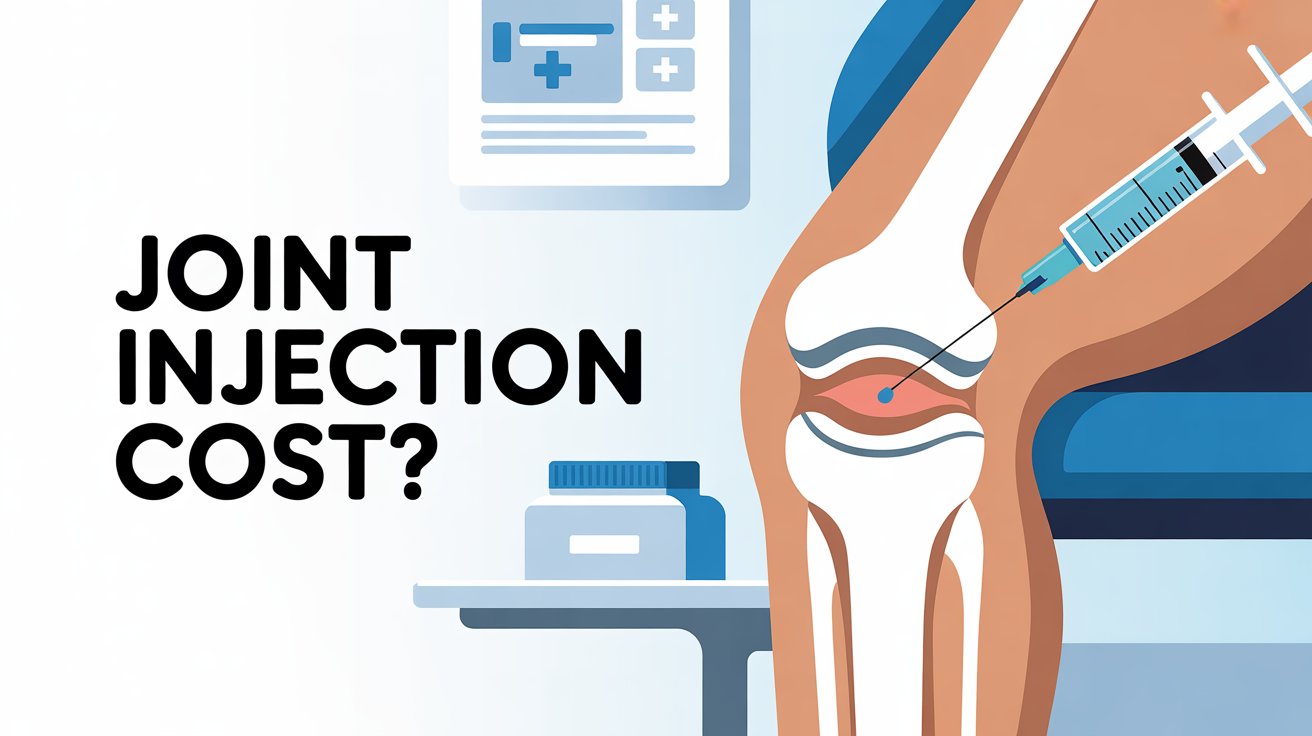
How Much Does a Joint Injection Cost in Birmingham?

Joint pain that disrupts your sleep, limits your movement, or makes daily tasks difficult deserves prompt attention. For many people in Birmingham, a private joint injection offers fast, targeted relief without a lengthy NHS wait. Understanding the cost upfront helps you make a confident, informed decision.


How Much Does a Joint Injection Cost at The Private GP?

At The Private GP, joint injections start from £50. The appointment takes 15 minutes and is available across our two Birmingham locations — Sutton Oak Corner and Broadway.

No GP referral is required. A pre-injection consultation is required before the injection to assess your suitability and confirm the most appropriate treatment. This is booked as a separate appointment.


What Types of Joint Injection Are Available?

The most commonly performed joint injection in a GP setting is a corticosteroid (steroid) injection. The right approach depends on your condition, the affected joint, and your clinical history.

Corticosteroid (Steroid) Injections

Corticosteroid injections deliver an anti-inflammatory medication directly into the joint or surrounding tissue. They work by reducing inflammation and pain, typically providing relief within a few days.

NICE guidelines confirm that corticosteroid injections should be considered when other treatments are ineffective or unsuitable, or to support therapeutic exercise. NICE advises that these injections provide short-term relief — typically between 2 and 10 weeks — and should be used as part of a broader management plan rather than as a standalone long-term solution.

Joints commonly treated include the knee, shoulder, hip, elbow, ankle, wrist, and small joints of the hands and feet.

A Note on Hyaluronic Acid Injections

Hyaluronic acid injections are sometimes discussed as an option for osteoarthritis. However, NICE guidance is clear that hyaluronic acid injections should not be offered for the management of osteoarthritis, based on a lack of evidence for clinical benefit. We follow current UK clinical guidelines in our approach.


Is a Joint Injection Right for You?

A joint injection is worth considering when pain is significantly affecting your quality of life and conservative measures — such as rest, over-the-counter pain relief, or physiotherapy — have not provided sufficient improvement.

NCBI’s evidence review on intra-articular injections confirms that corticosteroid injections are widely used in NHS practice for persistent osteoarthritis symptoms, with no evidence of increased risk of adverse events associated with their use when appropriately administered.

It is not appropriate in all situations. Injections should not be given into a joint where there is an active infection, and a full clinical review of your medical history and current medications is always carried out beforehand. If you are unsure whether a joint injection is the right step, our private GP consultation can help clarify the most appropriate next step for your symptoms.


Frequently Asked Questions

Do I need a GP referral for a joint injection at The Private GP?

No. You can book directly without a referral. A pre-injection consultation is required first to confirm suitability before the injection is carried out.

How long does a joint injection last?

NICE advises that corticosteroid injections typically provide short-term relief of 2 to 10 weeks. Duration varies between individuals and depends on the joint and underlying condition.

Is a joint injection painful?

Most patients experience mild discomfort during the procedure. A local anaesthetic is used to numb the area beforehand, making the injection as comfortable as possible.

Can I drive home after a joint injection?

In most cases, yes. If a local anaesthetic has been used near a joint used for driving, wait until any numbness has fully worn off. Your clinician will advise you at the appointment.

How many joint injections can I have?

Frequency is limited to avoid potential effects on joint tissue over time. Your clinician will advise on the appropriate interval based on your individual circumstances and response to treatment.

How Private GPs Help with Men’s Health Issues

Men in the UK are, on average, significantly less likely to visit a GP than women. Research published in Trends in Urology and Men’s Health found that only 38 per cent of men had a GP appointment in the past three months, compared with 48 per cent of women, and that three times as many men as women had not had an appointment since registering with their current practice. Meanwhile, UK parliamentary evidence shows that one man in five dies before the age of 65, and that three-quarters of premature deaths from cardiovascular disease occur in men.

The reasons behind this pattern are complex: a mix of cultural expectations, a reluctance to discuss health concerns openly, time pressures, and, increasingly, difficulty accessing a timely NHS appointment. Whatever the cause, the consequences are significant. Conditions that could have been caught and managed early are instead diagnosed late, when treatment is more challenging and outcomes less certain.

A private GP offers men a genuinely different kind of healthcare experience. More time, faster access, a confidential and unhurried environment, and a doctor who can address multiple concerns within a single appointment. This guide explains the most common men’s health issues a private GP can help with, and what that support looks like in practice.


Why Many Men Struggle to Get the Right Support on the NHS

The NHS does not lack commitment to men’s health, but structural pressures within the system create real practical barriers. Waiting several weeks for a GP appointment is now common, and when men do attend, a ten-minute slot is rarely sufficient to explore something as nuanced as persistent fatigue, low mood, reduced libido, or unexplained weight gain. These symptoms are frequently attributed to stress or lifestyle without adequate investigation.

For conditions such as low testosterone, the NHS threshold for treatment is set at total testosterone below 8 nmol/L. Many men with levels between 8 and 12 nmol/L, who are experiencing significant symptoms, will not qualify for treatment and may be told their results are within a normal range, despite feeling far from well. In a private setting, a GP can assess the full clinical picture, including free testosterone, symptoms, and overall health, and apply the kind of nuanced clinical judgement that a pressured NHS consultation does not always allow.

This is not a criticism of NHS clinicians, many of whom provide excellent care. It is simply an acknowledgement of what happens when demand consistently outstrips capacity, and why many men find that private care gives their health the attention it deserves.


Common Men’s Health Issues a Private GP Can Help With

Low Testosterone and Hormonal Health

Testosterone levels decline naturally with age, falling by approximately one to two per cent per year after the age of 30. For some men, this decline is more pronounced, producing a range of symptoms that can significantly affect quality of life. Common signs include persistent fatigue, low mood or irritability, reduced sex drive, difficulty maintaining muscle mass, weight gain around the abdomen, poor concentration, and disturbed sleep.

These symptoms are non-specific, which means they can easily be attributed to stress, ageing, or lifestyle without a blood test ever being arranged. A private GP will take a thorough history, carry out appropriate investigations including free and total testosterone, and interpret the results within the context of your individual presentation rather than against a single numerical threshold alone.

At The Private GP, our testosterone replacement therapy (TRT) service follows a structured, clinically supervised pathway for men with confirmed low testosterone. This includes baseline blood testing, an assessment of overall health and cardiovascular suitability, a discussion of treatment options including gels, injections, or pellets, and ongoing monitoring to ensure treatment remains both effective and safe over time.


Cardiovascular Health

Cardiovascular disease remains one of the leading causes of premature death among men in the UK, with three-quarters of premature cardiovascular deaths occurring in men. High blood pressure, elevated cholesterol, and type 2 diabetes are major risk factors, and all three can develop silently over many years without producing any noticeable symptoms.

A private GP appointment provides the time and tools to carry out a proper cardiovascular risk assessment. This includes blood pressure measurement, a detailed lipid profile, and blood glucose testing. Where there is any clinical concern, our ECG and heart health check-up service can identify cardiac irregularities such as atrial fibrillation or conduction abnormalities, providing a more complete picture of your heart health than a standard brief consultation typically allows.

For men who have never had a proper cardiovascular review, or who have a family history of heart disease, an early assessment can make a meaningful and potentially life-changing difference. Identifying elevated risk at an early stage allows for lifestyle intervention and, where appropriate, medical treatment at the point where both are most effective.


Prostate Health and PSA Testing

Prostate cancer is the most common cancer in men in the UK, with around 36,000 new diagnoses each year. It mainly affects men over the age of 50, and the risk is higher for Black men and those with a family history of the condition. In its early stages, prostate cancer often produces no symptoms at all, which is precisely why proactive screening is valuable.

The PSA (prostate-specific antigen) blood test measures a protein produced by the prostate gland. An elevated PSA level does not confirm cancer, but it is an important indicator that warrants further assessment. A private GP can discuss your individual risk profile, arrange a private PSA blood test in Birmingham promptly, and help you understand your results clearly and without alarm.

Urinary symptoms such as a frequent or urgent need to urinate, a weak or interrupted flow, or difficulty emptying the bladder fully can indicate prostate issues. These are often benign, such as benign prostatic hyperplasia, but they should nonetheless be properly assessed. A private GP provides the time to discuss these concerns in full, without the discomfort of feeling rushed or brushed aside.


Weight and Metabolic Health

Excess weight, particularly visceral fat carried around the abdomen, is closely associated with an increased risk of type 2 diabetes, cardiovascular disease, and low testosterone. Many men reach middle age having gradually gained weight without ever receiving structured guidance on what to do about it, or a proper understanding of the underlying factors driving it.

A private GP can assess your metabolic health comprehensively, identify any hormonal or physiological contributors to weight gain, and support you with a realistic, medically informed approach. Our weight loss services in Birmingham are designed to work alongside your broader health picture, treating weight as part of a wider clinical conversation rather than in isolation.


Mental Health and Emotional Wellbeing

Four in five suicides in the UK are by men, and suicide remains the single biggest cause of death for men under the age of 35. Despite this, men are considerably less likely than women to seek support for mental health concerns, often because of a perceived cultural expectation to manage difficulties privately, or because a standard clinical setting has never felt like the right space for that kind of conversation.

A private GP consultation creates genuine space for an unhurried, honest conversation about mood, anxiety, stress, and emotional wellbeing. Whether a man is experiencing symptoms of depression or anxiety, struggling with the emotional effects of hormonal changes, or simply going through a period he cannot quite make sense of, a private GP can listen carefully, assess what is happening, and discuss the most appropriate next steps, whether that is medication, talking therapy, lifestyle support, or referral to a specialist.


Sexual Health and Erectile Dysfunction

Erectile dysfunction is often thought of primarily as a sexual health concern, but it can be an important early indicator of cardiovascular disease, diabetes, or hormonal imbalance. Research consistently shows that men with erectile dysfunction are at increased risk of heart disease, and addressing the underlying cause is clinically significant, not just for sexual health but for overall health and longevity.

A private GP can assess erectile dysfunction as part of a broader health picture, arranging relevant blood tests and a cardiovascular assessment where appropriate, and discussing treatment options, including medication and lifestyle changes, in a completely confidential and non-judgemental setting.


The Value of Private Blood Testing for Men

Many of the conditions most relevant to men’s health, including low testosterone, elevated cholesterol, raised blood glucose, impaired kidney or liver function, and vitamin or mineral deficiencies, produce no noticeable symptoms in their early stages. A blood test is often the only way to identify whether any of these are a concern.

Our private blood tests in Birmingham are available with prompt turnaround times and are reviewed in detail by your GP, who can explain what the results mean for your specific health profile and advise on any action needed. For men who would like a comprehensive review across all key health markers in a single appointment, our full health check-up service brings together blood testing, ECG, blood pressure, BMI, and a thorough GP consultation, giving you a genuinely complete picture of where your health stands.


A Confidential, Unhurried Environment

One of the most consistent things men tell us about choosing private care is the value of a setting that feels genuinely private and unhurried. Discussing low libido, erectile difficulties, mental health struggles, or concerns about weight can feel uncomfortable in any clinical environment. At The Private GP, our doctors understand this, and every appointment takes place in a calm, private consultation room where you have the time to say what you need to say.

You do not need to have a specific complaint to book an appointment. Many men come to us simply wanting to understand where their health stands and whether there is anything worth addressing. That is a completely valid reason to seek care, and one our team welcomes warmly.


The Bottom Line

Men’s health matters, and it deserves the same level of thoughtful attention as any other aspect of wellbeing. The barriers that prevent many men from seeking help, whether cultural, practical, or systemic, are real. But they are not insurmountable.

A private GP offers faster access, more time, and a personalised assessment that treats you as an individual rather than a set of symptoms. Whether your concern is hormonal, cardiovascular, urological, metabolic, or emotional, The Private GP in Birmingham is here to help you address it properly and without delay.

If you have been putting something off, or simply want to know where your health stands, we would encourage you not to wait any longer. Same-day and next-day appointments are typically available, no referral is needed, and everything is handled in complete confidence. Your health is worth prioritising.

Well Man Checks at a Private Medical Clinic

Most men do not visit their GP until something is clearly wrong. Research consistently shows that men are significantly less likely than women to attend routine health appointments, and considerably more likely to present to services at a later and more serious stage of illness. The consequences of this pattern are well documented: conditions such as type 2 diabetes, cardiovascular disease, raised blood pressure, and prostate cancer frequently develop over years without producing any symptoms at all, making regular, proactive screening genuinely valuable.

A Well Man Check at a private medical clinic is designed precisely for this purpose. It is a structured, comprehensive assessment of a man’s health across all the areas most likely to be significant: cardiovascular function, hormonal health, metabolic markers, prostate health, kidney and liver function, and more. It does not require a presenting complaint. It does not require you to feel unwell. Its purpose is to give you an accurate, current picture of where your health stands, so that anything that needs addressing can be identified and acted upon before it becomes a serious problem.


What Is a Well Man Check?

A Well Man Check is a comprehensive health screening appointment designed specifically for men. Unlike a standard GP consultation, which is usually driven by a specific presenting symptom, a Well Man Check is a proactive review of health across multiple systems, carried out regardless of whether you currently feel well or unwell.

The check combines a detailed clinical history, a physical examination, and a broad panel of blood tests and other investigations to give both you and your doctor a thorough understanding of your current health status and any areas of elevated risk. Findings are discussed with you in a dedicated consultation, with clear recommendations for any follow-up, lifestyle adjustment, or treatment that is indicated.

Well Man Checks are suitable for men of all ages, though the specific investigations prioritised will vary depending on your age, family history, and any existing health concerns. Men over the age of 40 in particular tend to benefit most from a comprehensive annual review, as this is the period of life during which many significant health risks begin to increase meaningfully.


What Does a Well Man Check Include?

Medical History and Lifestyle Assessment

Your GP will begin with a thorough review of your medical history, including any previous diagnoses, medications, family history of significant conditions such as heart disease, diabetes, or cancer, and an honest assessment of lifestyle factors including diet, exercise, alcohol consumption, smoking, stress levels, and sleep quality. This contextual information is essential to interpreting your test results accurately and identifying which areas of your health deserve closest attention.

Physical Examination

A clinical examination will be carried out, covering key measurements and assessments including height, weight, body mass index, waist circumference, blood pressure, heart rate, and oxygen saturation. Depending on your age and risk profile, your GP may also assess your cardiovascular and respiratory systems directly, and, where clinically appropriate, can offer examination of the abdomen, genitals, and testes.

Comprehensive Blood Tests

Blood testing forms the core of the Well Man Check and covers the health markers most clinically relevant to men. Our private blood tests in Birmingham are processed promptly, with results reviewed in detail by your GP. A comprehensive Well Man panel typically includes:

  • Full blood count, to assess red and white blood cells and platelets
  • Kidney function and electrolytes, including eGFR
  • Liver function tests
  • Full lipid profile, including total cholesterol, HDL, LDL, and triglycerides
  • Blood glucose and HbA1c, to screen for type 2 diabetes and pre-diabetes
  • Thyroid function, to identify underactive or overactive thyroid
  • Testosterone levels, to assess hormonal health and identify hypogonadism
  • Iron studies and ferritin, to check for anaemia or iron deficiency
  • Vitamin D and vitamin B12 levels, which are frequently deficient and often clinically significant
  • Inflammatory markers such as CRP, where relevant
  • PSA (prostate-specific antigen), to screen for prostate abnormality in appropriate age groups


PSA Testing and Prostate Health

Prostate cancer is the most common cancer in men in the UK, with around 36,000 new diagnoses each year. It is predominantly a disease of older men, with risk increasing significantly after the age of 50, and higher still for Black men and those with a close family history of the condition. In its early stages it typically produces no symptoms at all.

Our private PSA blood test in Birmingham is included as part of the Well Man Check for appropriate age groups. An elevated PSA does not confirm cancer, but it is an important indicator that warrants careful discussion and, where necessary, further investigation. Your GP will explain your PSA result clearly and advise on the most appropriate next steps based on your individual result and risk profile.


ECG and Heart Health Assessment

For men with cardiovascular risk factors, a family history of heart disease, or any symptoms suggestive of cardiac involvement, an ECG is a valuable addition to the assessment. Our ECG and heart health check-up records the electrical activity of the heart and can identify irregularities such as atrial fibrillation, conduction abnormalities, or other findings that may be asymptomatic or presenting as non-specific symptoms such as palpitations or breathlessness.

Testosterone and Hormonal Health

Testosterone levels decline naturally from around the age of 30, and for some men this decline is significant enough to produce a range of symptoms including persistent fatigue, low mood, reduced libido, difficulty maintaining muscle mass, and impaired concentration. These symptoms are easy to overlook or attribute to other causes, and many men go years without the underlying hormonal picture being properly assessed.

Where testosterone testing reveals clinically low levels, your GP can discuss the full range of options available, including our testosterone replacement therapy (TRT) service, which offers a structured, medically supervised pathway for eligible men. Your overall health, cardiovascular status, and individual circumstances will all be considered as part of any discussion about TRT.


Weight, Metabolic Health, and Lifestyle Guidance

Excess weight, particularly abdominal fat, is closely associated with an elevated risk of type 2 diabetes, cardiovascular disease, and hormonal disruption. As part of the Well Man Check, your GP will review your metabolic health in the context of your lifestyle and family history and provide clear, personalised guidance on any areas for improvement. For men where weight management is a priority, our weight loss services in Birmingham offer structured, medically supervised support to complement the insights from the check-up.


What Happens with the Results?

Once your blood test results are available, your GP will review them in full and discuss the findings with you in a dedicated follow-up consultation. This is not simply a handover of numbers. It is a genuine, personalised conversation about what your results mean for your health, what your risk profile looks like across different health areas, and what practical steps you can take to maintain or improve your health going forward.

Where results indicate that further investigation is needed, your GP will arrange appropriate follow-up without delay. This might include repeat blood tests after a period of dietary or lifestyle change, a referral to a specialist, or additional imaging. You will leave knowing exactly what, if anything, needs to happen next, and with a clear plan in place.


How Often Should You Have a Well Man Check?

For most men in good general health, an annual Well Man Check provides a reliable and comprehensive view of how their health is changing over time, and allows any emerging concerns to be identified and addressed promptly. Year-on-year comparison of blood results and physical measurements is particularly valuable, as it allows trends to be identified that a single data point would miss.

Men with existing health conditions, elevated risk factors such as a strong family history of cardiovascular disease or prostate cancer, or those who have previously received abnormal results, may benefit from more frequent or targeted monitoring. Your GP will advise on the most appropriate frequency based on your individual circumstances.


Do You Need to Prepare for a Well Man Check?

Some blood tests included in the Well Man panel, particularly fasting glucose, HbA1c, and full lipid profile, require a period of fasting beforehand, typically eight to ten hours. Our team will confirm the specific preparation required at the time of booking, so that you arrive fully prepared and your results are as accurate as possible.

It is helpful to bring a list of any current medications and supplements, including dosages, and to have a note of any symptoms or concerns you would like to raise during the consultation. Your GP will allocate time to address these alongside the formal assessment.

For patients who would prefer to be seen at home rather than attending the clinic, elements of the health review can also be supported through our home visit service, with your GP able to carry out an examination and take blood samples at home where appropriate.


Who Should Consider a Well Man Check?

A Well Man Check is suitable for any man who wants a thorough, proactive review of his health. It does not require a presenting complaint, and you do not need to feel unwell to benefit from it. That said, certain groups are particularly likely to find it valuable:

  • Men aged 40 and over who have not had a comprehensive health review in the past year
  • Men with a family history of heart disease, diabetes, prostate cancer, or other significant heritable conditions
  • Men experiencing symptoms such as persistent fatigue, low mood, reduced libido, weight gain, or poor sleep that may have a hormonal or metabolic basis
  • Men who smoke, drink regularly, have a sedentary lifestyle, or carry excess abdominal weight
  • Men who have never had their cholesterol, blood glucose, kidney function, or testosterone levels checked
  • Men who simply want the confidence of knowing where their health stands


The Bottom Line

A Well Man Check at The Private GP in Birmingham is a comprehensive, personalised assessment that gives you an accurate and actionable picture of your health across all the areas that matter most. It is not reactive healthcare. It is the kind of proactive, evidence-based health management that helps you stay well, identify problems early, and make informed decisions about your own body.

Appointments are typically available within one to two days, no referral is required, and everything is handled in a calm, professional, and completely confidential environment. To find out more or to book your Well Man Check in Birmingham, please get in touch with The Private GP today.

Same-Day GP Appointments: Benefits and How They Work

Here’s the reworded version with the word removed throughout, ready to paste into WordPress:


Same-Day GP Appointments: How They Work and Why They Matter

If you have ever sat on hold waiting to get through to your GP practice, only to be told the next available appointment is three weeks away, you are far from alone. According to data from the Royal College of General Practitioners, over 1.6 million patients in England are waiting more than a month to see their GP. A third of patients find it difficult or very difficult to contact their practice at all.

For many health concerns, waiting weeks simply is not practical. Symptoms that need attention, medication that has run out, worries that are growing with each passing day: none of these sit comfortably on a three-week waitlist. This is precisely why same-day GP appointments, available through private GP practices such as The Private GP in Birmingham, have become an increasingly important part of how people in the UK access primary care.

This guide explains how same-day private GP appointments work, what they can help with, and why having access to one when you need it can make a genuine difference to your health and your peace of mind.

The Reality of GP Access in the UK Right Now

It is worth understanding the context before exploring the private alternative, because the scale of the challenge is significant. NHS data shows that whilst 43.9 per cent of GP appointments in England are delivered on the same day as booking, those slots are predominantly reserved for urgent cases and must be competed for, often through the now-familiar early morning rush to call a practice the moment its phone lines open.

The NHS Confederation notes that as same-day slots are prioritised for urgent demand, the availability of routine appointments shrinks accordingly, creating long waits at one end of the spectrum even as rapid access is theoretically available at the other. For patients whose concern is neither a clear emergency nor something they are comfortable leaving for several weeks, this creates a frustrating middle ground in which getting timely care becomes genuinely difficult.

The Nuffield Trust also highlights that 12.7 per cent of appointments take place between two and four weeks after booking, and that for many patients, the experience of trying to get an appointment is itself a source of stress and dissatisfaction. In the 2023 General Practice Patient Survey, more than one in four patients rated the experience of making an appointment at their practice as poor.

None of this reflects a lack of effort from NHS GPs and their teams, who are working harder than ever. It reflects the structural reality of a service under extraordinary pressure. And it is within that context that same-day private GP appointments offer something straightforward and genuinely useful: access to a qualified doctor on the day you need one, without the scramble, the wait, or the uncertainty.

How Same-Day Private GP Appointments Work

The process is considerably simpler than many people expect. At The Private GP in Birmingham, booking a same-day appointment involves contacting our practice directly, either by phone or online, and confirming that you would like to be seen that day. In the vast majority of cases, we are able to accommodate this request.

There is no requirement for a referral from your NHS GP. You do not need to justify why you want to be seen quickly, or argue the case for an urgent appointment. You simply book, arrive, and see a fully qualified, GMC-registered doctor who has the time and the clinical expertise to properly address your concern.

What Happens at the Appointment

A same-day appointment at The Private GP is not an abbreviated, rushed version of a standard consultation. Our face-to-face GP consultations are 30 minutes in length, giving you and your doctor the space to explore your concern thoroughly, take a proper history, carry out any necessary examination, and discuss your options clearly. This is one of the most meaningful differences between a same-day private appointment and the urgent NHS slot that may be available after a long wait: the time to actually address the problem properly, not just triage it.

Within that single appointment, your doctor may diagnose your condition, issue medication, arrange blood tests or other investigations, provide a referral letter if specialist input is needed, or simply give you the reassurance and clear guidance that can be so difficult to obtain when you are worried and waiting.

What You Can Expect to Pay

Private GP appointments involve a fee, and it is important to be clear about this. The cost reflects the time, expertise, and accessibility that the service provides. Transparent pricing is an important part of how The Private GP operates: you will know exactly what you are paying before your appointment, with no unexpected additional charges. You do not need private health insurance, though if your policy includes private GP appointments, it is worth checking whether it covers the cost.

What Health Concerns Are Suited to a Same-Day Appointment?

A same-day private GP appointment is well suited to a wide range of health concerns, both those that feel urgent and those that simply cannot wait several weeks without causing unnecessary worry or delay. Common reasons people book a same-day appointment with us include:

  • New or worsening symptoms that need prompt assessment, such as chest pain, breathlessness, a significant infection, or sudden changes in vision, hearing, or balance
  • A health concern that has been causing anxiety and needs a professional opinion without further delay
  • A flare-up of an existing condition that requires prompt attention and a review of current medication
  • An illness that is affecting your ability to work and requires a fit note or medical letter on the day
  • Post-travel health concerns, including infections or symptoms that have developed shortly after returning from abroad
  • Skin conditions, wounds, or other physical changes that feel urgent but do not warrant A&E attendance
  • Mental health concerns such as acute anxiety or low mood that need same-day support and guidance

It is equally important to be clear about what falls outside the scope of a same-day GP appointment. If you are experiencing chest pain with sweating and breathlessness, a sudden severe headache unlike any you have had before, stroke symptoms such as facial drooping, arm weakness, or speech difficulty, signs of a serious allergic reaction, or any other life-threatening emergency, you should call 999 or go directly to A&E. A private GP appointment is not a substitute for emergency medical care.

The Key Benefits of Same-Day Private GP Appointments

1. Access When You Actually Need It

The most immediate benefit is the one that brings most people to private care in the first place: the ability to see a doctor on the day a concern arises, rather than waiting weeks for a routine slot or competing for an urgent NHS appointment at 8am. When something is worrying you, having access to a qualified professional promptly is not a luxury; it is simply good healthcare.

2. Sufficient Time to Address Your Concern Properly

A 30-minute appointment is significantly longer than a standard NHS consultation, and that additional time has real clinical value. It allows your doctor to take a thorough history, carry out a proper examination, discuss your options in full, and ensure you leave with a clear understanding of what is happening and what to do next. For many patients, this unhurried quality of consultation is as valuable as the speed of access.

3. A Single Appointment That Can Accomplish a Great Deal

A same-day private GP appointment can accomplish considerably more than a brief triage consultation. Within a single visit, your doctor can diagnose, issue medication, arrange investigations, provide referrals, and issue medical documentation. If blood tests are needed, our private blood tests in Birmingham can often be arranged on the same day or shortly afterwards, with results reviewed promptly by your GP. For those who would like a broader review of their health at the same time, our full health check-up service offers a comprehensive assessment in a single appointment.

4. No Impact on Your NHS Registration

Choosing to see a private GP does not remove your entitlement to NHS care, or affect your registration with your NHS practice. Many patients use both services alongside each other, depending on their needs at any given time. With your consent, your private GP can share a summary of your consultation with your NHS GP, ensuring that your NHS records remain complete and that your care is joined up across both settings.

5. Reduced Anxiety from Prompt Assessment

There is a well-recognised relationship between delayed medical assessment and increased health anxiety. When a concern sits unaddressed for weeks, the uncertainty and worry around it often grow. Being seen promptly, receiving a clear diagnosis or a reassuring examination, and leaving with a plan in place can reduce anxiety significantly, as well as, where relevant, enabling earlier treatment and better clinical outcomes.

Who Uses Same-Day Private GP Appointments?

People who book same-day private GP appointments come from all walks of life and a wide range of circumstances. Some are professionals who cannot afford to take time away from work to queue for an urgent NHS appointment, or whose schedules simply do not accommodate a three-week wait for a routine slot. Some are parents who need their child seen promptly and clearly. Some are individuals whose health anxiety means that waiting weeks for reassurance causes significant distress.

Others are people who have had a previous experience of delayed diagnosis and have decided that, for certain types of concern, the speed and quality of private access is worth the cost. And some are simply people who, on a particular day, have a health concern that needs addressing and want to see a doctor today, without complications or uncertainty about whether they will get through.

Whatever the reason, the decision to book a same-day private GP appointment is a practical one, and there is nothing unusual or extravagant about it. It is healthcare that works around you, at the moment you need it.

How to Book a Same-Day GP Appointment at The Private GP

Booking is straightforward. Contact The Private GP in Birmingham directly by phone or through our website, let us know you would like a same-day appointment, and our team will confirm availability and arrange a time that suits you. Appointments are typically available within a few hours of your call, and in many cases at a time of your choosing on the same day.

You will be seen by a fully qualified, GMC-registered GP in our Birmingham clinic, in a calm and comfortable private consultation room. You can bring a list of any medications you are currently taking, note down the symptoms you want to discuss, and arrive knowing that you will have 30 uninterrupted minutes with a doctor who is focused entirely on you.

If you require medication following your appointment, this will be issued privately, dispensable at pharmacies across the UK. If you find yourself in a situation where you urgently need medication you have run out of, our urgent medication service is designed to help.

The Bottom Line

Same-day GP appointments at a private practice offer something straightforward but genuinely valuable: access to a qualified, experienced doctor on the day you need one, with sufficient time to properly address your concern, in a calm and unhurried environment.

They are not a replacement for NHS care, and they are not a response to a system that has failed. They are a practical addition to the options available to people who need medical attention promptly, and who want the confidence of knowing they can get it.

If you are in Birmingham and would like to book a same-day appointment, please get in touch with The Private GP today. Our team is ready to help, and in most cases we can see you the same day you call. Your health should not have to wait, and with us, it does not have to.

Your Guide to GP Home Visits in Birmingham

There are times when getting to a GP clinic simply is not possible. Perhaps you are too unwell to leave the house. Perhaps you are recovering from surgery and movement is difficult. Perhaps you are caring for an elderly relative who cannot safely travel, or you have a condition that makes sitting in a waiting room an uncomfortable and exhausting experience. In these situations, the ability to have a fully qualified GP come to you is not a convenience; it is a necessity.

GP home visits have become increasingly rare within the NHS. As the British Journal of General Practice notes, there has been a steady decline in home visiting by GPs across the UK over the past 50 years, driven by rising workloads and workforce pressures in primary care. For many NHS patients today, a home visit is simply not available as a routine option.

At The Private GP in Birmingham, we offer a genuine GP home visit service that brings qualified, experienced medical care directly to your door. This guide explains who the service is for, what it includes, how to book, and what to expect on the day.


What Is a Private GP Home Visit?

A private GP home visit is exactly what it sounds like: a fully qualified, GMC-registered GP travels to your home to conduct a medical consultation in person. It is not a reduced or simplified version of a clinic appointment. It is the same standard of clinical care, delivered in the environment that is most accessible and comfortable for you.

During the visit, your GP will take a thorough history of your symptoms and concerns, carry out a physical examination where clinically appropriate, and work with you to develop a clear plan for your care. Depending on what the assessment reveals, your doctor may issue a private, provide a referral letter to a specialist, arrange for blood tests to be taken at the visit, or advise on next steps including whether further investigation or a follow-up appointment is needed.

The visit is unhurried and personalised. You are seen in your own environment, with no waiting room, no travel, and no time pressure that is not your own.


Who Is a GP Home Visit Suitable For?

A private GP home visit is appropriate in a wide range of circumstances. The common thread is that attending a clinic is not practical, whether due to physical limitations, illness, caring responsibilities, or personal preference.

Patients Who Are Too Unwell to Travel

When you are acutely unwell, the last thing you want to do is get dressed, arrange transport, and sit in a waiting room. A home visit allows your GP to come to you at the point when you need care most, without adding the strain of a journey to an already difficult experience. Common presentations suited to a home visit include respiratory infections, significant pain, severe fatigue, urinary infections, vomiting and diarrhoea, skin infections, and other acute illnesses where rest is important and travel is impractical.

Elderly or Frail Patients

For older adults or those with frailty, travelling to a clinic can involve significant logistical and physical challenge. A home visit removes that barrier entirely, allowing a thorough medical assessment to take place in the familiar and safe environment of home. This is particularly valuable for patients with multiple health conditions, those who use mobility aids or wheelchairs, or those who live alone and lack easy access to transport.

Patients with Mobility Limitations or Disabilities

Any patient whose mobility is significantly affected, whether temporarily following injury or surgery, or on a longer-term basis due to a disability or chronic condition, may find a home visit the most practical and dignified way to access GP care. A private home visit can be arranged promptly, without the need to navigate the additional obstacles that clinic attendance can present.

Patients with Anxiety or Sensory Sensitivities

For individuals whose anxiety, autism, agoraphobia, or sensory sensitivities make clinical environments particularly challenging, a home visit can provide access to medical care that would otherwise feel overwhelming or inaccessible. Being seen in a familiar and controlled environment makes a genuine difference to the quality of the consultation and to the wellbeing of the patient.

Those Caring for Others

Carers who cannot leave their dependants unattended may find it very difficult to attend a clinic appointment. A home visit allows the carer to receive medical attention without having to arrange alternative care for the person they support, removing a barrier that might otherwise result in their own health needs going unaddressed.

Patients Who Simply Prefer the Convenience

A home visit is not only for those with urgent clinical need. Some patients choose it simply because it fits better into their daily life, because they find clinic environments stressful, or because they value the added privacy and comfort of being seen at home. These are entirely valid reasons, and the level of care provided is exactly the same.


What Does a GP Home Visit Include?

A private GP home visit from The Private GP is a comprehensive medical consultation. Your doctor will arrive prepared to carry out a full clinical assessment and will bring appropriate equipment to support the examination and any immediate clinical needs. During the visit, your GP can:

  • Take a detailed medical history and review any current medications or existing conditions
  • Carry out a physical examination appropriate to your presenting concern
  • Assess vital signs including blood pressure, heart rate, oxygen saturation, and temperature where relevant
  • Issue a private for medication where clinically appropriate, dispensable at pharmacies throughout Birmingham and across the UK
  • Arrange blood tests, with samples taken during the visit and sent to a laboratory for analysis, with results reviewed by your GP promptly
  • Provide a referral letter to a specialist or secondary care service where further assessment is needed
  • Issue a fit note, medical letter, or other documentation as required
  • Advise clearly on next steps, whether that is home management with specific guidance, a follow-up appointment, or onward referral

For patients who would like a broader review of their health following a home visit, or who want to schedule a more comprehensive assessment, our full health check-up service and private blood test service in Birmingham are both available to complement the home visit and ensure that your care is thorough and joined up.


What a Home Visit Cannot Replace

It is important to be clear about the boundaries of a home visit, both for safety and to ensure you access the right level of care when you need it.

A private GP home visit is not a substitute for emergency medical care. If you are experiencing chest pain with sweating and breathlessness, symptoms of a stroke such as sudden facial drooping, arm weakness or speech difficulty, signs of a severe allergic reaction, a serious injury with significant bleeding, loss of consciousness, or any other immediately life-threatening emergency, you should call 999 without delay. Do not wait for a GP to arrive.

Similarly, some clinical procedures and investigations simply require a clinical setting and cannot be replicated at home. If imaging such as an X-ray, CT, or MRI is needed, your GP will arrange an appropriate referral. If a procedure requiring theatre facilities or specialist equipment is indicated, your GP will coordinate the right referral pathway.


How to Book a GP Home Visit in Birmingham

Booking a home visit with The Private GP is straightforward. Contact our team directly by phone and let us know you would like a home visit, your location, and the nature of your concern. Our team will confirm availability and arrange an appointment at a time that suits you, in most cases the same day or the following day.

At the time of booking, our team will ask for some brief background information so that your doctor can prepare appropriately before arriving. You will be given the name of the doctor attending and an expected arrival time, so you know exactly what to expect.

There is no requirement for a referral from your NHS GP. You can book directly with us, and the service is available to all patients in Birmingham and the surrounding area, regardless of whether you are registered with an NHS practice.


What to Have Ready for Your Home Visit

A little preparation beforehand helps your GP make the most of the time with you and ensures the visit is as productive as possible. It is helpful to have the following to hand:

  • A list of any current medications, including dosages and how long you have been taking them
  • Details of any relevant medical history, including previous diagnoses, operations, or hospital admissions
  • Any recent letters, test results, or correspondence from other healthcare providers that might be relevant to your current concern
  • A note of the main symptoms you want to discuss, including when they started and anything that makes them better or worse
  • Your GP’s contact details if you would like your private GP to liaise with your NHS practice following the visit

You do not need to tidy your home or make any special preparations beyond ensuring there is a comfortable space for the consultation to take place, ideally with good lighting and enough room for your GP to carry out an examination if needed.


The Bottom Line

A private GP home visit in Birmingham is a practical, high-quality alternative to a clinic appointment for anyone who finds attending in person difficult, impractical, or simply not the right option for their circumstances. It delivers the same standard of clinical care as a face-to-face clinic consultation, in the environment that works best for you.

At The Private GP, our home visit service is available to patients across Birmingham with same-day and next-day appointments typically offered. No referral is needed, pricing is transparent, and every visit is carried out by a fully qualified, GMC-registered GP who has the time to listen carefully and address your concerns properly.

If you or someone you care for would benefit from a GP home visit, please get in touch with our team today. We are here to make sure that practical difficulties never become a reason to go without the medical care you deserve.

Private Health Checks in Birmingham: What to Expect

Most of us wait until something feels wrong before we think about seeing a doctor. It is an understandable approach, but it is not always the wisest one. Many of the most significant health conditions, including cardiovascular disease, type 2 diabetes, elevated cholesterol, and thyroid dysfunction, develop gradually and quietly, producing no noticeable symptoms until they are already well established.

A private health check gives you a clear, comprehensive picture of where your health stands right now, before problems have the chance to take hold. At The Private GP in Birmingham, our full health check-up is designed to do exactly that: equip you with the knowledge you need to take control of your health, with confidence and clarity.


Why Consider a Private Health Check?

The NHS health check programme offers a five-yearly cardiovascular risk assessment for adults aged 40 to 74. It is a valuable service, but it covers a relatively limited range of health markers and is not available to all age groups. A private health check goes considerably further, examining a broader set of indicators across multiple body systems in a single, unhurried appointment.

There are many reasons people choose to book a private health check. Some want reassurance that everything is in order. Some have a family history of conditions such as heart disease, diabetes, or cancer and want to be proactive. Others have been feeling off colour for a while without an obvious explanation, or simply want a thorough baseline assessment as they move into a new decade of life.

Whatever your reason, the principle is the same: understanding your health today puts you in the strongest possible position to protect it tomorrow.


What Is Included in a Private Health Check at The Private GP?

Our full health check-up in Birmingham is a comprehensive assessment conducted by one of our experienced GPs. It is not a tick-box exercise. It is a thorough, personalised review of your health that gives you and your doctor a detailed picture of where you stand and what, if anything, needs attention.

The check-up includes:

Blood Tests

A wide-ranging panel of blood tests forms the foundation of the assessment. Our private blood tests in Birmingham are processed promptly, with results reviewed in detail by your GP. The panel typically covers:

  • Full blood count, to assess red and white blood cells and platelets
  • Cholesterol profile, including HDL, LDL, and total cholesterol, to evaluate cardiovascular risk
  • Blood glucose and HbA1c, to screen for type 2 diabetes and pre-diabetes
  • Liver function, to assess how well the liver is working
  • Kidney function and electrolytes, including eGFR
  • Thyroid function, to identify underactive or overactive thyroid
  • Iron studies and ferritin, to check for anaemia or iron deficiency
  • Vitamin D and B12 levels, which are commonly deficient and frequently overlooked
  • Inflammatory markers such as CRP, where relevant

ECG (Electrocardiogram)

Our ECG and heart health check-up is included as part of the full assessment. An ECG records the electrical activity of the heart and can identify irregularities such as atrial fibrillation, conduction abnormalities, and other findings that may not produce obvious symptoms. It is a quick, completely painless procedure that provides valuable information about your cardiac health.

Spirometry

Spirometry measures your lung capacity and airflow, providing an objective assessment of respiratory function. It can identify early signs of conditions such as asthma or chronic obstructive pulmonary disease (COPD), and is particularly useful for current or former smokers, or those who experience breathlessness.

Blood Pressure and BMI

Your blood pressure will be measured and assessed in the context of your overall cardiovascular risk. Body mass index and, where relevant, waist circumference will also be recorded as part of the broader health picture. Where these indicate an elevated risk, your GP can discuss tailored options including our weight loss support services.

GP Consultation and Results Review

The check-up culminates in a face-to-face consultation with your GP, who will walk through your results with you in detail. This is not simply a handover of numbers. It is a genuine conversation about what the results mean for you, what your risk profile looks like, and what practical steps you can take to maintain or improve your health. You will leave with a clear, personalised plan rather than a list of figures you have to interpret alone.


What Happens on the Day?

Your appointment will take place at our Birmingham clinic in a calm, comfortable, and fully private environment. You will be welcomed by our team and taken through the assessment in a logical, unhurried sequence. Most people find the experience reassuring rather than daunting, particularly once they understand that the majority of tests are quick and straightforward.

Some blood tests require fasting for eight to ten hours beforehand, so it is worth checking at the time of booking which tests are included and whether any preparation is needed. Your GP’s team will make this clear in advance so that you arrive fully prepared.

For patients who would prefer not to travel to the clinic, or who find it difficult to do so, many elements of a health review can be discussed through a face-to-face GP consultation and supplemented with a home visit where appropriate.


What Happens After Your Health Check?

Once your results have been reviewed, your GP will provide you with a clear summary of findings and a personalised set of recommendations. These might include lifestyle adjustments, follow-up blood tests after a period of dietary change, monitoring of a specific health marker, or, where needed, further investigation or specialist referral.

If any of your results indicate that further imaging is appropriate, we can arrange a private MRI or CT referral without delay, ensuring that any concerns are followed up promptly and with the same level of care as the initial assessment.

We do not believe in delivering results without context. Our aim is to make sure you leave your appointment not just informed, but genuinely empowered to act on what you have learned.


Who Should Consider a Private Health Check?

A private health check is suitable for a wide range of people, and there is no single age or circumstance that makes it relevant. That said, the following groups in particular tend to find it especially valuable:

  • Adults in their 30s, 40s, and beyond who want a comprehensive baseline assessment
  • Those with a family history of heart disease, diabetes, cancer, or thyroid conditions
  • Anyone who has been feeling persistently tired, unwell, or not quite themselves without an obvious cause
  • People who have not had a thorough health review in several years
  • Those who smoke or have smoked in the past, or who have other lifestyle risk factors
  • Individuals who want to take a proactive, rather than reactive, approach to their health

You do not need to have a specific concern to book a health check. The point of preventive care is precisely that it identifies issues before they become concerns.


How Often Should You Have a Private Health Check?

For most adults in good general health, an annual health check is a sensible approach. This allows any changes in your health markers to be identified and monitored over time, and ensures that your GP has an up-to-date picture of your health to inform any future care.

If you have existing health conditions or elevated risk factors, more frequent assessments or targeted monitoring may be appropriate. Your GP will advise on the most suitable interval based on your individual circumstances.


Book Your Private Health Check in Birmingham

Taking care of your health should not feel like an afterthought. At The Private GP, our full health check-up is designed to give you exactly what you need: a thorough, honest, and personalised assessment from a doctor who has the time to listen, explain, and guide you.

Appointments are typically available within one to two days, with no referral required. Simply get in touch with our team to arrange a time that suits you. Whether you are coming to us with a specific concern or simply want the reassurance of knowing where your health stands, we are here to help.

What to Expect from Your First Private GP Appointment

Here’s the reworded version with the word removed throughout, ready to paste into WordPress:


What to Expect at Your First Private GP Appointment

If you have never seen a private GP before, it is completely natural to feel a little unsure about what the process involves. Perhaps you have been struggling to get a timely NHS appointment. Perhaps you have a health concern you would like addressed without a lengthy wait. Or perhaps you simply want more time with a doctor than a standard ten-minute slot allows. Whatever has brought you to consider private care, the experience is likely to be more straightforward than you expect.

This guide walks you through everything you need to know about your first private GP appointment, from how to prepare and what happens on the day, through to what comes next. Our aim is simple: to make sure you arrive feeling informed, comfortable, and confident.

How a Private GP Appointment Differs from an NHS Appointment

The most meaningful difference between a private GP appointment and a standard NHS consultation is time. A typical NHS appointment lasts around ten minutes, which is often enough for a single, straightforward concern, but can feel rushed if you have multiple questions, a complex symptom, or simply want a proper conversation about your health.

A private GP appointment at The Private GP is typically 30 minutes, giving you and your doctor the space to explore your concerns thoroughly, ask questions, and leave with a clear understanding of what the next steps are. For more complex situations or if you have several things to discuss, longer appointments can also be arranged.

Beyond time, the other key differences are access and flexibility. Waiting weeks for an NHS slot is a familiar frustration for many people. With private care, appointments are typically available within one to two days, and in many cases on the same day. You can also choose whether to be seen in person, by telephone, or by video call, depending on what suits you best.

It is worth noting that private and NHS care are not mutually exclusive. Seeing a private GP does not remove your right to NHS care, and with your consent, your private GP can communicate with your NHS GP to ensure continuity of your care.

Before Your Appointment: How to Prepare

A little preparation goes a long way in making your first private GP appointment as productive as possible. You do not need to bring anything specific, but the following steps will help your doctor help you more effectively.

Think About What You Want to Discuss

It sounds straightforward, but it is genuinely worth taking a few minutes before your appointment to think through the concerns you want to raise. If you have several things on your mind, jot them down in order of priority. This helps ensure that the most important issues are addressed within your appointment time, and that nothing slips your mind once you are in the room.

Note Down Relevant Medical History

If you have any ongoing conditions, previous diagnoses, or significant past medical history, it is helpful to have a brief summary ready. Similarly, bring a list of any medications you are currently taking, including over-the-counter medicines, supplements, and any treatments started by another doctor. Your GP will ask about these, and having them to hand saves time and ensures accuracy.

Consider Any Symptoms and Their Timeline

When did the symptom first appear? Has it changed over time? Does anything make it better or worse? What impact is it having on your daily life? These are the kinds of questions your doctor will ask, so thinking about them beforehand means you can answer clearly and confidently rather than trying to recall everything on the spot.

You Do Not Need a Referral

One thing that surprises many first-time private patients is that you do not need a referral from your NHS GP to book a private appointment. You can simply book directly with us at a time that suits you, without any prior authorisation or paperwork. If you would like to be seen for something urgent, same-day or next-day appointments are typically available.

What Happens During Your Appointment

On arrival, you will be welcomed by our reception team and asked to check in. The environment at The Private GP is calm and professional, designed to feel comfortable rather than clinical. You will not be kept waiting long before being seen.

The Consultation Itself

Your GP will invite you into a private consultation room and begin by asking about the concerns that brought you in. This is a genuinely two-way conversation. You will have plenty of time to explain your symptoms, share your history, and ask any questions you have been wanting to ask. Your doctor will listen carefully, without rushing.

Depending on your concern, your GP may carry out a brief physical examination during the appointment. This might include checking your blood pressure, heart rate, or other relevant observations. Everything will be explained to you as it happens, and nothing will be done without your knowledge and consent.

What Your Doctor Can Do

Private GPs are fully qualified, GMC-registered doctors with the same training and clinical capabilities as NHS GPs. Within a single appointment, your doctor may:

  • Diagnose a condition or advise on the most likely cause of your symptoms
  • Issue medication where appropriate, on the day
  • Arrange investigations such as blood tests or other diagnostic checks
  • Refer you to a specialist for further assessment where needed
  • Provide medical letters, fit notes, or referral letters as required
  • Offer advice on lifestyle, prevention, and longer-term health management

If your appointment reveals that blood tests would be helpful, we can arrange private blood tests in Birmingham quickly and conveniently, often with results available within a short timeframe. For those who would like a broader review of their overall health, our full health check-up service provides a comprehensive assessment in a single appointment.

Medication

If your doctor decides medication is appropriate during your appointment, this will be issued privately. It can be dispensed at pharmacies across the UK. If you require repeat supplies or find yourself in an urgent situation without access to your regular medication, let us know.

Your Appointment Options at The Private GP

We understand that attending a clinic in person is not always the most practical option, which is why we offer several ways to be seen.

Face-to-Face Consultation

For most health concerns, particularly those that may require a physical examination, a face-to-face appointment is the most thorough option. Our 30-minute face-to-face GP consultation gives you dedicated, uninterrupted time with one of our experienced Birmingham-based doctors in a calm, private setting.

Video and Telephone Consultation

If your concern does not require a physical examination, or if attending the clinic is inconvenient, a remote consultation can be just as effective. We offer both video call and telephone appointments, allowing you to speak with a GP from wherever you are, at a time that suits your schedule. These are particularly popular for follow-up appointments, medication reviews, and concerns that can be assessed through a detailed conversation.

Home Visit

For patients who are unwell, have limited mobility, or would simply prefer to be seen in the comfort of their own home, our home visit service brings a qualified GP directly to your door. This is an option that many patients find particularly reassuring, especially when they are not feeling well enough to travel.

After Your Appointment: What Comes Next

Leaving your appointment with a clear plan is one of the most important things a good GP consultation delivers. You should not walk away feeling uncertain about what has been discussed or what you need to do next. Your doctor will summarise the key points of your appointment, explain any diagnoses or working hypotheses, and outline the next steps clearly.

If Further Tests Are Needed

Sometimes a GP appointment reveals that further investigation is the right course of action before a diagnosis can be confirmed or a treatment plan finalised. Your doctor will explain which tests are appropriate and why, and arrange them with as little delay as possible. Blood tests, for instance, can often be carried out very shortly after your appointment, with results reviewed promptly.

If You Are Referred to a Specialist

If your condition requires the expertise of a specialist, your GP will provide a referral letter and advise on the most appropriate next steps. Private referrals typically move much faster than NHS pathways, meaning you can access specialist care within days rather than weeks or months.

Follow-Up Appointments

Not every health concern is resolved in a single appointment, and there is no pressure to feel it should be. If a follow-up is recommended to monitor your progress, review test results, or adjust a treatment plan, your doctor will explain why it is needed and when would be appropriate. We will only ever suggest a follow-up if it is genuinely necessary.

Sharing Information with Your NHS GP

With your consent, we can provide a summary of your consultation to your NHS GP, ensuring that your care is joined up and that your NHS records remain complete and accurate. This is entirely your choice, and we will always ask before sharing anything.

Headaches Every Day? Common Causes and GP Advice

A headache now and then is something most of us accept as part of life. But a headache every single day is a different matter altogether. It is exhausting, it affects your concentration, your mood, and your ability to function, and yet many people carry on for months or even years without seeking help, either assuming it is normal or worrying that looking into it will lead somewhere they do not want to go.

The truth is that daily headaches are rarely a sign of something sinister, but they are always a sign that something needs addressing. Understanding what is causing your headaches is the essential first step towards managing them effectively, and this guide is designed to help you do exactly that.


What Is a Chronic Daily Headache?

Medically, a headache is considered chronic when it occurs on 15 or more days per month for a period of more than three months. If you are waking up with a headache most mornings, or finding that a headache develops reliably during the day, you are very likely in this category.

Chronic daily headache is not a single diagnosis. It is an umbrella term that covers several distinct headache types, each with its own characteristics, causes, and treatment approach. Identifying which type you have is an important part of getting the right help, and is something a GP can assist with, often without the need for complex investigations.

According to NHS and specialist headache guidance, the most common causes of chronic daily headache in adults are tension-type headache, chronic migraine, and medication overuse headache, sometimes two of these at once. Less commonly, daily headaches have secondary causes, meaning they are a symptom of another underlying condition.


Common Causes of Daily Headaches

1. Tension-Type Headache

Tension-type headache is by far the most common headache type, affecting up to four in five people at some point in their lives. When it occurs on a near-daily basis, it is described as chronic tension-type headache.

The pain is typically described as a steady, pressing, or tightening sensation, often compared to a tight band around the head. It is usually bilateral, meaning it affects both sides of the head, and is generally mild to moderate in intensity. Unlike migraine, it does not typically cause nausea, vomiting, or sensitivity to light and sound, though mild sensitivity can occasionally be present.

Common contributing factors include sustained muscle tension in the neck, shoulders, and scalp, often driven by prolonged time at a desk or screen, poor posture, stress, anxiety, fatigue, and disrupted sleep. Dehydration is also a frequently overlooked trigger.

2. Chronic Migraine

Migraine is more than a bad headache. It is a neurological condition characterised by moderate to severe throbbing or pulsating pain, typically on one side of the head, and often accompanied by nausea, vomiting, and sensitivity to light and sound. Some people also experience an aura before the headache begins, which may include visual disturbances, tingling, or temporary speech difficulty.

Chronic migraine is defined as migraine occurring on 15 or more days per month, with at least eight of those days meeting the criteria for a migraine attack. It is significantly more common in women than in men, with a ratio of approximately five to one. Known triggers include hormonal fluctuations, disrupted sleep patterns, certain foods, alcohol, stress, and changes in routine or environment.

It is worth noting, as NHS clinical guidelines confirm, that up to one in five people in the UK experience migraines, making it one of the most common neurological conditions in the country. It is also significantly underdiagnosed and undertreated.

3. Medication Overuse Headache

This is one of the most important and most frequently overlooked causes of daily headaches, and it can come as a genuine surprise to those affected by it. Medication overuse headache, sometimes called rebound headache, occurs when pain-relief medications are taken too frequently.

The NHS advises that taking painkillers on more than ten days per month can itself trigger chronic daily headache. This applies to paracetamol, ibuprofen, aspirin, triptans, and combination analgesics. The pattern is self-reinforcing: the headache returns as the medication wears off, prompting another dose, which perpetuates the cycle.

If you are taking over-the-counter pain relief regularly for your headaches, medication overuse may be contributing to their frequency, even if those medications were originally helping. A GP can help you break this cycle safely and effectively.

4. Cervicogenic Headache

Cervicogenic headache originates from the neck rather than the head itself. Problems with the cervical spine, including muscle tightness, joint dysfunction, or disc issues in the upper neck, can refer pain into the head, typically at the base of the skull, radiating forward towards the forehead or eye.

These headaches are often worsened by sustained neck positions, such as looking at a screen for extended periods, or by certain movements of the neck. They are particularly common in people who work at desks, drive for long periods, or have a history of neck injury.

5. Hypertension-Related Headache

Significantly raised blood pressure can cause headaches, typically felt at the back of the head and most prominent in the morning. It is important to understand that most people with hypertension do not experience headaches, and most headaches are not caused by blood pressure. However, if your blood pressure has not been checked recently, it is worth having it assessed as part of a thorough evaluation of your symptoms.

6. Sleep Disorders

Poor sleep and headache have a well-established bidirectional relationship. Disrupted, insufficient, or poor-quality sleep is one of the most consistent triggers for both tension-type headache and migraine. Conditions such as obstructive sleep apnoea, in which breathing repeatedly stops and starts during sleep, are associated with morning headaches that tend to improve as the day progresses. If you consistently wake with a headache, sleep quality is worth exploring as part of your assessment.

7. Anxiety and Stress

Psychological stress and anxiety are among the most common and most powerful drivers of chronic headache. The connection is both physiological, through muscle tension, hormonal changes, and nervous system activation, and behavioural, in that stress often disrupts sleep, exercise, and eating patterns, all of which are headache triggers in their own right.

Addressing stress and anxiety as part of a headache management plan is not merely a lifestyle suggestion. It is a clinically recognised and evidence-based approach, particularly for tension-type and chronic migraine.

8. Hormonal Changes

Many women find that their headaches are closely linked to their menstrual cycle. Oestrogen fluctuations around menstruation, ovulation, and the perimenopausal transition are known migraine triggers. This is sometimes referred to as menstrual migraine. Contraceptive medication and hormone replacement therapy can also influence headache frequency and severity, in either direction depending on the individual.

9. New Daily Persistent Headache (NDPH)

NDPH is a less common but distinctive headache type in which a headache begins suddenly and becomes continuous from that point forward, often with no obvious prior headache history. It is notable in that the person experiencing it can frequently recall the exact date and sometimes even the hour the headache began. NDPH can resemble chronic tension-type headache or chronic migraine in its features and is treated in a similar way, though it can be particularly difficult to manage.


When Should You See a GP About Daily Headaches?

If you are experiencing headaches on most days, or if your headaches are affecting your daily life, your work, or your sleep, it is worth speaking to a GP. You should not feel that frequent headaches are simply something to live with, or that seeking help will be seen as an overreaction.

Specifically, we would encourage you to book an appointment if any of the following apply:

  • Your headaches are occurring more than a few days a week and have been doing so for more than four weeks
  • You are taking over-the-counter painkillers more than ten days per month to manage headaches
  • Your headaches are waking you from sleep
  • The character, location, or severity of your headaches has changed
  • Your headaches are associated with neck stiffness, vision changes, dizziness, or neurological symptoms such as weakness or speech difficulty
  • You have a new persistent headache that started suddenly and has not resolved
  • Your headaches are affecting your ability to work, care for others, or carry out your usual activities
  • You have not had your blood pressure checked recently

At The Private GP, you can book a face-to-face GP consultation in Birmingham with same-day or next-day appointments typically available. If getting to the clinic is difficult, our home visit service brings a qualified general practitioner directly to you.


What Will a GP Do?

Your GP will begin with a thorough history of your headaches, asking about their frequency, duration, location, character, severity, and any associated symptoms. They will ask about potential triggers, your sleep patterns, stress levels, medication use, and any relevant medical history.

A general physical examination will follow, including assessment of blood pressure, neurological observations, and examination of the neck and shoulders where relevant. Based on this assessment, your GP will be able to provide a working diagnosis in the majority of cases without the need for imaging or specialist referral.

Where appropriate, they may arrange additional investigations, including:

  • Blood tests to check for thyroid dysfunction, anaemia, infection, or inflammatory markers. Our private blood test service in Birmingham can be arranged quickly with results available promptly.
  • Blood pressure monitoring to assess whether hypertension may be contributing to your symptoms.
  • ECG if there is any suggestion that cardiovascular factors are relevant. Our ECG and heart health check-up provides a prompt cardiac assessment.
  • Imaging in cases where the headache pattern or examination findings suggest a secondary cause that requires further investigation, your GP can arrange an appropriate referral. As part of a broader health assessment, our full health check-up service includes a comprehensive clinical review alongside relevant investigations.

Your GP will also advise on a headache diary, which the NHS and specialist guidelines consistently recommend as one of the most useful tools for identifying patterns, triggers, and treatment response. A diary kept for at least four weeks before a follow-up appointment gives your doctor significantly more to work with.


What Treatments Are Available?

Treatment depends entirely on the type of headache identified, and this is precisely why an accurate diagnosis matters. Broadly, the approaches fall into three categories.

Lifestyle and Self-Management

For many people with tension-type or migraine headache, addressing lifestyle factors makes a meaningful and sometimes transformative difference. NHS and specialist guidance consistently highlights the following as important: regular sleep with consistent times for going to bed and waking, staying well hydrated throughout the day, eating regular meals without skipping, taking regular physical activity of any kind, limiting alcohol and caffeine, and managing stress through whatever approach works for the individual, whether that is exercise, mindfulness, talking therapy, or other means.

The SEEDS mnemonic, used widely in NHS headache guidelines, summarises the key lifestyle principles: Sleep, Exercise, Eat, Diary, and Stress management. These are not simply general wellbeing advice. They are clinically recognised components of headache management that can reduce frequency and severity substantially.

Acute Treatment

Acute treatments are taken at the onset of a headache to relieve it. For tension-type headache, simple analgesics such as paracetamol or ibuprofen are typically first-line. For migraine, triptans are often more effective, either alone or combined with an anti-emetic where nausea is present. Crucially, as noted earlier, acute treatments should not be used on more than ten days per month to avoid medication overuse headache.

Preventive Treatment

Where headaches are frequent, severe, or not adequately controlled by acute treatments alone, preventive medication may be appropriate. Options include beta-blockers such as propranolol, low-dose amitriptyline, topiramate, and, for those with chronic migraine who have not responded to other treatments, CGRP-targeting therapies. Preventive treatment requires consistency and patience, as effects typically take six to eight weeks to become apparent. Your GP can discuss which options are most appropriate for your individual situation.


The Bottom Line

Headaches every day are not something you should simply accept. They are a signal that something needs attention, and in the vast majority of cases, they are very much treatable once the underlying cause has been properly identified.

The most common culprits are tension-type headache, chronic migraine, and medication overuse headache, often with lifestyle factors and stress playing a significant role. A GP consultation gives you the opportunity to explore your symptoms properly, identify what is driving your headaches, and build a management plan that is genuinely tailored to you.

If daily headaches are affecting your quality of life, please do not put off seeking help. Our team at The Private GP is here to listen carefully, assess your symptoms thoroughly, and work with you to find the right approach. We offer prompt appointments and a relaxed, unhurried environment where you have the time to discuss everything that matters.


References

NHS Inform (Scotland) – Headaches: Types, Causes and Treatments

NHS Cheshire and Merseyside – Headache Self-Care Guidance

Derbyshire Medicines Management – Adult Headache Primary Care Pathway

BNSSG ICB – Advice and Guidance for Managing Chronic Headaches

The Migraine Trust – Medication Overuse Headache

Blood in Your Cough? Causes and When to See a GP Immediately

Noticing blood when you cough is an experience that can stop you in your tracks. Whether it is a faint pink tinge to your phlegm or something more visible, it is a symptom that understandably causes concern, and rightly so. Coughing up blood, known medically as haemoptysis, is a sign that should always be taken seriously and assessed by a doctor, regardless of how small the amount appears to be.

That said, the range of possible causes is wide, and many of them are entirely treatable. The purpose of this guide is not to alarm you, but to help you understand what might be happening, recognise the signs that require immediate emergency care, and feel confident about when and how to seek the right help.


What Does It Mean to Cough Up Blood?

Haemoptysis refers specifically to blood that originates from the lungs or airways and is brought up by coughing. It can appear in several ways, and the appearance can offer some initial clues about the source and severity.

  • Blood-streaked phlegm is the most common presentation, where small amounts of blood are mixed through mucus or sputum. This is often associated with respiratory tract infections or prolonged forceful coughing.
  • Bright red blood suggests the bleeding is fresh and coming from the airways or lungs. This warrants prompt assessment.
  • Pink, frothy sputum can indicate fluid in the lungs, which is associated with heart conditions such as heart failure, and requires urgent medical attention.
  • Dark blood resembling coffee grounds, particularly if accompanied by nausea, is more likely to originate from the digestive system rather than the lungs. This is known as haematemesis and is a separate medical emergency requiring immediate care.

Distinguishing true haemoptysis from blood originating in the nose, mouth, or stomach is an important part of the clinical assessment your doctor will carry out. Do not attempt to diagnose the source yourself.


Common Causes of Blood in Your Cough

The causes of haemoptysis range from mild and self-limiting to serious conditions that require urgent investigation. Below are the most frequently identified causes, beginning with the most common.

Respiratory Tract Infections

Acute bronchitis and pneumonia are among the most common causes of blood-streaked sputum. Infection causes inflammation of the airways and lung tissue, which can injure small blood vessels and lead to minor bleeding. Typically, the haemoptysis resolves as the infection clears, and it is usually accompanied by other symptoms such as fever, a productive cough, and general fatigue.

Prolonged or Forceful Coughing

Persistent heavy coughing can rupture small blood vessels in the airways, producing streaks of blood in the phlegm. This is similar in nature to a nosebleed and is usually self-limiting. However, even in this scenario, it is worth seeking a medical opinion to rule out other causes.

Bronchiectasis

Bronchiectasis is a chronic condition in which the airways become permanently widened and scarred, leading to a build-up of mucus and recurrent infections. It is one of the more common causes of recurrent haemoptysis in the UK, and typically presents alongside a persistent productive cough and breathlessness.

Pulmonary Embolism

A pulmonary embolism is a blood clot in the lungs and represents a medical emergency. Coughing up blood in this context is usually accompanied by sudden-onset shortness of breath, sharp chest pain, and a rapid heartbeat.

Tuberculosis

Although relatively uncommon in the UK compared to other parts of the world, tuberculosis (TB) remains a cause of haemoptysis, particularly in individuals who have spent time in high-prevalence regions. Associated symptoms include a persistent cough lasting more than three weeks, night sweats, unexplained weight loss, and fever.

Lung Cancer

Coughing up blood can be one of the earliest signs of lung cancer, sometimes appearing before other symptoms develop. It is more likely to be relevant in individuals over the age of 40, particularly those who smoke or have smoked in the past. It is important to emphasise that coughing up blood does not mean you have lung cancer, but it does mean this possibility needs to be ruled out promptly by a doctor.

Heart Conditions

Conditions such as heart failure can cause fluid to accumulate in the lungs, which may present as frothy, blood-tinged sputum. If you have a known heart condition and notice this type of blood in your cough, seek urgent medical attention.

Medications

Blood-thinning medications such as warfarin and direct oral anticoagulants (DOACs) increase the risk of bleeding, including from the airways. If you take anticoagulants and cough up blood, contact your GP or anticoagulant clinic promptly, even if the amount seems small.

Idiopathic Haemoptysis

In 15 to 20 per cent of cases, no clear cause is ever identified despite thorough investigation. This is known as idiopathic haemoptysis. Importantly, this diagnosis can only be made after other causes, including serious ones, have been ruled out by a doctor. Never assume a cause without a proper assessment.


When to See a GP Urgently

If you are not in an immediately life-threatening situation but have coughed up blood, you should still see a GP as soon as possible, ideally on the same day or the following day at the latest. The NHS advises that any instance of coughing up blood warrants prompt medical assessment, regardless of the amount.

Do not wait to see whether it resolves on its own. Even a single episode of blood-streaked sputum, without any other symptoms, needs to be properly evaluated so that serious causes can be ruled out. The earlier a potential problem is identified, the more straightforward treatment tends to be.

At The Private GP, same-day and next-day appointments are typically available. You can book a face-to-face GP consultation in Birmingham to have your symptoms assessed promptly and thoroughly. If you are unwell and find it difficult to travel to the clinic, our home visit service brings a qualified GP directly to you.


What Will a GP Do?

Your GP will begin by taking a careful history, asking about the nature of the blood, how much there was, how long it has been happening, and whether you have any other symptoms. They will ask about your medical background, any medications you are taking, your smoking history, and any recent travel.

A physical examination will follow, including listening to your chest, checking your heart rate and blood pressure, and assessing your oxygen levels where appropriate.

Depending on what the assessment reveals, your GP may arrange one or more of the following investigations:

  • Blood tests to assess for infection, anaemia, clotting function, and other relevant markers. Our private blood test service in Birmingham can be arranged quickly, with results available promptly.
  • Chest X-ray or CT scan to examine the lungs and airways for abnormalities. If imaging is needed, we can arrange a private MRI or CT referral without delay.
  • ECG (electrocardiogram) if a heart-related cause is suspected. Our ECG and heart health check-up service provides a prompt and thorough cardiac assessment.
  • Sputum culture to test for bacterial infection, including TB, where relevant.
  • Specialist referral if findings indicate that a respiratory physician, cardiologist, or other specialist needs to be involved in your care.

For patients who would like a broader review of their overall health alongside an assessment of their respiratory symptoms, our full health check-up service offers a comprehensive clinical overview in a single appointment.


Factors That Increase the Likelihood of a Serious Cause

Whilst any episode of coughing up blood warrants medical attention, certain factors are associated with a higher likelihood of a serious underlying cause. These include:

  • Being over the age of 40, particularly combined with a smoking history
  • Unexplained weight loss, persistent fatigue, or loss of appetite alongside the haemoptysis
  • A change in your usual cough, or a new persistent cough lasting more than three weeks
  • Recurring episodes of haemoptysis rather than a single isolated event
  • A personal or family history of lung disease, heart disease, or cancer
  • Night sweats, prolonged fever, or recent travel to a region where TB is prevalent
  • Taking anticoagulant medications

None of these factors confirms a serious diagnosis, but they do mean that prompt and thorough assessment is particularly important. Please do not put off seeking help if any of these apply to you.


What About Blood in a Cough With No Other Symptoms?

It is not uncommon for people to cough up a small amount of blood without feeling unwell in any other way. There is sometimes a temptation to wait and see whether it happens again before seeking advice. We would encourage you not to take this approach.

As the NHS and UK clinical guidelines consistently advise, any instance of coughing up blood should be assessed by a doctor, even when the amount is minimal and no other symptoms are present. The absence of other symptoms does not rule out a serious cause, and an early assessment is always simpler and safer than a delayed one.


The Bottom Line

Blood in your cough is a symptom that deserves prompt medical attention in every case. The causes range from minor and self-resolving to serious conditions that require urgent investigation and treatment. The only way to determine which applies to you is through a proper clinical assessment.

If you are coughing up large amounts of blood or have accompanying symptoms such as chest pain, breathlessness, or a rapid heartbeat, call 999 without delay. For all other presentations, see a GP as soon as possible, ideally on the same day.

At The Private GP, we offer prompt, thorough assessments for patients with urgent health concerns. Same-day appointments are typically available, and our team can arrange any necessary investigations, including blood tests, ECG, or imaging referrals, without delay. Please do not wait for symptoms to worsen before seeking help. We are here to assist you.


References

NHS – Coughing Up Blood

Patient.info – Coughing Up Blood (Haemoptysis)

NIdirect (NHS-adapted) – Coughing Up Blood: Blood in Phlegm

Spire Healthcare – Coughing Up Blood: Symptoms, Causes and Treatments

Patient.info (Professional) – Haemoptysis: Clinical Assessment

The Benefits of Private GP Services

Going to a GP can be a hassle if it’s not a private GP! Private GPs have their own benefits that make a visit to the GP easier. GP waiting times are getting longer, which means that essential investigations are delayed and that the time period between noticing symptoms, having an examination, investigations, diagnosis and treatment can be counted in months or even years.


Why Choose a Private GP?

When people choose a private GP consultation, the main driving factor we hear again and again is time.

With private GP services, waiting lists are significantly shorter, which is incredibly important. Whether it’s a routine appointment for a chronic condition, or an acute, new or urgent condition, waiting weeks to be seen is impossible and unacceptable. With waiting lists as long as they are, appointment times are getting squeezed.

It’s not fair for a sick, worried person to have to summarise their background and what might be a sensitive and complex set of symptoms in only a few minutes. It’s not fair for a GP to be expected to assess, investigate, refer, diagnose and treat a potentially serious condition in a ten-minute appointment. No one benefits from long waiting times, short assessment times, and unreasonable delays to investigations and treatment.

Shorter Waiting Times

Private GP services offer longer appointment times and shorter waiting times. They offer more choice over who, when, and how their patients can see them. Our private GPs have years of experience and work in the most state-of-the-art facilities to provide a truly individualised, caring and efficient service.

A private GP practice can offer a level of flexibility and speed of service that is not usually possible with conventional NHS GP services. A private GP can also offer longer appointments, meaning they have more time to really listen to any concerns, understand and make effective management plans. It also means that their appointment times are more accurate – with that little bit of extra personal time they know we’ll get to their patients as promised.

In addition, a private GP who works from a diverse private hospital group has immediate access to investigations and treatments, often with no waiting time at all. With those close links to a multi-disciplinary health and hospital group, a private GP has the benefit of a collaborative team, in-house referrals, timely and accurate medical imaging and investigations services, and specialist interventions.


What Can a Private GP Do for You?

Our GP services include check-ups and reports for private, travel, or life insurance, and essential medical checks for taxi or other professional drivers.

Our private GP services are closely allied with other healthcare professionals, specialists and consultants within our group. In-house referrals to our other services, including medical imaging and treatment packages, mean that you can expect a seamless, streamlined service and important continuity of care.

A private GP has the benefit of more choice over who you see, with some of our experienced general practitioners taking a special interest in certain conditions.


The Distinctive Advantages of Private GPs

If you’ve never used a private GP before, you may be curious about the distinctive advantages they offer over public healthcare services. From personalised care to reduced waiting times and comprehensive health screenings, private General Practitioners (GPs) provide a wealth of benefits that contribute to an enhanced healthcare experience.

Access to a dependable and trustworthy healthcare professional is crucial for our overall health. Although public healthcare is available in the UK, it can be difficult to access medical care and advice when you need it the most. Many people are now choosing private General Practitioners (GPs) for shorter waiting times and more personalised care.

There are a range of other benefits from choosing a private GP:

Personalised and Comprehensive Care

Choosing a private GP ensures you receive personalised attention and comprehensive care. Private GPs have the luxury of spending more time with their patients, enabling a deep understanding of medical histories, concerns, and health goals.

Our service offers private GP same day appointments with no time limits. This approach allows for the creation of tailored treatment plans specific to each individual, addressing their unique healthcare needs effectively.

Reduced Waiting Times

Public healthcare often involves long waiting times, causing anxiety and delays in diagnosis and treatment. Private GPs, on the other hand, strive to see you at a time convenient for you, often on the same day you need assistance. This commitment to reduced waiting times ensures prompt medical attention and improved health outcomes.

Improved Doctor-Patient Relationship

Choosing a private GP establishes a stronger doctor-patient relationship. Consistency in seeing the same physician fosters trust, effective communication, and a better understanding of the patient’s medical needs.

This continuity of care allows for more personalised advice, close monitoring of progress, and immediate attention to any arising concerns.

Easy Access to Specialist Referrals

Private GPs often boast extensive networks of specialists and consultants. This network enables them to provide fast-tracked referrals when necessary, ensuring patients receive specialised care efficiently.

Acting as a central point of contact, private GPs coordinate the entire healthcare journey, eliminating the need for prolonged waiting periods or multiple referrals.

Our clinic has access to a wide range of specialists covering all areas of healthcare. We aim to provide the best quality healthcare through our network of consultants.

Flexibility and Convenience

Private GP practices frequently offer extended opening hours, accommodating last-minute bookings. This flexibility is helpful for individuals with busy schedules, allowing them to seek medical advice without disrupting their daily routines.

We also offer online appointments and home visits, to ensure you can get the healthcare you require, wherever you are.

Proactive Health Screening

Prioritising preventative care and health screening, private GPs focus on early detection and prevention of diseases. Regular check-ups, health assessments, and screenings help patients understand their overall health status and identify potential risks.

Proactive measures contribute to early intervention and improved health outcomes.


Comprehensive Services Offered by Private GPs

Our GP services include a wide range of services, including:

  • General health checks and advice
  • Health screens
  • General aches and pains
  • Women’s and Men’s Health
  • Childhood illnesses and advice
  • Urinary tract infections
  • Skin complaints, including eczema, acne and cysts
  • Allergies
  • Depression, stress and anxiety
  • Migraines
  • Back problems
  • Ear, nose and throat complaints
  • Joint concerns, including arthritis

Why Choose Us?

Choosing us can help you with the following:

  • Same-day or book-ahead appointments available
  • Clinics in Leeds and Sheffield
  • In-person, phone or video consultations
  • GPs who take the time to listen
  • Referrals, tests and treatment all under one roof
  • Trusted by patients across Yorkshire and beyond
  • Available to self-pay and insured patients

Frequently Asked Questions

  • Do private GPs spend more time with patients?
    Private GPs spend more time with patients, understanding their unique medical histories and creating tailored treatment plans.
  • Can I be seen on the same day?
    Private GPs strive to see patients promptly, often on the same day, reducing waiting times for medical attention.
  • Do private GPs offer preventative care?
    Private GPs prioritise preventative care, offering regular check-ups and health screenings for early detection and prevention of diseases.

Conclusion

Choosing a private GP service means prioritising your health with speed, flexibility, and personalised care. Unlike overstretched public healthcare systems, private GPs offer longer appointments, shorter waiting times, and seamless access to diagnostics and specialists. This proactive, patient-centred approach not only ensures timely treatment but also builds a stronger, more consistent doctor-patient relationship. Whether you need a routine check-up or urgent care, private GP services like those at The Private GP provide a dependable, comprehensive solution tailored to your individual needs.