

How Is an ECG Performed on a Woman? What to Expect


Heart disease is the leading cause of death in women in the UK. Yet research part-funded by the British Heart Foundation found that women are 50% more likely than men to receive the wrong initial diagnosis following a heart attack. A University of Leeds study found that women with the more serious type of heart attack (STEMI) had a 59% greater chance of being misdiagnosed compared with men.

One of the biggest reasons for this is that tests simply aren’t being done quickly enough, or at all. An ECG โ€” a quick heart tracing that takes just minutes โ€” is one of the most important first steps in assessing heart health. Yet many women still feel anxious or unsure about what the test actually involves, particularly because it requires placing electrodes on the chest.


What Is an ECG and Why Is It So Important for Women?

An ECG (electrocardiogram) is a non-invasive test that records the electrical signals your heart produces each time it beats. Small sticky sensors called electrodes are placed on your skin, connected by wires to a recording machine. The machine prints out a trace showing your heart’s rate, rhythm, and electrical activity. A doctor then reviews that trace for any abnormalities.

According to NHS Inform, an ECG can help investigate symptoms of a possible heart problem, such as chest pain, palpitations, breathlessness, and dizziness. It is also used to monitor people already diagnosed with a heart condition.

For women, getting an ECG matters more than many realise. Research published in the European Cardiology Review journal found that approximately 2.8 million women in the UK have been diagnosed with cardiovascular disease, yet CVD in women remains under-diagnosed and undertreated. Part of the problem is that women’s symptoms are often different to men’s. Rather than the classic crushing chest pain, women are more likely to experience fatigue, jaw pain, nausea, or upper back discomfort โ€” symptoms that are frequently dismissed as anxiety or a stomach bug.

An ECG is one of the fastest and most accessible ways to get a clear picture of your heart. If something is picked up early, the outcomes are significantly better.


How Is an ECG Performed on a Woman? A Step-by-Step Guide

An ECG on a woman follows the same process as for a man, with one important consideration around electrode placement on the chest. The test is entirely painless, takes between 5 and 10 minutes in total, and requires no special preparation.

Here is what happens from start to finish.

Step 1: Brief review before you begin

The clinician will ask about your current symptoms, any medications you are taking, and whether you are pregnant or have had any breast surgery or implants. This helps ensure the most accurate reading.

Step 2: You will be asked to remove your upper clothing

You will be offered a gown or drape so that only the areas needed for electrode placement are exposed. Your privacy is maintained throughout.

Step 3: The clinician prepares your skin

The skin on your chest, wrists, and ankles is cleaned with a mild alcohol wipe to remove oils or lotions. This ensures the electrodes stick properly and pick up a clean signal.

Step 4: Ten electrodes are attached

The British Heart Foundation explains that ten small sticky patches are placed on the chest, arms, and legs. These are connected by wires to the ECG machine, which picks up the electrical signals from your heart.

Step 5: You lie still for the recording

You will be asked to lie flat and breathe normally. Moving can affect the results, so staying relaxed and still for the 30 to 60 seconds of actual recording is important. The machine does all the work.

Step 6: The electrodes are removed

Once the trace is complete, the electrodes are peeled away gently, similar to removing a plaster. There is no electricity passed into the body at any point.

Step 7: Results are reviewed

At The Private GP, we can review your results within minutes. If anything requires further investigation, we will discuss next steps with you clearly and calmly.


Where Are the Electrodes Placed on a Woman?

For women, electrode placement is the most important technical consideration during an ECG, and it is worth understanding clearly.

The six chest electrodes (called V1 to V6) are placed at specific anatomical landmarks along the ribcage. Their positions are defined by bone structure, not by body shape or size. V1 and V2 sit either side of the breastbone at the fourth intercostal space. V4 sits at the fifth intercostal space at the midclavicular line. V3 falls midway between V2 and V4. V5 and V6 align horizontally with V4 at the side of the chest.

For women, the challenge arises when breast tissue covers some of these landmarks. Guidelines from the Society for Cardiological Science and Technology (SCST) โ€” the UK’s gold standard authority on ECG recording โ€” state that electrodes V4, V5, and V6 should be placed beneath the breast when breast tissue overlies the correct anatomical position.

This matters because placing electrodes on top of significant breast tissue can attenuate the electrical signals, which risks producing false readings. GE Healthcare UK notes that breast implants can also affect signal pathways, potentially leading to results that could be misread as cardiac abnormalities if the clinician is not aware. Always inform your clinician if you have implants or have had breast surgery.

The SCST guidelines also advise that the clinician can use the back of the hand to gently lift the breast when positioning electrodes, minimising direct contact while maintaining accuracy. A well-trained clinician will handle this professionally and discreetly.

The four limb electrodes โ€” placed on the wrists and ankles โ€” are straightforward and the same for everyone.


What Should a Woman Do Before an ECG?

Preparation for an ECG is minimal, which is one of the reasons the test is so convenient. NHS Inform confirms that you can eat and drink normally beforehand. There is no fasting required and no recovery time needed afterwards.

A few simple steps will help ensure you get the clearest possible result.

Avoid applying lotion, body cream, or oil to your chest, arms, or legs on the day of the test. These can affect how well the electrodes stick to the skin.

Wear a two-piece outfit if possible. A top you can remove easily, combined with a separate skirt or trousers, means you can keep your lower half covered throughout the test, which helps with comfort and privacy.

Remove any jewellery โ€” particularly necklaces, bracelets, or anklets โ€” before you arrive, as metal close to the electrode sites can occasionally cause interference.

Let your clinician know if you are pregnant, currently in your menstrual cycle, going through menopause, or taking any medications that affect your heart. These factors can all influence how your results are interpreted, and a good clinician will factor them in.

Avoid intense exercise immediately before the test. A brisk walk to the clinic is absolutely fine.


Will Your Privacy and Modesty Be Respected?

Yes, fully. Privacy and comfort are treated as non-negotiable throughout the process.

An ECG is carried out in a private room. You will be offered a gown or drape so that only the specific areas required for electrode placement are accessible. Cancer Research UK’s patient guidance confirms that patients can request a chaperone โ€” another healthcare professional in the room โ€” at any time. If this has not been offered and you would like one, simply ask.

The actual recording takes less than a minute. The clinician will explain each step before it happens, so there are no surprises. If at any point you feel uncomfortable, you are free to pause and ask questions.

At The Private GP, our home visit service is also available for patients who would prefer a clinical assessment in the comfort of their own home.


How Can ECG Results Look Different in Women?

When a clinician reads your ECG trace, they do not use a one-size-fits-all standard. Sex, age, and clinical symptoms all influence how results are interpreted โ€” and for good reason, because there are genuine physiological differences between men’s and women’s ECG patterns.

Research published in PMC’s cardiovascular journals confirms that from adolescence onwards, women tend to have a faster resting heart rate and a longer QT interval than men. The QT interval is the section of the ECG trace that reflects how the heart’s lower chambers recharge between beats. A longer QT interval in women is considered normal, but it also means women are more susceptible to certain arrhythmias, particularly when taking medications that affect this interval.

The corrected QT interval (QTc) is considered prolonged if it is greater than 460 milliseconds in women โ€” a different threshold to that used for men. Using the wrong reference range could lead to a missed or incorrect diagnosis.

Women also tend to show different T-wave morphology and more ST segment variation compared to men. These differences are normal, but they require a clinician who understands female cardiac physiology.

This is precisely why a consultation with an experienced GP โ€” not just an automated reading โ€” is so important. Our doctors at The Private GP review every ECG result in the context of your full clinical picture.


What Happens After Your ECG?

Once the recording is complete, the trace is reviewed by a doctor. At The Private GP, we can perform ECGs on site and have results ready within minutes.

If your ECG is normal, your doctor will reassure you and discuss whether any lifestyle adjustments or further monitoring might be beneficial, depending on your symptoms and risk factors.

If your ECG shows something that requires further investigation, this does not necessarily mean something is seriously wrong. Many findings on an ECG require context โ€” your blood results, blood pressure, and symptoms all form part of the picture. Your doctor may recommend:

A full health check-up including blood pressure and cholesterol assessment. Private blood tests to check cardiac markers such as a BNP blood test, which measures a hormone released when the heart is under strain. A 24-hour Holter monitor, which records your heart’s activity continuously over a day or two to capture any intermittent rhythm changes. A referral to a consultant cardiologist if specialist input is needed.

We believe in clear, open communication. You will always leave knowing what your results mean and what, if anything, needs to happen next.


Frequently Asked Questions

  • Does an ECG hurt?

No. An ECG is completely painless. The only mild sensation is when the sticky electrodes are removed from the skin afterwards, similar to peeling off a plaster. No electricity is passed into your body at any point during the test.

  • Can I have an ECG during my period or if I am pregnant?

Yes, an ECG is safe in both situations. It uses no radiation and is entirely non-invasive. NHS Inform confirms there is no special preparation required. Simply let your clinician know, as hormonal changes during pregnancy or your menstrual cycle can influence how certain readings are interpreted.

  • How long does an ECG take at The Private GP?

The recording itself takes less than a minute. Including preparation and electrode placement, the full process takes around 5 to 10 minutes. Results are reviewed and discussed with you on the same day.

  • Does breast size affect the accuracy of an ECG?

It can, if electrodes are not positioned correctly. This is why trained clinicians follow SCST guidelines and place chest electrodes V4, V5, and V6 beneath the breast when needed, ensuring the signal reaches the correct anatomical landmark. At The Private GP, accuracy of placement is always a priority.

  • Can an ECG detect all heart problems in women?

An ECG is an excellent first-line tool, but it does not detect every condition. The British Heart Foundation explains that an ECG has some limitations and is often used alongside other tests such as blood tests, echocardiograms, or a 24-hour Holter monitor for a more complete assessment. Your doctor will advise whether further investigation is needed based on your symptoms and results.

Can High Cholesterol Make You Tired?

Persistent tiredness is one of the most common complaints that brings people to a GP. It is also one of the most difficult to attribute to a single cause, because so many conditions โ€” thyroid disorders, anaemia, diabetes, sleep problems, depression, and many others โ€” can produce the same draining fatigue. One question that comes up more than you might expect is this: can high cholesterol make you tired? The honest, clinically accurate answer is: not directly, in most people โ€” but there are important indirect mechanisms through which high cholesterol can contribute to fatigue, and there is one context in which the connection is both well-established and commonly overlooked. This guide explains the evidence clearly, so you know what is and what is not a cause for concern.


What High Cholesterol Actually Does in the Body

To understand the fatigue question, it helps to understand what high cholesterol is actually doing. Cholesterol is a waxy, fatty substance carried in the bloodstream by lipoproteins โ€” primarily low-density lipoprotein (LDL) and high-density lipoprotein (HDL). LDL carries cholesterol from the liver to tissues throughout the body; HDL carries excess cholesterol back to the liver for processing. When LDL levels are persistently elevated, cholesterol can begin to accumulate in the walls of arteries, triggering an inflammatory response and initiating the process of atherosclerosis โ€” the gradual build-up of fatty plaques that narrows and stiffens blood vessels over time.

The critical thing to understand is that this process is almost entirely silent in its early and middle stages. High cholesterol itself produces no symptoms โ€” no pain, no obvious physical sign, no sensation that anything is wrong. The NHS is explicit on this point: high cholesterol does not cause symptoms, and most people only discover they have it through a blood test. The Framingham Heart Study โ€” one of the longest-running cardiovascular research programmes in the world โ€” demonstrated that elevated LDL cholesterol is a major causal risk factor for cardiovascular disease, but the cholesterol elevation itself does not directly produce the symptoms that eventually result from the cardiovascular consequences it creates.


The Indirect Link Between High Cholesterol and Fatigue

So if high cholesterol is itself asymptomatic, why do so many people report feeling tired and ask whether their cholesterol could be responsible? The answer lies in the downstream effects of what chronically elevated cholesterol causes over time โ€” and in one very specific medication-related context that is worth understanding carefully.


Reduced Blood Flow and Cardiovascular Consequences

As atherosclerosis progresses โ€” driven in significant part by elevated LDL cholesterol โ€” arterial narrowing reduces the efficiency with which blood, oxygen, and nutrients are delivered to tissues and organs throughout the body. The American Heart Association notes that as plaque builds up, the channel within the artery narrows, reducing blood flow โ€” lessening the amount of oxygen and other nutrients reaching the body. When the heart muscle itself receives a reduced blood supply, this can manifest as fatigue, breathlessness, and reduced exercise tolerance โ€” symptoms of coronary artery disease or angina, which are consequences of longstanding hypercholesterolaemia rather than of the cholesterol elevation itself. Research published in Lipids in Health and Disease demonstrates that hyperlipidaemia can affect cardiac function through mechanisms beyond atherosclerosis โ€” including oxidative stress, systemic inflammation, and mitochondrial dysfunction within heart muscle cells โ€” even before significant artery narrowing is apparent.

In other words: high cholesterol does not make you tired today. But if it has been elevated for years without treatment and has contributed to developing cardiovascular disease, the resulting reduction in cardiac output and tissue oxygen delivery can certainly cause fatigue. This is an important distinction โ€” it means that fatigue is a potential consequence of the long-term cardiovascular damage that untreated high cholesterol can cause, not a direct symptom of the cholesterol level itself.


Systemic Inflammation

Chronically elevated LDL cholesterol promotes a state of low-grade vascular inflammation as the immune system responds to cholesterol deposits in arterial walls. Research from Frontiers in Cardiovascular Medicine describes how LDL accumulation in the artery wall triggers macrophage recruitment, foam cell formation, and the release of pro-inflammatory cytokines โ€” a sustained inflammatory state that is increasingly recognised as contributing to systemic symptoms including fatigue, brain fog, and reduced physical capacity. While the evidence linking cholesterol-driven inflammation specifically to fatigue is not as direct as the cardiovascular mechanism, the broader relationship between chronic inflammation and fatigue is well-established in the medical literature.


Associated Metabolic Conditions

High cholesterol rarely exists in isolation. It frequently co-occurs with conditions that independently cause fatigue: type 2 diabetes or insulin resistance (which reduces cellular energy production), hypothyroidism (which slows metabolic rate profoundly), obesity, obstructive sleep apnoea, and hypertension. When a patient presents with both elevated cholesterol and persistent tiredness, it is essential that a clinician explores these associated conditions โ€” because treating the cholesterol without investigating the fatigue’s actual cause leaves the patient no better for the tiredness, even if their lipid profile improves.


The Most Important Fatigue Connection: Statins

There is one context in which the link between cholesterol and fatigue is direct, clinically well-evidenced, and commonly missed: statin-associated fatigue and myopathy.

Statins โ€” the first-line cholesterol-lowering medication recommended by NICE for most patients with elevated cardiovascular risk โ€” can cause fatigue as a side effect in a proportion of patients. The mechanism is not fully elucidated, but research points to statin inhibition of coenzyme Q10 (CoQ10) production, a critical component of mitochondrial energy metabolism. Statins inhibit HMG-CoA reductase, the enzyme responsible for cholesterol synthesis โ€” but this same pathway is required for CoQ10 synthesis. Reduced CoQ10 availability impairs mitochondrial function, which is the primary mechanism of energy production in cells, and this can manifest as fatigue, muscle weakness, and exercise intolerance.

Statin-associated myopathy โ€” muscle pain, weakness, and fatiguability โ€” affects a clinically significant minority of patients on statins and is one of the most common reasons for statin discontinuation. Importantly, it is not always obvious to the patient that their fatigue began or worsened after starting statin therapy, particularly if the change was gradual. If you have been prescribed a statin and are experiencing unexplained fatigue or muscle symptoms, this connection is worth discussing explicitly with your GP โ€” a dose reduction, a switch to a different statin, or a statin holiday with monitoring may resolve the symptoms entirely.

This is a crucial point: if you have high cholesterol and are tired, and you are on a statin, the medication is a more likely explanation for the fatigue than the cholesterol level itself. Do not stop your statin without speaking to your doctor โ€” but do raise the symptom, because it is both common and manageable.


When to Get Your Cholesterol Checked

Because high cholesterol itself causes no symptoms, the only reliable way to know your cholesterol level is through a blood test. NICE recommends that cholesterol testing should be considered in all adults aged 40 and over as part of a cardiovascular risk assessment, and earlier in those with a family history of high cholesterol or premature cardiovascular disease, obesity, or other risk factors. The NHS Health Check โ€” offered free to eligible adults aged 40 to 74 โ€” includes a cholesterol test as standard.

If you are experiencing persistent unexplained fatigue and have not had your cholesterol checked recently, a cholesterol blood test is a straightforward part of the investigation โ€” alongside thyroid function, full blood count, HbA1c, and other metabolic markers that can explain tiredness. The investigation of persistent fatigue should be comprehensive rather than focused on a single possible cause.

A patient seen at The Private GP in Birmingham โ€” a man in his early fifties who presented with fatigue he had attributed to work stress and poor sleep โ€” had been on atorvastatin for three years following a high cholesterol result at an NHS Health Check. He had not connected his gradually worsening fatigue to the statin. A private blood test including a full metabolic and thyroid panel was entirely normal. A careful medication review identified that his fatigue had begun approximately four months after starting atorvastatin. With the agreement of Dr Ul-Haq, he switched to a lower-dose rosuvastatin โ€” a statin with a different side effect profile. His fatigue resolved substantially within six weeks, and his cholesterol remained well-controlled on the alternative medication. The cause of his tiredness was not his cholesterol โ€” it was the medication treating it.


What to Do If You Are Tired and Concerned About Your Cholesterol

If you are experiencing persistent fatigue and are wondering whether your cholesterol could be involved, the most productive step is a comprehensive GP-led assessment rather than focusing on a single potential cause. A thorough clinical evaluation should include:

  • A cholesterol blood test โ€” a full fasting lipid profile including total cholesterol, LDL, HDL, and triglycerides
  • Thyroid function (TSH and free T4) โ€” hypothyroidism is a very common and frequently missed cause of fatigue that often co-occurs with dyslipidaemia
  • Full blood count โ€” to exclude anaemia, which is one of the most common reversible causes of fatigue
  • HbA1c and fasting glucose โ€” to assess for diabetes or prediabetes, which are closely associated with elevated triglycerides and low HDL
  • Kidney and liver function โ€” both can affect energy levels and are relevant in the context of cholesterol management
  • A review of any medications you are taking โ€” particularly statins, blood pressure medications, and other drugs with fatigue as a known side effect


Frequently Asked Questions

  • Can high cholesterol make you tired?

High cholesterol itself does not typically cause fatigue directly โ€” the NHS is clear that high cholesterol produces no symptoms of its own and is only detectable through a blood test. However, there are indirect links: long-term elevated cholesterol can contribute to atherosclerosis, which reduces blood flow and oxygen delivery to tissues, potentially causing fatigue as part of developing cardiovascular disease. The more important and commonly overlooked connection is statin-associated fatigue โ€” statins, the medication used to treat high cholesterol, can cause tiredness and muscle symptoms in a proportion of patients through effects on mitochondrial energy metabolism.


  • Can statins cause tiredness?

Yes โ€” fatigue and muscle-related symptoms are recognised side effects of statins in a clinically significant minority of patients. The mechanism involves statin inhibition of coenzyme Q10 (CoQ10) production, which impairs mitochondrial energy metabolism. If you are on a statin and are experiencing unexplained fatigue, muscle weakness, or aching, this connection is worth discussing with your GP. A dose reduction, a switch to a different statin, or a statin holiday with monitoring can often resolve the symptoms without compromising your cholesterol management. Do not stop your statin without speaking to your doctor first.


  • What are the symptoms of high cholesterol?

In the vast majority of cases, high cholesterol produces no symptoms at all. It is a silent condition that can only be reliably detected through a blood test. In rare cases of very severe familial hypercholesterolaemia โ€” an inherited condition causing extremely high LDL levels โ€” visible deposits of cholesterol called xanthomas can appear on the tendons or skin, and xanthelasmas (yellowish deposits) can appear around the eyes. These are uncommon. For most people, the first indication of a problem is an elevated result on a routine cholesterol blood test โ€” which is why proactive testing is recommended for all adults from age 40.


  • What else could be causing my fatigue?

Persistent fatigue has many potential causes, and a proper GP assessment should investigate them systematically rather than focusing on one. Common and frequently missed causes include hypothyroidism (underactive thyroid), iron deficiency anaemia, vitamin B12 or vitamin D deficiency, type 2 diabetes or prediabetes, obstructive sleep apnoea, depression or anxiety, and medication side effects โ€” particularly from statins, beta-blockers, and antihistamines. At The Private GP in Birmingham, a same-day blood test covering all relevant markers can be arranged alongside a face-to-face GP consultation, giving you a comprehensive picture of what is and is not contributing to your tiredness.


  • How do I get my cholesterol checked in Birmingham?

A private cholesterol blood test at The Private GP in Birmingham provides a full fasting lipid profile โ€” total cholesterol, LDL, HDL, non-HDL cholesterol, and triglycerides โ€” with same-day results and clinical interpretation by Dr Israar Ul-Haq. No referral is required, and same-day appointments are available. If you would prefer a broader metabolic screen alongside your cholesterol check, our private blood test service covers the full range of markers relevant to fatigue, cardiovascular risk, and general health. Contact us today to book.

Can High Cholesterol Levels Make You Gain Weight?

It is a question that comes up regularly in GP consultations โ€” and the answer is more nuanced than a simple yes or no. High cholesterol and weight gain are closely associated: they tend to appear together, worsen together, and respond to the same lifestyle interventions. But that does not mean one directly causes the other. If you have been asking whether high cholesterol can make you gain weight, the evidence-based answer is that high cholesterol does not directly cause weight gain โ€” but the relationship between them is genuinely complex, clinically important, and worth understanding clearly. There is also one specific context โ€” involving the medication used to treat high cholesterol โ€” where the connection is frequently misunderstood. This guide explains all of it.


The Direct Answer: Does High Cholesterol Cause Weight Gain?

No โ€” high cholesterol does not directly cause weight gain. Cholesterol is a fatty, waxy substance that circulates in the bloodstream and performs essential biological functions: it is a structural component of every cell membrane in the body, a precursor for steroid hormones and vitamin D, and necessary for the production of bile acids that aid fat digestion. Elevated blood cholesterol โ€” hypercholesterolaemia โ€” does not alter the mechanisms of fat storage in adipose tissue, does not change caloric intake or expenditure, and does not directly stimulate the accumulation of body fat in any established biological pathway.

The scientific consensus, as reflected in research published in Healthline, K Health, and the Atlantic Cardiovascular clinical review series, is consistent on this point: high cholesterol is typically a result of weight gain and obesity โ€” not a cause of it. The direction of causation, where it exists, runs the other way.


How Weight Gain Raises Cholesterol: The Evidence

While high cholesterol does not cause weight gain, excess weight is one of the most well-established drivers of dyslipidaemia. The mechanisms are multiple and well-documented:

Visceral Fat and LDL Production

Excess body fat โ€” particularly visceral fat stored around the abdominal organs โ€” disrupts normal lipid metabolism in several interconnected ways. The liver, which produces the majority of the body’s cholesterol, responds to increased fatty acid flux from visceral adipose tissue by ramping up very low-density lipoprotein (VLDL) production. Elevated VLDL is converted in the bloodstream to LDL, raising the circulating LDL cholesterol concentration. Research published in multiple longitudinal studies โ€” including data from the National Runners’ Health Survey following participants over seven years โ€” consistently shows that weight gain is associated with a statistically significant increase in the odds of developing hypercholesterolaemia. Adults who gained more than ten kilograms after the age of 20 were substantially more likely to develop high LDL cholesterol later in life.

Reduced HDL Cholesterol

Obesity also suppresses HDL โ€” the high-density lipoprotein that performs the reverse cholesterol transport function, carrying excess LDL from the bloodstream back to the liver for clearance. The MONICA Augsburg cohort study, which tracked cholesterol changes in a large population over time, found that weight gain was associated with rising total cholesterol and falling HDL in both men and women. A lower HDL level means less efficient clearance of LDL from the blood, compounding the effect of increased LDL production. The result is a double adverse shift in the lipid profile โ€” more bad cholesterol produced, less cleared.

Elevated Triglycerides

Carrying excess weight โ€” especially around the abdomen โ€” raises triglyceride levels by increasing the liver’s production of VLDL and impairing the clearance of triglyceride-rich lipoproteins from the circulation. Elevated triglycerides are an independent cardiovascular risk factor and are closely associated with low HDL and high LDL โ€” a pattern sometimes called atherogenic dyslipidaemia that is particularly prevalent in people with abdominal obesity.

Non-Alcoholic Fatty Liver Disease

Obesity increases fat deposition in the liver โ€” non-alcoholic fatty liver disease (NAFLD) โ€” which fundamentally disrupts the organ’s ability to process and regulate cholesterol. The liver’s dual roles as cholesterol producer and LDL receptor โ€” clearing LDL from the bloodstream โ€” are both impaired in NAFLD, further elevating blood cholesterol levels. Research from Atlantic Cardiovascular confirms that obesity-related NAFLD is a major mechanism through which excess body weight translates into adverse cholesterol profiles.

Insulin Resistance and Metabolic Syndrome

Excess weight promotes insulin resistance โ€” a state in which cells respond poorly to insulin, driving compensatory hyperinsulinaemia. Insulin resistance is associated with decreased lipoprotein lipase activity (impairing triglyceride clearance), increased hepatic LDL production, and reduced HDL. When insulin resistance is combined with elevated triglycerides, low HDL, hypertension, and central obesity โ€” a cluster known as metabolic syndrome โ€” the cardiovascular risk profile is substantially worse than any individual component alone. High cholesterol in this context is one manifestation of a broader metabolic disturbance driven largely by excess weight.


The Shared Root Causes: Why They Appear Together

High cholesterol and weight gain so frequently co-occur not because one causes the other, but because they share the same upstream drivers. Understanding this shared aetiology is clinically important because it means that addressing the root causes benefits both conditions simultaneously.

Diet High in Saturated and Trans Fats

Foods rich in saturated fat โ€” fatty red meat, full-fat dairy, fried foods, baked goods made with palm or coconut oil โ€” raise LDL cholesterol directly and are also calorie-dense, contributing to weight gain. A diet that drives high cholesterol is usually a diet that also promotes weight accumulation.

Physical Inactivity

A sedentary lifestyle both reduces HDL cholesterol (regular aerobic exercise is one of the most reliable ways to raise HDL) and reduces energy expenditure, making weight gain more likely over time. Increasing physical activity to 150 minutes of moderate-intensity exercise per week is recommended by both NICE and the British Heart Foundation for managing both weight and cholesterol.

Excess Alcohol Consumption

Alcohol raises triglycerides directly and contributes to caloric surplus. Regular heavy drinking is associated with both dyslipidaemia and weight gain โ€” particularly visceral fat accumulation.

Genetic Factors

Familial hypercholesterolaemia (FH) โ€” an inherited condition causing very high LDL from birth regardless of lifestyle โ€” does not cause weight gain, but many genes that influence cholesterol metabolism also influence fat storage and metabolic rate. Genetic predisposition can contribute to both conditions appearing simultaneously in families even when lifestyle is relatively controlled.

Hormonal Changes

Menopause, hypothyroidism, polycystic ovary syndrome, and Cushing’s syndrome all simultaneously affect cholesterol metabolism and body weight. These conditions are a clinically important reason why both weight gain and cholesterol elevation can appear or worsen together โ€” and why a GP assessment should always explore hormonal causes, not assume that lifestyle alone explains the picture.


The Most Important Exception: Hypothyroidism

One condition deserves particular emphasis because it is commonly missed and can cause both weight gain and raised cholesterol simultaneously, giving the false impression that the cholesterol is driving the weight change: hypothyroidism โ€” an underactive thyroid gland.

Thyroid hormone regulates metabolic rate across virtually every tissue in the body. When thyroid function is insufficient โ€” TSH elevated, free T4 below the reference range โ€” metabolism slows, caloric expenditure decreases, and weight accumulates even without any change in diet or activity. At the same time, hypothyroidism impairs LDL receptor activity in the liver, reducing LDL clearance from the bloodstream and raising total and LDL cholesterol. The result is a patient who is gaining weight and developing high cholesterol simultaneously โ€” both driven by the same underlying thyroid deficiency, not by one causing the other.

This is one of the most important clinical reasons why a patient presenting with both weight gain and elevated cholesterol should have thyroid function tested as part of any comprehensive metabolic assessment. Treating the thyroid condition can simultaneously improve both the weight and the cholesterol without the patient needing to make dramatic lifestyle changes. Missing the diagnosis and treating only the cholesterol โ€” with a statin โ€” leaves the underlying cause unaddressed and the patient no better for the weight gain.


Do Statins Cause Weight Gain?

A related question that patients frequently ask โ€” particularly those who notice weight changes after starting cholesterol medication โ€” is whether statins themselves cause weight gain. This is worth addressing clearly, because the timing of statin initiation and the onset of weight gain often coincide for an entirely unrelated reason.

Statins are most commonly started in middle age โ€” a period when metabolic rate naturally slows, sex hormone levels decline (oestrogen in women approaching menopause, testosterone in men), and muscle mass begins to decrease. According to UPMC (University of Pittsburgh Medical Center), there is no evidence from clinical trials that statins promote belly fat accumulation or increase waist circumference. The weight gain that some patients notice after starting a statin is almost certainly attributable to age-related metabolic changes that coincide with the age at which statins are prescribed, not to the medication itself.

This is an important reassurance: if you are on a statin and have gained weight, the statin is unlikely to be responsible. However, statin-associated fatigue and muscle symptoms are a genuine side effect in some patients โ€” as explored in our previous blog on cholesterol and tiredness โ€” and fatigue-related reduction in physical activity could theoretically contribute to weight gain indirectly. If you have concerns about your statin and your weight, a GP consultation is the appropriate place to explore this rather than stopping the medication without guidance.


How Much Weight Loss Is Needed to Improve Cholesterol?

The clinical evidence on this point is genuinely encouraging. Research consistently shows that even modest weight loss โ€” in the range of 5 to 10% of body weight โ€” produces meaningful improvements in the lipid profile. A study at a Weight Management Center following over 600 adults in a structured lifestyle change programme found that participants who lost more than 10% of their body weight achieved the greatest reductions in LDL cholesterol. Losing as little as five to ten kilograms in a person weighing around 90 kilograms can lower LDL, raise HDL, and reduce triglycerides to a clinically meaningful degree.

The mechanism is straightforward: weight loss reduces visceral fat, decreases hepatic fat deposition, improves insulin sensitivity, restores more normal VLDL and LDL production by the liver, and increases HDL. The lipid improvements from weight loss are additive to โ€” and in some cases partially substitutive for โ€” statin therapy, particularly for patients whose dyslipidaemia is primarily driven by obesity rather than genetics.

A patient seen at The Private GP Birmingham โ€” a man in his early fifties with a BMI of 32 and a total cholesterol of 7.1 mmol/L โ€” had been told by his NHS GP that he needed to start a statin. He was keen to try lifestyle intervention first. Dr Ul-Haq arranged a full metabolic blood panel including thyroid function, HbA1c, liver function, and a full lipid profile, which revealed normal thyroid function, borderline HbA1c at 42 mmol/mol, and a triglyceride level of 3.8 mmol/L consistent with metabolic syndrome. A structured discussion about weight management followed, and he was referred to our weight loss service alongside dietary advice targeting saturated fat and refined carbohydrates. At his three-month review, he had lost 7 kg โ€” approximately 8% of his starting weight. His total cholesterol had fallen to 5.9 mmol/L, LDL from 4.8 to 3.7 mmol/L, and triglycerides from 3.8 to 2.1 mmol/L. He did not require a statin. The weight loss had done the work.


What to Do If You Have Both High Cholesterol and Weight Concerns

If you have been found to have high cholesterol and are also concerned about your weight, the most productive approach is a comprehensive clinical assessment โ€” not focused on one number in isolation, but examining the full picture of your metabolic health. At The Private GP Birmingham, this means:

  • A full cholesterol blood test โ€” complete fasting lipid profile including LDL, HDL, non-HDL, and triglycerides
  • Thyroid function testing โ€” TSH and free T4 โ€” to exclude hypothyroidism as a cause of both weight gain and raised cholesterol
  • HbA1c and fasting glucose โ€” to assess for insulin resistance, prediabetes, or diabetes
  • Liver function tests โ€” to assess for NAFLD contributing to dyslipidaemia
  • Blood pressure measurement and QRISK3 cardiovascular risk calculation โ€” contextualising the cholesterol within your overall heart disease risk
  • A personalised discussion about dietary change, physical activity, and โ€” where clinically indicated โ€” weight management support

If you are ready to understand your cholesterol in the context of your full metabolic health โ€” and to receive a personalised clinical plan rather than a number and a generic leaflet โ€” book a face-to-face consultation at The Private GP Birmingham today. Same-day appointments are available, and our private blood test service can deliver same-day results across all relevant markers.


Frequently Asked Questions

  • Can high cholesterol levels make you gain weight?

No โ€” high cholesterol does not directly cause weight gain. Cholesterol is a substance that circulates in the bloodstream and does not directly influence fat storage mechanisms or caloric balance. However, high cholesterol and weight gain frequently appear together because they share the same root causes: a diet high in saturated fat, physical inactivity, excess alcohol, and underlying conditions such as hypothyroidism or insulin resistance. The direction of causation, where it exists, runs from weight gain to raised cholesterol โ€” not the reverse.

  • Does weight gain cause high cholesterol?

Yes โ€” excess weight, particularly visceral fat stored around the abdomen, raises LDL cholesterol and triglycerides while lowering HDL cholesterol. The mechanisms include increased hepatic VLDL production driven by excess fatty acid flux from adipose tissue, impaired LDL clearance in the context of fatty liver disease, and insulin resistance reducing lipoprotein lipase activity. The National Runners’ Health Survey found that weight gain significantly increased the odds of developing physician-diagnosed hypercholesterolaemia over a seven-year follow-up period. Losing 5 to 10% of body weight produces meaningful improvements in the lipid profile.

  • Can hypothyroidism cause both weight gain and high cholesterol?

Yes โ€” and this is one of the most clinically important things to exclude when a patient presents with both weight gain and elevated cholesterol. Hypothyroidism slows metabolic rate, causing weight accumulation, and simultaneously impairs LDL receptor activity in the liver, raising blood cholesterol. Both effects resolve or improve substantially with appropriate thyroid hormone replacement. This is why thyroid function testing is an essential component of any assessment of raised cholesterol โ€” particularly where weight gain is also present. A comprehensive blood test at The Private GP Birmingham includes both cholesterol and thyroid function in a single same-day panel.

  • Do statins cause weight gain?

The clinical evidence does not support statins as a direct cause of weight gain. According to UPMC and multiple clinical trial analyses, there is no evidence that statins increase belly fat, waist circumference, or body weight. Weight gain that appears to coincide with statin initiation is most likely attributable to the age-related metabolic changes that occur at the same stage of life when statins are typically prescribed โ€” declining sex hormones, slowing metabolism, and gradual reduction in physical activity. If you are concerned about your weight and your cholesterol medication, discuss this with a GMC-registered GP before making any changes to your medication.

  • How can I improve both my cholesterol and my weight at the same time?

Because high cholesterol and excess weight share the same root causes, the most effective lifestyle interventions address both simultaneously. The evidence-based approach โ€” consistent with NICE, NHS, and British Heart Foundation guidance โ€” includes: replacing saturated and trans fats with unsaturated fats (olive oil, oily fish, avocado, nuts); increasing soluble fibre from oats, pulses, and vegetables; achieving 150 minutes of moderate-intensity aerobic exercise per week; reducing alcohol consumption; and stopping smoking. Losing 5 to 10% of body weight produces clinically meaningful improvements in LDL, HDL, and triglycerides. At The Private GP in Birmingham, our weight loss service provides structured, medically supervised support for patients who want to address both conditions through the most effective and sustainable route.

Does High Cholesterol Cause Headaches and Dizziness?

If you have been told your cholesterol is elevated and you have been experiencing headaches or dizziness, it is natural to wonder whether the two are connected. The question is asked often enough that it deserves a clinically accurate answer rather than a vague reassurance โ€” because the truth is nuanced, and understanding it properly matters. The short answer is that high cholesterol does not directly cause headaches or dizziness in the way that a sinus infection causes facial pain or low blood sugar causes lightheadedness. But the longer answer โ€” covering the indirect mechanisms, the associated conditions, and the specific scenarios where cholesterol-related headache or dizziness is a genuine warning sign โ€” is what this guide is actually about.


High Cholesterol Is a Silent Condition

The starting point for understanding the headache and dizziness question is this foundational principle: high cholesterol is asymptomatic. The NHS is explicit on this โ€” elevated cholesterol in the bloodstream does not, by itself, produce any symptoms. No headache, no dizziness, no chest tightness, no fatigue that can be directly attributed to the cholesterol level itself. The only reliable way to know your cholesterol is elevated is through a blood test. This is why high cholesterol is sometimes called the silent killer โ€” the damage accumulates silently for years, without any warning the person can feel, until a cardiovascular event such as a heart attack or stroke occurs.

Top Doctors UK, whose medical content is authored by UK consultants, states this clearly: cholesterol does not cause headaches or dizziness. Cleveland Clinic’s cardiologist Dr Luke Laffin has stated that there is no definitive evidence that high cholesterol directly causes headaches. For most people with elevated cholesterol and headaches, the two symptoms coexist because of shared underlying risk factors โ€” not because one is causing the other.


The Indirect Links Between High Cholesterol and Headaches

High cholesterol does not cause headaches directly โ€” but several of the conditions it contributes to over time can. This is an important distinction. The distinction matters because it determines what you should actually do about it: treating the cholesterol may be necessary, but it will not resolve the headaches unless the specific underlying mechanism is identified and addressed.

Atherosclerosis and Reduced Cerebral Blood Flow

As LDL cholesterol accumulates in arterial walls and drives the formation of atherosclerotic plaques over years, the affected arteries narrow and stiffen. Where this process affects the carotid arteries โ€” which supply blood to the brain โ€” or the cerebral arteries directly, reduced blood flow and oxygen delivery to the brain becomes possible. Chronically reduced cerebral perfusion can contribute to vascular headaches, cognitive changes, and in more advanced cases, transient ischaemic attacks (TIAs), which can present with sudden severe headache. This mechanism is real, but it is a consequence of longstanding advanced atherosclerosis โ€” not of an elevated cholesterol level per se.

Hypertension as a Shared Comorbidity

High cholesterol and hypertension (high blood pressure) frequently co-occur โ€” they share many of the same dietary, lifestyle, and genetic risk factors, and each worsens the cardiovascular consequences of the other. Hypertension is a well-established direct cause of headaches, particularly during hypertensive crises (severely elevated blood pressure, typically above 180/120 mmHg) where pounding occipital headaches are a recognised symptom. If someone with high cholesterol is also experiencing headaches, hypertension is a more likely direct cause than the cholesterol itself. Blood pressure should always be measured and addressed in anyone with elevated cholesterol and headaches.

Cholesterol, Migraine, and the Vascular Link

There is a modest but consistent body of epidemiological research linking elevated cholesterol โ€” particularly elevated triglycerides โ€” with migraine, specifically migraine with aura. A 2011 study found that participants with migraine with aura had higher total cholesterol and triglyceride levels than non-headache controls, though this was an observational association rather than a causal demonstration, and the population was elderly. Separately, metabolic syndrome โ€” a cluster of conditions including elevated triglycerides, abdominal obesity, raised blood glucose, and hypertension โ€” is associated with increased migraine frequency and severity. Cholesterol elevation is a component of this metabolic picture. The vascular inflammation driven by dyslipidaemia may also play a role in migraine pathophysiology, though the exact mechanisms remain an active area of research.

Statin-related Headaches

For patients already on cholesterol-lowering medication โ€” statins โ€” headache is listed as a recognised side effect in a minority of patients. The mechanism is not fully established but may relate to the effect of statins on mevalonate pathway metabolites beyond cholesterol, including CoQ10 and certain neurosteroids. Statin-associated headache is generally mild and often resolves with dose adjustment or switch to a different statin. If you are taking a statin and have developed headaches since starting treatment, this is worth raising explicitly with your GP โ€” it is a manageable side effect rather than a reason to discontinue medication without clinical advice.


The Indirect Links Between High Cholesterol and Dizziness

As with headaches, high cholesterol does not directly cause dizziness โ€” but the distinction between ‘dizziness’ and its causes is important because the word covers meaningfully different experiences.

Vertigo, BPPV, and the Metabolic Connection

Benign paroxysmal positional vertigo (BPPV) โ€” the most common cause of true vertigo, producing a spinning sensation triggered by head movement โ€” has been associated in research with metabolic conditions including elevated cholesterol. A systematic review and meta-analysis examining risk factors for BPPV found that dyslipidaemia was among the associated conditions, though the causal pathway is not yet clearly established. One proposed mechanism involves impaired microcirculation in the inner ear, where the vestibular apparatus depends on precise blood flow for normal function. Chronic lipid-related vascular changes may affect this microcirculation, potentially contributing to inner ear dysfunction and positional vertigo. This remains an area of ongoing research rather than established clinical fact โ€” but it is a reason to investigate and manage lipid abnormalities in patients with recurrent unexplained vertigo.

Lightheadedness from Cardiovascular Insufficiency

Lightheadedness โ€” distinct from true vertigo โ€” can be a symptom of cardiac arrhythmia, postural hypotension, cardiac failure, or reduced cardiac output. Each of these can develop as a consequence of longstanding cardiovascular disease, to which elevated cholesterol is a major contributing risk factor. The dizziness in this context is a consequence of the cardiovascular damage that high cholesterol has contributed to โ€” not the cholesterol level itself. If you have high cholesterol and are experiencing lightheadedness, a cardiovascular assessment including blood pressure measurement, ECG, and full metabolic blood panel is the appropriate clinical response.

Dizziness as a Stroke Warning Sign

This is the most clinically important scenario. Sudden dizziness โ€” particularly when accompanied by other neurological features such as facial drooping, arm weakness, speech difficulty, sudden severe headache, visual changes, or unsteadiness โ€” may be a symptom of transient ischaemic attack (TIA) or stroke. Atherosclerosis driven by longstanding elevated cholesterol is a major risk factor for ischaemic stroke. Top Doctors UK explicitly advises that dizziness or lightheadedness with these accompanying features should be treated as a medical emergency. If you experience sudden dizziness alongside any of these symptoms, call 999 immediately โ€” this is not a presentation for a private GP appointment.


When to Seek Urgent Medical Attention

Most headaches and most episodes of dizziness are not caused by high cholesterol and are not cardiovascular emergencies. But some combinations of symptoms warrant urgent assessment. Seek emergency medical attention immediately โ€” call 999 โ€” if you experience:

  • Sudden, severe headache described as the worst headache of your life โ€” this is the classic presentation of subarachnoid haemorrhage
  • Dizziness or sudden loss of balance accompanied by facial drooping, arm weakness, or speech difficulty โ€” stroke symptoms
  • Dizziness with chest pain, palpitations, or shortness of breath
  • Sudden visual changes alongside headache or dizziness
  • Headache or dizziness following a recent head injury

These are emergency presentations. For persistent but non-acute headaches or dizziness in the context of known or suspected high cholesterol, a same-day GP assessment is the appropriate next step.


What Should You Do If You Have High Cholesterol and Headaches or Dizziness?

Because high cholesterol is silent and headaches and dizziness are common, the coexistence of the two does not necessarily mean one is causing the other. But it does mean that both deserve proper clinical assessment โ€” ideally together, by a GP who can look at the full picture.

A thorough assessment should include:

  • A full cholesterol blood test โ€” fasting lipid panel including LDL, HDL, non-HDL, total cholesterol, and triglycerides โ€” to establish your baseline lipid profile
  • Blood pressure measurement โ€” to determine whether hypertension, rather than cholesterol, is the direct cause of headaches
  • An ECG โ€” to exclude arrhythmia as a cause of lightheadedness or dizziness
  • Additional blood tests โ€” including HbA1c (diabetes screening), full blood count (anaemia), thyroid function (hypothyroidism causes both dyslipidaemia and dizziness), kidney function, and liver function
  • A QRISK3 cardiovascular risk score calculation โ€” to contextualise your cholesterol within your overall ten-year cardiovascular risk
  • A review of any medications you are taking โ€” particularly statins, antihypertensives, and other drugs with headache or dizziness as known side effects


The Bottom Line

High cholesterol does not directly cause headaches or dizziness. It is an asymptomatic condition that only reveals itself through a blood test โ€” the damage it causes builds silently over years. However, the conditions it contributes to over time โ€” atherosclerosis, hypertension, and cardiovascular disease โ€” can produce headaches, dizziness, and far more serious consequences. The coexistence of elevated cholesterol and these symptoms is a reason for a thorough clinical assessment, not reassurance or dismissal.

If you have known or suspected high cholesterol and are experiencing headaches, dizziness, or any other symptoms that concern you, a same-day face-to-face consultation with Dr Israar Ul-Haq at The Private GP Birmingham provides the comprehensive assessment you need โ€” blood pressure, cholesterol blood test, ECG, and a full metabolic panel in a single appointment, with same-day results and clinical interpretation. No referral required. Same-day appointments are available.


Frequently Asked Questions

  • Does high cholesterol cause headaches?

No โ€” high cholesterol does not directly cause headaches. The NHS is explicit that elevated cholesterol is asymptomatic and produces no symptoms of its own. However, conditions associated with high cholesterol โ€” particularly hypertension and atherosclerosis โ€” can cause headaches, and metabolic syndrome (of which elevated cholesterol is a component) is associated with increased migraine frequency. Statin medication, used to treat high cholesterol, is also a recognised cause of headache in a minority of patients. If you have high cholesterol and persistent headaches, a GP assessment to identify the actual cause is the appropriate step.


  • Does high cholesterol cause dizziness?

Not directly. High cholesterol itself does not cause dizziness. However, the cardiovascular consequences of longstanding elevated cholesterol โ€” including atherosclerosis, impaired cerebral circulation, and cardiac arrhythmia โ€” can produce lightheadedness and dizziness. Research has also found an association between dyslipidaemia and benign paroxysmal positional vertigo (BPPV), possibly via effects on inner ear microcirculation. Sudden dizziness accompanied by facial drooping, arm weakness, speech difficulty, or other neurological symptoms should be treated as a potential stroke and assessed as an emergency by calling 999.


  • What are the actual symptoms of high cholesterol?

High cholesterol produces no symptoms in the vast majority of cases โ€” which is precisely why it is so clinically dangerous. The only reliable way to detect it is through a blood test. In rare cases of very severe familial hypercholesterolaemia (FH), visible cholesterol deposits called xanthomas can appear on the tendons or around the eyes (xanthelasmas), and an arcus senilis โ€” a grey or white arc around the cornea โ€” may appear in younger people. These physical signs are uncommon. For most people, the first indication of elevated cholesterol is an abnormal result on a routine cholesterol blood test.


  • Can statins cause headaches or dizziness?

Yes โ€” headache and dizziness are listed as recognised side effects of statins in a minority of patients. Headache associated with statins is generally mild and often resolves with dose adjustment or a switch to a different statin. Dizziness can occur as a side effect of several medications used in cardiovascular management, including some antihypertensives. If you started experiencing headaches or dizziness after beginning statin therapy, raise this with your GP โ€” it is a manageable clinical issue rather than a reason to stop medication without advice. Do not stop your statin without first speaking to a doctor.


  • When should I worry about headaches and dizziness with high cholesterol?

Call 999 immediately if you experience sudden severe headache (the worst of your life), dizziness or loss of balance accompanied by facial drooping, arm weakness, speech difficulty, or sudden visual changes โ€” these are potential stroke or TIA symptoms requiring emergency assessment. For persistent but non-acute headaches or dizziness in the context of elevated cholesterol, book a same-day GP consultation at The Private GP Birmingham. A comprehensive assessment including blood pressure, cholesterol blood test, ECG, and full metabolic panel will identify the actual cause and the appropriate management plan.

Is a Cholesterol Level of 5.7 High in the UK?

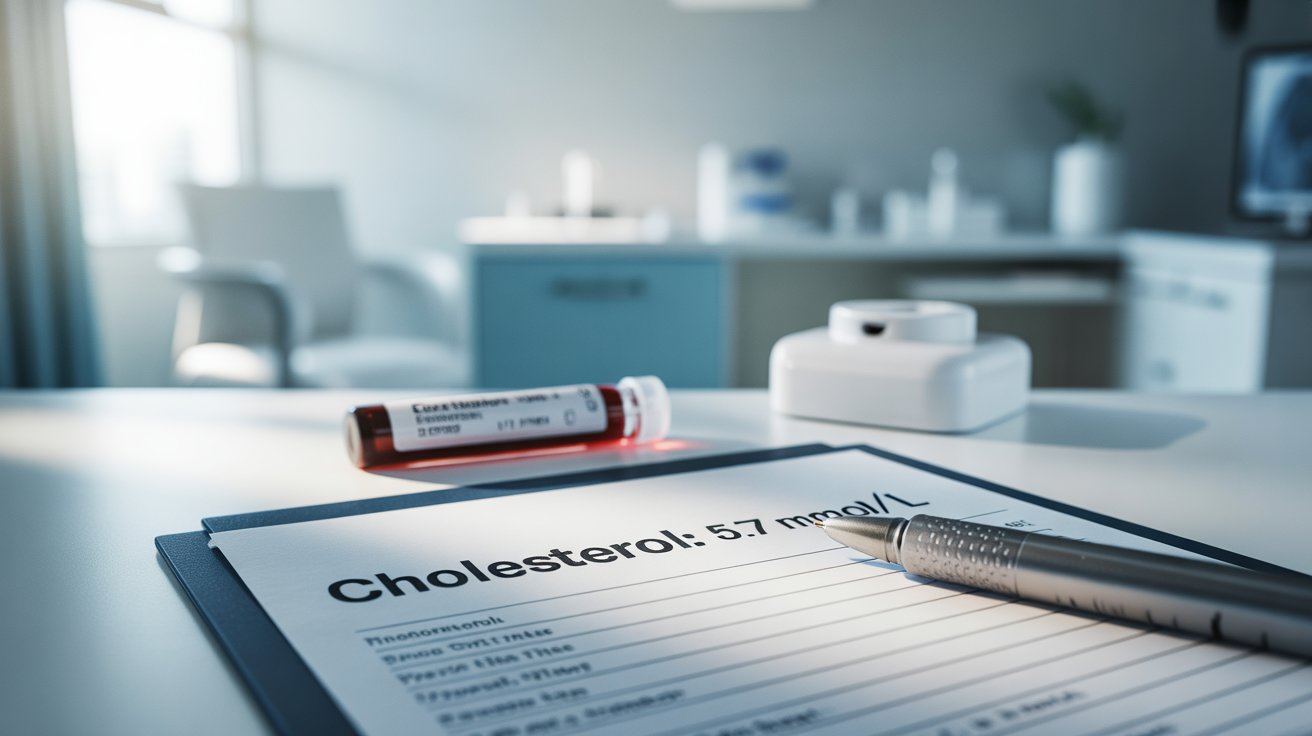
You have had a cholesterol test and your result has come back as 5.7 mmol/L. You know the headline target is 5.0, so you are wondering whether 5.7 is something to worry about โ€” and, if so, what to do about it. The answer requires a little context, because a total cholesterol figure of 5.7 on its own tells you less than you might think. Here is what a GP would actually say about a cholesterol level of 5.7 in the UK โ€” including what it means, what it does not mean, and when it is and is not cause for clinical concern.


What Is the Target Cholesterol Level in the UK?

In the UK, cholesterol levels are measured in millimoles per litre (mmol/L). The government and NHS guidance โ€” aligned with recommendations from Heart UK, the British Heart Foundation, and NICE โ€” is that healthy adults should aim for a total cholesterol level below 5.0 mmol/L. This threshold is not arbitrary: it reflects the evidence base linking elevated total cholesterol to increased cardiovascular risk at a population level.

However, it is important to understand that 5.0 mmol/L is a general population target, not a hard clinical cut-off. Three in five adults in the UK have a total cholesterol at or above 5.0 mmol/L, meaning 5.7 places you in a range that is above ideal but also extremely common. Whether a level of 5.7 requires treatment โ€” or simply attention and lifestyle modification โ€” depends on a set of factors that go well beyond the total cholesterol number itself.


So Is 5.7 mmol/L Considered High?

A total cholesterol of 5.7 mmol/L is above the ideal UK target of 5.0 mmol/L and sits in the range that clinicians generally describe as mildly to moderately elevated. It is not in the range associated with severely elevated cardiovascular risk on its own โ€” levels above 7.5 mmol/L, for example, raise the possibility of familial hypercholesterolaemia, an inherited condition requiring specialist assessment. But 5.7 is above where most guidelines would like to see you, and it warrants a proper clinical review.

What 5.7 does not do, on its own, is tell you very much about your actual cardiovascular risk. Two people can both have a total cholesterol of 5.7 mmol/L and have very different risk profiles. A 35-year-old non-smoking woman with no family history of heart disease, good HDL cholesterol, and a low LDL may have a ten-year cardiovascular risk that is entirely acceptable despite a total cholesterol of 5.7. A 55-year-old man with high blood pressure, type 2 diabetes, a family history of premature heart disease, and an LDL of 4.1 mmol/L with the same total cholesterol figure faces a meaningfully different clinical picture. The number without the context is only half the story.


What the Other Components of Your Cholesterol Test Tell You

A total cholesterol of 5.7 mmol/L is a starting point, not a conclusion. The most clinically important information comes from the breakdown of the lipid profile โ€” specifically the LDL, HDL, and non-HDL cholesterol values, and the ratio of total cholesterol to HDL.

LDL Cholesterol (Low-Density Lipoprotein)

LDL is the primary driver of atherosclerotic cardiovascular disease and the main target of cholesterol-lowering treatment. NICE guidance for the UK sets an LDL target of 3.0 mmol/L or below for primary prevention in healthy adults, and 2.0 mmol/L or below for those with established cardiovascular disease or at high risk. For someone with a total cholesterol of 5.7 mmol/L, the LDL component is the most important number to examine. If your LDL is, say, 3.6 mmol/L, that is more clinically significant than the total cholesterol figure alone. If LDL is above 4.9 mmol/L alongside a family history of premature heart disease, familial hypercholesterolaemia (FH) should be considered.

HDL Cholesterol (High-Density Lipoprotein)

HDL carries cholesterol away from the arteries and back to the liver for processing, and higher levels are generally protective. Heart UK recommends an HDL of above 1.2 mmol/L for women and above 1.0 mmol/L for men. An important nuance: a high HDL can make your total cholesterol look elevated even when your cardiovascular risk is actually low. If your total cholesterol is 5.7 mmol/L and your HDL is 1.9 mmol/L โ€” reflecting a strong, protective HDL โ€” your total cholesterol:HDL ratio may be within an acceptable range despite the elevated total figure. Conversely, a low HDL alongside a total cholesterol of 5.7 significantly increases cardiovascular risk.

Non-HDL Cholesterol

Non-HDL cholesterol โ€” total cholesterol minus HDL โ€” captures all the atherogenic (artery-narrowing) lipid particles in a single figure and is the primary treatment target in NICE’s NG238 lipid guidelines for the UK. The non-HDL target for primary prevention is 4.0 mmol/L or below. For someone with a total of 5.7 and an HDL of 1.4 mmol/L, non-HDL would be 4.3 mmol/L โ€” mildly above target. For someone with the same total and an HDL of 1.8 mmol/L, non-HDL would be 3.9 mmol/L โ€” within target. This is why the full lipid profile matters, not just the headline number.

Total Cholesterol:HDL Ratio

NICE NG238 recommends the use of the total cholesterol:HDL ratio to estimate ten-year cardiovascular risk using the QRISK3 calculator. A ratio of 4.0 or below is generally considered low risk; above 6.0 indicates significantly elevated cardiovascular risk. For a total cholesterol of 5.7 mmol/L, the ratio depends entirely on your HDL level โ€” which is why seeing the full breakdown of your result is essential before drawing any clinical conclusion.


Your QRISK3 Score: The Number That Actually Matters

In UK clinical practice, no cholesterol result is interpreted in isolation. NICE guidance requires the use of QRISK3 โ€” a validated cardiovascular risk calculator โ€” to estimate the probability of a heart attack or stroke over the next ten years. QRISK3 incorporates total cholesterol:HDL ratio alongside a comprehensive set of additional risk factors: age, sex, blood pressure, BMI, smoking status, family history, ethnicity, deprivation, diabetes, chronic kidney disease, atrial fibrillation, rheumatoid arthritis, and several other variables.

A QRISK3 score of 10% or above โ€” meaning a 10% or greater probability of a cardiovascular event in the next ten years โ€” is the threshold at which NICE recommends considering statin therapy for primary prevention. A total cholesterol of 5.7 mmol/L contributes to this score, but it is one input among many. Two people with identical cholesterol can have QRISK3 scores of 3% and 18% respectively, based on the other variables in their profile. This is why a GP assessment โ€” not a cholesterol number in isolation โ€” is what determines whether and how treatment is warranted.


What Should You Do If Your Cholesterol Is 5.7 mmol/L?

If you have not yet had a full lipid profile

A total cholesterol figure from a pharmacy finger-prick test or an at-home kit, without the accompanying LDL, HDL, non-HDL, and triglyceride values, is insufficient for a proper clinical assessment. A full fasting cholesterol blood test โ€” a venous draw processed by an accredited laboratory โ€” gives the complete picture. If you only have a total figure, getting the full panel is the logical first step.

If you have the full lipid profile

A face-to-face GP consultation is the right next step. Your GP will review your full lipid profile, calculate your QRISK3 score, assess your blood pressure, BMI, family history, and any other relevant risk factors, and advise whether lifestyle modification alone is sufficient, whether repeat testing in three to six months is appropriate, or whether cholesterol-lowering medication is indicated. This is not a conversation that can be had meaningfully with a number alone.

Lifestyle changes that can lower a cholesterol of 5.7 mmol/L

For many people with a total cholesterol of 5.7 mmol/L and a low to moderate overall cardiovascular risk, lifestyle modification can bring levels down meaningfully without medication. Evidence-based changes include:

  • Reducing saturated fat: Replacing butter, full-fat dairy, fatty meat, and processed foods with olive oil, lean protein, oily fish, nuts, and plant-based fats. The British Heart Foundation estimates that reducing saturated fat intake can lower LDL cholesterol by up to 10%.


  • Increasing soluble fibre: Oats, barley, pulses, lentils, and fruit such as apples and pears contain soluble fibre that binds to cholesterol in the gut and reduces its absorption. Daily oat consumption is one of the most consistently evidenced dietary interventions for LDL reduction.


  • Regular aerobic exercise: 150 minutes of moderate aerobic exercise per week โ€” brisk walking, cycling, swimming โ€” raises HDL, lowers triglycerides, and modestly reduces LDL. Data from Forth’s analysis of 24,000 UK blood tests confirms that exercise above six hours per week is associated with meaningfully higher HDL levels.


  • Reducing alcohol: Alcohol raises triglycerides and, in excess, can increase total cholesterol. Reducing intake below the recommended 14 units per week โ€” ideally lower โ€” has a measurable effect on the lipid profile.


  • Plant sterols and stanols: Foods fortified with plant sterols or stanols โ€” available in many supermarkets โ€” are clinically evidenced to reduce LDL by 7 to 10% when consumed daily in the appropriate quantities. They are a practical, non-pharmaceutical addition for motivated patients.


  • Weight management: Excess weight, particularly abdominal fat, is strongly associated with elevated triglycerides and low HDL. Even modest weight reduction โ€” 5 to 10% of body weight โ€” can produce meaningful improvements in the lipid profile.


When Is a Cholesterol of 5.7 More Urgent?

A total cholesterol of 5.7 mmol/L warrants more urgent clinical attention if any of the following apply:

  • Your LDL is above 4.9 mmol/L โ€” particularly with a family history of early heart disease, which raises the possibility of familial hypercholesterolaemia
  • You have established cardiovascular disease, previous heart attack, stroke, or TIA โ€” in which case the LDL target is 2.0 mmol/L and treatment is likely already indicated
  • You have diabetes, hypertension, chronic kidney disease, or another condition that independently elevates your cardiovascular risk
  • You are a man over 50 or a postmenopausal woman โ€” cardiovascular risk rises with age, and 5.7 mmol/L carries greater significance at 60 than at 35
  • Your QRISK3 score is 10% or above when calculated with your full clinical profile

If any of these apply to you, a same-day private GP consultation at The Private GP Birmingham is the most direct route to a complete assessment and a clear clinical plan. Same-day appointments are available, with same-day blood testing for the full lipid panel, HbA1c, thyroid function, kidney and liver function, and any other markers relevant to your cardiovascular risk profile.


Frequently Asked Questions

  • Is a cholesterol level of 5.7 high in the UK?

A total cholesterol of 5.7 mmol/L is above the UK general population target of 5.0 mmol/L and is considered mildly to moderately elevated. It is not severely high โ€” levels above 7.5 mmol/L are of greater concern for inherited conditions such as familial hypercholesterolaemia โ€” but it is above where current guidance would like to see most adults and warrants a proper clinical review. Whether it requires treatment depends on your full lipid profile, QRISK3 cardiovascular risk score, and individual health history.


  • What should my cholesterol be in the UK?

UK guidance from the NHS, Heart UK, and NICE recommends a total cholesterol below 5.0 mmol/L for healthy adults. LDL should ideally be below 3.0 mmol/L for primary prevention, and below 2.0 mmol/L for those with established cardiovascular disease. HDL should be above 1.2 mmol/L for women and 1.0 mmol/L for men. Non-HDL cholesterol should be below 4.0 mmol/L for primary prevention. However, these targets are guides โ€” your GP will determine the most appropriate targets for you based on your full clinical picture and QRISK3 score.


  • Do I need a statin if my cholesterol is 5.7?

Not necessarily. Whether a statin is indicated depends on your full lipid profile, your QRISK3 ten-year cardiovascular risk score, and your individual risk factors โ€” not the total cholesterol figure alone. NICE recommends considering statin therapy for primary prevention when QRISK3 reaches 10% or above. Many people with a total cholesterol of 5.7 mmol/L and a low to moderate overall risk profile can achieve meaningful improvement through diet and lifestyle changes without medication. A face-to-face GP assessment is the only reliable way to determine whether treatment is clinically appropriate for you.


  • Can diet bring my cholesterol down from 5.7?

Yes โ€” for many people with a total cholesterol of 5.7 mmol/L, dietary and lifestyle modification can produce a meaningful reduction without medication. Reducing saturated fat, increasing soluble fibre (particularly oats and pulses), incorporating plant sterols and stanols, increasing aerobic exercise, reducing alcohol, and managing weight can collectively lower LDL cholesterol by 10 to 20% in motivated patients over three to six months. The effect varies between individuals. A GP review after three to six months of lifestyle change allows assessment of whether the response has been sufficient or whether medication should be considered.


  • What is the total cholesterol:HDL ratio for a cholesterol of 5.7?

The total cholesterol:HDL ratio for a cholesterol of 5.7 depends on your HDL level, which varies between individuals. If your HDL is 1.4 mmol/L, the ratio is 4.1 โ€” mildly above the 4.0 target used in QRISK3 risk assessment. If your HDL is 1.9 mmol/L, the ratio is 3.0 โ€” within a healthy range. This illustrates why the full lipid profile matters so much more than the total figure alone. At The Private GP Birmingham, a full fasting cholesterol panel with GP results review gives you all the components needed for a clinically meaningful assessment โ€” not just a total number.

What Is a Good Cholesterol Level in the UK?

You have had a cholesterol blood test and you are looking at a set of numbers โ€” total cholesterol, LDL, HDL, non-HDL, triglycerides โ€” and trying to work out whether they are good, acceptable, or cause for concern. It is a reasonable thing to want to understand clearly, but the answer is not quite as simple as a single target figure. UK guidance has been updated significantly in recent years, and what counts as a good cholesterol level in the UK depends on which component of the lipid profile you are looking at, whether you already have cardiovascular disease, and a range of individual risk factors that only a GP can properly assess.


Understanding Your Cholesterol Test Results

A full cholesterol blood test โ€” properly called a lipid profile or lipid panel โ€” does not produce a single number. It produces five separate values, each of which tells you something different about your cardiovascular risk. Understanding what each one means is the starting point for interpreting whether your results are good.

Total Cholesterol (TC)

The combined amount of all cholesterol in your blood โ€” both LDL and HDL together. The general UK population target is below 5.0 mmol/L for healthy adults.

LDL Cholesterol (Low-density Lipoprotein)

Often called ‘bad’ cholesterol. LDL carries cholesterol to the artery walls and is the primary driver of atherosclerosis. The lower your LDL, the better โ€” this is now the key treatment target in UK clinical guidelines.

HDL Cholesterol (High-density Lipoprotein)

Often called ‘good’ cholesterol. HDL carries cholesterol away from the arteries and back to the liver. Higher HDL is protective. Unlike LDL, you want this one to be higher.

Non-HDL Cholesterol

Total cholesterol minus HDL. This figure captures all the atherogenic (artery-narrowing) lipoproteins โ€” including LDL, VLDL, and IDL โ€” in a single number. Non-HDL is now the primary treatment target in NICE NG238 for primary prevention.

Triglycerides

A separate type of fat in the blood, associated with cardiovascular risk particularly when elevated alongside low HDL. Significantly affected by diet and alcohol intake.


Good Cholesterol Levels in the UK: The NHS and NICE Targets

The following reference ranges are drawn from NHS guidance, the British Heart Foundation, Heart UK, and NICE NG238. They apply to healthy adults without established cardiovascular disease โ€” what clinicians call primary prevention. Targets are different, and lower, for people who already have cardiovascular disease (secondary prevention), which is covered separately below.


Total Cholesterol

  • Good (healthy adult target): Below 5.0 mmol/L
  • Borderline: 0 to 6.4 mmol/L โ€” above the ideal target; warrants dietary review and risk assessment
  • Mildly high: 5 to 7.8 mmol/L โ€” clinically significant; treatment likely to be considered depending on overall risk profile
  • Very high: Above 7.8 mmol/L โ€” significantly elevated; familial hypercholesterolaemia (FH) should be considered if LDL is also very high

It is important to note that the total cholesterol figure on its own is the least clinically informative component of the lipid panel. Two people with the same total cholesterol can have very different cardiovascular risk profiles depending on how that total cholesterol is distributed between LDL, HDL, and other fractions. Total cholesterol is a useful screening indicator; it is not a sufficient basis for a clinical decision about treatment.


LDL Cholesterol (Primary Prevention โ€” No Established Cardiovascular Disease)

  • Good (healthy adult target): Below 3.0 mmol/L
  • Borderline: 0 to 4.0 mmol/L โ€” above target; lifestyle modification and risk assessment warranted
  • High: Above 4.0 mmol/L โ€” clinically significant elevation; treatment likely to be considered
  • Very high (possible FH): Above 4.9 mmol/L, especially with family history of premature cardiovascular disease โ€” familial hypercholesterolaemia should be considered and specialist referral may be appropriate

For people on lipid-lowering treatment for primary prevention, NICE NG238 sets a treatment response target of greater than 40% reduction in non-HDL cholesterol from baseline, rather than an absolute LDL figure. The British Journal of General Practice’s 2024 clinical update confirms that for primary prevention, the aim is for more than 40% reduction in non-HDL cholesterol.


HDL Cholesterol

  • Good: Above 1.2 mmol/L for women; above 1.0 mmol/L for men
  • Low (concerning): Below 1.0 mmol/L for women; below 0.9 mmol/L for men โ€” low HDL is an independent cardiovascular risk factor

Heart UK notes that HDL levels up to 1.4 mmol/L are thought to offer the best protection, but that levels higher than this may not confer additional benefit. Very high HDL levels โ€” above 2.5 mmol/L โ€” have been associated in some research with paradoxical cardiovascular risk, and are assessed individually by clinicians rather than being straightforwardly ‘better’.


Non-HDL Cholesterol (Primary Prevention)

  • Good (healthy adult target): Below 4.0 mmol/L
  • Borderline: 0 to 5.0 mmol/L
  • High: Above 5.0 mmol/L

Non-HDL cholesterol is NICE’s preferred primary prevention treatment target because it captures all atherogenic lipid particles โ€” not just LDL โ€” in a single figure and does not require a fasting sample to be accurate. Your GP will use non-HDL cholesterol as the primary benchmark when assessing whether your lipid profile warrants lifestyle modification, monitoring, or treatment.


Triglycerides

  • Good: Below 1.7 mmol/L (fasting)
  • Borderline high: 7 to 5.6 mmol/L โ€” assess for dietary causes, alcohol intake, diabetes, and obesity
  • High: Above 5.6 mmol/L โ€” clinically significant; associated with pancreatitis risk at very high levels
  • Very high: Above 20.0 mmol/L โ€” urgent lipid specialist review required; significant pancreatitis risk


Cholesterol Targets After a Heart Attack or Stroke (Secondary Prevention)

For people who have already had a heart attack, stroke, TIA, or have established cardiovascular disease (coronary heart disease, peripheral arterial disease), the targets are significantly lower โ€” reflecting the substantially higher cardiovascular risk in this group and the strong evidence base for intensive lipid lowering in secondary prevention.

  • Total cholesterol target: Below 4.0 mmol/L (British Heart Foundation guidance)
  • LDL cholesterol target: 0 mmol/L or below (NICE NG238, December 2023)
  • Non-HDL cholesterol target: 6 mmol/L or below (NICE NG238)

Heart UK notes that for secondary prevention โ€” those who already have cardiovascular disease โ€” there are now specific targets for both non-HDL and LDL cholesterol, with a lower-is-better approach. NICE NG238 recommends atorvastatin 80 mg as the standard first-line treatment for secondary prevention regardless of baseline cholesterol level, with the December 2023 update formalising specific LDL and non-HDL targets for the first time.


Why Your QRISK3 Score Matters as Much as the Numbers

The cholesterol targets above are guides for the general population. What actually determines whether your cholesterol level is clinically ‘good enough’ for you specifically is your ten-year cardiovascular risk, calculated using the QRISK3 tool. QRISK3 is a validated risk calculator that incorporates your cholesterol:HDL ratio alongside age, sex, blood pressure, BMI, smoking status, deprivation, ethnicity, family history, diabetes, kidney disease, atrial fibrillation, rheumatoid arthritis, and several other variables.

NICE NG238 recommends considering statin therapy for primary prevention when QRISK3 reaches 10% or above โ€” meaning a 10% or greater probability of a cardiovascular event in the next ten years. A person with a total cholesterol of 5.8 mmol/L but a QRISK3 of 4% may not need medication. A person with a total cholesterol of 5.2 mmol/L but a QRISK3 of 14% because of age, blood pressure, family history, and smoking almost certainly does. The cholesterol number provides context; the QRISK3 score provides the clinical decision framework.

This is the reason that a cholesterol test result needs to be reviewed by a GP rather than interpreted against a table of numbers alone. The numbers matter โ€” but only in context.


What Affects Your Cholesterol Level?

Understanding what drives your cholesterol level helps you take meaningful action. The main modifiable influences are:

Saturated Fat Intake

The primary dietary driver of elevated LDL. Found in butter, ghee, full-fat dairy, fatty meat, processed meat, pastry, biscuits, coconut oil, and palm oil. Replacing saturated fat with unsaturated fat โ€” olive oil, avocado, nuts, oily fish โ€” is the single most evidence-based dietary intervention for LDL reduction.

Physical Inactivity

Regular aerobic exercise raises HDL and lowers triglycerides. The NHS recommends 150 minutes of moderate aerobic activity per week as a minimum for cardiovascular health.

Body Weight

Excess weight, particularly abdominal fat, is associated with elevated triglycerides and low HDL. Weight reduction of 5 to 10% of body weight produces measurable improvements in the lipid profile.

Alcohol

Raises triglycerides significantly and, at high intake, contributes to elevated total cholesterol. The NHS recommends no more than 14 units per week.

Smoking

Lowers HDL and damages arterial walls, compounding the cardiovascular risk from elevated LDL. Smoking cessation is one of the most impactful cardiovascular risk reduction interventions available.

Genetics

Familial hypercholesterolaemia (FH) is an inherited condition affecting approximately 1 in 250 people in the UK, causing significantly elevated LDL from birth. FH cannot be fully managed through lifestyle alone and requires lipid-lowering medication.

Other Medical Conditions

Hypothyroidism, type 2 diabetes, kidney disease, and liver disease can all raise cholesterol. Secondary causes should be excluded before attributing elevated cholesterol to primary dyslipidaemia.


A patient who came to The Private GP Birmingham for a full cholesterol blood test โ€” a woman in her late forties โ€” had a total cholesterol of 6.2 mmol/L. Her LDL was 4.1 mmol/L and her HDL was 1.6 mmol/L. On first glance, her total cholesterol and LDL were both above their respective targets. But Dr Ul-Haq also noted her TSH was elevated at 7.8 mIU/L โ€” indicative of hypothyroidism, which commonly drives secondary hypercholesterolaemia. Rather than initiating a statin, Dr Ul-Haq commenced levothyroxine for the hypothyroidism. At her three-month review, having achieved a euthyroid TSH of 1.9 mIU/L, her LDL had fallen to 3.2 mmol/L and her total cholesterol to 5.4 mmol/L โ€” still above ideal, but meaningfully improved without lipid-lowering medication. The cholesterol result had prompted the investigation that found the real diagnosis. Treating the cause, not the cholesterol number, produced the better clinical outcome.


A Quick Reference: Good Cholesterol Levels in the UK at a Glance

  • Total cholesterol (healthy adult): below 5.0 mmol/L
  • Total cholesterol (after heart attack/stroke): below 4.0 mmol/L
  • LDL cholesterol (primary prevention): below 3.0 mmol/L
  • LDL cholesterol (secondary prevention): 0 mmol/L or below (NICE NG238)
  • HDL cholesterol (women): above 1.2 mmol/L
  • HDL cholesterol (men): above 1.0 mmol/L
  • Non-HDL cholesterol (primary prevention): below 4.0 mmol/L
  • Non-HDL cholesterol (secondary prevention): 6 mmol/L or below (NICE NG238)
  • Triglycerides (fasting): below 1.7 mmol/L

If you would like to know where your cholesterol levels stand against these targets, a private cholesterol blood test at The Private GP Birmingham provides the full fasting lipid panel โ€” total cholesterol, LDL, HDL, non-HDL, and triglycerides โ€” with same-day results and a face-to-face results review with Dr Israar Ul-Haq. He will calculate your QRISK3 cardiovascular risk score, contextualise your results within your full health picture, and advise on whether lifestyle modification, monitoring, or treatment is the most appropriate next step. Same-day appointments are available โ€” no referral required. If you would like your cholesterol assessed as part of a broader cardiovascular and metabolic health screen, our comprehensive private blood test service covers all relevant markers in a single appointment.


Frequently Asked Questions

  • What is a good total cholesterol level in the UK?

The NHS and British Heart Foundation recommend a total cholesterol level below 5.0 mmol/L for healthy adults as a general target. If you have already had a heart attack or stroke, the target is lower โ€” below 4.0 mmol/L. However, total cholesterol alone is not the most clinically informative figure. Your LDL, HDL, non-HDL cholesterol, and triglycerides โ€” interpreted alongside your QRISK3 cardiovascular risk score โ€” give a much more complete picture of your actual cardiovascular risk than total cholesterol alone.


  • What is a good LDL cholesterol level in the UK?

For healthy adults without established cardiovascular disease (primary prevention), the UK target for LDL cholesterol is below 3.0 mmol/L. For people who have already had a heart attack, stroke, or have established cardiovascular disease (secondary prevention), NICE NG238 sets an LDL target of 2.0 mmol/L or below โ€” a more intensive target reflecting the higher risk in this group. For those on lipid-lowering treatment for primary prevention, the treatment response aim is a greater than 40% reduction in non-HDL cholesterol from baseline.


  • What is a good HDL cholesterol level in the UK?

A good HDL cholesterol level is above 1.2 mmol/L for women and above 1.0 mmol/L for men (British Heart Foundation guidance). HDL is the protective form of cholesterol โ€” it carries cholesterol away from the arteries โ€” so higher is generally better, up to around 1.4 mmol/L. Low HDL (below 1.0 mmol/L in women, below 0.9 mmol/L in men) is an independent cardiovascular risk factor and is particularly significant when combined with elevated LDL or triglycerides.


  • What is a good non-HDL cholesterol level in the UK?

Non-HDL cholesterol โ€” total cholesterol minus HDL โ€” should ideally be below 4.0 mmol/L for healthy adults without cardiovascular disease (primary prevention target). For those with established cardiovascular disease, NICE NG238 sets a secondary prevention target of 2.6 mmol/L or below. Non-HDL cholesterol is NICE’s preferred primary prevention treatment target because it captures all atherogenic lipoproteins in a single figure and does not require a fasting blood sample to be accurate.


  • How do I find out if my cholesterol levels are good?

The only reliable way to know your cholesterol levels is through a blood test. At The Private GP in Birmingham, a private cholesterol blood test provides the full fasting lipid panel โ€” total cholesterol, LDL, HDL, non-HDL, and triglycerides โ€” with a face-to-face GP results review by Dr Israar Ul-Haq. He will interpret your results against current UK targets, calculate your QRISK3 cardiovascular risk score, and advise on next steps specific to your individual risk profile. Same-day appointments are available. If you would prefer a broader health assessment, our private blood test service covers cholesterol alongside thyroid function, HbA1c, kidney and liver function, and more in a single appointment.

What to Eat the Night Before a Cholesterol Test

You have a cholesterol blood test booked for tomorrow morning, and you are wondering whether what you eat tonight will affect the result. It is a practical question โ€” and the answer is more nuanced than most online articles suggest. The short version is this: for most people, a sensible evening meal the night before a cholesterol test is perfectly fine, but there are specific foods, drinks, and behaviours that can skew your results and are worth avoiding. And whether you need to fast at all depends on which type of cholesterol test you are having and your clinical history. Here is what a GP actually recommends.


Do You Need to Fast Before a Cholesterol Test in the UK?

This is the most important question to settle first โ€” because the answer determines everything else about how you prepare. Fasting guidance for cholesterol testing has changed meaningfully over the past decade, and a lot of the information online still reflects older, more rigid rules that no longer apply universally.

The NHS advises that you may need to fast for up to 12 hours if your cholesterol test involves a blood draw from the arm (a venous sample), rather than a finger-prick test. However, updated guidance โ€” including from Harvard Medical School and the European Atherosclerosis Society โ€” makes clear that for most adults without a history of elevated triglycerides or cardiovascular disease, the difference between fasting and non-fasting values for total cholesterol and LDL cholesterol is clinically negligible. An analysis of data from over 4,000 patients found that LDL values in non-fasting tests were only around four milligrams per deciliter higher than fasting values โ€” a difference too small to affect clinical decision-making in most cases.

The critical exception is triglycerides. Unlike LDL and total cholesterol, triglyceride levels are significantly affected by recent food intake. After a meal โ€” particularly one high in fat or carbohydrate โ€” triglycerides can remain elevated in the bloodstream for several hours, producing a result that overstates your true baseline. For this reason, fasting is recommended for anyone who has previously had elevated triglycerides, has diabetes, is significantly overweight, drinks alcohol regularly, or is being tested as part of a full cardiovascular risk assessment where triglyceride accuracy matters clinically.

The practical rule: always follow the specific preparation instructions given to you by your GP or clinic. If you have been told to fast, fast. If you have not been given any specific guidance, a light, low-fat evening meal the night before and no food from midnight onwards is a sensible default for a morning blood draw โ€” giving you a 9 to 12 hour fast without any of the difficulty of an extended daytime fast.


What to Eat the Night Before a Cholesterol Test

If you have been asked to fast from midnight and your test is first thing in the morning, your evening meal the night before is your last substantive food intake before the test. The goal is a meal that is nutritionally balanced, reasonably light, and low in saturated fat, refined sugars, and alcohol โ€” not because a single meal changes your long-term cholesterol level significantly, but because a high-fat or high-sugar evening meal can elevate triglycerides enough the following morning to affect that component of your result, even after an overnight fast.

Grilled or Baked Lean Protein

Chicken breast, turkey, white fish, salmon, or tofu. These provide satisfying protein without the saturated fat load of red or processed meat. Grilling or baking rather than frying avoids adding unnecessary fat.

Non-starchy Vegetables

Broccoli, courgette, spinach, green beans, carrots, peppers, cauliflower. Vegetables are low in calories and rich in fibre, which slows fat absorption and supports stable blood lipid levels. Fill at least half your plate.

Wholegrains in Moderate Portions

Brown rice, quinoa, wholemeal pasta, or sweet potato. These provide slow-release energy without the sharp glucose and triglyceride spike associated with white refined carbohydrates. Keep the portion size moderate.

Legumes

Lentils, chickpeas, kidney beans. Rich in soluble fibre and plant protein, and well-evidenced to support healthy lipid metabolism. A lentil-based soup or chickpea curry with vegetables is an excellent pre-test evening meal.

Healthy Fats in Small Amounts

A small drizzle of olive oil for cooking or dressing, or a few slices of avocado, provides monounsaturated fat without the saturated fat impact. Avoid large quantities.

Water

Drink plenty throughout the evening. Staying well hydrated makes the blood draw easier, improves venous access, and keeps you comfortable during the fasting period. Water does not affect cholesterol or triglyceride results.


A Practical Example Evening Meal

Grilled salmon with steamed broccoli and a moderate portion of brown rice. Or baked chicken with roasted vegetables and a small portion of quinoa. Or a lentil and vegetable soup with a slice of wholemeal bread. These meals provide a good nutritional balance โ€” lean protein, fibre, complex carbohydrate, and moderate healthy fat โ€” without the saturated fat, refined sugar, or alcohol that can affect test results the following morning.


What to Avoid the Night Before a Cholesterol Test

Certain foods and drinks have a measurable effect on blood lipids โ€” particularly triglycerides โ€” in the hours after consumption, and are worth avoiding the evening before your test.

Alcohol

This is the most important thing to avoid. Alcohol causes a significant short-term rise in triglycerides that can persist well into the following morning, even after an overnight fast. Avoid alcohol entirely for at least 24 hours before your test โ€” ideally 48 hours if you drink regularly.

High-fat Meals

A takeaway, a restaurant meal with rich sauces, or a home-cooked meal heavy in butter, cheese, cream, or fatty meat can elevate both triglycerides and post-prandial lipid particles in a way that persists into the next morning. Avoid a Friday night curry or fish and chips the night before a Saturday morning test.

Red and Processed Meat

Beef, lamb, pork, bacon, sausages, and processed deli meats are high in saturated fat, which contributes to elevated LDL over time and can affect short-term triglyceride levels after a large portion. Replace with lean white meat, fish, or plant protein for the evening before your test.

Fried Foods

Chips, fried chicken, battered fish, spring rolls, samosas โ€” anything deep-fried or pan-fried in significant oil adds a large saturated and trans fat load that can temporarily raise triglycerides and LDL-related particles.

Full-fat Dairy in Large Quantities

Full-fat cheese, cream, butter, and full-fat milk contain significant saturated fat. A small amount is unlikely to dramatically affect results, but a meal heavy in these items โ€” a cheesy pasta dish or a cream-based sauce โ€” is worth avoiding.

Sugary Foods and Refined Carbohydrates

Desserts, biscuits, sweets, fizzy drinks, white bread, and white rice in large portions cause a rapid glucose and insulin response that drives triglyceride synthesis. Avoid sugary snacks after dinner and opt for water rather than fruit juice, squash, or fizzy drinks during the evening.

Caffeine

Tea and coffee in moderate amounts are unlikely to affect cholesterol results significantly, but avoid unusually large quantities. If you are fasting, skip your morning coffee before the blood draw โ€” caffeine can mildly affect lipid metabolism and some labs prefer a clean fast.


What You Can Still Have During the Fast

If you are fasting from midnight for a morning blood test, you do not need to deprive yourself entirely. The following are fine during the fasting period:

Water

Drink as much as you like. Staying well hydrated makes the blood draw significantly easier and more comfortable, and water has no effect on cholesterol or triglyceride results.

Your Regular Medications

Unless your GP has specifically advised otherwise, continue taking your regular medication with a small sip of water as normal. Do not stop statins, blood pressure medications, or other drugs without being explicitly told to do so by your doctor.

Plain Water Only

Avoid anything other than water during the fasting period โ€” no tea, no coffee (unless explicitly told otherwise by your clinic), no squash, no fruit juice. These can affect insulin and lipid metabolism.


Other Things That Can Affect Your Cholesterol Test Result

Diet the night before is just one variable. Several other factors can affect the accuracy of your cholesterol result and are worth being aware of:

Recent Strenuous Exercise

Intense exercise in the 24 hours before a cholesterol test can temporarily alter lipid values โ€” typically lowering triglycerides and transiently affecting LDL. Avoid unusually intense exercise the day before your test. Normal daily activity is fine.

Illness or Infection

Acute illness โ€” including a cold, flu, or any active infection โ€” can significantly suppress LDL cholesterol and total cholesterol values. If you are unwell, it is worth rescheduling your test, as the result may understate your true baseline.

Stress

Significant psychological stress can affect cortisol, which in turn influences lipid metabolism. While you cannot always control your stress levels, avoid scheduling your test immediately after an unusually stressful event if possible.

Medications

A number of medications affect cholesterol levels โ€” corticosteroids, thiazide diuretics, beta-blockers, antipsychotics, and hormonal contraceptives can all influence lipid values. Your GP will take these into account when interpreting your result. Do not stop any medication before your test without explicit clinical advice.

Pregnancy

Cholesterol levels rise physiologically during pregnancy and in the postpartum period. Results during this time are not representative of your baseline and are generally not used for routine cardiovascular risk assessment.


A patient seen at The Private GP in Birmingham came for a private cholesterol blood test having been told by a friend that eating oats the night before would lower her result. She had eaten a large bowl of porridge, a banana, and some nuts immediately before attending โ€” believing she was improving her numbers. In practice, her test was a non-fasting venous draw, and the nuts and banana consumed shortly before the appointment had elevated her triglyceride reading meaningfully above her true baseline. Dr Ul-Haq explained what had happened, rescheduled the test with proper fasting preparation, and her repeat result gave a clinically accurate lipid profile. The lesson: the night before matters, but so does the morning of the test โ€” and eating immediately before a blood draw is never helpful, regardless of what you eat.


The Night Before vs Your Long-Term Diet: What Actually Changes Your Cholesterol

One important thing to understand is the limitation of dietary changes in the days immediately before your test. A single healthy evening meal will not meaningfully lower your LDL cholesterol or total cholesterol result. It takes weeks to months of sustained dietary change for cholesterol levels to shift appreciably โ€” as evidenced by the clinical trials on dietary intervention in hypercholesterolaemia. What you eat the night before affects primarily your triglyceride reading and the accuracy of the test, not the underlying cholesterol values that reflect your habitual diet.

This also means that deliberately eating a very restricted diet in the days before your test in the hope of producing a better result is both pointless and counterproductive โ€” it does not substantially alter LDL or total cholesterol, and it may produce a result that does not reflect your true metabolic state. The value of a cholesterol test lies in accuracy, not in an optimised number produced by short-term manipulation.

At The Private GP in Birmingham, a private cholesterol blood test includes a full fasting lipid profile โ€” total cholesterol, LDL, HDL, non-HDL, and triglycerides โ€” with same-day results and a face-to-face review with Dr Ul-Haq. You will receive clear, practical preparation instructions before your appointment so you arrive ready for an accurate result. If your cholesterol test is part of a broader health assessment, our private blood test service covers the full range of cardiovascular and metabolic markers โ€” thyroid function, HbA1c, kidney and liver function, and more โ€” in a single same-day appointment. No referral required. Same-day appointments available.

Ready to get a clear picture of your cholesterol? Book a face-to-face consultation at The Private GP Birmingham today.


Frequently Asked Questions

  • What should I eat the night before a cholesterol test?

Eat a light, balanced evening meal based on lean protein โ€” grilled chicken, fish, tofu, or legumes โ€” with plenty of non-starchy vegetables and a moderate portion of wholegrains such as brown rice or quinoa. Avoid high-fat foods, fried foods, red or processed meat in large amounts, sugary foods, and alcohol. Drink plenty of water. This approach keeps your triglyceride levels stable overnight and ensures your test result is as accurate as possible.


  • Can I eat normally the night before a cholesterol test?

Broadly yes โ€” but with caveats. A normal, balanced evening meal is fine. What to avoid specifically is a meal that is unusually high in saturated fat, refined carbohydrates, or sugar, and alcohol in particular. A takeaway, a large restaurant meal, or a dessert-heavy dinner the night before is likely to elevate your triglyceride result the following morning, even if you fast overnight. Stick to the kind of balanced, home-cooked meal described above for the most reliable result.


  • Do I need to fast before a cholesterol blood test in the UK?

It depends on the type of test and your clinical history. The NHS advises fasting of up to 12 hours for a venous (arm) blood draw in many cases, particularly where triglyceride accuracy matters. Updated guidance from Harvard Medical School and the European Atherosclerosis Society confirms that fasting has little effect on total cholesterol and LDL values, but significantly affects triglycerides. If you have previously had elevated triglycerides, have diabetes, or drink alcohol regularly, fasting is recommended. Always follow the specific instructions given to you by your GP or clinic. At The Private GP Birmingham, you will receive clear fasting guidance with your cholesterol test booking.


  • Can I drink water before a fasting cholesterol test?

Yes โ€” and you should. Water has no effect on cholesterol or triglyceride levels and does not compromise a fasting test. Staying well hydrated before a blood draw makes the process easier and more comfortable, improving venous access and reducing the likelihood of a difficult or repeated blood draw. Drink freely throughout the evening and morning up until your test. Avoid tea, coffee, fruit juice, squash, or any drink other than plain water during the fasting period unless your clinic has specifically said otherwise.


  • How long do I need to fast before a cholesterol test?

If fasting is required, the standard NHS recommendation is 9 to 12 hours. Scheduling your blood test for early morning โ€” ideally between 7am and 10am โ€” and eating your last meal by 9pm or 10pm the previous evening satisfies this requirement comfortably without extending the fast unnecessarily into the day. A 10 to 12 hour overnight fast is the most practical and widely recommended approach. At The Private GP in Birmingham, same-day cholesterol blood tests are available with morning appointments to make fasting as straightforward as possible.

Will a Blood Test Show Ovarian Cancer?

Ovarian cancer is diagnosed in around 7,000 women in the UK every year โ€” approximately 20 women every single day. It is the sixth most common cancer in women, and one of the hardest to catch early. The symptoms it produces โ€” bloating, abdominal discomfort, a persistent feeling of fullness, changes in urinary frequency โ€” are vague enough to overlap with a range of far more common and benign conditions, which means diagnosis is frequently delayed. Against this backdrop, the question of whether a blood test can show ovarian cancer is one of the most important questions a woman can ask. The answer is nuanced, honest, and โ€” thanks to significant recent developments in UK clinical guidance โ€” more useful than it has ever been.


The CA125 Blood Test: What It Is and What It Can Tell You

The primary blood test used in the assessment of suspected ovarian cancer in the UK is the CA125 test. CA125 โ€” cancer antigen 125 โ€” is a protein found in the blood that can be elevated in the presence of ovarian cancer. According to Cancer Research UK, CA125 is raised in more than 80% of advanced ovarian cancers and in around 50% of early-stage cases. It is available at GP surgeries across England and is the first-line blood investigation recommended by NICE for women with symptoms suggesting ovarian cancer.

According to Target Ovarian Cancer, a normal CA125 level is usually considered to be below 35 units per millilitre (u/ml). If your level is at 35 u/ml or above, your GP should arrange an urgent pelvic ultrasound scan to look at your ovaries and assess whether any abnormality is present.

It is important to understand what this test does and does not tell you. A raised CA125 is not a diagnosis of ovarian cancer โ€” not by a considerable distance. The elevated protein level indicates inflammation around the pelvis, but it cannot identify the cause. It can be raised in a wide range of conditions that have nothing to do with cancer, including endometriosis, uterine fibroids, ovarian cysts, pelvic inflammatory disease, liver disease, and even menstruation. Being pregnant can also raise CA125 levels. According to Ovarian Cancer Action, nine in ten women with a raised CA125 will not have ovarian cancer.

The converse limitation is equally important: a normal CA125 result does not rule out ovarian cancer. Some women โ€” particularly those with early-stage disease or with certain less common subtypes of ovarian cancer โ€” may have entirely normal CA125 levels despite a cancer being present. Ovarian Cancer Action states explicitly that CA125 levels can be normal in the early stages of ovarian cancer, and that if symptoms persist after a normal result, a woman should return to her GP within a month to discuss whether an ultrasound is needed regardless.


A Significant Step Forward: NICE’s New Age-Based CA125 Thresholds

One of the most clinically important recent developments in this area comes from NICE โ€” the National Institute for Health and Care Excellence โ€” which in 2024โ€“25 proposed a significant update to how CA125 results are interpreted. Currently, a single threshold of 35 IU/ml applies to all women regardless of age. NICE’s updated draft guidance proposes replacing this with personalised, age-based thresholds that reflect how ovarian cancer risk changes as women get older.

According to NICE, the aim of this change is to ensure that women at the greatest risk of ovarian cancer are identified and referred sooner, while reducing unnecessary investigations for women at lower risk. The new approach would allow GPs to make more informed, individualised decisions โ€” using a woman’s age alongside her CA125 level to assess her actual risk profile, rather than applying a blanket threshold. The updated guideline also proposes that women aged 60 and over with unexplained weight loss of more than 5% over six months should receive an urgent investigation or suspected cancer pathway referral, reflecting the higher baseline risk in this age group.

For women and their GPs, this represents a meaningful shift towards more targeted and clinically intelligent use of the CA125 test โ€” and signals clearly that the conversation about CA125 is evolving, not static.


A Larger Study Confirms CA125’s Value โ€” With Important Caveats

A large NIHR-funded study, published in 2024 and analysing data from over 50,000 women who had taken a CA125 test at their GP surgery, found that the test performed considerably better at predicting ovarian cancer in primary care than was previously appreciated. The research, which arose from the Cancer Research UK-funded CanTest Collaborative, found that the test was particularly effective in women aged over 50 โ€” in whom ovarian cancer is most common โ€” and also identified that a raised CA125 in a woman over 50 in whom ovarian cancer has been excluded should prompt investigation for other cancers, including those of the pancreas and lung.

The researchers developed a model to estimate an individual woman’s probability of ovarian cancer based on her age and CA125 result โ€” a more nuanced, personalised risk tool than the current binary threshold approach. While this model is not yet in routine clinical use, it signals clearly where the UK diagnostic pathway for ovarian cancer is heading: towards individualised, risk-stratified assessment rather than a one-size-fits-all approach.

A patient seen at our Birmingham clinic โ€” a woman in her early fifties โ€” presented with several weeks of persistent bloating and a sensation of abdominal fullness that she had attributed to dietary changes. A private blood test including CA125 revealed a level of 58 u/ml. She was referred promptly for an urgent pelvic ultrasound, which identified a suspicious ovarian mass requiring specialist assessment. Early identification at this stage gave her access to treatment options that would not have been available had her symptoms been dismissed for another several months.


Additional Blood Tests Used in Ovarian Cancer Assessment

CA125 is the primary blood marker, but it is not the only one. Depending on clinical circumstances โ€” particularly a woman’s age and the nature of her symptoms โ€” a GP or specialist may also request:

HE4 and the ROMA Algorithm

Human epididymis protein 4 (HE4) is a newer tumour marker that has been shown to be elevated in ovarian cancer. Research funded by Wellbeing of Women and carried out by Dr Garth Funston at the University of Manchester โ€” examining blood samples from 1,247 patients โ€” found that HE4 levels, when combined with CA125 within an algorithm called ROMA (Risk of Ovarian Malignancy Algorithm), could improve the detection of ovarian cancer in primary care, particularly in women under 50. The ROMA algorithm uses both markers alongside menopausal status to generate a risk score โ€” offering a more accurate picture than CA125 alone in certain groups. This approach has been studied in hospital settings for some time, but Wellbeing of Women’s research is among the first to demonstrate its utility in a primary care environment.

AFP, hCG, and LDH for Younger Women

For women aged 40 and under, Cancer Research UK notes that specialists may also check the levels of alpha-fetoprotein (AFP), human chorionic gonadotrophin (hCG), and lactate dehydrogenase (LDH). These markers are associated with germ cell tumours โ€” a rarer type of ovarian cancer more commonly seen in younger women โ€” and form part of the extended assessment for this age group.

CEA and CA19-9

According to Cancer Research UK’s diagnostic guidance, specialists may also measure CEA (carcinoembryonic antigen) and CA19-9 in certain cases โ€” particularly where there is a possibility that another cancer type has spread to the ovaries, rather than the tumour originating there. These markers help build a more complete picture of what is driving any ovarian abnormality found on imaging.


What About the UKCTOCS Screening Trial?

The UK Collaborative Trial of Ovarian Cancer Screening (UKCTOCS) was a large long-term study that investigated whether CA125 testing โ€” either alone or combined with ultrasound โ€” could serve as a general population screening tool for ovarian cancer. The trial’s conclusions, reported by Cancer Research UK, were sobering: while the CA125 blood test did detect some cancers earlier, this earlier detection did not translate into a statistically significant saving of lives. Ultrasound screening also failed to reduce mortality. On the basis of these findings, neither test is recommended as a routine screening tool for the general population in the UK.

This does not mean CA125 is without value โ€” it means it is best used as a diagnostic investigation in women with symptoms, not as a general screening test in asymptomatic women. The distinction matters enormously, both for clinical practice and for understanding what to expect when a GP requests this test.


Symptoms That Should Prompt a CA125 Blood Test

According to NICE clinical guidelines, a CA125 blood test should be offered to any woman โ€” particularly those aged 50 or over โ€” who presents with any of the following symptoms, especially if they are frequent, persistent, or new:

  • Persistent abdominal bloating, particularly if it comes on most days
  • A feeling of fullness or difficulty eating normally, even when eating smaller amounts than usual
  • Pelvic or abdominal pain that is new or unexPlained
  • Needing to urinate more urgently or more frequently than usual
  • Unexplained weight loss
  • Changes in bowel habit โ€” particularly new constipation โ€” that have no other clear explanation
  • Extreme fatigue without a clear cause
  • Postmenopausal bleeding

It is worth emphasising what Target Ovarian Cancer and NICE guidance both make clear: if your CA125 result comes back normal but your symptoms persist, you should return to your GP within a month and discuss whether a pelvic ultrasound is warranted regardless. Symptoms, not test results alone, should drive the clinical decision-making process in suspected ovarian cancer.

At The Private GP in Birmingham, a face-to-face GP consultation gives you direct access to a GMC-registered doctor who will take your symptoms seriously, arrange a CA125 blood test with same-day results, and refer promptly for urgent ultrasound where the clinical picture warrants it. You do not need to wait weeks for an NHS appointment when concerns like these deserve prompt attention. Book today.


If You Have a Family History or BRCA Gene Mutation

Women with a BRCA1 or BRCA2 gene mutation, or a strong family history of ovarian or breast cancer, face a significantly elevated lifetime risk of ovarian cancer and may be offered more intensive surveillance โ€” including six-monthly CA125 tests and pelvic ultrasounds โ€” through specialist family history clinics. The NICE 2024 guideline on identifying and managing familial and genetic risk of ovarian cancer provides detailed guidance on this pathway. If you have a relevant family history and have not yet been assessed for your genetic risk, discussing this with your GP is an important step. A private GP consultation can facilitate prompt referral to a clinical genetics service where appropriate.


Frequently Asked Questions

  • What does a raised CA125 mean?

A CA125 above 35 u/ml means the level of the CA125 protein in your blood is higher than the normal range. According to Target Ovarian Cancer and NICE guidelines, this should prompt your GP to arrange an urgent pelvic ultrasound scan. However, a raised CA125 does not mean you have ovarian cancer โ€” nine in ten women with a raised result will not have cancer, and elevated CA125 can be caused by many benign conditions including endometriosis, fibroids, ovarian cysts, and pelvic inflammatory disease. It is a prompt for investigation, not a diagnosis.


  • Can a blood test rule out ovarian cancer?

No blood test can definitively rule out ovarian cancer. A normal CA125 result provides some reassurance, but it does not exclude the diagnosis โ€” particularly at an early stage or in less common tumour types where CA125 may remain within the normal range. According to Ovarian Cancer Action, if your symptoms persist after a normal CA125 result, you should return to your GP within a month to discuss whether a pelvic ultrasound is still needed. Symptoms must drive clinical decision-making alongside test results.


  • What is the difference between CA125 and HE4?

CA125 and HE4 are both tumour markers associated with ovarian cancer. CA125 is the established first-line test in UK primary care. HE4 is a newer marker that, when combined with CA125 within the ROMA algorithm, has been shown to improve detection accuracy โ€” particularly in women under 50, where CA125 alone is less reliable due to benign conditions that commonly elevate it. HE4-based testing is not yet in routine use at UK GP surgeries, but research funded by Wellbeing of Women suggests it may enter the primary care diagnostic pathway in the future.


  • Is there a screening test for ovarian cancer in the UK?

There is currently no national ovarian cancer screening programme in the UK for the general population. The UKCTOCS trial, which evaluated CA125 blood testing and ultrasound as screening tools, found that while CA125 detected some cancers earlier, this did not translate into a significant reduction in deaths โ€” and the tests were not recommended for routine screening. Women at high genetic risk (BRCA1/2 mutation or strong family history) are offered surveillance through specialist clinics. Any woman with persistent symptoms should seek a GP assessment and request a CA125 blood test. At The Private GP, a private blood test in Birmingham including CA125 is available with same-day results.


  • How long does a CA125 blood test take to get results?

At The Private GP in Birmingham, CA125 blood test results are typically available the same day, with a GMC-registered GP on hand to interpret what the result means for you specifically โ€” including whether further investigation is needed and how urgently. If you are having a CA125 test through your NHS GP, your surgery will advise on turnaround time, which is typically within one to two weeks. If you do not hear within two weeks, Target Ovarian Cancer advises calling your GP to follow up. You can also register for online access to your medical record through your GP surgery or the NHS app.

Where to Get a Cholesterol Test in the UK

High cholesterol affects around 40% of adults in the UK, and the vast majority have no idea โ€” because it produces no symptoms. The only reliable way to know your cholesterol level is through a blood test. If you have been asking where to get a cholesterol test, you have more options than you might think: your NHS GP, a community pharmacy, an at-home kit, or a private GP clinic, each with different costs, speed, and levels of clinical support. This guide explains each option honestly, so you can choose what is right for you.


Option 1: Your NHS GP

Your NHS GP is the most clinically comprehensive route to a cholesterol test. A GP will take a full blood sample from the arm โ€” a venous draw โ€” which goes to an accredited NHS laboratory for processing. The result includes a full fasting lipid profile: total cholesterol, LDL (low-density lipoprotein), HDL (high-density lipoprotein), non-HDL cholesterol, and triglycerides. Crucially, the result is reviewed in the context of your overall cardiovascular risk, medical history, and any medications you are taking โ€” not just as a number in isolation.


Who should see their NHS GP?

Your NHS GP should be your first port of call if you have symptoms that concern you, a significant family history of cardiovascular disease or familial hypercholesterolaemia, existing conditions such as diabetes or hypertension, or if you are already on cholesterol-lowering medication and need a monitoring test. Your GP can also calculate your ten-year cardiovascular risk using the QRISK3 tool โ€” combining your cholesterol result with blood pressure, BMI, age, smoking status, and other factors to give you a meaningful picture of your actual heart attack and stroke risk, not just a single cholesterol number.


The NHS Health Check

If you are aged 40 to 74 and have not been diagnosed with cardiovascular disease, diabetes, or kidney disease, you are entitled to a free NHS Health Check every five years. This includes a cholesterol test, blood pressure, BMI, and a cardiovascular risk score โ€” all provided at no cost at your GP surgery or, in some areas, at a community pharmacy. If you are in this age group and have not had an NHS Health Check, requesting one is the single most cost-effective starting point for understanding your cardiovascular health. Contact your GP surgery to arrange it.


Limitations of the NHS GP route

The main limitation of the NHS GP route is access and timing. NHS GP appointments for non-urgent matters can involve waits of one to three weeks in many parts of England. Cholesterol test results typically take three to five working days to return from the NHS laboratory. If you want a same-day or next-day result, or if you cannot get a timely NHS appointment, an alternative route is worth considering.


Option 2: Community Pharmacy

Community pharmacies across the UK offer cholesterol testing as a walk-in or booked service, with no GP referral required. Most pharmacy cholesterol tests use a finger-prick capillary blood sample rather than a venous blood draw, producing a result in minutes using a portable analyser.

What a Pharmacy Cholesterol Test covers

A standard pharmacy cholesterol check typically measures total cholesterol, LDL, HDL, and triglycerides, with an immediate result and a brief consultation with the pharmacist to explain what the numbers mean. Some pharmacies โ€” including those participating in the NHS Community Pharmacy Blood Pressure Check Service and newer rapid lipid testing programmes such as the HealthTab system piloted by NHS North East London in partnership with Barts Health NHS Trust โ€” also calculate a QRISK3 cardiovascular risk score alongside the cholesterol result, providing a richer clinical picture. National pharmacy chains including Boots (via their in-store health services), LloydsPharmacy, and independent pharmacy networks such as Pharmacy+Health offer cholesterol testing with results available within 48 hours where a venous sample is sent to a laboratory.


Pharmacy Cholesterol Test Costs

Pharmacy cholesterol tests are typically priced between ยฃ15 and ยฃ40 for a basic finger-prick test with immediate results. Venous blood draw tests processed by an external laboratory โ€” which offer greater accuracy and a more complete lipid panel โ€” are generally ยฃ30 to ยฃ60 at pharmacies, with results in 24 to 48 hours. Some pharmacies offer the NHS Community Pharmacy cholesterol check free of charge for eligible patients.


Limitations of the Pharmacy Route

Finger-prick capillary tests, while convenient, are less accurate than a fasting venous blood draw for several reasons: the blood sample is smaller, the results are produced by a portable point-of-care analyser rather than an accredited laboratory, and the test is typically non-fasting, meaning triglyceride results in particular may not reflect your true baseline. Heart UK โ€” the UK’s leading cholesterol charity โ€” recommends professional testing over home or walk-in methods for this reason.

Option 3: At-Home Cholesterol Test Kits

At-home cholesterol test kits are available from pharmacies, supermarkets, and online retailers, including Boots, LloydsPharmacy Online Doctor, and dedicated health testing companies. Most involve a finger-prick blood collection at home, with the sample posted to a laboratory in a prepaid envelope and results returned digitally within two to five days.


What at-home kits include

The better at-home kits โ€” including the Boots MyHealthChecked Cholesterol Profile and the LloydsPharmacy Online Doctor home blood test โ€” measure the full lipid panel: total cholesterol, LDL, HDL, and triglycerides, with results reviewed by a clinician before delivery to a secure online dashboard. Some also flag whether results are within normal range and provide basic lifestyle guidance.


Costs and availability

At-home cholesterol test kits typically cost ยฃ20 to ยฃ50 depending on the provider and the breadth of the panel.

Limitations of at-home testing

At-home finger-prick tests have the same accuracy limitations as pharmacy point-of-care tests โ€” the sample is small, and self-collection introduces variability in technique that can affect results. More importantly, a test result delivered to a digital dashboard with no clinical consultation attached to it is of limited value without someone to interpret what it means for your health specifically. Heart UK does not recommend home sampling as the primary route to cholesterol testing for this reason. If your result is elevated, abnormal, or you simply do not know what to do with the number, you still need to see a GP. The at-home kit is a useful screening tool for those who are curious and proactive; it is not a substitute for a clinical cholesterol assessment.


Option 4: Private GP Clinic

A private GP clinic is the most clinically comprehensive route to a cholesterol test outside of the NHS โ€” and in many cases the fastest. At The Private GP in Birmingham, a private cholesterol blood test provides a full fasting venous lipid profile โ€” total cholesterol, LDL, HDL, non-HDL, and triglycerides โ€” processed by an accredited laboratory, with results reviewed face-to-face with Dr Israar Ul-Haq, our GMC-registered Medical Director. Same-day appointments are available.


What a Private GP Cholesterol Test includes

  • Full fasting venous lipid profile: Total cholesterol, LDL, HDL, non-HDL cholesterol, and triglycerides โ€” the complete picture required for a meaningful cardiovascular risk assessment
  • Accredited laboratory processing: Your sample is processed by an accredited laboratory rather than a portable point-of-care device, giving a higher level of analytical accuracy
  • GP results review: Your results are discussed in a face-to-face consultation with a GMC-registered GP who can contextualise the findings within your full health history, calculate your cardiovascular risk, and explain what the numbers mean for you specifically
  • Further investigation if required: If your results indicate that additional assessment is needed โ€” blood pressure monitoring, diabetes screening, liver function, or specialist referral โ€” your GP can arrange this immediately rather than redirecting you elsewhere


When a Private GP Cholesterol Test is the right choice

A private GP cholesterol test is particularly valuable if you cannot get a timely NHS appointment and want a result and clinical advice promptly; if you have a family history of high cholesterol or premature cardiovascular disease and want a thorough assessment; if you are already on a statin and want your monitoring blood tests reviewed with clinical input; if you have other risk factors โ€” diabetes, hypertension, obesity โ€” that make a comprehensive cardiovascular assessment important; or if you have had an abnormal result from a pharmacy or at-home test and want it properly investigated.


Cost of a Private GP Cholesterol Test

At The Private GP in Birmingham, private cholesterol blood testing is available with same-day appointments and same-day results where clinically urgent. Contact us directly for current pricing. If you would like your cholesterol assessed as part of a broader metabolic health review โ€” alongside thyroid function, HbA1c, kidney and liver function, and full blood count โ€” our comprehensive private blood test service covers all of these in a single appointment, with a full clinical review by Dr Ul-Haq.


Comparing Your Options at a Glance

  • NHS GP: Free, most clinically comprehensive, full lipid panel from venous draw, GP results review included โ€” but can involve a wait of one to three weeks for an appointment and three to five days for results
  • NHS Health Check (age 40โ€“74): Free, includes cholesterol test and cardiovascular risk score, available every five years โ€” limited to eligible age group and not available for more frequent monitoring
  • Community pharmacy: ยฃ15โ€“ยฃ60, walk-in or booked, fast results (finger-prick in minutes or venous send-away in 24โ€“48 hours), no referral needed โ€” less accurate than venous draw, no GP consultation or prescribing
  • At-home kit: ยฃ20โ€“ยฃ50, convenient, results in 2โ€“5 days โ€” same accuracy limitations as finger-prick tests, no clinical consultation included, results require a GP for interpretation and action


A patient who came to The Private GP in Birmingham โ€” a woman in her early forties with a strong family history of heart disease โ€” had been trying to book a cholesterol test at her NHS surgery for six weeks without success. She had purchased a home kit in the interim, which gave her a total cholesterol reading of 6.8 mmol/L. She had no idea whether this was seriously abnormal, borderline, or understandable given her age and family history.

A same-day appointment at The Private GP provided a full fasting venous cholesterol panel alongside an HbA1c, thyroid function, and blood pressure assessment. Her LDL was 4.6 mmol/L โ€” elevated. Her ten-year cardiovascular risk, calculated using QRISK3, was significantly raised given her family history and age. Dr Ul-Haq discussed the findings, initiated a statin, and arranged a follow-up monitoring test three months later. The home kit had given her a number; the private GP appointment gave her a diagnosis and a plan.


Who Should Get a Cholesterol Test?

Heart UK and NICE recommend cholesterol testing for all adults from age 40 as part of routine cardiovascular risk assessment. Testing should be considered earlier if:

  • A parent, sibling, or child has had high cholesterol or a heart attack before the age of 60
  • You have familial hypercholesterolaemia (FH) in the family โ€” children of those with FH should be tested by age 10
  • You have diabetes, hypertension, obesity, or chronic kidney disease
  • You smoke, are physically inactive, or have a diet high in saturated fat
  • You are a woman over 45 or a man over 35 with any cardiovascular risk factor
  • You have not had a cholesterol test in the past five years

If you are in Birmingham and ready to find out your cholesterol level with a clear clinical result and the support of a GMC-registered GP, book a private cholesterol test or a face-to-face GP consultation at The Private GP today. Same-day appointments are available, no referral required.


Frequently Asked Questions

  • Where can I get a cholesterol test in the UK?

You can get a cholesterol test through your NHS GP (free, most clinically comprehensive), at a community pharmacy (ยฃ15โ€“ยฃ60, walk-in, no referral needed), via an at-home finger-prick kit (ยฃ20โ€“ยฃ50, results in 2โ€“5 days), or at a private GP clinic. In Birmingham, The Private GP offers a same-day private cholesterol blood test with a full fasting venous lipid panel, accredited laboratory processing, and face-to-face GP results review โ€” no referral required.


  • Can I get a free cholesterol test in the UK?

Yes โ€” if you are aged 40 to 74 and have not been diagnosed with cardiovascular disease, diabetes, or kidney disease, you are entitled to a free NHS Health Check every five years, which includes a cholesterol test. Your NHS GP can also request a cholesterol test if you have relevant risk factors or symptoms. Community pharmacies in some areas offer free cholesterol checks for eligible patients. If you do not qualify for a free test or cannot access one promptly, a private cholesterol test is the most direct alternative.


  • Is a pharmacy cholesterol test accurate?

Pharmacy finger-prick tests provide a useful screening indication but are less accurate than a fasting venous blood draw processed by an accredited laboratory. Factors including non-fasting status, small sample volume, and the portable analyser used can all affect result accuracy โ€” particularly for triglycerides. Heart UK does not recommend finger-prick or home testing as the primary method of cholesterol assessment. For a clinically reliable result, a fasting venous blood test โ€” available at your NHS GP or private GP clinic โ€” is the gold standard.

  • Do I need to fast before a cholesterol test?

For a full fasting lipid profile โ€” which is the most clinically complete cholesterol test โ€” a fast of 9 to 12 hours is recommended to ensure accurate triglyceride results. Total cholesterol and LDL values are not significantly affected by fasting status, but triglycerides are. Pharmacy finger-prick tests and some at-home kits are typically non-fasting. At The Private GP in Birmingham, cholesterol blood tests are conducted as fasting venous draws with morning appointments to make preparation as straightforward as possible. You will receive clear preparation instructions when you book.


  • What does a cholesterol test measure?

A full cholesterol blood test โ€” also called a lipid profile or lipid panel โ€” measures total cholesterol, LDL (low-density lipoprotein, often called ‘bad’ cholesterol), HDL (high-density lipoprotein, often called ‘good’ cholesterol), non-HDL cholesterol, and triglycerides. The ratio of total cholesterol to HDL is also calculated and used in cardiovascular risk assessment. In a GP-led assessment, these values are interpreted alongside your blood pressure, age, sex, BMI, smoking status, family history, and other clinical factors to calculate your overall ten-year cardiovascular risk โ€” a more meaningful guide to your actual health than any single number in isolation.

Foods to Eat and Avoid to Manage Your Cholesterol in the UK

If you have been told your cholesterol is elevated, or you want to manage it proactively, diet is the most powerful non-pharmacological tool available to you. The evidence is clear, consistent, and practically actionable: the right dietary changes can reduce LDL cholesterol by 10 to 35% without medication โ€” and the wrong dietary pattern can raise it just as meaningfully. This guide sets out exactly which foods to eat and avoid to manage your cholesterol in the UK, grounded in the latest guidance from the British Heart Foundation, Heart UK, NICE, and the NHS, with the evidence behind each recommendation explained rather than assumed.


The Most Important Principle: It Is About Fat Type, Not Fat Amount

The single biggest misconception in cholesterol management is that fat itself is the enemy. It is not. The type of fat you eat matters far more than the total amount of fat in your diet. UK guidance from the British Heart Foundation, Heart UK, and the Scientific Advisory Committee on Nutrition is consistent on this point: saturated fat and trans fat are the primary dietary drivers of elevated LDL cholesterol, while unsaturated fats โ€” monounsaturated and polyunsaturated โ€” are either neutral or beneficial for the lipid profile.

Replacing saturated fat with unsaturated fat reduces both total and LDL cholesterol. Simply reducing saturated fat without replacing it with unsaturated fat โ€” replacing it with refined carbohydrate instead, for example โ€” reduces LDL but also lowers HDL, producing a less favourable outcome overall. The goal is substitution, not just restriction.

Heart UK’s 2024 dietary fat review confirms that saturated fatty acids are the dietary factor with the greatest impact on LDL cholesterol, and that they should be substituted with unsaturated fatty acids โ€” both polyunsaturated (PUFA) and monounsaturated (MUFA). This is the foundation on which all the specific food advice below is built.


Foods to Eat: What Lowers Cholesterol

1. Oats, Barley, and Foods Rich in Soluble Fibre

Oats and barley contain a form of soluble fibre called beta-glucan, which forms a gel-like substance in the gut that binds to bile acids โ€” which are made partly from cholesterol โ€” and prevents their reabsorption. This forces the liver to draw more cholesterol from the blood to make new bile acids, lowering circulating LDL. The BHF confirms that oats and barley contain this type of soluble fibre and are among the most consistently evidenced dietary interventions for cholesterol reduction. To achieve a meaningful effect, 3 g of beta-glucan per day is the clinically relevant dose โ€” equivalent to a bowl of porridge made from 75 g of oats. Other good sources of soluble fibre include apples, pears, oranges, psyllium husk, and kidney beans.

2. Pulses, Beans, and Lentils

Pulses โ€” chickpeas, lentils, kidney beans, black beans, cannellini beans, and peas โ€” are rich in both soluble fibre and plant protein, and are one of the most evidence-based food categories for LDL reduction. They feature centrally in the Portfolio Diet โ€” a plant-based dietary pattern developed by Dr David Jenkins at the University of Toronto that has been shown in controlled metabolic studies to lower LDL cholesterol by up to 35%, comparable to first-generation statins. Under free-living conditions with motivated individuals, the Portfolio Diet reduces LDL by 14 to 17% over three months. Replacing animal protein with pulses two to three times per week is one of the most impactful and practical steps someone in the UK can take to lower their LDL.

3. Nuts โ€” Particularly Almonds and Walnuts

Nuts are high in unsaturated fat, plant protein, fibre, and phytosterols โ€” all of which contribute to LDL reduction. Heart UK includes nuts as one of the four core components of the Portfolio Diet, each capable of producing a 5 to 10% LDL reduction individually. A 30 g daily handful of almonds, walnuts, or hazelnuts is a clinically meaningful and achievable portion. Walnuts are particularly noteworthy as a plant-based source of omega-3 alpha-linolenic acid (ALA), which contributes to triglyceride reduction. The caloric density of nuts means portion control matters, but eating a standard daily serving carries clear cardiovascular benefit.

4. Oily Fish

Salmon, mackerel, sardines, herring, and trout are rich in long-chain omega-3 fatty acids (EPA and DHA), which lower triglycerides, reduce vascular inflammation, and are associated with meaningful cardiovascular risk reduction. The NHS recommends at least two portions of fish per week, including at least one portion of oily fish. Oily fish does not lower LDL directly, but its effect on triglycerides, HDL, and systemic inflammation makes it a key component of a cholesterol-managing diet. Replacing red and processed meat with oily fish two to three times per week is one of the most impactful swaps available for overall cardiovascular risk.

5. Olive Oil and Rapeseed Oil

Extra virgin olive oil is rich in monounsaturated fat (oleic acid) and polyphenols with anti-inflammatory properties. Both olive oil and rapeseed oil are recommended by the BHF and NHS as the cooking oil of choice in place of butter, lard, ghee, or coconut oil. Monounsaturated fat does not raise LDL and supports HDL maintenance. Rapeseed oil is additionally a good plant-based source of omega-3 ALA. The swap from butter to olive or rapeseed oil for cooking and spreading is one of the single most evidence-based dietary changes for improving the lipid profile.

6. Plant Sterols and Stanols

Plant sterols and stanols occur naturally in small amounts in plant foods but are also added to specific products โ€” spreads (Flora ProActiv, Benecol), yoghurt drinks, and milk alternatives. They work by competing with cholesterol for absorption in the gut, reducing the amount of dietary and biliary cholesterol that enters the bloodstream. Heart UK confirms that plant sterols and stanols can reduce LDL cholesterol by 7 to 10% when consumed at 1.5 to 3 g per day. They are one of the four core components of the Portfolio Diet. They are not suitable for pregnant women, breastfeeding women, or children, and should not replace cholesterol-lowering medication where that has been prescribed. Used consistently and correctly, however, they are one of the most practically effective food-based LDL reduction tools available.

7. Soya Protein

Foods made from soya โ€” soya milk, tofu, edamame, soya mince, and tempeh โ€” are the fourth component of the Portfolio Diet. Soya protein has been shown to reduce LDL cholesterol by 5 to 10% in controlled trials, through mechanisms that include displacement of saturated fat from the diet, the direct effect of soya protein on LDL receptor upregulation, and the isoflavone content of soya foods. Including 25 g of soya protein per day โ€” equivalent to roughly 300 ml of soya milk plus a portion of tofu โ€” is the clinically studied dose. Soya is a practical protein alternative to meat and dairy for those managing their cholesterol through diet.

8. Avocado

Avocado is rich in monounsaturated fat and plant sterols, and has been shown in randomised controlled trials to reduce LDL and non-HDL cholesterol when used to replace saturated fat in the diet. Half an avocado per day provides approximately 1 g of plant sterols alongside beneficial fibre, potassium, and folate. It is a practical, satisfying, and nutritionally dense addition to a cholesterol-managing diet โ€” used in place of butter on toast, cream cheese in sandwiches, or added to salads and grain bowls.

9. Fruit and Vegetables

Fruit and vegetables contribute soluble fibre, plant sterols, polyphenols, and antioxidants โ€” all supporting a favourable lipid profile and broader cardiovascular health. The NHS recommends a minimum of five portions per day. Particularly useful sources of soluble fibre for cholesterol management include apples, pears, citrus fruit, aubergine, okra, and sweet potato. A diet rich in a wide variety of fruit and vegetables also displaces less favourable foods โ€” processed foods, refined carbohydrates, and saturated fat โ€” which indirectly supports LDL management.


Foods to Avoid or Reduce: What Raises Cholesterol

1. Saturated Fat โ€” The Primary Target

Saturated fat is the dietary factor with the greatest impact on LDL cholesterol โ€” a fact consistently confirmed across all major UK and international dietary guidelines. The UK Scientific Advisory Committee on Nutrition recommends that saturated fat should account for no more than 10% of total energy intake (approximately 20 g per day for women and 30 g per day for men). Most UK adults consume more than this. The highest saturated fat foods to reduce are:

  • Butter, lard, suet, ghee, and dripping
  • Full-fat dairy: cream, hard cheese, full-fat milk, crรจme fraรฎche, ice cream
  • Fatty and processed meat: beef, lamb, pork belly, sausages, bacon, salami, chorizo, pรขtรฉ
  • Pastry, biscuits, cakes, croissants, and most commercially baked goods
  • Coconut oil and palm oil โ€” despite their health halo in popular media, both are very high in saturated fat
  • Chocolate (particularly milk and white) and confectionery
  • Ready meals and processed foods โ€” often high in hidden saturated fat from cheap cooking oils and processed meat

2. Trans Fats

Trans fats raise LDL and simultaneously lower HDL โ€” a uniquely damaging combination for the lipid profile. They are found in industrially hydrogenated oils, some processed and fried foods, and some commercially produced baked goods. The UK food industry has significantly reduced trans fat content in processed foods through voluntary commitments, and average UK trans fat intake is now below the recommended maximum of 2% of dietary energy. Nevertheless, checking the ingredient label for ‘partially hydrogenated vegetable oil’ โ€” the marker of industrially produced trans fat โ€” remains worthwhile for those actively managing their cholesterol.

3. Refined Carbohydrates and added Sugar

White bread, white rice, white pasta, breakfast cereals high in sugar, sugary drinks, sweets, and confectionery do not contain saturated fat but do raise triglycerides significantly when consumed in large amounts. Elevated triglycerides are associated with increased cardiovascular risk, particularly when combined with low HDL. Replacing refined carbohydrates with wholegrains โ€” brown rice, wholemeal bread, oats, quinoa, barley โ€” reduces the glycaemic response, supports triglyceride management, and contributes additional soluble fibre. The BHF includes reducing refined carbohydrates and added sugar as part of its broader cholesterol management guidance.

4. Alcohol

Alcohol raises triglycerides directly โ€” even modest drinking can produce a measurable increase in fasting triglycerides โ€” and excess alcohol contributes to raised total cholesterol and impairs hepatic lipid metabolism. The NHS recommendation of no more than 14 units per week applies for cholesterol management as well as broader health. Reducing alcohol intake, spreading consumption across the week rather than binge drinking, and avoiding alcohol entirely for at least 24 to 48 hours before a cholesterol blood test are all relevant for anyone managing their lipid profile. Alcohol reduction is particularly important for those with hypertriglyceridaemia.

5. A note on Dietary Cholesterol

Foods high in dietary cholesterol โ€” eggs, prawns, liver, kidney โ€” are often unnecessarily avoided by people managing their blood cholesterol. Heart UK, the BHF, and the Medical Research Council are consistent on this point: dietary cholesterol is not the primary target for cholesterol management advice, because most people consume well below the recommended daily limit of 300 mg and saturated fat is far more potent at elevating blood LDL. Eggs, prawns, crab, and offal are low in saturated fat and are fine to eat as part of a balanced diet. The focus should be on saturated fat, not dietary cholesterol, for the vast majority of people.


The Portfolio Diet: A Practical Framework

The Portfolio Diet โ€” developed by Dr David Jenkins at the University of Toronto and adopted by Heart UK as a recommended dietary approach โ€” provides a practical framework for combining the most evidence-based cholesterol-lowering food strategies. It is built around four components, each capable of reducing LDL by 5 to 10% individually, and up to 35% in combination under controlled conditions:

  • Soluble fibre: Oats, barley, psyllium, pulses, fruit (notably apples and citrus), and vegetables (notably aubergine and okra)
  • Plant protein: Soya foods โ€” soya milk, tofu, edamame, soya mince โ€” replacing animal protein sources
  • Nuts: A 30 g daily handful of almonds, walnuts, or hazelnuts
  • Plant sterols and stanols: 5 to 3 g per day from fortified foods โ€” spreads, yoghurt drinks, or milk alternatives

In 12-month free-living studies with motivated participants, sustained adherence to the Portfolio Diet achieved LDL reductions of 20% or more in one third of participants. For people committed to dietary management of their cholesterol, the Portfolio Diet provides a structured and evidence-based target to work towards โ€” and is entirely compatible with a mainstream UK diet.

A patient at The Private GP Birmingham โ€” a man in his early fifties with an LDL of 3.9 mmol/L and a QRISK3 just below the treatment threshold โ€” was advised by Dr Ul-Haq to pursue a structured dietary approach before considering medication. He followed a modified Portfolio Diet for three months: daily porridge, a handful of almonds, three to four plant-based protein meals per week replacing red meat, and a daily Flora ProActiv spread. His follow-up cholesterol blood test at three months showed his LDL had fallen from 3.9 to 3.1 mmol/L โ€” a 21% reduction achieved entirely through diet. His QRISK3 score fell below 7%, removing the immediate case for medication. He continued the dietary pattern alongside regular exercise and maintained the improvement at his six-month review.


Practical Swaps to Start Today

  • Butter โ†’ olive oil or rapeseed oil spread: for cooking, baking, and spreading
  • Full-fat milk โ†’ semi-skimmed, skimmed, or fortified soya milk: reduces saturated fat while maintaining calcium
  • Cheddar โ†’ reduced-fat cheese or smaller portions: hard cheeses are among the highest saturated fat foods in the average UK diet
  • Fatty mince โ†’ lean mince (5% fat) or lentil-based mince: significant saturated fat reduction per meal
  • White bread โ†’ wholemeal or seeded bread: adds soluble fibre, reduces glycaemic response
  • Biscuits and cakes โ†’ fruit, nuts, or oatcakes: swaps saturated fat and refined sugar for fibre and unsaturated fat
  • Processed meat โ†’ grilled chicken, fish, tofu, or eggs: lean protein with significantly less saturated fat
  • Takeaway โ†’ home-cooked equivalents with lean protein and vegetable-rich bases: the cooking method and fat used matter as much as the ingredients
  • Sugary breakfast cereals โ†’ porridge with fruit and a handful of walnuts: the single most impactful breakfast swap for cholesterol management

If you would like to know exactly what your current cholesterol levels are and what dietary changes would be most impactful for your specific lipid profile, a private cholesterol blood test at The Private GP Birmingham provides a full fasting lipid panel with face-to-face GP results review by Dr Israar Ul-Haq. He will interpret your results, calculate your QRISK3 cardiovascular risk score, and provide specific, evidence-based dietary advice tailored to your individual findings. If you would prefer a broader metabolic assessment, our comprehensive private blood test service covers cholesterol alongside HbA1c, thyroid function, liver and kidney function, and more in a single same-day appointment. No referral required. Same-day appointments available. Book a face-to-face consultation today.


Frequently Asked Questions

  • What is the best food to eat to lower cholesterol in the UK?

The most evidence-based single dietary change for lowering LDL cholesterol is replacing saturated fat with unsaturated fat โ€” swapping butter and fatty meat for olive oil, oily fish, nuts, and avocado. Beyond this, the foods with the most direct and well-evidenced LDL-lowering effect are oats and barley (beta-glucan soluble fibre), pulses and lentils, nuts (particularly almonds and walnuts), soya protein foods, and plant sterol/stanol-fortified products. Combining these in a structured pattern โ€” as in the Portfolio Diet โ€” can reduce LDL by up to 35% under controlled conditions.


  • What foods should I avoid if I have high cholesterol in the UK?

The primary foods to reduce are those high in saturated fat: butter, ghee, lard, full-fat dairy (cream, hard cheese, full-fat milk), fatty and processed meat (bacon, sausages, salami, fatty mince), pastry, biscuits, cakes, coconut oil, and palm oil. Refined carbohydrates and added sugar should also be reduced as they raise triglycerides. Alcohol raises triglycerides and should be kept below 14 units per week. Dietary cholesterol foods such as eggs, prawns, and liver are not primary targets โ€” the evidence is clear that saturated fat, not dietary cholesterol, is the main driver of elevated blood LDL for most people.


  • How much can diet lower cholesterol?

Dietary changes alone can lower LDL cholesterol meaningfully โ€” by 10 to 20% with sustained dietary modification in most free-living individuals, and by up to 35% in highly motivated individuals following a structured approach such as the Portfolio Diet. The effect varies significantly between individuals depending on baseline diet, genetics, and adherence. For many people with mildly to moderately elevated cholesterol and a low to moderate overall cardiovascular risk, dietary modification provides sufficient LDL reduction to avoid medication. For those with higher cardiovascular risk or significantly elevated LDL, diet supports โ€” but may not replace โ€” lipid-lowering medication.


  • Do plant sterols and stanols really work?

Yes โ€” plant sterols and stanols are among the most consistently evidenced food-based cholesterol-lowering interventions available. Heart UK confirms they can reduce LDL cholesterol by 7 to 10% when consumed at 1.5 to 3 g per day, through competitive inhibition of cholesterol absorption in the gut. They are available in fortified spreads (Benecol, Flora ProActiv), yoghurt drinks, and plant milk alternatives. They are safe for most adults but not recommended for pregnant women, breastfeeding women, or children, and should be used alongside a healthy diet rather than as a substitute for broader dietary improvement.


  • Should I eat eggs if I have high cholesterol?

Yes, for most people. Eggs are high in dietary cholesterol but low in saturated fat. The British Heart Foundation and Medical Research Council confirm that dietary cholesterol from foods like eggs does not usually make a significant contribution to blood LDL cholesterol levels for most people. The primary dietary target for blood cholesterol management is saturated fat, not dietary cholesterol. A small minority of people โ€” dietary cholesterol hyper-responders, estimated at 15 to 25% of the population โ€” may see a larger blood cholesterol response to high dietary cholesterol intake, and those with familial hypercholesterolaemia may need more personalised advice. For a personalised assessment of your specific lipid profile and dietary priorities, speak to a GMC-registered GP.