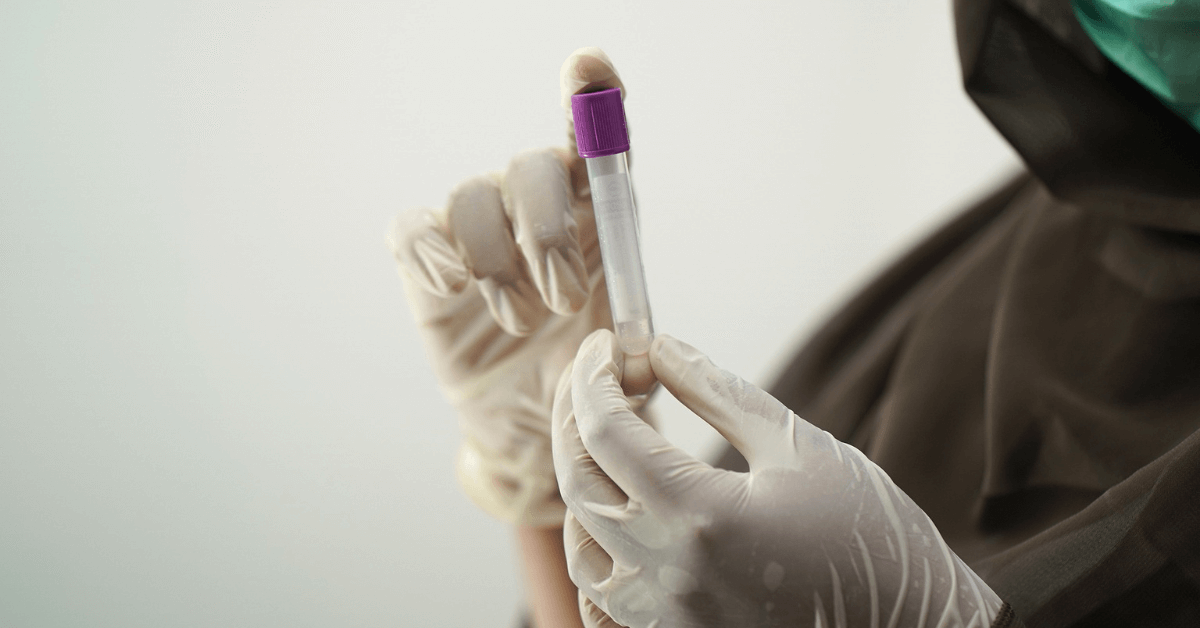


Do’s and Don’ts Before Getting Your Blood Test

If your doctor has suggested you get a blood test, then you should know the basic do’s and don’ts before getting your blood test. But why is it so necessary?

Well, blood tests are more than just a routine procedure. These tests give a detailed insight of your overall health. Whether the doctor needs to identify deficiencies, diagnosing conditions, or monitoring treatment, the accuracy of these results matters a lot.

Even minor changes to preparation — such as eating or drinking before a fasting test — can affect your results and lead to inaccurate readings. These small details might lead to inaccurate readings, unnecessary stress, or worse, a potential misdiagnosis. And let’s be honest, no one wants to go through that hassle or worry unnecessarily.

In this guide, we’ll walk you through the do’s and don’ts so you know exactly how to prepare for your blood test.


Things To Do Before Blood Test

Getting ready for a blood test? Don’t worry, it’s simple when you know what to do. Following some preparation tips for blood tests can go a long way in making sure your test results are accurate and stress-free. Let’s start with the things you should do before heading to the lab:

  • Follow Fasting Instructions

If your doctor asks you to fast, stick to it. This usually means you can not eat food or drinks (except water) for 8–12 hours before your test. Fasting helps ensure that your blood sugar and cholesterol levels are accurate.

  • Stay Hydrated

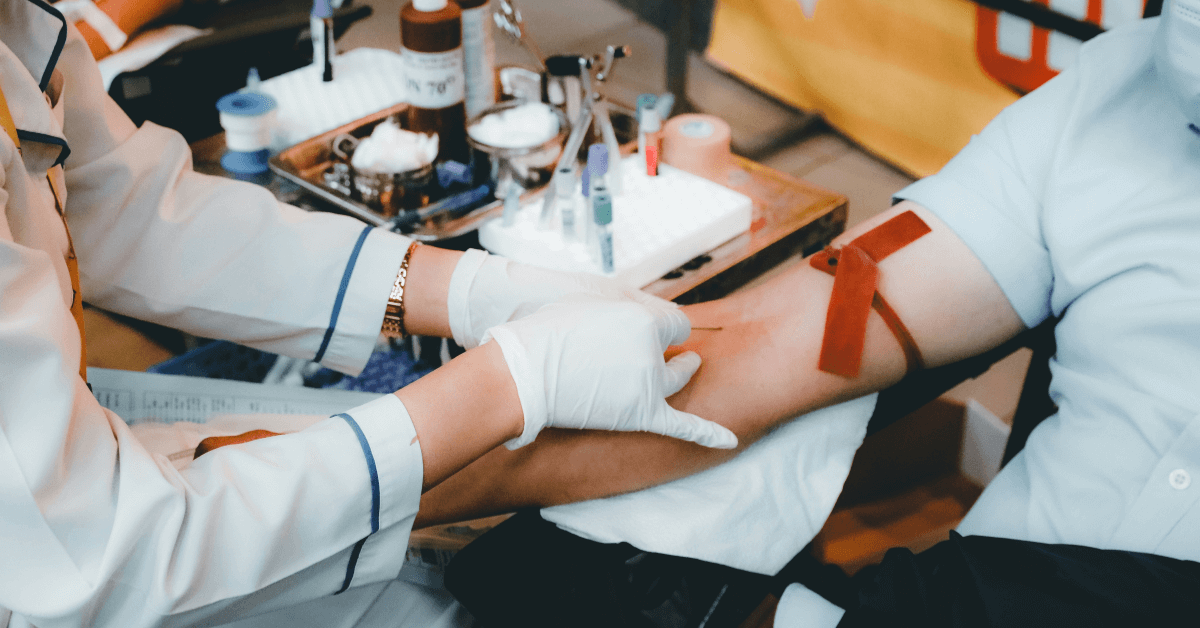
Drink plenty of water before your test. It keeps your veins plump, making it easier for the technician to draw blood quickly and painlessly.

  • Bring Your Test Order

Always carry the paperwork or digital copy of your test order to avoid delays at the lab.

  • Wear Comfortable Clothing

Choose a shirt with loose sleeves or one that’s easy to roll up for the test. This small step can save time and make the process smoother.

  • Inform Your Doctor About Medications

Some medications can affect your results. Let your doctor know what you’re taking so they can advise you if adjustments are needed.


Things To Don’t Do Before Blood Test

Now that you know what to do, let’s talk about what to avoid when you have a blood test.

  • Don’t Eat or Drink

Even a sip of coffee or a bite of food can throw off fasting results. Follow the instructions carefully.

  • Avoid Alcohol and Smoking

Smoking and drinking alcohol can interfere with your blood’s composition and lead to inaccurate readings. It’s best to avoid them for at least 24 hours before your test.

  • Don’t Exercise Extensively

Heavy workouts can temporarily change certain blood levels, like enzymes and electrolytes. Take it easy the day before.

  • Don’t Ignore Your Doctor’s Instructions

If you’re unsure about something—like whether fasting applies to your test—ask your private doctor. Guessing can lead to unnecessary stress or inaccurate results.

  • Don’t Stress About the Test

Try to stay calm. Stress can affect your blood pressure and other readings. A few deep breaths can help!


Key Takeaways

By following these simple do’s and don’ts before getting your blood test, you’ll ensure that your test goes smoothly. And most importantly, proper preparation also ensures accurate results, so that your doctor receives the information they need to know to guide your health.  

We offer Private blood tests in Birmingham at the Private GP. Our experts will make your test procedure as smooth as possible! Contact us today!


Explore More-Must Reads:

5 Reasons Why Your Doctor Wants to See You After a Blood Test

What is the Bone Profile Blood Test? All You Need To Know

Why Do I Need a Repeat Blood Test?

How quickly will doctor call with blood test results?

Can You Eat Before a Blood Test?

So, you’re probably heading for a blood test, and that one big question, Can you eat before a blood test? keeps disturbing.

We’ve all been there, a little uncertain and googling away to make sure we don’t accidentally ruin our test results. It’s confusing, right? Some tests say “fast,” while others don’t mention a thing about food.

Well, after digging deep into this mystery, I found out that not every blood test demands fasting. In fact, understanding which tests require it and which don’t can take away a ton of unnecessary stress.

By following the right prep steps, you’ll get accurate results without the need for a dreaded repeat blood test and get through the process confidently.

Let me tell you in the guide below when fasting is essential and how to make your next blood test stress-free!


What blood tests require fasting?

Fast or Not? Well, this depends on when you get to know that each blood test has its own fasting blood test rules. Not all blood tests require fasting, but for some, it’s essential to not eat anything but water for 8–12 hours. This is done just to get accurate blood test results. 

But why do doctors recommend fasting before blood tests? Well, it’s because when you eat or drink, your body starts breaking down the food. Which can temporarily alter certain markers in your blood. 

These markers are what doctors analyze to assess your health. Fasting ensures a baseline reading, unaffected by recent food or drink intake. We can study those markers and common blood tests that usually require fasting below:


  • Blood Glucose Test

This test measures your blood sugar levels and is often used to diagnose diabetes or prediabetes. If you eat anything before this test, it can spike your sugar levels, leading to inaccurate results.


  • Lipid Panel (Cholesterol Test)

A lipid panel checks your cholesterol and triglyceride levels. Fasting is usually recommended for 8–12 hours because eating can temporarily raise triglyceride levels.


  • Basic Metabolic Panel (BMP) or Comprehensive Metabolic Panel (CMP)

These tests analyze various substances in your blood, such as electrolytes, kidney function, and glucose. Depending on your doctor’s instructions, fasting may be required.


  • Iron Level Test

Used to diagnose conditions like anemia or iron overload, this test may require fasting to ensure food intake doesn’t affect your iron levels.


  • GGT (Gamma-Glutamyl Transferase) Test

This test measures liver function. Fasting and sometimes avoiding alcohol may be necessary for accurate results.


What Blood Tests Don’t Require Fasting?

Good news for you: not every blood test requires you to fast! Many routine tests can be done regardless of whether you’ve eaten or had your morning coffee. Here is the breakdown answer to the question, “Can You Eat Before a Blood Test?”


  • Complete Blood Count (CBC)

This test checks for overall health by measuring red blood cells, white blood cells, hemoglobin, and platelets. Food or drink doesn’t affect these markers, so no fasting is needed.


  • Thyroid Function Tests

Tests like TSH (Thyroid-Stimulating Hormone) and T3/T4 levels assess thyroid health and aren’t influenced by what you eat.


  • Vitamin and Mineral Tests

While some specific tests (like iron levels) may require fasting, most vitamin level tests, such as Vitamin D or B12, can be done without fasting.


  • Hormone Tests

Many hormone tests, such as those for cortisol or reproductive hormones, don’t typically require fasting unless specified by your doctor.


  • Infectious Disease Panels

Tests for conditions like HIV, hepatitis, or other infections usually don’t require fasting.


Blood Test Preparation Tips

Alright, so you’ve got a blood test coming up. No need to stress—we’ve got some simple tips to make sure you’re all set!

  1. Make sure you know at what time you need to fast or if you’re good to go after breakfast. Double-check with your doctor if you’re unsure.
  2. Your sleep habits can impact things like blood pressure and glucose levels, so aim for a good night’s sleep before your blood test.
  3. I know it’s tempting to grab that coffee or glass of wine but try to hold off. Alcohol messes with liver enzymes, and caffeine can throw off your blood pressure, we want to avoid any repeat blood tests.
  4. Stress can impact your results too! Take a deep breath, stay calm, and think of it as a quick pit stop in your health journey.
  5. Drink plenty of water the night before and the morning of your test. It’ll help make your veins easier to find—a bonus!
  6. If fasting isn’t required, go ahead and eat something light. Just don’t go overboard—keep it simple and balanced.


Key Takeaways

Some tests may have special requirements, so it’s always best to ask your healthcare provider, “Can You Eat Before a Blood Test?

Once you get to know which tests don’t require fasting, it can save you time and stress while preparing for your blood test. You can avail same-day blood tests in Birmingham with our experts beside your side, ensuring a smooth and stress-free experience. 

Book your appointment with us today!


Faq’s

  • Why is fasting necessary before certain blood tests?

Because if you don’t fast, the nutrients and substances in food can temporarily alter blood components, leading to misleading results.

  • How long should I fast before a blood test?

You should not eat for at least 8 to 12 hours before the test. Follow your healthcare provider’s instructions, as requirements can vary based on the test.

  • Can I drink water during the fasting period?

Yes, drinking water is usually allowed and encouraged to stay hydrated. However, avoid beverages like coffee, tea, or alcohol, as they can affect test results.

  • What happens if I accidentally eat or drink before my test?

If you consume something other than water during the fasting period, inform your healthcare provider. They may reschedule the test.

  • Why is it recommended to schedule fasting blood tests in the morning?

It allows you to fast overnight, making the process more convenient and reducing the likelihood of accidentally breaking the fast.


Explore More-Must Reads:

How quickly will doctor call with blood test results?

Do’s and Don’ts Before Getting Your Blood Test

5 Reasons Why Your Doctor Wants to See You After a Blood Test

What is the Bone Profile Blood Test? All You Need To Know

Why Do I Need a Repeat Blood Test?

So, you’ve just had a blood test, and now your doctor is saying, “You need a repeat blood test”.

I know it’s frustrating to think that you might have to go through the whole process and brave the needle again, right?

But here’s the thing: repeat blood tests are more common than you think, and there’s usually a pretty good reason behind it. It might seem like a hassle, but in contrast, it can save you a lot of worry and confusion.

So why do private doctors ask for them, and more importantly, how does it benefit you? Let’s check out below and find out the reasons behind it.


Why do blood tests need to be repeated?

Repeating blood tests does not mean that you’re in real danger. The doctors just want to be sure about your health condition, which in turn depends on your blood test report. It gives doctors a snapshot of what’s going on inside your body, and sometimes they need a second set of data to be absolutely certain. Here are the reasons:


1. Error in Testing

Okay, this might sound a bit weird, but sometimes, your blood sample can be compromised. If the vial somehow breaks or leaks, it can mess with the results. 

Well, it happens rarely. And when it does, your doctor will let you know to submit your blood sample again. It’s not something you did wrong, though. The lab just needs a clean sample to give you accurate results. 


2. False Positives

Let’s be honest, nothing is perfect, right? Even blood tests can give us a false positive.

There’s always a small chance that your test shows a false positive, which means the results suggest a condition you don’t actually have.

It happens, but it’s not a big deal. If you ever get a false positive, your doctor will detect it and recommend a repeat test to confirm what’s really going on.


3. Borderline Results

Have you ever been in a situation where something isn’t exactly right, but it’s not wrong either? That’s what we call a “borderline result.” 

The numbers on your blood test are close, but not quite clear enough to make a call. So, your doctor might want to repeat the test to make sure they’ve got a clearer picture. Don’t worry, it’s totally normal and just helps them make sure they’re on the right track.


4. Abnormal or Unexpected Results

Sometimes, a test comes back with results that are a bit out of the ordinary, like really unexpected. But that doesn’t mean there’s a huge problem. Sometimes, stress, dehydration, or even your meds can throw things off a little. 

So, if you get unexpected results, don’t jump to conclusions. A repeat test will help the doctor take a second look, just to be sure. Think of it like hitting ‘refresh’, sometimes the first result isn’t the full story, and that second test clears things up.


5. Changes in Your Health Over Time

Health can change quickly, and a repeat blood test is often used to monitor any changes in your body’s condition. For example, if you’re managing a long-term health issue like diabetes or thyroid problems, your doctor may want to check if your treatment plan is working. 

A follow-up blood test helps track progress or highlight any necessary adjustments.


6. Early Detection of Potential Issues

In some cases, a repeat blood test is recommended to check for underlying health issues that weren’t detected in the first round. 

Regular monitoring through frequent tests can catch any potential problems early. This means that your treatment can start sooner, leading to better outcomes in the long run.


Key takeaways

In the end, getting a repeat blood test is just part of the process. There’s no need to panic, as there is no harm in double-checking the readings for the sake of peace of mind. 

Your doctor wants you to have the best care possible to make sure you’re healthy and on the right track.

Let us help make it easy and quick for you. Book your same-day blood test in Birmingham.


FAQ’s

  • Why do I need to take a repeat blood test?

Sometimes, your first results aren’t clear enough, or something might have interfered with it. 

  • Are repeat blood tests really necessary?

Yes, they usually are. Repeat blood tests to confirm initial results, track changes in your health, or monitor how well treatment is working. 

  • Can a repeat blood test give me different results?

It’s possible! Blood test results can sometimes vary due to different factors as discussed above.

  • How soon do I need to take a repeat blood test?

It depends on what your doctor recommends. Sometimes it’s right after the first test, but other times it may be spaced out a little to track changes in your health. 

  • What if I’m nervous about a repeat blood test?

It’s completely normal to feel a bit anxious but try not to stress too much. Repeat tests are very common, and doctors use them to get the most accurate picture of your health. 

  • Can I get a repeat blood test at your clinic?

Absolutely! If you need a repeat blood test, The Private GP can help you with easy and quick appointments so you can get the test done without the stress. Get in touch with us today!


Explore More-Must Reads:

Can You Eat Before a Blood Test?

Do’s and Don’ts Before Getting Your Blood Test

5 Reasons Why Your Doctor Wants to See You After a Blood Test

What is the Bone Profile Blood Test? All You Need To Know

How quickly will doctor call with blood test results?

Let’s be honest, waiting for blood test results can feel like an eternity. 

The moment you leave the clinic, the questions start swirling. Will they call today? Tomorrow? What if they don’t call at all? 

It’s like waiting for a text from someone you’re secretly crushing on, except, in this case, it’s about your health, so the stakes are way higher.

But for a few seconds, I want you to think that your Blood test results are like the detectives of the medical world. Uncovering hidden truths about your health and delivering insights into what’s going on inside. Then you’ll cool down a bit because, just like any good mystery, the timing of those answers depends on the complexity of the case. 

Some blood test reports are quick, like basic blood panels, that yield results within hours. While others, such as specialized screenings, could take several days or even weeks.

In this guide, we’ll explore the typical timelines for common blood tests and factors that influence results delivery so that you don’t have to worry anymore.


Types Of Blood Test Results and Their Timelines

Well, you need to know that not all blood tests are created equally. There’s a whole concept behind it, and the time it takes to get the results depends on the type of test, complexity, and even the workload of the lab. 

All these factors play a part in how long it will take before you get your call from your doctor. Let’s break it down so you can get an idea of what type of blood test takes what amount of time:


1. Complete Blood Count (CBC)

Expected Timeline: 1-2 hours
The CBC is the quickest one. It’s a go-to test for checking your overall health, measuring things like red and white blood cells, haemoglobin, and platelets. 

Since it’s a straightforward test, it usually doesn’t take long to get results. Whether you’re getting it done for a routine check or to explore symptoms like fatigue, the CBC is your starting point.


2. Basic Metabolic Panel (BMP)

Expected Timeline: A few hours
This lab test looks at your blood’s chemical balance, checking kidney function, glucose levels, calcium, and electrolytes.

It’s usually ordered to get a snapshot of how well your kidneys and organs are functioning. A few hours after the test, your doctor should have a good idea of how things are running under the hood.


3. Comprehensive Metabolic Panel (CMP)

Expected Timeline: A few hours to 1 day
The comprehensive metabolic panel (CMP) is like the BMP’s older, more detailed sibling. This one not only checks kidney function but also liver enzymes, protein levels, and even your blood sugar. 

Since there’s a lot more information to process, it might take anywhere from a few hours to a full day to get your results back. But don’t worry, it’s worth the wait; after all, this test can give insights into many underlying health issues.


4. Lipid Profile

Expected Timeline: A few hours
If you’re keeping an eye on your cholesterol or triglyceride levels, the lipid profile is your go-to. The test measures several key markers, including total cholesterol, LDL (the “bad” cholesterol), HDL (the “good” cholesterol), and triglycerides. 

So, within a few hours, your doctor can get a clearer picture of your heart health and guide them in recommending treatments.


5. Thyroid Function Tests

Expected Timeline: 1-2 days
These tests are crucial if you’re experiencing symptoms related to thyroid issues like fatigue, weight changes, or temperature sensitivity. Helping diagnose conditions like hypothyroidism or 

To detect this, your blood test report requires a bit more processing to ensure accuracy; you’ll typically wait 1-2 days for results.


6. Liver Function Tests (LFTs)

Expected Timeline: 1 day
Liver function tests measure liver enzymes and proteins to assess how well your liver is functioning. It’s a key test if you’re dealing with symptoms like jaundice, fatigue, or abdominal pain. 

The results should come back in about 1 day. However, if your liver function is significantly affected, further tests might be needed, which could extend the wait time.


7. Hemoglobin A1c

Expected Timeline: 1-2 days
The Hemoglobin A1c test is used to check your average blood sugar levels over the past 2-3 months, making it crucial for diagnosing and managing diabetes. 

Since it involves analyzing a slightly more detailed dataset, you’ll typically wait 1-2 days for results. It’s an important test for monitoring long-term glucose control, so the extra wait is worth it to ensure accuracy.


8. Vitamin and Mineral Deficiency Tests

Expected Timeline: 2-3 days
If you’ve been feeling off and suspect a deficiency, this test can measure levels of essential vitamins and minerals like Vitamin D, B12, and iron. 

Since these tests can be quite specific and require a thorough analysis, results might take 2-3 days to process. It’s a bit longer, but understanding deficiencies can really impact how you approach your diet and health in the long term.


9. Coagulation Tests (PT/INR)

Expected Timeline: A few hours
These tests are used to assess how well your blood clots are, which is essential if you’re on blood thinners or have bleeding disorders. 

Since it’s a standard test, results usually come back fairly quickly, typically within a few hours.


10. Blood Cultures

Expected Timeline: 1-3 days
Blood cultures are used to detect infections in the bloodstream, often ordered if there are symptoms of sepsis or unexplained fever. These tests require a longer processing time because the lab needs to wait for any potential bacteria or pathogens to grow. 

Expect results anywhere from 1-3 days, but in some cases, it could take a bit longer depending on the culture growth.


Why Wait Isn’t Always a Bad Thing

Waiting for blood test results can certainly test your patience. It’s essential to remember that the time it takes for results to come back is often for your benefit. 

Private doctors and labs are processing your bloodwork carefully to provide the most accurate, reliable data possible. In the medical world, precision matters, and sometimes it takes a little extra time to ensure that your results are just right.

Sure, waiting isn’t ideal, but wouldn’t you rather have an accurate diagnosis rather than rushing the process?

But still, if you’re willing to get the answers you need without a long wait, then contact The Private GP for Private blood tests in Birmingham

Don’t let uncertainty linger, contact us today to take control of your health!

FAQ’s

  • How long does it take to get blood test results back?
    It usually depends on the type of test. For common tests like a Complete Blood Count (CBC) or Lipid Profile, results may come back within a few hours. More complex tests, such as thyroid function or vitamin deficiency tests, can take anywhere from 1 to 3 days.


  • Can I speed up the process of getting my results?
    Unfortunately, no. The lab processes results as quickly as possible while ensuring accuracy.


  • Why do some tests take longer than others?
    Some blood tests require more detailed analysis, while others are more straightforward.


  • Can I call the lab to check on my test results?
    It’s best to contact your doctor’s office or healthcare provider for results.


  • Will my blood test results be ready on the same day?
    With The Private GP you can get your blood test results as soon as possible. For routine tests like a CBC, it can be ready the same day. However, more specialized tests can usually take up to 1-2 days.


Explore More-Must Reads:

Why Do I Need a Repeat Blood Test?

Can You Eat Before a Blood Test?

Do’s and Don’ts Before Getting Your Blood Test

5 Reasons Why Your Doctor Wants to See You After a Blood Test

What is the Bone Profile Blood Test? All You Need To Know