


How Can I Get a Blood Test Without a GP Referral?

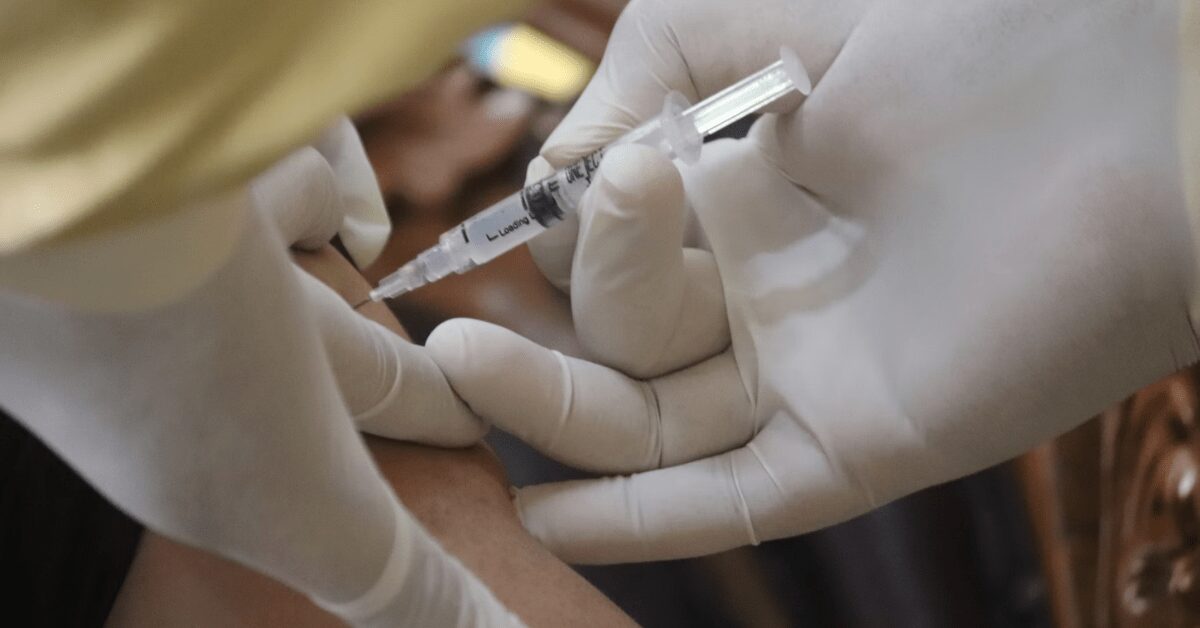
With the rise of private testing facilities across the UK, accessing a blood test without a GP referral has become more convenient than ever. Traditionally, getting a blood test meant visiting your NHS doctor, discussing your symptoms, and waiting for a referral. But with increasing demand for quicker, more accessible healthcare, many private providers now offer direct-to-consumer blood testing services.

Whether you’re monitoring an existing condition, tracking your health proactively, or just want peace of mind, private blood tests offer flexibility and fast results often within 24 to 48 hours. You can book online, visit a clinic, or even order a home test kit delivered to your door. Tests range from general health screenings to hormone panels, vitamin levels, and more.

No referral is needed, and you remain in control of when and how you get tested. While private tests do come at a cost, many people find the speed, confidentiality, and convenience well worth it. It’s important, however, to choose a reputable provider and consult with a healthcare professional if any results require follow-up.


How does blood testing work?

In the UK, there are three main ways to get a blood test: through your NHS GP, directly with a private laboratory, or via a private testing service. For most standard blood tests, no doctor’s referral is needed. This means you can access a wide range of tests, such as general health screenings, hormone checks, cancer markers, and vitamin or mineral levels without needing to go through your GP first.

The first option is the NHS: You can visit your GP and request a blood test, but it’s up to them to decide whether the test is clinically necessary. If they agree, the service is free, though you may have to wait longer for an appointment and results. The test options are also typically more limited.

The second option is to use a private testing service: These are widely available, easy to book online, and often offer both in-clinic and home testing options. You’ll receive a detailed report, including interpretation of the results and medical recommendations. While this option comes at a cost, it provides speed, privacy, and peace of mind.

The third route is to go directly to a private laboratory: This is usually the most expensive option, as individuals don’t benefit from the bulk discounts companies or clinics receive. You’ll need to provide your sample and will receive raw test data without any explanation. You must then consult a doctor or specialist separately for interpretation and advice.

Each option serves a different need. NHS testing is cost-effective but limited by access and scope. Private testing services strike a balance between affordability and convenience, offering expert insight. Private labs are best for those needing specific or advanced tests and who already have medical support in place.

Ultimately, getting a blood test without a doctor’s referral in the UK is straightforward, giving you greater control over your health.


What Blood Tests need a doctor’s referral?

In the UK, some blood tests require a doctor’s referral, particularly in the NHS or when tests are complex, high-risk, or need medical justification. Here’s a breakdown of blood tests that typically do require a doctor’s referral — and why.


1. Tumour Marker Tests (e.g. CA-125, PSA, CEA)

  • Why: These tests help detect or monitor cancer, and can be easily misinterpreted without proper context.
  • Referral Needed For: CA-125 (ovarian cancer), PSA (prostate cancer), CEA (colorectal and other cancers).

2. Autoimmune Panels

  • Examples: ANA (Antinuclear Antibodies), ENA, Rheumatoid Factor, Anti-CCP.
  • Why: Autoimmune markers are complex and can yield false positives, so interpretation must be clinically guided.

3. Genetic or Genomic Testing

  • Examples: BRCA1/BRCA2, hereditary haemochromatosis, pharmacogenomics.
  • Why: These tests often require counselling and carry implications for family members, insurance, and long-term care.

4. HIV and Hepatitis (in some contexts)

  • Why: These may need a referral if linked to occupational exposure, prenatal care, or immigration health checks. However, in many private clinics, HIV and hepatitis testing can be done without a referral.

5. Therapeutic Drug Monitoring

  • Examples: Lithium levels, anti-epileptic drug levels, immunosuppressants.
  • Why: These tests are used to manage prescribed medications and must be interpreted alongside dosing schedules.

6. Bone Marrow Function or Rare Haematology Tests

  • Examples: JAK2 mutation, BCR-ABL, flow cytometry.
  • Why: These are specialised tests often used to diagnose blood cancers or myeloproliferative disorders.

7. Specialist Endocrine Tests

  • Examples: ACTH stimulation, dexamethasone suppression test, parathyroid hormone (PTH).
  • Why: These need strict protocols and clinical reasoning to interpret hormone feedback loops.

In Private Healthcare (e.g. The Private GP)

Many of the above tests can be requested without a referral — but it’s recommended to have a GP consultation first, especially if:

  • You’re unsure what tests to choose.
  • You have ongoing symptoms.
  • You need help interpreting complex results.

The Private GP offers pre-test consultations to ensure you’re getting the right tests and the right follow-up care.


How do I get a Blood Test without a GP referral?

Getting a blood test without a GP referral has never been so quick and easy. With The Private GP, you can access a wide range of blood tests without needing to visit your NHS doctor first—making it easier than ever to take control of your health. Our process is simple, efficient, and designed with your convenience in mind. Here’s how it works in just three easy steps:


  1. Book your test online: Choose the most convenient venue for your appointment—we have over 350 clinics across the UK and Ireland, so there’s likely a test centre within 20 minutes of your home or workplace. If you’re unsure which test is right for you, our expert team is available to advise and guide you toward the most suitable option for your health concerns.
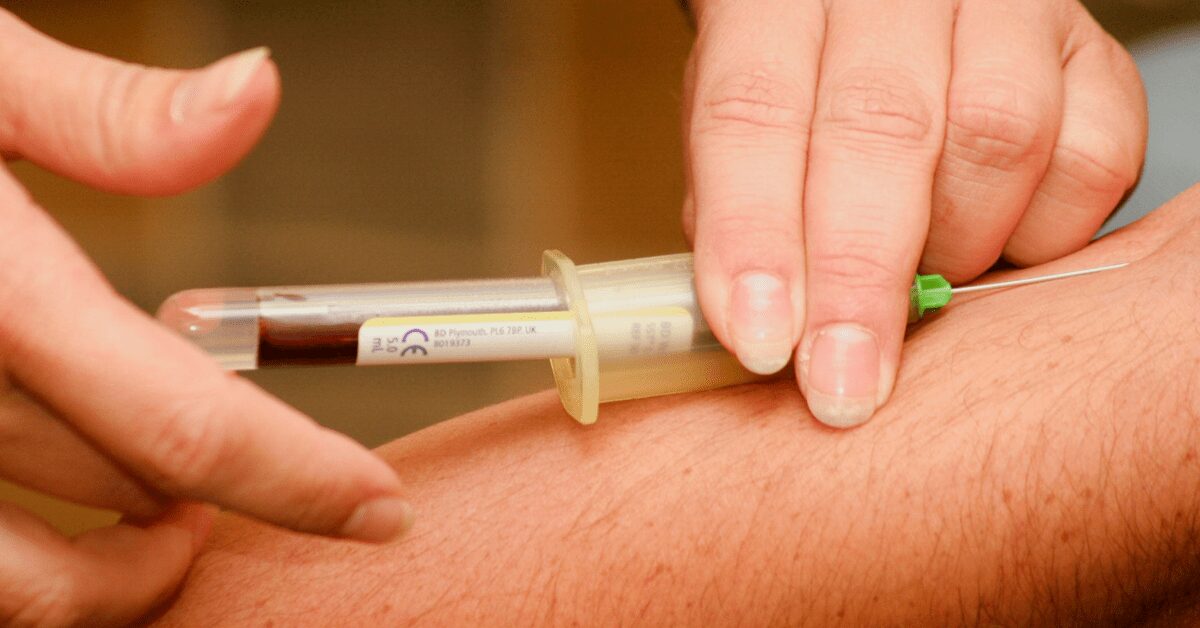
  2. Attend your appointment: When you book, we’ll provide all the details you need—such as whether you need to fast beforehand. At the venue, a trained phlebotomist will take your blood sample quickly and professionally, with the entire process taking less than 15 minutes.
  3. Receive your results: Your results will be delivered via email in a clear and comprehensive report that not only outlines your results but also includes medical interpretation and any recommended next steps. If you have any questions or concerns, you can speak directly with one of our qualified GPs for added reassurance.

It really is that simple. At The Private GP, we believe that everyone should have access to high-quality healthcare without long waits, referrals, or inflated costs. That’s why we provide affordable, clinically robust, and fully accredited blood tests that are both accessible and reliable. Whether you’re monitoring an existing condition, checking in on your general health, or simply seeking peace of mind, The Private GP offers a flexible and efficient solution—putting your health back in your hands

How will I receive my Blood Test results?

If you take a test directly with a private testing laboratory or with a private testing service, you will receive your results in a digital or paper format. If you get a test through your NHS GP, you will be given your results by phone or you will need to book another appointment with your NHS GP.

With The Private GP, you will receive your test results within 8 days of taking the test. A full Results Report will be sent to you by email in a digital format. You can request a paper copy also which will be sent to you in the post.

Your test results are explained in detail and given a flag of red, amber or green – this allows you to easily see an overview of any results of concern or that need further investigation.


What happens if my Blood Test results show a problem?

If you test with The Private GP, we have a robust reporting procedure and you will be informed immediately of any significant problems. If any irregularity is detected, we will guide you on the next steps, whether it involves presenting your results to your GP, retesting after a suitable period, or conducting further investigations with additional tests. In the case of significantly abnormal findings, one of our GPs will contact you directly.


Book a Blood Test with The Private GP

Whether you’re looking for an individual test to investigate a specific health concern, aren’t sure which test is right for you, or simply want to gain a clearer understanding of your overall health with a comprehensive full body health check, The Private GP is here to help.

Our service is designed to make accessing high-quality, reliable health testing easy, affordable, and stress-free. We understand that everyone’s health journey is different. That’s why we offer a wide variety of tests—ranging from cholesterol, diabetes, and vitamin D checks to more specialised screenings such as hormone panels, thyroid function, and cardiovascular risk assessments. Whatever your need, we have a test to suit you.

Not sure what you’re looking for? Our friendly, experienced team is available to guide you. Whether you’re feeling run down, trying to optimise your wellness, or keeping an eye on a pre-existing condition, we’ll help you choose the most appropriate tests for your concerns.

Booking is quick and simple. Just head to the test booking page on our website where you can select your preferred test and choose from over 350 venues across the UK and Ireland. Most people can find a location within 20 minutes of home or work, making the process incredibly convenient. Alternatively, if you’d prefer to speak to someone directly, give our knowledgeable and helpful team a call. We’re happy to answer your questions and assist with bookings.

Once you’ve attended your appointment, your results will be delivered securely via email. You’ll receive a detailed report, with clear interpretation and recommendations for next steps. If needed, you can also consult one of our GPs for additional support.

With The Private GP you’re never alone in your health journey. Our goal is to empower you with accessible, affordable, and clinically robust testing—putting you in control of your wellbeing every step of the way.

The Benefits Of Having A Blood Test

From treating illness to diagnosing disease, a blood test provides doctors with an invaluable window into the physiological and pathological state of your health. Blood is truly unique—it’s the omnipresent tissue that interacts with every other tissue and organ in your body. It serves as the home to vital immune cells, acts as the primary transporter of oxygen and nutrients, and plays a crucial role in protecting and regulating nearly every function within your body.

Because blood circulates through every organ system, it can reveal a wealth of information about your overall health. Blood tests can assess how well your organs are functioning, including the liver, kidneys, and thyroid. They can also detect nutritional deficiencies, hormone imbalances, infections, inflammation, and even markers linked to chronic diseases such as diabetes and heart conditions.

Beyond organ health, blood tests provide insights into your metabolism, immune response, and how well your body is coping with stress or illness. They can indicate early signs of disease before symptoms appear, enabling timely intervention and better management of your health.

In short, a blood test is much more than just a simple medical procedure—it’s a powerful tool that helps your doctor understand the intricate workings of your body. Regular blood testing empowers you to take control of your health and make informed decisions that promote wellness and longevity.


Here are the 10 reasons you should go for the blood tests regularly

1. A blood test can evaluate how well your organs are working – such as the kidneys and liver

A blood test is one of the most accessible and effective preventive tools available to assess the health and functioning of your organs. For nearly all organ-related conditions, the diagnostic journey typically begins with a blood test. This simple procedure can provide your doctor with crucial information about how well your organs are working and whether there are any early signs of dysfunction.

Take the kidneys, for example. These vital organs play a critical role in filtering waste and maintaining the balance of minerals and electrolytes in your blood. A common blood test measures the level of potassium, an essential mineral that kidneys help regulate. If your potassium levels become too high or too low, it can be a sign that your kidneys are not functioning properly. Elevated potassium levels, in particular, may indicate kidney disease or damage, prompting your doctor to recommend further testing or treatment.

Similarly, blood tests can evaluate the liver by measuring enzymes and other substances that indicate how well this organ is performing its many functions, including detoxification, protein production, and digestion support. Abnormal levels can signal liver inflammation, infection, or damage.

In addition to the kidneys and liver, blood tests assess the health of other organs such as the heart, pancreas, and thyroid. By providing a snapshot of your organ function, blood tests allow your healthcare provider to detect problems early, guide treatment decisions, and monitor the effectiveness of ongoing therapies.

Overall, regular blood testing plays a vital role in preventive health care, helping to maintain your well-being and catch potential issues before they develop into serious conditions.


2. A blood test can tell what causes fatigue and shortness of breath

If you often feel exhausted without an obvious reason, it could be a sign that something underlying is affecting your health. Fatigue is a common symptom experienced by people with low iron levels or those at risk of heart disease, among other conditions. Persistent tiredness should never be ignored, as it can indicate issues that require medical attention.

One of the first steps your doctor may take to determine the cause of your fatigue is to order a Full Blood Count (FBC) test. This test measures the number and types of blood cells circulating in your body, providing important clues about your overall health. Specifically, the FBC looks at the quantity of red blood cells and hemoglobin — the protein responsible for carrying oxygen throughout your body.

If the FBC reveals that your red blood cell count or hemoglobin levels are lower than normal, it may indicate anaemia, a condition commonly caused by iron deficiency. Anaemia can reduce the amount of oxygen reaching your tissues, leading to feelings of weakness, fatigue, and shortness of breath. Identifying this early allows your doctor to recommend appropriate treatments, such as dietary changes or supplements, to restore your iron levels and improve your energy.

In addition to anaemia, the FBC can also detect infections, inflammation, and other blood disorders that might contribute to your symptoms. By pinpointing the exact cause of your fatigue, a blood test helps guide effective treatment and supports your journey back to better health.


3. A blood test can explain your unexpected weight loss or weight gain

Unexplained weight loss or weight gain can be one of the early signs of a thyroid disorder. The thyroid gland plays a crucial role in regulating your metabolism, and when it doesn’t function properly, it can lead to significant changes in your body weight. Weight loss is often linked to hyperthyroidism, a condition where the thyroid produces too much hormone, speeding up your metabolism. On the other hand, weight gain typically occurs with hypothyroidism, where lower levels of thyroid hormones slow down your metabolism.

To diagnose these conditions, your general practitioner will usually recommend a thyroid blood test. This test measures the levels of several key hormones, including thyroid-stimulating hormone (TSH) and thyroxine (T4). TSH is produced by the pituitary gland and helps regulate thyroid hormone production, so abnormal TSH levels can indicate an underactive or overactive thyroid.

In addition to hormone levels, the blood test can check for the presence of antibodies that signal autoimmune thyroid disorders, such as Hashimoto’s thyroiditis or Graves’ disease. These antibodies attack the thyroid gland, affecting its ability to function properly.

By evaluating these hormone and antibody levels through a blood test, your GP can accurately diagnose thyroid disorders and recommend appropriate treatments to help restore your hormone balance and manage your symptoms effectively.


4. It can tell what nutrients you need more 

Whether you’re experiencing frequent headaches, struggling with food allergies, or feeling uncertain about the benefits of a gluten-free diet, a nutritional blood test can offer valuable insights into your body’s nutrient status. This type of evaluation helps identify any deficiencies or imbalances in the essential nutrients your body needs to function optimally.

A comprehensive nutritional test measures the levels of various macronutrients and micronutrients in your blood, including proteins (such as amino acids), fats, carbohydrates, minerals, vitamins, and antioxidants. Each of these plays a vital role in maintaining your overall health. For example, vitamins like B12 and D are crucial for energy and immune function, while minerals such as iron and magnesium support muscle function and oxygen transport.

By pinpointing exactly which nutrients you may be lacking or have in excess, a nutritional blood test allows your GP to tailor dietary advice, supplements, or lifestyle changes specifically for you. This targeted approach can help alleviate symptoms like headaches, boost your energy levels, support your immune system, and improve your overall wellbeing.

Whether you’re managing specific health issues or simply aiming to optimize your nutrition, a blood test provides a clear, scientific understanding of your body’s nutritional needs, empowering you to make informed choices for better health.


5. Sexual health check through a blood test 

Blood tests play a vital role in diagnosing many sexually transmitted infections (STIs), including HIV, genital herpes, syphilis, and others. These infections can often be asymptomatic in their early stages, meaning you might not experience noticeable symptoms but could still be at risk of complications or transmitting the infection to others.

If you are sexually active, regular testing is essential for maintaining your sexual health and preventing the spread of STIs. Blood tests provide a reliable and accurate way to detect these infections early, allowing for timely treatment and management.

Testing is confidential and typically straightforward, involving a simple blood sample. Early diagnosis through blood tests not only protects your health but also helps prevent long-term complications such as infertility, organ damage, or increased risk of other infections.

Whether you’re starting a new relationship, have multiple partners, or want peace of mind, regular sexual health screenings, including blood tests, are an important part of your overall healthcare routine. Staying informed and proactive about your sexual health empowers you to make safer choices and seek treatment promptly if needed.


6. A blood test can indicate diabetes

Your GP can diagnose diabetes, prediabetes, and gestational diabetes through specific blood tests that measure your blood sugar levels. While home blood glucose meters are widely available for purchase, they are primarily designed for ongoing monitoring rather than initial diagnosis. Relying solely on these devices for self-diagnosis may lead to inaccurate results or missed early warning signs.

Blood tests conducted by your GP provide a more accurate and comprehensive assessment of your blood sugar levels. Common tests include the fasting blood glucose test, HbA1c test (which shows average blood sugar levels over the past two to three months), and the oral glucose tolerance test. These tests help detect diabetes early, often before symptoms appear, allowing for timely intervention.

Early diagnosis through blood testing enables your GP to advise you on the best course of action to manage or prevent diabetes. This may involve lifestyle changes, such as adjusting your diet and exercise habits, or starting medication if necessary. Regular blood testing also helps monitor your condition over time, ensuring that your treatment plan remains effective and reducing the risk of diabetes-related complications.


7. A blood test can keep track of your health progress 

Once you’re diagnosed with a condition, such as iron deficiency, regular blood tests become an essential tool to monitor your progress. These tests help your doctor track how effectively your treatment is working and whether your iron levels are returning to a healthy range.

By measuring key indicators like hemoglobin and ferritin levels, blood tests provide clear insights into your body’s response to iron supplements or dietary changes. This allows your GP to adjust your treatment plan if necessary, ensuring you recover as efficiently as possible.

Regular monitoring through blood tests not only confirms that your iron levels are improving but also helps prevent potential complications from untreated deficiency, such as fatigue, weakness, or more serious health issues. It’s a crucial step in managing your health and achieving a full recovery.


8. When a physical test fails, a blood test can do wonders 

Sometimes, a physical examination alone isn’t enough for your GP to pinpoint the cause of your symptoms. Many health conditions don’t show obvious signs during a routine check-up, making it difficult to identify the underlying problem. In these situations, a blood test becomes an invaluable tool.

Blood tests can reveal hidden issues that a physical exam might miss, such as infections, inflammation, hormonal imbalances, or early signs of chronic diseases. By analyzing various components in your blood, your GP can gain a clearer picture of what’s happening inside your body.

This additional information helps fill in the gaps, enabling your doctor to make a more accurate diagnosis and develop an effective treatment plan. Without a blood test, certain conditions could go unnoticed and worsen over time. Therefore, blood tests are essential in ensuring that no health concerns slip through the cracks and that you receive the appropriate care promptly.


9. It can help find out whether you have risks for heart disease

A blood test provides valuable insights into your heart health by measuring various substances in your blood, including cholesterol and fats. High levels of “bad” cholesterol, known as LDL (low-density lipoprotein), are a major risk factor for heart disease because they can lead to the buildup of plaques in your arteries, increasing the chance of heart attacks and strokes.

Through a lipid profile test, your GP can assess not only LDL cholesterol but also “good” cholesterol (HDL), total cholesterol, and triglycerides — all of which play important roles in cardiovascular health. This detailed information helps your doctor evaluate your risk of developing heart disease and guides decisions on lifestyle changes or medications to reduce that risk.

Regular monitoring with blood tests enables early detection of heart-related issues, allowing you to take proactive steps to protect your heart and maintain overall well-being.


10. It can assess how well your blood is clotting

Blood clots often form in the deep veins of the legs, a condition known as deep vein thrombosis (DVT). If a clot breaks loose, it can travel through the bloodstream and block arteries in the lungs, causing a serious and potentially life-threatening condition called pulmonary embolism (PE).

Detecting these clots early is crucial for effective treatment and preventing complications. A blood test called a D-dimer test can help identify whether there are abnormal blood clotting activities in your body. Elevated levels of D-dimer may indicate the presence of a clot, prompting further investigation through imaging tests.

Early diagnosis through blood testing allows your GP to act quickly to manage the clot with medications that thin the blood and reduce the risk of the clot growing or causing more harm. This timely intervention can be life-saving, highlighting the critical role blood tests play in detecting and managing clotting disorders.


Conclusion

In conclusion, blood tests are an invaluable tool in modern healthcare, offering deep insights into your overall health and helping to detect a wide range of conditions early. From monitoring organ function and identifying nutrient deficiencies to diagnosing infections, hormonal imbalances, and potentially life-threatening issues like blood clots, these tests empower both patients and doctors to make informed decisions.
Regular blood testing enables timely diagnosis, effective treatment, and ongoing health management, ultimately improving outcomes and quality of life. By utilizing the services of providers like The Private GP, you can access convenient, reliable, and comprehensive blood testing without the need for a GP referral, putting your health firmly in your own hands. Prioritizing regular blood tests is a proactive step toward maintaining your well-being and catching health concerns before they develop into more serious problems.

How to Book a Blood Test Online in Birmingham

When it comes to monitoring your health, blood tests play a vital role in providing essential information about your body. Whether you want to check cholesterol levels, vitamin deficiencies, liver function, or screen for infections, blood tests give your doctor or you the insights needed to make informed decisions.

In the UK, the NHS provides free blood tests, but sometimes long waiting times, appointment availability, or the need for a GP referral can delay the process. This is where private healthcare services come in, offering a simple, efficient way to book blood tests online in Birmingham and get fast, reliable results without the hassle.


Why Choose a Private Blood Test in Birmingham?

Before diving into the booking process, it’s helpful to understand why many people are turning to private blood testing services like The Private GP:

  • No GP Referral Needed: The Private GP lets you order blood tests directly without needing to see a GP first, saving time and extra appointments.
  • Faster Appointments: NHS appointments can sometimes take weeks. Private services offer quicker access with flexible appointment slots.
  • Convenient Locations: The Private GP has testing centres in Birmingham and nearby areas, making it easy to find a location that suits you.
  • Wide Range of Tests: From general health checks to specific panels (like thyroid function or diabetes screening), you have access to many tests tailored to your needs.
  • Online Booking & Results: The entire process, from booking to receiving results, can be done online in a secure and confidential manner.
  • Privacy: Your health data is handled with strict confidentiality, providing peace of mind.
  • Expert Support: If you have questions or need help interpreting your results, The Private GP often offers consultations with qualified medical professionals.


What Types of Blood Tests Can You Book Online?

The Private GP offers a comprehensive range of blood tests designed to cover common health concerns as well as specialist panels. Some examples include:

  • Full Blood Count (FBC): Checks your overall health and detects disorders like anaemia or infection.
  • Lipid Profile: Measures cholesterol and triglycerides, assessing heart disease risk.
  • Liver Function Tests: Assesses how well your liver is working.
  • Kidney Function Tests: Evaluates kidney health.
  • Thyroid Function Tests: Checks for thyroid hormone imbalances.
  • Diabetes Screening: Measures blood glucose levels.
  • Vitamin and Mineral Panels: For example, vitamin D, B12, or iron levels.
  • Infection Screening: Tests for things like hepatitis or HIV.
  • Hormone Panels: For reproductive health, menopause, or other hormone-related issues.

This variety means you can tailor the tests to what you or your doctor need without unnecessary extras.


How to Book a Blood Test Online with The Private GP in Birmingham

Booking your blood test online with The Private GP is designed to be straightforward and user-friendly. Here’s a step-by-step guide:

Step 1: Visit The Private GP Website

Start by navigating to The Private GP’s official website. The homepage typically features a search or menu option for blood tests. You’ll find clear categories or test panels to browse.

Step 2: Select the Blood Test You Need

Based on your health concerns or the advice of a healthcare professional, choose the blood test or panel you want. Each test page usually contains detailed information on what it measures, why it’s important, and preparation instructions (such as fasting).

If you’re unsure which test suits your needs, many websites offer helpful guides or customer support to assist you.

Step 3: Choose a Testing Location in Birmingham

After selecting your test, you’ll be asked to pick a location for your blood sample collection. The Private GP has partnered with various clinics and labs in Birmingham to offer convenient access. Choose a location near you or one that fits your schedule best.

Step 4: Book Your Appointment Date and Time

Next, select your preferred appointment date and time from the available slots. The Private GP often offers multiple times throughout the week, including some weekend options, so you can find a slot that fits around work or other commitments.

Step 5: Enter Your Details and Pay Securely Online

You’ll be prompted to provide your personal information — name, contact details, and any relevant medical history. The payment process is secure and supports various payment methods such as credit/debit cards or PayPal.

Step 6: Attend Your Appointment

On the day of your appointment, simply visit the chosen testing centre in Birmingham. The blood draw is usually quick and handled by trained phlebotomists to ensure comfort and accuracy.

Step 7: Receive Your Results Online

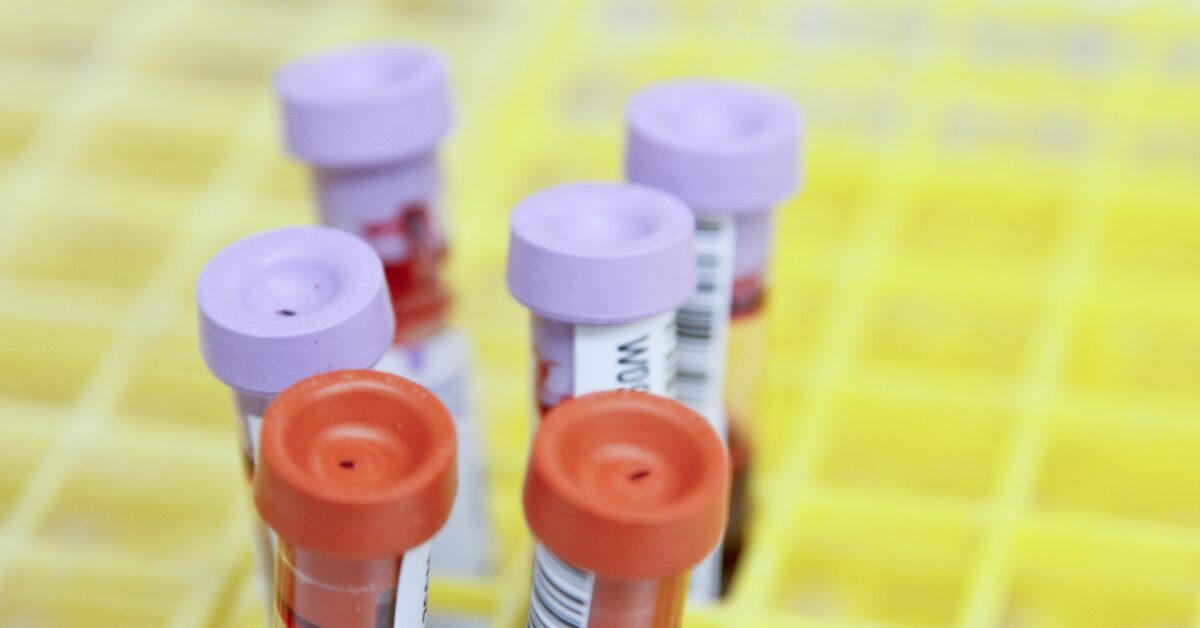
After the lab processes your blood sample, The Private GP will upload your results to their secure online portal. You’ll typically receive your results within a few days, depending on the test.

You can review your results conveniently from home, and many tests come with clear explanations or next steps. If needed, you can book a consultation with a doctor to discuss your results further.


What to Expect After Your Blood Test

Once you have your results, you might want to consider:

  • Understanding the Results: The Private GP often provides easy-to-read reports. However, if you have questions, their team or your own GP can help interpret what the results mean for your health.
  • Follow-Up Care: Depending on your test outcomes, you may need follow-up tests or treatment. The Private GP can assist with referrals or consultations.
  • Routine Monitoring: Regular blood tests are important for ongoing health management, especially if you have chronic conditions or risk factors.


Tips for a Smooth Blood Test Experience

To make the process as comfortable and hassle-free as possible, keep these tips in mind:

  • Follow Test Instructions: Some tests require fasting or avoiding certain medications. Always check the instructions carefully before your appointment.
  • Bring ID: Private clinics usually ask for identification, so bring a photo ID.
  • Hydrate: Drink plenty of water before your appointment to make blood draw easier.
  • Wear Comfortable Clothing: Short sleeves or easily rolled-up sleeves help the phlebotomist access your veins quickly.
  • Ask Questions: Don’t hesitate to contact The Private GP’s customer service if you have any doubts or special requirements.


The Benefits of Using The Private GP for Blood Tests in Birmingham

Choosing The Private GP for your blood testing needs in Birmingham offers several advantages:

  • Speed: Fast booking, quick sample collection, and prompt results.
  • Convenience: Online booking with multiple testing centres.
  • Flexibility: Wide range of tests to suit various health concerns.
  • Privacy: Confidential handling of your health data.
  • Expert Support: Access to medical advice if needed.
  • No Referral Needed: Bypass waiting for a GP appointment.


Final Thoughts

Booking a blood test online in Birmingham through The Private GP is a practical, time-saving option for anyone looking to monitor their health privately and efficiently. The convenience of choosing your test, booking online, and receiving results digitally puts control in your hands and helps you stay proactive about your wellbeing.

If you want a reliable, fast, and hassle-free way to get your blood tested without waiting for NHS appointments, The Private GP is an excellent choice in Birmingham.

Ready to book your blood test today? Visit The Private GP website, select your test, and secure your appointment online — taking an important step towards better health with confidence.

Is It Worth Paying For A Private Clinic For Blood Test?

Today’s healthcare industry offers you services that are personalised, convenient, and customized to your individual needs. In recent years, there has been a growing trend towards taking control of our health, and private blood tests are at the top of this movement.

Let’s find out the advantages of opting for private blood testing and answer the question on your mind: Are they really worth it?


What are Private Blood Tests?

Private blood tests are diagnostic tests conducted outside the traditional healthcare system. They provide a comprehensive analysis of your blood, allowing for a deeper understanding of your overall health and potential risks. These tests cover a range of parameters, from cholesterol levels to hormonal balances, offering insights that go beyond the standard tests performed in routine check-ups.


Benefits Of Choosing Private Clinics For Your Tests

personalised Healthcare

One of the key advantages is the personalised approach to healthcare. Unlike standard tests, private tests allow you to choose specific parameters that align with your health goals or concerns. This tailored approach empowers individuals to take proactive steps towards preventing and managing health issues.

Quick and Convenient

In the fast-paced world we live in, time is of the essence. Private blood testing offers a quick and convenient alternative to traditional testing methods. With minimal waiting times and the flexibility to schedule appointments at your convenience, private blood tests eliminate the hassle of long queues and extended waiting periods.

Comprehensive Insights

It provides a more in-depth analysis of your health, often detecting potential issues at an early stage. Whether it’s identifying nutrient deficiencies, hormonal imbalances, or markers of chronic diseases, these tests offer a comprehensive overview that can guide healthcare decisions and lifestyle adjustments.


Why Should I Consider Private Healthcare?

Detecting Health Issues Early

Early detection is a game-changer in healthcare. While the NHS is generally efficient, it has longer waiting times, especially for non-urgent tests. Private blood tests often identify health issues before symptoms manifest, allowing for timely intervention and better outcomes. This proactive approach can be especially crucial in managing conditions such as diabetes, cardiovascular diseases, and certain cancers.

Monitoring Health Goals

If you have specific health and wellness goals, private blood tests can be instrumental in tracking your progress. Whether you’re aiming for weight loss, optimizing nutritional intake, or managing stress, regular private blood tests provide the data needed to fine-tune your approach and stay on the path to optimal health.

Access to Advanced Testing Options

Private blood tests often offer a broader range of testing options compared to standard healthcare providers. From advanced genetic testing to specialized hormone panels, these tests can uncover nuances in your health that may go unnoticed with routine tests.


Private Blood Tests Near You

Explore Your Options

If you’re considering private blood tests, you might be wondering, many people are choosing private providers such as The Private GP for convenient, fast-turnaround testing. Fortunately, many reputable healthcare providers like The Private GP offers these services.

Choosing a Reliable Provider

When selecting a provider for private blood tests, It is important to maintain reliability and credibility. Look for reviews, certifications, and the range of tests offered. This ensures that you receive accurate results from a trusted source.


Avail the Power of The Private GP’s Private Blood Tests

With our private blood tests, take a proactive and personalised approach to your well-being. Experience the unmatched convenience, comprehensive insights, and early detection capabilities that make our tests a worthwhile investment.

Say goodbye to long lines and get a quick, convenient, and tailored healthcare experience. Wondering if private blood tests are worth it? At The Private GP, we assure you that the answer lies in the transformative potential these tests hold for your health journey. Book your private blood test online today!

What Does A Positive Result On A Blood Test Mean?

Blood tests are common medical tests. You may have a blood test as part of a routine physical examination or because you have certain symptoms.

There are many different blood tests. Some tests focus on your blood cells and platelets while some evaluate substances in your blood such as electrolytes, proteins and hormones. Others measure certain minerals in your blood.

Regardless of why you’re having a blood test, it’s important to remember that blood tests help private general practitioner diagnose health issues. But blood test results aren’t diagnosed. An abnormal blood test result may not mean you have a serious medical condition.

When would I need to have a blood test?

Your blood plays a big role in your overall health and contains a lot of information about what may be going on in your body. That’s one reason why blood tests are a common medical test. A healthcare provider may do a blood test because:

Time For Regular Checkup

During a checkup, your provider may order blood tests to check on your overall health. They may order a blood test that evaluates many parts of your blood, such as a complete blood count (CBC), basic metabolic panel(BMP) or a comprehensive metabolic panel.

Screening Tests

Screening tests are done before you have any symptoms. They may recommend screening tests if you’re at risk of developing certain conditions, such as cancer. For example, if you’re at risk for developing coronary artery disease, your healthcare provider may order several blood tests to evaluate that risk.

You Have Certain Symptoms 

If you have specific symptoms, your provider may order blood tests to determine what’s causing them. For example, if you have symptoms that may be signs you’re pregnant, your provider will do a pregnancy test. The blood test looks for a specific hormone your body only ever makes when you’re pregnant.

Certain Condition 

You have a medical condition that happens when certain genes change (mutate).Depending on your situation, your blood cells and platelets may show information about the specific changes. Understanding which genes changed may help your provider plan your treatment.

Results of a Treatment 

You’re receiving treatment for a medical condition. Your provider may use regular blood tests to see if treatment is working.

Genetic Mutation

You may have inherited certain genetic mutations that cause medical conditions. Your provider may take blood samples for genetic analysis so you know if you’re at risk of developing a specific condition.


What do blood tests show?

In a broad sense, a blood test shows changes in your body. Blood test results don’t show a complete picture. Instead, they’re a kind of snapshot. After seeing that snapshot, your provider may do other blood tests to get a closer view. Here’s a glimpse of what your healthcare provider may see with blood tests:

  • The tests show if your blood is working as it should. For example, your red blood cellscarry oxygen throughout your body. A blood test may show you have low red blood cell levels (anemia). If healthcare providers look at your cells under a microscope, they may see your red blood cells are larger than normal or shaped differently than normal red blood cells. These differences may be signs of blood disorders or blood cancers.
  • They show if you have normal levels of enzymes and electrolytes. Enzymes are proteins that help speed up the chemical reactions that build up and break down substances in your body. Electrolytes do several things, such as helping your body regulate chemical reactions and maintaining the balance between fluids inside and outside your cells.


Results and Follow-Up

If you question when will I know my test results? That depends on the blood test and your provider’s preferences. Your provider likely will explain how you’ll receive results. Some blood test results are available within a few hours. Others, like genetic test results, typically take longer.

Some private clinic offer same day blood test report online access to test results. But your provider may prefer to discuss your results in a telephone conversation or in person.


What do my results mean?

Here are a few things to look for after getting the tests done:

Positive vs. Negative

Some lab tests answer yes-or-no questions like whether you’re pregnant or have certain kinds of infections. These results are usually written as “positive” or “negative.” In this case, positive doesn’t necessarily mean “good” and negative doesn’t necessarily mean “bad.” Instead:

Read More: How To Read Blood Test Results

Positive

The lab found whatever your doctor was testing for. So if you had a test for strep throat, testing positive means you do have strep throat.

Read More: 5 Reasons Why Your Doctor Wants to See You After a Blood Test

Negative

The lab didn’t find whatever you were tested for. A negative result for strep throat means that the lab didn’t find any strep bacteria in the sample, so you probably don’t have it.

Sometimes, the result might be “inconclusive.” That means the lab doesn’t have a clear yes or no answer based on your sample. Your doctor may want you to do the test again or have another kind of test.

In short, a positive on a test result means the doubt of your doctor is true and you have a certain disease.

Top 5 Blood Tests You Should Consider for a Health Check-Up

Regular full body health checkups are important for everyone across all age groups. Your checkup reports can help in detecting a disease before it becomes a risk to your life or before the symptoms even show up.

Annual health checkups help in early detection of fatal lifestyle diseases making your life quality better. Finding out about such health conditions at an early stage not only decreases the severity and treatment invasion but can also get rid of the disease. Not only that, it also helps in reducing complications and costs incurred during the treatment.

There are some basic health screening tests that you can get done regularly from The Private GP, at a gap of three or six months to ensure you are able to keep your body fit.


1.Complete Blood Count (CBC)

Complete Blood Count test comprises a routine blood count test for measuring the component level of every major blood cell in your body. The Complete Blood Count (CBC) is one of the most common blood tests, measuring various components of your blood, including red blood cells (RBCs), white blood cells (WBCs), hemoglobin, hematocrit, and platelets. It is often prescribed for every symptom you may face.

What Does It Measure?

CBC reports measure the red blood cells that carry oxygen to your tissues, white blood cells that helps in fighting infections, hemoglobin that is a protein in red blood cells to carry oxygen, hematocrit which is the proportion of red blood cells in the blood and finally the platelets which help diagnose the blood clotting.

Why Is It Important?

A CBC can help diagnose a range of conditions from anemia and infections to blood cancers and immune system disorders. If you are frequently feeling fatigued or lack energy, a CBC might reveal what is the reason either you’re dealing with anemia, infection, or another underlying condition that’s affecting your vitality.


2. Basic Metabolic Panel (BMP)

The Basic Metabolic Panel (BMP) measures the levels of key substances like glucose, calcium, and electrolytes (sodium, potassium, bicarbonate, and chloride) present in your body. These are essential for muscle function, energy production, and overall metabolism.

What Does It Measure?

The BMP test measures the levels of blood sugar also known as glucose. It further measures calcium which is important for bones and muscle function. BMP also helps in the measurement of electrolytes which balance fluids and support muscle function.

Why Does It Matter?

This test is vital for checking your blood sugar levels (to detect diabetes), kidney function, and electrolyte balance. For example, consistently high glucose levels may indicate pre-diabetes or diabetes, especially in people with a family history of the condition. Maintaining healthy electrolyte levels is essential for heart rhythm and muscle health.


3. Comprehensive Metabolic Panel (CMP)

The Comprehensive Metabolic Panel includes all the tests in the BMP, with the addition of total protein, albumin, and liver enzymes (ALT and AST).

What Does It Measure?

Comprehensive metabolic panel helps measure the function of the most important organs of the body, including:

  • Liver function.
  • Kidney function.
  • Blood sugar levels.
  • Electrolyte balance.

Why Is It Important?

The CMP provides a more in-depth look at your metabolic health. It can help detect liver diseases, monitor diabetes, and reveal electrolyte imbalances that could affect your heart or muscle function.


4. Thyroid Panel

This panel checks the levels of thyroid hormones—T3, T4, and Thyroid Stimulating Hormone (TSH)—which play a key role in regulating your metabolism, energy levels, and mood.

What It Measures?

Thyroid panel measures the thyroid hormones of the body as followed: 

  • T3 and T4: Thyroid hormones that regulate metabolism.
  • TSH: A hormone that stimulates the thyroid gland.

Why Does It Matter?

Thyroid imbalances can lead to hypothyroidism (underactive thyroid) or hyperthyroidism (overactive thyroid). Both conditions can cause symptoms like fatigue, weight changes, and mood swings, which can easily be mistaken for stress. A thyroid panel can help pinpoint whether your thyroid is to blame.


5. HbA1c

Diabetes is a global endemic with rapidly increasing prevalence in both developing and developed countries. Birmingham is studied to have higher cases of type two diabetes which makes it necessary for you to get your glucose levels checked at every age. 

What It Measures?

HbA1c is a measure of glycated hemoglobin, which is hemoglobin (the protein in red blood cells that carries oxygen) that has glucose attached to it. 

Why Does It Matter?

An A1C test can show your average glucose level for the past three months because:

  • Glucose sticks to hemoglobin for as long as the red blood cells are alive.
  • Red blood cells live about three months.

High A1C levels are a sign of high blood glucose from diabetes. Diabetes can cause serious health problems, including heart disease, kidney disease, and nerve damage. But with treatment and lifestyle changes, you can control your blood glucose levels.


Getting these blood tests done every now and then is not only beneficial to be aware of your body but also helps with the diagnosis before anything serious occurs. So make sure to get all these tests done on time, no matter what age you are.

Wondering how to find a healthcare practitioner who’s reliable? Get in touch and have the best experience for a happy healthy life. 

How To Read Blood Test Results

A blood test is one of the most common tests healthcare providers use to check your overall health or help diagnose medical conditions. You may have a blood test as part of a routine physical examination or because you have certain symptoms.

There are many different blood tests. Some tests focus on your blood cells and platelets. Some evaluate substances in your blood such as electrolytes, proteins and hormones. Others measure certain minerals in your blood.

Despite the reason for having a blood test, it’s important to remember that blood tests help healthcare providers diagnose health issues. But blood test results aren’t diagnosed. An abnormal blood test result may not mean you have a serious medical condition as it could be due to numerous reasons.


Blood Test Abbreviations To Understand It Better

Blood test results generally use the metric system of measurement and various abbreviations, including:

  • cmm: cells per cubic millimeter
  • fL (femtoliter): fraction of one-millionth of a liter
  • g/dL: grams per deciliter
  • IU/L: international units per liter
  • mEq/L: milliequivalent per liter
  • mg/dL: milligrams per deciliter
  • mL: milliliter
  • mmol/L: millimoles per liter
  • ng/mL: nanograms per milliliter
  • pg (picograms): one-trillionth of a gram

These abbreviations help you identify the levels of your vitals in the blood.


Understanding the Basics

When you receive blood test results, they typically include a list of components, their measured levels, and reference ranges (also called normal ranges). These reference ranges are based on averages across healthy populations and can vary slightly depending on the lab.

Your results will often be categorized under different panels. The most common are:

1. Complete Blood Count (CBC)

The CBC gives insight into your overall health and can help detect a variety of disorders.

  • WBC (White Blood Cells)

High levels may indicate infection or inflammation; low levels could signal immune deficiencies.

  • RBC (Red Blood Cells)

Essential for oxygen transport. Abnormal levels may point to anemia or dehydration.

  • Hemoglobin & Hematocrit

These relate to the blood’s ability to carry oxygen. Low levels often indicate anemia.

  • Platelets

Crucial for blood clotting. Low platelets can increase bleeding risk; high levels can lead to clotting issues.


2. Basic Metabolic Panel (BMP)

This test looks at your metabolism and includes markers for:

  • Glucose

High levels may indicate diabetes or prediabetes.

  • Calcium

Important for bones, muscles, and nerves. Abnormal levels can signal kidney issues or hormonal imbalances.

  • Electrolytes (Sodium, Potassium, Chloride, Bicarbonate)

Help maintain fluid balance, muscle function, and more.


3. Lipid Panel

This assesses your heart health by measuring:

  • Total Cholesterol
  • LDL (Bad Cholesterol)
  • HDL (Good Cholesterol)
  • Triglycerides

An imbalance here may indicate a risk for heart disease or stroke.


4. Liver Function Tests

These assess how well your liver is working:

  • ALT & AST

Enzymes that can rise with liver damage.

  • ALP & Bilirubin

Elevated levels may point to bile duct problems or liver disease.


5. Thyroid Panel

This measures how well your thyroid is regulating metabolism.

  • TSH (Thyroid Stimulating Hormone)

High or low levels may signal hypo- or hyperthyroidism.

  • T3 and T4

Hormones produced by the thyroid gland that influence energy levels and metabolism.


How to Interpret The Blood Test Results

Low or High Readings

A result slightly outside the normal range may not be serious, but large deviations often require follow-up.

Trends Matter

One abnormal result isn’t always a cause for concern. Doctors look at trends over time to make accurate assessments.

Context Is Key

Age, gender, medications, and medical history can all affect your results.


When to See a Professional

If your results show abnormal values, don’t panic—but don’t ignore them either. A Private GP or specialist can help interpret what the numbers mean in the context of your overall health and suggest any needed lifestyle changes, further testing, or treatment.


Where to Get Private Blood Tests

For fast, confidential, and professional same day blood testing services, consider The Private GP in Birmingham. Their expert-led team offers a wide range of private blood tests, from general health checks to specialized panels, with results delivered quickly and clearly.

Can a Blood Test Detect Cancer?

Cancer detection has come a long way, and blood tests are becoming a hot topic in early diagnosis. With advances in medical technology, researchers want to improve cancer tests. They seek to make them faster, easier, and less invasive. 

Can a blood test detect cancer? The answer isn’t straightforward. Blood tests can provide vital clues. They can detect abnormal cells, proteins, or cancer-linked genetic mutations. But, they are not always definitive on their own. A single blood test cannot confirm or rule out cancer. It is not 100% accurate. 

But, it can be a useful screening tool. It may indicate the need for more tests. Let’s explore how blood tests work and what they reveal about cancer. Let’s also look at how new technologies improve their ability to detect cancer early.


Blood Tests for Cancer Detection:

Blood tests are one of the most common tools to diagnose overall health, detect infections, and monitor chronic diseases. When it comes to cancer, blood tests can detect abnormal changes that may suggest the presence of cancerous cells.


Types of Blood Tests that can detect cancer:

Complete Blood Count (CBC):

This test checks for issues in red and white blood cells. Abnormalities in them may detect the presence of cancers like leukemia or lymphoma.

Tumor Marker Tests:

These tests look for specific proteins or substances that cancer cells produce. PSA for prostate cancer and CA-125 for ovarian cancer are the common examples.

Circulating Tumor DNA (ctDNA) Tests:

These detect fragments of DNA that are broken down into the blood by cancer cells.

Liquid Biopsy: 

It analyses blood for the presence of cancer cells.


Benefits of Blood Tests in Detecting Cancer:

Non-invasive:

Unlike biopsies, blood tests do not require surgery.

Early Detection:

Some tests can detect cancer before symptoms appear.

Monitoring Cancer Progression:

Helps doctors track treatment effectiveness and recurrence risk.


Specific Cancer Types Detectable by Blood Tests

Breast Cancer

  • Blood tests look for circulating tumor cells and some proteins like CA 15-3.
  • Mammograms remain the gold standard for diagnosis.

Prostate Cancer

  • PSA (Prostate-Specific Antigen) is commonly tested.
  • High levels may indicate cancer, but also benign conditions like an enlarged prostate.

Lung Cancer

  • Liquid biopsies help detect genetic mutations linked to lung cancer.
  • Imaging tests (CT scans) remain essential for confirmation.

Colorectal Cancer

  • CEA (Carcinoembryonic Antigen) can indicate colorectal cancer.
  • Colonoscopies are still the most reliable screening method.


Advancements in Blood Test Technology

Liquid Biopsy

Liquid biopsy is a groundbreaking method that detects cancer through small fragments of DNA shed by tumors. It’s useful particularly for monitoring treatment response and detecting relapse.

Circulating Tumor Cells (CTCs)

CTCs are cancer cells that break away from tumors and enter the bloodstream. Detecting them can help with early cancer detection and monitoring.

Next-Generation Sequencing (NGS)

NGS enables detailed genetic analysis. It lets doctors find mutations that may guide targeted therapies for patients.

Cancer Detection by Blood tests in the future

Research is ongoing to improve the accuracy and reliability of blood tests for cancer detection. Currently, no single test can replace traditional diagnostic methods. Still, using blood tests along with imaging and biopsies is improving early cancer detection. It’s becoming more accessible and effective.


Should You Get a Blood Test for Cancer?

If you have a family history of cancer or symptoms that concern you, consult your doctor about blood testing options. However, always remember that blood tests are just one piece of the diagnostic puzzle.


Conclusion

Blood tests are not a standalone diagnostic tool for cancer. But, they are crucial for early detection, monitoring, and treatment planning. These tests can help find cancer, often before symptoms appear. They can show abnormal cell activity, genetic mutations, and tumor markers. With advances in liquid biopsy tech and biomarker research, we aim for a future where a simple blood test can accurately detect cancer. It could replace invasive tests. However, until these tests reach their full potential, we must rely on a mix of blood tests, imaging scans, and biopsies. This is the best way to ensure accurate cancer detection and diagnosis.


Frequently Asked Questions (FAQs)

  1. Can a routine blood test detect   cancer?

Routine blood tests, like a complete blood count (CBC), can sometimes detect cancer. 


  1. How accurate are blood tests for detecting cancer?

Blood tests can indicate the presence of cancer, but they are not 100% accurate. False positives and negatives are possible.


  1. What cancers can be detected through blood tests?

Some blood tests can detect cancer markers. These include breast, prostate, lung, and colorectal cancers. 


  1. Are blood tests used for cancer screening or only diagnosis?

Blood tests can be used for both screening and diagnosis. Some tests, like the PSA test for prostate cancer, find early signs of cancer. Others, such as liquid biopsies, help diagnose and track the disease.


  1. Can blood tests replace biopsies for cancer diagnosis?

Not yet. Liquid biopsy technology is promising. But, traditional tissue biopsies are the gold standard. They confirm cancer and determine its type and stage.


  1. How often should I get a blood test for cancer screening?

It depends on your risk factors, family history, and medical recommendations. People at high risk may need more frequent screenings. Always consult your doctor for personalized advice.


You May Like:

What is the Bone Profile Blood Test?

5 Reasons Why Your Doctor Wants to See You After a Blood Test

Do’s and Don’ts Before Getting Your Blood Test

Can You Eat Before a Blood Test?

Why Do I Need a Repeat Blood Test?

How quickly will doctor call with blood test results?

Can a Blood Test Detect Cancer?

What is the Bone Profile Blood Test? All You Need To Know

When Was the Last Time You Checked on Your Bones?

We don’t usually think about our bones in a serious way until something feels off, like a random ache, a crack, or that “oops, I tripped again” moment. 

But what if there’s more going on under the surface? Your bones work hard quietly every single day, and sometimes they need a little extra care.

That’s where the Bone profile blood test comes in. You can take a quick peek into your body’s behind-the-scenes work and check on important things like calcium, vitamin D, and enzymes that keep your bones strong and steady. 

But what do the readings tell you about your bones? And why should you even care?

Don’t worry, we’ve got you covered. In the next few minutes, we’ll walk you through everything you need to know about this test.


What Exactly Is the Bone Profile Blood Test? What does it detect?

Alright, so imagine your body as a house, and your bones are its foundation. If the foundation weakens, everything else starts to wobble. The bone profile blood test is like calling in a building inspector for your body. It checks if your foundation is solid by looking at the levels of certain minerals and enzymes in your blood.

It’s not just about calcium, your bone health blood test also looks at things like:

Osteoporosis or Osteopenia

Think of these as bone strength levels. Osteopenia is the “warning zone,” while osteoporosis is when bones become fragile and prone to breaking. The test looks at calcium and other markers to see if your bones need a little extra TLC.

Alkaline Phosphatase (ALP)

This enzyme is like a traffic signal for bone activity. Too high? It might mean your bones are working overtime to repair or grow. Too low? That could be a sign they’re slacking off. The test helps figure out what’s going on behind the scenes.

Vitamin D

Without enough Vitamin D, your body struggles to absorb calcium properly. It’s like trying to fill a bucket with holes, no matter how much calcium you pour in, your bones won’t soak it up. The bone profile test keeps an eye on this vital nutrient to ensure your bones are happy and healthy.

Kidney Issues

Your kidneys and bones are surprisingly connected. If your kidneys aren’t balancing calcium and phosphate properly, it can affect your bones’ health. The test helps catch this early.


Common Signs That Your Bones Might Be Struggling

Now, let’s talk about symptoms. If your body is dropping hints about weak bones, then your body probably requires a bone health blood test so that your doctor can have a clear idea to go for further treatment according to the results. Watch out for these:

Persistent Back or Joint Pain

Are you going through that annoying ache in your back or stiffness in your joints? Then it could be more than just aging; it might be your bones crying for help. Don’t ignore these kinds of symptoms and get a Private GP if you don’t feel like going all the way for a check-up.

Brittle Nails or Frequent Fractures

Are your nails breaking easily? Or do you find yourself dealing with unexpected fractures from minor falls? These can be early warning signs of weak bone density (osteoporosis). 

Weak Grip Strength

Struggling to open jars or hold onto things firmly? It could be a sign that your muscles and bones aren’t getting the support they need. A thorough test is needed to determine the underlying problem.

Muscle Cramps

Do you encounter random cramps? especially in your legs, which might mean a calcium or phosphate imbalance. That’s why bone profile test results help pinpoint if your mineral levels are off.

FAQ’s

  • What is a Bone Profile Blood Test?

It’s a blood test that checks your levels of key minerals and enzymes like calcium, phosphate, Vitamin D, and ALP (Alkaline Phosphatase) to assess the health of your bones. 

  • How often should I take this test?

That depends on your health. If you’re at risk of bone conditions or monitoring an existing issue, your doctor might recommend regular tests. Otherwise, it’s usually done as needed.

  •  Can diet and lifestyle impact my bone profile?

Absolutely! Eating calcium-rich foods, getting enough Vitamin D from sunlight, and exercising regularly can all improve your bone health.


Key Takeaways

Your bones are the prime supporters of your body, keeping you strong and active, so you can’t risk them by neglecting common symptoms.  If your doctor recommends a bone profile blood test, then there’s a proper importance behind the suggestion. 

A bone health blood test monitors a wide range of markers, whether calcium levels, spotting vitamin D deficiencies, or catching early signs of conditions like osteoporosis. This test has your back, literally.

Don’t wait for aches, fractures, or fatigue to slow you down. Schedule your Bone Profile Blood Test today with The Private GP and take the first step toward stronger, healthier bones. 

Have some questions or need any guidance? Reach out to your healthcare provider, they’re here to help you every step of the way!

Take action now, your bones will thank you later!


Explore More-Must Reads:

5 Reasons Why Your Doctor Wants to See You After a Blood Test

Do’s and Don’ts Before Getting Your Blood Test

Can You Eat Before a Blood Test?

Why Do I Need a Repeat Blood Test?

How quickly will doctor call with blood test results?

5 Reasons Why Your Doctor Wants to See You After a Blood Test

Do you ever wonder “Why your doctor wants to see you after a blood test?” Let’s decode what that really means!”

Well, there’s no need to worry! In fact, most of the time, it’s just about making sure everything is on track.

Your blood test holds a treasure trove of information about your health. Sometimes your doctor needs to explain things in detail, recommend changes, or follow up with additional tests. Let’s break it down and explore the most common reasons your doctor might want to see you after your blood test.

Reasons for follow-up after a blood test

1. To Explain Abnormal Results

There could be abnormalities your doctor detected in your blood tests, like readings falling outside the “normal” range. But here’s the thing: abnormal doesn’t always mean dangerous. For example, your cholesterol could be slightly high, or your vitamin D might be lower than ideal. This is one of the main reasons for follow-up after a blood test your doctor will walk you through these results and discuss further treatment plans.


2. To Confirm a Diagnosis

Sometimes, blood tests are used to investigate a specific issue. If your doctor suspects something—like diabetes, a thyroid imbalance, or an infection—they may use the results to confirm (or rule out) the diagnosis. Think of it as putting together a puzzle, and the blood test is one of the key pieces.


3. To Adjust Medications or Treatment

If you’re already on medication or undergoing treatment, your doctor might want to check how it’s your body is responding to that. Blood test results reveal whether the treatment is progressing or not. And make necessary adjustments to your medication intake.

For example, if you’re taking medication for cholesterol or anemia, your doctor may adjust your plan and increase or decrease your dosage based on the test results.


4. To Address Nutrient Deficiencies

Ever feel tired all the time or notice changes in your skin, hair, or nails? These could be signs of nutrient deficiency. Blood tests can spot low levels of things like iron, vitamin B12, or magnesium. If something’s off, your doctor might recommend supplements or dietary changes to help you bounce back.


5. To Rule Out Serious Conditions

Not all follow-ups are bad news. Sometimes, your doctor just wants to reassure you. If you had symptoms that raised concern, a clean blood test result can confirm that nothing serious is going on. It’s better to know for sure, right?


The Bottom Line

A follow-up after a blood test is all about clarity and prevention. Your doctor’s goal is to keep you informed, catch any potential issues early, and help you stay as healthy as possible.

So, if you get that call, don’t stress. Ask questions, understand your results, and take any recommended steps—it’s all part of taking charge of your health!

Got questions about your blood test? Feel free to ask your private doctor —they’re there to help you every step of the way.


Explore More-Must Reads:

What is the Bone Profile Blood Test? All You Need To Know

Do’s and Don’ts Before Getting Your Blood Test

How quickly will doctor call with blood test results?

Can You Eat Before a Blood Test?

Why Do I Need a Repeat Blood Test?