
How Long Does Menopause Anxiety Last?

Anxiety is one of the most common and, for many women, one of the most unsettling symptoms of the menopausal transition. It can appear seemingly out of nowhere, at a time of life when you might not expect it, and it often feels very different from ordinary everyday worry. If you have been experiencing it, one of the first questions you are likely to ask is: how long does menopause anxiety last? Will it go away on its own? And is there anything that can actually help?

The honest answer is that there is no single timeline that applies to everyone. But there is a great deal that is understood about why menopause anxiety happens, how long it tends to last across its different stages, and what you can do to shorten that duration and reduce its impact on your daily life. This guide sets out everything you need to know.


Why Does Menopause Cause Anxiety?

To understand how long menopause anxiety lasts, it helps first to understand where it comes from. Anxiety during the menopausal transition is not simply a psychological response to life changes, though those play a part. It has a clear biological basis rooted in hormonal change.

As the ovaries gradually produce less oestrogen and progesterone, the brain’s chemistry is directly affected. Oestrogen plays a significant role in regulating serotonin, often described as the brain’s primary mood-regulating neurotransmitter. When oestrogen levels fluctuate or fall, serotonin levels can become disrupted, leaving some women more vulnerable to feelings of anxiety, low mood, and irritability.

The amygdala, the part of the brain responsible for processing fear and emotional responses, is also sensitive to oestrogen fluctuations. Research published in PMC (National Institutes of Health) found that women with low anxiety before the menopausal transition were significantly more likely to develop high anxiety symptoms during perimenopause and postmenopause, suggesting it is the hormonal shift itself, rather than pre-existing susceptibility, that drives much of the change.

Physical symptoms of menopause, such as hot flushes, night sweats, heart palpitations, and disrupted sleep, can compound the anxiety further. When your sleep is poor night after night, and your body is behaving unpredictably during the day, feelings of worry and unease are a natural consequence.


The Three Stages of Menopause and How Anxiety Fits In

Menopause is not a single moment. It is a transition that unfolds across three distinct stages, and anxiety can feature differently at each one.

Perimenopause

Perimenopause is the transitional phase leading up to menopause, during which oestrogen levels begin to fluctuate significantly rather than declining steadily. It is during this stage that anxiety tends to be at its most pronounced, precisely because the hormonal environment is at its most unpredictable.

Perimenopause typically begins in a woman’s mid to late forties, though it can start as early as 40. It can last anywhere from two to ten years, with the average duration being around four to five years. For many women, the anxiety they experience during perimenopause is the most difficult to manage, because it arrives alongside a host of other unfamiliar symptoms and at a stage when they may not yet have recognised what is happening.

Menopause

Menopause itself is defined as the point twelve consecutive months after the last menstrual period. From this point, oestrogen levels, whilst low, become more stable. For some women, this stabilisation brings a gradual easing of anxiety symptoms. For others, particularly those who have experienced significant sleep disruption or who have other factors at play, anxiety can persist through this stage.

Postmenopause

Postmenopause refers to all the years that follow menopause. For many women, anxiety does begin to improve during this phase as hormone levels settle. However, this is not universal. Some women continue to experience anxiety into postmenopause, particularly if it is linked to poor sleep, lifestyle factors, or an underlying predisposition to anxiety that has been amplified by the hormonal changes of the transition.

It is worth noting that for women who had little or no anxiety before perimenopause, the improvement in postmenopause tends to be more pronounced than for those who were already prone to it.


So, How Long Does Menopause Anxiety Last?

Taking all of this together, menopause anxiety can last anywhere from a few months to several years. Research and clinical evidence suggest that, on average, menopause-related symptoms including anxiety tend to persist for around four to eight years across the full menopausal transition. Some women experience symptoms for a shorter period, whilst others find them lasting considerably longer.

The most important thing to understand is that the duration is not fixed, and it is not entirely out of your control. Several factors directly influence how long menopause anxiety lasts, and many of them can be addressed with the right support.


What Affects How Long Menopause Anxiety Lasts?

  • Hormone fluctuation patterns. Women whose oestrogen levels fluctuate most erratically during perimenopause tend to experience more pronounced anxiety. As levels begin to stabilise, anxiety often begins to ease.
  • Sleep quality. Poor sleep and anxiety create a self-reinforcing cycle. Addressing sleep disruption can have a significant positive effect on anxiety levels, and vice versa. Research consistently shows that improving sleep quality is one of the most effective ways to reduce anxiety during the menopausal transition.
  • Previous mental health history. Women who have experienced anxiety, depression, postnatal depression, or other mental health conditions in the past may find that the menopausal transition reactivates or intensifies those tendencies. Early intervention and appropriate support are particularly important in these cases.
  • Lifestyle factors. Regular physical activity, a balanced diet, reduced alcohol intake, and good stress management have all been shown to reduce the severity and duration of menopausal anxiety symptoms.
  • Stress and life circumstances. Menopause often coincides with significant life changes, including children leaving home, caring for ageing parents, career transitions, or changes in relationships. These pressures can intensify and extend anxiety if they are not acknowledged and addressed.
  • Access to treatment. Women who receive appropriate treatment, whether that is hormone replacement therapy, talking therapies, or lifestyle support, tend to experience shorter and less severe periods of anxiety than those who do not seek help.


Does Menopause Anxiety Go Away on Its Own?

For many women, yes, menopause-related anxiety does ease naturally as hormone levels stabilise after the transition. However, waiting it out without support is not always the most sensible or comfortable approach, particularly if the anxiety is affecting your quality of life, your relationships, your work, or your sleep.

It is also important to recognise that not all anxiety experienced during the menopausal years is purely hormonal in origin. Sometimes, pre-existing anxiety conditions are unmasked or worsened by the hormonal changes of menopause. In those cases, the anxiety is unlikely to resolve on its own without targeted support.

If your anxiety is persistent, severe, or significantly disrupting your daily life, it is worth seeking a professional assessment rather than waiting and hoping it passes.


What Treatments Can Help?

There is a genuine range of effective options available, and the right combination will depend on your individual circumstances, medical history, and preferences. A Private GP with experience in this area can help you navigate those choices clearly and without pressure.

Hormone Replacement Therapy (HRT)

HRT works by restoring oestrogen and, where appropriate, progesterone to more stable levels, addressing the hormonal root cause of many menopause symptoms including anxiety. By stabilising oestrogen, HRT can help rebalance the brain chemistry that underpins mood regulation.

It is worth noting, as the UK’s Menopause Charity advises, that antidepressants should not be the first treatment offered to women whose anxiety is caused by hormonal changes. HRT is generally the more appropriate first-line approach in those cases. Your GP can help you understand whether HRT is a suitable option for you.

Cognitive Behavioural Therapy (CBT)

CBT is a structured talking therapy with a strong evidence base for anxiety. It helps you identify and challenge unhelpful thought patterns and develop practical coping strategies. It can be particularly effective during menopause because it also addresses the anxiety triggered by physical symptoms such as hot flushes and unpredictable bodily changes.

Lifestyle Adjustments

Regular aerobic exercise, good sleep hygiene, reducing caffeine and alcohol, and maintaining a nutrient-rich diet are all supported by evidence as effective ways to reduce anxiety. Mindfulness and breathing practices can also provide meaningful relief, particularly in managing acute moments of anxiety or panic.

Support Networks

The value of peer support during the menopausal transition is not to be underestimated. Sharing experiences with others who are going through the same thing can reduce the sense of isolation that often accompanies menopause anxiety and provide practical, lived perspective on what helps.


When Should You Speak to a Doctor?

You do not need to wait until anxiety becomes severe before seeking support. If menopause-related anxiety is affecting your sleep, your work, your relationships, or your overall sense of wellbeing, that is reason enough to have a conversation with your GP.

Some specific signs that prompt an earlier appointment include: anxiety that feels new or out of character; panic attacks; persistent low mood alongside anxiety; anxiety that is not improving despite lifestyle changes; or anxiety that you feel is stopping you from living your life as you would like to.

At The Private GP, our doctors take a thorough, unhurried approach to menopause-related concerns. You can book a face-to-face GP consultation in Birmingham to discuss your symptoms in detail, or if you prefer to be seen at home, our home visit service brings the consultation to you. We also offer telephone and video consultations for those who prefer a remote appointment.

If you would like a broader review of your health alongside a menopause assessment, our full health check-up provides a comprehensive overview, including relevant blood tests and a thorough clinical review.


Anxiety Treatment in Birmingham

At The Private GP, we understand that anxiety during the menopausal transition can feel isolating, confusing, and at times overwhelming. Our anxiety treatment service in Birmingham is designed to provide a calm, supportive environment where you can discuss your symptoms openly and receive evidence-based guidance tailored to your situation.

Whether your anxiety appears to be primarily hormonal in origin, linked to broader life stressors, or a combination of both, we will help you understand what is driving it and explore the options most likely to help. You deserve to feel like yourself again, and with the right support, that is entirely achievable.


The Bottom Line

Menopause anxiety is common, affecting between 15 and 50 per cent of women during the transition, and it can last from a few months to several years depending on the individual. It is most prominent during perimenopause, when hormones are at their most unpredictable, and often begins to ease as hormone levels stabilise after menopause.

Duration is influenced by a range of factors including hormone fluctuation patterns, sleep quality, lifestyle, prior mental health history, and whether appropriate treatment is received. The good news is that several of these factors are within your control, and effective treatments exist that can meaningfully shorten and reduce the severity of menopause anxiety.

If you are experiencing anxiety that is affecting your quality of life, please do not feel you need to manage it alone or simply wait for it to pass. Speak to a GP who can help you understand your options clearly and without pressure. We are here to help.


References

PMC (NIH) – Does Risk for Anxiety Increase During the Menopausal Transition? (SWAN Study)

PMC (NIH) – Anxiety Disorder in Menopausal Women and the Intervention Efficacy of Mindfulness-Based Stress Reduction

Medical News Today – Menopause and Anxiety: What Is the Link?

The Better Menopause – Menopause Anxiety: Causes, Remedies and How Long It Lasts

Menopause Care – HRT for Anxiety in Menopause

Why Do I Have Driving Anxiety All of a Sudden?

If you’re asking yourself “why do I have driving anxiety all of a sudden?” you’re not alone. Many confident drivers experience a sudden onset of driving anxiety—known medically as amaxophobia—that seemingly appears out of nowhere. This unexpected fear can be deeply unsettling, leaving you feeling frustrated and questioning your abilities. Understanding what triggers sudden driving anxiety and recognising that it’s a treatable condition helps you take the first steps toward regaining your confidence behind the wheel.


What Is Amaxophobia?

Simply put, amaxophobia (also called hamaxophobia or vehophobia) is an extreme and overwhelming fear of driving or travelling as a passenger in a vehicle. This specific phobia affects approximately 12 to 16% of the general population at some point, making it remarkably common. Someone with amaxophobia experiences fear and anxiety so intense that they may be unable to travel in any vehicle, significantly affecting their day-to-day life, professional activities, social engagements, and overall well-being.

Research shows that more than a third of motorists feel anxious behind the wheel, with 43% of that group stating that nerves affect their ability to drive. This means roughly 1 in 7 people surveyed experience anxiety that negatively impacts their driving—you’re far from alone in this struggle.

Driving anxiety exists on a spectrum, ranging from mild discomfort to severe phobia. Some people experience symptoms only in specific situations—motorways, bridges, heavy traffic, or night driving—while others feel overwhelming fear at the mere thought of getting behind the wheel.


Common Causes of Sudden Driving Anxiety

Several factors can trigger the sudden onset of driving anxiety, even in previously confident drivers:

Traumatic Driving Events

The most common cause involves experiencing or witnessing a road traffic collision. However, trauma doesn’t require an actual accident—driving events that stop short of collisions can still be deeply traumatic. Your car breaking down in adverse conditions, experiencing road rage, navigating seriously dangerous weather, getting lost in unfamiliar areas, or having frightening near-misses can all trigger sudden anxiety about driving.

Post-Traumatic Stress Development

Following traumatic driving events, up to 77% of people may develop a driving phobia. Those who develop amaxophobia after serious traffic collisions frequently develop post-traumatic stress disorder (PTSD) involving intrusive thoughts, anxious dreams of the collision, and other typical PTSD symptoms. The amaxophobia tends to be perpetuated by persistent pain caused by accidents, pain-related insomnia, and persistent post-concussion or whiplash symptoms.

Life Stress and Changes

Someone experiencing significant stress or life changes may become susceptible to driving anxiety. Major life transitions—job changes, relationship difficulties, bereavement, financial pressures, or health concerns—can lower your overall stress threshold, making previously manageable situations like driving suddenly feel overwhelming.

Existing Anxiety Disorders

If you already experience anxiety conditions like generalised anxiety disorder (GAD), panic disorder, or agoraphobia, driving may become one more challenging aspect of life as your anxiety escalates. Driving anxiety often coexists with other phobias including claustrophobia (fear of enclosed spaces), acrophobia (fear of heights), or fear of losing control.

Physical Health Changes

Changes to eyesight, hearing, or physical health can trigger sudden driving anxiety. If you suspect physical health changes contribute to your fear, consulting your optician or GP ensures appropriate assessment.

Remember, driving anxiety frequently isn’t directly related to driving itself but connects to underlying fears or circumstances manifesting while you’re behind the wheel.


Recognising Symptoms of Driving Anxiety

Amaxophobia manifests through various physical, emotional, and behavioural symptoms:

Physical Symptoms: Sweaty palms, racing heart (tachycardia), increased perspiration, hyperventilation, shortness of breath, stomach cramps, feeling sick, hot or cold sensations, tingling skin, dry mouth, trembling, or feeling faint. These represent classic panic symptoms triggered specifically by driving situations.

Cognitive Symptoms: Overthinking, sudden intense fear, loss of sense of reality, thoughts of losing control while driving, catastrophic thinking about accidents, difficulty concentrating, feelings of helplessness, or obsessive urges (such as pulling onto the hard shoulder).

Behavioural Changes: You’ll notice yourself avoiding motorways or busy roads, taking longer indirect routes to avoid bridges or tunnels, avoiding driving during rush hour, declining lifts from others, making excuses to avoid travel, or eventually refusing to drive altogether.

These symptoms can appear suddenly during driving, build gradually over time, or even occur when merely thinking about driving. For some people experiencing severe amaxophobia, anxiety strikes just by getting seated in the car or considering future travel.

If you’re experiencing persistent anxiety symptoms significantly impacting daily activities, professional support provides structured approaches for managing both general anxiety and specific driving fears.


The Vicious Cycle of Driving Anxiety

Driving anxiety often creates self-perpetuating cycles. Initial fear leads to avoidance, which prevents you from learning that driving is safe, which reinforces fear. This avoidance behaviour, while providing temporary relief, actually strengthens the phobia over time.

Additionally, fear rumination—a common cause of phobias—involves engaging in repetitive negative thought processes and persistently recapping traumatic or scary experiences. Over time, these thoughts become increasingly upsetting and intrusive, making you remember events as more negative or frightening than they were in reality. Fear rumination reinforces natural fear responses, creates additional anxiety, and can result in developing or worsening amaxophobia.

The startle response in your brain can trigger amaxophobia. This mainly unconscious defensive response to perceived danger or threats—usually surprises or sudden occurrences—activates your fight-or-flight system, flooding your body with stress hormones and putting you on high alert even in objectively safe situations.


Effective Treatments for Driving Anxiety

Fortunately, driving anxiety is highly treatable, with multiple evidence-based approaches showing excellent results:

Cognitive Behavioural Therapy (CBT): This evidence-based approach helps identify and change negative thought patterns contributing to anxiety. CBT teaches you how to perceive and respond differently to situations triggering symptoms. Through cognitive restructuring, therapists help replace catastrophic thoughts (“I’ll definitely crash”) with realistic, positive ones (“I’m a competent driver taking reasonable precautions”).

Exposure Therapy: As many as 9 in 10 people with specific phobias see symptom improvements after receiving exposure therapy. This involves steady, gradual exposures to driving-related images or situations that trigger symptoms. The process typically progresses through stages: learning breathing and relaxation techniques, viewing images or videos involving vehicles, sitting in stationary vehicles, progressing to short drives in empty car parks, and gradually building to normal driving situations.

Virtual Reality Exposure Therapy: Research shows virtual reality therapy effectively helps people overcome driving fears. By visually immersing themselves in 3D environments with steering wheels, helmets, and pedals, people can confront anxiety-provoking situations safely before progressing to real-world driving.

Hypnotherapy: Hypnosis has demonstrated effectiveness in treating specific phobias, including amaxophobia. Solution-focused hypnotherapy helps address underlying fears while building confidence.

Additional Driving Lessons: For those lacking confidence in driving skills, additional lessons with professional instructors improve competence and safety, reducing anxiety through increased mastery.

For comprehensive support, consider scheduling telephone consultations or video consultations to discuss treatment options and receive referrals to appropriate specialists.


Practical Strategies for Managing Driving Anxiety

While working with professionals, these practical tips help manage symptoms:

Plan Your Routes: Choose routes that make you feel least anxious, even if they take longer. Familiarise yourself with routes beforehand and set your satnav. Knowing what to expect reduces uncertainty-related anxiety.

Take Breaks When Needed: Don’t hesitate to stop in safe places—laybys or side roads—if stress builds. Brief stops allow you to reset through deep breathing exercises.

Gradual Exposure: Start with short, familiar routes during quiet times. Gradually increase distance and complexity as confidence builds. Success breeds confidence.

Deep Breathing Techniques: Practice controlled breathing during anxious moments—breathe in slowly through your nose for four counts, hold briefly, exhale through your mouth for six counts. This activates your relaxation response.

Arrive Calmly: When reaching destinations, sit quietly in your car, taking deep, calming breaths. Congratulate yourself on your achievement—acknowledging progress reinforces positive associations with driving.

Challenge Negative Thoughts: When catastrophic thoughts arise (“I’ll definitely have an accident”), question their validity. What evidence supports this? What’s more likely to happen? This cognitive reframing reduces anxiety intensity.


When to Seek Professional Help

Consult healthcare providers if:

  • Driving anxiety significantly restricts your daily activities, work, or social life
  • You experience panic attacks while driving or thinking about driving
  • Avoidant behaviours increasingly limit your independence
  • Physical symptoms during driving feel unmanageable
  • Self-help strategies alone don’t provide sufficient relief
  • Anxiety symptoms worsen despite your efforts

Professional support accelerates recovery and prevents driving anxiety from severely limiting your quality of life. Don’t suffer in silence—effective treatments exist, and most people successfully overcome even intense amaxophobia with appropriate help.

For a comprehensive health assessment addressing both physical and mental well-being factors, full health check-ups providea  thorough evaluation, ensuring all contributing factors are identified and addressed.


Key Takeaways

Why do you have driving anxiety all of a sudden? Sudden onset driving anxiety typically results from traumatic driving events, accumulated life stress, existing anxiety disorders, physical health changes, or combinations of these factors. This common condition—affecting up to 1 in 7 drivers—manifests through physical symptoms, catastrophic thinking, and avoidance behaviours that can severely restrict your independence.

Fortunately, driving anxiety is highly treatable through evidence-based approaches, including CBT, exposure therapy, virtual reality therapy, and practical coping strategies. Understanding that your fear is valid, common, and manageable represents the first step toward recovery. With appropriate support and gradual exposure, most people successfully overcome driving anxiety and regain confidence, comfortable driving.

Your wellbeing and independence matter. If driving anxiety limits your life, seeking professional guidance provides structured pathways toward reclaiming your confidence behind the wheel and the freedom that driving provides.

Does Blood Pressure Cause Anxiety?

If you’re wondering whether blood pressure causes anxiety, the answer is more complex than a simple yes or no. The relationship between blood pressure and anxiety works in both directions—anxiety can temporarily raise blood pressure, and having high blood pressure can trigger anxiety about your health. Understanding this bidirectional connection helps you address both conditions effectively and protect your overall wellbeing.


The Anxiety-Blood Pressure Connection

Simply put, anxiety and high blood pressure often coexist, with each potentially influencing the other through specific biological mechanisms and shared risk factors. When you experience anxiety, your body enters a “fight-or-flight” response, releasing stress hormones like adrenaline and cortisol that cause temporary blood pressure spikes. However, anxiety itself doesn’t directly cause chronic hypertension in most cases.

Research indicates that individuals with anxiety disorders have a higher risk of developing hypertension than those without anxiety. Conversely, people with hypertension experience higher rates of anxiety than those with normal blood pressure. This reciprocal relationship creates a cycle that can be challenging to break without addressing both conditions simultaneously.


How Anxiety Affects Blood Pressure

Anxiety triggers immediate physiological changes that temporarily elevate blood pressure. During anxious moments—whether giving an important presentation, sitting in traffic, or worrying about health concerns—your nervous system releases stress hormones that:

  • Increase your heart rate
  • Constrict blood vessels
  • Raise systemic vascular resistance
  • Elevate cardiac output

These temporary blood pressure surges usually subside once anxiety levels decrease and your body returns to homeostasis. For most people, occasional anxiety-related blood pressure spikes don’t lead to chronic hypertension or cause lasting problems.

However, if you frequently experience anxiety over prolonged periods, these blood pressure elevations occur more often, potentially putting extra strain on your heart and blood vessels. Remember, while occasional spikes are harmless, frequent stress-related rises in blood pressure can cause blood vessel damage similar to what occurs in people with sustained hypertension.


Does Anxiety Cause Long-Term Hypertension?

The evidence suggests that anxiety alone doesn’t typically cause chronic high blood pressure. When healthy individuals with normal blood pressure experience chronic anxiety (such as those with generalized anxiety disorder), the body actually adjusts blood pressure levels to account for the ongoing anxiety.

This doesn’t mean you’re entirely protected, though. Anxiety can contribute to hypertension development through indirect pathways:

Unhealthy Coping Mechanisms: People with chronic anxiety often adopt behaviours that increase hypertension risk, including smoking, excessive alcohol consumption, poor dietary habits, and physical inactivity. These lifestyle factors contribute to blood pressure elevation independently of anxiety itself.

Sleep Disruption: Chronic anxiety commonly leads to insomnia and poor sleep quality, both linked to higher blood pressure. When you’re sleep-deprived, your heart works harder to pump blood throughout your body.

Sympathetic Nervous System Activation: Long-term anxiety states improve sympathetic response and more easily activate the sympathetic nervous system. This activation not only reduces renal blood flow and increases water and sodium retention—elevating blood pressure—but also damages endothelial cells, causes endothelial dysfunction, and increases atherosclerosis risk.

Fortunately, recognising these connections allows you to take preventive steps before anxiety-related factors compromise your cardiovascular health.


Can High Blood Pressure Cause Anxiety?

Yes, having high blood pressure can trigger anxiety, though not through the direct physical mechanisms you might expect. Hypertension itself rarely causes physical symptoms—most people feel perfectly normal despite elevated blood pressure. However, the psychological impact of knowing you have high blood pressure can generate significant anxiety.

People with hypertension may worry about:

  • Potential heart attacks or strokes
  • Their overall health and future
  • Medication side effects or costs
  • Whether treatments are working effectively
  • Lifestyle restrictions necessary to manage the condition

This health anxiety can become substantial, particularly for individuals newly diagnosed with hypertension. The knowledge of having a serious condition—even without symptoms—may lead to increased worry and stress, creating a concerning cycle where anxiety about blood pressure potentially worsens blood pressure control.

Additionally, untreated hypertension increases levels of stress-related chemicals circulating in your blood, while stress-related chemicals themselves increase blood pressure. This two-way relationship spells trouble for your mental health if left unaddressed.


White Coat Syndrome: When Medical Settings Trigger Anxiety

White coat syndrome—also called white coat hypertension—perfectly illustrates how anxiety directly affects blood pressure. This phenomenon occurs when your blood pressure reads higher in clinical settings than at home, typically due to anxiety about medical appointments or procedures.

The term “white coat” refers to the white coats traditionally worn by doctors. Most people feel more tense than usual in medical settings, even if they don’t consciously realise it. On average, systolic blood pressure (the top number) tends to be approximately 10 mmHg higher in clinics than at home, with diastolic pressure (bottom number) about 5 mmHg higher. For those feeling very worried or stressed, blood pressure could be raised by as much as 30 mmHg.

White coat syndrome affects approximately 15% to 30% of people who have high blood pressure readings in clinical settings. This condition isn’t trivial—research suggests that people with white coat hypertension have higher cardiovascular risk than those with consistently normal blood pressure, though lower risk than those with sustained hypertension.

If you suspect white coat syndrome, discuss home blood pressure monitoring or 24-hour ambulatory monitoring with your healthcare provider. These methods provide more accurate assessments of your typical blood pressure away from anxiety-inducing clinical environments.


The Biological Mechanisms

Understanding the biological pathways connecting anxiety and blood pressure helps explain their complex relationship:

Renin-Angiotensin System: Anxiety closely relates to the renin-angiotensin system, increasing angiotensin II levels. Long-term anxiety may decrease vascular variability, so persistent vascular resistance leads to hypertension.

Hypothalamo-Pituitary-Adrenal Axis: This major physiological stress response system, when dysfunctional, increases steroid hormone secretion causing water and sodium retention—mechanisms that elevate blood pressure.

Inflammatory Pathways: Both anxiety and hypertension involve elevated inflammatory markers. Chronic inflammation contributes to endothelial dysfunction and arterial stiffness, further compromising cardiovascular health.

Autonomic Nervous System Dysregulation: Anxiety disorders alter autonomic function, affecting heart rate variability and blood pressure regulation mechanisms.

These interconnected biological systems explain why treating both anxiety and hypertension often requires comprehensive approaches addressing multiple physiological pathways.


Managing Both Conditions Together

Fortunately, many interventions benefit both anxiety and blood pressure control:

Regular Physical Activity: Exercise reduces anxiety while lowering blood pressure. Aim for 30 minutes of moderate activity most days. Activities allowing you to focus on breathing—like yoga, tai chi, or swimming—are particularly helpful.

Stress Management Techniques: Meditation, deep breathing exercises, and progressive muscle relaxation reduce anxiety and stabilise blood pressure. By breathing slowly and deeply, your heart beats slower, causing less stress on the heart while reducing anxiety symptoms.

Sleep Optimisation: Prioritise 7-9 hours of quality sleep nightly. Good sleep reduces stress hormone levels, including cortisol, helping maintain normal blood pressure ranges while improving mental health.

Dietary Modifications: Reduce sodium intake, increase potassium-rich foods, and follow heart-healthy eating patterns like the DASH diet. These dietary changes support both blood pressure control and mental wellbeing.

Limit Caffeine and Alcohol: Both substances can trigger or worsen anxiety while affecting blood pressure. Moderating or eliminating these helps stabilise both conditions.

Social Connection: Maintaining strong social relationships and seeking support when needed benefits mental health and cardiovascular function.

For personalised guidance on managing anxiety and blood pressure together, consider scheduling a private GP consultation to discuss your specific circumstances and treatment options.


When Medications Are Necessary

Some people require medication to manage either anxiety, hypertension, or both:

Blood Pressure Medications and Anxiety: Most blood pressure medications don’t cause anxiety. In fact, some—including beta-blockers and clonidine—can actually treat anxiety. However, certain anti-anxiety medications, particularly SNRIs (serotonin and norepinephrine reuptake inhibitors), may increase blood pressure in some individuals.

Treatment Coordination: If you’re taking medications for both conditions, ensure all your healthcare providers know your complete medication list. This prevents potential interactions and allows coordinated treatment planning.

Monitoring Requirements: When managing both conditions with medication, regular monitoring becomes essential. Private blood testing services and ECG heart health checks help track your cardiovascular health while anxiety treatment progresses.

If you’re experiencing anxiety symptoms that affect your quality of life or suspect your blood pressure medication isn’t working optimally, talk to your healthcare provider. They can review your situation and adjust your anxiety treatment plan to manage both conditions effectively, ensuring better overall health and emotional balance.


The Importance of Accurate Diagnosis

Given the complex relationship between anxiety and blood pressure, accurate diagnosis is crucial. Misdiagnosis can lead to unnecessary treatment or missed opportunities for appropriate intervention.

Home blood pressure monitoring provides valuable information about your typical blood pressure outside clinical settings. When measuring at home:

  • Use a validated, properly calibrated device with an appropriate cuff size
  • Take measurements at consistent times daily
  • Sit quietly for 5 minutes before measuring
  • Record all readings to share with your healthcare provider
  • Avoid measuring immediately after exercise, caffeine consumption, or stressful events

For comprehensive cardiovascular assessment, full health check-ups include blood pressure evaluation alongside other vital health markers.


Breaking the Cycle

The bidirectional relationship between anxiety and blood pressure can create a self-perpetuating cycle. Breaking this cycle requires:

Addressing Underlying Anxiety: Whether through therapy, lifestyle modifications, or medication, effectively managing anxiety reduces stress-related blood pressure spikes and unhealthy coping behaviours.

Treating Hypertension Appropriately: Proper blood pressure management reduces health anxiety and prevents cardiovascular complications that could worsen stress and worry.

Building Resilience: Developing healthy coping strategies, maintaining social connections, and practising stress management techniques create psychological resilience that protects both mental and cardiovascular health.

Regular Monitoring Without Obsession: Check blood pressure as recommended by your healthcare provider, but avoid obsessive checking that increases anxiety. If you find yourself constantly worried about blood pressure readings, discuss this with your doctor—this anxiety itself can become problematic.


Key Takeaways

Does blood pressure cause anxiety? Not directly through physical mechanisms, but the psychological impact of having hypertension can certainly trigger anxiety about health and future. Similarly, anxiety causes temporary blood pressure spikes but typically doesn’t lead to chronic hypertension unless accompanied by unhealthy lifestyle behaviours.

The relationship between these conditions is bidirectional and complex, involving shared biological pathways, lifestyle factors, and psychological elements. Understanding this connection empowers you to address both conditions comprehensively rather than treating them in isolation.

If you’re experiencing symptoms of either anxiety or high blood pressure—or concerned about how they might interact—don’t hesitate to seek professional guidance. Whether through face-to-face consultations, telephone appointments, or video consultations, healthcare professionals can provide personalised strategies for managing both conditions effectively. Your wellbeing deserves this careful attention, and addressing the anxiety-blood pressure connection remains fundamental to protecting your long-term health.

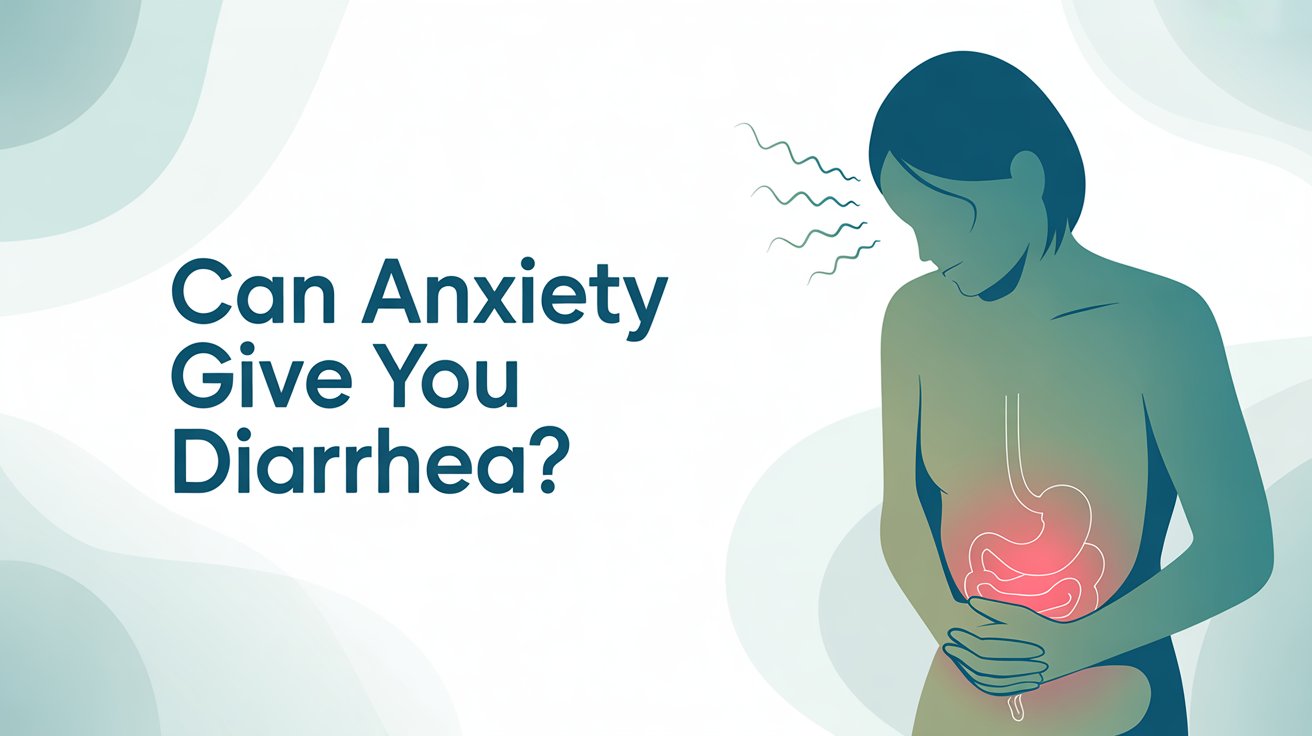
Can Anxiety Give You Diarrhea?

If you’re wondering whether anxiety can give you diarrhea, the straightforward answer is yes—anxiety and stress can definitely trigger digestive disturbances, including diarrhea. This uncomfortable connection between your mind and gut is no coincidence. Understanding how anxiety affects your digestive system helps you recognise when emotional stress is causing physical symptoms and what you can do to manage both effectively.


The Gut-Brain Axis: Your Second Brain

Simply put, your gut contains what scientists call the enteric nervous system (ENS)—a complex network of over 100 million nerve cells lining your gastrointestinal tract from oesophagus to rectum. This “second brain” doesn’t balance your budget or compose poetry, but it controls digestion and communicates constantly with your brain through the gut-brain axis.

The brain and gastrointestinal system are intimately connected, sharing many of the same nerve connections. When you experience anxiety, your brain sends stress signals directly to your gut, triggering a cascade of digestive changes. This connection goes both ways—a troubled intestine can send signals to the brain, just as a troubled brain can send signals to the gut.

Have you ever felt “butterflies in your stomach” when nervous or had a “gut-wrenching” experience? These expressions exist because the gastrointestinal tract is remarkably sensitive to emotion. Anger, anxiety, sadness, and elation can all trigger symptoms in the gut, including diarrhea.


How Anxiety Triggers Diarrhea

When you’re anxious, your body enters a primitive “fight-or-flight” response. Your brain interprets stress as potential danger and floods your system with hormones like adrenaline, cortisol, and serotonin. These stress hormones enter your digestive tract and interfere with normal digestion in several ways:

Accelerated Digestive Processes

The brain wants your gastrointestinal tract to flush everything from your system quickly, preparing you to either flee or fight. When your digestive system speeds up this way, the colon doesn’t have enough time to absorb water from waste, resulting in loose, watery stools.

Disrupted Gut Motility

Anxiety affects how your intestines and stomach squeeze and move waste through the body. These stress-induced contractions can push waste through your system too rapidly, causing cramping, urgency, and diarrhea.

Altered Gut Bacteria

Your gut relies on a healthy balance of beneficial bacteria. Stress can reduce good gut bacteria populations while favouring harmful bacteria. This imbalance causes gastrointestinal symptoms and reduces production of serotonin—a mood-lifting chemical—creating a vicious cycle where digestive problems worsen anxiety.

Increased Gut Sensitivity

Stress makes the existing discomfort seem even worse because the brain becomes more responsive to pain signals from the gastrointestinal tract. People experiencing anxiety perceive pain more acutely than they would during calm periods.

Remember, though these symptoms feel alarming and discomforting, they represent your body’s natural response to perceived threats rather than dangerous medical emergencies in most cases.


Recognising Anxiety-Induced Diarrhea

Certain indicators suggest your diarrhea stems from anxiety rather than infection or dietary issues:

  • Episodes occur specifically during or immediately after stressful situations
  • Urgency to use the restroom strikes before important events like presentations, interviews, or social gatherings
  • Symptoms improve when stress subsides
  • No fever, blood in stool, or other signs of infection
  • Patterns correlate with identified stress triggers

Additional symptoms accompanying anxiety-related digestive disturbances may include stomach cramping, bloating, nausea, feeling of “knots” in your stomach, and general abdominal discomfort.


The Two-Way Street: When Gut Problems Worsen Anxiety

The gut-brain connection operates bidirectionally. Just as anxiety can trigger gastrointestinal symptoms, chronic digestive problems can exacerbate anxiety. Many people develop fear around potential “accidents” in public places, making them afraid to leave home or attend social events.

Research shows that up to 30-40% of the population experiences functional bowel problems at some point. People with irritable bowel syndrome (IBS) are particularly vulnerable—they often develop depression and anxiety, with studies suggesting digestive system irritation may send signals to the central nervous system that trigger mood changes.

Once you develop digestive symptoms, the condition itself can become a significant source of anxiety, greatly impacting your quality of life and creating a self-perpetuating cycle that’s challenging to break without addressing both components.


Managing Anxiety-Related Diarrhea

Fortunately, several strategies help manage both anxiety and its digestive manifestations:

Stress Reduction Techniques: Practice controlled breathing exercises during anxious moments. Deep, slow breathing signals your nervous system to activate the relaxation response, calming both mind and gut. Meditation, progressive muscle relaxation, and guided imagery also prove effective.

Regular Physical Activity: Exercise increases production of endorphins—chemicals that improve mood and reduce stress. Even fifteen minutes of daily activity helps. Activities emphasising breath control like yoga or tai chi particularly benefit the gut-brain connection.

Dietary Modifications: Avoid spicy foods, fatty or fried items, excessive caffeine, and foods high in natural or artificial sugar when experiencing stress-related digestive issues. Plain foods like crackers, toast, rice, bananas, broth, and water help settle your stomach. Peppermint tea or capsules provide soothing relief.

Identify and Manage Triggers: Note when digestive symptoms occur and what preceded them. Identifying specific stress triggers allows you to develop coping strategies or, when possible, avoid particularly stressful situations.

Adequate Sleep: Prioritise quality sleep, as poor rest exacerbates both anxiety and digestive problems. Establish consistent sleep schedules and create calming bedtime routines.

Probiotics: Consider probiotic supplements or probiotic-rich foods like yoghurt, kefir, and fermented vegetables. Probiotics may help restore healthy gut bacteria balance disrupted by stress.

For comprehensive assessment of digestive symptoms, private blood testing services can rule out underlying conditions requiring different treatment approaches.


When to Seek Professional Help

While stress-related diarrhea usually resolves once anxiety subsides, certain situations warrant medical attention:

  • Diarrhea lasting more than a few days despite stress management efforts
  • Blood in stool or black, tarry stools
  • Severe abdominal pain
  • High fever (over 38°C/100.4°F)
  • Signs of dehydration (excessive thirst, dark urine, dizziness)
  • Unintentional weight loss
  • Symptoms significantly impacting daily activities and quality of life

These warning signs may indicate conditions beyond anxiety requiring medical evaluation and treatment.


Psychological Interventions

When lifestyle modifications alone aren’t sufficient, psychological therapies offer significant relief:

Cognitive Behavioural Therapy (CBT): This evidence-based approach helps you identify and change negative thought patterns contributing to anxiety. CBT specifically tailored for gastrointestinal conditions addresses the unique challenges of anxiety-related digestive symptoms.

Gut-Directed Hypnotherapy: This specialised therapy combines deep relaxation with calming suggestions specifically addressing digestive function. Research demonstrates effectiveness for functional gastrointestinal disorders.

Stress Management Counselling: Working with therapists specialising in anxiety treatment provides personalised strategies for managing stress and breaking the anxiety-diarrhea cycle.

Remember, seeking professional help isn’t admitting defeat—it’s taking proactive steps toward better health. Coping with stress is a lifelong skill, and progress takes time, so patience remains vital.


Understanding Functional Gastrointestinal Disorders

When gastrointestinal symptoms are caused by stress or anxiety rather than infection or structural disease, medical professionals classify them as functional GI disorders. These conditions are real—not imagined or “all in your head”—even though no physical abnormality appears on tests.

Psychology combines with physical factors to cause pain and other bowel symptoms. Psychosocial factors influence the actual physiology of the gut, affecting movement, contractions, and sensitivity. This explains why psychological interventions prove so effective—they address the underlying mechanisms driving symptoms.


The Role of Overall Health

Maintaining general health supports both mental wellbeing and digestive function. Consider scheduling a full health check-up to ensure no underlying medical conditions contribute to your symptoms. Comprehensive assessment provides peace of mind and establishes baselines for monitoring your health over time.

For immediate concerns or ongoing symptoms, telephone consultations or video consultations offer convenient access to professional guidance without adding travel-related stress.


Key Takeaways

Can anxiety give you diarrhea? Absolutely. The gut-brain connection means emotional stress directly affects digestive function through hormonal changes, altered gut motility, disrupted bacterial balance, and heightened sensitivity. While uncomfortable and inconvenient, anxiety-induced diarrhea typically resolves when stress subsides and responds well to stress management techniques.

Understanding this connection empowers you to address both anxiety and digestive symptoms comprehensively rather than treating them as separate issues. Through lifestyle modifications, stress reduction techniques, appropriate dietary choices, and professional support when needed, you can break the anxiety-diarrhea cycle and regain control over both your mental and digestive health.

Your wellbeing deserves careful attention, and recognising how anxiety manifests physically—including through digestive disturbances—ensures you receive appropriate support for your complete health picture, not just isolated symptoms.

Can Anxiety Cause Back Pain?

If you’re wondering whether anxiety can cause back pain, the answer is a definitive yes. Anxiety and stress are surprisingly common culprits behind back discomfort, affecting millions of people who may not realise their emotional state is contributing to their physical symptoms. Understanding this mind-body connection helps you address both the psychological and physical aspects of pain, breaking a cycle that can otherwise persist for years.


How Anxiety Triggers Back Pain

Simply put, when you experience anxiety, your body activates its “fight-or-flight” response—a primitive survival mechanism designed to prepare you for immediate danger. During this stress response, your brain floods your system with hormones like adrenaline and cortisol, causing widespread physiological changes, including muscle tension throughout your body, particularly in your back, shoulders, and neck.

Your muscles tighten to make your body more resilient to potential injury, essentially preparing for physical action. While this response proves useful when facing genuine threats, it becomes problematic when anxiety triggers occur frequently without any real danger present. The muscles remain in a state of semi-tension, unable to fully relax between stress episodes.

Research shows that chronic stress eventually leads to cortisol dysfunction and problems with the body’s inflammatory response. These hormonal and inflammatory issues contribute to oxidative stress, free radical damage, cellular injury, and tissue degeneration—all of which can manifest as chronic back pain.


The Vicious Cycle of Pain and Anxiety

Stress and back pain create a troubling feedback loop. When you’re stressed, you become prone to worry. Pain itself is stressful, so the more pain you experience, the more you worry—and the more you worry, the greater the tension in your muscles becomes. This self-perpetuating cycle can be challenging to break without addressing both components simultaneously.

Furthermore, those who suffer from anxiety tend to have a more sensitive nervous system and heightened awareness of pain and unusual body sensations. This phenomenon, called central sensitisation, means your nervous system goes into overdrive, amplifying normal signals into painful ones even without actual injury or threat. Your body essentially becomes stuck in perpetual readiness, with muscles tensed and prepared for action long after the stressor has passed.

Remember, if you’re experiencing persistent back pain alongside anxiety symptoms, consulting your private GP helps determine whether stress is the primary cause or if other factors require investigation. Consider scheduling a GP consultation for a comprehensive assessment.


Additional Ways Anxiety Contributes to Back Pain

Beyond direct muscle tension, anxiety affects your back through several indirect mechanisms:

Posture Changes

When anxious or stressed, breathing patterns change, and shoulders often hunch upward. This altered posture leads to strain and tension in the middle and upper back. Many people subconsciously hold their shoulders in a raised position when stressed, shortening and tightening muscles in the neck and shoulder area. These muscles become strained, particularly where tendons attach to bone at the back of the skull.

Reduced Physical Activity

Anxiety often leads to decreased activity levels and avoidance behaviours. When you move less, muscles and joints can become stiff and weak, increasing vulnerability to pain and injury. The lower back—comprising large muscle groups supporting the spine—particularly suffers when activity decreases.

Inflammation

Chronic stress causes inflammation throughout your body, including in your back muscles and tissues. While acute stress temporarily reduces inflammation to mask pain during emergencies, chronic stress from persistent anxiety creates ongoing inflammatory problems that contribute to lasting discomfort.

Reduced Blood Flow

During stressful periods, blood vessels may constrict, reducing blood flow to the back muscles. This decreased circulation contributes to pain and slows the healing of any existing tissue damage.

Disrupted Sleep

Anxiety commonly interferes with sleep quality, and poor sleep exacerbates both pain perception and the body’s ability to recover from muscle tension and minor injuries.


Recognising Stress-Related Back Pain

Certain characteristics suggest your back pain stems from anxiety rather than structural problems:

  • Pain develops gradually over time rather than suddenly after specific injury
  • Symptoms worsen during periods of high stress and improve when anxiety subsides
  • You’ve recently experienced significant life stressors (demanding job, relationship difficulties, financial worries)
  • Pain intensity seems disproportionate to any physical findings
  • Symptoms migrate or affect different areas at different times
  • Medical investigations have ruled out structural causes

Studies demonstrate clear links between psychological stress and back problems. Research involving 8,473 people found that severe stress was associated with a 2.8-fold increased risk of chronic low back pain compared to the general population. Another study of police investigators found significant connections between stress and upper musculoskeletal pain.


Managing Anxiety-Related Back Pain

Fortunately, various approaches effectively address both anxiety and its physical manifestations:

Progressive Muscle Relaxation: This technique involves systematically tensing and releasing different muscle groups, helping you identify where tension resides and consciously release it. Regular practice trains your body to recognise and combat stress-related muscle tightness before it becomes painful.

Physical Activity: Exercise reduces anxiety while strengthening back muscles and improving flexibility. Aim for moderate activity—light to moderate exercise for at least 30 minutes daily helps prevent muscle and joint degeneration while relaxing your mind. However, avoid high-intensity exercise when already stressed, as it can temporarily increase cortisol levels.

Stretching Exercises: Regular stretching keeps muscles nimble and prevents “freezing” that creates pain. Knee-to-chest stretches, cat-cow stretches, lying knee twists, and cobra stretches specifically target back muscles affected by stress-related tension.

Heat and Cold Therapy: Applying heat to affected areas helps relax muscles and reduce pain—try heating pads, hot water bottles, or warm baths. Ice packs wrapped in towels can reduce inflammation and provide relief from acute pain or muscle spasms.

Massage Therapy: Regular massage relieves muscle tension, stiffness, and soreness while promoting relaxation. Professional massage therapists often identify “knots” in muscles—particularly in shoulders and upper back—that develop from chronic stress. Self-massage techniques also provide benefit.

For persistent pain requiring medical evaluation, private blood testing services can help rule out underlying conditions, while comprehensive health check-ups ensure holistic assessment of both physical and mental health factors.


Addressing the Underlying Anxiety

While managing physical symptoms provides immediate relief, lasting improvement requires addressing anxiety itself:

Cognitive Behavioural Therapy (CBT): This evidence-based approach helps you identify and change negative thought patterns contributing to anxiety. CBT proves particularly effective for chronic pain, working similarly to other pain management interventions in effectiveness.

Mindfulness-Based Stress Reduction (MBSR): This programme combines meditation, yoga, and body awareness techniques, helping people manage pain and negative emotions effectively. Studies demonstrate strong results for chronic pain management.

Applied Relaxation: This therapy focuses on relaxing muscles in particular ways during situations typically causing anxiety, directly addressing the muscle tension-anxiety connection.

Stress Management: Identify your major sources of stress, understand how stress affects you personally, anticipate stressful periods, and develop problem-solving approaches rather than allowing worry to accumulate.

When to Seek Medical Attention

Consult your healthcare provider if you experience:

  • Severe or worsening back pain despite self-care measures
  • Pain accompanied by numbness, tingling, or weakness in the legs
  • Back pain following trauma or injury
  • Unexplained weight loss alongside back pain
  • Difficulty controlling bladder or bowel function
  • Persistent pain prevents normal daily activities

These symptoms may indicate conditions requiring medical intervention beyond anxiety management alone.

Key Takeaways

Can anxiety cause back pain? Absolutely. The fight-or-flight response triggered by anxiety creates muscle tension throughout your back, while stress hormones, inflammation, posture changes, and reduced activity all contribute to discomfort. The relationship works both ways—chronic pain itself increases anxiety, creating a challenging cycle that often requires proper anxiety treatment to manage effectively.

Understanding this mind-body connection empowers you to address both psychological and physical aspects of your pain. With the right anxiety treatment, stress management techniques, appropriate physical activity, postural awareness, and professional support, you can break the anxiety-back pain cycle and regain comfort.

Your wellbeing deserves comprehensive attention. If anxiety is contributing to your back pain, seeking anxiety treatment alongside physical therapies offers the most effective path toward lasting relief and an improved quality of life.

Does Anxiety Affect Vision?

If you’re wondering whether anxiety affects vision, the answer is definitely yes—anxiety and stress can significantly impact your eyesight through various mechanisms. From temporary blurred vision to increased sensitivity to light, anxiety-related eye symptoms are remarkably common and often overlooked. Understanding how emotional stress affects your visual system helps you recognise when anxiety might be behind your eye problems and what steps you can take to protect your vision.

How Anxiety Impacts Your Eyes

Simply put, when you experience anxiety, your body activates its “fight-or-flight” response, flooding your system with stress hormones like adrenaline and cortisol. These hormones prepare your body for action, causing widespread physiological changes—including significant effects on your eyes and visual system.

Research shows that mental stress can affect your eyes and lead to visual distortions, and even put you at risk of developing sight-threatening eye diseases. The impact of the body’s fight-or-flight reaction affects the eyes and visual system directly, potentially leading to eye strain, headaches, and, in severe cases, chronic vision problems.

Your eyes are sensory organs directly connected to your nervous system. During anxiety, your brain sends signals causing your pupils to dilate—allowing more light to enter so you theoretically can see potential dangers more clearly. While this evolutionary response proved useful when facing genuine threats, it becomes problematic when anxiety occurs frequently without real danger present.

Common Vision Problems Caused by Anxiety

Anxiety can trigger various eye and vision symptoms, ranging from mild discomfort to severe visual disturbances:

Blurred Vision: The most common anxiety-related vision problem. As your brain becomes overwhelmed by anxiety signals, it may become harder for your eyes to focus on objects properly. The release of adrenaline affects blood flow and eye muscles, making focusing difficult. This blurriness typically occurs during or immediately after anxious episodes.

Eye Strain and Fatigue: Frequent anxiety causes constant pupil dilation, which eventually results in significant eye strain. When stressed for prolonged periods, this continuous dilation makes your eyes particularly sensitive to light and seriously strained as a result. Eye fatigue often accompanies this strain, making it uncomfortable to read or use screens.

Tunnel Vision: During severe anxiety or panic attacks, you may experience tunnel vision—a reduction in peripheral vision that makes you feel like you’re looking through a narrow tube. Anxiety activates the stress response, which causes this reduction in peripheral vision to focus your attention solely on the perceived threat.

Dry Eyes: Anxiety alters your blinking patterns, reducing the frequency with which you blink and therefore decreasing moisture in your eyes. This resulting dryness makes maintaining clear vision difficult and causes discomfort. Stress-induced eye strain is often accompanied by dry eyes and eye fatigue.

Light Sensitivity: Constant pupil dilation during prolonged anxiety makes your eyes excessively sensitive to light. Even normal daylight may seem painfully intense, especially in highly stressful environments. Those experiencing photophobia may squint, develop headaches, or feel compelled to avoid lighted environments altogether.

Eye Twitching: Stress causes involuntary muscle spasms around your eyes, leading to visible twitching—medically known as myokymia. While usually harmless, persistent eye twitching indicates your body is under significant stress.

Remember, these symptoms often manifest temporarily during anxious periods and typically improve when stress subsides. However, chronic anxiety causing frequent or persistent visual symptoms warrants professional attention.

The Bidirectional Relationship

The connection between anxiety and vision works in both directions, creating potentially troubling cycles. Stress and anxiety can be both consequences and causes of vision loss. Initial vision loss causes stress, which in turn leads to more vision loss, leading to once again increased stress levels—creating a dangerous downward spiral.

Research dating back over 3,000 years to ancient Indian Ayurvedic medicine has documented mental distress as a leading cause of vision loss. Modern scientific studies confirm this historical observation, demonstrating clear links between psychological stress and various eye conditions.

Furthermore, hundreds of studies and clinical trials have shown that stress can increase the risk of vision loss from eye diseases such as glaucoma, optic neuropathy, diabetic retinopathy, and age-related macular degeneration. Chronic stress can lead to pressure buildup inside your eyes, potentially damaging the optic nerve and risking glaucoma development.

If you’re experiencing vision changes alongside persistent anxiety, consider scheduling a GP consultation to address both aspects comprehensively.

Long-Term Effects of Chronic Stress on Vision

While temporary anxiety-related vision changes usually resolve when stress subsides, chronic anxiety poses more serious risks:

Increased Eye Pressure: With students facing coursework deadlines and exams, their stress levels are likely to be high. With anxiety causing increased pressure in the eye, concern has been raised about students’ chances of developing glaucoma. Although eye pressure alone doesn’t cause glaucoma, the Glaucoma Research Foundation considers it a significant risk factor.

Optic Neuropathy: Prolonged mental stress can cause cortisol levels to rise continuously, negatively affecting the eyes and brain. Imbalances in the sympathetic nervous system caused by increased cortisol can lead to diseases of the visual system, including optic neuropathy—potentially causing permanent vision loss.

Central Serous Chorioretinopathy: Research suggests that perceived stress is a risk factor for this condition, which results in fluid collection in the macula (the central part of the retina), causing blurry vision.

Accelerated Age-Related Conditions: Chronic stress may speed up the development of age-related eye diseases like macular degeneration, potentially causing vision loss earlier than would otherwise occur.

Fortunately, most stress-related vision problems are temporary and will disappear as soon as you begin to relax. However, if you experience frequent extreme anxiety, elevated adrenaline and cortisol levels can contribute to serious conditions.

Managing Anxiety-Related Vision Problems

Various approaches effectively address both anxiety and its visual manifestations:

Stress Reduction Techniques: Practice deep breathing exercises, meditation, mindfulness, and progressive muscle relaxation. These techniques calm your nervous system, reducing the fight-or-flight response, triggering visual symptoms. Regular practice helps lower overall stress levels and manage anxiety symptoms as they occur.

Regular Physical Activity: Exercise naturally reduces anxiety while improving blood flow to the eyes. Physical activity increases endorphin production—chemicals that improve mood and reduce stress. Aim for moderate exercise most days, but avoid high-intensity workouts during particularly stressful periods.

Eye Rest and the 20-20-20 Rule: Every 20 minutes, look at something 20 feet away for 20 seconds, allowing your eyes to rest and take breaks from focusing on close-up objects like screens. This simple practice significantly reduces digital eye strain.

Proper Hydration: Stay hydrated by drinking water regularly. Hydration is crucial for healthy tear production and preventing dry eyes. Adequate fluid intake helps maintain comfortable vision and reduces strain.

Quality Sleep: Ensure you get enough restful sleep. Poor sleep exacerbates both anxiety and eye problems, including increased pressure and reduced healing capacity. Establish consistent sleep schedules and create calming bedtime routines.

Limit Screen Time: Extended screen time elevates stress levels, causes eye strain, and affects vision over time—a condition called near point visual stress. Take regular breaks, blink consciously, and reduce unnecessary digital device usage.

Reduce Caffeine and Sugar: Both substances can aggravate anxiety and eye strain. Consider limiting intake, particularly during high-stress periods or when experiencing vision symptoms.

For those requiring a comprehensive health assessment, full health check-ups provide a holistic evaluation, including factors affecting both mental health and vision.

Professional Treatment Options

When lifestyle modifications alone aren’t sufficient, professional interventions offer substantial relief:

Cognitive Behavioural Therapy (CBT): This evidence-based approach helps identify and change negative thought patterns contributing to anxiety. Studies show that taking a psychosomatic approach, emphasising stress reduction and relaxation techniques, is highly effective for treating stress-related vision loss.

Vision Therapy: If functional vision problems contribute to your symptoms, vision therapy can help alleviate discomfort by strengthening the visual system and improving visual skills necessary for clear, comfortable vision.

Medication Management: Some medications treating anxiety may affect vision, including pupil dilation and blurred vision as side effects. Discuss any vision changes with your healthcare provider when starting or adjusting medications.

Professional Eye Care: Regular eye examinations ensure no underlying conditions contribute to your symptoms. Visit your optician if you notice persistent eye problems or have concerns to rule out other causes requiring different treatment.

If you’re experiencing significant anxiety symptoms affecting your quality of life, professional support provides structured approaches to managing both anxiety and its physical manifestations.

When to Seek Immediate Medical Attention

Consult your healthcare provider promptly if you experience:

  • Sudden, severe vision changes or vision loss
  • Persistent blurred vision not improving with stress reduction
  • Eye pain or severe discomfort
  • Flashing lights or floaters in your vision
  • Blind spots in central or peripheral vision
  • Vision changes accompanied by severe headaches
  • Any symptoms suggesting retinal detachment or other serious conditions

These warning signs may indicate conditions beyond anxiety requiring immediate medical evaluation. For urgent concerns, telephone consultations or video consultations provide quick access to professional guidance.

Protecting Your Long-Term Vision

Taking proactive steps protects your eyes from stress-related damage:

  • Schedule regular comprehensive eye examinations
  • Manage chronic health conditions like diabetes and hypertension that affect vision
  • Eat a balanced diet rich in nutrients supporting eye health
  • Avoid smoking, which increases both anxiety and risk of eye diseases
  • Create healthy work-life boundaries to reduce chronic stress
  • Address anxiety symptoms early before they significantly impact your vision

Remember that caring for your mental health directly benefits your visual health. The interconnection between anxiety and vision means that managing stress effectively protects your eyes while improving overall wellbeing.

Key Takeaways

Does anxiety affect vision? Absolutely. The fight-or-flight response triggered by anxiety causes pupil dilation, muscle tension, altered blood flow, and inflammatory changes affecting visual function. Common symptoms include blurred vision, eye strain, tunnel vision, dry eyes, and light sensitivity—most of which resolve when anxiety subsides.

However, chronic anxiety poses serious long-term risks, including increased eye pressure, glaucoma development, optic neuropathy, and accelerated age-related vision loss. Understanding this mind-body connection empowers you to address both psychological and visual health comprehensively.

Through stress management techniques, appropriate lifestyle modifications, regular eye care, and professional support when needed, you can protect your vision while managing anxiety effectively. Your well-being—both mental and visual—deserves careful attention, and addressing the anxiety-vision connection ensures you maintain healthy eyesight throughout your life.

Can Anxiety Make You Pee More?

If you’re wondering whether anxiety can make you pee more, the straightforward answer is yes—anxiety and stress commonly cause frequent urination and increased bladder urgency. This uncomfortable symptom affects countless people experiencing anxiety, creating a frustrating cycle where worrying about needing the toilet actually makes the problem worse. Understanding why anxiety affects your bladder helps you recognise when emotional stress is behind your urinary symptoms and what strategies can provide relief.

The Anxiety-Bladder Connection

Simply put, your brain and bladder communicate constantly through a complex network of nerves and hormones. When you experience anxiety, your body activates its “fight-or-flight” response, releasing stress hormones like adrenaline and cortisol that affect virtually every system—including your urinary tract. This stress response increases the sensitivity of your nervous system, making basic reflexes like bladder voiding become stimulated more easily than usual.

Research demonstrates a clear bidirectional relationship between anxiety and urinary problems. Studies show that approximately 48% of people with overactive bladder experience anxiety symptoms, with one quarter experiencing moderate to severe anxiety. Furthermore, those with anxiety report significantly more severe urinary urgency, frequency, and incontinence symptoms compared to people without anxiety.

The NHS estimates that between 3 and 6 million people in the UK have some degree of urinary incontinence, and these symptoms are often more prevalent in those experiencing anxiety. While it can be embarrassing to discuss, understanding this connection empowers you to address both the physical and psychological components effectively.

How Anxiety Causes Frequent Urination

Anxiety triggers frequent urination through several interconnected mechanisms:

Muscle Tension

When you’re anxious, muscles throughout your body tighten—including those surrounding your bladder and pelvic floor. This tension puts physical pressure on your bladder, creating an increased urge to urinate even when your bladder isn’t particularly full. The abdominal muscles also tighten during the stress response, leading to an increased urge to urinate or defecate.

Nervous System Activation

The fight-or-flight response essentially “overloads” your nervous system, opening up all your body’s most important programmes at once—like a computer running too many applications simultaneously. The muscle and brain centres that control urination may experience brief control issues during this overload, interfering with voluntary muscle control.

Heightened Sensory Awareness

Anxiety makes you hyperfocused on bodily sensations. You become acutely aware of every slight bladder sensation that you’d normally ignore, potentially causing you to feel like you need to urinate more than you actually do. This heightened awareness creates perceived urgency even when your bladder contains minimal urine.

Inflammatory Responses

Chronic stress triggers the release of pro-inflammatory cytokines and chemokines throughout your body. In the brain and spinal cord, these inflammatory molecules influence micturition pathways, while peripherally they affect bladder function directly—causing detrusor muscle changes and afferent nerve hypersensitivity that increase urinary urgency.

Evolutionary Adaptation

There’s also a theory that frequent urination during stress may have evolutionary purposes. In times of genuine danger, emptying the bladder might make the body lighter for fleeing or reduce the energy spent on preventing urination during escape—though this remains speculative.

Remember, though these symptoms feel distressing and inconvenient, they represent your body’s natural response to perceived threats rather than a dangerous underlying disease in most cases.

Overactive Bladder and Anxiety

Overactive bladder (OAB) describes a group of symptoms affecting urinary function, including sudden urges to urinate that seem difficult to control, potential incontinence, and frequent urination—often eight or more times daily. OAB affects approximately 30 to 40 percent of people at some point, and research consistently demonstrates strong links between OAB and anxiety disorders.

Studies show that people with OAB and anxiety experience more severe urinary symptoms, worse quality of life, and more psychosocial difficulties compared to those with OAB alone. The severity of anxiety symptoms directly correlates with the severity of urinary symptoms—meaning the more anxious you feel, the more pronounced your bladder problems become.

This creates a vicious cycle: OAB symptoms cause anxiety about “getting caught short” in public or during long journeys, which increases stress levels and worsens urinary symptoms. Some people eventually restrict their activities because of increased burden, embarrassment, and low self-esteem—further impacting mental health and perpetuating the cycle.

If you’re experiencing persistent urinary symptoms alongside anxiety, consider booking a GP consultation to discuss both aspects comprehensively and rule out other potential causes.

Recognising Anxiety-Related Urination

Certain indicators suggest your frequent urination stems from anxiety rather than physical bladder problems:

  • Urgency increases specifically during stressful situations or before important events
  • Symptoms improve significantly when you’re relaxed or on holiday
  • You often rush to the toilet but void very little urine
  • You’ve developed habitual “just in case” bathroom visits that may actually worsen frequency
  • No pain, burning sensation, or blood in the urine accompanies the urgency
  • Medical investigations have ruled out urinary tract infections, diabetes, and prostate problems

Additional anxiety symptoms often accompany urinary problems, including restlessness, difficulty concentrating, sleep disturbances, and general tension throughout your body.

The Bidirectional Relationship

Just as anxiety worsens urinary symptoms, bladder problems significantly impact mental health—particularly through a phenomenon called “incontinence anxiety.” This psychological condition involves fear of experiencing incontinence in public, causing significant distress and leading to social isolation even in people who don’t actually experience leaks.

Health issues affecting the bladder can have substantial impacts on people’s mental well-being. Those suffering with urinary symptoms may notice increasing worries about getting “caught short” when out in public or fretting about nearest toilet locations during walks or car journeys, rather than enjoying themselves. This preoccupation can severely restrict activities and reduce quality of life.

For a comprehensive assessment addressing both urinary symptoms and mental health, full health check-ups providea  holistic evaluation of potential contributing factors.

Managing Anxiety-Related Frequent Urination

Fortunately, various approaches effectively address both anxiety and its urinary manifestations:

Bladder Training: This involves gradually extending the time between bathroom visits to retrain your bladder. Start by waiting just a few extra minutes before urinating, progressively increasing intervals over weeks. This method effectively increases bladder capacity and reduces urinary frequency and urgency.

Pelvic Floor Exercises: Strengthening pelvic floor muscles improves bladder control. A review of 31 clinical trials found that pelvic floor muscle therapy significantly improved not only urinary incontinence symptoms but also quality of life, including anxiety and depression scores. A physical therapist can develop an individualised exercise programme.

Stress Reduction Techniques: Deep breathing exercises, progressive muscle relaxation, meditation, and mindfulness practices reduce both anxiety and urinary urgency. Regular practice helps calm your nervous system and reduce the fight-or-flight response triggering symptoms.

Cognitive Behavioural Therapy (CBT): This evidence-based psychological therapy helps identify and change negative thought patterns contributing to anxiety. CBT specifically tailored for bladder conditions addresses the unique challenges of anxiety-related urinary symptoms. Research shows psychological therapy improves urinary urgency and incontinence.

Regular Physical Activity: Exercise increases endorphin production, improves mood, and reduces stress—all beneficial for both anxiety and bladder control. Aim for moderate activity most days, including exercises emphasising core and pelvic floor strength.

Maintain a Regular Bathroom Schedule: Establish a routine by urinating at set intervals even without immediate urgency. This trains your bladder to hold urine for longer periods and breaks the cycle of anxiety-driven frequent urination.

For those requiring additional support managing anxiety symptoms, professional treatment provides structured approaches addressing both psychological and physical manifestations.

Lifestyle Modifications

Several practical adjustments can significantly reduce symptoms:

Dietary Changes: Limit caffeine and alcohol intake, as both irritate the bladder and increase urinary urgency. Caffeine particularly stimulates the bladder and acts as a mild diuretic. Consider reducing consumption, especially in evenings.

Adequate Hydration: Paradoxically, drinking adequate water helps. Dehydration concentrates urine, irritating the bladder and potentially worsening urgency. Aim for steady hydration throughout the day rather than large amounts at once.

Avoid “Just in Case” Urination: Habitually using the toilet “just in case” before leaving home can actually train your bladder to signal urgency more frequently. Unless you genuinely need to go, resist this urge.

Manage Constipation: Constipation can worsen urinary symptoms by placing pressure on the bladder. Increase dietary fibre and maintain regular bowel movements.

Quality Sleep: Prioritise consistent sleep schedules and good sleep hygiene. Poor sleep exacerbates both anxiety and bladder problems, including nocturia (nighttime urination).

When to Seek Medical Attention

Consult your healthcare provider if you experience:

  • Frequent urination accompanied by pain, burning, or blood in urine
  • Sudden onset of severe urinary urgency or incontinence
  • Urinary symptoms significantly impacting daily activities and quality of life
  • Signs suggesting diabetes (excessive thirst, unexplained weight loss, fatigue)
  • Symptoms persisting despite stress management efforts
  • Any concerns about underlying medical conditions

These symptoms may indicate conditions beyond anxiety requiring medical evaluation and treatment. Private blood testing services can help rule out diabetes, kidney problems, or other conditions contributing to urinary symptoms.

For convenient access to professional guidance, telephone consultations or video consultations provide opportunities to discuss symptoms and receive personalised advice.

Key Takeaways

Can anxiety make you pee more? Absolutely. The fight-or-flight response triggered by anxiety affects bladder function through muscle tension, nervous system activation, heightened sensory awareness, and inflammatory pathways. Research consistently demonstrates strong bidirectional relationships between anxiety and overactive bladder symptoms—each condition can worsen the other, creating challenging cycles.

Understanding this mind-body connection empowers you to address both psychological and physical aspects of frequent urination. Through bladder training, pelvic floor exercises, stress management techniques, lifestyle modifications, and professional support when needed, you can break the anxiety-urination cycle and regain control over both your mental health and bladder function.

Your wellbeing deserves comprehensive attention. If anxiety is contributing to urinary symptoms, addressing the emotional component alongside physical management provides the most effective path toward lasting relief and improved quality of life.

Will HIV Show Up in a Normal Blood Test?

If you’re wondering whether HIV will show up in a normal blood test, the straightforward answer is no—not unless you’re specifically tested for it. Routine blood tests like Full Blood Count (FBC) or liver function tests cannot detect HIV directly. Understanding what routine blood work can and cannot reveal about HIV helps you make informed decisions about your sexual health and when specific testing might be necessary.


Why Routine Blood Tests Don’t Detect HIV

Simply put, standard blood tests like FBC, cholesterol screening, or HbA1c for diabetes measure specific blood components such as red blood cells, white blood cells, platelets, glucose levels, or organ function markers. These investigations don’t include the specialised antibodies, antigens, or nucleic acid testing required to detect HIV.

Your HIV status cannot be confirmed by the kind of general blood work that people most routinely have done at their healthcare provider’s office or other medical settings. HIV requires specific testing that looks for HIV antibodies, HIV antigens (particularly the p24 protein), or the virus’s genetic material itself.

However, routine blood work might reveal abnormalities that prompt your healthcare provider to recommend HIV testing. For example, unexplained low white blood cell counts, unusual patterns in immune markers, or persistent anaemia could suggest an underlying immune system problem worth investigating further.


How HIV Testing Actually Works

HIV testing requires specialised investigations designed specifically to detect evidence of the virus. There are three main types of HIV tests, each with different detection methods and timeframes:

Antibody Tests

These detect antibodies your immune system produces in response to HIV infection. Most rapid tests and at-home self-tests are antibody tests. Antibody tests typically detect HIV between 23 to 90 days after exposure, though tests using blood from a vein can detect infection sooner than tests using blood from a finger prick or oral fluid.

Antigen/Antibody Tests

Also known as fourth-generation tests, these detect both HIV antibodies and p24 antigen—a protein that forms part of the virus’s core. The p24 antigen appears in blood before antibodies develop, allowing earlier detection. Antigen/antibody tests can detect HIV as early as 18 to 45 days after exposure when using blood from a vein.

Nucleic Acid Tests (NATs)

These detect HIV’s genetic material (RNA) directly rather than your body’s response to it. NATs can identify HIV infection approximately 10 to 33 days after exposure—the shortest window period of any HIV test. However, NATs are expensive and not routinely used for screening unless there’s been a recent high-risk exposure or symptoms suggesting acute HIV infection.

Remember, no HIV test can detect infection immediately after exposure. Each test has a “window period”—the time between potential HIV exposure and when the test can accurately detect infection.


UK Emergency Department Opt-Out Testing

Fortunately, the NHS has implemented routine HIV testing programmes in many emergency departments across England. Since April 2022, patients aged 16 and over who require blood tests in participating emergency departments are automatically tested for HIV, hepatitis B, and hepatitis C unless they specifically decline.

This “opt-out” approach means additional blood screening for these blood-borne viruses occurs alongside any other blood tests needed for your emergency care. The only way to know if you have HIV is to get a specific blood test, which is not usually included in blood tests done by your GP.

Early diagnosis means people can access treatment sooner and expect to live long and healthy lives. Late diagnosis of HIV reduces life expectancy by around 15 years and causes significant ill-health. The programme aims to identify thousands of people living with undiagnosed HIV who might otherwise only discover their status when their health has already deteriorated significantly.

If your emergency department HIV test returns negative, you won’t be contacted—results typically take two to three days to process. If results are reactive (provisional positive), the hospital will contact you to arrange follow-up testing and specialist care.


What Shows Up on Routine Blood Work

While routine blood tests cannot diagnose HIV, certain abnormalities might indicate an underlying immune system problem:

Low White Blood Cell Count

HIV affects the immune system, particularly CD4+ T cells—a type of white blood cell crucial for fighting infections. People with untreated HIV often have fewer white blood cells than the general population. However, low white blood cell counts can result from many conditions, not just HIV.

Anaemia

Unexplained low haemoglobin levels might prompt further investigation. While anaemia has numerous causes, it can occur in people with advanced HIV.

Platelet Abnormalities

Low platelet counts are common in people with advanced HIV but can also be caused by certain HIV medications or opportunistic infections.

Elevated Inflammatory Markers

Tests like CRP (C-reactive protein) measure inflammation levels. Persistently elevated inflammatory markers might suggest chronic infection requiring investigation.

It’s important to understand that these findings are non-specific—they could indicate HIV or dozens of other conditions. Your healthcare provider considers these results alongside your symptoms, risk factors, and medical history before deciding whether HIV testing is warranted.


When You Should Request HIV Testing

The CDC recommends that everyone aged 13 to 64 get tested for HIV at least once as part of routine healthcare. More frequent testing is recommended for people who may be at higher risk, including:

  • People with multiple sexual partners
  • Men who have sex with men
  • People who inject drugs or share needles
  • Anyone with a partner living with HIV
  • People diagnosed with other sexually transmitted infections
  • Anyone who has had unprotected sex with someone whose HIV status is unknown

If you’re concerned about potential HIV exposure, discuss testing with your healthcare provider during a GP consultation. You can also access confidential testing through sexual health clinics or private blood testing services.


Understanding Window Periods

The window period—the time between potential exposure and when a test can detect HIV—varies by test type and is crucial for accurate results:

  • Antibody tests: 23 to 90 days after exposure
  • Antigen/antibody tests (lab): 18 to 45 days after exposure
  • Antigen/antibody tests (rapid): 18 to 90 days after exposure
  • Nucleic acid tests: 10 to 33 days after exposure

Testing too early within the window period may produce false negative results. If you test negative but suspect recent exposure, repeat testing after the appropriate window period ensures accuracy.

It can take six to 12 weeks for HIV to show up on your blood test. This period represents the time from infection until detection becomes reliable. During this window, you may already be able to transmit HIV to others even though tests show negative results.


What Happens After a Positive Result

If an HIV test returns positive, follow-up testing confirms the diagnosis to rule out false positive results. Sometimes this involves a second blood sample; other times, confirmatory testing uses the original sample.

Receiving an HIV diagnosis can feel overwhelming, but it’s essential to remember that HIV is now a manageable chronic condition. Modern antiretroviral therapy (ART) can suppress HIV to undetectable levels, allowing people with HIV to live long, healthy lives without transmitting the virus to others.

Your healthcare provider will refer you to specialist HIV services for comprehensive care, including regular monitoring through specific HIV blood tests that measure:

  • Viral Load: The amount of HIV in your blood
  • CD4 Count: The number of CD4+ T cells in your blood, indicating immune system strength
  • Resistance Testing: Which HIV medications will be most effective

These specialised tests differ entirely from routine blood work and require specific laboratory expertise.


Confidentiality and Testing Rights

HIV testing is confidential, with results included in your medical record and typically reported to local or state health departments for statistical purposes only. In the UK, your HIV status cannot be disclosed without your consent except in very specific circumstances defined by law.

You generally cannot be forced to take an HIV test—consent is required in almost all situations. Emergency department opt-out testing programmes allow you to decline HIV screening by simply informing the person taking your blood that you don’t want these additional tests. Declining won’t affect your emergency care.


Accessing HIV Testing

You have several options for HIV testing:

NHS Sexual Health Clinics: Offer free, confidential HIV testing alongside comprehensive sexual health services. Many clinics provide walk-in appointments.

GP Surgeries: Your GP can arrange HIV testing, though it’s not included in routine blood work unless specifically requested.

Home Testing Kits: Self-test kits are available from pharmacies and online. These provide privacy and convenience, though positive results require confirmatory testing by a healthcare professional.

Private Testing Services: Private blood test services offer quick, confidential HIV testing with faster results and flexible appointment times.

For those seeking a comprehensive health assessment, including STI testing or blood-borne virus screening, private healthcare providers streamlined access to multiple investigations simultaneously.


The Importance of Early Detection

Early HIV diagnosis transforms outcomes dramatically. People diagnosed early and starting treatment promptly can achieve undetectable viral loads within months, meaning they cannot transmit HIV to sexual partners and can expect near-normal life expectancy.

Conversely, late diagnosis—when the immune system is already significantly compromised—requires more intensive treatment and increases risks of serious complications. This is why routine testing matters, even if you don’t believe you’re at risk.

Many people living with HIV have no symptoms for years. Approximately 40% of new HIV infections are transmitted by people unaware they have the virus. Testing remains the only way to know your status definitively.


Key Takeaways

HIV will not show up in normal blood tests like FBC, liver function tests, or cholesterol screening. HIV requires specific antibody, antigen, or nucleic acid testing to diagnose. While routine blood work might reveal abnormalities prompting further investigation, it cannot confirm or rule out HIV infection.

If you’re concerned about HIV exposure or haven’t been tested previously, discuss HIV testing with your healthcare provider. Testing is straightforward, confidential, and increasingly accessible through NHS programmes, GP surgeries, sexual health clinics, and private services.

Early detection enables prompt treatment, protecting your health and preventing transmission to others. Whether you access testing through emergency department opt-out programmes, your GP, or private consultations, knowing your HIV status empowers you to make informed decisions about your health and wellbeing.

Which Blood Tests Need Fasting?

If you’re wondering which blood tests need fasting, understanding the requirements helps you prepare properly and ensures accurate results. While many routine blood investigations don’t require fasting, certain tests demand several hours without food or drink (except water) to provide reliable measurements. Knowing which tests require fasting and how to prepare appropriately ensures your results truly reflect your health status.


What Does Fasting for Blood Tests Mean?

Simply put, fasting for a blood test means avoiding all food and beverages—except plain water—for a specified period before your blood is drawn. Typically, you’ll need to fast for eight to twelve hours before a test, though the exact duration depends on which investigations your healthcare provider has ordered.

During your fasting period, you should also avoid chewing gum, smoking, and strenuous exercise, as these activities can affect digestion and potentially skew results. While you’re fasting for a blood test, you can drink plain water—staying well hydrated actually makes the blood draw easier by keeping fluid in your veins.


Blood Tests That Require Fasting

Several common blood investigations require fasting to ensure accurate results:

Blood Glucose Tests

You should fast for up to eight hours before having your blood glucose tests measured to check for diabetes or to see how well treatments are working. The fasting glucose test provides your “baseline” blood sugar level—the lowest you can expect these figures to be without recent food intake affecting results.

A fasting glucose test measures the level of glucose in your blood after fasting for at least eight hours. This test is usually the first conducted when diagnosing diabetes and may be used periodically to monitor diabetic individuals’ progress. A blood glucose level of 126 milligrams per deciliter or higher indicates diabetes, while a healthy score falls below 100 milligrams per deciliter.

Oral Glucose Tolerance Test

This investigation requires fasting for eight hours beforehand. A nurse will start the test by taking a sample of your blood. Then, you’ll drink a sugary liquid and stay in the doctor’s office. Two hours later, a nurse will take another blood sample for testing. If that shows a blood glucose level of 200 milligrams per deciliter or higher, diabetes is diagnosed.

Lipid Panel (Cholesterol Tests)

Cholesterol testing requirements have evolved recently. For most people, fasting before a lipid test isn’t necessary because the difference between LDL cholesterol values when fasting or not fasting is very small.

However, triglycerides are different. Doctors measure triglycerides after fasting since the concentration of these fatty particles remains elevated in the bloodstream for hours after a meal. Anyone who has ever had a high triglyceride level should always fast before a lipid test to provide more accurate assessment of their triglyceride values.

Basic Metabolic Panel (BMP)

This comprehensive test measures several natural chemicals in your blood, including blood glucose, electrolytes, and kidney function markers. When it includes glucose testing, fasting is typically required.

Gamma-Glutamyl Transferase (GGT) Test

This liver function test may require fasting to help distinguish between different causes of elevated GGT levels.

Remember, your healthcare provider will inform you if fasting is necessary for your specific blood work. If you’re uncertain, always ask before your appointment.


Blood Tests That Don’t Require Fasting

Fortunately, most blood tests don’t require fasting. Measurements of kidney, liver, and thyroid function, as well as blood counts, are not influenced by fasting.

Tests that typically don’t require fasting include:

  • Full Blood Count (FBC): Measures red blood cells, white blood cells, and platelets
  • HbA1c Test: This test measures your average blood glucose level over the past three months. That timeframe means it doesn’t matter if you eat before the test
  • Thyroid Function Tests: Including TSH measurements
  • Kidney Function Tests: Assessing creatinine and eGFR
  • Liver Function Tests: Most liver enzyme measurements (though GGT may sometimes require fasting)
  • CRP (C-Reactive Protein): Inflammatory marker testing
  • Blood Typing: Determining your blood group
  • Pregnancy Tests: Measuring hCG levels
  • PSA Testing: Prostate-specific antigen measurements


Iron and Ferritin Testing: Special Considerations

Iron testing presents a unique situation with evolving guidelines:

Ferritin Tests: Typically, fasting is not required before a ferritin blood test. Most sources confirm that ferritin measurements—which assess your body’s iron stores—don’t require fasting. However, some laboratories may recommend fasting for optimal results.

Serum Iron Tests: Iron testing is more complex. You should fast for eight hours before having an iron level blood test to ensure that levels of iron detected in your blood are not skewed by food or drink intake. Research shows that iron levels required approximately five hours post-prandial time to return to baseline, and blood collection after five to nine hours fasting provides a representative estimate of a patient’s iron levels.

The serum iron test varies depending on time of day and recent meals, which is why fasting is often recommended. Morning collection is preferred, as morning sample collection is preferred, with fasting for eight to twelve hours recommended.

If you’re scheduled for a ferritin blood test, confirm with your healthcare provider whether fasting is required, as recommendations may vary.


How Long Should You Fast?

You usually need to fast for eight to twelve hours before a test. Your provider will tell you exactly how long to fast, depending on what test they’ve ordered. For most fasting blood tests, this means no food or drink (except water) from approximately 10 p.m. the night before a morning appointment.

It’s advisable to schedule fasting blood tests early in the morning. This minimizes inconvenience—much of your fasting period occurs while you’re sleeping—and aligns with optimal testing times for certain investigations like iron studies.


What You Can and Cannot Consume

During your fasting period, strict guidelines apply:

What You CAN Have:

  • Plain water (still or sparkling, but avoid flavored varieties)
  • Continue taking prescribed medications unless instructed otherwise

What You CANNOT Have:

  • Food of any kind
  • Coffee, tea, or other beverages
  • Juice or soda
  • Alcohol (avoid for 24 hours before testing)
  • Chewing gum
  • Mints or candies

Juice, coffee, soda, and other beverages can get in your bloodstream and affect your results. Even seemingly innocent beverages like lemon water or flavored carbonated water may contain sugars or artificial sweeteners that interfere with test accuracy.

Staying well hydrated with plain water actually helps—it keeps more fluid in your veins, making blood collection easier and more comfortable.


Preparing for Your Fasting Blood Test

Following these preparation steps ensures smooth testing and accurate results:

Schedule Morning Appointments: Book your blood test as early as possible so your fasting period coincides with sleep hours, making it considerably easier to manage.

Plan Your Last Meal: Calculate what time you need to stop eating based on your appointment. If your test is scheduled for 9 a.m. and requires twelve hours fasting, your last meal should finish by 9 p.m. the previous evening.

Check Medication Instructions: Ask your provider whether it’s okay to take your usual medicines and over-the-counter medicines. Most medications can continue as normal, but some may need temporary adjustment.

Avoid Strenuous Exercise: Physical activity affects various blood components, so avoid intense workouts for 24 hours before testing.

Bring a Snack: Pack something to eat immediately after your blood draw. It’s common to feel light-headed after fasting blood tests, so having food available provides quick relief.

For comprehensive health monitoring through private blood testing services, discuss fasting requirements during booking to ensure proper preparation.


What Happens If You Accidentally Eat?

Tell your provider if you eat or drink before your test. You may need to reschedule the test for another time when you can fast to make sure you get accurate results.

If you’ve eaten accidentally, contact the laboratory or your healthcare provider before your appointment. Depending on what you consumed and which tests are ordered, they may:

  • Reschedule your appointment for another day
  • Proceed with tests that don’t require fasting and reschedule only those affected
  • Adjust interpretation of results based on your food intake

Honesty ensures your results are interpreted correctly and prevents potentially misleading findings that could affect medical decisions.


Special Considerations

Certain situations require additional awareness:

Diabetes Management: If you have diabetes, fasting can trigger low blood sugar. For people with diabetes, fasting can trigger hypoglycemia and cause dizziness, trouble concentrating, fatigue, and, in severe cases, fainting. Discuss your diabetes medication schedule with your doctor before fasting—some medications may need adjustment.

Pregnancy: Some fasting blood tests during pregnancy require fasting, and it’s normally safe for you to fast while pregnant. However, if you’re concerned, discuss this with your healthcare provider.

Medication Timing: Unless specifically instructed otherwise, continue taking your prescribed medications during fasting periods. Some medications perform best when taken with food, so clarify timing with your doctor.

For those requiring multiple investigations or full health check-ups, your healthcare provider coordinates testing to minimize fasting requirements while ensuring comprehensive assessment.


After Your Blood Test

Once your blood sample is collected, your fast is over. You might want to bring a snack and a drink with you so you can eat as soon as possible after the test.

Most people tolerate fasting blood tests well, though some experience mild light-headedness afterwards. Eating soon after your test prevents this and helps you feel better quickly. Avoid immediately engaging in strenuous activity—take a few minutes to rest and rehydrate before resuming normal activities.

Results from fasting blood tests typically return within a few days, though some private services offer same-day results for certain investigations. Your healthcare provider will contact you to discuss findings and any necessary follow-up.


Key Takeaways

Which blood tests need fasting depends on what’s being measured. Glucose tests, oral glucose tolerance tests, and triglyceride measurements typically require eight to twelve hours of fasting. Most other common blood tests—including full blood counts, thyroid function, kidney function, and HbA1c—don’t require fasting.

Always confirm fasting requirements with your healthcare provider or laboratory when booking your appointment. Proper preparation ensures accurate results that truly reflect your health status, allowing appropriate medical decisions and treatment planning.

If you need blood testing services or have questions about fasting requirements, don’t hesitate to discuss this during a GP consultation. Your well-being deserves careful attention, and understanding how to prepare for blood tests ensures you receive the most accurate assessment possible.

What Blood Tests Are Done Before Surgery?

If you’re scheduled for surgery and wondering what blood tests are done before surgery, understanding the pre-operative assessment process can ease anxiety and help you prepare properly. Blood tests form a crucial part of ensuring your safety during and after surgical procedures, providing your medical team with essential information about your overall health status.


Understanding Pre-Operative Blood Tests

Simply put, pre-operative blood tests are investigations performed before planned surgery to identify any underlying health conditions that might affect your operation or recovery. These tests help your surgical team make informed decisions about anaesthesia, surgical techniques, and any special precautions needed during your procedure.

The specific blood tests you’ll need depend on several factors: your age, general health, existing medical conditions, medications you’re taking, and the type of surgery planned. A minor procedure in an otherwise healthy person requires considerably fewer tests than major surgery or operations in people with chronic health conditions.


The Most Common Pre-Operative Blood Tests

According to NICE (National Institute for Health and Care Excellence) guidelines, several blood investigations are commonly recommended before elective surgery:

Full Blood Count (FBC)

Full Blood Count (FBC) test measures red blood cells, white blood cells, and platelets in your blood. It identifies conditions like anaemia—which reduces your blood’s oxygen-carrying capacity—or thrombocytopenia (low platelet count), which increases bleeding risk during surgery. Detecting anaemia beforehand allows your medical team to take appropriate precautions or provide treatment before your operation.

Kidney Function Tests

These blood investigations assess how well your kidneys are working by measuring creatinine, electrolytes, and sometimes urea levels. Your kidneys filter waste products from your blood, and impaired kidney function can affect how your body processes anaesthetic drugs and medications given during surgery. For those at risk of acute kidney injury, kidney function testing becomes particularly important.

Blood Clotting Tests (Haemostasis)

Tests, including prothrombin time (PT), activated partial thromboplastin time (aPTT), and INR measure how long your blood takes to clot. These investigations are essential if you’re taking blood-thinning medications like warfarin or aspirin, have liver disease, or have a history of bleeding disorders. Abnormal clotting can lead to excessive bleeding during surgery or dangerous blood clots afterwards.

Liver Function Tests

Live Function Tests assess liver health by measuring enzymes and proteins, including bilirubin, ALT, AST, and alkaline phosphatase. Your liver plays a crucial role in metabolising anaesthetic drugs and medications. Liver problems can affect drug processing, increase bleeding risk, and impact recovery.

Remember, not all patients require every test—your medical team tailors testing to your individual circumstances and surgical requirements.


Tests for Specific Health Conditions

Certain pre-existing conditions necessitate additional blood work before surgery:

Diabetes Management

If you have diabetes, HbA1c testing measures your average blood glucose levels over the previous three months. NICE guidelines recommend HbA1c testing for people with diabetes if they haven’t been tested within the last three months. Good blood sugar control before surgery reduces complications, promotes healing, and decreases infection risk. However, routine HbA1c testing isn’t recommended for people without diagnosed diabetes.

Blood Type and Screening

For surgeries where blood loss is anticipated, knowing your blood type ensures compatible blood is available if transfusion becomes necessary. Cross-matching your blood with donor blood beforehand prevents potentially dangerous transfusion reactions.

Electrolyte Panel

This test assesses the balance of essential minerals, including sodium, potassium, chloride, and bicarbonate. Electrolyte imbalances can affect heart rhythm and muscle function—critical considerations when receiving anaesthesia. Any imbalances identified need correction before surgery proceeds.

Sickle Cell Screening

If you’re of African, Caribbean, Middle Eastern, or Mediterranean descent, you may be offered sickle cell testing. Anaesthesia and surgery can cause complications for people with sickle cell anaemia or sickle cell trait, so identifying these conditions beforehand allows your medical team to provide appropriate care.

Fortunately, advances in testing mean results typically return quickly, allowing sufficient time for any necessary treatment before your scheduled operation.


Who Needs Pre-Operative Blood Tests?

NICE guidelines classify patients using the ASA (American Society of Anesthesiologists) grading system, which assesses overall health status:

  • ASA Grade 1: Healthy patients with no medical problems
  • ASA Grade 2: Patients with mild systemic disease (e.g., well-controlled hypertension)
  • ASA Grade 3: Patients with severe systemic disease (e.g., poorly controlled diabetes)
  • ASA Grade 4: Patients with severe systemic disease that constantly threatens life

Testing requirements increase with ASA grade and surgery complexity. Minor procedures in healthy ASA Grade 1 patients often require minimal or no blood testing, whereas major surgery in ASA Grade 3 or 4 patients necessitates a comprehensive pre-operative assessment.


Additional Pre-Operative Assessments

While blood tests form the foundation of pre-operative assessment, other investigations may include:

Electrocardiogram (ECG)

This test records your heart’s electrical activity and may be recommended if you’re over 65, have a history of cardiac symptoms (breathlessness, fainting, chest pain), have diabetes, or have kidney problems. An ECG heart health check helps identify any underlying heart conditions that could affect anaesthesia safety.

Urine Tests

Routine urine dipstick testing isn’t recommended for all patients before surgery. However, if a urinary tract infection would influence the decision to operate, microscopy and culture of a midstream urine sample may be performed.

MRSA Screening

Methicillin-resistant Staphylococcus aureus (MRSA) is bacterium that can cause serious infections. You’ll likely be screened if you’re admitted for planned surgery, particularly if you’ve previously had MRSA or are being admitted to high-risk units like intensive care. Screening involves taking swabs from your nostrils, groin, and mouth—a simple, painless procedure.

Pregnancy Testing

All women of childbearing potential should be sensitively asked whether pregnancy is possible on the day of surgery. Anaesthesia and surgery can affect developing babies, so pregnancy testing ensures appropriate precautions are taken.


Preparing for Your Pre-Operative Blood Tests

Understanding how to prepare ensures accurate results and a smooth pre-assessment appointment:

Fasting Requirements

Some blood tests require fasting for 8-12 hours beforehand. Your healthcare provider will specify if fasting is necessary. Generally, you can drink water, but avoid food and other beverages during the fasting period.

Medication Considerations

Continue taking prescribed medications unless specifically instructed otherwise. Inform your healthcare provider about all medications, supplements, and herbal remedies you’re taking, as some may need temporary adjustment before surgery. Blood-thinning medications like warfarin or aspirin require particular attention.

Stay Hydrated

Unless fasting instructions specify otherwise, drink plenty of water before your blood test. Staying well-hydrated makes veins more prominent and easier to locate, making the blood draw smoother.

Bring Documentation

Provide a complete list of your current medications, previous medical records, recent test results, and contact details for your GP. If you have diabetes, bring recent HbA1c results—NICE recommends these be included in your surgical referral information.

For those preparing for minor surgery or procedures requiring pre-operative consultations, organising documentation beforehand streamlines the assessment process.


What Happens During the Pre-Operative Assessment

Your pre-operative assessment typically involves:

Medical History Review

A nurse or doctor discusses your complete medical history, including previous surgeries, chronic conditions, allergies, and family medical history. This conversation helps identify any risk factors requiring additional investigation.

Physical Examination

Basic observations, including blood pressure, pulse, temperature, height, and weight, are recorded. These baseline measurements provide reference points for monitoring during and after surgery.

Blood Sample Collection

A phlebotomist or trained nurse collects blood samples from a vein in your inner arm. The procedure takes less than a minute and causes minimal discomfort—most people describe it as a brie,f sharp scratch or pinch.

Test Results Timeline

Most routine blood test results return within 48-72 hours. Private blood testing services sometimes offer faster turnaround times, with results available within 24 hours or even the same day.

If your blood tests reveal abnormalities, your medical team will contact you to discuss findings and any necessary next steps before surgery proceeds.


Understanding Your Results

When your pre-operative blood test results return, your healthcare provider interprets them in the context of your overall health and planned surgery:

Normal Results

If all tests fall within normal ranges and you’re otherwise healthy, your surgery typically proceeds as scheduled. You’ll receive confirmation of your operation date and any final preparation instructions.

Abnormal Results Requiring Treatment

Conditions like anaemia, uncontrolled diabetes, or electrolyte imbalances may require treatment before surgery can safely proceed. Your healthcare provider will prescribe appropriate treatment and reschedule your operation once your condition stabilises.

Need for Specialist Review

Some results may prompt referral to specialist consultants—such as cardiologists, endocrinologists, or haematologists—for further assessment before surgery proceeds.

For comprehensive pre-operative preparation and health assessment, consider scheduling a full health check-up that includes all necessary investigations.


Private Pre-Operative Testing Options

For those undergoing private surgery in the UK or abroad, private blood testing services offer several advantages:

Faster Results: Private laboratories often provide results within 12-24 hours, compared to several days through standard NHS routes.

Flexible Scheduling: Convenient appointment times, including evenings and weekends, accommodate work schedules and personal commitments.

Comprehensive Packages: Pre-operative packages bundle all required tests, ensuring nothing is overlooked.

No GP Referral Needed: You can book directly with the required test lists provided by your surgeon or clinic.

For consultations about which tests you need, face-to-face GP appointments, telephone consultations, or video consultations provide expert guidance tailored to your surgical requirements.


Key Takeaways

Pre-operative blood tests are essential safety measures ensuring you’re medically optimised for surgery. The specific tests you need depend on your age, health status, existing conditions, and surgery type. Common investigations include Full Blood Count, kidney function tests, clotting studies, and liver function tests, with additional testing for specific conditions like diabetes.

Understanding what to expect from pre-operative assessment reduces anxiety and ensures you’re properly prepared. Whether accessing testing through NHS pathways or private services, these investigations provide your surgical team with vital information, protecting your health and improving surgical outcomes.

If you’re scheduled for surgery and have questions about pre-operative blood tests, discuss your concerns with your healthcare provider. They can explain which tests you’ll need, why they’re important, and how to prepare appropriately. Your well-being deserves this careful attention, and thorough pre-operative assessment remains fundamental to safe, successful surgical care.