


Heart Health After 40: When to Consider an ECG

Cardiovascular disease remains the leading cause of death and disability worldwide, and in the UK it accounts for around a quarter of all deaths each year, according to the British Heart Foundation. What makes it particularly challenging to address is that many of its most serious manifestations, including atrial fibrillation, coronary artery disease, and hypertrophic cardiomyopathy, can develop over years without producing any obvious symptoms until a significant cardiac event occurs.

Turning 40 is a natural and clinically relevant moment to take stock of your heart health. It is the age at which many of the risk factors for cardiovascular disease begin to accumulate more meaningfully: blood pressure tends to rise, cholesterol profiles shift, weight gain around the abdomen becomes more common, and the cumulative effect of years of lifestyle habits, whether protective or harmful, becomes harder to ignore.

One of the most useful and accessible tools for assessing heart health at this stage of life is the ECG, or electrocardiogram. This guide explains what an ECG is, what it can and cannot detect, and when it is worth considering one.


What Is an ECG?

An ECG is a non-invasive diagnostic test that records the electrical activity of the heart. Every heartbeat is triggered by an electrical impulse that travels through the heart in a predictable sequence, causing the heart muscle to contract and pump blood. An ECG captures this electrical activity over a period of several seconds by placing small adhesive electrodes on the skin of the chest, arms, and legs.

The result is a graph, or trace, showing the pattern of electrical signals across multiple leads. A trained clinician can interpret this trace to assess heart rate, heart rhythm, the timing of electrical conduction between the chambers of the heart, and whether any areas of the heart muscle show evidence of stress, injury, or abnormality.

The procedure itself is completely painless, takes around five to ten minutes to complete, and requires no preparation beyond having clear access to the chest and limbs. It is one of the safest and most widely used investigations in medicine.


What Can an ECG Detect?

An ECG provides a snapshot of the heart’s electrical activity at a specific point in time. It is a powerful tool for identifying a significant range of conditions, though it is important to understand that it does not assess blood flow through the coronary arteries or the physical structure of the heart in the same way that imaging investigations do.

An ECG can identify or provide evidence of the following:

  • Atrial fibrillation (AF), an irregular heart rhythm that significantly increases the risk of stroke and is estimated by the NHS to affect around 1.4 million people in the UK, many of whom are unaware they have it
  • Other arrhythmias, including supraventricular tachycardia, ventricular ectopic beats, heart block, and other rhythm disturbances that may be causing symptoms or be present silently
  • Conduction abnormalities, such as bundle branch blocks, which indicate changes in the way electrical signals travel through the heart
  • Evidence of a previous myocardial infarction (heart attack), which may be apparent on the ECG trace even if the event was not recognised at the time
  • Left ventricular hypertrophy, an enlargement of the heart’s main pumping chamber, typically associated with longstanding high blood pressure
  • Changes suggestive of hypertrophic cardiomyopathy, a genetic condition affecting the heart muscle that is a leading cause of sudden cardiac death in younger adults and can be present without symptoms
  • Electrolyte abnormalities, such as significantly raised or lowered potassium levels, which can affect heart rhythm and be visible on the ECG trace

It is equally important to be clear about what a resting ECG cannot reliably detect. It does not directly visualise the coronary arteries and cannot rule out coronary artery disease or the risk of a future heart attack. For a complete picture of cardiac structure and blood flow, additional investigations such as an echocardiogram or cardiac MRI may be required. Your GP can advise on which investigations are appropriate based on your individual presentation and risk profile.


Why Heart Health Matters More After 40

The risk of cardiovascular disease increases steadily with age, and several of the key risk factors become more prevalent in the decade between 40 and 50. Blood pressure rises as arteries become less elastic. Total cholesterol, and particularly LDL cholesterol, tends to increase whilst protective HDL cholesterol may fall. Weight gain, reduced physical activity, and increased work-related stress all contribute. For women, the perimenopause brings hormonal changes that shift the cardiovascular risk profile significantly, with oestrogen’s protective effect on the arterial wall diminishing as levels fall.

The consequence is that cardiac conditions that are uncommon in the 30s become meaningfully more prevalent in the 40s and beyond. Atrial fibrillation, for instance, affects approximately 0.5 per cent of those under 50 but rises steeply with age thereafter. Hypertension affects around one in three adults in the UK and is frequently undiagnosed. Silent coronary artery disease, in which the arteries narrow progressively without producing symptoms, is far more common than most people appreciate.

None of this is cause for alarm. It is, rather, a compelling reason to be proactive. Identifying an abnormality on an ECG, or confirming that the heart is functioning normally, gives you and your doctor information that can directly inform decisions about treatment, lifestyle, and monitoring. That is precisely what preventive healthcare is for.


When Should You Consider an ECG?

An ECG is not a routine requirement for every person over the age of 40, but there are circumstances where arranging one is clinically sensible and genuinely valuable. Consider booking an ECG assessment if any of the following apply to you:

You Are Experiencing Palpitations

Palpitations, the awareness of your own heartbeat as fluttering, pounding, racing, or irregular, are one of the most common reasons a GP arranges an ECG. Many palpitations are benign, caused by ectopic beats or anxiety, but some reflect underlying rhythm disturbances that need to be identified and managed. An ECG at the time of symptoms is the most informative investigation, though a resting ECG between episodes can still provide useful information.

You Have Noticed Unexplained Breathlessness or Fatigue

Breathlessness on exertion that is out of proportion to the level of activity, or fatigue that is persistent and unexplained, can occasionally reflect reduced cardiac efficiency. Whilst there are many non-cardiac causes of both symptoms, a cardiac assessment that includes an ECG is a reasonable part of the workup, particularly in those over 40 with cardiovascular risk factors.

You Have a Family History of Heart Disease or Sudden Cardiac Death

A first-degree family history of coronary artery disease, particularly in a parent or sibling who was diagnosed or died before the age of 60, significantly increases your own risk. Genetic cardiac conditions such as hypertrophic cardiomyopathy and certain channelopathies that cause dangerous arrhythmias also run in families. An ECG is a straightforward first step in assessing whether there are any early signs of these conditions.

You Have Risk Factors for Cardiovascular Disease

High blood pressure, elevated cholesterol, type 2 diabetes, obesity, smoking, and a sedentary lifestyle are all established risk factors for cardiovascular disease. If you have one or more of these and have never had a cardiac assessment, an ECG provides an important baseline and may identify findings that prompt closer monitoring or treatment.

You Are Starting a New Exercise Programme

For anyone over 40 who has been relatively inactive and is planning to significantly increase their level of physical exertion, a basic cardiac assessment including an ECG is a sensible precaution. It is not a requirement for everyone, but for those with known risk factors or a concerning family history, it provides useful reassurance and baseline information before increasing cardiac demand.

You Have Not Had a Cardiac Review in Several Years

If you are over 40 and have never had your heart rhythm, blood pressure, and cardiovascular risk formally assessed, it is simply good preventive healthcare to do so. An ECG is one component of that assessment, alongside blood pressure measurement and a cardiovascular risk calculation based on your age, sex, family history, and blood results.


What Happens at an ECG Appointment?

Our ECG and heart health check-up service is carried out by an experienced GP at our Birmingham clinic. The appointment involves a brief clinical history to understand your symptoms and risk factors, followed by the ECG procedure itself, which takes around five to ten minutes. The trace is then interpreted by your GP, who will explain the findings clearly and in the context of your individual health picture.

If the ECG is normal, you will leave with that reassurance alongside any relevant recommendations about cardiovascular risk management. If the ECG reveals a finding that warrants further assessment, your GP will explain what has been found, what it means, and what the next steps are, whether that is a repeat ECG, additional blood tests, a referral to a cardiologist, or further imaging.

For those who would like a more comprehensive cardiovascular and general health review alongside the ECG, our full health check-up service includes ECG, blood pressure, a full blood panel covering cholesterol, glucose, kidney function and more, spirometry, BMI assessment, and a detailed GP consultation in a single appointment.


How to Book

Booking an ECG assessment at The Private GP is straightforward and does not require a referral from your NHS GP. Same-day and next-day appointments are typically available. Simply get in touch with our team directly to arrange a time that suits you.

If you have specific concerns about your heart health or symptoms you would like to discuss before deciding on the right investigation, our face-to-face GP consultation is the right starting point. Your doctor will take a thorough history, assess your risk profile, and advise on which investigations are most appropriate for your individual circumstances.


The Bottom Line

After 40, the case for taking your heart health seriously becomes stronger with every passing year. Many of the conditions that cause the most significant cardiac events develop silently and are only discovered through proactive investigation or, less fortunately, at the point of crisis. An ECG is a simple, painless, and highly informative test that can identify a range of important findings and provide the kind of baseline assessment that makes future monitoring genuinely meaningful.

You do not need symptoms to benefit from a cardiac assessment, though if you do have symptoms, you should certainly not delay. Whether you are looking for reassurance, a baseline measurement, or an assessment of a specific concern, The Private GP in Birmingham offers prompt access to a thorough, clinically led ECG and heart health assessment. Get in touch with our team today.

Everyday Habits That Worsen Joint Pain – And How to Fix Them

Joint pain is one of the most common reasons people visit a GP in the UK. Osteoarthritis alone affects more than 8.5 million people in the country, according to University Hospitals Plymouth NHS Trust, and by the age of 65, at least half the population have some degree of the condition in one or more joints. But the presence of joint damage does not automatically mean you have to live with significant pain. How much pain you experience is influenced not just by the underlying condition, but by the choices and habits that shape your daily life.

Some of the most common habits people carry through life without giving much thought are, in fact, quietly making joint pain considerably worse. The good news is that most of them are modifiable, and the improvements that come from changing them can be meaningful and lasting. This guide identifies the most significant everyday habits that worsen joint pain, and explains clearly what to do about each one.


1. Prolonged Sitting Without Moving

Sitting for extended periods is one of the most consistently damaging things you can do to your joints. Joints are designed to move. Movement circulates synovial fluid, the natural lubricant that keeps joint surfaces healthy and reduces friction. When you sit still for hours at a time, that circulation is reduced, the muscles that support and protect the joint weaken, and stiffness sets in. For people with osteoarthritis, prolonged inactivity can trigger or worsen a flare.

This is particularly relevant for people who work at desks, spend long periods driving, or whose recovery from injury has involved extended periods of rest. The hips, knees, and lower back are particularly affected.

The fix: Aim to stand up and move for at least a few minutes every 30 to 45 minutes during the day. A short walk, some gentle stretches, or simply standing and shifting your weight is sufficient. Setting a timer as a reminder can be helpful in the early stages of building this habit. The goal is to keep your joints moving regularly throughout the day, not just during dedicated exercise sessions.


2. Poor Posture

Poor posture, particularly the forward-leaning, rounded-shoulder position that desk work and screen use tend to produce, places abnormal mechanical load on multiple joints simultaneously. The neck, spine, hips, and knees are all affected. When your posture is consistently misaligned, the muscles around those joints work harder to compensate, fatigue more quickly, and provide less protection over time. The result is accelerated wear on the joint surfaces and increased pain.

The spine is particularly vulnerable. Chronic forward-head posture, where the head projects forward relative to the shoulders, adds significant compressive force to the cervical spine and upper back joints. Over time this contributes to stiffness, degeneration, and pain that can radiate into the shoulders and arms.

The fix: Workplace setup matters enormously here. Ensure your screen is at eye level, your chair supports the natural curve of your lower back, and your feet rest flat on the floor or a footrest. Spending a few minutes each day on posture-strengthening exercises for the core and upper back can also make a significant cumulative difference. If you work from home, it is worth investing time in properly adjusting your setup rather than working from a sofa or kitchen table indefinitely.


3. Carrying Excess Weight

The relationship between body weight and joint pain is direct and well established. As the NHS and University Hospitals Plymouth both note, every kilogram of body weight translates to approximately four kilograms of force on the knee joints during walking. For someone carrying 10 kilograms of excess weight, that represents an additional 40 kilograms of load on each knee with every step.

Excess weight also promotes systemic inflammation, which worsens joint pain across the body, including in non-weight-bearing joints such as the hands. Even modest weight reduction can produce a meaningful reduction in joint pain, particularly in the knees and hips.

The fix: Weight management is most effective when approached as a long-term lifestyle change rather than a short-term intervention. A combination of dietary adjustment and regular low-impact exercise, such as swimming, cycling, or walking, is generally the most sustainable approach. For patients who would like structured, medically supervised support with weight management, our weight loss services in Birmingham are designed to work alongside your broader health picture, including any musculoskeletal concerns.


4. Inappropriate Footwear

The shoes you wear affect the alignment and loading of every joint from the ankle upwards. Worn-out shoes that no longer provide adequate support, footwear with poor arch support, and high heels all alter the mechanics of walking in ways that increase stress on the ankles, knees, and hips. High heels in particular shift body weight forward onto the forefoot, increase knee joint loading, and shorten the calf muscles, all of which contribute to joint strain over time.

Many people are surprised to learn that their footwear is contributing to their knee or hip pain. The connection is less obvious than, say, the effect of weight or posture, but the biomechanical impact is significant and cumulative.

The fix: Well-fitting, supportive footwear with adequate cushioning and arch support is one of the simplest and most effective joint-protective investments you can make. Trainers from reputable brands designed for daily wear are generally a good option. Orthotics, prescribed by a GP or podiatrist, can provide additional support where standard footwear is insufficient. If you suspect your footwear is affecting your joint pain, it is worth raising it at your next GP consultation.


5. Ignoring Pain and Pushing Through

There is a common and understandable tendency to dismiss joint pain as something to push through rather than address. This approach often makes things considerably worse. When joints are painful, the body subtly adjusts its movement patterns to avoid the discomfort, placing increased stress on surrounding structures. Over time, these compensatory patterns can cause pain to spread to adjacent joints and tissues, and can accelerate the underlying damage.

Ignoring joint pain also means that treatable causes go unidentified. Not all joint pain is osteoarthritis: inflammatory arthritis, gout, bursitis, tendinopathy, and other conditions all cause joint pain and all respond to specific treatments that will not be accessed if the pain is simply dismissed.

The fix: Listen to your body. Pain that persists beyond two weeks, recurs with activity, or is accompanied by swelling, warmth, or stiffness that lasts more than 30 minutes in the morning warrants a proper medical assessment.


6. A Pro-Inflammatory Diet

Diet has a direct and measurable effect on joint health. Foods high in refined sugars, processed carbohydrates, and trans fats promote systemic inflammation, which worsens joint pain across the body. Alcohol, when consumed regularly or in excess, also increases inflammatory markers. Meanwhile, dehydration reduces the production of synovial fluid, the joint lubricant, increasing friction and stiffness within the joint.

Conversely, an anti-inflammatory diet rich in omega-3 fatty acids (found in oily fish, flaxseed, and walnuts), colourful vegetables and fruits high in antioxidants, and adequate vitamin D and calcium actively supports joint health and can reduce the frequency and severity of pain flares.

The fix: Reducing ultra-processed foods, sugary drinks, and alcohol whilst increasing oily fish, leafy greens, berries, olive oil, and wholegrains is a practical starting point. Staying consistently hydrated throughout the day, aiming for at least 1.5 to 2 litres of water, supports synovial fluid production and overall joint function. Vitamin D and B12 deficiencies, both of which can affect musculoskeletal health, can be identified through a private blood test in Birmingham if you are unsure of your current levels.


7. Overdoing High-Impact Activity Without Recovery

Regular physical activity is genuinely protective for joint health, and the NHS consistently recommends it as one of the most effective treatments for osteoarthritis. However, there is an important distinction between beneficial exercise and excessive high-impact activity that does not allow adequate recovery time. Running on hard surfaces, high-intensity exercise programmes without rest days, and repetitive high-impact sports can all accelerate cartilage wear and increase the risk of overuse injuries when they are not balanced with appropriate recovery.

This does not mean avoiding exercise. It means being thoughtful about the type, volume, and intensity of activity, and ensuring that rest and recovery are built into any exercise routine.

The fix: Low-impact exercise such as swimming, cycling, yoga, and walking in supportive footwear provides excellent cardiovascular and musculoskeletal benefits without the joint loading of high-impact alternatives. Strength training, particularly exercises that build the muscles around the knee and hip, is strongly supported by evidence as a way to reduce joint pain and slow degeneration. A GP can advise on appropriate exercise for your specific joints and level of pain.


8. Skipping Sleep and Recovery

Sleep is the period during which the body carries out most of its repair processes, including joint tissue maintenance. Research consistently shows that poor sleep quality is associated with increased pain perception in people with arthritis and joint conditions. The relationship works in both directions: pain disrupts sleep, and disrupted sleep amplifies pain. Breaking this cycle by improving sleep quality can produce meaningful reductions in day-to-day joint pain.

Sleep deprivation also increases inflammatory markers in the body, which worsens joint inflammation directly, and reduces the effectiveness of pain management strategies.

The fix: Consistent sleep and wake times, a cool and dark bedroom, limiting screen use in the hour before bed, and avoiding caffeine after mid-afternoon are all evidence-supported approaches to improving sleep quality. If pain is the primary cause of disrupted sleep, addressing the pain more effectively through a GP consultation is likely to produce the most significant improvement in sleep, which in turn reduces pain further.


When to See a GP About Joint Pain

Lifestyle changes are genuinely effective for many people with joint pain, particularly when they are adopted consistently and early. However, they are not always sufficient on their own, and there are circumstances where professional assessment and treatment are an important part of the picture.

Consider booking an appointment if your joint pain is persistent, worsening, or significantly affecting your daily life; if it is accompanied by significant swelling, warmth, redness, or instability; if morning stiffness lasts more than 30 minutes; or if lifestyle changes have not produced improvement after several weeks of consistent effort.

At The Private GP, we offer a range of services relevant to joint pain. Our joint injections service provides corticosteroid injections for joints that are significantly inflamed, producing meaningful pain relief that can allow patients to engage more effectively with exercise and physiotherapy. For patients who would like to discuss whether injections or other treatments are appropriate before committing to a procedure, our minor surgery and joint injection consultation allows you to explore your options in a relaxed, unhurried setting.

For those who would like a broader review of their health alongside a joint assessment, including inflammatory markers and vitamin levels, our full health check-up service provides a comprehensive overview in a single appointment.


The Bottom Line

Joint pain is common, but it is rarely inevitable. Many of the habits that worsen it are entirely modifiable, and the cumulative effect of addressing several of them simultaneously can be substantial. Moving more regularly, improving posture, managing weight, wearing appropriate footwear, eating an anti-inflammatory diet, exercising sensibly, and sleeping well are all changes within reach for most people, and all are supported by solid clinical evidence.

If lifestyle changes are not providing sufficient relief, or if your joint pain is significantly affecting your quality of life, please do not put off seeking professional advice. The Private GP in Birmingham offers prompt appointments, a thorough and unhurried assessment, and access to a range of targeted treatments to support your joint health. Get in touch with our team today to find out how we can help.

Private Health Checks in Birmingham: What to Expect

Most of us wait until something feels wrong before we think about seeing a doctor. It is an understandable approach, but it is not always the wisest one. Many of the most significant health conditions, including cardiovascular disease, type 2 diabetes, elevated cholesterol, and thyroid dysfunction, develop gradually and quietly, producing no noticeable symptoms until they are already well established.

A private health check gives you a clear, comprehensive picture of where your health stands right now, before problems have the chance to take hold. At The Private GP in Birmingham, our full health check-up is designed to do exactly that: equip you with the knowledge you need to take control of your health, with confidence and clarity.


Why Consider a Private Health Check?

The NHS health check programme offers a five-yearly cardiovascular risk assessment for adults aged 40 to 74. It is a valuable service, but it covers a relatively limited range of health markers and is not available to all age groups. A private health check goes considerably further, examining a broader set of indicators across multiple body systems in a single, unhurried appointment.

There are many reasons people choose to book a private health check. Some want reassurance that everything is in order. Some have a family history of conditions such as heart disease, diabetes, or cancer and want to be proactive. Others have been feeling off colour for a while without an obvious explanation, or simply want a thorough baseline assessment as they move into a new decade of life.

Whatever your reason, the principle is the same: understanding your health today puts you in the strongest possible position to protect it tomorrow.


What Is Included in a Private Health Check at The Private GP?

Our full health check-up in Birmingham is a comprehensive assessment conducted by one of our experienced GPs. It is not a tick-box exercise. It is a thorough, personalised review of your health that gives you and your doctor a detailed picture of where you stand and what, if anything, needs attention.

The check-up includes:

Blood Tests

A wide-ranging panel of blood tests forms the foundation of the assessment. Our private blood tests in Birmingham are processed promptly, with results reviewed in detail by your GP. The panel typically covers:

  • Full blood count, to assess red and white blood cells and platelets
  • Cholesterol profile, including HDL, LDL, and total cholesterol, to evaluate cardiovascular risk
  • Blood glucose and HbA1c, to screen for type 2 diabetes and pre-diabetes
  • Liver function, to assess how well the liver is working
  • Kidney function and electrolytes, including eGFR
  • Thyroid function, to identify underactive or overactive thyroid
  • Iron studies and ferritin, to check for anaemia or iron deficiency
  • Vitamin D and B12 levels, which are commonly deficient and frequently overlooked
  • Inflammatory markers such as CRP, where relevant

ECG (Electrocardiogram)

Our ECG and heart health check-up is included as part of the full assessment. An ECG records the electrical activity of the heart and can identify irregularities such as atrial fibrillation, conduction abnormalities, and other findings that may not produce obvious symptoms. It is a quick, completely painless procedure that provides valuable information about your cardiac health.

Spirometry

Spirometry measures your lung capacity and airflow, providing an objective assessment of respiratory function. It can identify early signs of conditions such as asthma or chronic obstructive pulmonary disease (COPD), and is particularly useful for current or former smokers, or those who experience breathlessness.

Blood Pressure and BMI

Your blood pressure will be measured and assessed in the context of your overall cardiovascular risk. Body mass index and, where relevant, waist circumference will also be recorded as part of the broader health picture. Where these indicate an elevated risk, your GP can discuss tailored options including our weight loss support services.

GP Consultation and Results Review

The check-up culminates in a face-to-face consultation with your GP, who will walk through your results with you in detail. This is not simply a handover of numbers. It is a genuine conversation about what the results mean for you, what your risk profile looks like, and what practical steps you can take to maintain or improve your health. You will leave with a clear, personalised plan rather than a list of figures you have to interpret alone.


What Happens on the Day?

Your appointment will take place at our Birmingham clinic in a calm, comfortable, and fully private environment. You will be welcomed by our team and taken through the assessment in a logical, unhurried sequence. Most people find the experience reassuring rather than daunting, particularly once they understand that the majority of tests are quick and straightforward.

Some blood tests require fasting for eight to ten hours beforehand, so it is worth checking at the time of booking which tests are included and whether any preparation is needed. Your GP’s team will make this clear in advance so that you arrive fully prepared.

For patients who would prefer not to travel to the clinic, or who find it difficult to do so, many elements of a health review can be discussed through a face-to-face GP consultation and supplemented with a home visit where appropriate.


What Happens After Your Health Check?

Once your results have been reviewed, your GP will provide you with a clear summary of findings and a personalised set of recommendations. These might include lifestyle adjustments, follow-up blood tests after a period of dietary change, monitoring of a specific health marker, or, where needed, further investigation or specialist referral.

If any of your results indicate that further imaging is appropriate, we can arrange a private MRI or CT referral without delay, ensuring that any concerns are followed up promptly and with the same level of care as the initial assessment.

We do not believe in delivering results without context. Our aim is to make sure you leave your appointment not just informed, but genuinely empowered to act on what you have learned.


Who Should Consider a Private Health Check?

A private health check is suitable for a wide range of people, and there is no single age or circumstance that makes it relevant. That said, the following groups in particular tend to find it especially valuable:

  • Adults in their 30s, 40s, and beyond who want a comprehensive baseline assessment
  • Those with a family history of heart disease, diabetes, cancer, or thyroid conditions
  • Anyone who has been feeling persistently tired, unwell, or not quite themselves without an obvious cause
  • People who have not had a thorough health review in several years
  • Those who smoke or have smoked in the past, or who have other lifestyle risk factors
  • Individuals who want to take a proactive, rather than reactive, approach to their health

You do not need to have a specific concern to book a health check. The point of preventive care is precisely that it identifies issues before they become concerns.


How Often Should You Have a Private Health Check?

For most adults in good general health, an annual health check is a sensible approach. This allows any changes in your health markers to be identified and monitored over time, and ensures that your GP has an up-to-date picture of your health to inform any future care.

If you have existing health conditions or elevated risk factors, more frequent assessments or targeted monitoring may be appropriate. Your GP will advise on the most suitable interval based on your individual circumstances.


Book Your Private Health Check in Birmingham

Taking care of your health should not feel like an afterthought. At The Private GP, our full health check-up is designed to give you exactly what you need: a thorough, honest, and personalised assessment from a doctor who has the time to listen, explain, and guide you.

Appointments are typically available within one to two days, with no referral required. Simply get in touch with our team to arrange a time that suits you. Whether you are coming to us with a specific concern or simply want the reassurance of knowing where your health stands, we are here to help.

What to Expect from Your First Private GP Appointment

Here’s the reworded version with the word removed throughout, ready to paste into WordPress:


What to Expect at Your First Private GP Appointment

If you have never seen a private GP before, it is completely natural to feel a little unsure about what the process involves. Perhaps you have been struggling to get a timely NHS appointment. Perhaps you have a health concern you would like addressed without a lengthy wait. Or perhaps you simply want more time with a doctor than a standard ten-minute slot allows. Whatever has brought you to consider private care, the experience is likely to be more straightforward than you expect.

This guide walks you through everything you need to know about your first private GP appointment, from how to prepare and what happens on the day, through to what comes next. Our aim is simple: to make sure you arrive feeling informed, comfortable, and confident.

How a Private GP Appointment Differs from an NHS Appointment

The most meaningful difference between a private GP appointment and a standard NHS consultation is time. A typical NHS appointment lasts around ten minutes, which is often enough for a single, straightforward concern, but can feel rushed if you have multiple questions, a complex symptom, or simply want a proper conversation about your health.

A private GP appointment at The Private GP is typically 30 minutes, giving you and your doctor the space to explore your concerns thoroughly, ask questions, and leave with a clear understanding of what the next steps are. For more complex situations or if you have several things to discuss, longer appointments can also be arranged.

Beyond time, the other key differences are access and flexibility. Waiting weeks for an NHS slot is a familiar frustration for many people. With private care, appointments are typically available within one to two days, and in many cases on the same day. You can also choose whether to be seen in person, by telephone, or by video call, depending on what suits you best.

It is worth noting that private and NHS care are not mutually exclusive. Seeing a private GP does not remove your right to NHS care, and with your consent, your private GP can communicate with your NHS GP to ensure continuity of your care.

Before Your Appointment: How to Prepare

A little preparation goes a long way in making your first private GP appointment as productive as possible. You do not need to bring anything specific, but the following steps will help your doctor help you more effectively.

Think About What You Want to Discuss

It sounds straightforward, but it is genuinely worth taking a few minutes before your appointment to think through the concerns you want to raise. If you have several things on your mind, jot them down in order of priority. This helps ensure that the most important issues are addressed within your appointment time, and that nothing slips your mind once you are in the room.

Note Down Relevant Medical History

If you have any ongoing conditions, previous diagnoses, or significant past medical history, it is helpful to have a brief summary ready. Similarly, bring a list of any medications you are currently taking, including over-the-counter medicines, supplements, and any treatments started by another doctor. Your GP will ask about these, and having them to hand saves time and ensures accuracy.

Consider Any Symptoms and Their Timeline

When did the symptom first appear? Has it changed over time? Does anything make it better or worse? What impact is it having on your daily life? These are the kinds of questions your doctor will ask, so thinking about them beforehand means you can answer clearly and confidently rather than trying to recall everything on the spot.

You Do Not Need a Referral

One thing that surprises many first-time private patients is that you do not need a referral from your NHS GP to book a private appointment. You can simply book directly with us at a time that suits you, without any prior authorisation or paperwork. If you would like to be seen for something urgent, same-day or next-day appointments are typically available.

What Happens During Your Appointment

On arrival, you will be welcomed by our reception team and asked to check in. The environment at The Private GP is calm and professional, designed to feel comfortable rather than clinical. You will not be kept waiting long before being seen.

The Consultation Itself

Your GP will invite you into a private consultation room and begin by asking about the concerns that brought you in. This is a genuinely two-way conversation. You will have plenty of time to explain your symptoms, share your history, and ask any questions you have been wanting to ask. Your doctor will listen carefully, without rushing.

Depending on your concern, your GP may carry out a brief physical examination during the appointment. This might include checking your blood pressure, heart rate, or other relevant observations. Everything will be explained to you as it happens, and nothing will be done without your knowledge and consent.

What Your Doctor Can Do

Private GPs are fully qualified, GMC-registered doctors with the same training and clinical capabilities as NHS GPs. Within a single appointment, your doctor may:

  • Diagnose a condition or advise on the most likely cause of your symptoms
  • Issue medication where appropriate, on the day
  • Arrange investigations such as blood tests or other diagnostic checks
  • Refer you to a specialist for further assessment where needed
  • Provide medical letters, fit notes, or referral letters as required
  • Offer advice on lifestyle, prevention, and longer-term health management

If your appointment reveals that blood tests would be helpful, we can arrange private blood tests in Birmingham quickly and conveniently, often with results available within a short timeframe. For those who would like a broader review of their overall health, our full health check-up service provides a comprehensive assessment in a single appointment.

Medication

If your doctor decides medication is appropriate during your appointment, this will be issued privately. It can be dispensed at pharmacies across the UK. If you require repeat supplies or find yourself in an urgent situation without access to your regular medication, let us know.

Your Appointment Options at The Private GP

We understand that attending a clinic in person is not always the most practical option, which is why we offer several ways to be seen.

Face-to-Face Consultation

For most health concerns, particularly those that may require a physical examination, a face-to-face appointment is the most thorough option. Our 30-minute face-to-face GP consultation gives you dedicated, uninterrupted time with one of our experienced Birmingham-based doctors in a calm, private setting.

Video and Telephone Consultation

If your concern does not require a physical examination, or if attending the clinic is inconvenient, a remote consultation can be just as effective. We offer both video call and telephone appointments, allowing you to speak with a GP from wherever you are, at a time that suits your schedule. These are particularly popular for follow-up appointments, medication reviews, and concerns that can be assessed through a detailed conversation.

Home Visit

For patients who are unwell, have limited mobility, or would simply prefer to be seen in the comfort of their own home, our home visit service brings a qualified GP directly to your door. This is an option that many patients find particularly reassuring, especially when they are not feeling well enough to travel.

After Your Appointment: What Comes Next

Leaving your appointment with a clear plan is one of the most important things a good GP consultation delivers. You should not walk away feeling uncertain about what has been discussed or what you need to do next. Your doctor will summarise the key points of your appointment, explain any diagnoses or working hypotheses, and outline the next steps clearly.

If Further Tests Are Needed

Sometimes a GP appointment reveals that further investigation is the right course of action before a diagnosis can be confirmed or a treatment plan finalised. Your doctor will explain which tests are appropriate and why, and arrange them with as little delay as possible. Blood tests, for instance, can often be carried out very shortly after your appointment, with results reviewed promptly.

If You Are Referred to a Specialist

If your condition requires the expertise of a specialist, your GP will provide a referral letter and advise on the most appropriate next steps. Private referrals typically move much faster than NHS pathways, meaning you can access specialist care within days rather than weeks or months.

Follow-Up Appointments

Not every health concern is resolved in a single appointment, and there is no pressure to feel it should be. If a follow-up is recommended to monitor your progress, review test results, or adjust a treatment plan, your doctor will explain why it is needed and when would be appropriate. We will only ever suggest a follow-up if it is genuinely necessary.

Sharing Information with Your NHS GP

With your consent, we can provide a summary of your consultation to your NHS GP, ensuring that your care is joined up and that your NHS records remain complete and accurate. This is entirely your choice, and we will always ask before sharing anything.

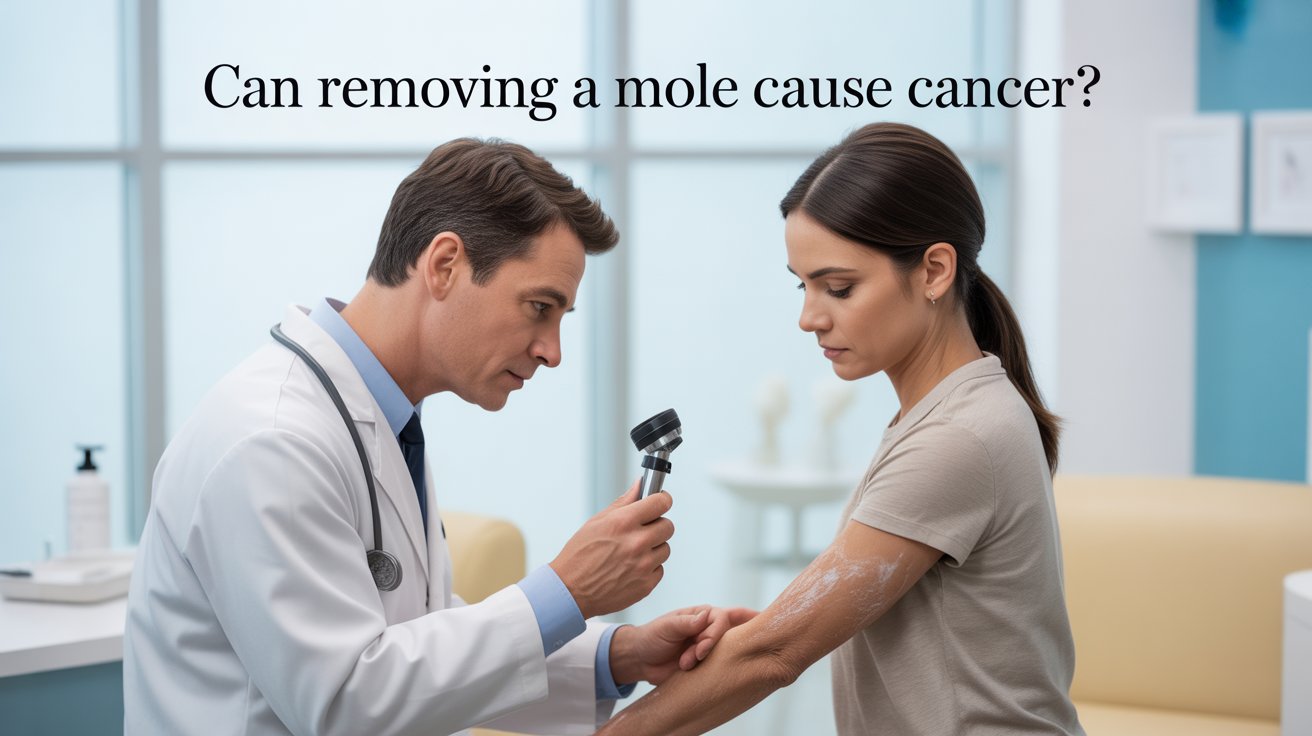
Can Removing a Mole Cause Cancer?

If you have a mole you’ve been thinking about getting removed, you may have heard people say: “Don’t touch it — you’ll spread the cancer.” It’s an understandable concern, and one we hear regularly at The Private GP. But is there any truth to it? Can removing a mole cause cancer — or is this simply a persistent myth that’s putting people off a safe and often necessary procedure?

The short answer is: no, professionally performed mole removal does not cause cancer. In fact, for certain moles, having them assessed and removed promptly is one of the most effective things you can do to protect your long-term skin health. In this article, we’ll explain the science behind that reassurance, clarify the risks that do exist, and help you understand when to seek professional advice.


Understanding Moles: What Are They, Exactly?

Moles — known medically as melanocytic naevi — are small clusters of melanocytes, the pigment-producing cells that give your skin its colour. They appear as flat or raised spots, typically brown or black, and most people have somewhere between 10 and 40 of them. The vast majority are completely benign and will never cause any medical concern.

Occasionally, however, a mole can change in a way that warrants attention. Changes in size, shape, colour, or texture — or a mole that bleeds, itches, or develops an irregular border — can be early indicators of melanoma, a form of skin cancer. This is why professional mole checks are so important, particularly if you notice anything new or different.


So, Can Removing a Mole Actually Cause Cancer?

This is the question at the heart of things, and it deserves a clear answer. Professional mole removal does not cause cancer. Surgically removing healthy tissue — or even a suspicious mole — cannot trigger the genetic mutations that lead to cancer. Cancer requires specific changes within a cell’s DNA; a scalpel simply eliminates the cells entirely.

The confusion often arises from a particular scenario: someone has a mole removed, and later — at the same site or nearby — cancer is diagnosed. In these cases, the cancer was already present before the removal. The procedure didn’t cause it; the biopsy simply revealed it, or incomplete removal meant some abnormal cells remained.

As experts at MD Anderson Cancer Center explain, a mole that looks unusual is sent to a pathologist after removal. If cancer is found, it was there to begin with — the removal process itself is not the cause.


The Real Risks: Where the Concern Comes From

While professional mole removal is safe, there are circumstances where things can go wrong — and it’s important to understand what those are, so you can make an informed decision.

1. Incomplete Removal

If a suspicious mole is only partially removed, some atypical cells may remain. These can regrow and, in a worst-case scenario, may continue to develop abnormally. This is why proper surgical technique — ensuring complete removal with an appropriate margin of surrounding tissue — matters so much. It’s also why tissue is routinely sent to a laboratory for pathological analysis after any minor surgery procedure.

2. DIY Mole Removal

Attempting to remove a mole at home using over-the-counter creams, acids, or cutting instruments is genuinely dangerous. Without a professional examination beforehand, you have no way of knowing whether the mole contains abnormal cells. You could inadvertently mask a melanoma that needs prompt treatment, cause significant scarring or infection, and — crucially — miss a diagnosis entirely, since no tissue is sent for analysis. The Skin Cancer Foundation strongly advises against any form of DIY removal.

3. Misdiagnosis Due to Improper Removal Methods

Certain removal methods, if applied incorrectly, can alter the cellular structure of the tissue. This can make accurate pathological assessment more difficult, potentially complicating diagnosis.


How to Tell If a Mole Needs Attention: The ABCDE Rule

A useful framework for monitoring your own moles is the ABCDE method, widely used by dermatologists and skin specialists to identify potential warning signs:

  • Asymmetry — One half of the mole doesn’t match the other.
  • Border — Edges are irregular, scalloped, or blurred rather than smooth.
  • Colour — Multiple shades of brown, black, red, or blue within the same mole.
  • Diameter — Larger than 6mm across (roughly the size of a pencil eraser).
  • Evolving — Any change in size, shape, colour, or symptoms such as bleeding or itching.

If a mole displays any of these signs, it’s important not to wait. A prompt, professional assessment gives you the clearest picture of whether anything needs to be done — and peace of mind if everything looks fine.


What Professional Mole Removal Actually Involves

The term ‘mole removal’ encompasses a few different techniques, and the most appropriate one will depend on the size, location, and nature of the mole. At The Private GP, our experienced doctors assess each patient individually before recommending a course of action. The main approaches include:

  • Surgical excision — The mole is cut out under local anaesthetic, along with a small margin of surrounding skin. The wound is stitched closed. This method allows the removed tissue to be sent for full pathological analysis — a crucial step when there’s any concern about the mole’s nature.
  • Shave excision — Suited to raised moles, this technique removes the mole flush with the skin’s surface without requiring stitches. Ideal for cosmetic removal of benign moles.
  • Laser removal — Uses light energy to break down pigment within small, superficial moles. Not suitable where biopsy is required.

Our minor surgery service in Birmingham is performed by qualified doctors in a clinical setting, with full aftercare guidance provided. If your mole requires further consultation before any procedure, we also offer a minor surgery and joint injection consultation to walk through your options in detail.


What Happens After Removal? The Importance of Biopsy

Whenever there is any concern about a mole — even a mild one — the removed tissue should be examined by a pathologist. This process, known as a biopsy, looks at the cellular structure under a microscope to determine whether any abnormal or cancerous changes are present.

If the biopsy comes back clear, you can be reassured that the mole was benign. If abnormal cells are detected, your doctor can then advise on next steps — which may mean further treatment or referral. Either way, you’re in a far better position for having acted.

If there is any broader concern about your health, a full health check-up at our Birmingham clinic can give you a comprehensive overview alongside your mole assessment. We also offer private blood tests in Birmingham if further investigation is needed.


When Should You See a Doctor About a Mole?

You don’t need to wait until something looks dramatically wrong. The earlier a concern is identified, the more straightforward any treatment tends to be. We’d recommend booking an assessment if:

  • A mole has changed in size, shape, or colour over a period of weeks or months
  • A mole is bleeding, crusting, or itching without an obvious cause
  • You have a new mole that appears after the age of 40
  • You have a family history of skin cancer or melanoma
  • You’re simply unsure about a mole and would like a professional opinion

You can book a face-to-face consultation with one of our GPs to have a mole assessed. We offer 30-minute face-to-face GP consultations at our Birmingham clinic, with same-week appointments typically available. If getting to the clinic is difficult, we also offer home visit appointments for those who prefer to be seen in the comfort of their own home.


The Bottom Line

Can removing a mole cause cancer? No — when performed by a qualified professional, mole removal is a safe procedure that carries no cancer risk. The greater danger, in most cases, is leaving a suspicious or changing mole unchecked.

We understand that any skin concern can feel worrying, and that the idea of a procedure — however minor — can feel daunting. Our approach at The Private GP is to give you honest, clear information, assess each situation individually, and ensure you feel fully informed and supported throughout.

If you have a mole you’d like assessed, or if you’d simply like some reassurance, don’t hesitate to get in touch. Early attention to any skin change is always worthwhile — and far better than waiting and wondering.

What Blood Tests Take the Longest to Get Results?

If you’re wondering what blood tests take the longest to get results, you’re asking a practical question that helps you plan ahead and manage your expectations. While most routine blood tests return within 72 hours, certain specialised investigations require significantly more time. Understanding which tests take longer—and why—can ease anxiety during the waiting period.

Blood Tests with Extended Turnaround Times

Simply put, the most time-consuming blood tests are those requiring complex laboratory analysis or specialised processing. The following tests typically take considerably longer than standard blood work:

Vitamin D Testing

This test often takes between two to three weeks. Vitamin D measurements require specialised equipment, especially when assessing 25-hydroxyvitamin D levels—the most reliable indicator of vitamin D status. If you’re concerned about bone health or experiencing symptoms like muscle weakness, discuss bone profile testing during your GP consultation/

Coeliac Disease Screening

Coeliac tests—especially endomysial antibodies—typically require around two weeks. They measure specific antibodies that show how your body reacts to gluten. For accurate results, you must be regularly consume gluten before testing.

Hormone Panels

Comprehensive hormone assessments often require seven to fourteen days. These include reproductive hormones, stress hormones and endocrine markers. For faster thyroid insights, a basic TSH test usually returns sooner than full thyroid panels.

Why Certain Tests Take Longer

Test Complexity

Sophisticated tests require several steps and specialised reagents. While a Complete Blood Count is processed quickly, hormone levels or genetic tests take much longer.

Laboratory Capacity

Some laboratories lack the equipment for advanced tests. These samples must be transferred to specialist facilities, creating natural delays.

Demand and Prioritisation

Common tests like a Full Blood Count are completed faster, while lower-demand tests—such as vitamin D—often take longer due to limited processing capacity.

Specialist Review

Some results require consultant pathologist or endocrinologist review before release.

Standard Blood Tests: The Comparison

Most routine blood tests return within three working days. Here’s how typical tests compare:

These fast turnaround times allow quick diagnosis and treatment planning.

Send-Away Tests: The Longest Wait

Some specialised tests are not performed at standard laboratories and require referral to national reference labs.

Rare Genetic Testing

Results may take several weeks—or even months—depending on complexity.

Specialised Autoimmune Panels

Certain rare autoantibody tests take 2–4 weeks.

Toxicology Screening

Comprehensive drug screening or heavy metal analysis may require extended processing times.

If your doctor orders these tests, they will inform you of expected timeframes. For faster alternatives, private blood testing services may offer quicker logistics.

What Happens During the Waiting Period

While your sample is being processed, the following steps occur:

  • Transport: Your sample travels to the testing laboratory.

  • Registration: It is checked, logged, and assigned to the correct workflow.

  • Analysis: Technicians run tests using specialised machines.

  • Quality Control: Results are validated for accuracy.

  • Clinical Review: A clinician checks results before releasing them.

For comprehensive wellbeing checks, a full health assessment allows deeper insights across multiple areas of health.

Managing Your Expectations

When your doctor orders blood tests, they should inform you of the expected turnaround time. Always ask if unsure. This helps you book appropriate follow-up appointments.

For chronic condition monitoring—such as routine ferritin checks or PSA monitoring —follow-up appointments are scheduled based on anticipated processing times.

If you haven’t received your results within the expected timeframe, contact your GP surgery.

Accessing Your Results

Most patients receive blood test results in a few days, and generally within a few weeks. Many can view results through online portals or the NHS App.

For complex tests requiring specialist interpretation, your doctor may prefer discussing results during a consultation. For quicker access, consider booking a telephone consultation or video consultation

When Delays Occur

Delays do not necessarily indicate a problem. Common reasons include:

  • Laboratory maintenance

  • Weekends or bank holidays

  • Samples needing repeat analysis

  • High laboratory workload

  • Additional confirmatory tests

If delays extend beyond expectations, it is reasonable to contact your surgery.

Private Testing Options

Private blood testing services may offer advantages such as:

  • Dedicated laboratory capacity

  • Faster sample handling

  • Reduced transportation times

  • Direct consultant review

While advanced tests still need time for analysis, private pathways often accelerate the overall process.

The Bottom Line

Blood tests that take the longest—such as vitamin D, coeliac screening, hormone panels, and specialist send-away investigations—may require anywhere from two weeks to several months. This reflects analytical complexity, not inefficiency.

Understanding expected turnaround times reduces anxiety and helps you plan follow-up care. If long waits concern you, speak to your healthcare provider about alternative or expedited options.

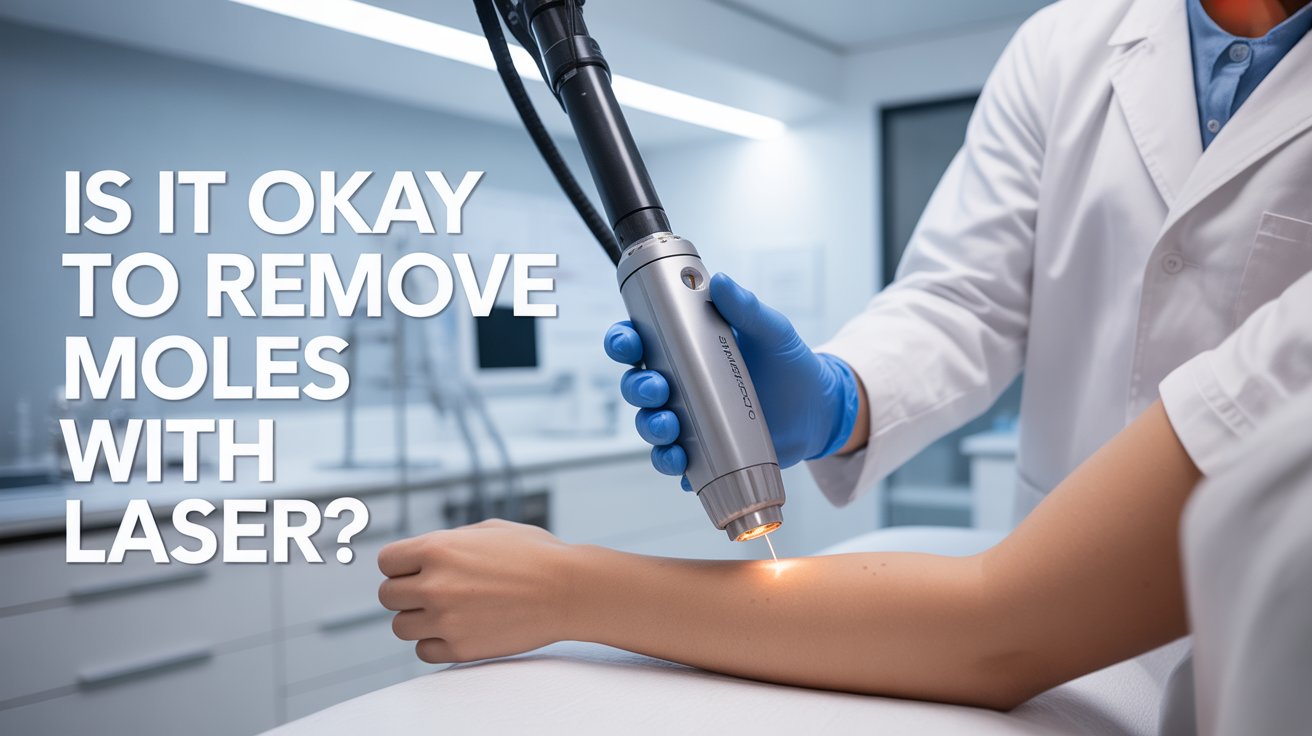
Is It Okay to Remove Moles with Laser?

Laser mole removal has become an increasingly popular option for people who want to get rid of moles without going under the knife. It sounds straightforward — quick, non-invasive, minimal downtime. But is it okay to remove moles with laser? And more importantly, is it always the right choice for you?

The answer, as with most things in medicine, is: it depends. Laser removal can be a safe and effective option — but only for the right type of mole, assessed by the right professional, and carried out in the right clinical setting. In this guide, we’ll walk you through exactly how laser mole removal works, when it’s appropriate, when it isn’t, and what your alternatives are if laser treatment isn’t suitable for your situation.


How Does Laser Mole Removal Work?

Laser mole removal uses high-intensity light energy to target and break down the pigment (melanin) within a mole. The laser is calibrated to a specific wavelength that is absorbed by the pigmented cells, causing them to fragment and gradually fade as the skin heals.

Different laser types are used depending on the mole’s characteristics. Q-switched lasers are often used for flat, superficial moles with surface pigmentation, while Er:YAG and CO₂ lasers can achieve more complete removal in compound or deeper moles. In some cases, a combination approach delivers the best cosmetic outcome.

The procedure itself is relatively quick. The treatment area is cleaned and a local anaesthetic applied to minimise discomfort. The laser is then directed at the mole in precise, controlled pulses. Afterwards, the area may appear slightly red, and a small scab will typically form over the following days before healing.


Is Laser Mole Removal Safe?

When performed by a qualified, experienced clinician using medical-grade equipment, laser mole removal is generally considered safe. Complications such as infection, significant scarring, or burns are uncommon when the procedure is carried out correctly.

That said, there are important caveats. Laser treatment involves concentrated, high-intensity light energy, which means that eye protection for both the patient and the clinician is essential throughout. There is also a risk — however small — of pigmentation changes to the surrounding skin, particularly in individuals with darker skin tones or those who are prone to scarring.

Crucially, the safety of laser mole removal depends heavily on one thing above all else: knowing the mole is benign before any treatment takes place. This is not a step to skip or rush, and we’ll explore why in the next section.


The Most Important Question: Has the Mole Been Properly Assessed?

This is the point that separates a responsible laser mole removal procedure from a potentially dangerous one. Unlike surgical excision, laser treatment does not remove any tissue that can be sent to a laboratory for pathological analysis. There is no biopsy. The mole cells are simply destroyed in place.

This means that if a mole has any atypical or pre-cancerous features that were not identified before treatment, those findings will be lost entirely. A melanoma, for example, could be inadvertently treated with laser — with the result that no diagnosis is ever made, and no appropriate follow-up occurs.

As board-certified dermatologists note, laser treatment is appropriate only when a mole is confirmed to be benign following a thorough clinical assessment, and preferably dermoscopic examination. If there is any uncertainty whatsoever, surgical excision — with full pathological analysis of the removed tissue — is the safer and more appropriate course of action.

At The Private GP, our doctors assess each mole carefully before recommending any removal method. If you’d like to understand your options in more detail, you can book a minor surgery and joint injection consultation to discuss your individual case.


When Is Laser Mole Removal a Good Option?

Laser removal is best suited to a specific set of circumstances. It is generally most appropriate when:

  • The mole is flat and superficial — laser light penetrates effectively into surface pigmentation but struggles to reach the deeper layers of raised or thick moles.
  • The mole is small — larger moles may not be fully addressed in a single session, increasing the chance of incomplete removal.
  • The mole is in a cosmetically sensitive area — laser is often preferred on the face, neck, or ears, where minimising scarring is a priority.
  • The mole has been confirmed as benign — this is non-negotiable. Without a prior assessment ruling out anything suspicious, laser treatment is not appropriate.
  • Removal is for cosmetic reasons — if the goal is simply to improve the appearance of a mole rather than to address a medical concern, laser is a reasonable consideration.

If multiple benign moles are present and you’d like to have more than one addressed, laser can also treat several moles in a single session — which can be a practical advantage over separate surgical procedures.


When Is Laser Mole Removal Not Appropriate?

There are situations where laser is simply not the right tool for the job, and where choosing it over a surgical approach could carry real risk. Laser mole removal is not recommended when:

  • The mole is changing, bleeding, itching, or has irregular borders — any of these signs warrant a full assessment and, if removal is indicated, surgical excision with biopsy.
  • The mole is raised or deeply pigmented — laser cannot reliably penetrate the full depth of the mole, increasing the risk of incomplete removal and regrowth.
  • There is a personal or family history of melanoma or skin cancer — a higher level of vigilance and formal pathological assessment is appropriate.
  • You have not had the mole professionally assessed beforehand — without prior evaluation, proceeding with any laser treatment is inadvisable.

It is also worth noting that because laser removes cells without providing a sample for analysis, a mole that was not fully treated can potentially regrow. In rare cases, a benign mole that regrows after incomplete removal can display features that resemble more concerning lesions under examination — another reason why complete, clinically supervised removal matters.


Laser vs. Surgical Mole Removal: Which Is Better?

This is one of the most common questions we encounter, and the truthful answer is that neither method is universally ‘better’ — they serve different purposes.

Laser Removal

  • Non-invasive, no stitches required
  • Minimal scarring, particularly on the face
  • Quick procedure with short recovery time
  • Best for small, flat, confirmed-benign moles
  • Does not provide tissue for biopsy
  • Higher risk of incomplete removal for deeper moles

Surgical Excision

  • Removes the mole entirely, including deeper layers
  • Tissue sent for pathological analysis — essential for any suspicious mole
  • Considered the gold standard for any mole with concerning features
  • Suitable for raised, larger, or potentially atypical moles
  • Requires local anaesthetic and may involve stitches
  • Slightly longer recovery, but reliable and complete

Our minor surgery service in Birmingham covers surgical mole removal carried out by experienced GPs in a fully clinical setting. All removed tissue is processed appropriately, giving you both peace of mind and a definitive result.


What About DIY Laser Devices?

A word of caution here. There is a growing market for at-home laser and mole removal devices, and we would strongly advise against using any of them. Without a prior professional assessment, you have no way of knowing whether a mole is safe to treat. At-home devices lack the precision and calibration of medical-grade equipment, and there is a documented risk that treating a mole at home can alter its cellular appearance — making subsequent professional assessment more difficult and potentially delaying an important diagnosis.

If you are considering mole removal for any reason, the starting point should always be a clinical consultation, not a home kit.


What Should You Do If You’re Concerned About a Mole?

The first step is always assessment — not treatment. Before any decisions are made about removal method, a qualified clinician needs to examine the mole carefully, considering its size, colour, shape, depth, and whether it has changed over time.

At The Private GP, we offer mole removal in Birmingham with a thorough assessment built into the process. We will advise you honestly on whether laser, surgical excision, or simply monitoring the mole is the most appropriate course of action for your individual situation.

If you would also like a broader review of your general health alongside your mole assessment, our full health check-up service offers a comprehensive overview from one of our experienced GPs.


The Bottom Line

So, is it okay to remove moles with laser? Yes — but with important conditions. Laser mole removal is a safe and effective option when it is used for the right type of mole, confirmed as benign by a qualified clinician, and performed using proper medical-grade equipment by an experienced professional.

It is not a shortcut to be taken lightly, and it is not appropriate for moles that are changing, suspicious, raised, or have not been properly assessed. In those situations, surgical removal with a biopsy remains the gold standard — and the approach that gives you the clearest, most reliable outcome.

If you have a mole you’d like assessed or removed, we’d encourage you not to wait. Early assessment is always straightforward, and it ensures that whatever approach is taken is the right one for you. Get in touch with The Private GP to arrange your consultation.

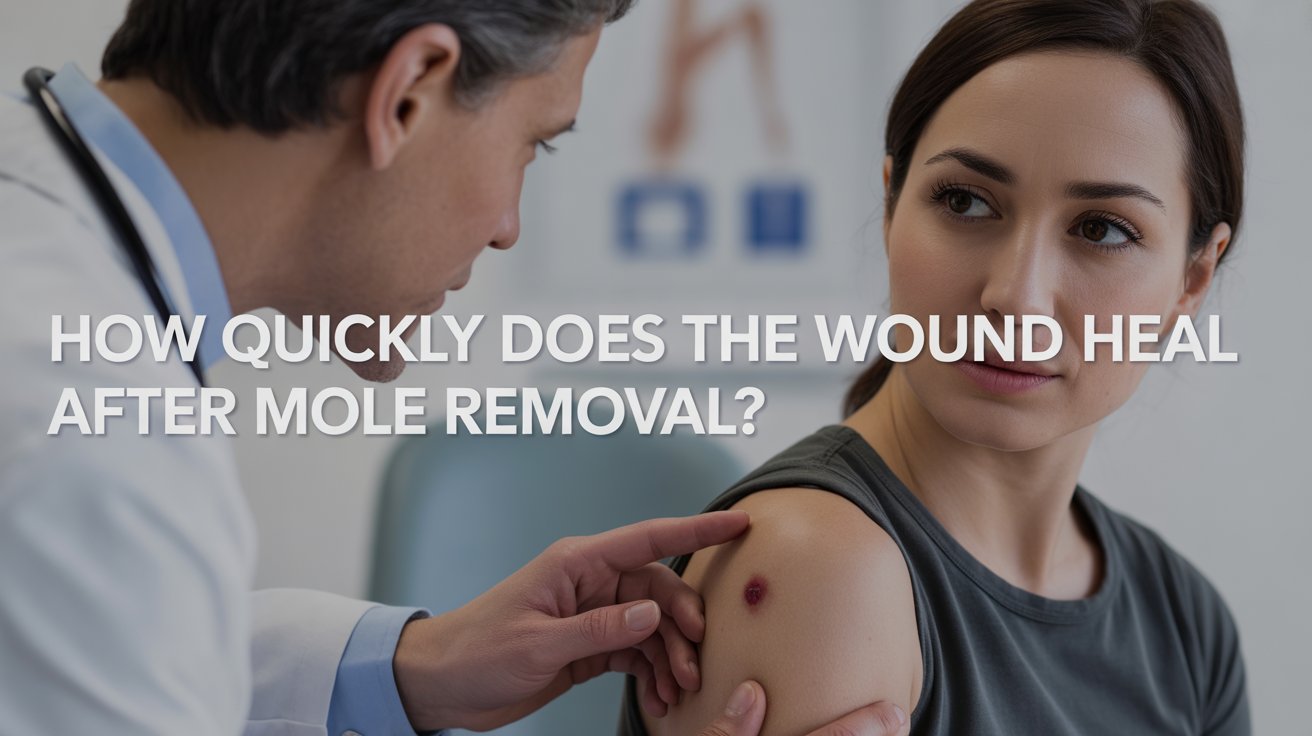
How Quickly Does the Wound Heal After Mole Removal?

Having a mole removed is a relatively minor procedure, but it is still a procedure, and it is completely natural to wonder what happens to your skin afterwards. How long will it take to heal? What is normal to expect, and what should prompt you to contact your doctor? Will there be a scar?

The good news is that mole removal healing is straightforward for the vast majority of people. Understanding what happens at each stage, and knowing how to care for your wound properly, makes a significant difference both to how quickly you recover and to the final appearance of the skin. This guide walks you through the full healing journey, from the first few hours after your procedure right through to the months beyond.


The Three Stages of Wound Healing

Whether your mole was removed by surgical excision, shave excision, or another method, your body follows the same biological process to repair the skin. There are three overlapping stages, each playing a distinct role in your recovery.

Stage 1: The Inflammatory Phase (Days 1 to 5)

This phase begins within hours of the procedure. The area around the wound will appear red, feel slightly warm, and may be a little swollen or tender. You may also notice some minor oozing in the very first hours, which is entirely normal. This is your immune system sending resources to the wound site to clean it and prepare it for repair.

The redness and swelling should ease noticeably within the first five days. Keeping the area clean, dry, and protected with a sterile dressing during this time helps everything progress as it should.

Stage 2: The Proliferative Phase (Days 1 to 14)

This stage overlaps with the inflammatory phase and is when the body begins actively rebuilding. Your skin produces new collagen and tissue to close the wound, and a scab will form over the surface. The scab is not a problem; it is a natural protective layer that shields the new skin forming beneath it.

Resist the urge to pick at the scab. Removing it before it is ready can delay healing, increase the risk of infection, and make scarring more likely. Allow it to separate in its own time.

Stage 3: The Maturation Phase (Weeks 4 to 52)

Once the surface has healed, your skin enters its longest phase: remodelling. The body continues to strengthen and refine the new tissue, and any scar that has formed will gradually change in appearance. A scar that looks quite pink or raised at first will typically soften, flatten, and fade considerably over the course of six to twelve months.

It is worth knowing that a scar is not ‘finished’ just because the surface looks healed. The deeper layers of skin continue to remodel for up to a year after the procedure.


Healing Timelines by Removal Method

How quickly your wound heals depends in large part on the technique used to remove your mole. Here is what you can generally expect from the most common methods.

Surgical Excision

Surgical excision involves cutting the mole out entirely under local anaesthetic and closing the wound with stitches. It is the most thorough removal method, and is typically used where a mole requires pathological analysis, or where it is raised, large, or has any features that warrant closer examination.

Because the wound is deeper and involves stitches, healing takes a little longer. The surface wound usually heals within two to four weeks. Stitches are removed after seven to fourteen days, depending on where the mole was located. Scar remodelling then continues for up to a year. Areas under regular movement or tension, such as the back or shoulders, tend to take longer than areas like the face, where blood supply is excellent.

Shave Excision

Shave excision removes a raised mole at skin level without the need for stitches. Healing occurs from the surface downwards, and most people find the area looks intact within one to two weeks. A shallow scab forms within the first day and gradually separates over the following ten to fourteen days. There may be a slightly pink or indented area once the scab has gone, which evens out over subsequent months.

Laser Removal

For small, flat, confirmed benign moles treated with laser, the surface healing is typically the fastest. Most patients see the skin looking intact within one to two weeks. There is often a period of mild redness or pigmentation change in the weeks that follow, which settles gradually. Because no tissue is removed for analysis with laser treatment, it is only appropriate for moles that have already been thoroughly assessed by a clinician.

Cryotherapy

If liquid nitrogen is used to freeze a mole, a blister may form over the first few days. This can look dramatic but is entirely normal. The area typically heals within two to four weeks, though temporary discolouration of the skin in that area can persist for some time afterwards.


What Affects How Quickly You Heal?

Healing is not the same for everyone, and several factors can influence how quickly your wound recovers. Being aware of these helps you understand your own experience and set realistic expectations.

  • Size and depth of the mole. Larger or deeper moles require more tissue to regenerate, so healing naturally takes longer.
  • Location on the body. Facial wounds tend to heal faster due to greater blood supply. Areas subject to stretching or friction, such as the back, shoulders, or joints, often take longer.
  • Age and general health. Younger patients and those in good general health typically heal more efficiently. Conditions such as diabetes, or medications that affect immune function or clotting, can slow the process.
  • How well you follow wound care guidance has a direct impact on both healing speed and the final appearance of the scar. Keeping the area clean, protected, and out of the sun makes a genuine difference.
  • Smoking and alcohol. Both can impair the healing process. Avoiding them in the weeks following your procedure, or reducing intake significantly, supports better recovery.


Aftercare: How to Support Your Skin’s Recovery

Good aftercare is one of the most important things you can do after mole removal. The guidance below reflects standard best practice, though your doctor will provide advice specific to your procedure and the site of your wound.

  • Keep the wound clean and dry. Gently clean the area with mild soap and water as instructed, and keep a sterile dressing in place for the first few days.
  • Avoid soaking the area. Do not swim or soak in a bath until the wound has properly closed and, if stitches were used, until they have been removed.
  • Do not pick at the scab. Allow it to separate naturally. Interfering with it delays healing and increases the risk of scarring.
  • Protect the area from sunlight. New skin is particularly vulnerable to UV damage, which can darken a scar significantly. Keep the area covered or apply a broad-spectrum SPF 30 or higher sunscreen once the skin has closed.
  • Eat well and stay hydrated. A balanced diet rich in vitamins C and A, protein, and zinc supports the body’s repair processes.
  • Avoid strenuous exercise initially. Activities that stretch or put pressure on the wound site should be avoided for the first few days, or until your doctor advises it is safe to resume.


Signs of Normal Healing Versus Signs of Concern

It is helpful to know what normal healing looks like so that you can feel reassured throughout the process, and equally important to recognise the signs that warrant medical attention.

What Is Normal

  • Mild redness, tenderness, and swelling in the first few days
  • A scab forming over the wound within one to two days
  • The scab darkening and gradually separating over one to three weeks
  • New skin appearing slightly pink or lighter than the surrounding area
  • Mild itching as the skin heals
  • A visible scar that is pink or raised initially, fading over months

When to Contact Your Doctor

  • Increasing redness, swelling, or warmth around the wound after the first few days
  • Pus or cloudy discharge from the wound
  • Bleeding that does not settle with gentle, clean pressure after twenty minutes
  • A high temperature or feeling generally unwell
  • The wound edges separating or opening up
  • Pain that worsens rather than gradually improves

If you are ever unsure about how your wound is healing, it is always better to seek advice promptly rather than wait. At The Private GP, you can book a face-to-face GP consultation to have the site reviewed, or if getting to the clinic is difficult, we offer home visit appointments for patients who prefer to be seen at home.


What About Scarring?

It is honest to say that most mole removal procedures leave some trace on the skin, particularly surgical excision. However, the appearance of that trace changes considerably with time. A scar that looks quite noticeable at four weeks will, in most cases, be significantly less visible by six months, and by the one-year mark will often be difficult to spot at all.

A few things that can help with scar appearance over time include silicone gel or silicone sheets applied to the healed wound, gentle massage of the scar tissue once the skin has fully closed, and consistent sun protection throughout the first year. Your doctor can advise on what is appropriate for your specific situation.

In rarer cases, some individuals develop hypertrophic or keloid scars, where the body produces excess collagen in the healing process. These can be treated effectively with options including corticosteroid injections, laser treatments, or other interventions if needed. If you have a known tendency to scar in this way, it is worth mentioning it before your procedure so that your doctor can take this into account.


Planning Ahead: What to Think About Before Your Procedure

If you are considering mole removal and want to plan your recovery thoughtfully, a few practical steps can help. Think about the timing of your procedure relative to any holidays or events where you would be spending extended time in sunlight. Consider whether the location of your mole might affect day-to-day activities during recovery, such as wearing certain clothing or exercising.

Most importantly, make sure you have had a proper assessment before any removal method is decided upon. Our minor surgery consultation service gives you the opportunity to discuss your individual circumstances, ask questions about the procedure and recovery, and have any concerns addressed before you commit to anything.

Our minor surgery service in Birmingham is carried out by experienced GPs in a fully clinical setting, with detailed aftercare guidance provided as standard. Removed tissue is processed appropriately, giving you confidence that the right approach has been taken from the outset.


The Bottom Line

For most people, the surface wound after mole removal heals within two to four weeks. The deeper biological process of scar remodelling continues for up to a year, with the scar improving in appearance throughout that time.

The method of removal, the size and depth of the mole, where it was located, and how well you follow aftercare guidance all play a part in how quickly and cleanly you heal. The vast majority of patients find the recovery straightforward, with minimal disruption to daily life.

If you have a mole you would like assessed or removed, or if you would simply like to know more about what the process involves, we would encourage you to get in touch. Our team at The Private GP is here to give you clear, honest guidance from the very first appointment. You can also explore our mole removal service in Birmingham or book a full health check-up if you would like a broader review of your health at the same time.


References

Spot Check Clinic – How Long Does Mole Removal Take to Heal?

City Dermatology Clinic – Mole Removal Healing Stages

skin Clinics – Mole Removal Aftercare Guide

Linia Skin Clinic – Mole Removal Healing Timeline

Headaches Every Day? Common Causes and GP Advice

A headache now and then is something most of us accept as part of life. But a headache every single day is a different matter altogether. It is exhausting, it affects your concentration, your mood, and your ability to function, and yet many people carry on for months or even years without seeking help, either assuming it is normal or worrying that looking into it will lead somewhere they do not want to go.

The truth is that daily headaches are rarely a sign of something sinister, but they are always a sign that something needs addressing. Understanding what is causing your headaches is the essential first step towards managing them effectively, and this guide is designed to help you do exactly that.


What Is a Chronic Daily Headache?

Medically, a headache is considered chronic when it occurs on 15 or more days per month for a period of more than three months. If you are waking up with a headache most mornings, or finding that a headache develops reliably during the day, you are very likely in this category.

Chronic daily headache is not a single diagnosis. It is an umbrella term that covers several distinct headache types, each with its own characteristics, causes, and treatment approach. Identifying which type you have is an important part of getting the right help, and is something a GP can assist with, often without the need for complex investigations.

According to NHS and specialist headache guidance, the most common causes of chronic daily headache in adults are tension-type headache, chronic migraine, and medication overuse headache, sometimes two of these at once. Less commonly, daily headaches have secondary causes, meaning they are a symptom of another underlying condition.


Common Causes of Daily Headaches

1. Tension-Type Headache

Tension-type headache is by far the most common headache type, affecting up to four in five people at some point in their lives. When it occurs on a near-daily basis, it is described as chronic tension-type headache.

The pain is typically described as a steady, pressing, or tightening sensation, often compared to a tight band around the head. It is usually bilateral, meaning it affects both sides of the head, and is generally mild to moderate in intensity. Unlike migraine, it does not typically cause nausea, vomiting, or sensitivity to light and sound, though mild sensitivity can occasionally be present.

Common contributing factors include sustained muscle tension in the neck, shoulders, and scalp, often driven by prolonged time at a desk or screen, poor posture, stress, anxiety, fatigue, and disrupted sleep. Dehydration is also a frequently overlooked trigger.

2. Chronic Migraine

Migraine is more than a bad headache. It is a neurological condition characterised by moderate to severe throbbing or pulsating pain, typically on one side of the head, and often accompanied by nausea, vomiting, and sensitivity to light and sound. Some people also experience an aura before the headache begins, which may include visual disturbances, tingling, or temporary speech difficulty.

Chronic migraine is defined as migraine occurring on 15 or more days per month, with at least eight of those days meeting the criteria for a migraine attack. It is significantly more common in women than in men, with a ratio of approximately five to one. Known triggers include hormonal fluctuations, disrupted sleep patterns, certain foods, alcohol, stress, and changes in routine or environment.

It is worth noting, as NHS clinical guidelines confirm, that up to one in five people in the UK experience migraines, making it one of the most common neurological conditions in the country. It is also significantly underdiagnosed and undertreated.

3. Medication Overuse Headache

This is one of the most important and most frequently overlooked causes of daily headaches, and it can come as a genuine surprise to those affected by it. Medication overuse headache, sometimes called rebound headache, occurs when pain-relief medications are taken too frequently.

The NHS advises that taking painkillers on more than ten days per month can itself trigger chronic daily headache. This applies to paracetamol, ibuprofen, aspirin, triptans, and combination analgesics. The pattern is self-reinforcing: the headache returns as the medication wears off, prompting another dose, which perpetuates the cycle.

If you are taking over-the-counter pain relief regularly for your headaches, medication overuse may be contributing to their frequency, even if those medications were originally helping. A GP can help you break this cycle safely and effectively.

4. Cervicogenic Headache

Cervicogenic headache originates from the neck rather than the head itself. Problems with the cervical spine, including muscle tightness, joint dysfunction, or disc issues in the upper neck, can refer pain into the head, typically at the base of the skull, radiating forward towards the forehead or eye.

These headaches are often worsened by sustained neck positions, such as looking at a screen for extended periods, or by certain movements of the neck. They are particularly common in people who work at desks, drive for long periods, or have a history of neck injury.

5. Hypertension-Related Headache

Significantly raised blood pressure can cause headaches, typically felt at the back of the head and most prominent in the morning. It is important to understand that most people with hypertension do not experience headaches, and most headaches are not caused by blood pressure. However, if your blood pressure has not been checked recently, it is worth having it assessed as part of a thorough evaluation of your symptoms.

6. Sleep Disorders

Poor sleep and headache have a well-established bidirectional relationship. Disrupted, insufficient, or poor-quality sleep is one of the most consistent triggers for both tension-type headache and migraine. Conditions such as obstructive sleep apnoea, in which breathing repeatedly stops and starts during sleep, are associated with morning headaches that tend to improve as the day progresses. If you consistently wake with a headache, sleep quality is worth exploring as part of your assessment.

7. Anxiety and Stress

Psychological stress and anxiety are among the most common and most powerful drivers of chronic headache. The connection is both physiological, through muscle tension, hormonal changes, and nervous system activation, and behavioural, in that stress often disrupts sleep, exercise, and eating patterns, all of which are headache triggers in their own right.

Addressing stress and anxiety as part of a headache management plan is not merely a lifestyle suggestion. It is a clinically recognised and evidence-based approach, particularly for tension-type and chronic migraine.

8. Hormonal Changes

Many women find that their headaches are closely linked to their menstrual cycle. Oestrogen fluctuations around menstruation, ovulation, and the perimenopausal transition are known migraine triggers. This is sometimes referred to as menstrual migraine. Contraceptive medication and hormone replacement therapy can also influence headache frequency and severity, in either direction depending on the individual.

9. New Daily Persistent Headache (NDPH)

NDPH is a less common but distinctive headache type in which a headache begins suddenly and becomes continuous from that point forward, often with no obvious prior headache history. It is notable in that the person experiencing it can frequently recall the exact date and sometimes even the hour the headache began. NDPH can resemble chronic tension-type headache or chronic migraine in its features and is treated in a similar way, though it can be particularly difficult to manage.


When Should You See a GP About Daily Headaches?

If you are experiencing headaches on most days, or if your headaches are affecting your daily life, your work, or your sleep, it is worth speaking to a GP. You should not feel that frequent headaches are simply something to live with, or that seeking help will be seen as an overreaction.

Specifically, we would encourage you to book an appointment if any of the following apply:

  • Your headaches are occurring more than a few days a week and have been doing so for more than four weeks
  • You are taking over-the-counter painkillers more than ten days per month to manage headaches
  • Your headaches are waking you from sleep
  • The character, location, or severity of your headaches has changed
  • Your headaches are associated with neck stiffness, vision changes, dizziness, or neurological symptoms such as weakness or speech difficulty
  • You have a new persistent headache that started suddenly and has not resolved
  • Your headaches are affecting your ability to work, care for others, or carry out your usual activities
  • You have not had your blood pressure checked recently

At The Private GP, you can book a face-to-face GP consultation in Birmingham with same-day or next-day appointments typically available. If getting to the clinic is difficult, our home visit service brings a qualified general practitioner directly to you.


What Will a GP Do?

Your GP will begin with a thorough history of your headaches, asking about their frequency, duration, location, character, severity, and any associated symptoms. They will ask about potential triggers, your sleep patterns, stress levels, medication use, and any relevant medical history.

A general physical examination will follow, including assessment of blood pressure, neurological observations, and examination of the neck and shoulders where relevant. Based on this assessment, your GP will be able to provide a working diagnosis in the majority of cases without the need for imaging or specialist referral.

Where appropriate, they may arrange additional investigations, including:

  • Blood tests to check for thyroid dysfunction, anaemia, infection, or inflammatory markers. Our private blood test service in Birmingham can be arranged quickly with results available promptly.
  • Blood pressure monitoring to assess whether hypertension may be contributing to your symptoms.
  • ECG if there is any suggestion that cardiovascular factors are relevant. Our ECG and heart health check-up provides a prompt cardiac assessment.
  • Imaging in cases where the headache pattern or examination findings suggest a secondary cause that requires further investigation, your GP can arrange an appropriate referral. As part of a broader health assessment, our full health check-up service includes a comprehensive clinical review alongside relevant investigations.

Your GP will also advise on a headache diary, which the NHS and specialist guidelines consistently recommend as one of the most useful tools for identifying patterns, triggers, and treatment response. A diary kept for at least four weeks before a follow-up appointment gives your doctor significantly more to work with.


What Treatments Are Available?

Treatment depends entirely on the type of headache identified, and this is precisely why an accurate diagnosis matters. Broadly, the approaches fall into three categories.

Lifestyle and Self-Management

For many people with tension-type or migraine headache, addressing lifestyle factors makes a meaningful and sometimes transformative difference. NHS and specialist guidance consistently highlights the following as important: regular sleep with consistent times for going to bed and waking, staying well hydrated throughout the day, eating regular meals without skipping, taking regular physical activity of any kind, limiting alcohol and caffeine, and managing stress through whatever approach works for the individual, whether that is exercise, mindfulness, talking therapy, or other means.

The SEEDS mnemonic, used widely in NHS headache guidelines, summarises the key lifestyle principles: Sleep, Exercise, Eat, Diary, and Stress management. These are not simply general wellbeing advice. They are clinically recognised components of headache management that can reduce frequency and severity substantially.

Acute Treatment

Acute treatments are taken at the onset of a headache to relieve it. For tension-type headache, simple analgesics such as paracetamol or ibuprofen are typically first-line. For migraine, triptans are often more effective, either alone or combined with an anti-emetic where nausea is present. Crucially, as noted earlier, acute treatments should not be used on more than ten days per month to avoid medication overuse headache.

Preventive Treatment

Where headaches are frequent, severe, or not adequately controlled by acute treatments alone, preventive medication may be appropriate. Options include beta-blockers such as propranolol, low-dose amitriptyline, topiramate, and, for those with chronic migraine who have not responded to other treatments, CGRP-targeting therapies. Preventive treatment requires consistency and patience, as effects typically take six to eight weeks to become apparent. Your GP can discuss which options are most appropriate for your individual situation.


The Bottom Line

Headaches every day are not something you should simply accept. They are a signal that something needs attention, and in the vast majority of cases, they are very much treatable once the underlying cause has been properly identified.

The most common culprits are tension-type headache, chronic migraine, and medication overuse headache, often with lifestyle factors and stress playing a significant role. A GP consultation gives you the opportunity to explore your symptoms properly, identify what is driving your headaches, and build a management plan that is genuinely tailored to you.

If daily headaches are affecting your quality of life, please do not put off seeking help. Our team at The Private GP is here to listen carefully, assess your symptoms thoroughly, and work with you to find the right approach. We offer prompt appointments and a relaxed, unhurried environment where you have the time to discuss everything that matters.


References

NHS Inform (Scotland) – Headaches: Types, Causes and Treatments

NHS Cheshire and Merseyside – Headache Self-Care Guidance

Derbyshire Medicines Management – Adult Headache Primary Care Pathway

BNSSG ICB – Advice and Guidance for Managing Chronic Headaches

The Migraine Trust – Medication Overuse Headache

Blood in Your Cough? Causes and When to See a GP Immediately

Noticing blood when you cough is an experience that can stop you in your tracks. Whether it is a faint pink tinge to your phlegm or something more visible, it is a symptom that understandably causes concern, and rightly so. Coughing up blood, known medically as haemoptysis, is a sign that should always be taken seriously and assessed by a doctor, regardless of how small the amount appears to be.

That said, the range of possible causes is wide, and many of them are entirely treatable. The purpose of this guide is not to alarm you, but to help you understand what might be happening, recognise the signs that require immediate emergency care, and feel confident about when and how to seek the right help.


What Does It Mean to Cough Up Blood?

Haemoptysis refers specifically to blood that originates from the lungs or airways and is brought up by coughing. It can appear in several ways, and the appearance can offer some initial clues about the source and severity.

  • Blood-streaked phlegm is the most common presentation, where small amounts of blood are mixed through mucus or sputum. This is often associated with respiratory tract infections or prolonged forceful coughing.
  • Bright red blood suggests the bleeding is fresh and coming from the airways or lungs. This warrants prompt assessment.
  • Pink, frothy sputum can indicate fluid in the lungs, which is associated with heart conditions such as heart failure, and requires urgent medical attention.
  • Dark blood resembling coffee grounds, particularly if accompanied by nausea, is more likely to originate from the digestive system rather than the lungs. This is known as haematemesis and is a separate medical emergency requiring immediate care.

Distinguishing true haemoptysis from blood originating in the nose, mouth, or stomach is an important part of the clinical assessment your doctor will carry out. Do not attempt to diagnose the source yourself.


Common Causes of Blood in Your Cough

The causes of haemoptysis range from mild and self-limiting to serious conditions that require urgent investigation. Below are the most frequently identified causes, beginning with the most common.

Respiratory Tract Infections

Acute bronchitis and pneumonia are among the most common causes of blood-streaked sputum. Infection causes inflammation of the airways and lung tissue, which can injure small blood vessels and lead to minor bleeding. Typically, the haemoptysis resolves as the infection clears, and it is usually accompanied by other symptoms such as fever, a productive cough, and general fatigue.

Prolonged or Forceful Coughing

Persistent heavy coughing can rupture small blood vessels in the airways, producing streaks of blood in the phlegm. This is similar in nature to a nosebleed and is usually self-limiting. However, even in this scenario, it is worth seeking a medical opinion to rule out other causes.

Bronchiectasis

Bronchiectasis is a chronic condition in which the airways become permanently widened and scarred, leading to a build-up of mucus and recurrent infections. It is one of the more common causes of recurrent haemoptysis in the UK, and typically presents alongside a persistent productive cough and breathlessness.

Pulmonary Embolism

A pulmonary embolism is a blood clot in the lungs and represents a medical emergency. Coughing up blood in this context is usually accompanied by sudden-onset shortness of breath, sharp chest pain, and a rapid heartbeat.

Tuberculosis

Although relatively uncommon in the UK compared to other parts of the world, tuberculosis (TB) remains a cause of haemoptysis, particularly in individuals who have spent time in high-prevalence regions. Associated symptoms include a persistent cough lasting more than three weeks, night sweats, unexplained weight loss, and fever.

Lung Cancer

Coughing up blood can be one of the earliest signs of lung cancer, sometimes appearing before other symptoms develop. It is more likely to be relevant in individuals over the age of 40, particularly those who smoke or have smoked in the past. It is important to emphasise that coughing up blood does not mean you have lung cancer, but it does mean this possibility needs to be ruled out promptly by a doctor.

Heart Conditions

Conditions such as heart failure can cause fluid to accumulate in the lungs, which may present as frothy, blood-tinged sputum. If you have a known heart condition and notice this type of blood in your cough, seek urgent medical attention.

Medications

Blood-thinning medications such as warfarin and direct oral anticoagulants (DOACs) increase the risk of bleeding, including from the airways. If you take anticoagulants and cough up blood, contact your GP or anticoagulant clinic promptly, even if the amount seems small.

Idiopathic Haemoptysis

In 15 to 20 per cent of cases, no clear cause is ever identified despite thorough investigation. This is known as idiopathic haemoptysis. Importantly, this diagnosis can only be made after other causes, including serious ones, have been ruled out by a doctor. Never assume a cause without a proper assessment.


When to See a GP Urgently

If you are not in an immediately life-threatening situation but have coughed up blood, you should still see a GP as soon as possible, ideally on the same day or the following day at the latest. The NHS advises that any instance of coughing up blood warrants prompt medical assessment, regardless of the amount.

Do not wait to see whether it resolves on its own. Even a single episode of blood-streaked sputum, without any other symptoms, needs to be properly evaluated so that serious causes can be ruled out. The earlier a potential problem is identified, the more straightforward treatment tends to be.

At The Private GP, same-day and next-day appointments are typically available. You can book a face-to-face GP consultation in Birmingham to have your symptoms assessed promptly and thoroughly. If you are unwell and find it difficult to travel to the clinic, our home visit service brings a qualified GP directly to you.


What Will a GP Do?

Your GP will begin by taking a careful history, asking about the nature of the blood, how much there was, how long it has been happening, and whether you have any other symptoms. They will ask about your medical background, any medications you are taking, your smoking history, and any recent travel.

A physical examination will follow, including listening to your chest, checking your heart rate and blood pressure, and assessing your oxygen levels where appropriate.

Depending on what the assessment reveals, your GP may arrange one or more of the following investigations:

  • Blood tests to assess for infection, anaemia, clotting function, and other relevant markers. Our private blood test service in Birmingham can be arranged quickly, with results available promptly.
  • Chest X-ray or CT scan to examine the lungs and airways for abnormalities. If imaging is needed, we can arrange a private MRI or CT referral without delay.
  • ECG (electrocardiogram) if a heart-related cause is suspected. Our ECG and heart health check-up service provides a prompt and thorough cardiac assessment.
  • Sputum culture to test for bacterial infection, including TB, where relevant.
  • Specialist referral if findings indicate that a respiratory physician, cardiologist, or other specialist needs to be involved in your care.

For patients who would like a broader review of their overall health alongside an assessment of their respiratory symptoms, our full health check-up service offers a comprehensive clinical overview in a single appointment.


Factors That Increase the Likelihood of a Serious Cause

Whilst any episode of coughing up blood warrants medical attention, certain factors are associated with a higher likelihood of a serious underlying cause. These include:

  • Being over the age of 40, particularly combined with a smoking history
  • Unexplained weight loss, persistent fatigue, or loss of appetite alongside the haemoptysis
  • A change in your usual cough, or a new persistent cough lasting more than three weeks
  • Recurring episodes of haemoptysis rather than a single isolated event
  • A personal or family history of lung disease, heart disease, or cancer
  • Night sweats, prolonged fever, or recent travel to a region where TB is prevalent
  • Taking anticoagulant medications

None of these factors confirms a serious diagnosis, but they do mean that prompt and thorough assessment is particularly important. Please do not put off seeking help if any of these apply to you.


What About Blood in a Cough With No Other Symptoms?

It is not uncommon for people to cough up a small amount of blood without feeling unwell in any other way. There is sometimes a temptation to wait and see whether it happens again before seeking advice. We would encourage you not to take this approach.

As the NHS and UK clinical guidelines consistently advise, any instance of coughing up blood should be assessed by a doctor, even when the amount is minimal and no other symptoms are present. The absence of other symptoms does not rule out a serious cause, and an early assessment is always simpler and safer than a delayed one.


The Bottom Line

Blood in your cough is a symptom that deserves prompt medical attention in every case. The causes range from minor and self-resolving to serious conditions that require urgent investigation and treatment. The only way to determine which applies to you is through a proper clinical assessment.

If you are coughing up large amounts of blood or have accompanying symptoms such as chest pain, breathlessness, or a rapid heartbeat, call 999 without delay. For all other presentations, see a GP as soon as possible, ideally on the same day.

At The Private GP, we offer prompt, thorough assessments for patients with urgent health concerns. Same-day appointments are typically available, and our team can arrange any necessary investigations, including blood tests, ECG, or imaging referrals, without delay. Please do not wait for symptoms to worsen before seeking help. We are here to assist you.


References

NHS – Coughing Up Blood

Patient.info – Coughing Up Blood (Haemoptysis)

NIdirect (NHS-adapted) – Coughing Up Blood: Blood in Phlegm

Spire Healthcare – Coughing Up Blood: Symptoms, Causes and Treatments

Patient.info (Professional) – Haemoptysis: Clinical Assessment