


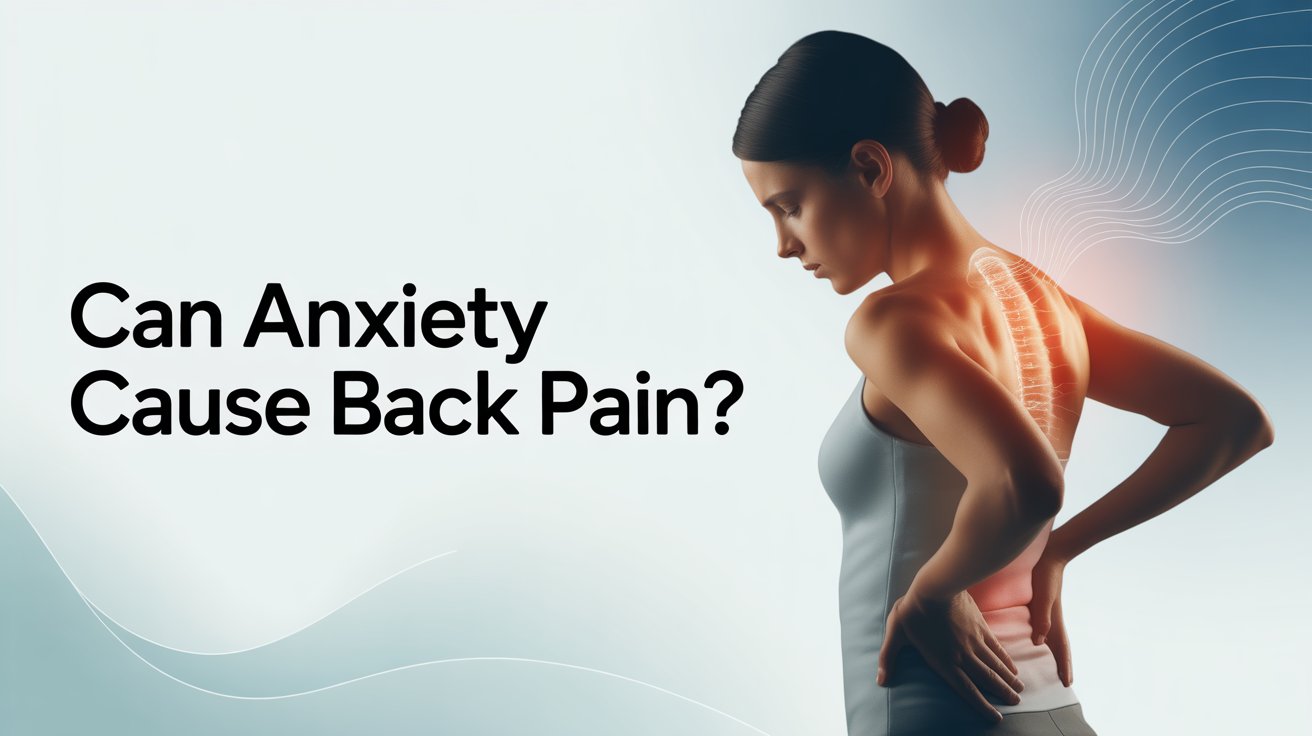
If you’re wondering whether anxiety can cause back pain, the answer is a definitive yes. Anxiety and stress are surprisingly common culprits behind back discomfort, affecting millions of people who may not realise their emotional state is contributing to their physical symptoms. Understanding this mind-body connection helps you address both the psychological and physical aspects of pain, breaking a cycle that can otherwise persist for years.
How Anxiety Triggers Back Pain
Simply put, when you experience anxiety, your body activates its “fight-or-flight” response—a primitive survival mechanism designed to prepare you for immediate danger. During this stress response, your brain floods your system with hormones like adrenaline and cortisol, causing widespread physiological changes, including muscle tension throughout your body, particularly in your back, shoulders, and neck.
Your muscles tighten to make your body more resilient to potential injury, essentially preparing for physical action. While this response proves useful when facing genuine threats, it becomes problematic when anxiety triggers occur frequently without any real danger present. The muscles remain in a state of semi-tension, unable to fully relax between stress episodes.
Research shows that chronic stress eventually leads to cortisol dysfunction and problems with the body’s inflammatory response. These hormonal and inflammatory issues contribute to oxidative stress, free radical damage, cellular injury, and tissue degeneration—all of which can manifest as chronic back pain.
The Vicious Cycle of Pain and Anxiety
Stress and back pain create a troubling feedback loop. When you’re stressed, you become prone to worry. Pain itself is stressful, so the more pain you experience, the more you worry—and the more you worry, the greater the tension in your muscles becomes. This self-perpetuating cycle can be challenging to break without addressing both components simultaneously.
Furthermore, those who suffer from anxiety tend to have a more sensitive nervous system and heightened awareness of pain and unusual body sensations. This phenomenon, called central sensitisation, means your nervous system goes into overdrive, amplifying normal signals into painful ones even without actual injury or threat. Your body essentially becomes stuck in perpetual readiness, with muscles tensed and prepared for action long after the stressor has passed.
Remember, if you’re experiencing persistent back pain alongside anxiety symptoms, consulting your private GP helps determine whether stress is the primary cause or if other factors require investigation. Consider scheduling a GP consultation for a comprehensive assessment.
Additional Ways Anxiety Contributes to Back Pain
Beyond direct muscle tension, anxiety affects your back through several indirect mechanisms:
Posture Changes
When anxious or stressed, breathing patterns change, and shoulders often hunch upward. This altered posture leads to strain and tension in the middle and upper back. Many people subconsciously hold their shoulders in a raised position when stressed, shortening and tightening muscles in the neck and shoulder area. These muscles become strained, particularly where tendons attach to bone at the back of the skull.
Reduced Physical Activity
Anxiety often leads to decreased activity levels and avoidance behaviours. When you move less, muscles and joints can become stiff and weak, increasing vulnerability to pain and injury. The lower back—comprising large muscle groups supporting the spine—particularly suffers when activity decreases.
Inflammation
Chronic stress causes inflammation throughout your body, including in your back muscles and tissues. While acute stress temporarily reduces inflammation to mask pain during emergencies, chronic stress from persistent anxiety creates ongoing inflammatory problems that contribute to lasting discomfort.
Reduced Blood Flow
During stressful periods, blood vessels may constrict, reducing blood flow to the back muscles. This decreased circulation contributes to pain and slows the healing of any existing tissue damage.
Disrupted Sleep
Anxiety commonly interferes with sleep quality, and poor sleep exacerbates both pain perception and the body’s ability to recover from muscle tension and minor injuries.
Recognising Stress-Related Back Pain
Certain characteristics suggest your back pain stems from anxiety rather than structural problems:
- Pain develops gradually over time rather than suddenly after specific injury
- Symptoms worsen during periods of high stress and improve when anxiety subsides
- You’ve recently experienced significant life stressors (demanding job, relationship difficulties, financial worries)
- Pain intensity seems disproportionate to any physical findings
- Symptoms migrate or affect different areas at different times
- Medical investigations have ruled out structural causes
Studies demonstrate clear links between psychological stress and back problems. Research involving 8,473 people found that severe stress was associated with a 2.8-fold increased risk of chronic low back pain compared to the general population. Another study of police investigators found significant connections between stress and upper musculoskeletal pain.
Managing Anxiety-Related Back Pain
Fortunately, various approaches effectively address both anxiety and its physical manifestations:
Progressive Muscle Relaxation: This technique involves systematically tensing and releasing different muscle groups, helping you identify where tension resides and consciously release it. Regular practice trains your body to recognise and combat stress-related muscle tightness before it becomes painful.
Physical Activity: Exercise reduces anxiety while strengthening back muscles and improving flexibility. Aim for moderate activity—light to moderate exercise for at least 30 minutes daily helps prevent muscle and joint degeneration while relaxing your mind. However, avoid high-intensity exercise when already stressed, as it can temporarily increase cortisol levels.
Stretching Exercises: Regular stretching keeps muscles nimble and prevents “freezing” that creates pain. Knee-to-chest stretches, cat-cow stretches, lying knee twists, and cobra stretches specifically target back muscles affected by stress-related tension.
Heat and Cold Therapy: Applying heat to affected areas helps relax muscles and reduce pain—try heating pads, hot water bottles, or warm baths. Ice packs wrapped in towels can reduce inflammation and provide relief from acute pain or muscle spasms.
Massage Therapy: Regular massage relieves muscle tension, stiffness, and soreness while promoting relaxation. Professional massage therapists often identify “knots” in muscles—particularly in shoulders and upper back—that develop from chronic stress. Self-massage techniques also provide benefit.
For persistent pain requiring medical evaluation, private blood testing services can help rule out underlying conditions, while comprehensive health check-ups ensure holistic assessment of both physical and mental health factors.
Addressing the Underlying Anxiety
While managing physical symptoms provides immediate relief, lasting improvement requires addressing anxiety itself:
Cognitive Behavioural Therapy (CBT): This evidence-based approach helps you identify and change negative thought patterns contributing to anxiety. CBT proves particularly effective for chronic pain, working similarly to other pain management interventions in effectiveness.
Mindfulness-Based Stress Reduction (MBSR): This programme combines meditation, yoga, and body awareness techniques, helping people manage pain and negative emotions effectively. Studies demonstrate strong results for chronic pain management.
Applied Relaxation: This therapy focuses on relaxing muscles in particular ways during situations typically causing anxiety, directly addressing the muscle tension-anxiety connection.
Stress Management: Identify your major sources of stress, understand how stress affects you personally, anticipate stressful periods, and develop problem-solving approaches rather than allowing worry to accumulate.
When to Seek Medical Attention
Consult your healthcare provider if you experience:
- Severe or worsening back pain despite self-care measures
- Pain accompanied by numbness, tingling, or weakness in the legs
- Back pain following trauma or injury
- Unexplained weight loss alongside back pain
- Difficulty controlling bladder or bowel function
- Persistent pain prevents normal daily activities
These symptoms may indicate conditions requiring medical intervention beyond anxiety management alone.
Key Takeaways
Can anxiety cause back pain? Absolutely. The fight-or-flight response triggered by anxiety creates muscle tension throughout your back, while stress hormones, inflammation, posture changes, and reduced activity all contribute to discomfort. The relationship works both ways—chronic pain itself increases anxiety, creating a challenging cycle that often requires proper anxiety treatment to manage effectively.
Understanding this mind-body connection empowers you to address both psychological and physical aspects of your pain. With the right anxiety treatment, stress management techniques, appropriate physical activity, postural awareness, and professional support, you can break the anxiety-back pain cycle and regain comfort.
Your wellbeing deserves comprehensive attention. If anxiety is contributing to your back pain, seeking anxiety treatment alongside physical therapies offers the most effective path toward lasting relief and an improved quality of life.