


Can Hayfever Cause a Sore Throat?

A sore or scratchy throat is not the first symptom people associate with hayfever β€” but for a significant number of sufferers, it is a persistent and frustrating part of the season. If your throat feels irritated or raw during spring and summer without any of the other signs of a cold or infection, hayfever is almost certainly the explanation. Understanding why it happens makes it easier to manage, and to distinguish from something that needs a different kind of treatment.


Why Hayfever Causes Throat Irritation

Postnasal Drip

The most common cause of a hayfever-related sore throat is postnasal drip. When the nasal passages become inflamed and produce excess mucus β€” as they do during an allergic response β€” that mucus does not always exit through the nose. A significant proportion drains down the back of the throat. This constant trickle irritates the mucous membranes lining the throat, producing a sensation that ranges from a mild scratchiness to a more pronounced raw or tender feeling, particularly first thing in the morning after a night of drainage.

Postnasal drip is also responsible for the persistent throat-clearing and mild cough that many hayfever sufferers experience, both of which further irritate the throat tissue over time.

Mouth Breathing

Nasal congestion from hayfever frequently forces mouth breathing, especially during sleep. Breathing through the mouth bypasses the nose’s natural filtering and humidifying function, meaning dry, pollen-laden air passes directly over the throat and airways. The result is a dry, irritated throat β€” particularly noticeable on waking β€” that is not caused by infection but by mechanical irritation from unfiltered airflow overnight.

Direct Pollen Contact

Pollen particles inhaled through the mouth during outdoor activity, exercise, or simply on high-count days can directly irritate the throat lining. The throat’s mucous membranes contain mast cells that respond to allergens in the same way as those in the nose β€” releasing histamine and triggering localised inflammation. This produces the itchy, irritated feeling at the back of the throat that hayfever sufferers often describe as distinct from the soreness of a cold.


Hayfever Sore Throat vs Infection: How to Tell the Difference

This is one of the most common sources of confusion during pollen season, and getting it right matters β€” viral and bacterial throat infections require different management to an allergic one.

A hayfever-related sore throat typically:

  • Coincides with other hayfever symptoms β€” sneezing, itchy eyes, nasal congestion
  • Is worst in the morning after a night of postnasal drip or mouth breathing
  • Improves or fluctuates with pollen counts rather than following the progressive pattern of an infection
  • Does not cause a fever, significant swollen glands, or difficulty swallowing
  • Is described as scratchy, itchy, or dry rather than acutely painful


A sore throat caused by a viral or bacterial infection, by contrast, tends to worsen over two to three days before improving, is often accompanied by fever, fatigue, or swollen lymph nodes, and is not relieved by antihistamines. If you are unsure, or if throat symptoms are severe, persistent beyond ten days, or accompanied by difficulty swallowing or breathing, a GP assessment is warranted.


What Helps a Hayfever Sore Throat?

Because the throat irritation is a downstream effect of nasal inflammation and drainage, treating the underlying allergy is the most effective approach. Symptom-specific measures can also help in the short term.

  • Nasal corticosteroid spray. Reducing nasal inflammation reduces mucus production and postnasal drip, which directly reduces throat irritation. A consistently used nasal steroid spray is the most targeted treatment for this particular symptom.
  • Non-sedating antihistamines. By reducing the overall allergic response, antihistamines lessen mucus production and the direct histamine-driven irritation in the throat lining. They are more effective when taken preventively each morning rather than reactively once symptoms are present.
  • Honey and warm water or herbal teas. While these do not treat the allergy, they soothe irritated throat tissue and help with the dry, scratchy sensation caused by mouth breathing. Honey has mild anti-inflammatory properties and is a reasonable short-term comfort measure.
  • Stay hydrated. Adequate fluid intake keeps the throat’s mucous membranes moist and helps thin postnasal secretions, reducing the degree of irritation they cause as they drain.
  • Breathe through the nose where possible. Nasal breathing filters and humidifies inhaled air before it reaches the throat. Managing congestion effectively β€” with a nasal spray or saline rinse β€” makes this considerably easier and reduces overnight mouth breathing.


When to Seek Help

If throat irritation is a consistent part of your hayfever season and is not responding to standard over-the-counter treatment, a GP consultation is worth arranging. At The Private GP in Birmingham, our doctors can assess whether your current treatment is adequately addressing the nasal inflammation driving your throat symptoms, and discuss whether a hayfever and allergy injection would provide better overall seasonal control.


Frequently Asked Questions

  • Can hayfever cause a sore throat without other symptoms?

It is uncommon but possible. Some people experience predominantly throat symptoms from hayfever β€” particularly if they are mouth breathers during sleep or have had their nasal symptoms reasonably well controlled but not eliminated. If a sore throat occurs in isolation without any other hayfever signs and does not follow a seasonal pattern, other causes should be investigated.

  • Why is my throat worse in the morning during hayfever season?

Morning throat soreness during hayfever season is almost always caused by postnasal drip and mouth breathing overnight. Mucus drains continuously down the back of the throat during sleep, and if nasal congestion forces mouth breathing, unfiltered dry air compounds the irritation. The throat has had no relief from these processes for several hours by the time you wake.

  • Does a hayfever sore throat need antibiotics?

No. A sore throat caused by hayfever is allergic in origin, not bacterial, and antibiotics have no effect on it. Antihistamines, nasal corticosteroid sprays, and measures that reduce postnasal drip and mouth breathing are the appropriate treatments. Antibiotics should only be considered when there is evidence of bacterial throat infection β€” a distinction a GP can help clarify.

  • Can a hayfever sore throat last for weeks?

Yes, if the underlying allergy is not adequately managed. As long as pollen exposure continues and the nasal inflammatory response is active, postnasal drip and throat irritation can persist throughout the season. Effective treatment of the allergy β€” rather than treating the throat in isolation β€” is what resolves it.

  • Will a hayfever injection help with throat symptoms?

Yes. A hayfever injection reduces systemic allergic inflammation, which in turn reduces nasal mucus production, postnasal drip, and the throat irritation that follows. Patients who find their throat symptoms are among the most disruptive aspects of their hayfever often report significant improvement with sustained anti-inflammatory treatment.


Get Better Hayfever Control This Season

A sore throat throughout spring and summer is not something you have to put up with. At The Private GP in Birmingham, same-day appointments are available to review your hayfever management and discuss all treatment options β€” including the hayfever injection β€” so this season feels meaningfully different from the last.

How Long Does It Take for Hayfever Tablets to Work?

You have taken your antihistamine, and now you are waiting. How long before it actually kicks in? The honest answer is that it depends on which tablet you have taken, whether you have eaten, and β€” perhaps most importantly β€” whether you are taking it reactively after symptoms have already taken hold, or proactively before exposure. Understanding these differences helps you get significantly more from your hayfever treatment.


Onset Times: What to Expect from Different Antihistamines

Not all hayfever tablets work at the same speed. The most commonly used second-generation antihistamines β€” the non-drowsy type β€” each have slightly different pharmacokinetic profiles that affect how quickly they reach effective levels in the bloodstream.

  • Cetirizine (Zirtek, Benadryl Once A Day). Typically reaches peak plasma concentration within one hour of taking it. Most people notice a meaningful reduction in symptoms within thirty to sixty minutes, though the full effect builds over the first few hours.
  • Loratadine (Clarityn). Slightly slower onset than cetirizine, with peak levels reached in one to two hours. Symptom relief usually becomes noticeable within one to three hours of the dose.
  • Fexofenadine (Telfast). Generally considered the least sedating of the three, fexofenadine reaches peak concentration in one to three hours. Its onset is somewhat slower, but its duration of action and tolerability profile make it a preferred choice for many.
  • Acrivastine (Benadryl Allergy Relief). A faster-acting option than the others, with onset sometimes within fifteen to thirty minutes. It is shorter-acting, however, requiring dosing up to three times a day rather than once.


First-generation antihistamines such as chlorphenamine act quickly β€” often within twenty to thirty minutes β€” but cause significant sedation in most people and are generally not suitable for daytime use.


Reactive vs Preventive Use: The More Important Distinction

Onset time matters far less than when you take the tablet. This is the single most clinically important point about antihistamine use that most hayfever sufferers are not aware of.

Antihistamines work by occupying histamine receptors before histamine can bind to them. When you take a tablet after symptoms have already developed β€” mid-sneeze, eyes already streaming β€” histamine has already triggered its response. The antihistamine can block further escalation, but it cannot rapidly reverse the inflammatory cascade that is already underway. Relief in this scenario is slower and less complete.

Taken before exposure β€” first thing in the morning on a day when pollen counts are forecast to be high, or at the start of the season as a daily routine β€” antihistamines are substantially more effective. The receptors are already occupied when pollen arrives, and the allergic response is blunted from the outset rather than chased after the fact.

For consistent seasonal control, taking your antihistamine daily throughout the pollen season rather than only on symptomatic days produces considerably better results.


Does Food Affect How Quickly They Work?

For most antihistamines, taking them with or without food makes little meaningful difference to onset. The exception worth noting is fexofenadine, whose absorption can be reduced by fruit juices β€” particularly grapefruit, orange, and apple juice. If you take fexofenadine, take it with water rather than juice for the most reliable effect.

Otherwise, the more relevant practical question is simply consistency. Taking your antihistamine at the same time each day β€” rather than remembering it sporadically β€” maintains a steadier level of protection throughout the day and overnight.


Why Your Tablets Might Not Seem to Be Working

If your antihistamine does not appear to be providing adequate relief, there are a few common explanations worth considering before concluding it has stopped working:

  • You are taking it reactively. As above β€” taking it after symptoms have already peaked will always produce less relief than taking it before exposure.
  • The formulation may not suit you. Individual responses to different antihistamines vary. Some people find cetirizine highly effective; others find it barely touches their symptoms but respond well to loratadine or fexofenadine. It is worth trying a different second-generation antihistamine if one is consistently underperforming.
  • Antihistamines alone are insufficient for your symptom load. For moderate to severe hayfever, antihistamines are most effective when combined with a nasal corticosteroid spray. The spray addresses nasal inflammation directly and covers the ground antihistamines are less effective at.
  • High pollen days overwhelm the treatment. On very high pollen days, even well-managed hayfever can break through standard treatment. This is the scenario where a more sustained approach β€” rather than escalating daily medication β€” may be worth considering.


When It Is Time to Reassess Your Treatment

If you are taking antihistamines consistently and still finding your symptoms are poorly controlled, a GP consultation is the most efficient next step. At The Private GP in Birmingham, our doctors can review what you are currently taking and discuss whether a hayfever and allergy injection β€” which bypasses the daily tablet routine entirely and provides sustained seasonal cover β€” would be more appropriate for your situation.


Frequently Asked Questions

  • How quickly do hayfever tablets start working?

Most second-generation antihistamines begin working within one to three hours of taking them. Acrivastine is faster, sometimes working within fifteen to thirty minutes. First-generation antihistamines also act quickly but cause drowsiness. For the best results, timing matters as much as onset speed β€” taking a tablet before pollen exposure is significantly more effective than taking it after symptoms have already developed.

  • Should I take hayfever tablets every day or only when I have symptoms?

Daily use throughout the pollen season produces substantially better results than taking tablets only when symptomatic. Antihistamines are most effective when histamine receptors are already occupied before pollen exposure occurs. Sporadic use means you are always catching up to the allergic response rather than preventing it.

  • Can I take a hayfever tablet at night so it works during the day?

Yes, and for once-daily formulations such as cetirizine and loratadine, taking the tablet in the evening ensures it is at or near peak levels the following morning β€” which is when pollen counts begin rising. For people who find cetirizine mildly sedating, evening dosing also avoids any daytime drowsiness.

  • What if my hayfever tablets have stopped working?

If a previously effective antihistamine seems to have lost its effect, try switching to a different second-generation formulation, as individual responses vary. If switching does not help, adding a nasal corticosteroid spray is often the more useful step than increasing antihistamine use. A GP can advise on the most appropriate combination for your symptom pattern.

  • Is a hayfever injection faster-acting than tablets?

A hayfever injection does not work as a rapid rescue treatment β€” it is a sustained preventive approach that builds its effect over days to weeks. Its advantage is consistent cover throughout the season without the variability of daily tablet dosing. For people with significant symptoms that tablets are not adequately controlling, it is a more reliable long-term solution than escalating daily medication.


Not Getting Enough Relief This Season?

If hayfever tablets are not giving you the control you need, there are better options available. The Private GP in Birmingham offers same-day appointments to review your treatment and discuss all available approaches β€” including the hayfever injection β€” so you can spend less of the season managing symptoms and more of it getting on with life.

Can Hayfever Cause Headaches?

Headaches during pollen season are common enough that many hayfever sufferers simply accept them as part of the package β€” and they are right to make the connection. Hayfever can and does cause headaches through several distinct mechanisms, and understanding which type you are experiencing points directly to the most effective treatment. Managing the allergy is almost always more useful than reaching for a painkiller.


Why Hayfever Causes Headaches

Sinus Pressure and Congestion

The most common cause of hayfever-related headache is sinus pressure. The sinuses are air-filled cavities in the skull β€” behind the forehead, cheekbones, and around the eyes β€” that connect to the nasal passages via small openings. When hayfever triggers inflammation and swelling in the nasal lining, these openings can become partially or fully blocked, preventing the sinuses from draining and ventilating normally. Pressure builds inside the sinus cavities and is experienced as a dull, persistent ache across the forehead, cheeks, or around the eyes β€” sometimes described as a feeling of heaviness rather than a sharp pain.

This type of headache characteristically worsens when bending forward, is worse in the morning after a night of congestion and reduced drainage, and is accompanied by other obvious hayfever symptoms. It is not a separate condition from hayfever but a direct mechanical consequence of nasal inflammation.

Histamine and Vascular Headache

Histamine β€” the key mediator of the allergic response β€” is a potent vasodilator. It causes blood vessels to widen, and this vasodilation can trigger headaches in susceptible individuals, particularly those prone to migraine. Elevated histamine levels during an active allergic response can provoke a headache that is more throbbing in character than the dull pressure of sinus pain, and may be accompanied by light sensitivity or nausea. For people with a history of migraine, hayfever season often correlates with an increase in migraine frequency for this reason.

Sleep Deprivation

Hayfever-related sleep disruption β€” from nasal congestion, postnasal drip, and overnight histamine activity β€” is itself a reliable headache trigger. Even modest reductions in sleep quality compound the tendency to headache, and the cumulative effect of weeks of broken sleep during pollen season means that many hayfever sufferers are operating in a chronic mild sleep deficit that makes headaches more frequent and harder to shift.

Mouth Breathing and Dehydration

Breathing through the mouth during sleep because of nasal congestion dries the mouth and throat and can contribute to mild dehydration overnight β€” one of the most consistent headache triggers. Waking with a headache that improves after drinking water and eating breakfast is a pattern that often reflects overnight dehydration from mouth breathing rather than anything more complex.


Is It a Hayfever Headache or a Sinus Infection?

This distinction matters because the treatments are different. Both hayfever-related sinus pressure and sinusitis β€” a bacterial or viral infection of the sinus cavities β€” produce facial pain and headache, and they can be difficult to tell apart.

A hayfever-related sinus headache tends to:

  • Occur alongside other active hayfever symptoms β€” sneezing, congestion, itchy eyes
  • Follow the seasonal pattern of pollen exposure and vary with pollen counts
  • Respond, at least partially, to antihistamines and nasal sprays
  • Produce clear or watery nasal discharge rather than thick, discoloured mucus


Sinusitis, by contrast, typically involves a feeling of facial fullness or pressure that persists or worsens over days, thick discoloured (yellow or green) nasal discharge, fever, and a general sense of illness. If your sinus symptoms have been worsening for more than ten days despite treatment, or if you develop a fever or severe one-sided facial pain, a GP assessment is appropriate to rule out bacterial sinusitis requiring different management.


What Helps With Hayfever Headaches?

As with other downstream symptoms of hayfever, the most effective approach is to treat the underlying allergic inflammation rather than the headache in isolation.

  • Nasal corticosteroid spray. Reducing nasal inflammation reopens the sinus drainage channels and directly addresses the pressure-type headache most hayfever sufferers experience. A consistently used nasal spray is more effective for sinus headache than a painkiller because it treats the cause rather than the symptom.
  • Non-sedating antihistamines. By reducing histamine levels systemically, antihistamines address both the vascular component of hayfever headache and the nasal congestion driving sinus pressure. Taken preventively each morning throughout the season, they reduce the overall inflammatory burden that predisposes to headache.
  • Stay well hydrated. Particularly on high pollen days and overnight. Adequate hydration counteracts the dehydrating effect of mouth breathing and is one of the most straightforward headache prevention measures available.
  • Saline nasal rinse. A saline rinse helps flush pollen and excess mucus from the nasal passages, reducing congestion and improving sinus drainage. Used morning and evening during peak season, it provides meaningful symptomatic relief without any systemic effects.
  • Simple analgesia as a bridge. Paracetamol or ibuprofen can provide short-term relief while antihistamines and nasal sprays take effect, but regular use of painkillers for more than ten to fifteen days per month can itself cause medication overuse headache β€” a self-perpetuating cycle worth being aware of.


When Your Headaches Need a Closer Look

If headaches are a consistent and disruptive feature of your pollen season and are not responding to optimised hayfever treatment, a GP consultation is the most direct next step. At The Private GP in Birmingham, same-day appointments are available to assess your symptoms, review your current treatment, and discuss whether a hayfever and allergy injection would provide better overall seasonal control and reduce the sinus pressure and histamine-driven headaches that come with it.


Frequently Asked Questions

  • Can hayfever cause daily headaches?

Yes, during peak pollen season. The combination of sinus pressure from nasal congestion, elevated histamine levels, disrupted sleep, and mouth-breathing-related dehydration can produce headaches that recur daily throughout the season. Treating the underlying allergy effectively β€” rather than managing each headache individually β€” is the approach most likely to break the pattern.

  • Where is a hayfever headache usually felt?

Sinus pressure from hayfever most commonly produces a dull ache or heaviness across the forehead, behind the cheekbones, or around the eyes. It is typically worse when bending forward and in the morning after a night of congestion. Histamine-related headache tends to be more diffuse or throbbing and may feel more like a migraine, particularly in people with a pre-existing tendency to migraine.

  • Does hayfever make migraines worse?

Yes, for many people. Histamine is a known migraine trigger, and elevated histamine levels during an active allergic response increase migraine frequency in susceptible individuals. Pollen season often correlates with a worsening of migraine control for people with both conditions. Managing hayfever effectively β€” reducing systemic histamine activity β€” can improve migraine control during pollen season as a direct consequence.

  • Will antihistamines help with a hayfever headache?

Yes, particularly for histamine-driven headaches and as part of the broader approach to reducing sinus pressure. Antihistamines are most effective when taken preventively rather than after a headache has already developed. They work best in combination with a nasal corticosteroid spray for the sinus pressure component. Antihistamines alone are unlikely to provide rapid relief once a sinus headache is established β€” a nasal spray and adequate hydration are more immediately helpful in that scenario.

  • Can a hayfever injection reduce hayfever headaches?

Yes. By providing consistent anti-inflammatory and antihistamine cover throughout the season, a hayfever injection reduces both the nasal congestion driving sinus pressure and the systemic histamine activity that triggers vascular headaches. Patients who find headaches among their most disruptive seasonal symptoms often report meaningful improvement with sustained treatment compared to daily tablets.


Get Better Hayfever Control in Birmingham

Hayfever headaches are a symptom of a treatable condition β€” not something to manage around. At The Private GP in Birmingham, same-day appointments are available to review your hayfever and discuss all options, including the hayfever injection, so you can get through this season with considerably less pain.

Can You Get Hayfever in Winter?

Hayfever is so closely associated with spring and summer that most people assume their symptoms must be something else entirely when they persist into autumn and winter. A cold, perhaps, or just the season. But sneezing, congestion, itchy eyes, and a runny nose that lasts for weeks without developing into a proper illness β€” and that does not seem to spread to anyone else in the household β€” is rarely a cold. It is more likely an allergic response to triggers that are present year-round.

Strictly speaking, hayfever refers to allergic rhinitis triggered by pollen, and pollen counts in the UK are low from late autumn through winter. But the same immune mechanism that drives pollen allergy can be triggered by entirely different allergens that peak indoors during the colder months. The result feels identical to summer hayfever β€” and is just as manageable once you understand what is causing it.


What Causes Winter Allergic Rhinitis?

Dust Mites

House dust mites are the most common trigger of year-round and winter-dominant allergic rhinitis in the UK. They thrive in warm, humid environments β€” mattresses, pillows, carpets, and upholstered furniture β€” and their population peaks in autumn as central heating is switched on and homes are sealed against the cold. Spending more time indoors, with windows closed and heating running, dramatically increases exposure. The allergen responsible is not the mite itself but proteins found in its faecal particles, which become airborne and are inhaled continuously in an affected home.

Mould Spores

Mould spores are present outdoors throughout the year but peak in autumn and early winter as fallen leaves and damp vegetation decompose. Indoors, mould thrives in bathrooms, kitchens, and anywhere with condensation or poor ventilation β€” all of which worsen during winter when windows are kept closed. For people sensitised to mould spores, this combination of elevated outdoor spores in autumn and increased indoor exposure in winter produces a prolonged allergic season that extends well beyond the summer pollen calendar.

Pet Dander

Pet dander β€” microscopic particles of skin, saliva, and dried secretions shed by cats, dogs, and other animals β€” is a year-round allergen, but winter intensifies exposure considerably. Pets spend more time indoors, windows are closed, and indoor air is recirculated rather than exchanged with fresh outdoor air. For people who are borderline sensitised to pet allergens, this shift in exposure can tip them from tolerating their pet without symptoms to experiencing persistent allergic rhinitis throughout the colder months.

Tree Pollen in Late Winter

It is worth noting that tree pollen season in the UK begins earlier than most people expect. Hazel and alder trees begin releasing pollen from January in mild years, and birch β€” one of the most potent tree pollens β€” follows from March. For people with tree pollen sensitivity, what feels like a persistent winter cold from January onwards may in fact be the beginning of their allergic season rather than an indoor allergen.


How to Tell Winter Allergies from a Cold

The distinction matters because the treatments are different. Winter allergies and repeated colds can feel similar β€” both cause congestion, sneezing, and a runny nose β€” but there are reliable ways to tell them apart:

  • A cold typically resolves within seven to ten days. Allergic rhinitis persists for as long as exposure continues β€” which in a home with dust mite sensitisation can mean all winter.


  • Fever and body aches. These are signs of viral infection and do not occur with allergic rhinitis. If you feel generally unwell alongside your nasal symptoms, a cold or flu is more likely.


  • Pattern of symptoms. Allergy symptoms often follow a pattern β€” worse at home than outdoors, worse in the bedroom than elsewhere, or worse in the morning after a night in an environment full of dust mite allergen. This kind of environmental correlation is a strong indicator of allergy.


  • Itchy eyes, nose, or throat are characteristic of allergic rhinitis and are not typical of a cold. If itching is a prominent feature of your symptoms, allergy is the more likely cause.


  • Response to antihistamines. If an antihistamine provides meaningful relief, the underlying cause is almost certainly allergic rather than infectious.


Managing Winter Allergic Rhinitis

The approach to managing winter allergic rhinitis is similar to summer hayfever, with additional focus on the indoor environment:

  • Wash bedding at 60Β°C weekly. This temperature kills dust mites and removes their allergen from the materials closest to your airways during sleep.
  • Use allergen-proof pillow and mattress covers. These create a barrier between you and the dust mite population living in your bedding and mattress, reducing overnight exposure significantly.
  • Ventilate your home daily. Even briefly opening windows in winter exchanges the allergen-laden recirculated air inside with fresher outdoor air. Ten to fifteen minutes a day makes a meaningful difference to indoor allergen levels.
  • Use a HEPA air purifier in the bedroom. Running a HEPA filter overnight reduces airborne allergen particles where you spend the most time.
  • Non-sedating antihistamines and nasal corticosteroid sprays. The same treatments that work for summer hayfever are equally effective for winter allergic rhinitis. A nasal steroid spray used consistently is particularly useful for the congestion-dominant picture many winter allergy sufferers experience.


Still Not Sure What’s Causing Your Symptoms?

If you have been congested and sneezing throughout the winter and cannot determine whether it is allergy, repeated colds, or something else, a GP consultation is the most direct route to an answer. At The Private GP in Birmingham, same-day appointments are available, and our doctors can assess your symptoms, identify likely triggers, and recommend the most appropriate treatment. If a broader health picture needs ruling out, targeted private blood tests can be arranged at the same visit.


Frequently Asked Questions

  • Can you get hayfever in winter in the UK?

Technically, hayfever refers specifically to pollen allergy, and UK pollen counts are low in winter. However, allergic rhinitis β€” the same condition with identical symptoms β€” can be triggered year-round by indoor allergens including dust mites, mould spores, and pet dander. From January onwards, early tree pollens also begin to circulate. What feels like hayfever in winter is almost certainly an allergic response, just not to summer pollen.

  • Why are my allergy symptoms worse in winter than summer?

Spending more time indoors with windows closed concentrates indoor allergens β€” particularly dust mites and pet dander β€” in the air you breathe. Central heating creates warm, dry conditions that allow dust mite populations to thrive. For people with indoor allergen sensitivities, winter is the most challenging season precisely because the environment they are most exposed to is the one driving their symptoms.

  • How do I know if I am allergic to dust mites?

The most reliable indicators are symptoms that are worst in the bedroom, that occur on waking and improve after spending time outdoors, and that persist throughout the year without a clear seasonal peak. A formal allergy assessment β€” through skin prick testing or a specific IgE blood test β€” can confirm dust mite sensitisation if diagnosis would change your management approach.

  • Is winter allergic rhinitis treated the same way as hayfever?

Yes. The treatments are the same β€” non-sedating antihistamines and nasal corticosteroid sprays are the mainstay of management for both. The difference lies in avoidance measures: rather than reducing pollen exposure, the focus shifts to reducing indoor allergen levels through bedding management, ventilation, and air filtration.

  • Could my winter symptoms be something other than allergy?

Yes. Non-allergic rhinitis, sinusitis, and repeated viral infections can all produce a similar picture. If your symptoms are accompanied by facial pain or pressure, discoloured nasal discharge, fever, or a feeling of general illness, a GP assessment is appropriate. For symptoms that are persistent, unexplained, or accompanied by fatigue disproportionate to the nasal symptoms, a private blood test can help identify whether an underlying condition is contributing.


Get Your Winter Symptoms Properly Assessed in Birmingham

Whether your symptoms started in winter, persist through it, or have never quite fitted the classic hayfever picture, The Private GP in Birmingham offers same-day GP consultations to help you understand what is causing them and what will actually help.

Can Hayfever Cause Fatigue?

Most people associate hayfever with sneezing, itchy eyes, and a runny nose. Fatigue rarely makes it onto that list β€” yet it is one of the most consistently reported and clinically significant symptoms of the condition. If you find yourself dragging through spring and summer in a way that does not feel explained by your sleep or workload, your allergy may be doing considerably more than irritating your nose.

The short answer is yes: hayfever can and does cause fatigue, and the mechanisms behind it are well understood. This is not a vague or subjective complaint. It is a physiological consequence of what your immune system is doing during the pollen season.


The Immune System Is an Energy-Intensive Process

When pollen enters the airways of someone with allergic rhinitis, the immune system mounts a response. Mast cells degranulate, histamine is released, cytokines are produced, and a cascade of inflammatory activity is set in motion. This process is not passive β€” it consumes energy.

Think of it in the same terms as fighting a mild infection. When you have a cold, one of the most reliable symptoms is fatigue, even if the infection itself is minor. The body is diverting resources to the immune response, and that diversion is felt as tiredness. Hayfever triggers a similar immunological effort, sustained not for a few days but for weeks or months across the entire pollen season. The cumulative energy cost is significant.

Research supports this directly. Studies assessing quality of life in people with allergic rhinitis consistently show measurable reductions in vitality, concentration, and cognitive performance during peak pollen periods β€” effects that are independent of sleep quality and not explained by the nasal symptoms alone.


Disrupted Sleep Compounds the Problem

Hayfever and poor sleep are closely linked, and sleep disruption is one of the most significant contributors to hayfever-related fatigue. Nasal congestion at night forces mouth breathing, reduces sleep quality, and increases the likelihood of waking. Histamine itself influences the brain’s sleep-wake regulation, and elevated levels during an active allergic response can make it harder to achieve deep, restorative sleep even when hours in bed are not reduced.

The result is that many hayfever sufferers enter each day already depleted β€” not because they went to bed late, but because the quality of their sleep has been quietly undermined by pollen they have been inhaling all evening and throughout the night.


Is It Hayfever Fatigue or Something Else?

The seasonal pattern of hayfever fatigue is its most reliable distinguishing feature. If your tiredness begins reliably each spring or summer, correlates with high pollen counts, and improves when the season ends or when your other hayfever symptoms are better controlled, the allergy is almost certainly the primary driver.

Where the picture is less clear β€” fatigue that persists beyond the pollen season, feels disproportionate to your other symptoms, or is accompanied by unexplained weight change, low mood, or persistent breathlessness β€” it is worth investigating further. Conditions including thyroid dysfunction, anaemia, and vitamin deficiencies produce fatigue that can overlap with and compound hayfever symptoms, and a private blood test can identify these quickly and clearly.


Does Antihistamine Treatment Help With Fatigue?

Yes β€” when hayfever is well controlled, the fatigue associated with it typically improves. This is counterintuitive to people who assume antihistamines must be causing their tiredness, but the evidence points in a different direction. Older, first-generation antihistamines (chlorphenamine) are sedating and can genuinely worsen daytime fatigue. Modern second-generation antihistamines (cetirizine, loratadine, fexofenadine) are non-sedating in most people.

The key insight is that well-managed hayfever β€” where both the immune response and sleep disruption are adequately controlled β€” produces less fatigue overall than unmanaged or poorly managed hayfever, even accounting for the effects of treatment. Chasing symptoms reactively with daily tablets is less effective than consistent preventive use throughout the season.


Practical Steps to Reduce Hayfever Fatigue

  • Take antihistamines daily and preventively. Rather than waiting for symptoms, taking a non-sedating antihistamine each morning β€” or the evening before a high pollen day β€” blunts the immune response before it builds energy-consuming momentum.


  • Use a nasal corticosteroid spray consistently. A nasal steroid spray used throughout the season reduces the inflammatory burden significantly and helps maintain sleep quality by keeping congestion under control at night.


  • Protect your sleep environment. Showering before bed, keeping bedroom windows closed from late afternoon, and washing bedding regularly all reduce the overnight pollen load that drives night-time congestion and fragmented sleep.


  • Address fatigue that persists after the season ends. If tiredness continues beyond your usual pollen season, do not attribute it to hayfever. It warrants investigation in its own right.


When Treatment Needs Reviewing

If hayfever fatigue is affecting your ability to function through the working day or leaving you exhausted despite adequate sleep, it is worth a GP consultation rather than continuing to manage it with over-the-counter options alone. At The Private GP in Birmingham, our doctors can review your current approach and discuss whether a hayfever and allergy injection β€” which provides consistent anti-inflammatory cover without the variability of daily tablet dosing β€” is the right next step.


Frequently Asked Questions

  • Is fatigue a recognised symptom of hayfever?

Yes. Fatigue is well documented as a symptom of allergic rhinitis and is included in clinical quality-of-life assessments for the condition. It results from the energy demands of sustained immune activation, histamine’s effect on sleep-wake regulation, and the sleep disruption caused by nasal congestion. It is not a secondary or incidental complaint.

  • Why does hayfever make me so tired even when I sleep enough hours?

Hours of sleep are only part of the picture. Hayfever disrupts sleep architecture β€” reducing the proportion of deep, restorative sleep β€” through nasal congestion, nocturnal histamine activity, and overnight pollen exposure. You can spend eight hours in bed and still wake feeling unrefreshed if the quality of that sleep is being consistently undermined by allergic inflammation.

  • Are my hayfever tablets making me more tired?

Possibly, if you are taking a first-generation antihistamine such as chlorphenamine. Second-generation antihistamines are non-sedating in most people, though cetirizine can cause mild drowsiness in some individuals. If you suspect your tablet is contributing to fatigue, switching to loratadine or fexofenadine is worth trying. A GP can advise if you are unsure.

  • How do I know if my fatigue is from hayfever or an underlying condition?

The clearest indicator is seasonal pattern. If fatigue reliably coincides with pollen season and resolves when it ends, hayfever is the most likely explanation. If tiredness persists year-round, worsens beyond what your hayfever symptoms would suggest, or comes with other unexplained symptoms, a full blood count and targeted blood panel can rule out anaemia, thyroid dysfunction, or nutritional deficiencies that may be compounding the picture.

  • Can a hayfever injection help with fatigue?

Yes. By providing sustained anti-inflammatory cover throughout the season, a hayfever injection reduces both the immune burden and the sleep disruption that drive hayfever fatigue. Patients who switch from daily tablet management often report a noticeable improvement in energy and sleep quality during the pollen season.


Get Through This Pollen Season With More Energy

Hayfever fatigue is real, measurable, and treatable. If it is affecting your concentration, productivity, or sleep season after season, speak to a GP at The Private GP in Birmingham about your options β€” including the hayfever injection β€” with same-day appointments and no long waits.

Does Hayfever Make You Tired?

Every spring, millions of people across the UK notice the same pattern. The pollen count rises, the sneezing and itching begin, and alongside the familiar symptoms comes something else β€” a persistent, dragging tiredness that does not seem to improve with rest. If you have wondered whether hayfever is genuinely making you tired, or whether it is simply a coincidence, the answer is clear: yes, hayfever fatigue is real, it is common, and it has a well-understood physiological explanation.

Understanding why it happens β€” and what can be done about it β€” is the first step to managing the season more effectively.


Why Does Hayfever Cause Fatigue?

Hayfever β€” or allergic rhinitis, to use its clinical name β€” is an immune response to airborne allergens, most commonly grass pollen, tree pollen, and mould spores. When pollen enters the nasal passages of a sensitised person, the immune system misidentifies it as a threat and launches a defence. Mast cells release histamine and other inflammatory chemicals, triggering the cascade of symptoms most hayfever sufferers know well: sneezing, a runny or blocked nose, itchy eyes, and throat irritation.

What is less widely appreciated is that this immune activation is a genuinely demanding physiological process. Mounting and sustaining an inflammatory response requires significant energy. The immune system is effectively working overtime, and the body experiences this in the same way it would any sustained period of physiological effort β€” as fatigue.

This is not a psychological response or a mild inconvenience. Research has consistently shown that people with active allergic rhinitis experience measurable reductions in cognitive function, concentration, and energy levels during high pollen periods β€” effects comparable in some studies to those seen with mild illness.


The Role of Histamine in Hayfever Fatigue

Histamine plays a central role in the hayfever response, and it is also directly implicated in fatigue. Histamine is not only an inflammatory mediator β€” it is also a neurotransmitter that influences wakefulness and sleep-wake regulation. Elevated histamine levels during an allergic response can disrupt normal sleep architecture, making it harder to fall asleep, reducing sleep quality, and contributing to the groggy, unrefreshed feeling many hayfever sufferers experience throughout the season.

This explains why first-generation antihistamines β€” the older formulations such as chlorphenamine β€” cause drowsiness: they cross the blood-brain barrier and block histamine receptors in the brain, dampening wakefulness. It also explains why, even without antihistamines, high histamine levels from an active allergic response can produce a similar sedating effect through a different mechanism.


Disrupted Sleep Makes It Worse

Nasal congestion is one of the most significant contributors to hayfever-related fatigue, and it is often underestimated. A blocked or partly blocked nose during sleep forces mouth breathing, reduces oxygen efficiency, and dramatically increases the likelihood of snoring and sleep disturbance. For many hayfever sufferers, the pollen season coincides with months of fragmented, unrestorative sleep β€” not because they are sleeping fewer hours, but because the quality of that sleep is substantially reduced.

Children with unmanaged hayfever are particularly vulnerable to sleep disruption and its downstream effects on concentration, mood, and academic performance β€” which is why effective treatment during exam season is not simply a matter of comfort but of genuine wellbeing.


Antihistamines and Fatigue: A Complicated Relationship

For many hayfever sufferers, antihistamines are the first line of self-management β€” and they are effective at reducing the core symptoms. However, their relationship with fatigue is nuanced.

Older, first-generation antihistamines (chlorphenamine, promethazine) cause sedation in most people and are best avoided if daytime alertness matters. Newer, second-generation antihistamines (cetirizine, loratadine, fexofenadine) are designed to be non-sedating, though cetirizine in particular can still cause drowsiness in some individuals.

The counterintuitive reality is that well-managed hayfever β€” treated effectively so that symptoms, congestion, and sleep disruption are controlled β€” usually produces less overall fatigue than poorly managed hayfever, even when antihistamines are involved. The energy cost of an uncontrolled allergic response exceeds the sedating effects of most modern treatments.


When Tiredness During Hayfever Season Is Something Else

It is worth noting that persistent fatigue during spring and summer is not always attributable to hayfever alone. Iron deficiency anaemia, thyroid dysfunction, and vitamin D deficiency β€” which can persist from the winter months into spring β€” all produce fatigue that can compound or mimic hayfever-related tiredness.

If your fatigue feels disproportionate to your hayfever symptoms, persists after your pollen season ends, or is accompanied by other symptoms such as unexplained weight change, low mood, or shortness of breath, it is worth investigating further. A targeted private blood test can quickly identify whether an underlying deficiency or condition is contributing to how you feel.


What Can You Do About Hayfever Fatigue?

Managing hayfever fatigue effectively means addressing the underlying allergic response rather than simply treating the tiredness in isolation. A few practical measures make a meaningful difference:

  • Start antihistamines before the season begins. Taking a non-sedating antihistamine from the start of your pollen season β€” rather than reactively once symptoms appear β€” blunts the immune response before it becomes fully established and reduces its overall intensity.
  • Use a nasal corticosteroid spray. For many people, a nasal steroid spray used consistently throughout the season is more effective than antihistamines alone at reducing congestion and the fatigue that follows from disrupted sleep. These are available over the counter but are most effective when started two weeks before peak pollen exposure.
  • Keep windows closed at night during high pollen periods. Pollen counts are typically highest in the early morning and evening. Closing bedroom windows overnight reduces overnight pollen exposure and supports better sleep quality.
  • Shower before bed. Pollen collects on hair and skin during the day. A shower before sleeping removes it from the body and significantly reduces the amount that ends up on your pillow, where it can trigger symptoms throughout the night.
  • Consider a steroid injection for severe seasons. For hayfever that significantly disrupts daily functioning and sleep despite other treatments, a hayfever injection can provide sustained relief throughout the season without the need for daily medication.


When Self-Management Is Not Enough

If hayfever fatigue is significantly affecting your quality of life, concentration at work, or sleep on a nightly basis, it is worth speaking with a GP rather than managing it alone. At The Private GP in Birmingham, our doctors can assess your symptoms, review your current treatment, and discuss whether a hayfever and allergy injection or a more tailored treatment approach might be appropriate for your situation. Same-day appointments are available, so you do not need to wait until the season has passed to get proper support.


Frequently Asked Questions

  • Is hayfever fatigue a recognised medical symptom?

Yes. Fatigue is a well-documented symptom of allergic rhinitis and is recognised in clinical guidelines as a significant contributor to reduced quality of life during the pollen season. It is caused by the energy demands of sustained immune activation, histamine’s effect on sleep regulation, and the sleep disruption caused by nasal congestion.

  • Why do I feel so exhausted when the pollen count is high?

On high pollen count days, your immune system is working significantly harder to respond to a greater allergen load. The physiological effort of mounting and sustaining that response β€” combined with the histamine released and any sleep disruption from congestion the night before β€” accumulates into the dragging fatigue many people experience on their worst hayfever days.

  • Can antihistamines make hayfever fatigue worse?

Older, first-generation antihistamines (such as chlorphenamine) can cause significant sedation and should be avoided if you need to remain alert. Second-generation antihistamines are generally far less sedating, though individual responses vary. If your antihistamine is contributing to tiredness, it is worth trying a different formulation β€” a GP can advise on the most appropriate option for your needs.

  • How do I know if my fatigue is from hayfever or something else?

If your tiredness is clearly seasonal β€” beginning when pollen season starts and improving when it ends β€” hayfever is the most likely explanation. If fatigue persists outside the pollen season, feels more severe than your hayfever symptoms would warrant, or is accompanied by other unexplained symptoms, a full blood count or broader health check can help identify whether an underlying condition such as anaemia or thyroid dysfunction is also at play.

  • Is a hayfever injection available in Birmingham?

Yes. For patients whose hayfever significantly affects their sleep, energy, and daily functioning despite antihistamines and nasal sprays, a hayfever injection in Birmingham can provide sustained relief throughout the season. A consultation with a GP beforehand ensures it is the right option for your circumstances.


Get the Right Treatment for Your Hayfever in Birmingham

Hayfever fatigue is not something you simply have to put up with for months on end. Effective treatment exists, and the right approach can make a significant difference to your energy, sleep, and quality of life throughout the season. Speak to a GP at The Private GP in Birmingham about your options β€” including the hayfever injection β€” with same-day appointments available and no long waits.

Why Is My Hayfever Worse at Night?

You manage to get through the day with your symptoms broadly under control, then the moment you get into bed everything seems to intensify. The sneezing starts, your nose blocks up, and sleep β€” the one thing that might actually help you feel better β€” becomes frustratingly elusive. If this pattern sounds familiar, you are not imagining it. Hayfever genuinely does tend to worsen at night, and there are several well-understood reasons why.


Pollen Falls at Night

Throughout the day, warm air rises and carries pollen upward, away from ground level. As temperatures drop in the evening, that air cools and descends β€” bringing the pollen back down with it. Pollen counts at ground level are typically at their highest in the early morning and again in the late evening for this reason, which means the period when you are winding down and going to bed often coincides with a surge in the very allergens driving your symptoms.

This is why stepping outside on a warm summer evening can trigger symptoms almost immediately, and why sleeping with windows open during pollen season almost always makes night-time hayfever significantly worse.


Your Bedroom Is Probably Full of Pollen

Even if you keep windows closed at night, pollen accumulates in the bedroom throughout the day. It arrives on clothing, hair, and skin when you come indoors. It settles on bedding, carpets, curtains, and soft furnishings. Your duvet and pillows, if not washed regularly during pollen season, can hold a surprisingly significant pollen load β€” meaning you effectively spend the night with your face pressed against the allergen causing your symptoms.

Pets compound this considerably. Dogs and cats that move between outdoors and the bedroom carry pollen on their coats and deposit it directly onto the surfaces where you sleep. If your pet shares your bed or bedroom during pollen season and your night-time symptoms are severe, this is a relationship worth examining honestly.


Your Body’s Natural Defences Drop at Night

Cortisol β€” the body’s primary anti-inflammatory hormone β€” follows a diurnal rhythm. Levels are highest in the early morning, which is partly why the immune system is relatively better at suppressing allergic inflammation during the day. As cortisol falls through the evening and reaches its lowest point in the early hours of the morning, the body’s natural brake on the allergic response is reduced. This physiological shift means allergic inflammation can intensify during sleep even without any additional pollen exposure.

This same mechanism is why asthma, which shares many features with allergic rhinitis, is also classically worse between midnight and early morning β€” a pattern recognised in clinical medicine as the β€œcircadian dip” in respiratory and allergic symptoms.


Lying Down Changes Everything

When you are upright during the day, gravity helps drain mucus from your nasal passages naturally. The moment you lie down, that drainage is disrupted. Mucus pools in the nasal cavity and postnasal drip begins to trickle down the back of the throat, triggering coughing, irritation, and a congestion that feels dramatically worse than it did an hour earlier when you were sitting on the sofa.

For people with hayfever-related nasal polyps or underlying sinusitis, this positional change is even more pronounced. What presents as manageable congestion during the day can feel like a complete blockage once horizontal.


Practical Steps to Reduce Night-Time Symptoms

  • Shower before bed. This is one of the most effective single interventions. Washing pollen from your hair and skin before lying down removes a significant allergen source from your pillow and bedding.
  • Keep bedroom windows closed from late afternoon. Pollen counts begin rising again as the air cools in the evening. Closing windows by late afternoon keeps the overnight environment as pollen-free as possible.
  • Change and wash bedding regularly. During peak season, washing bedding weekly at 60Β°C removes accumulated pollen and dust mite allergens β€” both of which can drive night-time symptoms.
  • Consider a HEPA air purifier in the bedroom. A quality air purifier running overnight can substantially reduce the airborne pollen and particulate load in the room where you spend the most time.
  • Try a nasal corticosteroid spray in the evening. Used consistently and timed for the evening, a nasal steroid spray helps reduce the inflammation that would otherwise peak during the night. It works best when used regularly rather than as a reactive measure.
  • Raise the head of your bed slightly. Even a modest incline β€” achieved with an extra pillow or a wedge β€” improves nasal drainage at night and reduces the congestion that comes with lying flat.


When Your Symptoms Need More Than Self-Management

If night-time hayfever is consistently disrupting your sleep despite these measures, it is worth speaking with a GP. Poor sleep compounds every other aspect of health, and there is no reason to accept months of broken nights as an inevitable part of the season. At The Private GP in Birmingham, our doctors can review your current treatment and discuss whether a hayfever and allergy injection β€” which provides sustained relief without the need for daily medication β€” might be the right approach for you.


Frequently Asked Questions

  • Why is hayfever always worse at night?

Several factors combine at night: pollen descends to ground level as temperatures drop, bedroom environments accumulate pollen throughout the day, the body’s natural anti-inflammatory cortisol levels fall during sleep, and lying down prevents normal nasal drainage. Together, these create conditions where allergic symptoms reliably intensify after dark.

  • Does sleeping with the window open make hayfever worse?

Yes, significantly. Evening and early morning are when pollen counts at ground level are highest. Sleeping with windows open during pollen season allows a continuous influx of airborne allergens directly into the space where you are trying to rest. Keeping bedroom windows closed from late afternoon is one of the most effective steps you can take.

  • Can my pillow make hayfever worse at night?

Yes. Pillows and duvets accumulate pollen, dust, and dust mite allergens over time. During pollen season, washing bedding weekly at 60Β°C and using allergen-proof pillow and mattress covers makes a meaningful difference to the overnight allergen load. Showering before bed also reduces the amount of pollen deposited onto your pillow directly from your hair.

  • Is night-time hayfever a sign my treatment isn’t working?

It can be. If you are already taking antihistamines and using a nasal spray but still waking repeatedly with congestion, sneezing, or itching, your current treatment may need reviewing. A GP can assess whether the formulation, timing, or combination of treatments needs adjusting β€” or whether a more sustained approach would better suit the severity of your symptoms.

  • Can a hayfever injection help with night-time symptoms?

Yes. A hayfever injection works by providing sustained corticosteroid cover throughout the season rather than relying on daily medication whose levels can fluctuate. For people whose symptoms are most disruptive at night, the consistent anti-inflammatory effect can be particularly beneficial for sleep quality.


Sleep Better This Hayfever Season

Night-time hayfever is one of the most disruptive aspects of the condition β€” and one of the most treatable. If you are not getting the relief you need from over-the-counter options, The Private GP in Birmingham offers same-day appointments to review your symptoms and discuss all available treatments, including the hayfever injection.

Can You Get Hayfever at Any Age?

One of the most common things people say when they first develop hayfever as an adult is: β€œI’ve never had this before β€” why is it starting now?” It is a genuinely puzzling experience. You have lived through decades of pollen seasons without a second thought, and then one spring everything changes. Conversely, parents often wonder whether the sneezing and itchy eyes their young child develops in summer could really be hayfever, or whether they are simply too young.

The answer to both questions is the same: yes, hayfever can develop at any age. It is not a condition locked to childhood or adolescence. Understanding why this happens helps make sense of a symptom pattern that can feel entirely out of nowhere.


Why Hayfever Can Start at Any Point in Life

Hayfever β€” clinically known as allergic rhinitis β€” develops when the immune system becomes sensitised to a particular allergen, most commonly pollen from grasses, trees, or weeds. Sensitisation is not a one-time event fixed at birth. It is an ongoing process influenced by cumulative exposure, changes in immune function, environmental shifts, and life circumstances.

Think of it like a threshold. Each exposure to an allergen builds up gradually over time. For some people, that threshold is crossed in childhood. For others, it takes years of repeated seasonal exposure before the immune system tips into a recognisable allergic response. A change in environment β€” moving to a greener area, for instance, or spending more time outdoors β€” can accelerate that process considerably.

Hormonal changes also play a role. Pregnancy, the menopause, and shifts in thyroid function can all alter immune responsiveness in ways that trigger new allergic sensitivities or worsen existing ones. Stress, viral illness, and even changes in the gut microbiome are increasingly recognised as factors that influence allergic thresholds in adults.


Hayfever in Children

Hayfever is relatively uncommon in very young children β€” the immune system typically needs several seasons of pollen exposure before sensitisation occurs. It tends to emerge most commonly between the ages of five and fifteen, though it can appear earlier.

In children, the condition is worth taking seriously rather than dismissing as a seasonal inconvenience. Unmanaged allergic rhinitis disrupts sleep, reduces concentration, and can have a measurable impact on school performance β€” particularly during exam periods that coincide with peak grass pollen season in late May and June. Treating it effectively is not a minor consideration.


Adult-Onset Hayfever: More Common Than People Realise

Adult-onset hayfever is significantly more common than most people expect. Studies suggest that a meaningful proportion of new hayfever diagnoses occur in adults over thirty, and the condition can first appear in people well into their forties, fifties, and beyond. The immune system does not simply β€œlock in” its allergic profile in early life and remain static.

For adults who develop hayfever later in life, the pattern of symptoms can sometimes differ from the classic childhood presentation. Nasal congestion and postnasal drip tend to be more prominent relative to sneezing; fatigue and reduced concentration are often the most disruptive aspects. Some adults with late-onset hayfever initially attribute their symptoms to persistent colds or sinusitis before the seasonal pattern becomes apparent.


Can Hayfever Go Away as Well as Start?

Yes. Hayfever does not always follow a linear path of worsening over time. Some people find their symptoms diminish significantly in their thirties and forties, even without treatment. Others experience years of remission followed by a recurrence. The immune system continues to change throughout life, and its response to allergens can moderate as well as intensify.

This variability is one of the reasons hayfever can be confusing to manage. A treatment approach or avoidance strategy that worked well one season may feel less effective the next, and vice versa.


When to Seek Help

Self-management with over-the-counter antihistamines and nasal sprays is appropriate for mild to moderate symptoms. However, a GP consultation is worthwhile if:

  • Symptoms are significantly affecting your sleep, concentration, or daily life
  • Over-the-counter treatments are not providing adequate relief
  • You are unsure whether your symptoms are hayfever or something else β€” such as a persistent cold, sinusitis, or a non-seasonal allergy
  • You are considering a hayfever injection for more sustained seasonal relief


For patients in Birmingham, same-day appointments are available at The Private GP. Our doctors can confirm the diagnosis, review your current treatment, and discuss whether a hayfever and allergy injection is appropriate for your situation.


Frequently Asked Questions

  • Can you suddenly develop hayfever as an adult?

Yes. Adult-onset hayfever is common and can appear at any point in life, including in people who have had no previous allergic symptoms. Cumulative pollen exposure, environmental changes, hormonal shifts, and changes in immune function can all trigger sensitisation in adulthood.

  • What age does hayfever usually start?

Hayfever most commonly first appears between the ages of five and fifteen, but it can develop at any age. A significant number of people develop it in their twenties, thirties, or later. There is no age at which it becomes impossible to develop hayfever for the first time.

  • Can hayfever disappear as you get older?

Yes, for some people. Hayfever symptoms can naturally reduce or go into remission in adulthood, though this is not guaranteed. The immune system’s allergic responses can change throughout life in both directions β€” improving as well as worsening.

  • How do I know if I have hayfever or a cold?

The key distinction is pattern and duration. Hayfever symptoms tend to appear at the same time each year, correlate with high pollen counts, and persist throughout the relevant season. Colds typically resolve within seven to ten days, often include a fever or generalised aching, and are not reliably seasonal. Itchy eyes are much more characteristic of hayfever than of a viral cold.

  • Is a hayfever injection suitable for adults who have developed it later in life?

Yes. A hayfever injection can be appropriate for adults of any age whose symptoms are significantly affecting their quality of life and are not adequately managed with antihistamines and nasal sprays. A GP consultation is needed first to confirm suitability.


Get the Right Support for Your Hayfever

Whether you’ve had hayfever for years or it’s appeared for the first time, effective treatment is available. At The Private GP in Birmingham, our doctors offer same-day appointments to assess your symptoms and discuss your options β€” including the hayfever injection for those who need more sustained seasonal relief.

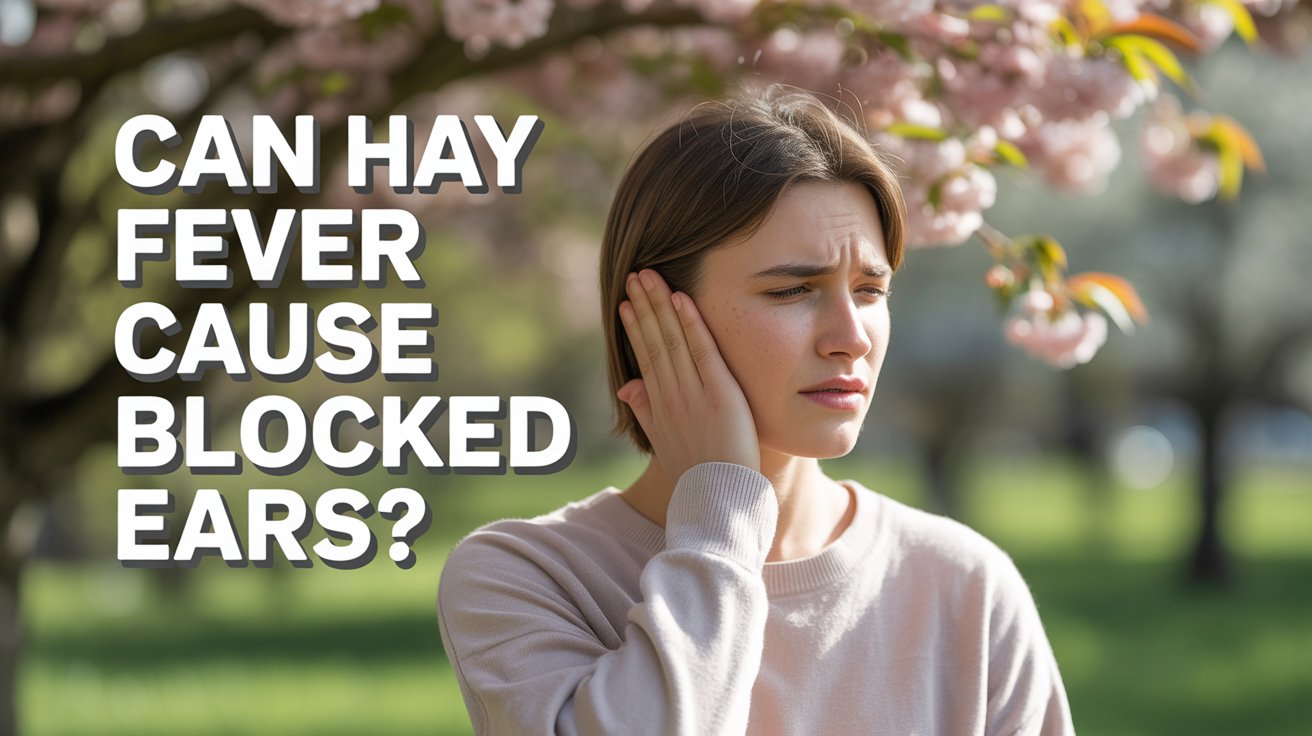
Can Hayfever Cause Blocked Ears?

Blocked ears during hayfever season are one of those symptoms people rarely associate with their allergy until a GP points out the connection. The sneezing and itchy eyes are the obvious culprits, but the muffled hearing, sensation of fullness, and occasional popping that many hayfever sufferers experience each summer are just as much a part of the allergic response β€” and just as treatable.

If your ears feel blocked or dulled during the pollen season and clear up once it ends, hayfever is almost certainly the explanation.


Why Hayfever Affects the Ears

The connection between hayfever and blocked ears lies in the Eustachian tube β€” a narrow channel that runs between the middle ear and the back of the throat. Its job is to equalise pressure on either side of the eardrum and drain any fluid that accumulates in the middle ear. Under normal circumstances it does this efficiently and without any sensation at all.

When hayfever triggers inflammation in the nasal passages and the back of the throat, that inflammation extends to the lining of the Eustachian tube. The tube swells, its opening narrows, and its ability to drain and ventilate the middle ear is compromised. The result is a build-up of negative pressure or fluid behind the eardrum β€” which is experienced as a sense of fullness, muffled hearing, or intermittent popping when you swallow or yawn.

This condition is known as Eustachian tube dysfunction, and it is one of the most common ear complaints seen in GP surgeries during spring and summer. It is not an infection, and it does not cause permanent hearing damage. It is, essentially, congestion in a place most people do not think to look.


What Does It Feel Like?

The ear symptoms associated with hayfever are distinct enough that most people can identify them once they know what to look for:

  • A sensation of fullness or pressure in one or both ears, similar to the feeling during a flight descent
  • Muffled or slightly reduced hearing, as though sounds are coming from a distance
  • Intermittent popping or clicking when swallowing, yawning, or moving the jaw
  • Mild tinnitus β€” a faint ringing or buzzing β€” in some cases
  • Occasional mild discomfort, though significant pain is more suggestive of an ear infection than hayfever-related dysfunction


These symptoms tend to fluctuate with pollen counts and are typically worse on high pollen days, in the evening when pollen levels rise again, and when other hayfever symptoms are at their peak.


Is It Hayfever or an Ear Infection?

This is a common source of uncertainty, and it is worth being clear about the distinction. Eustachian tube dysfunction from hayfever typically produces a dull, pressure-like sensation without significant pain. An ear infection β€” acute otitis media β€” tends to involve more pronounced pain, often a feeling of heat, and sometimes discharge or fever.

If your ear symptoms are predominantly a sense of blockage or dullness that correlates with your hayfever season and improve when your other symptoms are better managed, hayfever-related Eustachian tube dysfunction is the most likely explanation. If you are experiencing significant pain, discharge, or systemic symptoms such as a temperature, a GP assessment is warranted to rule out infection.


What Helps?

The most effective approach is to treat the underlying allergic inflammation rather than the ear symptoms in isolation. When nasal and Eustachian tube inflammation is properly controlled, ear symptoms typically resolve alongside the other hayfever symptoms.

  • Nasal corticosteroid sprays. Used consistently throughout the season, a nasal steroid spray reduces inflammation in the nasal passages and the Eustachian tube opening. This is the most clinically effective treatment for hayfever-related ear symptoms and works best when started before peak pollen exposure rather than reactively.
  • A non-sedating antihistamine helps reduce the overall allergic response, including the inflammation driving Eustachian tube dysfunction. Combining antihistamines with a nasal spray is more effective than either treatment alone for people with significant ear involvement.
  • Steam inhalation. Inhaling steam can temporarily relieve Eustachian tube congestion and reduce the sensation of pressure. It does not treat the underlying allergy, but it can provide useful short-term comfort on bad days.
  • Avoid decongestant nasal sprays long-term. Over-the-counter decongestant sprays (xylometazoline, oxymetazoline) can provide short-term relief but should not be used for more than a few days. Prolonged use causes rebound congestion that can make Eustachian tube dysfunction worse rather than better.


When to See a GP

If ear symptoms are persistent, significantly affecting your hearing, or not responding to standard hayfever treatment, it is worth a GP consultation rather than continuing to manage it alone. At The Private GP in Birmingham, same-day appointments are available, and our doctors can assess whether your ear symptoms are hayfever-related and whether a hayfever and allergy injection or a more tailored treatment plan would provide better seasonal control.


Frequently Asked Questions

  • Can hayfever cause blocked ears?

Yes. Hayfever-related inflammation in the nasal passages extends to the Eustachian tube, which connects the middle ear to the back of the throat. When this tube becomes swollen and blocked, pressure builds behind the eardrum, producing a sensation of fullness, muffled hearing, and occasional popping. It is a common and treatable aspect of allergic rhinitis.

  • How long do hayfever-related blocked ears last?

In most cases, ear symptoms follow the pattern of the pollen season β€” appearing during peak pollen periods and resolving once exposure reduces. With effective hayfever treatment, symptoms typically improve within days to weeks. If blocked ears persist beyond the pollen season or are accompanied by significant hearing loss or pain, a GP assessment is advisable.

  • Will antihistamines help with blocked ears from hayfever?

Antihistamines help by reducing the overall allergic inflammatory response, which in turn reduces Eustachian tube swelling. They are most effective when combined with a nasal corticosteroid spray. For hayfever-related ear symptoms specifically, the nasal spray is generally the more targeted and effective treatment of the two.

  • Should I use ear drops for hayfever-related blocked ears?

Ear drops are not typically helpful for Eustachian tube dysfunction caused by hayfever. The blockage is in the tube connecting the middle ear to the throat, not in the outer ear canal, so drops applied to the ear have no access to the site of the problem. The more effective approach is treating the nasal inflammation that is causing the tube to swell.

  • Can a hayfever injection help with ear symptoms?

Yes. A hayfever injection provides sustained anti-inflammatory cover throughout the pollen season and can reduce the severity of all allergic symptoms β€” including ear fullness and Eustachian tube dysfunction β€” for patients whose symptoms are not adequately controlled with daily antihistamines and nasal sprays.


Get Better Seasonal Control in Birmingham

Blocked ears from hayfever are uncomfortable and easy to overlook as β€œjust part of the season.” They do not have to be. The Private GP in Birmingham offers same-day appointments to review your hayfever management and discuss all available options β€” including the hayfever injection β€” so you can get through the pollen season with considerably less disruption.

Can Hayfever Cause Itchy Skin?

Sneezing and watery eyes tend to dominate the conversation around hayfever, but skin symptoms are a well-recognised part of the allergic picture for many sufferers. If you notice that your skin becomes irritated, itchy, or reactive during pollen season β€” even when you have not touched anything obviously different β€” hayfever may be the underlying cause.

The connection is not always obvious, and many people manage their nasal and eye symptoms while remaining puzzled by skin changes that appear at the same time of year. Understanding why this happens, and which skin conditions are associated with hayfever, makes the whole picture considerably clearer.


How Hayfever Affects the Skin

Hayfever is caused by an immune response to airborne allergens β€” most commonly pollen β€” that triggers the release of histamine and other inflammatory mediators. Histamine does not stay confined to the nasal passages. It circulates systemically and acts on histamine receptors throughout the body, including those in the skin.

The skin is rich in mast cells β€” the same immune cells that release histamine in the nose and eyes during an allergic response. When pollen lands on exposed skin or when systemic histamine levels rise during a significant allergic reaction, these cutaneous mast cells can be activated, producing itching, flushing, and in some cases hives.

This is the same biological mechanism that connects hayfever to other atopic conditions. Allergic rhinitis, asthma, eczema, and urticaria (hives) share an underlying immune profile, and it is common for people with hayfever to also experience skin reactivity β€” either as a separate condition or as a direct response to pollen during the season.


Types of Skin Reaction Associated With Hayfever

Pollen Contact Urticaria

Some people develop hives β€” raised, red, intensely itchy welts β€” when pollen comes into direct contact with the skin. This is known as contact urticaria and can occur on any exposed area: the arms, neck, face, and hands are most commonly affected. The reaction typically appears within minutes of exposure and resolves within a few hours. It can easily be mistaken for an insect bite or contact with an irritant plant, particularly when it occurs during outdoor activity in summer.

Hayfever and Eczema Flares

People with atopic eczema frequently find that their skin worsens during pollen season, even if pollen is not a direct contact trigger. The systemic inflammatory burden of hayfever β€” the elevated histamine and cytokine activity circulating throughout the body β€” lowers the skin barrier threshold and makes eczema-prone skin more reactive and harder to control. If your eczema reliably flares in spring and summer without a change in your skincare routine or products, hayfever may be the driver.

Oral Allergy Syndrome and the skin

Oral allergy syndrome is a cross-reactive response in which proteins in certain raw fruits and vegetables resemble pollen proteins closely enough that the immune system reacts to both. In people with grass or birch pollen allergy, eating raw apples, peaches, carrots, or celery can trigger itching and tingling of the lips, mouth, and throat. Occasionally this extends to mild skin flushing around the mouth. It is not a separate food allergy but a cross-reaction driven by pollen sensitisation, and it typically resolves when the food is cooked.

General Skin Sensitivity during Pollen Season

Even without a specific allergic skin condition, many hayfever sufferers notice that their skin becomes generally more sensitive, reactive, or prone to flushing during peak pollen periods. Skincare products that are normally tolerated without issue may cause mild irritation; skin may feel drier or more easily inflamed. This reflects the systemic inflammatory state associated with active allergic rhinitis rather than a distinct skin condition.


What Helps With Hayfever-Related Itchy Skin?

As with hayfever’s other less familiar symptoms β€” fatigue, sore throat, blocked ears β€” the most effective approach is to address the underlying allergic response rather than the skin symptoms in isolation.

Non-sedating Antihistamines

Antihistamines reduce systemic histamine activity and are effective for both the nasal and skin manifestations of hayfever. Taken consistently rather than reactively, they reduce the overall allergic burden that makes skin more reactive throughout the season.

Shower after Outdoor Exposure

Washing pollen off the skin promptly after spending time outdoors reduces contact urticaria and skin irritation caused by direct pollen exposure. This is particularly important before bed.

Emollients for Eczema-prone Skin

Applying a fragrance-free emollient regularly during pollen season helps maintain the skin barrier and reduces the likelihood of flares triggered by systemic allergic inflammation. More frequent application during high pollen periods is often needed.

Avoid known Cross-reactive Foods during Peak Season

If you experience oral allergy syndrome, avoiding raw trigger foods during the pollen season reduces the overall allergic load on the immune system. Cooking or peeling the relevant fruits and vegetables generally eliminates the cross-reactive proteins.

Minimise Additional Skin Irritants

During pollen season, simplify your skincare routine and avoid heavily fragranced products, harsh cleansers, or new formulations. Skin that is already sensitised by systemic allergic activity is more vulnerable to irritant reactions than at other times of year.


When Skin Symptoms Need Proper Assessment

Mild, seasonal skin reactivity that improves with antihistamines and basic skincare adjustments is unlikely to require urgent medical attention. However, if you are experiencing significant hives, widespread itching, or eczema that is not responding to your usual management during pollen season, a GP consultation is worthwhile. At The Private GP in Birmingham, same-day appointments are available, and our doctors can assess whether your skin symptoms are hayfever-related and whether a hayfever and allergy injection or a revised treatment approach would reduce the systemic allergic burden driving your skin reactions.


Frequently Asked Questions

  • Can pollen give you a skin rash?

Yes. Direct contact between pollen and exposed skin can trigger contact urticaria β€” raised, itchy hives that appear within minutes and usually resolve within hours. This is most common on the arms, face, and neck during outdoor activity in summer. Systemic histamine release during hayfever can also cause skin flushing and generalised itching without direct skin contact.

  • Why does my eczema get worse during hayfever season?

Eczema and hayfever share the same underlying atopic immune profile, and the systemic inflammation associated with active allergic rhinitis lowers the skin’s barrier threshold. The elevated histamine and cytokine activity circulating during hayfever makes eczema-prone skin more reactive and harder to manage, even without a change in skincare products or direct pollen contact.

  • What is oral allergy syndrome?

Oral allergy syndrome is a cross-reactive response in which the immune system mistakes proteins in certain raw foods for pollen proteins. People with grass or birch pollen allergy may experience itching and tingling in the mouth and lips when eating raw apples, stone fruits, carrots, or celery. It is driven by pollen sensitisation rather than a true food allergy, and cooking the relevant foods typically eliminates the response.

  • Will antihistamines help with itchy skin from hayfever?

Yes. Antihistamines reduce circulating histamine levels and are effective for both the respiratory and skin manifestations of hayfever. Consistent daily use throughout the pollen season is more effective than reactive use after itching has already begun. For significant urticaria, a GP may recommend a higher licensed dose or a different formulation.

  • How do I know if my itchy skin is from hayfever or something else?

The clearest indicator is seasonal pattern and association with other hayfever symptoms. If your skin becomes itchy or reactive each spring and summer alongside nasal or eye symptoms, and improves when the season ends or when antihistamines are taken, hayfever is the most likely explanation. Skin conditions that are year-round, associated with specific food or product triggers, or accompanied by other systemic symptoms may have a different cause and are worth discussing with a GP. If there is any uncertainty, a private GP consultation can help clarify the diagnosis and direct treatment appropriately.


Get the Right Help for Your Hayfever Symptoms This Season

Whether it is itchy skin, fatigue, blocked ears, or a sore throat β€” hayfever affects more than most people expect, and effective treatment is available for all of it. The Private GP in Birmingham offers same-day appointments to review your symptoms and discuss all options, including the hayfever injection for patients whose symptoms are not adequately controlled with daily tablets.