


Which Blood Tests Need Fasting?

If you’re wondering which blood tests need fasting, understanding the requirements helps you prepare properly and ensures accurate results. While many routine blood investigations don’t require fasting, certain tests demand several hours without food or drink (except water) to provide reliable measurements. Knowing which tests require fasting and how to prepare appropriately ensures your results truly reflect your health status.


What Does Fasting for Blood Tests Mean?

Simply put, fasting for a blood test means avoiding all food and beverages—except plain water—for a specified period before your blood is drawn. Typically, you’ll need to fast for eight to twelve hours before a test, though the exact duration depends on which investigations your healthcare provider has ordered.

During your fasting period, you should also avoid chewing gum, smoking, and strenuous exercise, as these activities can affect digestion and potentially skew results. While you’re fasting for a blood test, you can drink plain water—staying well hydrated actually makes the blood draw easier by keeping fluid in your veins.


Blood Tests That Require Fasting

Several common blood investigations require fasting to ensure accurate results:

Blood Glucose Tests

You should fast for up to eight hours before having your blood glucose tests measured to check for diabetes or to see how well treatments are working. The fasting glucose test provides your “baseline” blood sugar level—the lowest you can expect these figures to be without recent food intake affecting results.

A fasting glucose test measures the level of glucose in your blood after fasting for at least eight hours. This test is usually the first conducted when diagnosing diabetes and may be used periodically to monitor diabetic individuals’ progress. A blood glucose level of 126 milligrams per deciliter or higher indicates diabetes, while a healthy score falls below 100 milligrams per deciliter.

Oral Glucose Tolerance Test

This investigation requires fasting for eight hours beforehand. A nurse will start the test by taking a sample of your blood. Then, you’ll drink a sugary liquid and stay in the doctor’s office. Two hours later, a nurse will take another blood sample for testing. If that shows a blood glucose level of 200 milligrams per deciliter or higher, diabetes is diagnosed.

Lipid Panel (Cholesterol Tests)

Cholesterol testing requirements have evolved recently. For most people, fasting before a lipid test isn’t necessary because the difference between LDL cholesterol values when fasting or not fasting is very small.

However, triglycerides are different. Doctors measure triglycerides after fasting since the concentration of these fatty particles remains elevated in the bloodstream for hours after a meal. Anyone who has ever had a high triglyceride level should always fast before a lipid test to provide more accurate assessment of their triglyceride values.

Basic Metabolic Panel (BMP)

This comprehensive test measures several natural chemicals in your blood, including blood glucose, electrolytes, and kidney function markers. When it includes glucose testing, fasting is typically required.

Gamma-Glutamyl Transferase (GGT) Test

This liver function test may require fasting to help distinguish between different causes of elevated GGT levels.

Remember, your healthcare provider will inform you if fasting is necessary for your specific blood work. If you’re uncertain, always ask before your appointment.


Blood Tests That Don’t Require Fasting

Fortunately, most blood tests don’t require fasting. Measurements of kidney, liver, and thyroid function, as well as blood counts, are not influenced by fasting.

Tests that typically don’t require fasting include:

  • Full Blood Count (FBC): Measures red blood cells, white blood cells, and platelets
  • HbA1c Test: This test measures your average blood glucose level over the past three months. That timeframe means it doesn’t matter if you eat before the test
  • Thyroid Function Tests: Including TSH measurements
  • Kidney Function Tests: Assessing creatinine and eGFR
  • Liver Function Tests: Most liver enzyme measurements (though GGT may sometimes require fasting)
  • CRP (C-Reactive Protein): Inflammatory marker testing
  • Blood Typing: Determining your blood group
  • Pregnancy Tests: Measuring hCG levels
  • PSA Testing: Prostate-specific antigen measurements


Iron and Ferritin Testing: Special Considerations

Iron testing presents a unique situation with evolving guidelines:

Ferritin Tests: Typically, fasting is not required before a ferritin blood test. Most sources confirm that ferritin measurements—which assess your body’s iron stores—don’t require fasting. However, some laboratories may recommend fasting for optimal results.

Serum Iron Tests: Iron testing is more complex. You should fast for eight hours before having an iron level blood test to ensure that levels of iron detected in your blood are not skewed by food or drink intake. Research shows that iron levels required approximately five hours post-prandial time to return to baseline, and blood collection after five to nine hours fasting provides a representative estimate of a patient’s iron levels.

The serum iron test varies depending on time of day and recent meals, which is why fasting is often recommended. Morning collection is preferred, as morning sample collection is preferred, with fasting for eight to twelve hours recommended.

If you’re scheduled for a ferritin blood test, confirm with your healthcare provider whether fasting is required, as recommendations may vary.


How Long Should You Fast?

You usually need to fast for eight to twelve hours before a test. Your provider will tell you exactly how long to fast, depending on what test they’ve ordered. For most fasting blood tests, this means no food or drink (except water) from approximately 10 p.m. the night before a morning appointment.

It’s advisable to schedule fasting blood tests early in the morning. This minimizes inconvenience—much of your fasting period occurs while you’re sleeping—and aligns with optimal testing times for certain investigations like iron studies.


What You Can and Cannot Consume

During your fasting period, strict guidelines apply:

What You CAN Have:

  • Plain water (still or sparkling, but avoid flavored varieties)
  • Continue taking prescribed medications unless instructed otherwise

What You CANNOT Have:

  • Food of any kind
  • Coffee, tea, or other beverages
  • Juice or soda
  • Alcohol (avoid for 24 hours before testing)
  • Chewing gum
  • Mints or candies

Juice, coffee, soda, and other beverages can get in your bloodstream and affect your results. Even seemingly innocent beverages like lemon water or flavored carbonated water may contain sugars or artificial sweeteners that interfere with test accuracy.

Staying well hydrated with plain water actually helps—it keeps more fluid in your veins, making blood collection easier and more comfortable.


Preparing for Your Fasting Blood Test

Following these preparation steps ensures smooth testing and accurate results:

Schedule Morning Appointments: Book your blood test as early as possible so your fasting period coincides with sleep hours, making it considerably easier to manage.

Plan Your Last Meal: Calculate what time you need to stop eating based on your appointment. If your test is scheduled for 9 a.m. and requires twelve hours fasting, your last meal should finish by 9 p.m. the previous evening.

Check Medication Instructions: Ask your provider whether it’s okay to take your usual medicines and over-the-counter medicines. Most medications can continue as normal, but some may need temporary adjustment.

Avoid Strenuous Exercise: Physical activity affects various blood components, so avoid intense workouts for 24 hours before testing.

Bring a Snack: Pack something to eat immediately after your blood draw. It’s common to feel light-headed after fasting blood tests, so having food available provides quick relief.

For comprehensive health monitoring through private blood testing services, discuss fasting requirements during booking to ensure proper preparation.


What Happens If You Accidentally Eat?

Tell your provider if you eat or drink before your test. You may need to reschedule the test for another time when you can fast to make sure you get accurate results.

If you’ve eaten accidentally, contact the laboratory or your healthcare provider before your appointment. Depending on what you consumed and which tests are ordered, they may:

  • Reschedule your appointment for another day
  • Proceed with tests that don’t require fasting and reschedule only those affected
  • Adjust interpretation of results based on your food intake

Honesty ensures your results are interpreted correctly and prevents potentially misleading findings that could affect medical decisions.


Special Considerations

Certain situations require additional awareness:

Diabetes Management: If you have diabetes, fasting can trigger low blood sugar. For people with diabetes, fasting can trigger hypoglycemia and cause dizziness, trouble concentrating, fatigue, and, in severe cases, fainting. Discuss your diabetes medication schedule with your doctor before fasting—some medications may need adjustment.

Pregnancy: Some fasting blood tests during pregnancy require fasting, and it’s normally safe for you to fast while pregnant. However, if you’re concerned, discuss this with your healthcare provider.

Medication Timing: Unless specifically instructed otherwise, continue taking your prescribed medications during fasting periods. Some medications perform best when taken with food, so clarify timing with your doctor.

For those requiring multiple investigations or full health check-ups, your healthcare provider coordinates testing to minimize fasting requirements while ensuring comprehensive assessment.


After Your Blood Test

Once your blood sample is collected, your fast is over. You might want to bring a snack and a drink with you so you can eat as soon as possible after the test.

Most people tolerate fasting blood tests well, though some experience mild light-headedness afterwards. Eating soon after your test prevents this and helps you feel better quickly. Avoid immediately engaging in strenuous activity—take a few minutes to rest and rehydrate before resuming normal activities.

Results from fasting blood tests typically return within a few days, though some private services offer same-day results for certain investigations. Your healthcare provider will contact you to discuss findings and any necessary follow-up.


Key Takeaways

Which blood tests need fasting depends on what’s being measured. Glucose tests, oral glucose tolerance tests, and triglyceride measurements typically require eight to twelve hours of fasting. Most other common blood tests—including full blood counts, thyroid function, kidney function, and HbA1c—don’t require fasting.

Always confirm fasting requirements with your healthcare provider or laboratory when booking your appointment. Proper preparation ensures accurate results that truly reflect your health status, allowing appropriate medical decisions and treatment planning.

If you need blood testing services or have questions about fasting requirements, don’t hesitate to discuss this during a GP consultation. Your well-being deserves careful attention, and understanding how to prepare for blood tests ensures you receive the most accurate assessment possible.

What Blood Tests Are Done Before Surgery?

If you’re scheduled for surgery and wondering what blood tests are done before surgery, understanding the pre-operative assessment process can ease anxiety and help you prepare properly. Blood tests form a crucial part of ensuring your safety during and after surgical procedures, providing your medical team with essential information about your overall health status.


Understanding Pre-Operative Blood Tests

Simply put, pre-operative blood tests are investigations performed before planned surgery to identify any underlying health conditions that might affect your operation or recovery. These tests help your surgical team make informed decisions about anaesthesia, surgical techniques, and any special precautions needed during your procedure.

The specific blood tests you’ll need depend on several factors: your age, general health, existing medical conditions, medications you’re taking, and the type of surgery planned. A minor procedure in an otherwise healthy person requires considerably fewer tests than major surgery or operations in people with chronic health conditions.


The Most Common Pre-Operative Blood Tests

According to NICE (National Institute for Health and Care Excellence) guidelines, several blood investigations are commonly recommended before elective surgery:

Full Blood Count (FBC)

Full Blood Count (FBC) test measures red blood cells, white blood cells, and platelets in your blood. It identifies conditions like anaemia—which reduces your blood’s oxygen-carrying capacity—or thrombocytopenia (low platelet count), which increases bleeding risk during surgery. Detecting anaemia beforehand allows your medical team to take appropriate precautions or provide treatment before your operation.

Kidney Function Tests

These blood investigations assess how well your kidneys are working by measuring creatinine, electrolytes, and sometimes urea levels. Your kidneys filter waste products from your blood, and impaired kidney function can affect how your body processes anaesthetic drugs and medications given during surgery. For those at risk of acute kidney injury, kidney function testing becomes particularly important.

Blood Clotting Tests (Haemostasis)

Tests, including prothrombin time (PT), activated partial thromboplastin time (aPTT), and INR measure how long your blood takes to clot. These investigations are essential if you’re taking blood-thinning medications like warfarin or aspirin, have liver disease, or have a history of bleeding disorders. Abnormal clotting can lead to excessive bleeding during surgery or dangerous blood clots afterwards.

Liver Function Tests

Live Function Tests assess liver health by measuring enzymes and proteins, including bilirubin, ALT, AST, and alkaline phosphatase. Your liver plays a crucial role in metabolising anaesthetic drugs and medications. Liver problems can affect drug processing, increase bleeding risk, and impact recovery.

Remember, not all patients require every test—your medical team tailors testing to your individual circumstances and surgical requirements.


Tests for Specific Health Conditions

Certain pre-existing conditions necessitate additional blood work before surgery:

Diabetes Management

If you have diabetes, HbA1c testing measures your average blood glucose levels over the previous three months. NICE guidelines recommend HbA1c testing for people with diabetes if they haven’t been tested within the last three months. Good blood sugar control before surgery reduces complications, promotes healing, and decreases infection risk. However, routine HbA1c testing isn’t recommended for people without diagnosed diabetes.

Blood Type and Screening

For surgeries where blood loss is anticipated, knowing your blood type ensures compatible blood is available if transfusion becomes necessary. Cross-matching your blood with donor blood beforehand prevents potentially dangerous transfusion reactions.

Electrolyte Panel

This test assesses the balance of essential minerals, including sodium, potassium, chloride, and bicarbonate. Electrolyte imbalances can affect heart rhythm and muscle function—critical considerations when receiving anaesthesia. Any imbalances identified need correction before surgery proceeds.

Sickle Cell Screening

If you’re of African, Caribbean, Middle Eastern, or Mediterranean descent, you may be offered sickle cell testing. Anaesthesia and surgery can cause complications for people with sickle cell anaemia or sickle cell trait, so identifying these conditions beforehand allows your medical team to provide appropriate care.

Fortunately, advances in testing mean results typically return quickly, allowing sufficient time for any necessary treatment before your scheduled operation.


Who Needs Pre-Operative Blood Tests?

NICE guidelines classify patients using the ASA (American Society of Anesthesiologists) grading system, which assesses overall health status:

  • ASA Grade 1: Healthy patients with no medical problems
  • ASA Grade 2: Patients with mild systemic disease (e.g., well-controlled hypertension)
  • ASA Grade 3: Patients with severe systemic disease (e.g., poorly controlled diabetes)
  • ASA Grade 4: Patients with severe systemic disease that constantly threatens life

Testing requirements increase with ASA grade and surgery complexity. Minor procedures in healthy ASA Grade 1 patients often require minimal or no blood testing, whereas major surgery in ASA Grade 3 or 4 patients necessitates a comprehensive pre-operative assessment.


Additional Pre-Operative Assessments

While blood tests form the foundation of pre-operative assessment, other investigations may include:

Electrocardiogram (ECG)

This test records your heart’s electrical activity and may be recommended if you’re over 65, have a history of cardiac symptoms (breathlessness, fainting, chest pain), have diabetes, or have kidney problems. An ECG heart health check helps identify any underlying heart conditions that could affect anaesthesia safety.

Urine Tests

Routine urine dipstick testing isn’t recommended for all patients before surgery. However, if a urinary tract infection would influence the decision to operate, microscopy and culture of a midstream urine sample may be performed.

MRSA Screening

Methicillin-resistant Staphylococcus aureus (MRSA) is bacterium that can cause serious infections. You’ll likely be screened if you’re admitted for planned surgery, particularly if you’ve previously had MRSA or are being admitted to high-risk units like intensive care. Screening involves taking swabs from your nostrils, groin, and mouth—a simple, painless procedure.

Pregnancy Testing

All women of childbearing potential should be sensitively asked whether pregnancy is possible on the day of surgery. Anaesthesia and surgery can affect developing babies, so pregnancy testing ensures appropriate precautions are taken.


Preparing for Your Pre-Operative Blood Tests

Understanding how to prepare ensures accurate results and a smooth pre-assessment appointment:

Fasting Requirements

Some blood tests require fasting for 8-12 hours beforehand. Your healthcare provider will specify if fasting is necessary. Generally, you can drink water, but avoid food and other beverages during the fasting period.

Medication Considerations

Continue taking prescribed medications unless specifically instructed otherwise. Inform your healthcare provider about all medications, supplements, and herbal remedies you’re taking, as some may need temporary adjustment before surgery. Blood-thinning medications like warfarin or aspirin require particular attention.

Stay Hydrated

Unless fasting instructions specify otherwise, drink plenty of water before your blood test. Staying well-hydrated makes veins more prominent and easier to locate, making the blood draw smoother.

Bring Documentation

Provide a complete list of your current medications, previous medical records, recent test results, and contact details for your GP. If you have diabetes, bring recent HbA1c results—NICE recommends these be included in your surgical referral information.

For those preparing for minor surgery or procedures requiring pre-operative consultations, organising documentation beforehand streamlines the assessment process.


What Happens During the Pre-Operative Assessment

Your pre-operative assessment typically involves:

Medical History Review

A nurse or doctor discusses your complete medical history, including previous surgeries, chronic conditions, allergies, and family medical history. This conversation helps identify any risk factors requiring additional investigation.

Physical Examination

Basic observations, including blood pressure, pulse, temperature, height, and weight, are recorded. These baseline measurements provide reference points for monitoring during and after surgery.

Blood Sample Collection

A phlebotomist or trained nurse collects blood samples from a vein in your inner arm. The procedure takes less than a minute and causes minimal discomfort—most people describe it as a brie,f sharp scratch or pinch.

Test Results Timeline

Most routine blood test results return within 48-72 hours. Private blood testing services sometimes offer faster turnaround times, with results available within 24 hours or even the same day.

If your blood tests reveal abnormalities, your medical team will contact you to discuss findings and any necessary next steps before surgery proceeds.


Understanding Your Results

When your pre-operative blood test results return, your healthcare provider interprets them in the context of your overall health and planned surgery:

Normal Results

If all tests fall within normal ranges and you’re otherwise healthy, your surgery typically proceeds as scheduled. You’ll receive confirmation of your operation date and any final preparation instructions.

Abnormal Results Requiring Treatment

Conditions like anaemia, uncontrolled diabetes, or electrolyte imbalances may require treatment before surgery can safely proceed. Your healthcare provider will prescribe appropriate treatment and reschedule your operation once your condition stabilises.

Need for Specialist Review

Some results may prompt referral to specialist consultants—such as cardiologists, endocrinologists, or haematologists—for further assessment before surgery proceeds.

For comprehensive pre-operative preparation and health assessment, consider scheduling a full health check-up that includes all necessary investigations.


Private Pre-Operative Testing Options

For those undergoing private surgery in the UK or abroad, private blood testing services offer several advantages:

Faster Results: Private laboratories often provide results within 12-24 hours, compared to several days through standard NHS routes.

Flexible Scheduling: Convenient appointment times, including evenings and weekends, accommodate work schedules and personal commitments.

Comprehensive Packages: Pre-operative packages bundle all required tests, ensuring nothing is overlooked.

No GP Referral Needed: You can book directly with the required test lists provided by your surgeon or clinic.

For consultations about which tests you need, face-to-face GP appointments, telephone consultations, or video consultations provide expert guidance tailored to your surgical requirements.


Key Takeaways

Pre-operative blood tests are essential safety measures ensuring you’re medically optimised for surgery. The specific tests you need depend on your age, health status, existing conditions, and surgery type. Common investigations include Full Blood Count, kidney function tests, clotting studies, and liver function tests, with additional testing for specific conditions like diabetes.

Understanding what to expect from pre-operative assessment reduces anxiety and ensures you’re properly prepared. Whether accessing testing through NHS pathways or private services, these investigations provide your surgical team with vital information, protecting your health and improving surgical outcomes.

If you’re scheduled for surgery and have questions about pre-operative blood tests, discuss your concerns with your healthcare provider. They can explain which tests you’ll need, why they’re important, and how to prepare appropriately. Your well-being deserves this careful attention, and thorough pre-operative assessment remains fundamental to safe, successful surgical care.

10 Reasons Why You Should Go For A Blood Test Regularly

Blood tests are a fundamental part of modern healthcare in the UK, providing crucial information about a person’s health and wellbeing. The Royal College of Pathologists describes laboratory medicine as the medical specialty dedicated to diagnosing, treating, and preventing disease through clinical laboratory tests, including blood analysis. In the UK’s National Health Service (NHS), blood tests are among the most common diagnostic tools used by healthcare professionals to understand a wide range of health issues quickly and accurately.

By analysing samples of blood, clinicians can detect diseases, monitor ongoing treatments, evaluate how well organs such as the liver, kidneys, and heart are functioning, and identify risk factors that could lead to serious conditions. Blood tests are vital because they often reveal hidden problems that may not yet show symptoms, enabling early intervention and better outcomes.

The accessibility of blood tests within the NHS and private healthcare settings makes them an essential tool in preventive medicine. From routine health checks to monitoring chronic illnesses like diabetes, thyroid disorders, or cardiovascular diseases, blood tests offer a window into the body’s internal environment. For example, a full blood count can indicate infections or anaemia, while cholesterol and lipid panels help assess cardiovascular risk.

In addition, advances in laboratory technology across the UK mean that blood test results are delivered quickly and with high accuracy, allowing for timely decisions about patient care. Blood tests can also support screening programmes, such as those for cancer or infectious diseases, contributing to public health efforts nationwide.

Overall, blood tests remain one of the most valuable resources for UK doctors and patients alike, helping to guide diagnosis, treatment, and ongoing management of health. They play a key role in maintaining the quality and effectiveness of healthcare, ensuring that individuals receive the right care at the right time.


1- Detecting Diseases

Blood tests are often the first step in diagnosing a wide variety of diseases and conditions. They help identify illnesses that may otherwise go unnoticed until symptoms become severe. For example, a Complete Blood Count (CBC) can reveal anaemia by measuring levels of red and white blood cells and platelets. Low red blood cells or hemoglobin point to anaemia, which can cause fatigue and weakness. Blood glucose tests measure sugar levels in the blood, helping diagnose diabetes—a disease that affects millions worldwide and can lead to serious complications if untreated. Liver function tests assess levels of enzymes to detect liver disease early, often before symptoms appear. Early detection through blood tests allows for timely treatment, which improves outcomes significantly.

2- Monitoring Treatment

Once a disease is diagnosed, blood tests play a crucial role in monitoring the effectiveness of treatments. For chronic conditions like high blood pressure or diabetes, regular blood tests ensure that medications are working as intended and help avoid side effects or complications. Chemotherapy patients undergo blood tests frequently to monitor white blood cell counts, as chemotherapy can suppress bone marrow function, increasing infection risk. Adjusting treatment based on blood test results ensures patients receive optimal care and helps prevent adverse effects, making these tests critical throughout the treatment journey.

3- Checking for Infections

Blood tests can detect infections by identifying bacteria, viruses, or other pathogens present in the bloodstream. A blood culture test, for instance, isolates bacteria causing infections like sepsis, which can be life-threatening if not diagnosed early. Molecular tests such as PCR (polymerase chain reaction) can detect the genetic material of viruses like HIV or hepatitis, allowing for early intervention and treatment. Early detection of infections through blood tests not only improves individual patient outcomes but also helps prevent the spread of contagious diseases.

4- Evaluating Organ Function

Organs like the liver, kidneys, and heart perform vital functions necessary for survival. Blood tests can measure markers that indicate how well these organs are working. For example, elevated liver enzymes may signal liver damage due to hepatitis, alcohol abuse, or other conditions. A creatinine test evaluates kidney function by measuring waste products filtered through the kidneys; abnormal levels may indicate impaired kidney function or disease. These tests allow doctors to catch organ dysfunction early and implement treatments to preserve organ health, which can be critical in preventing severe illness or organ failure.

5- Detecting Allergies

Blood tests can also help identify allergic reactions and sensitivities to foods, medications, or environmental triggers. Allergy panels measure specific antibodies (IgE) that the immune system produces in response to allergens. For individuals experiencing unexplained symptoms such as skin rashes, breathing difficulties, or digestive problems, allergy blood tests provide clarity and guide dietary or environmental changes to reduce symptoms. Identifying allergies early is vital to avoid severe allergic reactions and improve quality of life.

6- Identifying Nutritional Deficiencies

Adequate nutrition is fundamental to good health, but nutrient deficiencies often go unnoticed until complications arise. Blood tests can detect low levels of essential vitamins and minerals such as iron, vitamin D, calcium, and B vitamins. For example, iron deficiency anemia is common and can cause fatigue, weakness, and impaired immune function. Vitamin D deficiency is linked to bone disorders and weakened immunity. By identifying these deficiencies, doctors can recommend dietary adjustments or supplements to restore balance and prevent long-term health issues.

7- Assessing Risk for Certain Conditions

Blood tests help evaluate risk factors for chronic diseases, especially heart disease. A lipid profile measures cholesterol levels, including LDL (“bad”) cholesterol, HDL (“good”) cholesterol, and triglycerides. Elevated LDL and triglycerides increase the risk of atherosclerosis and heart attacks, while higher HDL levels are protective. Knowing these numbers enables lifestyle and medication interventions to reduce cardiovascular risk. Blood tests can also screen for markers linked to diabetes, stroke, and other serious conditions, allowing patients and doctors to take preventive action.

8- Screening for Cancer

Certain blood tests can assist in cancer screening and early detection. The Prostate-Specific Antigen (PSA) test measures a protein produced by the prostate gland, with elevated levels potentially indicating prostate cancer. Other tumour markers, such as CA-125 for ovarian cancer or CEA for colorectal cancer, are used to monitor cancer progression or recurrence. While blood tests alone cannot diagnose cancer, they provide important clues that prompt further diagnostic investigations like imaging or biopsies, facilitating earlier diagnosis and treatment.

9- Checking Hormone Levels

Hormones regulate many bodily functions, and imbalances can cause significant health issues. Blood tests evaluate hormone levels related to thyroid function, reproductive health, and metabolism. For example, thyroid function tests measure thyroid hormones and thyroid-stimulating hormone (TSH) to diagnose hypothyroidism or hyperthyroidism, conditions that affect metabolism, energy, and weight. Blood glucose tests monitor sugar levels, essential for managing diabetes. By assessing hormone levels, doctors can diagnose endocrine disorders early and tailor treatments effectively.

10- Establishing a Baseline

Sometimes blood tests are performed when a person feels healthy to establish a baseline for future comparisons. This baseline can help detect subtle changes over time that may signal developing health issues. For patients with chronic diseases like hypertension or autoimmune conditions, periodic blood tests track disease progression and treatment response. This proactive approach ensures that any emerging problems are addressed promptly, contributing to better long-term health outcomes.


Conclusion

Blood tests are a cornerstone of preventive and diagnostic medicine, offering critical insights into a wide range of health conditions. From detecting diseases and monitoring treatment to evaluating organ function and nutritional status, these tests provide doctors and patients with the data needed to make informed decisions. Advances in laboratory technology, such as those used at The Private GP, ensure accurate and timely results, supporting faster diagnosis and better healthcare outcomes. If you have any health concerns or wish to monitor your well-being, don’t hesitate to discuss same day blood testing with your healthcare provider. Regular blood tests are a smart, proactive way to maintain your health and catch potential problems early.

Will a Blood Test Detect Pregnancy? Your Complete Guide

If you’re wondering whether a blood test will detect pregnancy, the simple answer is yes—and often more accurately and earlier than a urine test. Blood pregnancy tests are highly sensitive investigations that can confirm pregnancy before you’ve even missed a period, providing valuable information during those crucial early weeks.


Understanding How Blood Pregnancy Tests Work

Simply put, blood pregnancy tests detect a hormone called human chorionic gonadotropin, commonly known as hCG. This hormone is produced by cells in the placenta shortly after a fertilised egg implants in the uterine wall—typically six to twelve days after conception. The hormone first appears in your bloodstream before it reaches detectable levels in urine, which is why blood tests can identify pregnancy earlier than home testing kits.

Your body begins producing hCG approximately six days after fertilisation occurs. The hormone’s primary role is to stimulate progesterone production, which is essential for maintaining a healthy pregnancy during those critical early weeks. As pregnancy progresses, hCG levels rise rapidly, generally doubling every 48 to 72 hours during the first trimester.


Blood Tests vs Urine Tests: Key Differences

Both pregnancy tests detect the same hormone, but they differ significantly in sensitivity, timing, and the information they provide:

Detection Timing

Blood tests can detect pregnancy approximately six to eight days after conception—roughly a week before you might expect your period. Urine tests, by comparison, typically require waiting until around the time of your missed period for reliable results, usually 12 to 14 days after conception.

Accuracy

Blood pregnancy tests are approximately 99% accurate and can detect very low levels of hCG. Urine tests, when used correctly, are also highly accurate—between 97% and 99%—but are more prone to false negatives if taken too early or if urine is diluted from drinking significant amounts of water.

Information Provided

Urine tests simply indicate whether you’re pregnant or not. Blood tests can do much more, providing quantitative measurements that help determine how far along you are, monitor pregnancy progression, and identify potential complications.

Convenience

Urine tests can be performed at home at any time you choose, with results appearing within minutes. Blood tests require visiting a healthcare provider, having blood drawn through venipuncture, and waiting for laboratory results—though these usually return within 12 to 24 hours.


Types of Blood Pregnancy Tests

There are two distinct types of blood pregnancy tests, each serving different purposes:

Qualitative Blood Tests

These provide a straightforward yes or no answer about whether you’re pregnant. They detect the presence of hCG in your blood but don’t measure the specific amount. This type is similar in function to home urine tests but offers greater sensitivity and earlier detection.

Quantitative Blood Tests

Also known as beta hCG tests, these measure the exact amount of hCG present in your bloodstream. This numerical value provides your doctor with considerably more information—including approximate gestational age, whether hCG levels are rising appropriately, and potential indicators of complications such as ectopic pregnancy or miscarriage.

Remember, quantitative tests are particularly valuable for monitoring high-risk pregnancies or situations requiring detailed information about pregnancy progression.


When Blood Tests Are Recommended

While urine tests suffice for most women confirming straightforward pregnancies, blood tests are specifically recommended in certain circumstances:

Very Early Detection Needs

If you’re undergoing fertility treatment or have specific reasons for wanting to know immediately after conception, blood tests can provide answers days before urine tests would be reliable.

Fertility Treatment Monitoring

Women receiving assisted reproductive treatments often have regular blood tests to monitor hormone levels and confirm successful implantation.

Previous Pregnancy Complications

If you’ve experienced ectopic pregnancy, miscarriage, or other complications, your healthcare provider may prefer blood testing for more detailed monitoring.

Unclear or Conflicting Results

When home tests produce ambiguous results or contradict your symptoms, blood tests provide definitive answers.

Medical Procedures

Before undergoing X-rays, certain medications, or other treatments that could affect a developing foetus, blood tests confirm whether you’re pregnant.

Suspected Ectopic Pregnancy

Lower than expected hCG levels or levels that don’t increase appropriately may indicate an ectopic pregnancy—where the fertilised egg implants outside the uterus—which requires immediate medical attention.


What Your Results Mean

Understanding blood pregnancy test results helps you know what to expect:

hCG Levels Below 5 mIU/mL: Considered negative—you’re not pregnant.

hCG Levels Above 25 mIU/mL: Considered positive—pregnancy is confirmed.

hCG Levels Between 5 and 25 mIU/mL: Borderline results requiring repeat testing within 48 to 72 hours to observe whether levels are rising.

It’s important to recognise that individual hCG levels vary considerably between women. What matters most isn’t a single measurement but rather how levels change over time. During a healthy early pregnancy, hCG levels typically double every 48 to 72 hours, reaching their peak between weeks eight and eleven before declining and levelling off.

Fortunately, your healthcare provider will interpret your results in the context of your complete clinical picture, including symptoms, menstrual history, and any previous test results.


Accuracy and Reliability

Blood pregnancy tests are remarkably accurate when performed by qualified professionals using proper laboratory procedures. The sensitivity of modern blood tests means they can detect hCG concentrations as low as 10 mIU/mL—considerably lower than most urine tests.

However, certain factors can affect results:

Testing Too Early

Even blood tests may produce false negatives if performed before your body has produced detectable hCG levels. If you test very early and receive a negative result but still haven’t started your period, repeat testing in a few days is advisable.

Medications Containing hCG

Fertility drugs like Pregnyl or Pergonal contain hCG and may cause false positive results. Always inform your healthcare provider about any medications you’re taking.

Recent Pregnancy Loss

Following miscarriage or abortion within the past eight weeks, your body may still contain detectable hCG, potentially causing false positive results.

Rare Medical Conditions

Certain medical conditions, including specific types of tumours, can cause hCG production even when you’re not pregnant, though this is exceptionally uncommon.


The Testing Process

Understanding what happens during a blood pregnancy test can ease anxiety about the procedure:

Your healthcare provider or phlebotomist will clean the puncture site—usually in your inner arm—with an antiseptic wipe. They’ll apply a tourniquet to make your vein more visible, then gently insert a thin needle to collect a small blood sample. The entire process typically takes less than a minute.

The sensation is similar to other blood tests—a brief sharp scratch or pinch that most people find entirely tolerable. If you’re particularly anxious about needles, mention this beforehand. The phlebotomist can ensure you’re comfortable, perhaps by having you lie down or using distraction techniques.

Your sample is then sent to a laboratory where technicians analyse it for hCG. Results typically return within 12 to 24 hours, though private testing services sometimes offer even faster turnaround times.


After Your Test

Once the needle is removed, pressure will be applied with cotton wool or gauze, followed by a small plaster. You may notice slight bruising at the puncture site, which is normal and typically resolves within a few days. Avoid heavy lifting with the affected arm for a few hours following your test.

If your result is positive, schedule a follow-up appointment with your healthcare provider to discuss next steps, including booking your first antenatal scan and beginning prenatal care. Early prenatal care is essential for a healthy pregnancy, ensuring you receive appropriate guidance, screenings, and support.

If your result is negative but you still haven’t started your period and continue experiencing pregnancy symptoms, discuss repeat testing with your provider. Occasionally, testing occurs too early, or hCG levels rise more slowly than typical, requiring follow-up investigation.


Serial Testing for Monitoring

In certain circumstances, your doctor may request serial blood tests—multiple tests performed 48 to 72 hours apart. This approach monitors how your hCG levels change over time, providing valuable information about your pregnancy’s health and progression.

Serial testing is particularly useful for:

  • Confirming pregnancy is developing appropriately
  • Identifying potential ectopic pregnancy
  • Monitoring for possible miscarriage
  • Confirming pregnancy after fertility treatments
  • Detecting multiple pregnancies (twins or more)

Remember, a single blood test provides a snapshot, but observing how levels change offers considerably more clinical insight.


Making Your Decision

Both urine and blood pregnancy tests serve important roles in pregnancy detection. For most women seeking straightforward confirmation, home urine tests provide convenient, affordable, and highly accurate results. Blood tests offer advantages when earlier detection is needed, when monitoring requires detailed quantitative information, or when medical circumstances necessitate greater sensitivity.

If you’re uncertain which test is right for your situation, discuss your options with a healthcare professional during a GP consultation. They can consider your individual circumstances, including any risk factors, previous pregnancy complications, or specific timing needs, to recommend the most appropriate testing approach.


Key Takeaways

Blood pregnancy tests will detect pregnancy—often earlier and with greater sensitivity than urine tests. They can identify pregnancy approximately six to eight days after conception, before you’ve even missed a period. Quantitative blood tests provide detailed information about hCG levels, helping healthcare providers monitor pregnancy progression and identify potential complications early.

While blood tests require visiting a healthcare provider and waiting for laboratory results, they offer unmatched accuracy and detailed information that proves invaluable in certain circumstances. Whether you choose a home urine test or blood test depends on your individual needs, timing requirements, and medical circumstances.

Understanding your options empowers you to make informed decisions about pregnancy testing. Early detection and appropriate monitoring contribute to better outcomes and ensure you receive the care and support you need from the very beginning of your pregnancy journey.

Will Cannabis Show Up on a Blood Test?

If you’re wondering whether cannabis will show up on a blood test, the straightforward answer is yes—but the detection window is considerably shorter than you might expect. Understanding how long cannabis remains detectable in blood, and what factors influence this timeframe, helps you make informed decisions whether you’re facing workplace testing, medical procedures, or legal situations.


How Cannabis Detection Works in Blood Tests

Simply put, blood tests detect THC (delta-9-tetrahydrocannabinol), the primary psychoactive compound in cannabis, along with its metabolites. When you consume cannabis through smoking, vaping, or edibles, THC enters your bloodstream rapidly. Blood tests are remarkably reliable for detecting recent cannabis consumption, with peak accuracy occurring within the initial 24 hours after use.

Unlike urine tests that detect cannabis metabolites stored in fat cells, blood tests identify the active THC compound circulating in your bloodstream. This fundamental difference explains why blood tests have a much shorter detection window but provide more accurate information about recent use.

Your body metabolises THC primarily in the liver, breaking it down into several metabolites. The most significant metabolite for drug testing purposes is THC-COOH (11-nor-9-carboxy-delta-9-tetrahydrocannabinol). THC is a fat-soluble compound, which means fat cells store cannabis, and it’s released slowly back into the bloodstream over time.


Detection Timeframes: How Long Does Cannabis Stay in Blood?

THC is usually detectable in blood for up to a week after last use. However, it can be detected for a longer period in heavy users. The detection window varies significantly based on several factors, but here’s what research indicates:

Occasional Users (First-Time or Infrequent)

THC may be detected in blood 2–24 hours after use. For someone consuming cannabis for the first time or only occasionally, THC typically clears from the bloodstream within 24 to 48 hours.

Regular Users (Several Times Weekly)

Blood tests continue to show valuable insights for up to 48 hours. Additionally, in cases of heavy or chronic use, blood tests may detect use up to 30 days.

Chronic Heavy Users (Daily Consumption)

According to some studies, THC can still be detected in the blood of chronic heavy users for up to 25 days after last use. This extended timeframe occurs because THC stored in fat tissues is gradually released back into the bloodstream.

Remember, these are general guidelines—individual results vary considerably based on personal factors, including metabolism, body composition, and cannabis potency.


Factors That Influence Cannabis Detection in Blood

Several elements affect how long cannabis remains detectable in your bloodstream:

Frequency of Use

The most significant factor determining detection time. Someone who uses cannabis daily will test positive considerably longer than an occasional user. THC accumulates in the body over time, leading to higher levels in the system compared to individuals with lower usage patterns.

Body Fat Percentage

THC is fat-soluble, meaning it binds to fat stored in cells in the body. Individuals with higher body fat percentages typically have more fat cells available for THC storage. As stored THC releases slowly into circulation, people with higher body fat may show positive results for extended periods.

Cannabis Potency

Modern cannabis products often contain significantly higher THC concentrations than historically available strains. Higher potency means more THC enters your system, potentially extending detection times.

Metabolism

Individual metabolic rates vary considerably. Those with faster metabolisms process and eliminate THC more quickly than those with slower metabolic rates. Age, genetics, physical activity levels, and overall health all influence metabolism.

Method of Consumption

Edibles take longer to process and can be detectable for longer in urine and blood. Smoking or vaping cannabis results in rapid THC absorption but also faster elimination, whereas edibles produce slower, more sustained THC release.


Blood Tests vs Other Drug Testing Methods

Understanding how blood testing compares to alternative methods provides valuable context:

Urine Testing

THC-COOH can typically be detected in urine from 50 ng/ml for around 7-10 days after cannabis consumption. For frequent or heavy users (daily use or multiple times per day), THC may be detectable in urine for up to 30 days or more after discontinuing use. Urine tests remain the most common workplace screening method.

Saliva Testing

THC can be detectable in saliva for as little as a few hours or up to 1-2 days after use. A recent review found that THC was still detected in oral fluid of frequent smokers 72 hours after use. Saliva tests are increasingly used for roadside testing.

Hair Testing

Advanced hair drug testing can detect cannabis in the body for up to 12 months (depending on hair length). Hair tests provide a historical record of cannabis use but are less common due to cost and complexity.

Fortunately, if you need blood testing for medical procedures or employment screening, understanding these different detection windows helps you prepare appropriately.


When Blood Tests Are Used for Cannabis Detection

Blood tests for cannabis aren’t as common as urine screening but are employed in specific circumstances:

Roadside Testing

Police may conduct blood tests following road traffic incidents or when impaired driving is suspected. Blood testing provides evidence of recent cannabis use that may indicate impairment.

Workplace Screening

While urine tests predominate, some employers—particularly those in safety-critical industries—may request blood tests alongside urine screening for more accurate assessment of recent use.

Medical Procedures

Before certain surgeries or treatments, healthcare providers may screen for cannabis to ensure safe anaesthesia administration and avoid potential drug interactions.

Legal Situations

Court-ordered drug testing sometimes includes blood analysis, particularly when establishing recent use is legally relevant.

If you’re scheduled for a full health check-up or private blood test, discuss any concerns about cannabis detection with your healthcare provider during your GP consultation.


Medical Cannabis Patients and Blood Testing

Since November 2018, cannabis-based medicines have been legal in the UK for specific medical conditions when prescribed by specialist doctors. If an employee fails a drug test and attributes that to use of medicinal cannabis, then appropriate investigation and verification of the position will be necessary.

Patients prescribed medical cannabis by a doctor in the UK are protected under The Equality Act 2010. This legislation requires employers to make reasonable adjustments for employees using prescribed medications, including medical cannabis, provided safety isn’t compromised.

However, it’s important to understand that most urine tests will screen for a range of drugs, including THC (the psychoactive compound in cannabis), and even if you do not experience impairment or other side effects from your medication, THC contained within your medication is still likely to cause a failed drug test.

If you’re a medical cannabis patient, consider informing your employer before any drug testing occurs. Providing documentation—including your clinical letter from your specialist—helps clarify that any positive result reflects legitimate medical treatment rather than recreational use.


What Happens If You Test Positive

If a blood test detects cannabis in your system, the consequences depend on the testing context:

Employment Screening

Workplace policies vary considerably. Some employers maintain zero-tolerance policies, while others assess results in context. Medical cannabis patients should provide prescription documentation immediately. For workplace concerns, organisations like ACAS (Advisory, Conciliation and Arbitration Service) provide guidance on employee rights and employer responsibilities.

Roadside Testing

Driving while impaired by cannabis is illegal. A recent review-based study found that roadside saliva tests can produce “false positives” for impairment due to the length of time THC can be detected in the body. If arrested for drug driving, seek legal advice promptly.

Medical Procedures:

Healthcare providers need accurate information about substances in your system to ensure safe treatment. Honest disclosure protects your health and allows appropriate medical decisions.

Remember, testing positive for cannabis doesn’t automatically indicate impairment. Drug presence does not necessarily imply impairment; however, cannabis detection windows in these matrices are relatively short for less-than-daily cannabis smokers, increasing impairment probability following a positive test.


Can You Speed Up THC Elimination?

Many people wonder whether they can accelerate cannabis clearance from their bloodstream. Overall, there is no reliable way to speed up the metabolism and removal of THC. The most important factor is the time from the last exposure to the testing time.

Despite claims about detoxification products, exercise regimens, or dietary interventions, time remains the only proven method for eliminating THC from your system. Staying hydrated and maintaining general health support your body’s natural detoxification processes, but won’t dramatically accelerate THC clearance.

For almost all individuals, cannabis should disappear or be very low in concentration within 30 days. For infrequent users, it may take 10 days or fewer for cannabis to leave the body.


Understanding Your Rights and Responsibilities

Whether you’re facing employment drug testing, medical procedures requiring screening, or simply want to understand cannabis detection, knowing your rights and responsibilities is essential:

Workplace Testing

Employers can only conduct drug tests if their employees have agreed to be tested. This may appear in their employment contract, or in a staff handbook. Review your employment contract and company policy carefully.

Medical Cannabis Patients

Under the Data Protection Act 2018, your test results are confidential and should only be disclosed to those who absolutely need to know. The Equality Act 2010 offers protection against discrimination for individuals with qualifying disabilities.

Seeking Medical Advice

If you’re concerned about cannabis detection before scheduled blood work, discuss this openly with your healthcare provider during a telephone consultation or video consultation. Medical professionals can provide personalised guidance while maintaining confidentiality.


The Bottom Line

Cannabis will show up on blood tests, but typically only for a relatively short timeframe after use. Typically, THC, the psychoactive component of marijuana, is detectable up to 12 hours in blood, though chronic heavy users may test positive for considerably longer periods—potentially up to 25 days in some cases.

Understanding detection windows, influencing factors, and your rights helps you navigate situations involving cannabis blood testing with confidence. Whether you’re a medical cannabis patient, facing workplace screening, or preparing for medical procedures, open communication with healthcare providers and employers—supported by appropriate documentation when relevant—ensures you’re treated fairly and receive necessary medical care.

If you require blood testing for any reason and have concerns about cannabis detection, don’t hesitate to discuss this with a qualified healthcare professional. Your wellbeing deserves careful attention, and addressing concerns promptly ensures you receive appropriate guidance tailored to your individual circumstances.

What Blood Test Results Indicate Lymphoma?

If you’re wondering what blood test results indicate lymphoma, it’s essential to understand that blood tests alone cannot definitively diagnose this condition. However, certain abnormal findings can raise suspicion and prompt further investigation. Understanding which blood markers may suggest lymphoma helps you recognise when additional testing might be necessary.


Can Blood Tests Detect Lymphoma?

Simply put, lymphoma cannot be confirmed through blood tests alone—diagnosis always requires a tissue biopsy. However, blood investigations can reveal abnormalities that indicate something requiring further assessment. These tests measure various components in your blood, offering insights into your body’s overall state and highlighting potential issues warranting investigation.

Your Full Blood Count (FBC) and other routine blood work serve as screening tools, identifying general signs of illness, inflammation, or unusual cell counts that might be associated with lymphoma. Remember, though these findings prompt concern, many other conditions—including infections and non-cancerous disorders—can cause similar changes.


Key Blood Test Markers Associated with Lymphoma

Several blood test abnormalities may indicate possible lymphoma, though none are specific to this condition alone:

Lactate Dehydrogenase (LDH)

This enzyme, found throughout the body’s tissues, is released when cells break down. Elevated LDH levels can indicate tissue damage or rapid cell turnover, which occurs in lymphoma due to the rapid growth and breakdown of cancerous cells. High LDH is particularly common in aggressive lymphomas like diffuse large B-cell lymphoma (DLBCL) or Burkitt lymphoma.

However, it’s important to recognise that LDH can be elevated for many reasons beyond lymphoma, including inflammation, infection, or kidney problems. In lymphoma contexts, elevated LDH serves as a marker of aggressive disease and tumor burden, often associated with poorer prognosis.

Erythrocyte Sedimentation Rate (ESR)

This test measures how quickly red blood cells settle at the bottom of a test tube—a higher rate indicates inflammation in the body. Elevated ESR is common in Hodgkin’s lymphoma, especially in active or bulky disease. While not diagnostic for lymphoma, an elevated ESR prompted further investigation, including chest X-ray and CT scan in documented cases.

C-Reactive Protein (CRP)

Similar to ESR, CRP measures inflammation levels. Elevated CRP, combined with other markers like high ESR and systemic symptoms, should trigger imaging and biopsy. These inflammatory markers, while non-specific, help your healthcare provider assess disease activity.

Beta-2 Microglobulin

This protein serves as a tumor burden marker, particularly useful in chronic lymphocytic leukaemia (CLL) and follicular lymphoma. Elevated levels are often found in people with lymphoma and can indicate disease activity. Higher levels generally indicate more advanced disease.

Fortunately, your medical team interprets these markers alongside your complete clinical picture, including symptoms and physical examination findings, before deciding on next steps.


Full Blood Count Abnormalities in Lymphoma

A standard FBC measures red blood cells, white blood cells, and platelets. Several abnormalities might appear in lymphoma patients:

Anaemia (Low Red Blood Cells)

Mild anaemia is common in both Hodgkin’s and non-Hodgkin’s lymphoma. Unexplained low haemoglobin levels causing fatigue may prompt further investigation. However, anaemia has numerous causes beyond lymphoma.

Abnormal White Blood Cell Counts

Paradoxically, Hodgkin’s lymphoma often presents with lymphopenia—a low lymphocyte count—despite being a cancer of lymphoid cells. Conversely, some non-Hodgkin’s lymphomas, particularly CLL, present with very high lymphocyte counts. The presence of unusual cell types also raises concern.

Low Platelet Count (Thrombocytopenia)

Low platelets may indicate advanced stages of lymphoma, potentially increasing bruising or bleeding risk. Platelet abnormalities warrant investigation when unexplained.

Normal Blood Counts

It’s crucial to understand that many lymphomas—especially early-stage—present with a completely normal complete blood count. Normal blood tests don’t exclude lymphoma if concerning symptoms persist.


Liver and Kidney Function Tests

Liver function tests and kidney function assessments provide information about organ health, which can be affected by lymphoma:

Elevated Alkaline Phosphatase (ALP)

A raised ALP is associated with a poorer prognosis in certain lymphomas, particularly when the disease affects the bones or liver.

Low Albumin (Hypoalbuminemia)

This occurs due to systemic inflammation and cytokine release in some lymphoma patients.

Kidney Function

Lymphoma can sometimes affect kidney function, particularly in cases with high tumor burden or when the disease involves the kidneys directly.

Remember, these organ function tests provide context about your overall health and any complications from lymphoma, but don’t diagnose the condition itself.


Immunoglobulin Levels

Immunoglobulins are antibodies your body makes to fight infections, produced by B lymphocytes. Since most lymphomas are derived from B lymphocytes, patients can have low levels of normal immunoglobulins either due to the disease or its treatment.

Low immunoglobulin levels increase infection risk. Your doctor may periodically check these levels to see if they’re low, discuss infection risk reduction, and possibly recommend replacement immunoglobulin therapy.


Hodgkin’s Lymphoma: Distinctive Blood Patterns

Hodgkin’s lymphoma shows unique biological features with distinct blood test patterns:

  • Lymphopenia: Paradoxically low lymphocyte counts despite lymphoma being a lymphoid cancer
  • Significantly elevated ESR: Particularly in active or bulky disease
  • Increased LDH: Reflects high cellular turnover
  • Leukocytosis or eosinophilia: Elevated white blood cell or eosinophil counts in some patients, especially in advanced stages

The combination of lymphopenia, elevated ESR/CRP, and systemic symptoms should trigger imaging and biopsy. These laboratory findings also help stage the disease and monitor treatment response over time.


Non-Hodgkin’s Lymphoma: Variable Findings

Non-Hodgkin’s lymphoma includes over 60 subtypes, ranging from slow-growing (indolent) to aggressive forms, with blood test findings varying significantly:

  • Elevated LDH: Particularly in aggressive types like DLBCL or Burkitt lymphoma
  • Elevated beta-2 microglobulin: Common in CLL and follicular lymphoma
  • Variable white blood cell counts: Depending on subtype and disease extent

Follicular lymphoma, being low-grade or slow-growing, commonly presents with normal LDH levels. In follicular lymphoma, rising high LDH raises concern for more advanced disease or transformation to aggressive lymphoma.


What Blood Tests Cannot Tell You

Understanding the limitations of blood testing in lymphoma diagnosis is equally important:

No Lymphoma-Specific Blood Test Exists

There is no “lymphoma-specific” blood test, and CBC, LDH, ESR, and CRP should be interpreted contextually—often within normal range early on.

Diagnosis Requires Biopsy

Non-Hodgkin’s lymphoma diagnosis requires a biopsy, though flow cytometry on blood can confirm leukaemic forms like CLL or SLL. The gold standard for diagnosing lymphoma involves removing tissue—typically from an enlarged lymph node—for microscopic examination by a pathologist.

Normal Results Don’t Exclude Lymphoma

Normal blood tests don’t exclude lymphoma—imaging and biopsy are always needed if symptoms persist. Follicular lymphoma cells rarely circulate in blood, at least in numbers detected by usual blood tests.


Symptoms That Warrant Investigation

If you’re experiencing persistent symptoms alongside abnormal blood tests, consult your healthcare provider. Common lymphoma symptoms include:

  • Painless swelling of lymph nodes (neck, armpits, or groin)
  • Unexplained fever
  • Night sweats (waking drenched in sweat)
  • Unexplained weight loss (10% or more in six months)
  • Persistent fatigue despite adequate rest
  • Uncontrollable itching (particularly in Hodgkin’s lymphoma)
  • Breathing difficulties or chest pain if chest lymph nodes are affected

These symptoms, combined with concerning blood test results, typically prompt your doctor to arrange imaging studies and potentially a biopsy for definitive diagnosis.


The Diagnostic Process

When blood tests raise suspicion of lymphoma, further investigations follow a structured pathway:

Imaging Studies

CT scans, PET scans, or MRI provide detailed images of lymph nodes and other structures, helping locate abnormalities and assess disease extent.

Lymph Node Biopsy

The definitive diagnostic test involves removing part or all of an enlarged lymph node for pathological examination. This identifies lymphoma cells and determines the specific lymphoma type—crucial for treatment planning.

Bone Marrow Biopsy

Sometimes performed to determine if lymphoma affects bone marrow, particularly in staging and treatment planning.

Specialised Blood Tests

Flow cytometry and immunophenotyping identify specific proteins on white blood cells, helping diagnose lymphoma type accurately.

For those requiring a comprehensive health assessment or concerned about lymphoma risk, consider scheduling a full health check-up that includes appropriate blood investigations.


Monitoring During and After Treatment

Once lymphoma is diagnosed, blood tests become important monitoring tools:

Treatment Response

Serial blood tests track how effectively the treatment is working. LDH can actually rise shortly after treatment starts as cells are killed, but then decreases.

Recovery Monitoring

Regular blood tests check whether you’ve recovered sufficiently from one treatment cycle before starting another.

Relapse Detection

However, routine laboratory testing detected relapse in only 5% of cases, with most relapses suspected clinically through symptoms. This highlights that clinical assessment remains more important than routine blood monitoring for detecting recurrence.

Late Effects Surveillance

Blood tests help identify long-term complications following lymphoma treatment.


When to Seek Medical Advice

Discuss blood testing with your healthcare provider if you:

  • Have persistent unexplained symptoms like fatigue, fever, or weight loss
  • Notice painless lymph node swelling that doesn’t resolve
  • Have a family history of lymphoma or blood cancers
  • Experience concerning symptoms alongside abnormal blood test results

For prompt assessment and discussion of concerning symptoms, book a face-to-face consultation, telephone appointment, or video consultation with your GP.


Key Takeaways

Blood test results cannot definitively diagnose lymphoma, but certain abnormalities—including elevated LDH, high ESR, abnormal blood cell counts, and increased beta-2 microglobulin—may indicate the need for further investigation. These markers, while suggestive, can be elevated in many other conditions, so diagnosis always requires a tissue biopsy.

Understanding what blood tests can and cannot reveal about lymphoma helps you recognise when additional investigation is warranted. If you have concerning symptoms or abnormal blood test results, discuss these with your healthcare provider promptly. Early investigation and diagnosis improve treatment outcomes and provide peace of mind.

Your well-being deserves careful attention, and while blood tests form an important part of lymphoma assessment, they represent just one piece of a comprehensive diagnostic approach that includes clinical examination, imaging studies, and definitive tissue diagnosis.

Can Cancer Show Up in Routine Blood Tests? What You Need to Know

If you’re wondering whether cancer can show up in routine blood tests, you’re asking an important question that deserves a clear, honest answer. Understanding what blood tests can and cannot reveal about cancer helps you make informed decisions about your health and know when further investigation might be necessary.

The Short Answer

Simply put, routine blood tests cannot definitively diagnose cancer on their own. However, abnormal results on routine blood work can sometimes indicate signs that warrant further investigation. It’s essential to recognise that many health conditions other than cancer can cause abnormal blood test results, so an unusual finding doesn’t automatically mean cancer is present.

Most types of cancer cannot be detected through routine blood tests alone. The exception is certain blood cancers, which may show characteristic patterns in standard blood work. For comprehensive health monitoring, consider booking a full health check-up that includes appropriate screening based on your individual risk factors.

What Routine Blood Tests Can Reveal

Standard blood tests like Full Blood Count (FBC), Liver Function Tests, and kidney function assessments provide valuable information about your general health. These tests can sometimes reveal abnormalities that prompt further cancer investigation, even though they weren’t specifically looking for malignancy.

Full Blood Count Findings

An FBC measures red blood cells, white blood cells, and platelets. Low haemoglobin levels might indicate anaemia, which could result from microscopic bleeding in the digestive tract—a potential sign of bowel cancer. Recent research has shown that even slightly elevated platelet counts may be an indication of cancer, particularly in men over 60.

Liver Function Abnormalities

Liver function tests look for enzymes and proteins made by or cleared by the liver. Abnormal levels might suggest liver damage, which could be caused by various conditions including liver cancer. However, elevated liver enzymes can also result from alcohol consumption, medication, or benign liver conditions.

White Blood Cell Changes

Abnormal white blood cell counts, particularly unusual cell types or dramatically elevated numbers, can indicate blood cancers such as leukaemia or lymphoma. These conditions often do show up in routine blood work because they directly affect blood cell production.

Blood Cancers: The Exception

Leukaemia, a cancer affecting blood-forming tissues, can sometimes be detected through routine complete blood count testing. Specifically, abnormal levels of various blood cell types circulating in the bloodstream may point toward leukaemia. Remember, though, that abnormal results could also indicate benign inflammatory conditions, so further testing is always needed for confirmation.

If your routine blood work suggests possible blood cancer, your private GP will likely arrange additional specialised tests and refer you to a haematologist for thorough evaluation. For urgent concerns, face-to-face GP consultations ensure you receive prompt attention and appropriate referrals.

Specific Cancer Markers

Certain blood tests are designed specifically to detect proteins or substances associated with particular cancers. These are called tumour markers, but they’re typically not included in routine blood work unless there’s a specific reason to check them.

Common tumour markers include PSA (prostate-specific antigen) for prostate cancer, HCG for germ cell tumours, and AFP (alpha-fetoprotein) for certain liver cancers. However, these markers can also be elevated in non-cancerous conditions, which means measuring them isn’t always reliable on its own.

If you have risk factors for prostate cancer, discuss PSA testing with your GP. Similarly, those with symptoms suggesting thyroid problems might benefit from TSH blood tests, though these assess thyroid function rather than cancer specifically.

What Happens When Blood Tests Show Abnormalities

When routine blood tests return abnormal results, your doctor considers these findings alongside your cancer risk factors—including age, family history, symptoms, and lifestyle factors—before deciding on next steps. This might involve repeat testing, imaging studies, or referral to a specialist.

Fortunately, abnormal blood tests usually indicate something other than cancer. Conditions like infections, inflammation, anaemia, or organ dysfunction are far more common causes of unusual results. Your healthcare provider will guide you through appropriate follow-up investigations.

For peace of mind and quick clarification of concerning results, telephone consultations or video consultations offer convenient access to medical advice.

Understanding Different Types of Blood Tests

Different blood investigations serve different purposes in cancer detection and monitoring:

Routine Health Screening

Tests like cholesterol screening, HbA1c for diabetes, and CRP for inflammation assess general health but aren’t designed to detect cancer.

Organ Function Tests

Kidney function tests and ALT assessments evaluate how specific organs are working. Abnormalities might prompt cancer investigation but could indicate many other conditions.

Specialised Cancer Screening

These targeted tests look for specific cancer markers and are ordered when there’s a particular concern or increased risk.

When Normal Results Are Misleading

It’s important to understand that normal blood test results don’t completely rule out cancer. Not all types of cancer show up in blood work, especially in early stages. If you’re experiencing persistent symptoms that concern you—such as unexplained weight loss, ongoing pain, or unusual bleeding—consult your GP even if your blood tests are normal.

Your GP might be concerned about other symptoms requiring further investigation before completely ruling out cancer, even when blood test results appear normal. This is why symptom assessment and clinical examination remain crucial alongside laboratory testing.

The Role of Screening Programmes

In the UK, the NHS offers three main cancer screening programmes: cervical screening, breast screening, and bowel screening. None of these involves blood tests. These evidence-based programmes use methods specifically designed to detect early-stage cancers or precancerous changes in people without symptoms.

Regular participation in appropriate screening programmes gives you the best chance of detecting cancer early, when treatment is most effective. Discuss your eligibility for various screening programmes during your blood test appointments.

Emerging Technology

Researchers are currently investigating the Galleri blood test, which aims to detect multiple cancer types from a single blood sample. Early research suggests it may identify over 50 types of cancer, including those difficult to diagnose early like pancreatic and oesophageal cancers. However, this technology is still being evaluated and isn’t yet part of routine healthcare.

Scientists continue developing blood-based cancer screening tools that could transform early detection. Meanwhile, existing blood tests remain valuable tools for monitoring health and identifying abnormalities that require investigation.

Taking Action on Your Results

If you’ve received abnormal blood test results, remember that this doesn’t mean you have cancer. Many conditions cause temporary or benign changes in blood work. Always discuss your results with a qualified healthcare professional who can interpret findings in the context of your complete medical picture.

For those requiring additional blood work or seeking a comprehensive health assessment, private blood testing services offer convenient access with faster turnaround times. Whether you need ferritin levels checked or comprehensive bone profile testing, prompt results help you and your doctor make informed decisions quickly.

The Bottom Line

Routine blood tests serve as valuable health indicators, but cannot comprehensively screen for all cancers. They may reveal abnormalities prompting further investigation, and certain blood cancers can show characteristic patterns in standard blood work. However, many cancers require imaging studies, biopsies, or specialised tests for detection.

The key is maintaining open communication with your healthcare provider about any concerning symptoms, participating in recommended screening programmes, and ensuring regular health monitoring through appropriate blood tests. Early detection remains one of the most effective weapons against cancer, and blood tests form one important part of a comprehensive diagnostic approach.

If you’re concerned about cancer risk or have questions about what blood tests might be appropriate for you, don’t hesitate to seek professional guidance. Your wellbeing deserves this attention, and addressing concerns promptly ensures you receive any necessary investigation without delay.

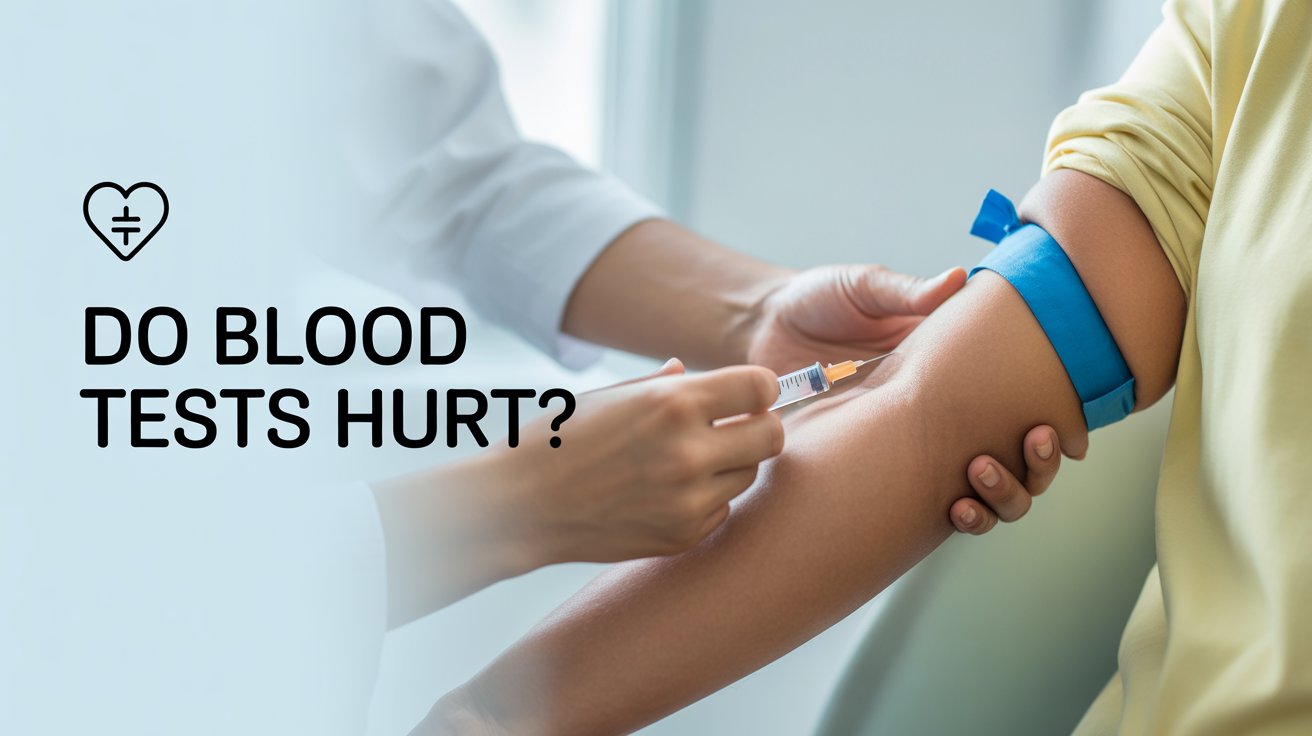
Do Blood Tests Hurt? Everything You Need to Know

If you’re wondering, “Do blood tests hurt?”, you’re certainly not alone. This question crosses the minds of countless people before their first blood draw or even their hundredth. Understanding what to expect can ease anxiety and help you approach the procedure with greater confidence. The short answer is that most people experience only minimal discomfort—often described as a brief pinch or scratch that lasts mere seconds.

What Does a Blood Test Feel Like?

Simply put, having your blood drawn involves inserting a thin needle into a vein—typically in your inner arm or the back of your hand. You may feel a slight pricking or scratching sensation as the needle goes in, but it shouldn’t be painful. The entire process usually takes less than a minute from start to finish.

Most people compare the sensation to a sharp scratch or a quick pinch. The anticipation of pain is sometimes worse than the actual needle prick. This is important to remember—your anxiety about the procedure can often feel more uncomfortable than the blood test itself.

When you arrive for your same day blood test appointment, the phlebotomist will clean the area with an antiseptic wipe (which may feel cold), apply a tourniquet to make your veins more visible, and then gently insert the needle. Many people find that looking away during insertion helps minimise any discomfort.

Why Blood Tests Hurt Some People More Than Others

The amount of discomfort you experience during a blood draw can vary based on several factors:

Vein Accessibility

If veins are deep, small, or rolling (they shift when touched), the phlebotomist may need to search a bit, and this is uncomfortable. Staying well-hydrated before your test makes veins fuller and easier to locate.

Needle Size

Different tests require different needle sizes. Smaller needles, often called butterfly needles, typically cause less sensation than standard needles used for multiple vial collections.

Phlebotomist Experience

A skilled professional can usually complete the procedure quickly and with minimal discomfort. If you’ve had difficult experiences in the past, mention this when booking your GP consultation.

Individual Pain Sensitivity

Everyone’s pain threshold differs. Some people have better pain tolerance than others, and some are just more sensitive. Fear also enhances pain, which makes the experience worse.

Understanding Needle Anxiety

It’s natural to feel nervous about needles. Fear of needles affects up to 25 percent of adults, making trypanophobia (the medical term for needle phobia) remarkably common. This isn’t about being “weak” or overly sensitive—it’s a genuine physiological response.

Remember, though this anxiety is valid, knowing what to expect can significantly reduce your worry. If you experience intense fear around needles that prevents you from seeking necessary medical care, discussing this with a healthcare professional during a telephone consultation can help you develop coping strategies.

Practical Tips to Minimise Discomfort

Stay Hydrated

Drinking plenty of water the night before and morning of your blood test makes your veins more prominent and easier to access. This is particularly important for routine screenings like cholesterol tests or Full Blood Count assessments.

Keep Warm

Cold temperatures can cause veins to constrict, making them harder to locate. Wear warm clothing and keep your arms warm before the procedure.

Communicate Your Concerns

Always inform the phlebotomist if you’re anxious, have fainted before, or have difficult veins. They can adjust their approach accordingly—perhaps by having you lie down or using a smaller needle.

Use Distraction Techniques

Focus on your breathing, look away from the needle, engage in conversation with the phlebotomist, or think about something pleasant. Many people find these techniques remarkably effective.

Consider Numbing Options

For those with significant anxiety, topical numbing creams are available at pharmacies. Apply approximately 30 minutes before your appointment for best results.

What to Expect After Your Blood Test

Once the needle is removed, pressure will be applied with cotton wool or gauze, followed by a small plaster. You may feel a slight pricking or scratching sensation as the needle goes in, but it shouldn’t be painful. Some mild bruising at the puncture site is normal and typically resolves within a few days.

Fortunately, most people experience no significant after-effects. However, some people feel dizzy and faint during and after the test. If you’ve experienced this previously, mention it beforehand so the phlebotomist can ensure you’re comfortable—perhaps by reclining your chair or taking your blood while you lie down.

Avoid heavy lifting with the affected arm for a few hours following your test. If you notice any unusual swelling, excessive bruising, or ongoing pain, contact your healthcare provider for guidance.

Common Blood Tests and Pain Levels

Different blood tests require varying amounts of blood, which can affect the duration of the procedure but not necessarily the pain level. Whether you’re having a diabetes screening, thyroid function assessment, or liver function test, the needle insertion feels the same—it’s simply a matter of how many vials need to be collected.

For comprehensive health assessments or full health check-ups that require multiple tests, the phlebotomist will typically collect several vials during a single needle insertion, rather than inserting the needle multiple times.

When Needle Phobia Requires Additional Support

If your fear of needles significantly interferes with your ability to receive necessary medical care, professional support is available. Cognitive behavioural therapy and exposure therapy have proven highly effective for treating needle phobia.

Your healthcare provider can discuss options during a video consultation, including potential short-term medication to manage severe anxiety around medical procedures. It’s essential to address these concerns rather than avoiding important health screenings like STI testing or routine inflammatory marker assessments.

Preparing Children for Blood Tests

Children often feel anxious about blood tests simply because they don’t understand what’s happening. Parents can help by explaining the process in age-appropriate terms—calling it a “tiny pinch” rather than dwelling on needles or pain.

Bringing a favourite toy, offering a small reward afterwards, and staying calm yourself (children pick up on parental anxiety) can all make the experience less intimidating. Many phlebotomists have excellent techniques for working with young patients and keeping them distracted throughout the procedure.

The Bottom Line

To answer the question directly: blood tests typically involve minimal discomfort—a brief sensation that most people describe as a quick pinch or scratch lasting only seconds. The anticipation is often worse than the reality.

By staying hydrated, keeping warm, communicating your concerns, and using simple distraction techniques, you can make the experience even more comfortable. Whether you need routine monitoring like ferritin levels or specialised testing such as prostate screening, remember that blood tests are fundamental to maintaining good health and diagnosing potential issues early.

If you’ve been postponing a blood test due to anxiety, consider scheduling a preliminary conversation with your healthcare provider. They can address your specific concerns and help you develop a personalised approach to making the procedure as comfortable as possible. Your well-being deserves this attention, and overcoming anxiety around blood tests ensures you can access the preventive care that keeps you healthy.

How Long Do Blood Test Results Take? Your Complete Guide

If you’ve recently had a blood test, you’re probably wondering: how long do blood test results take? Waiting for results can feel unsettling, especially when you’re uncertain about what to expect or when your doctor might contact you. Understanding the typical turnaround time can ease anxiety and help you plan your next steps with confidence.

Understanding Blood Test Turnaround Time

Simply put, most routine blood tests in the UK take approximately 72 hours to be processed and reviewed. This means that from the moment your blood sample reaches the laboratory, you can typically expect results within three working days. However, it’s important to recognise that this timeframe can vary depending on several factors.

The processing time begins when your sample arrives at the laboratory, not when your blood is drawn. Private blood test services often provide faster turnaround times due to streamlined laboratory partnerships and prioritised processing, with many results available within 24 to 48 hours.

Factors That Influence Blood Test Processing Time

Several elements affect how quickly you’ll receive your results:

Test Complexity

Basic tests such as Full Blood Count (FBC) or cholesterol screening are processed more rapidly than specialised tests. More complex analyses, including thyroid function panels or hormone assessments, require additional time for accurate measurement.

Laboratory Capacity

The workload at the processing laboratory plays a significant role. Samples are typically prioritised based on clinical urgency, which means routine tests may experience slight delays during particularly busy periods.

Collection Timing

When your sample is collected matters. Blood taken early in the day is often processed sooner than samples collected later, as laboratories have specific courier collection schedules throughout the day.

Test Type

Some investigations, such as STI testing or blood-borne virus screening, may require additional confirmation steps that extend the turnaround time to ensure accuracy.

When Will Your Doctor Contact You?

Here’s what you should know about receiving your results: if your test results indicate something requiring discussion, your Private GP will typically contact you within the expected timeframe. Many practices operate on a “no news is good news” basis, meaning you may not receive a call if your results fall within normal ranges.

Remember, though this waiting period can feel uncomfortable, it’s designed to ensure your doctor has adequate time to review and interpret your results thoroughly. If there’s an urgent finding, your healthcare provider will contact you much sooner—often within 24 to 48 hours.


Read More: 5 Reasons Why Your Doctor Wants to See You After a Blood Test


Different Tests, Different Timescales

Not all blood tests follow the same timeline. Here’s what you might expect for common investigations:

  • HbA1c and Liver Function Tests: Typically 2-3 working days
  • Ferritin and CRP levels: Usually 3-5 working days
  • TSH and comprehensive thyroid panels: Approximately 3-7 working days
  • Specialised hormone or vitamin assessments: May extend to 7-14 working days

Fortunately, advances in laboratory technology continue to improve processing efficiency, and many tests that once required a week or more now return results within a few days.

What Happens If You Need a Repeat Test?

If your doctor requests a repeat blood test, there’s no need for concern. This is quite common and usually occurs because:

  • Your initial result was borderline and requires confirmation
  • Your doctor wants to monitor changes over time
  • Additional context is needed to interpret the findings accurately

A repeat test doesn’t automatically indicate a serious problem—it’s simply part of thorough, responsible medical care.

Accessing Your Results

You have several options for obtaining your blood test results:

Online Access

Many patients can now view results through secure online portals or the NHS App, often before their GP has completed a full review. This provides reassurance while you await any necessary follow-up discussion.

Direct Contact

You can telephone your surgery during designated times to enquire about your results. Most practices have specific hours allocated for result enquiries to manage demand effectively.

Scheduled Review

For comprehensive health assessments or full health check-ups, your results are typically discussed during a follow-up appointment, allowing for detailed explanation and planning.

Understanding Your Results

When you receive your results, you may encounter unfamiliar terminology or numerical ranges. While it’s natural to want to interpret these independently, it’s essential to discuss findings with a qualified healthcare professional who can consider your complete medical history and current symptoms.

If you’re uncertain about what your results indicate, don’t hesitate to arrange a video consultation for a clear, personalised explanation. Understanding your health markers empowers you to make informed decisions about your well-being.

For those seeking faster results or same-day services, private healthcare options can significantly reduce waiting time while maintaining the same high standards of accuracy and care.

When to Follow Up

If you haven’t received your results within the timeframe provided, it’s perfectly appropriate to contact your healthcare provider. Sometimes samples require additional processing, or results may need review by a specialist before being released.

Always pay attention to any specific instructions given when your blood is drawn, as some tests require particular preparation or have longer processing times that should be communicated to you at the time.

Key Takeaways

Understanding how long blood test results take helps you plan appropriately and reduces unnecessary worry during the waiting period. Most routine tests are processed within three days, though this can vary based on complexity and laboratory capacity. If you need faster results or prefer a more comprehensive discussion of your findings, private healthcare services offer streamlined access with shorter turnaround times.

Your health deserves careful attention, and knowing what to expect from the blood testing process allows you to engage more confidently with your healthcare journey. Whether you’re monitoring a chronic condition, investigating new symptoms, or simply maintaining wellness through regular screening, timely and accurate blood test results remain fundamental to effective medical care.

Are Private Blood Tests Worth It?

Today’s world offers healthcare that is more personalised, accessible, and user-focused than ever before. With advancements in medical technology and the growing shift toward preventive care, more people are taking ownership of their health. At the centre of this movement is the increasing popularity of private blood testing a modern, efficient approach to diagnosing and managing health.

Whether you’re dealing with persistent symptoms, chasing specific wellness goals, or simply looking for peace of mind, The Private GP provides a seamless and comprehensive solution. In this blog post, we’ll explore the many advantages of private blood testing and answer the question that’s on your mind: Are private blood tests really worth it?

Spoiler: If you’re in Birmingham or anywhere across the UK, The Private GP may be just the healthcare partner you need.


What Are Private Blood Tests?

Private blood tests are diagnostic procedures conducted independently of the NHS or public healthcare systems. They are designed to give you greater control over your health by offering rapid, targeted, and in-depth insights into your body’s functioning.

While NHS blood tests are typically limited to essential screenings as deemed necessary by your GP, private blood tests at The Private GP go far beyond offering a wide range of health checks covering everything from vitamin levels and cholesterol to hormonal balance, liver function, thyroid health, and even advanced diagnostics like cancer markers and allergy testing.

These tests are not just about identifying what’s wrong. They empower you with information helping you stay ahead of health concerns, optimise wellness routines, and live more confidently.


Why Choose a Private Blood Test?

1. Personalised Healthcare, On Your Terms

At the heart of private blood testing is individualisation. With The Private GP, you are not limited by general panels or rigid screening criteria. You can choose tests that align with your lifestyle, symptoms, goals, or concerns whether it’s managing fatigue, investigating recurring headaches, tracking fertility, or checking your cardiovascular risk.

This personalised approach means:

  • No more one-size-fits-all care.
  • No GP referral needed.
  • Greater autonomy in your health journey.

The Private GP’s tailored health assessments ensure you get precisely the information you need when you need it.

2. Fast, Convenient, and Flexible

Time is one of the biggest assets in modern life, and healthcare shouldn’t waste it. Private blood testing with The Private GP offers:

  • Minimal waiting times
  • Same-week and next-day appointments
  • Online booking at your convenience
  • Choice of local clinics across Birmingham and other UK regions

You no longer have to wait weeks for an NHS referral or lab appointment. In most cases, results are delivered within 24 to 72 hours via a secure online portal, so you can act swiftly and confidently.

3. Comprehensive Health Insights

Private blood tests at The Private GP are far more extensive than routine check-ups. You can choose tests that delve deep into your health profile:

These insights are often crucial for early detection of health conditions and give you the data needed to make informed lifestyle or treatment decisions.


Are Private Blood Tests Worth the Investment?

Let’s address the key question: Are they worth it?

Absolutely — and here’s why.

1. Early Detection Equals Better Outcomes

Many health issues including diabetes, heart disease, liver problems, hormonal imbalances, and even some cancers  don’t show symptoms until they’ve progressed significantly. Private blood tests help detect subtle changes before they become problematic.

For example, discovering a vitamin D deficiency early could help prevent bone loss or fatigue. Catching a rising cholesterol level could help prevent a heart attack. This kind of proactive healthcare could make all the difference.

2. Track Your Health and Wellness Goals

Are you working toward weight loss, improved energy, muscle gain, better sleep, or managing stress? Private blood tests give you real, measurable feedback.

You can track your progress over time, assess the impact of your diet and fitness routines, and adjust accordingly. The Private GP can help monitor your hormonal profile, cortisol levels, and more offering the data behind how you feel.

3. Support for Chronic Conditions

If you live with a chronic condition like hypothyroidism, high blood pressure, or polycystic ovarian syndrome (PCOS), private testing lets you keep a close eye on your health between NHS reviews.

Regular testing ensures you stay informed and in control, enabling quicker adjustments to medication or lifestyle.


Private vs NHS Blood Tests: What’s the Difference?

Feature

NHS Blood Tests

Private GP Blood Tests

AvailabilityGP referral neededNo referral needed
Waiting TimeOften several weeksSame-week, sometimes same-day
Range of TestsLimited to essential diagnosticsComprehensive, including advanced
Appointment SchedulingLimited availabilityFlexible, online booking
ResultsDelayed, sometimes via GPFast, digital access
CustomisationVery limitedFully tailored

While NHS care remains vital, private services offer convenience and depth that the public system often cannot match — especially for those looking to go above and beyond.


Where to Find Private Blood Tests in Birmingham

When searching for a trusted provider of private blood tests in Birmingham, The Private GP stands out for its:

  • Exceptional service
  • Experienced medical professionals
  • Extensive list of tests
  • State-of-the-art facilities
  • Transparent pricing

Whether you’re in the heart of Birmingham or in the surrounding West Midlands, The Private GP offers accessible clinics, discreet service, and a commitment to care that feels truly personalised.

Conclusion: Invest in Your Health, Today

In a time when personalised care and health awareness are more important than ever, private blood tests are not a luxury they are a smart investment in your long-term wellbeing. From fast access and tailored testing to early diagnosis and ongoing health tracking, the benefits speak for themselves.

The Private GP makes private blood testing in Birmingham convenient, affordable, and empowering.

Take control of your health journey not tomorrow, not next month, but today.


Book Your Private Blood Test Now

Ready to take the next step? Visit our website and book your private blood test in Birmingham. Whether it’s a single test or a full health panel, The Private GP is here to support you every step of the way.

Because your health isn’t just important it’s everything.