


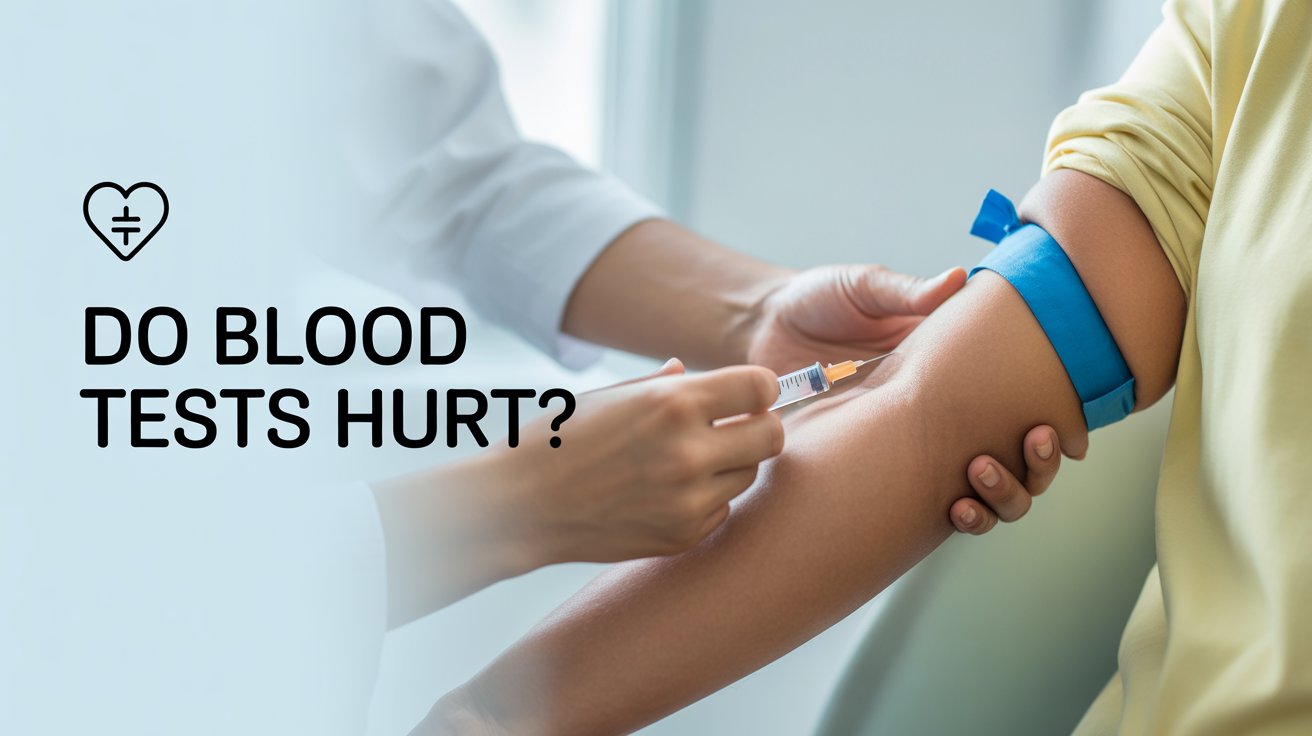
If you’re wondering, “Do blood tests hurt?”, you’re certainly not alone. This question crosses the minds of countless people before their first blood draw or even their hundredth. Understanding what to expect can ease anxiety and help you approach the procedure with greater confidence. The short answer is that most people experience only minimal discomfort—often described as a brief pinch or scratch that lasts mere seconds.
What Does a Blood Test Feel Like?
Simply put, having your blood drawn involves inserting a thin needle into a vein—typically in your inner arm or the back of your hand. You may feel a slight pricking or scratching sensation as the needle goes in, but it shouldn’t be painful. The entire process usually takes less than a minute from start to finish.
Most people compare the sensation to a sharp scratch or a quick pinch. The anticipation of pain is sometimes worse than the actual needle prick. This is important to remember—your anxiety about the procedure can often feel more uncomfortable than the blood test itself.
When you arrive for your same day blood test appointment, the phlebotomist will clean the area with an antiseptic wipe (which may feel cold), apply a tourniquet to make your veins more visible, and then gently insert the needle. Many people find that looking away during insertion helps minimise any discomfort.
Why Blood Tests Hurt Some People More Than Others
The amount of discomfort you experience during a blood draw can vary based on several factors:
Vein Accessibility
If veins are deep, small, or rolling (they shift when touched), the phlebotomist may need to search a bit, and this is uncomfortable. Staying well-hydrated before your test makes veins fuller and easier to locate.
Needle Size
Different tests require different needle sizes. Smaller needles, often called butterfly needles, typically cause less sensation than standard needles used for multiple vial collections.
Phlebotomist Experience
A skilled professional can usually complete the procedure quickly and with minimal discomfort. If you’ve had difficult experiences in the past, mention this when booking your GP consultation.
Individual Pain Sensitivity
Everyone’s pain threshold differs. Some people have better pain tolerance than others, and some are just more sensitive. Fear also enhances pain, which makes the experience worse.
Understanding Needle Anxiety
It’s natural to feel nervous about needles. Fear of needles affects up to 25 percent of adults, making trypanophobia (the medical term for needle phobia) remarkably common. This isn’t about being “weak” or overly sensitive—it’s a genuine physiological response.
Remember, though this anxiety is valid, knowing what to expect can significantly reduce your worry. If you experience intense fear around needles that prevents you from seeking necessary medical care, discussing this with a healthcare professional during a telephone consultation can help you develop coping strategies.
Practical Tips to Minimise Discomfort
Stay Hydrated
Drinking plenty of water the night before and morning of your blood test makes your veins more prominent and easier to access. This is particularly important for routine screenings like cholesterol tests or Full Blood Count assessments.
Keep Warm
Cold temperatures can cause veins to constrict, making them harder to locate. Wear warm clothing and keep your arms warm before the procedure.
Communicate Your Concerns
Always inform the phlebotomist if you’re anxious, have fainted before, or have difficult veins. They can adjust their approach accordingly—perhaps by having you lie down or using a smaller needle.
Use Distraction Techniques
Focus on your breathing, look away from the needle, engage in conversation with the phlebotomist, or think about something pleasant. Many people find these techniques remarkably effective.
Consider Numbing Options
For those with significant anxiety, topical numbing creams are available at pharmacies. Apply approximately 30 minutes before your appointment for best results.
What to Expect After Your Blood Test
Once the needle is removed, pressure will be applied with cotton wool or gauze, followed by a small plaster. You may feel a slight pricking or scratching sensation as the needle goes in, but it shouldn’t be painful. Some mild bruising at the puncture site is normal and typically resolves within a few days.
Fortunately, most people experience no significant after-effects. However, some people feel dizzy and faint during and after the test. If you’ve experienced this previously, mention it beforehand so the phlebotomist can ensure you’re comfortable—perhaps by reclining your chair or taking your blood while you lie down.
Avoid heavy lifting with the affected arm for a few hours following your test. If you notice any unusual swelling, excessive bruising, or ongoing pain, contact your healthcare provider for guidance.
Common Blood Tests and Pain Levels
Different blood tests require varying amounts of blood, which can affect the duration of the procedure but not necessarily the pain level. Whether you’re having a diabetes screening, thyroid function assessment, or liver function test, the needle insertion feels the same—it’s simply a matter of how many vials need to be collected.
For comprehensive health assessments or full health check-ups that require multiple tests, the phlebotomist will typically collect several vials during a single needle insertion, rather than inserting the needle multiple times.
When Needle Phobia Requires Additional Support
If your fear of needles significantly interferes with your ability to receive necessary medical care, professional support is available. Cognitive behavioural therapy and exposure therapy have proven highly effective for treating needle phobia.
Your healthcare provider can discuss options during a video consultation, including potential short-term medication to manage severe anxiety around medical procedures. It’s essential to address these concerns rather than avoiding important health screenings like STI testing or routine inflammatory marker assessments.
Preparing Children for Blood Tests
Children often feel anxious about blood tests simply because they don’t understand what’s happening. Parents can help by explaining the process in age-appropriate terms—calling it a “tiny pinch” rather than dwelling on needles or pain.
Bringing a favourite toy, offering a small reward afterwards, and staying calm yourself (children pick up on parental anxiety) can all make the experience less intimidating. Many phlebotomists have excellent techniques for working with young patients and keeping them distracted throughout the procedure.
The Bottom Line
To answer the question directly: blood tests typically involve minimal discomfort—a brief sensation that most people describe as a quick pinch or scratch lasting only seconds. The anticipation is often worse than the reality.
By staying hydrated, keeping warm, communicating your concerns, and using simple distraction techniques, you can make the experience even more comfortable. Whether you need routine monitoring like ferritin levels or specialised testing such as prostate screening, remember that blood tests are fundamental to maintaining good health and diagnosing potential issues early.
If you’ve been postponing a blood test due to anxiety, consider scheduling a preliminary conversation with your healthcare provider. They can address your specific concerns and help you develop a personalised approach to making the procedure as comfortable as possible. Your well-being deserves this attention, and overcoming anxiety around blood tests ensures you can access the preventive care that keeps you healthy.