

How Many Blood Tests During Pregnancy? A Trimester-by-Trimester Guide

Pregnancy involves more blood tests than many people anticipate — and understandably, that can prompt a few questions. Why are so many needed? What is each one actually looking for? And is there anything beyond the standard NHS schedule worth considering?

The number of blood tests during pregnancy varies depending on your individual health, your medical history, and the care pathway you are following. For a straightforward pregnancy managed through the NHS, most women can expect somewhere between six and ten blood tests across the nine months. Some will have more. Understanding what each one involves, and why it has been requested, makes the process feel considerably less daunting.


First Trimester: The Booking Appointment Panel

The most comprehensive blood draw in pregnancy typically happens at or around the booking appointment — usually between eight and twelve weeks. This is when a broad baseline panel is taken, covering a wide range of markers that inform your entire pregnancy care.

Blood Group and Rhesus Status

Knowing your blood group and whether you are rhesus positive or negative is fundamental to safe pregnancy care. If you are rhesus negative and your baby is rhesus positive, there is a risk of your immune system producing antibodies against the baby’s blood cells — a condition called rhesus sensitisation. This is preventable with treatment, but only if your rhesus status is known early.

Full Blood Count

A full blood count establishes your haemoglobin levels and checks for anaemia at the outset. Anaemia in pregnancy is common — iron demands increase significantly as the pregnancy progresses — and identifying a low baseline early allows for timely supplementation before deficiency becomes symptomatic.

Blood-Borne Virus Screening

Routine screening for HIV, hepatitis B, and syphilis is offered to all pregnant women at the booking appointment. These are included as part of the blood-borne virus screening panel and are recommended not because of any presumed risk, but because all three conditions can be transmitted to the baby during pregnancy or birth — and all three are far more safely managed when identified early.

Rubella Immunity

A rubella antibody test confirms whether you have immunity to rubella (German measles), either from prior infection or vaccination. Rubella infection during early pregnancy carries a significant risk of serious fetal abnormality. If immunity is absent, this information guides precautions during pregnancy and vaccination planning after delivery.

Thyroid Function

Thyroid disorders in pregnancy are associated with increased risk of miscarriage, preterm birth, and developmental complications. Thyroid function testing is not always included in the standard NHS booking panel, but it is increasingly recommended — particularly for women with a personal or family history of thyroid disease, those with symptoms of hypothyroidism, or those who have experienced previous pregnancy loss.

Haemoglobinopathy Screening

Depending on your background and family history, screening for sickle cell disease and thalassaemia may be offered. These are inherited blood conditions that can be passed to a child if both parents carry the relevant gene variant. Early identification allows for informed decisions and, where necessary, further testing.


First and Second Trimester: Screening for Chromosomal Conditions

Between eleven and fourteen weeks, a combined screening test is offered that pairs a blood test with an ultrasound measurement. The blood component measures two markers — pregnancy-associated plasma protein A (PAPP-A) and human chorionic gonadotrophin (hCG) — which, combined with the nuchal translucency measurement and your age, produce a risk assessment for conditions including Down’s syndrome, Edwards’ syndrome, and Patau’s syndrome.

This is a screening test, not a diagnostic one — it assesses probability rather than confirming a condition. A higher-risk result leads to a discussion about further diagnostic options, including non-invasive prenatal testing (NIPT) or amniocentesis.

If the first trimester combined test is missed, a quadruple blood test can be offered between fifteen and twenty weeks as an alternative screening option.


Second Trimester: Gestational Diabetes Screening

Between twenty-four and twenty-eight weeks, women who meet certain criteria — including a BMI above 30, a previous baby weighing over 4.5kg, a family history of type 2 diabetes, or certain ethnic backgrounds associated with higher risk — are offered a glucose tolerance test (GTT) to screen for gestational diabetes.

The GTT involves a fasting blood draw, followed by a glucose drink and a second draw two hours later. It is a longer appointment than most blood tests and requires planning around fasting requirements, but it is an important test: gestational diabetes that goes undetected and unmanaged carries risks for both mother and baby, including a higher likelihood of a large baby, premature birth, and a greater chance of developing type 2 diabetes later in life.


Third Trimester: Repeat Checks

A further full blood count is typically carried out at around twenty-eight weeks to check for anaemia as iron demands peak in the third trimester. At the same point, rhesus negative women receive a further blood test to check for antibodies, alongside their anti-D injection if required.

For women with certain risk factors — including hypertensive conditions, pre-existing diabetes, or other medical complexities — additional monitoring throughout the third trimester may include repeat liver function checks, uric acid levels, platelet counts, and blood pressure-related markers. These are not routine for all pregnancies but are an important part of individualised care.


Additional Tests You May Be Offered

Beyond the standard pathway, a number of additional blood tests may be relevant depending on your individual history and circumstances:

  • Iron and ferritin. If your full blood count indicates anaemia or low-normal haemoglobin, a ferritin test provides a more precise picture of your iron stores and helps guide supplementation.
  • Vitamin D. Deficiency is common in the UK population and particularly relevant in pregnancy, where it affects both maternal bone health and fetal development. Many midwives and GPs recommend checking levels, especially in the winter months.
  • STI screening. Chlamydia and other sexually transmitted infections can affect pregnancy outcomes and are not always symptomatic. STI testing can be arranged separately if not included in your standard pathway.
  • Group B Streptococcus (GBS). GBS is not routinely screened for on the NHS but is carried by around 20–25% of women and can cause serious infection in newborns. Private testing is available in the third trimester for those who wish to know their status.


Going Beyond the Standard Pathway

For women who want a more comprehensive picture of their health during pregnancy — or who have been waiting longer than expected for NHS results — private blood testing offers a straightforward alternative. At The Private GP in Birmingham, tests including thyroid function, iron and ferritin, vitamin D, and a range of other markers can be arranged quickly, with results reviewed directly with a doctor rather than simply posted or left on a portal.


Frequently Asked Questions

  • How many blood tests are normal during pregnancy?

For a straightforward pregnancy, most women have between six and ten blood tests across the three trimesters. The exact number depends on your individual health, any risk factors identified during the pregnancy, and whether additional screening or monitoring is required. Women with more complex pregnancies may have considerably more.

  • What is the first blood test in pregnancy looking for?

The booking appointment blood panel — usually taken between eight and twelve weeks — covers a broad range of markers: blood group and rhesus status, full blood count, blood-borne virus screening (HIV, hepatitis B, syphilis), rubella immunity, and often thyroid function and haemoglobinopathy screening. It establishes the baseline information that informs your entire pregnancy care.

  • Is the glucose tolerance test always required?

No. The glucose tolerance test for gestational diabetes is offered to women who meet specific risk criteria, not to all pregnant women routinely. If you are unsure whether you meet those criteria, your midwife or GP can advise based on your history and current pregnancy details.

  • Can I have private blood tests during pregnancy?

Yes. Private blood testing during pregnancy can be a useful complement to your standard NHS care — particularly for tests that are not routinely offered, such as vitamin D, detailed thyroid function, or Group B Streptococcus. It is also an option for those who want faster results or a more thorough review of their findings. A private blood test can be arranged without a referral and with results discussed directly with a doctor.

  • What happens if a blood test in pregnancy comes back abnormal?

An abnormal result does not automatically indicate a serious problem — many findings during pregnancy are manageable and, when identified early, lead to straightforward interventions. Your midwife or GP will explain what the result means, whether further testing is needed, and what, if anything, needs to change in your care. If you feel you need more time to discuss a result than the standard appointment allows, a longer consultation with a private GP can be helpful.


Book a Private Blood Test in Birmingham

Whether you are looking to supplement your NHS antenatal care or want specific markers checked more quickly, The Private GP offers same-day private blood tests in Birmingham with results reviewed directly by a GMC-registered doctor. No long waits, no unanswered questions — just clear, personalised care at every stage of your pregnancy.

What to Eat After a Blood Draw: Simple Steps to Feel Your Best

For most people, a blood draw is over within minutes and life carries on as normal. But for those who fasted beforehand, feel lightheaded afterwards, or simply want to recover as smoothly as possible, what you eat and drink in the hour or two following the procedure makes a meaningful difference.

The guidance here is straightforward and grounded in what actually helps — restoring blood sugar, supporting hydration, and giving your body what it needs to feel settled again quickly.


Why What You Eat After Matters

When blood is drawn, the body loses a small volume of fluid and — if you fasted beforehand — you arrive at the appointment already running on lower blood sugar and reduced fluid reserves. The combination of mild dehydration, low glucose, and the physiological stress response that some people experience during venepuncture can leave you feeling tired, lightheaded, or slightly nauseous.

Eating and drinking appropriately after a blood draw helps stabilise blood sugar, replenish fluid and electrolytes, and support the body’s natural recovery. None of this needs to be complicated — it is largely a matter of choosing the right foods and giving yourself a few quiet minutes to settle before rushing off.


What to Eat: The Best Foods After a Blood Draw

Something with Slow-release Carbohydrates

If you have been fasting, the priority after your blood draw is to restore your blood sugar at a steady, sustainable pace — not to spike it rapidly with something sugary. Slow-release carbohydrates are ideal for this: wholegrain toast, porridge, a banana, or a small bowl of cereal will all raise blood glucose gently and sustain your energy without a sharp crash shortly afterwards.

A piece of fruit is a practical option to bring to your appointment and eat immediately after the draw. It is portable, requires no preparation, and provides both natural sugars for a quick lift and fibre to moderate the response.

Protein

Pairing carbohydrates with a source of protein helps sustain your energy for longer and keeps you feeling fuller. Eggs, yoghurt, a handful of nuts, or a small portion of cheese alongside your toast are all sensible choices. If you are heading straight to work or back into a busy morning after your appointment, a more substantial meal that includes protein will serve you considerably better than a biscuit and a cup of tea.

Iron-Rich Foods — particularly if anaemia is a concern

If your test included a ferritin test or full blood count to investigate iron levels, the blood draw itself removes only a small amount of iron — not enough to make a clinical difference. That said, if you know your iron stores are low or you are prone to anaemia, eating iron-rich foods throughout the day is good general practice: lean red meat, lentils, spinach, fortified cereals, and pumpkin seeds are all strong sources.

If you eat plant-based iron sources, pairing them with something rich in vitamin C — a glass of orange juice, some tomatoes, or a handful of strawberries — significantly enhances absorption.


What to Drink After a Blood Draw

Water

Hydration is the single most important thing to address immediately after a blood draw. Drink a full glass of water as soon as the procedure is complete, and continue drinking steadily throughout the rest of the morning. Blood plasma is predominantly water, and staying well hydrated supports the body’s natural replenishment process.

Juice or a Sports Drink

If you feel lightheaded or faint immediately after the draw, a small glass of fruit juice or a sports drink can help raise blood sugar and electrolytes quickly. This is not necessary for everyone, but it is a useful option to have to hand — particularly if you fasted beforehand or are prone to feeling unwell after blood tests.

Tea or coffee — with Caveats

Once your blood has been drawn and your results are no longer at risk of being affected, there is nothing wrong with having a cup of tea or coffee. Caffeine is a mild diuretic, however, so pair it with additional water rather than relying on it as your primary source of fluid after the draw.


What to Avoid in the Hours After

Most foods are entirely fine after a blood draw. There are, however, a few things worth being sensible about in the immediate aftermath:

  • Even if your test is now complete, drinking alcohol shortly after a blood draw — particularly if you fasted — is not advisable. Your blood sugar is already recovering, and alcohol impairs the liver’s ability to regulate glucose. Give yourself at least a few hours and a proper meal before drinking.
  • Heavy, fatty meals immediately after fasting. After a prolonged fast, the temptation to eat something large and rich is understandable. However, a very heavy meal straight after fasting can cause a sharp insulin response and leave you feeling sluggish or uncomfortable. Start with something moderate and balanced, then eat normally for the rest of the day.
  • Skipping food altogether. Some patients, particularly those who feel fine after the draw, skip eating entirely and carry on with their morning. This is unnecessary and counterproductive — especially after a fasting test. Eating a proper meal promptly supports your recovery and your concentration for the rest of the day.


If You Feel Unwell After the Draw

Lightheadedness, nausea, and brief fatigue are the most common post-draw symptoms and usually resolve quickly with food, water, and a few minutes of rest. Sit down, drink something, and eat a small snack before attempting to drive or return to demanding activity.

If symptoms persist beyond twenty to thirty minutes, or if you experience chest discomfort, significant weakness, or continued bleeding at the puncture site, seek medical advice promptly. These reactions are uncommon but worth taking seriously.


A Straightforward Recovery, Every Time

The post-draw recovery is rarely complicated, but a little thought beforehand makes it even smoother. Bringing a snack and a bottle of water to your appointment — and allowing yourself ten minutes to sit quietly afterwards — is all most people need. If you have specific health concerns that affect what you should eat after your test, such as diabetes or a known iron deficiency, your clinician can advise you directly at your appointment.


Frequently Asked Questions

  • What should I eat immediately after a blood test?

A light meal or snack combining slow-release carbohydrates and protein is ideal — wholegrain toast with eggs, a banana with yoghurt, or a small bowl of porridge. The goal is to restore blood sugar steadily and sustain your energy without an abrupt spike and crash. If you feel lightheaded immediately after the draw, a small glass of juice can help quickly.

  • How long should I wait to eat after a blood draw?

There is no waiting period required. If you fasted for your test, you can eat as soon as the draw is complete. In fact, eating promptly is actively encouraged — it supports your recovery and reduces the chance of feeling faint or fatigued in the hour that follows.

  • Is it normal to feel dizzy or tired after a blood test?

Yes, and it is more likely if you fasted beforehand, are not well hydrated, or feel anxious during the procedure. These symptoms typically resolve within a few minutes of sitting quietly, eating a small snack, and drinking water. If they persist or worsen, let your clinician know before you leave.

  • Can I drink coffee after a blood draw?

Yes. Once your blood has been taken, caffeine will not affect your results. Be mindful that coffee is mildly dehydrating, so drink water alongside it rather than treating it as a substitute for proper hydration after the procedure.

  • Do I need to eat differently after a blood draw if I have diabetes?

If you manage diabetes and have fasted for your blood test, eating promptly after the draw is particularly important to avoid hypoglycaemia. Follow your usual post-fast eating routine and take any medication as normal unless your doctor has advised otherwise. If you are unsure how to manage your medication around a fasting blood test, confirm this with your clinician when you book.


Book Your Blood Test in Birmingham

Whether you’re attending for a routine check or a targeted panel, The Private GP offers same-day private blood tests in Birmingham with results reviewed directly by a GMC-registered doctor. Our team will always walk you through exactly what to expect before, during, and after your appointment — so nothing comes as a surprise.

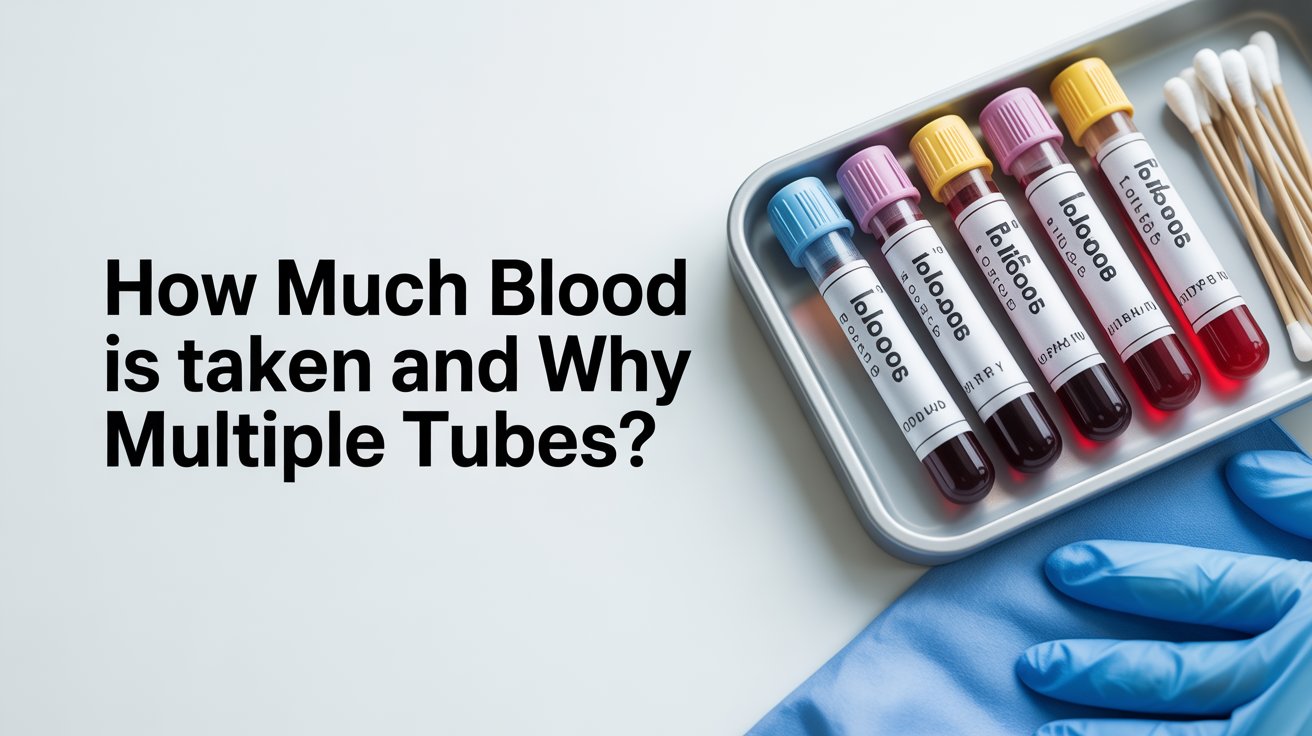
How Much Blood is Taken and Why Multiple Tubes

If you’ve ever sat in a clinic and watched the person drawing your blood swap out one tube for another — or noticed several coloured vials lined up on the tray beside you — you may have wondered exactly what is going on. It is one of the most common questions patients ask before and during a blood test: how much blood is actually being taken, and why does it need to go into different tubes?

The short answer is reassuring: the total volume collected is almost always small — well within what your body replaces comfortably within hours. The longer answer is genuinely interesting, and understanding it can make the whole experience feel considerably less daunting.


How Much Blood Is Actually Taken?

The average adult human body contains around four to six litres of blood. During a routine blood test, the volume collected typically ranges from around 5ml to 30ml in total — and even a comprehensive panel involving multiple tubes rarely exceeds 50ml. To put that in perspective, a single unit of blood donated at a donor centre is 470ml: roughly ten to twenty times more than a typical blood test draws.

Your body replaces the plasma component of blood within a matter of hours, and the cellular elements within days. For the vast majority of people, there is no meaningful impact on energy levels or wellbeing from the volume taken — though staying well hydrated beforehand and eating a light meal (where your test permits) always helps.

Patients who are particularly anxious about the volume collected often find it helpful to discuss this with their clinician before the procedure begins. At The Private GP, our doctors are always happy to walk you through what your specific private blood test panel in Birmingham involves before anything takes place.


Why Are Multiple Tubes Used?

This is where things become genuinely interesting from a clinical perspective. The different coloured tubes you see are not interchangeable — each one is designed for a specific type of analysis, and using the wrong tube for a given test would compromise the result. The colour of the cap indicates what is inside the tube: different additives that either preserve the blood in a particular way, prevent it from clotting, or actively encourage it to clot depending on what the laboratory needs.

Purple or Lavender Cap — EDTA Tubes

These are among the most commonly used tubes and contain a chemical called EDTA (ethylenediaminetetraacetic acid), which prevents blood from clotting by binding to calcium. This preserves the blood cells in their natural state so they can be counted and examined accurately. Purple cap tubes are used for tests including the full blood count (FBC), HbA1c, and blood group testing.

Gold or Yellow Cap — Serum Separator Tubes

Gold cap tubes contain a gel that separates the serum — the liquid component of blood without cells — from the clotted material once the sample is spun in a centrifuge. Serum is required for a wide range of biochemistry tests, including liver function tests, cholesterol panels, bone profile tests, and hormone levels such as PSA and thyroid function.

Light Blue Cap — Citrate Tubes

Light blue cap tubes contain sodium citrate, another anticoagulant, but one that works differently to EDTA. These are used specifically for coagulation studies — tests that assess how well your blood clots. The ratio of blood to additive in these tubes must be precise, which is why they are always filled to the line.

Green Cap — Lithium Heparin Tubes

Green cap tubes contain heparin, an anticoagulant that prevents clotting whilst preserving plasma. They are used for certain biochemistry tests where plasma — rather than serum — is required, including some drug level monitoring and specific metabolic panels. They may also be used for eGFR testing in some laboratory protocols.

Grey Cap — Fluoride Oxalate Tubes

Grey cap tubes contain sodium fluoride, which preserves glucose in the sample by preventing the blood cells from metabolising it after collection. These are used when blood glucose levels need to be measured accurately, as glucose in an untreated sample begins to break down almost immediately.


The Order of Draw — Why Tubes Are Filled in a Specific Sequence

Experienced phlebotomists and clinicians follow a specific “order of draw” when filling multiple tubes from a single venepuncture. This is not incidental — it is clinically important. The additives in each tube can contaminate subsequent samples if the tubes are filled in the wrong sequence, potentially affecting test accuracy.

The standard order runs from blood culture bottles (where used), through citrate tubes, serum tubes, heparin tubes, EDTA tubes, and finally fluoride tubes. This sequence minimises cross-contamination between additives and ensures every result is as accurate as possible.

Understanding this is also a useful reassurance: the multiple tubes are not a sign that something unusual is happening. They are a sign that your clinician is being thorough.


A Comprehensive Panel Tells a Complete Story

When multiple tests are requested together — as part of a full health check-up or a targeted diagnostic panel — the additional tubes collected represent a far richer picture of your health than a single test could ever provide. A full blood count, liver function test, ferritin, and cholesterol panel together give your GP the information needed to assess your health holistically rather than in isolation. That kind of joined-up view is where meaningful clinical insight comes from.


Frequently Asked Questions

  • How much blood is taken in a typical blood test?

For a routine panel, usually between 5ml and 30ml in total. Even a comprehensive multi-test panel rarely exceeds 50ml — a small fraction of the body’s total blood volume, which is replaced naturally within hours to days.

  • Why are the tubes different colours?

Each colour indicates a different additive inside the tube. These additives either prevent clotting, encourage it, or preserve specific components of the blood depending on what the laboratory analysis requires. Using the correct tube for each test is essential for accurate results.

  • Is it safe to have multiple tubes of blood taken at once?

Yes, entirely. The volumes involved are small and well within what the body handles without any difficulty. Staying hydrated beforehand and eating a light meal where appropriate further reduces any chance of feeling lightheaded afterwards.

  • Can I request specific blood tests at The Private GP?

Absolutely. Our doctors can discuss which tests are most appropriate for your symptoms or health goals and build a panel accordingly. You can also book a GP consultation to discuss your health in full before deciding which blood tests in Birmingham to proceed with.

  • Will I feel unwell after having several tubes taken?

Most people feel completely fine. A small number may feel briefly lightheaded, particularly if they are anxious, have not eaten, or are not well hydrated. Sitting quietly for a few minutes after the draw and having a drink and snack to hand is always sensible. If you have previously felt unwell after blood tests, let your clinician know beforehand so they can take additional steps to ensure you are comfortable.


Book Your Blood Test at The Private GP, Birmingham

Whether you need a single targeted test or a comprehensive panel across multiple markers, The Private GP offers private blood tests in Birmingham with same-day appointments, fast results, and a GP who will explain every finding clearly. There are no long waits and no unanswered questions — just straightforward, personalised care from clinicians who take the time to get it right.

Can I Work Out After Getting Blood Drawn

It’s a question that comes up more often than you might expect — particularly among people who take their fitness seriously and do not want a routine blood test to disrupt their training schedule. You’ve had your blood drawn, the appointment is done, and your gym session is next on the list. Is it safe to go straight there? Should you wait? And does it even make a difference?

The honest answer is that for most people, light activity after a blood draw is perfectly fine. However, there are some nuances worth understanding — particularly around the type of exercise, the volume of blood taken, and your individual circumstances on the day. Here is what our GPs at The Private GP in Birmingham would advise.


What Happens to Your Body After a Blood Draw?

Understanding why this question matters starts with appreciating what actually happens during and after venepuncture. When blood is drawn, a small puncture is made in a vein — typically in the antecubital fossa (the crook of the arm). The body immediately begins its clotting response, forming a small platelet plug to seal the puncture site. This process is usually complete within a few minutes, after which a small bruise or minor tenderness may remain at the site.

The volume of blood removed — usually between 5ml and 30ml for a standard panel — is small relative to your total blood volume, and plasma begins to be replaced almost immediately. However, vigorous physical activity increases heart rate and blood pressure, raises core temperature, and redirects blood flow significantly. All of these changes place additional demands on a body that has just undergone a minor procedure.


How Long Should You Wait Before Exercising?

As a general clinical guideline, it is advisable to rest for at least one to two hours after a blood draw before engaging in any moderate to vigorous physical activity. For most people following a straightforward, low-volume blood test, this is a sensible and sufficient precaution.

If you had a larger volume of blood taken — for example, as part of a comprehensive multi-panel assessment — or if you fasted beforehand, waiting a little longer and eating a proper meal before exercising is the wiser approach. Exercising in a fasted or depleted state immediately after venepuncture increases the risk of feeling lightheaded or faint.

Patients who have booked a full health check-up in Birmingham — which often involves fasting and a more comprehensive blood panel — should plan their training around the appointment rather than trying to fit it in immediately before or after.


Exercise Before a Blood Test: Does It Affect Your Results?

This is actually the more clinically significant question, and one that fewer people think to ask. Exercising in the hours immediately before a blood draw can meaningfully affect certain test results — sometimes enough to produce a misleading reading.

Creatine Kinase (CK) and Muscle Enzymes

Strenuous exercise — particularly strength training, running, or high-intensity interval training — causes microscopic muscle damage that releases enzymes including creatine kinase into the bloodstream. Elevated CK levels in a post-exercise sample can look similar to readings associated with muscle disease or cardiac events, potentially leading to unnecessary concern or further investigation. If your panel includes muscle enzyme markers, your clinician will advise you to avoid intense exercise for 24 to 48 hours beforehand.

Inflammatory Markers

A CRP (C-reactive protein) blood test measures systemic inflammation. Vigorous exercise is itself an inflammatory stimulus — CRP can rise transiently in the hours following a hard training session. If inflammation is part of what your doctor is trying to assess, exercising immediately before your blood draw could obscure or inflate the result.

Blood Glucose

Exercise lowers blood glucose, which means training immediately before a fasting glucose or HbA1c test could produce a reading that does not accurately reflect your typical metabolic state. For diabetes screening or monitoring, your clinician will ask you to avoid exercise as well as food in the hours beforehand.

Cholesterol

The evidence on exercise and cholesterol levels is less clear-cut, but some studies suggest that acute intense exercise can transiently affect lipid fractions. For the most reliable cholesterol reading, avoiding strenuous activity for 24 hours before your test is a reasonable precaution.


What Type of Exercise Is Safe After a Blood Draw?

Not all movement is equal in this context. Here is a practical guide to help you make sensible decisions on the day:

  • Light walking: Generally fine shortly after the draw, provided you feel well and the puncture site has stopped bleeding. Gentle movement can actually support circulation and help you feel more alert.
  • Yoga or stretching: Acceptable for most people after a short rest period. Avoid inversions or poses that place pressure on the arm where blood was drawn.
  • Moderate cardio (jogging, cycling): Wait at least one to two hours and ensure you have eaten and hydrated well beforehand. Listen to your body — if you feel lightheaded or unusually tired, stop.
  • Heavy resistance training or high-intensity exercise: Best postponed until later in the day or the following morning, particularly if your test involved fasting or a larger blood draw. The combination of exertion, elevated blood pressure, and a fresh puncture site creates an unnecessary risk of bruising or feeling unwell.


Signs You Should Stop and Rest

Regardless of how long you wait, pay attention to how you feel. Stop exercising and sit or lie down if you experience any of the following:

  • Dizziness or lightheadedness
  • Nausea
  • Unusual weakness or fatigue
  • Bleeding or increased bruising at the puncture site
  • Chest discomfort or palpitations


These symptoms are uncommon but worth taking seriously. If they persist, contact your GP or seek medical advice promptly.


Planning Your Appointment Around Your Training

If you train regularly, it is worth thinking about the timing of your blood test in advance. Booking a morning appointment at The Private GP in Birmingham — completing your blood draw early, eating a good breakfast afterwards, and leaving your workout until the afternoon — is a straightforward way to get everything done without compromising your results or your recovery.

If you are unsure which tests require fasting or specific preparation, a quick telephone or video consultation with one of our GPs beforehand can clarify everything you need to know.


Frequently Asked Questions

  • Can I go to the gym straight after a blood test?

It depends on the intensity. Light activity is generally fine shortly after a straightforward blood draw. However, moderate to vigorous exercise is better left for at least one to two hours, and heavy training is best avoided until later in the day — particularly if you fasted beforehand or feel at all lightheaded.

  • Does exercise before a blood test affect the results?

Yes, it can — and more significantly than most people realise. Strenuous exercise can elevate muscle enzymes, inflammatory markers, and affect blood glucose readings. For the most accurate results, avoid intense training for at least 24 hours before a blood draw, and follow any specific fasting or preparation guidance given by your clinician.

  • Why do I feel dizzy after having blood taken?

Lightheadedness after a blood draw is usually caused by a vasovagal response — a brief drop in blood pressure triggered by the procedure itself, anxiety, or both. It is more likely if you have not eaten, are poorly hydrated, or are particularly anxious. Sitting quietly for a few minutes after the draw, staying hydrated, and having a small snack to hand will help. If dizziness persists or is severe, let your clinician know.

  • How long should I wait to exercise after a fasting blood test?

If you fasted before your blood test, it is important to eat a proper meal before exercising. Once you have eaten and feel well, waiting a further hour before moderate activity is sensible. For high-intensity training, giving yourself the rest of the morning or early afternoon before working out is the safer and more practical approach.

  • Can I book a private blood test in Birmingham without a GP referral?

Yes. At The Private GP, you can book a private blood test in Birmingham directly, without needing a referral from an NHS GP. Our doctors will discuss which tests are most appropriate for your health goals and ensure your results are reviewed and explained clearly, not simply sent to you without context.


Book Your Blood Test at The Private GP, Birmingham

Whether you’re fitting a blood test around a busy training schedule or simply want clear, prompt answers about your health, The Private GP makes it straightforward. We offer same-day private blood tests in Birmingham with results reviewed directly by a GMC-registered GP — no long waits, no unanswered questions, and appointments that fit around your life.

Can Alcohol Affect Blood Test Results? A GP Explains

Alcohol is one of the most common substances people forget to factor into their blood test preparation — and one of the most disruptive. Unlike food, which many patients know to avoid before a fasting test, alcohol occupies a greyer area in most people’s minds. A glass of wine with dinner seems harmless. A couple of drinks at the weekend feels like ancient history by Monday morning. But alcohol’s effects on blood chemistry are both broader and longer-lasting than most people realise.

The short answer to whether alcohol can affect blood test results is yes — and in more ways than one. Here is what you need to understand.


How Alcohol Interacts With Your Blood Chemistry

When you drink, alcohol is absorbed rapidly into the bloodstream and metabolised primarily in the liver. This process is not passive — it triggers a cascade of physiological responses. Liver enzymes are produced to break alcohol down. Inflammatory pathways are activated. Blood sugar regulation is disrupted. Fat metabolism is altered. Red blood cell production and shape can be affected over time.

Many of these responses are measurable in blood work, which is precisely why drinking before certain tests can produce results that look abnormal even in an otherwise healthy person. The challenge for clinicians is distinguishing between a genuine pathological finding and a result that has been skewed by recent alcohol intake — which is why being transparent about your drinking habits before a blood test always leads to better clinical decision-making.


Which Blood Tests Does Alcohol Affect?

Liver Enzymes

This is where alcohol’s impact is most direct and most clinically significant. The liver produces enzymes — including ALT, AST, and GGT — to process alcohol, and these rise in response to even moderate drinking. GGT is particularly sensitive: it can be elevated for up to two to three weeks after sustained heavy drinking, and a single heavier evening can produce a transient rise in ALT and AST. If your liver function test returns elevated enzymes, the first question your clinician should ask is about recent alcohol intake. Without that context, the result may trigger unnecessary further investigation.

Triglycerides and Lipids

Alcohol causes a rapid rise in triglyceride levels, often within hours of consumption. This is because the liver, occupied with metabolising alcohol, diverts its normal fat-processing functions. For a fasting cholesterol panel — which measures total cholesterol, LDL, HDL, and triglycerides — drinking the night before can produce triglyceride readings that are markedly higher than your true baseline, painting a misleading picture of cardiovascular risk.

Blood Glucose

Alcohol’s effect on blood sugar is nuanced and worth understanding properly. In the short term, alcohol inhibits gluconeogenesis — the liver’s ability to produce and release glucose — which can cause blood sugar to fall. This means a fasting glucose test taken after a night of drinking may show a lower reading than your true baseline, potentially masking insulin resistance or early-stage diabetes. In people who already have diabetes, this suppression can be clinically significant.

Inflammatory Markers

Alcohol is an inflammatory stimulus, and even moderate consumption can raise C-reactive protein (CRP) — a key marker of systemic inflammation used to assess conditions from infection to cardiovascular risk. A result taken after drinking may suggest more inflammation than is actually present at your baseline, which can complicate interpretation considerably.

Full Blood Count

Regular or heavy alcohol consumption over weeks and months affects red blood cell production. Specifically, it can cause red blood cells to become enlarged — a condition called macrocytosis, reflected in an elevated MCV (mean corpuscular volume) on a full blood count. This pattern can mimic vitamin B12 or folate deficiency. A single evening of moderate drinking will not cause this change, but it is a useful marker that clinicians may use to identify sustained alcohol use when interpreting results.

Uric Acid

Alcohol raises uric acid levels by increasing its production and reducing its excretion through the kidneys. Elevated uric acid is associated with gout, and drinking before a uric acid blood test can produce a false positive or an overestimate of the true baseline level — which matters when monitoring or diagnosing gout or related conditions.


Tests Less Affected by Alcohol

Not every blood test is equally sensitive to recent drinking. Thyroid function markers, for instance, are not significantly altered by a single evening of moderate alcohol consumption, nor are most standard hormone panels. The key distinction is between tests that measure substances directly produced or altered by alcohol metabolism, and those that assess systems the body regulates more independently of recent intake.

That said, the safest approach for any blood test is to abstain from alcohol for at least 24 hours beforehand. For panels that include liver enzymes or lipids, 48 hours is a more reliable buffer.


The Difference Between Acute and Chronic Alcohol Effects

It is worth distinguishing between the acute effects of a single drinking occasion and the cumulative effects of sustained or heavy alcohol use over time. Most of what has been described above relates to the former — a temporary disruption to blood chemistry that resolves once alcohol clears the system.

Chronic heavy drinking produces a different and more persistent picture: consistently elevated liver enzymes, macrocytosis, chronically raised triglycerides, and suppressed immune function. These changes may not resolve for weeks after stopping, and they provide clinicians with important information about a patient’s longer-term health status.

Understanding which picture your results reflect — acute intake or chronic use — is part of the clinical interpretation process, and it is why context matters as much as the numbers themselves.


Be Honest With Your Clinician

If you have had a drink before your blood test, the most useful thing you can do is say so before the blood is drawn. This is not about judgement — it is about getting the most accurate interpretation of your results. At The Private GP in Birmingham, our doctors take the time to understand your full picture before drawing any clinical conclusions. Book a private blood test in Birmingham and arrive knowing your results will be properly contextualised, not just reported.


Frequently Asked Questions

  • Can one drink the night before a blood test affect my results?

It depends on which tests are being carried out. A single drink the evening before is unlikely to cause a significant problem for most standard panels, but tests measuring liver enzymes, triglycerides, and fasting glucose are sensitive even to moderate recent intake. Abstaining for at least 24 hours is the safest approach for any blood test.

  • Does alcohol affect cholesterol test results?

Yes. Alcohol raises triglyceride levels rapidly and can affect the overall lipid profile measured in a cholesterol panel. For the most accurate cardiovascular risk assessment, avoid alcohol for at least 48 hours before a fasting lipid test.

  • Will my GP be able to tell if I’ve been drinking from my blood test?

Certain markers are sensitive indicators of alcohol intake. GGT rises with even moderate recent drinking and can remain elevated for weeks after heavy or sustained use. MCV, ALT, and AST also provide information about drinking patterns when interpreted together. Being open with your clinician about your alcohol intake leads to better interpretation and avoids unnecessary repeat testing.

  • How long does alcohol affect blood test results?

The alcohol itself clears the bloodstream within 12 to 24 hours, depending on the amount consumed. However, its effects on liver enzymes, triglycerides, and inflammatory markers can persist for 48 hours or longer after moderate drinking — and for several weeks after heavy or sustained use in the case of GGT and red blood cell changes.

  • Is this article relevant if I only drink occasionally?

Yes. Even occasional drinking in the 24 to 48 hours before a blood test can affect specific markers, particularly liver enzymes and triglycerides. The guidance here applies regardless of how regularly you drink — what matters in the context of blood testing is what you consumed in the days immediately before the draw.


Book Your Blood Test in Birmingham

Accurate blood test results begin with the right preparation — and the right clinician to interpret them. At The Private GP, we offer same-day private blood tests in Birmingham with results reviewed directly by a GMC-registered doctor who takes the time to understand your full health picture, not just the numbers on a page.

How Long Should You Avoid Alcohol Before a Blood Test?

It is one of those questions people often think of only the morning after — usually when they are already sitting in the waiting room. You had a glass of wine with dinner the night before, or perhaps a couple of drinks at the weekend, and now you are wondering whether it matters. The answer, in short, is that it depends on which tests are being carried out. But understanding why alcohol affects blood test results, and for how long, helps you make a more informed decision about timing.

This guide covers exactly which tests are most sensitive to alcohol, how long you should ideally abstain, and what to do if you have already had a drink before a scheduled appointment.


Why Does Alcohol Affect Blood Test Results?

Alcohol is metabolised primarily in the liver, and even moderate consumption triggers a range of physiological responses that can show up in blood work. The liver produces enzymes to process alcohol, inflammatory pathways are activated, red blood cell shape and volume can be altered, triglyceride levels rise transiently, and blood glucose is affected — sometimes in ways that push markers either above or below their normal range.

These changes are usually temporary and reverse once alcohol has cleared the system. The problem is that if your blood is drawn while these effects are still active, your results may not reflect your true baseline — which is the point of the test in the first place.


Which Blood Tests Are Most Affected by Alcohol?

Liver Function Tests

A liver function test (LFT) measures enzymes including ALT (alanine aminotransferase), AST (aspartate aminotransferase), and GGT (gamma-glutamyl transferase). All three can be elevated by alcohol consumption — GGT in particular is a sensitive marker of recent alcohol intake and can remain raised for up to two to three weeks after heavy or sustained drinking. Even a single evening of moderate drinking can transiently elevate ALT and AST, potentially producing a result that appears to indicate liver disease when none is present.

Triglycerides and Cholesterol

Alcohol causes a rapid and significant rise in triglyceride levels, often within hours of consumption. For a fasting cholesterol or lipid panel, this is particularly disruptive — a result taken after a night of drinking may show triglycerides well above your typical level, affecting the overall cardiovascular risk picture your GP is trying to assess.

Blood Glucose

Alcohol has a complex and somewhat counterintuitive relationship with blood glucose. It initially lowers blood sugar by inhibiting glucose production in the liver — which means drinking before a glucose test can produce a falsely low reading. For anyone being assessed for diabetes or insulin resistance, this could delay or obscure a diagnosis.

Full Blood Count

Chronic or heavy alcohol consumption affects red blood cells, causing them to become enlarged — a finding known as macrocytosis, measured by the MCV (mean corpuscular volume) in a full blood count. This change does not appear overnight from a single drink, but it is worth knowing that regular heavy drinking over weeks or months can produce abnormalities in this panel that mimic vitamin B12 or folate deficiency.

Inflammatory Markers

Alcohol is an inflammatory stimulus. CRP (C-reactive protein), a marker of systemic inflammation, can rise in response to recent alcohol intake — which means a result taken in the aftermath of a heavier night may suggest more inflammation than is actually present at baseline.


How Long Should You Wait?

The guidance varies depending on what is being tested and how much you have consumed:

  • For most routine blood tests: abstaining for at least 24 hours before your appointment is a sensible and generally sufficient precaution.
  • For liver function tests or lipid panels: 48 hours is preferable. GGT in particular can remain elevated for longer after heavier consumption, so if you have had a significant amount to drink in the days before your test, it is worth mentioning this to your clinician.
  • For chronic or heavy drinkers: some liver markers — particularly GGT — may not return to baseline for two to three weeks after stopping. If your doctor is investigating liver health specifically, they will take this into account when interpreting your results.


As a general rule, if your test was booked for a Monday and you had drinks on Saturday evening, your results for most standard panels will be reliable. If you were drinking heavily on Sunday night, it is worth being upfront with your clinician when you arrive.


What If You Have Already Had a Drink?

If you have consumed alcohol in the 24 hours before your appointment, the most important thing is to tell your clinician before the blood is drawn. This allows them to note it on your request, factor it into their interpretation, and decide with you whether it is better to proceed or reschedule.

In many cases, proceeding is still worthwhile — particularly if your tests do not include liver enzymes, lipids, or glucose. A full blood count, thyroid function, and many other markers are not significantly affected by a single drink the previous evening. Rescheduling is more appropriate if liver function or lipid assessment is the primary aim of the test.

There is no benefit in concealing recent alcohol intake from your clinician. An unexplained abnormal result may simply lead to repeat testing, unnecessary anxiety, and a delayed diagnosis.


Alcohol and Fasting Tests: A Common Misconception

Some patients assume that because alcohol contains calories, it counts as “breaking” a fast. Technically, alcohol does disrupt the metabolic state required for accurate fasting tests — but not simply because of its caloric content. The more significant issue is the way it is metabolised and the downstream effects on glucose, liver enzymes, and triglycerides described above.

If you are booked for a fasting blood test, abstaining from alcohol the evening before is just as important as abstaining from food. This applies even to low-alcohol drinks — the liver processes any amount of alcohol, and the physiological response is dose-dependent but not zero even for small quantities.


When in Doubt, Ask Before You Arrive

The simplest way to avoid any uncertainty is to ask about alcohol and preparation when you book your appointment. At The Private GP in Birmingham, our team will always provide clear preparation guidance specific to your panel when you arrange a private blood test — so you arrive knowing exactly what is expected and your results reflect your true health picture.


Frequently Asked Questions

  • Can one drink the night before a blood test affect my results?

For most standard panels, a single drink the evening before is unlikely to cause a significant problem — though it is still best avoided. The tests most sensitive to even moderate consumption are liver enzymes, triglycerides, and fasting glucose. If your panel includes any of these, abstaining for at least 48 hours beforehand gives you the most reliable results.

  • How long does alcohol stay in the bloodstream?

Alcohol itself is typically eliminated from the bloodstream within 12 to 24 hours, depending on the amount consumed and individual metabolism. However, the downstream effects on liver enzymes, inflammatory markers, and lipids can persist considerably longer — which is why the clearance of alcohol from the blood is not the only consideration when timing a blood test.

  • Will my doctor know if I have been drinking?

Certain markers — particularly GGT and MCV — are sensitive indicators of recent or sustained alcohol intake and are routinely measured as part of standard blood panels. If you drink regularly or heavily, this is likely to be visible in your results. Being transparent with your clinician is always the better approach; it allows for more accurate interpretation and avoids unnecessary repeat testing.

  • Does alcohol affect thyroid blood test results?

Acute alcohol consumption does not typically have a significant direct effect on thyroid function markers such as TSH. Chronic heavy drinking, however, can suppress thyroid function over time. For a one-off thyroid test following a moderate evening of drinking, the result is unlikely to be meaningfully affected — though abstaining is still the better practice.

  • What should I do if I drank the night before a fasting blood test?

Let your clinician know before the blood is drawn. They will assess which tests in your panel are likely to be affected and advise whether to proceed or reschedule. For panels focused on liver function or lipids, rescheduling after 48 hours of abstinence is usually the most practical course. For panels that do not include these markers, proceeding may still produce reliable results.


Book Your Blood Test in Birmingham

Getting accurate results starts with the right preparation. At The Private GP, we make it straightforward — clear guidance before your appointment, same-day availability, and results discussed directly with a GMC-registered doctor. Book your private blood test in Birmingham today.

How Do I Prepare for a Blood Test? Everything You Need to Know

Preparing properly for a blood test is one of the simplest things you can do to ensure your results are accurate and your experience is as comfortable as possible. Yet it is also one of the areas where patients most frequently have questions — and understandably so. The guidance is not always the same from one test to the next, and conflicting information online does not help.

This guide sets out clearly what to do — and what to avoid — in the hours before a blood draw, covering everything from fasting requirements and hydration to what to wear and how to manage anxiety on the day.


Step One: Find Out Whether You Need to Fast

The single most important preparation question for any blood test is whether fasting is required. The answer depends entirely on which tests are being carried out, and getting this wrong can affect your results.

Fasting is typically required for tests that measure substances sensitive to recent food intake. These include blood glucose, HbA1c (used to assess blood sugar control over time), and cholesterol and lipid panels. For these, you will usually be asked to fast for eight to twelve hours beforehand — water is almost always permitted and actively encouraged during this period.

Many other tests do not require fasting at all. A full blood count, thyroid function test, ferritin, and many hormone panels can all be drawn without any dietary preparation. If you are unsure, the safest course is always to ask your clinician when booking rather than assume.


Hydration Matters More Than Most People Realise

Whether or not your test requires fasting, arriving well hydrated makes a meaningful practical difference. Veins are easier to locate and access when you are properly hydrated — dehydration causes them to contract and become harder to find, which can mean a longer procedure and an increased chance of requiring a second attempt.

Drink plenty of water in the 24 hours before your appointment, and continue hydrating up to and including the morning of your test. Plain water does not affect any standard blood test results and is always permitted, even during a fasting period. Avoid alcohol for at least 24 hours beforehand, as it affects liver function markers and several other results.


What to Eat and Drink — and What to Avoid

If you are not fasting

Eat normally. There is no benefit to restricting your diet unnecessarily before a non-fasting blood test, and arriving hungry can make you more likely to feel lightheaded during or after the draw. A light, balanced meal beforehand is entirely appropriate.

If you are fasting

Stick to water only during the fasting window. Avoid coffee, tea, fruit juice, and anything else that contains calories or could stimulate a metabolic response — including black coffee, which can affect certain biochemical markers despite containing no calories. If you take regular medication, check with your clinician whether it should be taken as normal or delayed until after the blood draw.

Alcohol

Avoid alcohol for at least 24 hours before any blood test, and ideally 48 hours if your panel includes a liver function test or CRP. Even moderate consumption the evening before can transiently elevate liver enzymes and inflammatory markers, potentially producing a result that does not reflect your true baseline.


What to Wear

This is a small but practical consideration that is easily overlooked. Wear loose, short-sleeved clothing or a top with sleeves that roll up easily above the elbow. Blood is most commonly drawn from the antecubital fossa — the inside of the elbow — and anything that restricts access to this area creates an unnecessary complication on the day.

Tight or restrictive sleeves can also affect circulation, making veins slightly harder to access. It takes seconds to think about on the morning of your appointment and makes the whole process smoother for everyone involved.


Medication and Supplements

Unless your clinician has specifically advised otherwise, most regular medications can be taken as normal before a blood test. There are exceptions — certain anticoagulants, thyroid medications, and diabetes treatments may need to be timed carefully relative to the draw — so always confirm with your doctor if you are unsure.

Supplements are worth mentioning too. High-dose biotin (vitamin B7), for example, can interfere with a range of immunoassay-based tests, including thyroid function, and should ideally be paused for several days before testing if you take it in significant quantities. Again, if in doubt, let your clinician know what you are taking.


Managing Anxiety Before Your Appointment

For patients who feel nervous about having blood taken, a little advance preparation goes a long way. Knowing what to expect, arriving hydrated, and wearing appropriate clothing all reduce the practical stressors on the day. Beyond that, a few specific strategies are worth keeping in mind.

  • Tell your clinician you are anxious. A good phlebotomist or GP will adjust their approach, talk you through each step, and take the time you need. There is no judgement — needle anxiety is very common.
  • Try controlled breathing. Slow, steady breaths in the moments before and during the draw activate your parasympathetic nervous system and reduce the physical stress response considerably.
  • Look away. There is no clinical reason to watch. For many people, simply removing the visual element makes the experience entirely manageable.
  • Bring something to eat afterwards. A small snack and a drink to hand after the draw is sensible, especially if you have been fasting.


On the Day: A Simple Checklist

To summarise, here is what to run through before your appointment:

  • Confirm whether your specific tests require fasting, and for how long
  • Drink plenty of water in the 24 hours beforehand and on the morning of your test
  • Avoid alcohol for at least 24 hours, ideally 48 if liver markers are included
  • Eat normally if not fasting; stick to water only if you are
  • Wear short sleeves or clothing with sleeves that roll up easily
  • Check with your clinician whether any medication or supplements need to be timed
  • Let your clinician know if you feel anxious — they will accommodate you


A Little Preparation Goes a Long Way

Most blood tests are quick, straightforward, and far less daunting than the anticipation suggests. Arriving prepared — hydrated, appropriately dressed, and clear on whether fasting was required — means your results will be as accurate as possible and your experience as smooth as it can be. At The Private GP in Birmingham, our team will always confirm exactly what your specific panel requires when you book your private blood test, so there are no surprises on the day.


Frequently Asked Questions

  • Do I need to fast for all blood tests?

No. Fasting is only required for specific tests — most commonly those measuring blood glucose, HbA1c, and cholesterol. Many routine blood tests, including full blood counts, thyroid function, and inflammatory markers, do not require any dietary preparation. Always confirm with your clinician when booking.

  • Can I drink water before a fasting blood test?

Yes — and you should. Drinking water during a fasting window is not only permitted but actively beneficial. It keeps your veins accessible and reduces the chance of feeling lightheaded. Avoid anything other than plain water, however — including coffee, tea, and fruit juice.

  • Can I take my medication before a blood test?

In most cases, yes. The majority of regular medications can be taken as normal. There are exceptions, however — particularly for thyroid medication, anticoagulants, and certain diabetes treatments. If you take any of these, confirm the timing with your clinician before your appointment.

  • What happens if I accidentally eat before a fasting blood test?

It depends on what you ate and how long before the test. A small amount of water is fine. Food, however, can affect glucose and lipid results meaningfully. If you have eaten during a fasting window, let your clinician know before the draw — it may be better to reschedule than to proceed with a result that could be misleading.

  • How long does a blood test appointment take?

For a routine blood draw, the venepuncture itself typically takes just a few minutes. Allowing time to check in, settle, and rest briefly afterwards, most appointments are complete within fifteen to twenty minutes. At a private clinic, there are no waiting room delays to account for — your appointment time is your appointment time.


Book Your Blood Test in Birmingham

Whether it’s your first blood test or a regular health check, The Private GP offers same-day appointments, clear preparation guidance, and results reviewed directly with your doctor. Book your private blood test in Birmingham today — and arrive knowing exactly what to expect.

Patient Comfort & Anxiety in Blood Collection: What You Should Know

For some people, a blood test is a routine inconvenience — a few minutes out of the day with barely a second thought. For others, the anticipation alone is enough to put them off booking altogether. If needle anxiety or general nervousness around blood collection is something you recognise, you are far from alone. Trypanophobia — the clinical term for a fear of needles — is thought to affect up to one in four adults to some degree, and it is one of the most common reasons people delay or avoid important health checks.

Understanding why this anxiety happens, and what can be done about it, makes a meaningful difference. At The Private GP in Birmingham, patient comfort is not an afterthought — it is built into every appointment.


Why Does Blood Collection Cause Anxiety?

Needle anxiety does not always stem from a single experience or rational fear. For many people, it is an automatic stress response — the body’s natural reaction to perceived threat, however minor. The anticipation of pain, the sight of clinical equipment, or simply the unfamiliarity of the environment can all trigger a physiological response: raised heart rate, muscle tension, light-headedness, and in some cases, a vasovagal reaction (fainting).

Understanding that this response is involuntary — not a sign of weakness or irrationality — is the first step. The second is knowing that with the right environment and a little preparation, blood collection can be a genuinely comfortable experience.


Practical Ways to Manage Anxiety Before Your Appointment

There is quite a lot you can do in the hours before a blood test to reduce your anxiety and make the experience smoother. Our GPs often share the following guidance with patients:

  • Stay well hydrated. Drinking plenty of water in the 24 hours before your test makes veins easier to locate and access, which reduces the time needed and the likelihood of a second attempt.
  • Eat beforehand if your test permits it. Unless you have been specifically asked to fast — for example, for a cholesterol test or HbA1c — having a light meal helps maintain your blood sugar and reduces the chance of feeling faint.
  • Wear loose, short-sleeved clothing. Removing the practical frustration of tight sleeves is a small thing, but it reduces stress in the moment.
  • Try a breathing technique. Slow, controlled breathing — inhaling for four counts, holding for four, exhaling for four — activates the parasympathetic nervous system and measurably reduces the physical stress response.
  • Tell your clinician. This is perhaps the most important step. When you arrive, let us know you’re anxious. A good clinician will adjust their approach, take more time, and talk you through each step. There is no judgement — only care.


During the Blood Draw: What Helps in the Moment

Once you are seated and the procedure begins, there are several things that can ease the experience considerably.

Looking away is entirely acceptable — and for many people, the most effective strategy. There is no clinical reason to watch, and for needle-anxious patients, removing the visual element makes a significant difference. Some patients prefer to focus on a fixed point elsewhere in the room; others find it helpful to carry on a conversation with the clinician to keep their attention occupied.

Applying a topical numbing cream beforehand is another option, particularly for patients with a very low pain threshold or for children. If this is something you would find helpful, mention it when booking and we can advise on what to apply and when.

Controlled muscle tension — tensing the muscles in your legs and abdomen during the draw — has been shown in clinical studies to maintain blood pressure and significantly reduce the likelihood of a vasovagal response. If you have fainted during blood tests in the past, this is worth trying. Lying down during the procedure is also available on request at our Birmingham clinic.


How The Private GP Creates a Calmer Experience

There is a meaningful difference between a hurried blood draw in a busy clinical setting and one carried out at a private clinic where time and attention are not in short supply. At The Private GP, our private blood tests in Birmingham are carried out by experienced clinicians in a calm, unhurried environment. Appointments are not rushed. If you need a few extra minutes, you have them.

We also offer the option of a GP consultation ahead of your blood test if you would like to discuss which tests are most appropriate, understand what each one involves, or simply feel more prepared before the appointment. Knowing exactly what to expect — and why each test has been recommended — can make a notable difference to how comfortable the experience feels.

For those who find the clinic environment itself a source of stress, we also offer home visit appointments in Birmingham, where blood can be collected in the comfort of your own home by one of our GPs.


You Shouldn’t Have to Avoid Health Checks Because of Anxiety

A fear of needles should never stand between you and the health information you need. Whether it’s an anaemia test, a full blood count, or a full health check-up — our team will work with you to make the process as straightforward and comfortable as possible. Simply let us know your concerns when you book, and we’ll take it from there.


Frequently Asked Questions

  • Is it normal to feel anxious before a blood test?

Very much so. Research suggests that needle anxiety affects a significant proportion of adults, and many more experience general nervousness around clinical procedures. It is not something to be embarrassed about, and a good clinician will always accommodate it.

  • What should I do if I have fainted during blood tests before?

Let your clinician know before the procedure begins. They can arrange for you to lie down during the draw, use a controlled muscle tension technique to help maintain blood pressure, and take additional steps to ensure you feel safe throughout. Fainting during blood collection is more common than many people realise, and it can be reliably managed with the right precautions.

  • Can I request a numbing cream before my blood test at The Private GP?

Yes. If you are concerned about pain during blood collection, please mention this when booking your appointment. We can advise on a topical anaesthetic cream to apply beforehand, which significantly reduces discomfort for most patients.

  • Do I need to fast before a blood test?

It depends on the specific tests being carried out. Fasting is required for certain panels — including cholesterol and HbA1c blood tests — but many others do not require any dietary preparation. Your clinician will always confirm this when your appointment is booked.

  • Can I have my blood test done at home if I’m too anxious to visit the clinic?

Yes. Our home visit service in Birmingham means a GP can come to you, allowing blood to be collected in a familiar, comfortable environment. This is a particularly popular option for patients with significant needle anxiety or those who find clinical settings difficult.


Book a Comfortable Blood Test in Birmingham

Anxiety around blood collection is common, understandable, and — with the right support — very manageable. At The Private GP, we take the time to ensure every patient feels informed, respected, and at ease. Book your private blood test in Birmingham today — and let us know how we can make it easier for you.

What Blood Tests Take the Longest to Get Results?

If you’re wondering what blood tests take the longest to get results, you’re asking a practical question that helps you plan ahead and manage your expectations. While most routine blood tests return within 72 hours, certain specialised investigations require significantly more time. Understanding which tests take longer—and why—can ease anxiety during the waiting period.

Blood Tests with Extended Turnaround Times

Simply put, the most time-consuming blood tests are those requiring complex laboratory analysis or specialised processing. The following tests typically take considerably longer than standard blood work:

Vitamin D Testing

This test often takes between two to three weeks. Vitamin D measurements require specialised equipment, especially when assessing 25-hydroxyvitamin D levels—the most reliable indicator of vitamin D status. If you’re concerned about bone health or experiencing symptoms like muscle weakness, discuss bone profile testing during your GP consultation/

Coeliac Disease Screening

Coeliac tests—especially endomysial antibodies—typically require around two weeks. They measure specific antibodies that show how your body reacts to gluten. For accurate results, you must be regularly consume gluten before testing.

Hormone Panels

Comprehensive hormone assessments often require seven to fourteen days. These include reproductive hormones, stress hormones and endocrine markers. For faster thyroid insights, a basic TSH test usually returns sooner than full thyroid panels.

Why Certain Tests Take Longer

Test Complexity

Sophisticated tests require several steps and specialised reagents. While a Complete Blood Count is processed quickly, hormone levels or genetic tests take much longer.

Laboratory Capacity

Some laboratories lack the equipment for advanced tests. These samples must be transferred to specialist facilities, creating natural delays.

Demand and Prioritisation

Common tests like a Full Blood Count are completed faster, while lower-demand tests—such as vitamin D—often take longer due to limited processing capacity.

Specialist Review

Some results require consultant pathologist or endocrinologist review before release.

Standard Blood Tests: The Comparison

Most routine blood tests return within three working days. Here’s how typical tests compare:

These fast turnaround times allow quick diagnosis and treatment planning.

Send-Away Tests: The Longest Wait

Some specialised tests are not performed at standard laboratories and require referral to national reference labs.

Rare Genetic Testing

Results may take several weeks—or even months—depending on complexity.

Specialised Autoimmune Panels

Certain rare autoantibody tests take 2–4 weeks.

Toxicology Screening

Comprehensive drug screening or heavy metal analysis may require extended processing times.

If your doctor orders these tests, they will inform you of expected timeframes. For faster alternatives, private blood testing services may offer quicker logistics.

What Happens During the Waiting Period

While your sample is being processed, the following steps occur:

  • Transport: Your sample travels to the testing laboratory.

  • Registration: It is checked, logged, and assigned to the correct workflow.

  • Analysis: Technicians run tests using specialised machines.

  • Quality Control: Results are validated for accuracy.

  • Clinical Review: A clinician checks results before releasing them.

For comprehensive wellbeing checks, a full health assessment allows deeper insights across multiple areas of health.

Managing Your Expectations

When your doctor orders blood tests, they should inform you of the expected turnaround time. Always ask if unsure. This helps you book appropriate follow-up appointments.

For chronic condition monitoring—such as routine ferritin checks or PSA monitoring —follow-up appointments are scheduled based on anticipated processing times.

If you haven’t received your results within the expected timeframe, contact your GP surgery.

Accessing Your Results

Most patients receive blood test results in a few days, and generally within a few weeks. Many can view results through online portals or the NHS App.

For complex tests requiring specialist interpretation, your doctor may prefer discussing results during a consultation. For quicker access, consider booking a telephone consultation or video consultation

When Delays Occur

Delays do not necessarily indicate a problem. Common reasons include:

  • Laboratory maintenance

  • Weekends or bank holidays

  • Samples needing repeat analysis

  • High laboratory workload

  • Additional confirmatory tests

If delays extend beyond expectations, it is reasonable to contact your surgery.

Private Testing Options

Private blood testing services may offer advantages such as:

  • Dedicated laboratory capacity

  • Faster sample handling

  • Reduced transportation times

  • Direct consultant review

While advanced tests still need time for analysis, private pathways often accelerate the overall process.

The Bottom Line

Blood tests that take the longest—such as vitamin D, coeliac screening, hormone panels, and specialist send-away investigations—may require anywhere from two weeks to several months. This reflects analytical complexity, not inefficiency.

Understanding expected turnaround times reduces anxiety and helps you plan follow-up care. If long waits concern you, speak to your healthcare provider about alternative or expedited options.

Will HIV Show Up in a Normal Blood Test?

If you’re wondering whether HIV will show up in a normal blood test, the straightforward answer is no—not unless you’re specifically tested for it. Routine blood tests like Full Blood Count (FBC) or liver function tests cannot detect HIV directly. Understanding what routine blood work can and cannot reveal about HIV helps you make informed decisions about your sexual health and when specific testing might be necessary.


Why Routine Blood Tests Don’t Detect HIV

Simply put, standard blood tests like FBC, cholesterol screening, or HbA1c for diabetes measure specific blood components such as red blood cells, white blood cells, platelets, glucose levels, or organ function markers. These investigations don’t include the specialised antibodies, antigens, or nucleic acid testing required to detect HIV.

Your HIV status cannot be confirmed by the kind of general blood work that people most routinely have done at their healthcare provider’s office or other medical settings. HIV requires specific testing that looks for HIV antibodies, HIV antigens (particularly the p24 protein), or the virus’s genetic material itself.

However, routine blood work might reveal abnormalities that prompt your healthcare provider to recommend HIV testing. For example, unexplained low white blood cell counts, unusual patterns in immune markers, or persistent anaemia could suggest an underlying immune system problem worth investigating further.


How HIV Testing Actually Works

HIV testing requires specialised investigations designed specifically to detect evidence of the virus. There are three main types of HIV tests, each with different detection methods and timeframes:

Antibody Tests

These detect antibodies your immune system produces in response to HIV infection. Most rapid tests and at-home self-tests are antibody tests. Antibody tests typically detect HIV between 23 to 90 days after exposure, though tests using blood from a vein can detect infection sooner than tests using blood from a finger prick or oral fluid.

Antigen/Antibody Tests

Also known as fourth-generation tests, these detect both HIV antibodies and p24 antigen—a protein that forms part of the virus’s core. The p24 antigen appears in blood before antibodies develop, allowing earlier detection. Antigen/antibody tests can detect HIV as early as 18 to 45 days after exposure when using blood from a vein.

Nucleic Acid Tests (NATs)

These detect HIV’s genetic material (RNA) directly rather than your body’s response to it. NATs can identify HIV infection approximately 10 to 33 days after exposure—the shortest window period of any HIV test. However, NATs are expensive and not routinely used for screening unless there’s been a recent high-risk exposure or symptoms suggesting acute HIV infection.

Remember, no HIV test can detect infection immediately after exposure. Each test has a “window period”—the time between potential HIV exposure and when the test can accurately detect infection.


UK Emergency Department Opt-Out Testing

Fortunately, the NHS has implemented routine HIV testing programmes in many emergency departments across England. Since April 2022, patients aged 16 and over who require blood tests in participating emergency departments are automatically tested for HIV, hepatitis B, and hepatitis C unless they specifically decline.

This “opt-out” approach means additional blood screening for these blood-borne viruses occurs alongside any other blood tests needed for your emergency care. The only way to know if you have HIV is to get a specific blood test, which is not usually included in blood tests done by your GP.

Early diagnosis means people can access treatment sooner and expect to live long and healthy lives. Late diagnosis of HIV reduces life expectancy by around 15 years and causes significant ill-health. The programme aims to identify thousands of people living with undiagnosed HIV who might otherwise only discover their status when their health has already deteriorated significantly.

If your emergency department HIV test returns negative, you won’t be contacted—results typically take two to three days to process. If results are reactive (provisional positive), the hospital will contact you to arrange follow-up testing and specialist care.


What Shows Up on Routine Blood Work

While routine blood tests cannot diagnose HIV, certain abnormalities might indicate an underlying immune system problem:

Low White Blood Cell Count

HIV affects the immune system, particularly CD4+ T cells—a type of white blood cell crucial for fighting infections. People with untreated HIV often have fewer white blood cells than the general population. However, low white blood cell counts can result from many conditions, not just HIV.

Anaemia

Unexplained low haemoglobin levels might prompt further investigation. While anaemia has numerous causes, it can occur in people with advanced HIV.

Platelet Abnormalities

Low platelet counts are common in people with advanced HIV but can also be caused by certain HIV medications or opportunistic infections.

Elevated Inflammatory Markers

Tests like CRP (C-reactive protein) measure inflammation levels. Persistently elevated inflammatory markers might suggest chronic infection requiring investigation.

It’s important to understand that these findings are non-specific—they could indicate HIV or dozens of other conditions. Your healthcare provider considers these results alongside your symptoms, risk factors, and medical history before deciding whether HIV testing is warranted.


When You Should Request HIV Testing

The CDC recommends that everyone aged 13 to 64 get tested for HIV at least once as part of routine healthcare. More frequent testing is recommended for people who may be at higher risk, including:

  • People with multiple sexual partners
  • Men who have sex with men
  • People who inject drugs or share needles
  • Anyone with a partner living with HIV
  • People diagnosed with other sexually transmitted infections
  • Anyone who has had unprotected sex with someone whose HIV status is unknown

If you’re concerned about potential HIV exposure, discuss testing with your healthcare provider during a GP consultation. You can also access confidential testing through sexual health clinics or private blood testing services.


Understanding Window Periods

The window period—the time between potential exposure and when a test can detect HIV—varies by test type and is crucial for accurate results:

  • Antibody tests: 23 to 90 days after exposure
  • Antigen/antibody tests (lab): 18 to 45 days after exposure
  • Antigen/antibody tests (rapid): 18 to 90 days after exposure
  • Nucleic acid tests: 10 to 33 days after exposure

Testing too early within the window period may produce false negative results. If you test negative but suspect recent exposure, repeat testing after the appropriate window period ensures accuracy.

It can take six to 12 weeks for HIV to show up on your blood test. This period represents the time from infection until detection becomes reliable. During this window, you may already be able to transmit HIV to others even though tests show negative results.


What Happens After a Positive Result

If an HIV test returns positive, follow-up testing confirms the diagnosis to rule out false positive results. Sometimes this involves a second blood sample; other times, confirmatory testing uses the original sample.

Receiving an HIV diagnosis can feel overwhelming, but it’s essential to remember that HIV is now a manageable chronic condition. Modern antiretroviral therapy (ART) can suppress HIV to undetectable levels, allowing people with HIV to live long, healthy lives without transmitting the virus to others.

Your healthcare provider will refer you to specialist HIV services for comprehensive care, including regular monitoring through specific HIV blood tests that measure:

  • Viral Load: The amount of HIV in your blood
  • CD4 Count: The number of CD4+ T cells in your blood, indicating immune system strength
  • Resistance Testing: Which HIV medications will be most effective

These specialised tests differ entirely from routine blood work and require specific laboratory expertise.


Confidentiality and Testing Rights

HIV testing is confidential, with results included in your medical record and typically reported to local or state health departments for statistical purposes only. In the UK, your HIV status cannot be disclosed without your consent except in very specific circumstances defined by law.

You generally cannot be forced to take an HIV test—consent is required in almost all situations. Emergency department opt-out testing programmes allow you to decline HIV screening by simply informing the person taking your blood that you don’t want these additional tests. Declining won’t affect your emergency care.


Accessing HIV Testing

You have several options for HIV testing:

NHS Sexual Health Clinics: Offer free, confidential HIV testing alongside comprehensive sexual health services. Many clinics provide walk-in appointments.

GP Surgeries: Your GP can arrange HIV testing, though it’s not included in routine blood work unless specifically requested.

Home Testing Kits: Self-test kits are available from pharmacies and online. These provide privacy and convenience, though positive results require confirmatory testing by a healthcare professional.

Private Testing Services: Private blood test services offer quick, confidential HIV testing with faster results and flexible appointment times.

For those seeking a comprehensive health assessment, including STI testing or blood-borne virus screening, private healthcare providers streamlined access to multiple investigations simultaneously.


The Importance of Early Detection

Early HIV diagnosis transforms outcomes dramatically. People diagnosed early and starting treatment promptly can achieve undetectable viral loads within months, meaning they cannot transmit HIV to sexual partners and can expect near-normal life expectancy.

Conversely, late diagnosis—when the immune system is already significantly compromised—requires more intensive treatment and increases risks of serious complications. This is why routine testing matters, even if you don’t believe you’re at risk.

Many people living with HIV have no symptoms for years. Approximately 40% of new HIV infections are transmitted by people unaware they have the virus. Testing remains the only way to know your status definitively.


Key Takeaways

HIV will not show up in normal blood tests like FBC, liver function tests, or cholesterol screening. HIV requires specific antibody, antigen, or nucleic acid testing to diagnose. While routine blood work might reveal abnormalities prompting further investigation, it cannot confirm or rule out HIV infection.

If you’re concerned about HIV exposure or haven’t been tested previously, discuss HIV testing with your healthcare provider. Testing is straightforward, confidential, and increasingly accessible through NHS programmes, GP surgeries, sexual health clinics, and private services.

Early detection enables prompt treatment, protecting your health and preventing transmission to others. Whether you access testing through emergency department opt-out programmes, your GP, or private consultations, knowing your HIV status empowers you to make informed decisions about your health and wellbeing.