

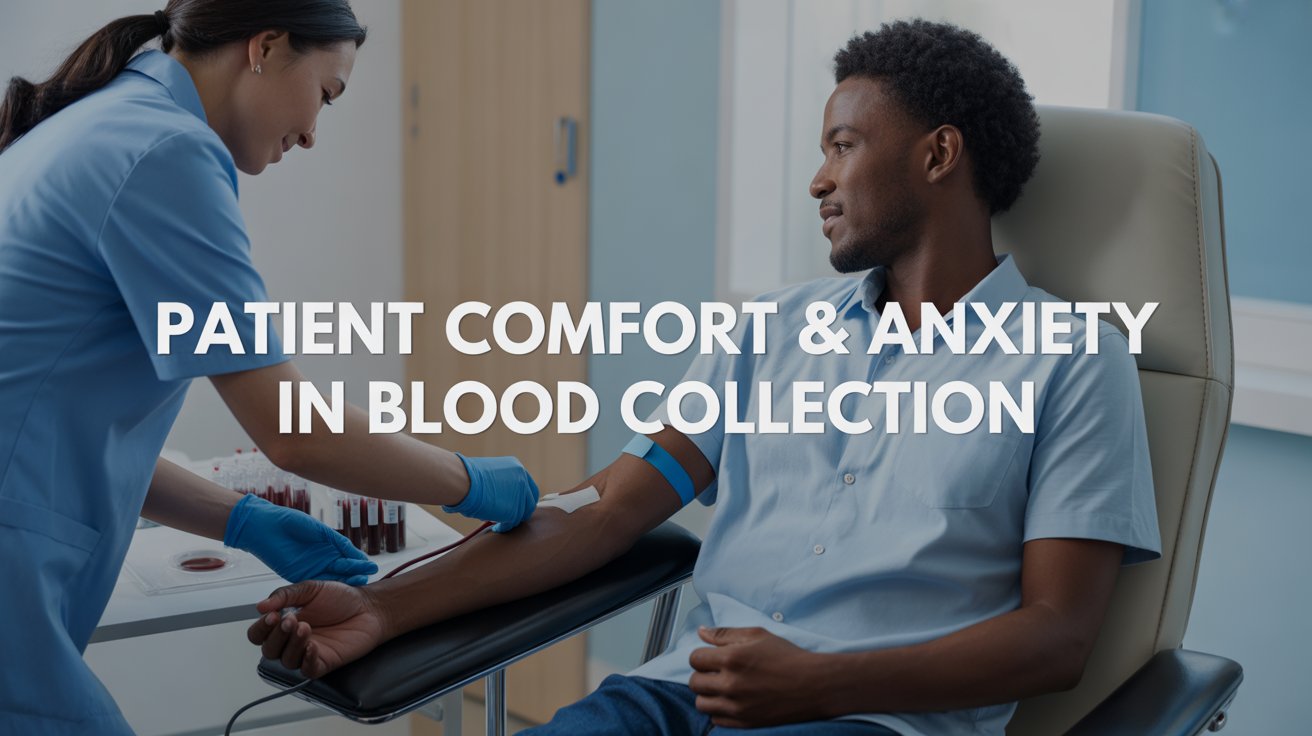
For some people, a blood test is a routine inconvenience — a few minutes out of the day with barely a second thought. For others, the anticipation alone is enough to put them off booking altogether. If needle anxiety or general nervousness around blood collection is something you recognise, you are far from alone. Trypanophobia — the clinical term for a fear of needles — is thought to affect up to one in four adults to some degree, and it is one of the most common reasons people delay or avoid important health checks.
Understanding why this anxiety happens, and what can be done about it, makes a meaningful difference. At The Private GP in Birmingham, patient comfort is not an afterthought — it is built into every appointment.
Why Does Blood Collection Cause Anxiety?
Needle anxiety does not always stem from a single experience or rational fear. For many people, it is an automatic stress response — the body’s natural reaction to perceived threat, however minor. The anticipation of pain, the sight of clinical equipment, or simply the unfamiliarity of the environment can all trigger a physiological response: raised heart rate, muscle tension, light-headedness, and in some cases, a vasovagal reaction (fainting).
Understanding that this response is involuntary — not a sign of weakness or irrationality — is the first step. The second is knowing that with the right environment and a little preparation, blood collection can be a genuinely comfortable experience.
Practical Ways to Manage Anxiety Before Your Appointment
There is quite a lot you can do in the hours before a blood test to reduce your anxiety and make the experience smoother. Our GPs often share the following guidance with patients:
- Stay well hydrated. Drinking plenty of water in the 24 hours before your test makes veins easier to locate and access, which reduces the time needed and the likelihood of a second attempt.
- Eat beforehand if your test permits it. Unless you have been specifically asked to fast — for example, for a cholesterol test or HbA1c — having a light meal helps maintain your blood sugar and reduces the chance of feeling faint.
- Wear loose, short-sleeved clothing. Removing the practical frustration of tight sleeves is a small thing, but it reduces stress in the moment.
- Try a breathing technique. Slow, controlled breathing — inhaling for four counts, holding for four, exhaling for four — activates the parasympathetic nervous system and measurably reduces the physical stress response.
- Tell your clinician. This is perhaps the most important step. When you arrive, let us know you’re anxious. A good clinician will adjust their approach, take more time, and talk you through each step. There is no judgement — only care.
During the Blood Draw: What Helps in the Moment
Once you are seated and the procedure begins, there are several things that can ease the experience considerably.
Looking away is entirely acceptable — and for many people, the most effective strategy. There is no clinical reason to watch, and for needle-anxious patients, removing the visual element makes a significant difference. Some patients prefer to focus on a fixed point elsewhere in the room; others find it helpful to carry on a conversation with the clinician to keep their attention occupied.
Applying a topical numbing cream beforehand is another option, particularly for patients with a very low pain threshold or for children. If this is something you would find helpful, mention it when booking and we can advise on what to apply and when.
Controlled muscle tension — tensing the muscles in your legs and abdomen during the draw — has been shown in clinical studies to maintain blood pressure and significantly reduce the likelihood of a vasovagal response. If you have fainted during blood tests in the past, this is worth trying. Lying down during the procedure is also available on request at our Birmingham clinic.
How The Private GP Creates a Calmer Experience
There is a meaningful difference between a hurried blood draw in a busy clinical setting and one carried out at a private clinic where time and attention are not in short supply. At The Private GP, our private blood tests in Birmingham are carried out by experienced clinicians in a calm, unhurried environment. Appointments are not rushed. If you need a few extra minutes, you have them.
We also offer the option of a GP consultation ahead of your blood test if you would like to discuss which tests are most appropriate, understand what each one involves, or simply feel more prepared before the appointment. Knowing exactly what to expect — and why each test has been recommended — can make a notable difference to how comfortable the experience feels.
For those who find the clinic environment itself a source of stress, we also offer home visit appointments in Birmingham, where blood can be collected in the comfort of your own home by one of our GPs.
You Shouldn’t Have to Avoid Health Checks Because of Anxiety
A fear of needles should never stand between you and the health information you need. Whether it’s an anaemia test, a full blood count, or a full health check-up — our team will work with you to make the process as straightforward and comfortable as possible. Simply let us know your concerns when you book, and we’ll take it from there.
Frequently Asked Questions
- Is it normal to feel anxious before a blood test?
Very much so. Research suggests that needle anxiety affects a significant proportion of adults, and many more experience general nervousness around clinical procedures. It is not something to be embarrassed about, and a good clinician will always accommodate it.
- What should I do if I have fainted during blood tests before?
Let your clinician know before the procedure begins. They can arrange for you to lie down during the draw, use a controlled muscle tension technique to help maintain blood pressure, and take additional steps to ensure you feel safe throughout. Fainting during blood collection is more common than many people realise, and it can be reliably managed with the right precautions.
- Can I request a numbing cream before my blood test at The Private GP?
Yes. If you are concerned about pain during blood collection, please mention this when booking your appointment. We can advise on a topical anaesthetic cream to apply beforehand, which significantly reduces discomfort for most patients.
- Do I need to fast before a blood test?
It depends on the specific tests being carried out. Fasting is required for certain panels — including cholesterol and HbA1c blood tests — but many others do not require any dietary preparation. Your clinician will always confirm this when your appointment is booked.
- Can I have my blood test done at home if I’m too anxious to visit the clinic?
Yes. Our home visit service in Birmingham means a GP can come to you, allowing blood to be collected in a familiar, comfortable environment. This is a particularly popular option for patients with significant needle anxiety or those who find clinical settings difficult.
Book a Comfortable Blood Test in Birmingham
Anxiety around blood collection is common, understandable, and — with the right support — very manageable. At The Private GP, we take the time to ensure every patient feels informed, respected, and at ease. Book your private blood test in Birmingham today — and let us know how we can make it easier for you.