

Does Atorvastatin Cause Erectile Dysfunction?

TL;DR: Atorvastatin is not a recognised cause of erectile dysfunction, and the best available evidence suggests it is more likely to improve erectile function than worsen it — particularly in men with cardiovascular disease or high cholesterol. A 2024 pharmacovigilance study identified a reporting signal between atorvastatin and ED, but a meta-analysis of randomised controlled trials found atorvastatin may actually be an effective treatment for ED. The underlying cardiovascular disease being treated is a far more likely explanation.


Atorvastatin is the most commonly prescribed cholesterol-lowering medication in the UK. For many men, it is also the first thing blamed when erectile problems develop — because the timing of starting a new medication and noticing a change feels like cause and effect.

Whether that connection is real is worth examining properly, because the evidence on atorvastatin specifically — not just statins generally — tells a more nuanced and, for most men, more reassuring story than the worry usually implies.


Is Atorvastatin Officially Linked to Erectile Dysfunction?

Sexual dysfunction does appear in the product information for atorvastatin as a possible adverse effect — but this needs careful interpretation.

Drug manufacturers are required to list any adverse event reported during clinical use or post-marketing surveillance, regardless of whether a causal link has been established. The presence of a side effect in a product information leaflet reflects that it has been reported — not that the drug reliably causes it, not that it is common, and not that it has been proven to be the drug’s fault rather than the underlying condition being treated.

The NICE British National Formulary lists erectile dysfunction under the category of uncommon side effects for atorvastatin — meaning it occurs in somewhere between 1 in 100 and 1 in 1,000 users based on reporting. This is a low frequency category, and it does not distinguish between drug-caused ED and ED that would have occurred regardless in a population of men with cardiovascular disease.

There is also the nocebo effect to consider. Men who are told a medication might affect sexual function are measurably more likely to report that it does — even when taking a placebo. This is a well-documented phenomenon in statin research and contributes to the signal without reflecting a genuine pharmacological effect.


What a Major 2024 Study Found About Atorvastatin and ED

The most specific and recent evidence on atorvastatin and ED comes from a comprehensive 2024 analysis published in Frontiers in Pharmacology, which took two approaches simultaneously — one that found a signal and one that did not find causation.

The PMC-published study used real-world pharmacovigilance data from the FDA Adverse Event Reporting System (FAERS) database — one of the world’s largest collections of drug adverse event reports. Using multiple statistical methods, the researchers found a significant disproportionality signal between atorvastatin and ED. In plain terms: ED was reported more frequently in association with atorvastatin than would be expected by chance alone.

A pharmacovigilance signal like this is clinically meaningful — it means the association is real enough to warrant investigation. But it does not mean atorvastatin causes ED. Pharmacovigilance data cannot establish causality because it cannot account for confounding — the fact that men taking atorvastatin are, by definition, men with elevated cardiovascular risk, and cardiovascular disease is one of the leading causes of ED.

This is precisely why the same study went further and applied Mendelian randomisation — a method that uses genetic variation as a natural experiment to test causal relationships more robustly. The Mendelian randomisation analysis found no evidence that atorvastatin causes ED. The pharmacovigilance signal is real; the causation is not supported. These two findings can coexist because the signal is explained by confounding — men with high cholesterol and heart disease have more ED, and those men also happen to be on atorvastatin.

The same paper noted that a prospective study comparing rosuvastatin and atorvastatin directly found that atorvastatin increased ED risk while rosuvastatin did not — suggesting possible differences between specific statin types. This finding is worth noting but has not been replicated consistently.


The Evidence That Atorvastatin May Actually Improve Erectile Function

Here is where the story becomes genuinely counterintuitive. Multiple studies — including a meta-analysis of randomised controlled trials — suggest atorvastatin may actually improve erectile function rather than worsen it.

A meta-analysis published in Andrologia in 2022 analysed all published randomised controlled trials examining atorvastatin in the treatment of ED. The conclusion: atorvastatin may be an effective treatment for erectile dysfunction. The biological mechanism is plausible and well-described — atorvastatin activates endothelial nitric oxide synthase (eNOS), increasing nitric oxide production in penile blood vessels and improving the vascular response to sexual arousal.

One of the most striking findings in this literature is that atorvastatin has been shown to improve erectile function in men who had not responded to sildenafil — men whose vascular ED was severe enough that the standard first-line PDE5 inhibitor treatment was insufficient. By improving endothelial function directly, atorvastatin appears to restore enough vascular responsiveness to make sildenafil effective in men for whom it previously was not.

This mechanism makes biological sense. Atorvastatin’s benefits extend beyond simply lowering LDL cholesterol — its pleiotropic effects include reducing arterial inflammation, improving endothelial function throughout the vascular system, and slowing the progression of atherosclerosis. Since erectile function depends on the same vascular responsiveness that these effects restore, the therapeutic benefit on ED in men with significant vascular disease is physiologically coherent.

For most men taking atorvastatin for cardiovascular risk — men with elevated cholesterol, early atherosclerosis, or a history of cardiac events — the drug is more likely to be protecting their erectile function than impairing it.


Why the Cardiovascular Disease Is Almost Certainly the Cause, Not the Atorvastatin

This is the most clinically important point — and it is consistently underappreciated.

Men who are prescribed atorvastatin have it because they have elevated cardiovascular risk. High LDL cholesterol, atherosclerosis, endothelial dysfunction, or a history of cardiac events are the conditions it is prescribed to treat. The NHS confirms that cardiovascular disease, high blood pressure, and high cholesterol are among the most common physical causes of erectile dysfunction — the same conditions atorvastatin treats.

A man who starts atorvastatin at 52 and notices erectile problems at 54 has been accumulating vascular risk factors for decades. The atherosclerosis narrowing his coronary arteries is also narrowing the penile arteries. The endothelial dysfunction reducing blood flow to his heart is reducing blood flow to the corpus cavernosum.

Stopping atorvastatin removes the drug from the equation but leaves the atherosclerosis, the endothelial dysfunction, and the elevated LDL untreated. This is a bad trade for erectile function as well as for cardiovascular health.


Does Atorvastatin Lower Testosterone?

This is a separate and legitimate question. Some research suggests statins may lower total testosterone levels — and testosterone is important for both libido and erectile function.

The evidence here is mixed and atorvastatin-specific data is limited. Some studies show modest reductions in total testosterone in men on statins; others show no significant change. The clinical significance of these findings depends heavily on whether total testosterone or bioavailable testosterone is affected — total testosterone can fall while bioavailable testosterone (the fraction that actually reaches tissues) remains adequate.

A dose-dependent effect of atorvastatin on testosterone has been noted in some studies — higher doses associated with greater reductions. If you are on a high dose of atorvastatin (40mg or 80mg daily) and experiencing symptoms consistent with low testosterone — reduced libido, fatigue, reduced muscle mass, low mood — checking your testosterone level is clinically sensible.

Our private blood tests can check total testosterone, SHBG, and LH alongside a full cardiovascular panel — giving a complete picture of both the hormonal and vascular contributors to erectile function.


What to Do If You Take Atorvastatin and Have ED

Do not stop atorvastatin without speaking to your GP first. The cardiovascular protection it provides is substantial and evidence-based. If the ED is driven by the same vascular disease atorvastatin is treating, stopping it removes the drug and leaves the vascular condition progressing unchecked — which is likely to make the erectile function worse over time, not better.

A proper clinical assessment is the right response. ED in a man on atorvastatin deserves investigation for the following:

Blood pressure — often a direct contributor to ED and modifiable with treatment. Testosterone — if symptoms suggest deficiency, a blood test confirms it. Blood glucose and HbA1c — diabetes is a leading cause of ED and coexists with cardiovascular disease. Full lipid panel — to assess whether cholesterol is adequately controlled and whether atorvastatin is working as it should.

PDE5 inhibitors — sildenafil and tadalafil — are safe to use alongside atorvastatin and are effective first-line treatments for ED in men with cardiovascular disease. There is no clinically significant drug interaction between PDE5 inhibitors and statins.

If there is a genuine clinical suspicion that atorvastatin specifically is contributing, your GP can consider switching to a different statin. The 2024 study noted potential differences between atorvastatin and rosuvastatin — rosuvastatin being associated with less ED signal in at least one prospective study. This is not a definitive reason to switch, but it is a reasonable clinical conversation if other approaches have not helped.

At The Private GP in Birmingham, our private GP consultation covers the full picture — cardiovascular markers, testosterone, and treatment options — with same-day results and no referral needed.


Frequently Asked Questions

Should I stop taking atorvastatin if I think it’s causing ED?

No — not without speaking to your GP first. Atorvastatin provides significant cardiovascular protection, and the ED is more likely caused by the underlying vascular disease than by the drug. A proper assessment will identify what is actually driving the problem.

Is atorvastatin worse for erectile dysfunction than other statins?

One prospective study suggested atorvastatin was associated with more ED risk than rosuvastatin, but this finding has not been consistently replicated. If you have concerns about your specific statin, discuss switching with your GP rather than stopping cholesterol-lowering therapy altogether.

Can I take Viagra or Cialis with atorvastatin?

Yes. PDE5 inhibitors including sildenafil and tadalafil are safe to use alongside atorvastatin with no clinically significant drug interaction. They are among the most studied ED treatments in men with cardiovascular disease and are effective in this population.

How long does it take for atorvastatin to affect erectile function?

If atorvastatin is going to improve erectile function through better endothelial health, this develops gradually over weeks to months as vascular function improves. Any worsening of ED after starting atorvastatin is more likely explained by the natural progression of the underlying cardiovascular disease than by the drug itself.

If atorvastatin improves blood flow, why do some men on it still have ED?

Because ED is multifactorial. Atorvastatin may improve one vascular pathway while other contributors — low testosterone, uncontrolled blood pressure, diabetes, psychological factors, or other medications — continue to drive ED independently. Addressing one factor does not automatically resolve a problem with multiple causes.

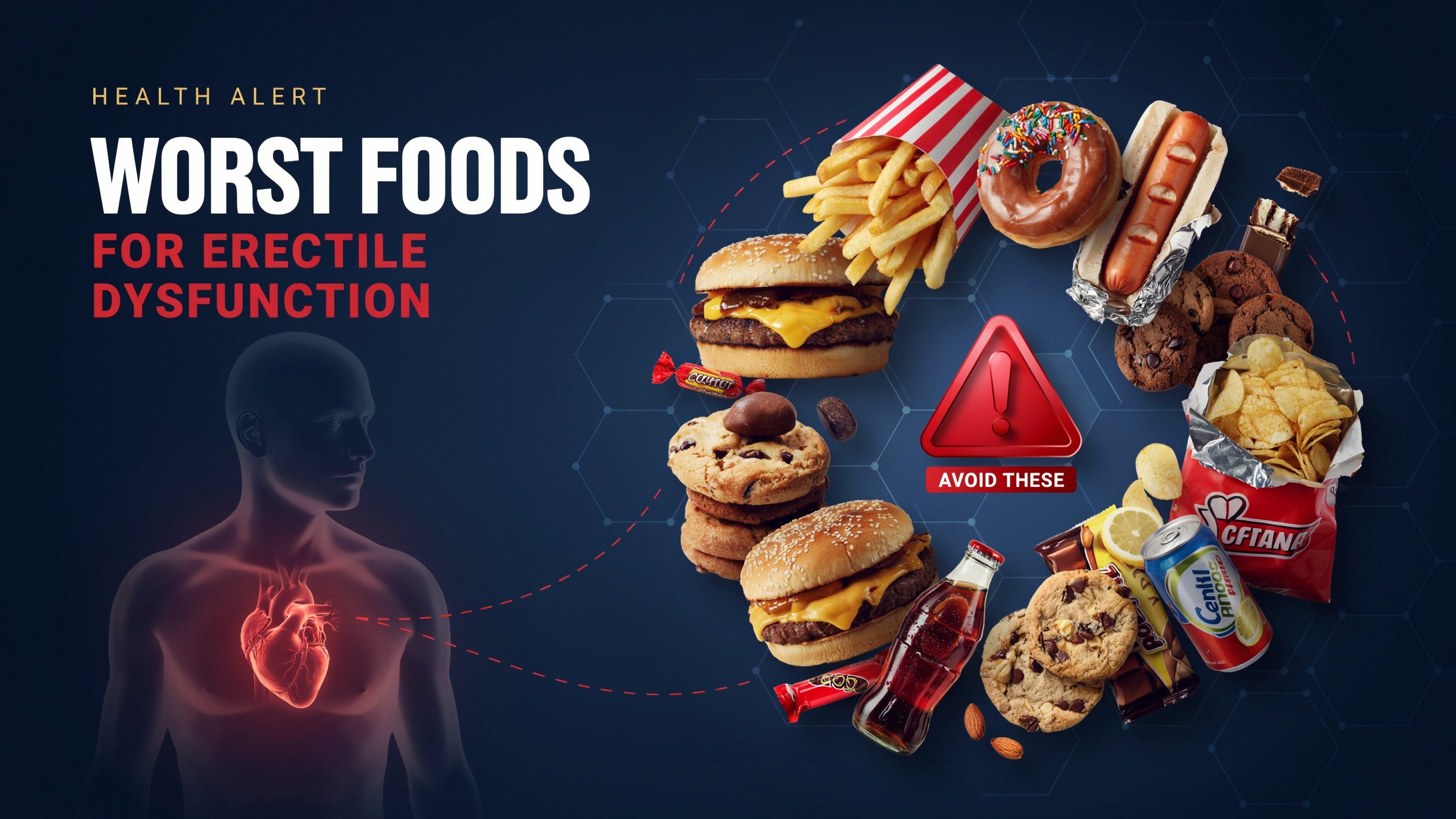
Worst Foods for Erectile Dysfunction

TL;DR: No single food causes erectile dysfunction, but a consistent dietary pattern high in saturated fat, ultra-processed food, added sugar, salt, and excess alcohol damages the vascular and metabolic systems that erections depend on. The link runs through atherosclerosis, endothelial dysfunction, and insulin resistance — the same pathways that drive cardiovascular disease. Improving diet improves vascular health, which improves erectile function — often meaningfully and relatively quickly.


Erectile dysfunction is, at its core, a circulation problem. Blood needs to flow into the penile arteries in sufficient volume, and the arterial walls need to respond properly to nitric oxide signalling to allow it in. Anything that damages blood vessels, raises arterial plaque, or impairs nitric oxide production works directly against that — and diet is one of the most powerful and most modifiable influences on vascular health in a man’s daily life.

No GP will tell you that cutting out processed food is a substitute for clinical treatment. But the evidence that dietary pattern affects erectile function through vascular health is solid — and knowing which foods do the most damage is the first practical step.


Why What You Eat Directly Affects Erectile Function

An erection depends on three things working properly: healthy endothelial function, sufficient nitric oxide, and unobstructed blood flow through the small arteries of the penis. Diet affects all three.

The NHS confirms that being overweight, eating an unhealthy diet, and drinking too much alcohol are all established lifestyle contributors to erectile dysfunction. The mechanism runs through cardiovascular disease — the same arterial damage that causes heart attacks narrows the penile arteries first, because they are smaller.

A case report published in PMC described a 52-year-old man with atherosclerosis-driven ED who completely reversed his erectile function through dietary change to a whole food plant-based diet. The authors noted that while prior literature describes modest improvement in ED with a Mediterranean diet, this case demonstrated complete reversal — achieved by eliminating the foods most damaging to vascular endothelial health and replacing them with those that support nitric oxide production and arterial flexibility.

The Mediterranean diet has the strongest evidence base of any dietary pattern for improving erectile function. But understanding which foods most actively damage the vascular system allows for targeted changes rather than a wholesale dietary overhaul.


Processed and Fried Foods — the Biggest Daily Vascular Damage

Ultra-processed foods — fast food, ready meals, packaged snacks, crisps, most takeaway options — consistently head the list of dietary contributors to vascular disease, and by extension to ED.

The reason is not a single nutrient. It is the combination. Ultra-processed foods tend to be high in trans fats and refined vegetable oils that promote arterial inflammation, refined carbohydrates that spike blood glucose and drive insulin resistance, sodium that raises blood pressure and stiffens arterial walls, and a range of additives and emulsifiers that appear to impair gut and vascular health in ways that are still being characterised.

Trans fats — still present in some commercial baked goods, margarines, and fried foods despite regulatory pressure — are particularly harmful to the endothelium. They raise LDL cholesterol, lower HDL, increase inflammation, and directly impair the endothelial function that nitric oxide depends on. The endothelium is the inner lining of every blood vessel in the body, including the penile arteries. When it is inflamed and dysfunctional, it cannot respond properly to the signals that dilate vessels and allow blood in.

The sodium load in a diet heavy in processed food raises blood pressure chronically, which causes arterial stiffening over time. Rigid arteries cannot dilate as effectively when an erection is required — a direct mechanical problem overlaying the nitric oxide impairment.


Processed Meat and Red Meat — Saturated Fat, Arterial Plaque, and Nitric Oxide

Processed meat — bacon, sausages, deli meats, hot dogs — carries a higher ED risk than unprocessed red meat for two reasons: saturated fat content and nitrite additives.

The saturated fat in processed meat raises LDL cholesterol, which accelerates the deposition of atherosclerotic plaques in arterial walls. Over years and decades, this narrows the arteries throughout the body — including the small penile arteries, which show the effects of arterial disease earlier than larger vessels simply because they are smaller. A millimetre of plaque that barely affects coronary blood flow can halve the cross-sectional area of a penile artery.

Nitrite preservatives in cured and processed meats may also directly impair endothelial nitric oxide synthesis — the opposite of what dietary nitrates from vegetables do. Vegetable-derived nitrates are converted by oral bacteria into nitric oxide, which supports vascular dilation. Nitrites from meat processing appear to interfere with this pathway.

Unprocessed red meat — steak, mince, lamb — carries more modest risk than processed varieties and can be part of a diet that supports testosterone (through zinc and protein) without the same arterial damage profile. The distinction between processed and unprocessed matters considerably more than the red/white meat distinction.


Sugar and Refined Carbohydrates — the Insulin Resistance Route to ED

High sugar intake does not damage arteries directly in the immediate term. What it does is drive a metabolic cascade — elevated blood glucose, insulin resistance, type 2 diabetes — that is one of the most powerful predictors of erectile dysfunction in the medical literature.

Diabetes damages erectile function through two distinct mechanisms. The first is vascular — chronically elevated blood glucose glycates arterial walls, accelerates atherosclerosis, and impairs endothelial function in the same way and often in the same men as cardiovascular disease. The second is neurological — diabetic neuropathy damages the autonomic nerves that signal the penile arteries to dilate. A man with longstanding, poorly controlled diabetes may have both mechanisms working against him simultaneously.

Sugar-sweetened drinks — fizzy drinks, fruit juices, energy drinks, sweetened coffees — are particularly harmful because they deliver large amounts of sugar with no fibre to slow absorption, producing rapid glucose spikes repeatedly throughout the day. Over months and years, this chronic glucose loading drives insulin resistance even in men without other obvious risk factors.

Refined carbohydrates — white bread, white rice, most breakfast cereals, pastries — produce similar effects through rapid glucose release. They also contribute to visceral fat accumulation — fat stored around the internal organs rather than under the skin — which is metabolically active, promotes inflammation, and suppresses testosterone production.

Our private blood tests include HbA1c and fasting glucose alongside a full cardiovascular and hormonal panel — the markers that reveal whether insulin resistance or diabetes is contributing to ED.


Alcohol — the Dose-Dependent Disruptor

Alcohol and erectile function have a dose-dependent and context-dependent relationship that most men understand intuitively but underestimate clinically.

In the short term, alcohol is a central nervous system depressant. A drink or two reduces social anxiety — which is why so many men reach for it before sex. But at the quantities typically consumed before a sexual encounter, alcohol reliably impairs the nervous system’s ability to transmit the arousal signals needed for erection, reduces sensitivity, and inhibits the smooth muscle relaxation in the penile arteries that allows blood in. The temporary reduction in performance anxiety is cancelled — and often outweighed — by the direct physiological impairment.

A meta-analysis of alcohol and erectile dysfunction published in PMC found that higher alcohol consumption was associated with a significantly higher risk of ED. Chronic heavy drinking adds further mechanisms: it damages the vascular endothelium directly, suppresses testosterone production through impaired hypothalamic-pituitary function, and causes peripheral neuropathy that impairs the nerve signals erectile function depends on.

Men who use alcohol specifically to manage performance anxiety before sex are caught in a trap — the short-term anxiety relief perpetuates the habit while the physiological impairment makes the underlying erectile difficulty worse over time. The alcohol is not solving the problem. It is masking it while compounding it.


A Very Low-Fat Diet — the Overlooked Testosterone Risk

This is the dietary risk for ED that most articles miss, and it cuts against the natural instinct to go low-fat after reading about saturated fat and arterial disease.

Dietary fat is required for testosterone synthesis. Cholesterol — found in and produced from dietary fat — is the precursor molecule from which the body synthesises all steroid hormones, including testosterone. Men who follow very low-fat diets over extended periods have been shown in systematic review to have measurably lower testosterone levels than men who include adequate dietary fat.

This does not mean loading up on saturated fat from processed meat and fried food. The type of fat matters enormously. Monounsaturated fats from olive oil, avocado, and nuts, and omega-3 polyunsaturated fats from oily fish, support testosterone synthesis and vascular health simultaneously. Saturated fat from processed meat and trans fats from manufactured foods do not.

The practical takeaway: olive oil, oily fish, nuts, seeds, and avocado should not be cut from a diet aimed at improving erectile function. Eliminating fat indiscriminately in an attempt to improve cardiovascular health may actually reduce testosterone and worsen the hormonal contribution to ED.


What to Eat Instead — the Diet Pattern That Protects Erectile Function

The Mediterranean diet has the strongest and most consistent evidence for improving both cardiovascular and erectile health. The PMC case report noted that prior literature consistently describes improvement in erectile function with Mediterranean-style eating — a pattern built around vegetables, legumes, whole grains, oily fish, olive oil, and moderate amounts of lean meat and dairy, with minimal ultra-processed food.

The specific dietary components most relevant to ED through the nitric oxide and vascular pathway include dark leafy greens and beetroot — high in dietary nitrates that the body converts to nitric oxide. Berries and citrus fruits — high in flavonoids with antioxidant effects that protect endothelial function. Oily fish — omega-3 fatty acids that reduce arterial inflammation and support endothelial health. Nuts and seeds — healthy fats, zinc, and magnesium relevant to testosterone. Dark chocolate — flavonoid-rich when at high cocoa percentage.

These are not superfoods with magical properties. They are foods that support the same vascular and hormonal systems that ED drugs target pharmacologically. Dietary change works more slowly and less reliably than medication — but unlike medication, it improves the underlying mechanism rather than working around it.

A full health check-up at The Private GP in Birmingham gives you a comprehensive metabolic and cardiovascular picture — blood pressure, cholesterol, blood glucose, and key hormones — so dietary and lifestyle changes can be directed at the right targets.


Frequently Asked Questions

Can changing my diet reverse erectile dysfunction?

For ED driven primarily by poor vascular health and metabolic dysfunction, dietary improvement can produce meaningful and in some cases complete reversal — particularly in younger men and those without longstanding arterial damage. Clinical evidence including a documented PMC case supports this. It works more slowly than medication but addresses the underlying cause.

How quickly does diet affect erectile function?

Vascular improvements from dietary change develop over weeks to months rather than days. Some men notice improved morning erections within four to eight weeks of significant dietary improvement — a sign that vascular function is recovering. Full benefit develops over months of sustained change.

Is alcohol always bad for erectile dysfunction?

Moderate alcohol — one to two units occasionally — is unlikely to cause significant ED in otherwise healthy men. The problems arise with regular heavy use (chronic vascular and hormonal damage) and with drinking before sex specifically (acute CNS depression of erectile function). If you drink before sex to manage performance anxiety, the alcohol is making the underlying problem worse.

Does sugar cause erectile dysfunction?

Not directly, but chronically high sugar intake drives insulin resistance, type 2 diabetes, and visceral fat accumulation — all of which impair erectile function through vascular and hormonal mechanisms. Sugar-sweetened drinks are among the most efficient routes to insulin resistance and represent a high-impact dietary change to make.

Should I see a GP about ED even if I’m working on my diet?

Yes. Dietary change is a meaningful part of managing ED but rarely the complete answer. A GP assessment identifies whether cardiovascular disease, diabetes, low testosterone, or other treatable conditions are contributing — and these often need addressing directly alongside lifestyle changes.

Can Smoking Weed Every Day Cause Erectile Dysfunction?

TL;DR: The evidence on cannabis and erectile dysfunction is genuinely mixed — it does not produce a simple yes or no. Daily heavy cannabis use has been associated with ED and testosterone deficiency in some studies, particularly in men with cannabis dependence. Other large studies show cannabis users have higher testosterone and better erectile function scores than non-users. Frequency, quantity, and dependence pattern appear to drive the risk more than cannabis use itself.


If you smoke cannabis every day and have noticed problems with erections, you are right to wonder whether the two are connected. The honest answer is: possibly — and the research is considerably more complicated than most articles on this topic suggest.

What follows is an accurate account of what the evidence actually shows, not a simplified verdict in either direction.


How Cannabis Interacts With the Systems Behind Erections

To understand how cannabis might affect erectile function, it helps to know that the endocannabinoid system — the network of receptors that THC acts on — plays a direct role in erection.

Research on the impact of cannabis on male sexual health, published in PMC, confirms that cannabinoid receptors are present in the corpus cavernosum — the spongy tissue inside the penis that fills with blood during an erection. The endocannabinoid system appears to influence erectile function through these receptors. At low concentrations, cannabinoid activation may facilitate some aspects of arousal. At higher concentrations — the kind associated with daily heavy use — cannabis appears to have peripheral antagonising effects on erectile function, inhibiting rather than supporting the vascular and smooth muscle mechanisms that produce an erection.

Cannabis also affects dopamine pathways involved in sexual motivation and arousal, and at high doses can acutely suppress both testosterone production and the hypothalamic-pituitary axis that regulates it. These effects are dose-dependent and context-dependent — which is exactly why the research produces such variable findings depending on the population studied.


Does Daily Cannabis Use Cause Erectile Dysfunction?

The honest answer is: it depends on how much you use and how often — and the research reflects that complexity directly.

On one side of the evidence, a large 2025 study published in the Journal of Sexual Medicine analysed data from 30,964 men with diagnosed cannabis abuse or dependence, matched against 1,473,182 controls. Men with cannabis dependence had a significantly increased risk of developing erectile dysfunction and testosterone deficiency at both one-year and five-year follow-up compared to matched men without cannabis diagnoses. The increased risk held across age groups, including men under 40.

On the other side, a large 10-year study of 7,809 men, reviewed in PMC’s analysis of cannabinoids and reproductive function, found that cannabis users actually exhibited higher serum testosterone, higher Sexual Health Inventory for Men (SHIM) scores, and greater sexual frequency than non-users.

These findings are not as contradictory as they first appear. The key difference is between cannabis dependence — daily heavy use meeting clinical diagnostic criteria — and general cannabis use, which includes occasional or moderate recreational users. The harmful associations cluster at the heavier, more dependent end of the spectrum. Occasional or moderate use in otherwise healthy men does not appear to carry the same ED risk that daily dependence does.

Frequency and quantity are what matter most, not cannabis use as a binary category.


Cannabis, Testosterone, and What Daily Use Does to Male Hormones

Testosterone is central to erectile function, libido, and sexual motivation. The evidence on what cannabis does to testosterone is, like the rest of the research in this area, mixed — but a pattern emerges when you look at frequency and severity of use.

The 10-year study of 7,809 men found higher testosterone in cannabis users overall. However, the same PMC review noted that in infertile men — a group with pre-existing reproductive health vulnerability — cannabis use was associated with lower testosterone. The population studied changes the outcome significantly.

The 2025 Journal of Sexual Medicine study was more specific. It found that men with cannabis abuse or dependence — not casual users, but those meeting criteria for problematic use — had significantly elevated rates of testosterone deficiency (defined as testosterone below 300 ng/dL) compared to matched controls. This risk was present at both short-term (one year) and longer-term (five year) follow-up.

The likely mechanism involves THC’s acute suppression of luteinising hormone (LH) — the pituitary signal that tells the testes to produce testosterone. Occasional suppression from intermittent use may not be clinically significant. Daily suppression from heavy chronic use, sustained over months and years, has the potential to lower baseline testosterone in a way that affects sexual function.


The Psychological Side — Cannabis, Anxiety, and Erections

Cannabis is one of the most commonly cited substances men use to try to enhance sexual experience — and for some men, in some contexts, it does exactly that. Reducing social anxiety, lowering inhibitions, and increasing tactile sensitivity are real effects that some users report, and they can facilitate sexual experience when performance anxiety is otherwise a barrier.

But for others — particularly daily users, those prone to anxiety, or those using high-THC products — cannabis does the opposite. Paranoia, increased heart rate, and heightened self-consciousness are well-recognised acute effects of cannabis, particularly at higher doses and in individuals with underlying anxiety. For a man who already has some erectile difficulty, using cannabis before sex and then experiencing heightened anxiety is a reliable recipe for performance failure.

Daily cannabis use is also associated with blunted dopamine reward responses over time — the same pathways involved in sexual motivation and arousal. Men who use cannabis heavily every day sometimes report reduced libido and reduced motivation for sex generally, not just difficulties with erection specifically. This is a different problem from a vascular ED, but it contributes to sexual dysfunction in a real and meaningful way.


What the Evidence Specifically Says About Smoking Every Day

The distinction between occasional and daily use is the most clinically important variable in this literature.

The 2025 Journal of Sexual Medicine study was specifically examining men with cannabis abuse or dependence — a diagnostic category that implies daily or near-daily heavy use with associated impairment. This is not the same as a man who smokes at weekends. The significantly elevated ED and testosterone deficiency risk found in that study applies to the dependent, heavy-use population, not to cannabis users as a whole.

PMC’s review of cannabinoid effects on reproductive function reinforces this dose-dependent framing. The evidence for harm concentrates at the higher-use, higher-dependency end of the spectrum. Cannabinoid receptor downregulation — where chronic overstimulation makes receptors less responsive — is a real consequence of heavy chronic use and affects the same receptor populations present in penile tissue.

If you smoke every day, the relevant question is not whether cannabis causes ED in general. It is whether your specific pattern of use — frequency, quantity, potency — places you in the category where the risk is meaningfully elevated. High-potency daily use over months and years is a different clinical picture from moderate use.


What to Do If You Smoke Daily and Have ED

The most useful first step is a period of honest observation. Reducing or stopping cannabis use for four to eight weeks and monitoring your erectile function gives direct personal evidence of whether cannabis is a significant contributing factor for you. This is not the same as a clinical recommendation to quit — it is a practical diagnostic step.

If your erectile function improves meaningfully after reducing cannabis use, you have your answer. If it does not, cannabis was probably not the primary driver, and further investigation is appropriate.

A full clinical assessment is warranted regardless. ED in a daily cannabis user should not be automatically attributed to the cannabis — particularly because ED is a recognised early marker of cardiovascular disease, diabetes, and testosterone deficiency, all of which need investigating in their own right.

A private GP consultation at The Private GP in Birmingham can assess the full picture, and our private blood tests cover testosterone, LH, FSH, blood pressure, blood glucose, and a full cardiovascular risk panel — the markers that reveal what is actually driving the ED beyond any single lifestyle factor.

Tell your GP you use cannabis. The information is clinically relevant and a good GP will use it to help, not judge.


Frequently Asked Questions

Does weed lower testosterone permanently?

Not permanently in most cases. Testosterone suppression from cannabis appears to be related to ongoing use and may be reversible after stopping. However, in men with cannabis dependence, testosterone deficiency has been found at both one-year and five-year follow-up — suggesting prolonged impact in heavy users. A blood test is the only way to know your current levels.

Can stopping cannabis reverse erectile dysfunction?

For some men, yes — particularly where daily use has been suppressing testosterone or contributing to performance anxiety. A four-to-eight week period without cannabis gives a clearer picture of its individual contribution. Where ED persists after stopping, further clinical investigation is needed to identify other causes.

Is cannabis worse than tobacco for erectile dysfunction?

The evidence suggests tobacco carries a clearer and more direct vascular risk for ED — nicotine-induced vasoconstriction and arterial damage are well-established mechanisms. Cannabis has a more complex and dose-dependent relationship with ED. For daily heavy users, the risks are real but operate through different pathways. Combining both daily tobacco and daily cannabis compounds the risk.

Can cannabis help with ED by reducing anxiety?

For some men in some contexts, yes — particularly where performance anxiety is the primary driver of ED and cannabis reduces that anxiety. But this is not a reliable or safe treatment for ED, and daily use can produce the opposite effect over time by blunting dopamine reward responses and increasing anxiety at higher doses.

Should I tell my GP I smoke cannabis if I have ED?

Yes, always. Cannabis use is clinically relevant information when investigating ED — it affects testosterone, influences vascular function, and has psychological effects on sexual performance. A GP cannot give you the most accurate assessment without this information. The consultation is confidential and the information will be used to help you, not reported elsewhere.

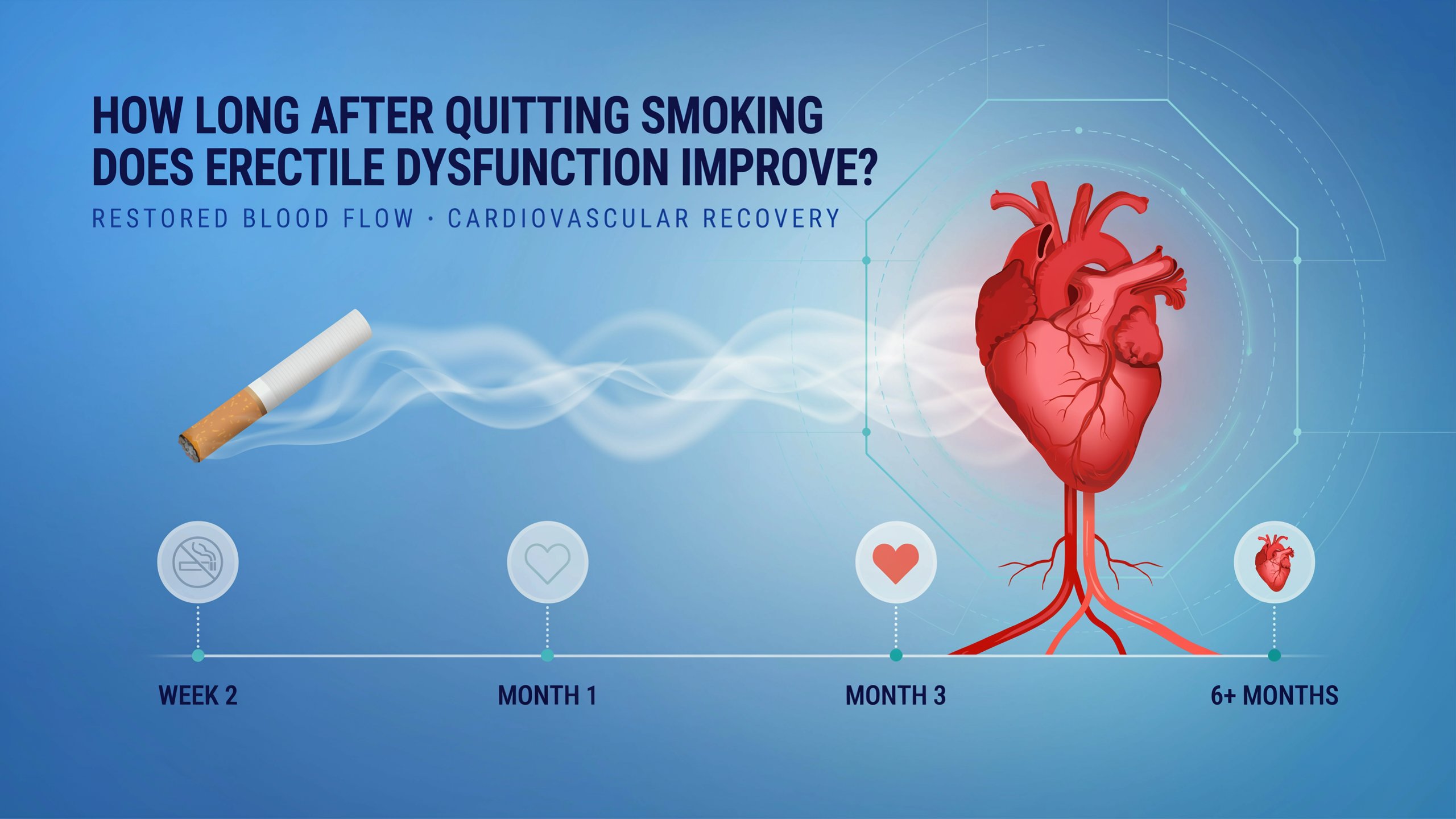
How Long After Quitting Smoking Does Erectile Dysfunction Improve?

TL;DR: Measurable improvements in penile blood flow can occur within 24 to 36 hours of quitting smoking. Noticeable improvements in erectile function typically begin within 2 to 12 weeks. Around 50% of men report significant improvement within six months, with continued gains over the following year. Recovery depends on age, how long and heavily you smoked, and whether other cardiovascular risk factors are present. Younger men and lighter smokers tend to recover faster.


If you smoke and have erectile dysfunction, quitting is the single most effective lifestyle change you can make for your sexual health. The recovery starts faster than most men expect — and having a realistic timeline makes it easier to stay motivated when progress feels slow.


How Smoking Damages Erectile Function in the First Place

An erection is a vascular event. Blood needs to flow into the penile arteries in volume, those arteries need to dilate properly, and the tissue needs to be able to hold that blood pressure long enough for sex. Smoking damages every part of that mechanism.

Research published in PMC on the effects of cigarette smoking on erectile dysfunction confirms that cigarette smoke causes vasoconstriction — narrowing of blood vessels — reduces the production of nitric oxide (the molecule that triggers arterial dilation and allows erection to occur), and damages the endothelium, the inner lining of blood vessels that regulates how they respond to signals. Over time, smoking accelerates atherosclerosis — the build-up of arterial plaque — which physically narrows the vessels supplying the penis.

The damage is cumulative. A man who smokes 20 cigarettes a day for ten years has significantly more vascular damage than someone who smoked lightly for two years. But for most men, especially those under 50, the damage is largely reversible — and the body begins repairing it almost immediately after the last cigarette.


How Quickly Does Erectile Function Improve After Quitting Smoking?

Faster than most men expect — even in the first 24 hours.

A clinical study using penile colour Doppler ultrasonography — which directly measures blood flow in the penile arteries — assessed 20 men with ED who smoked 20 to 40 cigarettes daily. When the same men were retested 24 to 36 hours after stopping smoking, measurable improvements in peak systolic velocity and end-diastolic velocity were already detectable. The vascular effects of nicotine — which cause acute constriction of penile blood vessels — begin reversing almost immediately after quitting.

Those early changes in blood flow do not translate instantly into reliable erections. That takes longer. For most men, noticeable improvements in erectile function begin somewhere between two and twelve weeks after quitting. The two to twelve week window reflects the time it takes for endothelial function to start recovering, blood pressure to reduce, and circulation to improve meaningfully throughout the body.

By six months, around 50% of men report significant improvement in erectile function compared to when they were smoking. Gains continue beyond that — some men report their best recovery at the twelve-month mark, when vascular repair has had more time to progress. After a year without smoking, a former heavy smoker’s cardiovascular system has changed substantially from where it was.


What the Research Specifically Shows About Smoking Cessation and ED

The clinical evidence for quitting improving erectile function is consistent and compelling.

A study published in PMC by Harte and Meston — the first empirical investigation of smoking cessation and sexual health in men — enrolled male smokers in an eight-week cessation programme using nicotine patches and counselling. Men who successfully quit, compared to those who relapsed, showed enhanced erectile tumescence responses and faster onset to maximum subjective sexual arousal at follow-up. The study concluded that smoking cessation significantly enhances both physiological and self-reported indices of sexual health in long-term male smokers, regardless of baseline erectile impairment.

A large observational study — the REDUCE trial, published in BJU International — analysed sexual function data from 6,754 men divided into lifelong non-smokers, former smokers, and current smokers. Former smokers had significantly better erectile function and sexual activity than current smokers, even after controlling for age and other variables. The data supports the idea that quitting, even after years of smoking, moves men meaningfully towards the sexual function profile of non-smokers.

An earlier study by Guay et al., frequently cited in the literature, found that cessation of smoking rapidly and measurably decreases erectile dysfunction — reinforcing the early recovery data from the Doppler research.

Not every man fully recovers. Men with severe and long-standing ED, significant arterial damage, or multiple additional cardiovascular risk factors may see improvement without full resolution. Quitting is still worth it — it removes the ongoing insult to vascular health and prevents further deterioration, even where full recovery is limited.


What Affects How Quickly ED Improves After Quitting

Recovery is not the same for every man. Several factors shape how quickly — and how fully — erectile function returns.

Age

This is the most significant variable. Men under 50 tend to recover faster and more completely than older men. Some studies suggest that measurable erectile improvement from smoking cessation is concentrated almost entirely in men who quit before 50 — after which the accumulated arterial stiffening and atherosclerosis become harder to reverse. That is not a reason to delay quitting at any age, but it is a reason to act sooner rather than later.

Duration and Intensity of Smoking

A man who smoked five cigarettes a day for three years has accumulated far less vascular damage than someone who smoked 30 a day for 20 years. Lighter smokers tend to see quicker and more complete improvement. Heavier, longer-term smokers may take longer and may reach a lower ceiling of recovery.

Cardiovascular Risk Factors

Smoking rarely acts alone. Many men who smoke also have hypertension, elevated cholesterol, or early diabetes — all of which independently damage penile blood flow. Quitting removes one driver of the problem, but if other risk factors remain untreated, recovery will be slower and less complete. Managing blood pressure, cholesterol, and blood glucose alongside smoking cessation produces significantly better outcomes than quitting alone.

Psychological Factors

Performance anxiety — often developed after repeated episodes of ED — can persist even when vascular health improves. A man whose erections are recovering physically may still struggle if the anxiety around sex has become entrenched. In these cases, the improvement from quitting may be there but masked by psychological inhibition, and brief psychological support or sex therapy can help unlock the physical progress that has already occurred.


When Quitting Alone May Not Be Enough

For many men, quitting smoking will produce meaningful and satisfying improvement in erectile function within weeks to months. For others — particularly those who smoked heavily for many years, are over 50, or have additional health conditions — quitting is an essential step but not always a sufficient one on its own.

If ED has not improved meaningfully after three to six months of not smoking, a clinical assessment is warranted. The ED may have additional drivers — low testosterone, uncontrolled hypertension, diabetes, or significant arterial disease — that quitting cannot reverse on its own.

PDE5 inhibitors such as sildenafil or tadalafil can be used in the period after quitting to support erectile function while vascular recovery progresses. They do not interfere with the recovery process — they work alongside it. For men who find that quitting has not produced the improvement they expected, adding a PDE5 inhibitor while continuing to abstain from smoking often makes a significant difference.

A private GP consultation at The Private GP in Birmingham can assess the full picture — blood pressure, testosterone, lipid panel, and blood glucose — and identify any additional factors driving the ED that need their own treatment. Our private blood tests cover all the relevant cardiac and hormonal markers with same-day results.


How to Quit Smoking — What Actually Works

The most effective quit attempts combine behavioural support with pharmacological treatment. Going cold turkey without support has a much lower success rate than a structured programme.

The NHS confirms that NHS Stop Smoking Services significantly improve quit rates and are available free of charge. They combine counselling with pharmacotherapy — the most effective options being combination nicotine replacement therapy (a patch plus a shorter-acting product such as gum or lozenge used together), varenicline (Champix), and bupropion.

Varenicline is the most effective single pharmacological aid for smoking cessation and is available on NHS. It works by reducing cravings and the rewarding effect of cigarettes.

Nicotine replacement therapy does still deliver nicotine to the body, which means some of the acute vasoconstriction continues during its use. This is a reasonable trade-off — the goal is to break the habit and eliminate the thousands of other chemicals in cigarette smoke, with nicotine dependency addressed more gradually. Erectile function improvements during NRT use will be more modest than after full nicotine cessation, but the longer-term gains from successfully quitting via NRT are well worth it.


Frequently Asked Questions

Can quitting smoking completely cure erectile dysfunction?

For some men, yes — particularly younger men whose ED was primarily caused by smoking. For others, quitting significantly improves but does not fully resolve ED, especially where long-term arterial damage or additional risk factors are present. A GP assessment helps identify what else may need treating.

Do younger men recover erectile function faster after quitting smoking?

Yes, consistently. Research shows that erectile improvements from smoking cessation are most pronounced in men under 50. Younger men have had less cumulative arterial damage and greater capacity for vascular recovery. Quitting at any age helps — but earlier is meaningfully better.

Does using nicotine replacement therapy still improve ED?

Partly. NRT continues to deliver nicotine, which maintains some vasoconstriction. The acute effects of nicotine on penile blood flow persist during NRT use. However, eliminating the thousands of other harmful chemicals in cigarette smoke still provides significant vascular benefit — and the goal of NRT is to facilitate full cessation, after which the full recovery trajectory begins.

How long does it take for blood vessels to recover after quitting smoking?

Early improvements in blood vessel function begin within days. Meaningful endothelial recovery develops over weeks to months. Significant reductions in atherosclerotic plaque and arterial stiffness take longer — months to years — and depend on age, duration of smoking, and other cardiovascular risk factors.

Should I take ED medication while waiting for improvement after quitting smoking?

This is worth discussing with your GP. PDE5 inhibitors such as sildenafil and tadalafil are safe and do not interfere with vascular recovery — they work alongside it. For men who find the wait difficult or whose erectile function is not recovering as expected after a few months, medication alongside continued abstinence from smoking is a practical and effective approach.

Can a Man With Erectile Dysfunction Satisfy a Woman?

TL;DR: Yes. Erectile dysfunction does not end a man’s ability to satisfy a partner or have a fulfilling intimate relationship. ED means reliable erections are difficult — it does not mean desire, orgasm, or intimacy disappear. Most cases of ED are treatable, and even without treatment there are ways to maintain a satisfying sex life. The most important step is getting a proper clinical assessment to understand what is causing it.


ED carries a disproportionate weight of shame and self-doubt that the medical reality does not justify. Most men with erectile dysfunction can still satisfy a partner — and most ED is treatable. Those two things together mean the situation is almost never as hopeless as it feels in the moment.


What Erectile Dysfunction Actually Means — and What It Doesn’t

ED means reliable erections are difficult to achieve or maintain. That is it. It does not mean desire disappears, orgasm becomes impossible, or intimacy is over.

The NHS defines erectile dysfunction as the inability to get or keep an erection that is firm enough for sex. ED exists on a spectrum — some men have occasional difficulty in specific situations, others experience persistent inability regardless of arousal. The cause matters enormously, because it determines both what is driving the problem and how effectively it can be treated.

What ED does not affect, in most cases, is libido, the capacity for orgasm, ejaculation, or emotional desire for a partner. A man with ED can still become aroused, still feel desire, still experience orgasm. The issue is specifically with achieving and sustaining an erection sufficient for penetrative sex — and even that is often intermittent rather than absolute.


Can a Man With ED Still Satisfy a Partner?

Yes — for most couples, entirely.

The assumption that sexual satisfaction for a woman depends primarily on penetrative sex is not supported by evidence. Research consistently shows that the majority of women do not reliably reach orgasm through penetrative sex alone. Emotional connection, communication, attentiveness, and non-penetrative intimacy are, for most women, at least as important as intercourse — often more so.

This matters clinically, not just philosophically. Couples who broaden their definition of sex beyond penetration typically report greater sexual satisfaction than those who treat intercourse as the only measure of success. For a couple navigating ED, this shift in perspective is genuinely practical. Oral sex, manual stimulation, extended physical intimacy, and emotional attunement all contribute to a satisfying sexual relationship. None of these require an erection.

Communication is the most important variable. A man who is anxious and withdrawn about ED — avoiding intimacy altogether rather than discussing it — causes far more damage to a relationship than the ED itself. A partner who understands what is happening, and who feels included in navigating it, is far better positioned to experience satisfaction and closeness than one left to interpret absence and avoidance on her own.

ED does not make satisfying a partner impossible. Silence and withdrawal often do.


How ED Medication Changes the Picture

For men who want to restore erectile function — and most do — the clinical options are effective and widely available.

PDE5 inhibitors are the first-line medical treatment for ED. Sildenafil (the active ingredient in Viagra) and tadalafil (Cialis) work by increasing blood flow to the penile arteries when a man is sexually aroused, facilitating erection. They do not create erections on demand — sexual arousal is still required — but they significantly improve the reliability and firmness of erections in men who have difficulty achieving them naturally.

The NHS confirms that these medications work for most men with ED, are available on NHS where clinically appropriate, and are generally well tolerated. Sildenafil can be bought over the counter from pharmacies in the UK following a brief consultation — it no longer requires a GP. Tadalafil, which lasts significantly longer and is sometimes taken as a daily low dose rather than on demand.

Both medications are safe to use in most men, including those on statins and most antihypertensives. The key contraindication is nitrates — men taking nitrate medications for heart disease cannot take PDE5 inhibitors, as the combination causes a dangerous drop in blood pressure. If you take nitrates, speak to your GP about alternative approaches to ED.

For men whose ED does not respond to oral medication, second-line options exist — including vacuum erection devices, penile injections, and, in persistent cases, surgical implants. These are typically managed through urology referral and are highly effective in men who have not responded to first-line treatment.


The Psychological Weight of ED on Both Partners

ED is rarely just a physical problem — and the psychological impact on both partners is often where the real damage occurs.

Research published in PMC on the psychological impact of ED in relationships found that ED is strongly associated with reduced self-esteem, increased anxiety, and lower relationship satisfaction in affected men. Critically, it also affects partners — who frequently report feeling confused, self-critical, or emotionally disconnected when ED goes undiscussed.

Many men respond to ED by withdrawing from intimacy entirely. They avoid situations where sex might be expected, become less affectionate, and communicate less openly — because confronting the ED directly feels more exposing than avoiding it. To a partner, this withdrawal often reads as rejection or loss of attraction. The result is a cycle where the ED causes anxiety, the anxiety causes avoidance, and the avoidance erodes the relationship in ways that make the ED harder to treat.

Breaking that cycle starts with a conversation. Timing matters — not in or immediately after an intimate situation, not when either person is stressed or tired. A calm, private moment where both people feel safe to speak is the right context. Framing it honestly and without blame — “this is something I’m dealing with and I want us to figure it out together” — is more productive than any amount of unspoken management.

Couples therapy and sex therapy are also effective, particularly where psychological factors are contributing to the ED itself. Performance anxiety — one of the most common causes of ED in younger men — responds well to structured therapeutic approaches.


When ED Is a Signal of Something Else That Needs Treating

ED in men under 50 is not something to leave uninvestigated. It is frequently an early marker of underlying health conditions — cardiovascular disease in particular — that are not yet producing other symptoms.

A real-world UK study published in PMC found that ED is significantly associated with cardiovascular conditions, hypertension, and diabetes. The mechanism is shared — all of these conditions impair blood vessel health and blood flow, and the penile arteries, being small, often show the effects of vascular disease earlier than the coronary arteries. For this reason, cardiologists now recognise ED as a potential early warning of cardiovascular disease, sometimes years before a cardiac event.

Low testosterone is another common treatable cause. Testosterone deficiency reduces libido and can impair erectile function independently of vascular health — and it is straightforward to identify with a blood test.

A GP assessment for ED should include blood pressure, a full lipid panel, blood glucose or HbA1c, and testosterone. These markers together identify the most common treatable drivers of ED and reveal any underlying cardiovascular or metabolic risk that needs addressing in its own right.

At The Private GP in Birmingham, a private GP consultation and private blood tests cover all of these markers with same-day results and no referral needed. If ED has persisted for more than a few weeks, that assessment is the right starting point — not just for sexual health, but for overall health.


Frequently Asked Questions

Can a man with ED still have an orgasm?

Yes. Orgasm and ejaculation do not require an erection. ED specifically affects the ability to achieve and maintain an erection sufficient for penetrative sex — desire, arousal, orgasm, and ejaculation remain possible for most men with ED.

How common is erectile dysfunction in the UK?

ED is very common. The NHS estimates that around half of men between 40 and 70 experience it to some degree. It becomes more common with age but is not an inevitable or irreversible part of ageing — causes are identifiable and most cases are treatable.

Does ED mean low testosterone?

Not necessarily. Low testosterone is one cause of ED, but many men with ED have normal testosterone levels. Other common causes include cardiovascular disease, high blood pressure, diabetes, psychological factors, and medication side effects. A blood test is the only way to confirm whether testosterone is a factor.

How do I talk to my partner about ED?

Choose a calm, private moment — not during or immediately after intimacy. Be direct but without blame: frame it as something you are dealing with and want to navigate together. Most partners respond better to honesty than to unexplained withdrawal, and the conversation usually brings relief to both people.

At what point should ED be assessed by a doctor?

If ED has persisted for more than two to four weeks, a GP assessment is appropriate. In men under 50 especially, persistent ED warrants investigation for underlying cardiovascular or metabolic conditions. Do not wait — ED can be an early signal of health issues that benefit from prompt attention.

Dealing With Erectile Dysfunction in a New Relationship

TL;DR: ED in a new relationship is extremely common and usually driven by performance anxiety rather than a physical problem. Research shows that up to 30% of new ED diagnoses are in men under 40, and in younger men without cardiovascular risk factors, psychological causes dominate. The anxiety-erection cycle is self-reinforcing — but it is also breakable. Understanding what is happening, communicating honestly with your partner, and knowing when to seek help are the three things that change the outcome.


Struggling to get or keep an erection with a new partner is one of the most common and least talked about sexual health experiences men have. It does not mean something is wrong with you. It does not mean you are not attracted to her. And it almost certainly does not mean you have a serious medical problem.

What it usually means is that your mind is under a kind of pressure that your body cannot perform through — and that is a fixable problem, not a permanent one.


Why ED in a New Relationship Is So Common

New relationships carry a unique set of psychological pressures that simply do not exist in established ones. The desire to impress, the uncertainty about whether the other person is equally attracted to you, the unfamiliarity of a new body and new dynamic, the fear of being judged — these are not trivial concerns. They activate the nervous system’s threat response in a way that directly competes with the physiological signals needed to produce an erection.

Research published in PMC on erectile dysfunction in fit and healthy young men confirms that in younger men without vascular risk factors, psychogenic causes — including sexual performance anxiety, relationship and social factors, anxiety, and depression — are the dominant aetiology of ED. The paper also notes that ED in young men is frequently underestimated and attributed to transient psychological causes without proper investigation, which is a clinical problem in its own right.

A narrative review of ED in young adults published in PMC found prevalence rates as high as 35% in younger men, with psychogenic causes — particularly performance anxiety and relationship factors — consistently among the most common drivers. This is not a rare experience. It is the norm for a significant minority of men navigating new relationships, and the shame around it makes it worse than it needs to be.


The Performance Anxiety Cycle That Keeps It Going

One episode of ED with a new partner creates something more damaging than the episode itself — it creates anticipation of the next one.

The man who could not maintain an erection last time spends the next encounter monitoring himself. Am I getting hard enough? Is it staying? What does she think? This self-monitoring — sometimes called spectatoring — pulls attention away from the erotic experience and into a running internal commentary on physical performance. And erections, which depend on the nervous system being in a state of arousal rather than vigilance, do not survive that kind of scrutiny.

The result is that the anxiety prevents the very thing it is anxious about failing to happen. The cycle becomes self-sustaining. Not because anything is physically wrong, but because the mind has learned to associate sex with this partner — or sex generally — with the possibility of failure. Once that association is established, the anticipatory anxiety arrives before sex begins, sometimes long before.

This is the mechanism behind performance anxiety ED, and it is entirely distinct from the vascular or hormonal mechanisms behind physical ED. Understanding that the cycle is psychological does not make it less real. But it does point directly at what breaks it — and it is not the same as what treats physical ED.


Practical Steps That Actually Break the Anxiety Cycle

The most effective thing most men do not try is simply taking the pressure off penetrative sex for a period of time.

This sounds counterintuitive. But the anxiety cycle feeds on a specific expectation — that sex means erection, penetration, and performance in a particular sequence. Removing that expectation, even temporarily, removes the source of the anxiety. Allowing physical intimacy without the destination of intercourse — kissing, touching, mutual pleasure without the goal of penetration — lets the nervous system relax. Erections often return naturally in that lower-pressure context, and with them, confidence.

Alcohol is the other variable worth addressing directly. Most men who experience performance anxiety use alcohol to manage it, because it reduces social anxiety in the short term. The problem is that alcohol is a vasodilator at low doses and a suppressant of erectile function at moderate to high doses — the amounts typically consumed before sex. A man who needs three drinks before sex to manage anxiety is also three drinks into impairing his erectile function. The two effects cancel each other out, and often the impairment wins.

Staying present matters more than it sounds. The spectatoring cycle is broken by attention — not forcing attention onto the physical experience, but by being curious and engaged with the other person rather than monitoring yourself. This is what mindfulness-based approaches to performance anxiety target, and the evidence for their effectiveness is solid.

Communication is its own topic — and important enough to cover separately.


When and How to Tell a New Partner About ED

Most men say nothing. They withdraw from the situation, make excuses, reduce how often they initiate, and manage the problem in silence. The partner, without context, experiences something that looks like reduced interest or emotional distance — and draws conclusions that are usually worse than the truth.

The conversation does not need to be heavy or prolonged. It does not need to happen in the bedroom, during sex, or immediately after a difficult moment. A calm private time — not charged with the aftermath of an intimate experience — is the right context.

Something simple and honest works better than elaborate explanation. “I’ve been experiencing something with erections that I want you to know about — it’s nothing to do with how attracted I am to you, it’s anxiety-related and I’m dealing with it” gives a partner the information she needs to respond helpfully rather than misinterpret what is happening.

The research on partner response is consistently more reassuring than men expect. Partners almost universally respond better to honesty than to withdrawal. The conversation that feels humiliating in anticipation is, in practice, usually a moment that brings two people closer rather than apart. What partners find most difficult is the silence and the distance — not the ED.


When ED in a New Relationship Is Actually a Physical Problem

Most ED in younger men in new relationships is psychogenic. But not all of it — and knowing the difference matters.

The most useful clinical pointer is morning erections. A man with psychogenic ED typically has intact or near-normal morning and nocturnal erections — his erectile mechanism is functioning normally, but performance anxiety is blocking it during partnered sex. If morning erections are present and strong, the problem is almost certainly psychological. If morning erections are absent or significantly reduced, that is a signal that the underlying erectile mechanism may be impaired, and physical causes need to be investigated.

The same applies if ED occurs consistently across all contexts — not just with a new partner, but during masturbation, not only in new situations, but always. Situational ED that occurs only with partners but not alone strongly suggests a psychological component. Universal ED across all contexts suggests something physical.

PMC’s narrative review on ED in young adults is clear that a significant proportion of younger men presenting with ED do have organic causes — endothelial dysfunction, hormonal imbalances, metabolic syndrome, and neurogenic factors. The NHS confirms that ED can be an early marker of cardiovascular disease even in younger men. Dismissing all ED in young men as anxiety without a proper assessment is a clinical error. A proper assessment checks testosterone, blood pressure, blood glucose, and cholesterol — the markers that reveal whether something physical needs treating alongside any psychological work.


Should You Use ED Medication With a New Partner?

For performance anxiety ED specifically, PDE5 inhibitors — sildenafil (Viagra) or tadalafil (Cialis) — can function as a circuit-breaker rather than a long-term treatment.

The mechanism is straightforward. A man who has had several anxiety-driven failures with a new partner has built an anticipatory anxiety response that now precedes sex. Taking sildenafil before sex provides a reliable physical safety net — the erection is more likely to occur regardless of the anxiety present. After several positive experiences with the medication, the anxiety begins to reduce because the fear of failure diminishes. Some men are then able to stop the medication and find that their erectile function is restored without it.

This is a legitimate and evidence-supported use of PDE5 inhibitors — not as a treatment for a physical condition, but as a psychological reset mechanism.

The honest caveat: this approach works best when the underlying anxiety is addressed at the same time, not when the medication becomes a permanent crutch that prevents the confidence from rebuilding. Using it as a temporary bridge while also working on the anxiety — through communication, removing performance pressure, or if needed, short-term sex therapy — produces the best long-term outcomes.


Frequently Asked Questions

Is it normal to have ED with a new partner but not when masturbating?

Yes — and it is one of the clearest signs that the cause is psychological rather than physical. The ability to achieve erection during masturbation confirms the physical mechanism is intact. Situational ED that occurs only in partnered contexts is the hallmark of performance anxiety.

How long does performance anxiety ED last?

Without intervention, it can persist for months — because the anxiety cycle is self-sustaining. With the right approach — reducing performance pressure, communicating with a partner, or using medication as a temporary circuit-breaker — most men see meaningful improvement within a few weeks to a couple of months.

Will ED medication help if my ED is caused by anxiety?

Yes, often. PDE5 inhibitors work regardless of the cause of ED — they improve the physiological conditions for erection even when the barrier is psychological. For performance anxiety specifically, they can break the failure cycle and allow confidence to rebuild. They are a tool, not a dependency.

Should I tell a new girlfriend I have ED?

Yes — and sooner rather than later in most cases. The conversation is almost always less difficult than anticipated, and partners respond far better to honesty than to the withdrawal and distance that silence creates. Framing it simply and calmly, away from the bedroom, works best.

When should I see a doctor about ED in a new relationship?

If morning erections are absent or significantly reduced, if ED occurs consistently during masturbation as well as partnered sex, or if it has not improved after four to six weeks of trying to address it, a clinical assessment is appropriate. ED at any age can occasionally reflect an underlying physical condition worth identifying and treating.

Do Statins Cause Erectile Dysfunction?

TL;DR: The evidence does not support statins as a common cause of erectile dysfunction. A meta-analysis found statin use was not associated with increased risk of new-onset ED, and some studies suggest statins may actually improve erectile function by enhancing blood vessel health. If you are on a statin and experiencing ED, the more likely culprit is the cardiovascular disease the statin is treating — not the drug itself.


Statins are among the most prescribed drugs in the UK. They are also among the most blamed for side effects that may have nothing to do with them. Erectile dysfunction sits high on that list — and the science tells a more complicated, and for most men more reassuring, story than the worry usually suggests.


Are Statins Officially Listed as Causing Erectile Dysfunction?

Sexual dysfunction does appear as a listed side effect in the product information for some statins — but what that actually means is worth understanding before drawing conclusions.

Drug regulators require manufacturers to list any adverse event that has been reported during clinical use or trials, regardless of whether the drug was actually the cause. A side effect being listed does not mean it is common, proven, or even probable. For statins, sexual dysfunction tends to appear under categories labelled “rare” or “frequency unknown” — meaning it has been reported, but not at a rate that establishes a clear causal link.

There is also a well-documented phenomenon called the nocebo effect — the opposite of placebo. Men who are told a medication might cause sexual problems are measurably more likely to report them, even when taking a dummy pill. Several statin studies have identified this as a significant factor in the reporting of sexual side effects, particularly in men who are already anxious about their cardiovascular health.

The NHS lists cardiovascular disease, high blood pressure, high cholesterol, and diabetes as the primary physical causes of ED — the same conditions statins are used to treat. The statin itself is rarely the issue.


What the Clinical Research Actually Shows About Statins and ED

The picture from published research is genuinely mixed — but the higher quality evidence points away from statins causing ED.

A systematic review and meta-analysis examining statin use and the risk of new-onset erectile dysfunction found a risk ratio of 0.96 — statistically, there was no significant association between taking a statin and developing ED for the first time. The confidence interval crossed 1.0, meaning the data was consistent with statins having no effect on erectile function at all. This is among the most rigorous analyses on the question and its findings are reassuring.

A more recent study using data from the National Health and Nutrition Examination Survey, published in PMC in 2025, did find an association between statin use and ED after adjusting for multiple confounding factors — an odds ratio of 1.77 after adjustment. That sounds significant, but it needs careful reading. The men in this study were taking statins precisely because they had cardiovascular disease, diabetes, hypertension, and hyperlipidaemia — all of which independently cause ED. Even after statistical adjustment, fully separating the effect of the statin from the effect of the conditions being treated is extraordinarily difficult. The study’s authors acknowledged this, describing the findings as requiring “nuanced interpretation” and calling for further research.

The honest summary: some studies find an association, the best-quality meta-analyses do not, and the underlying cardiovascular disease is a far more plausible explanation than the statin in most cases.


The Case That Statins May Actually Improve Erections

This is where the story gets genuinely interesting — and counterintuitive.

Erectile dysfunction is, at its core, a vascular problem. An erection requires blood to flow into the penile arteries in sufficient volume. Those arteries need to be healthy, flexible, and responsive to nitric oxide signalling. Atherosclerosis — the narrowing and stiffening of arteries from fatty plaque build-up — directly impairs this. And statins work, in part, by slowing and reversing atherosclerosis and improving endothelial function.

Several studies have shown modest but meaningful improvements in erectile function scores in men with cardiovascular disease or high cholesterol who were started on statins. The mechanism makes biological sense: better endothelial health means better nitric oxide response, which means better vascular dilation, which means better blood flow to the penis.

This does not mean statins are an ED treatment. The improvements seen are modest and most pronounced in men whose ED is primarily vascular — which is not every man. But it does mean the common assumption that statins must be making ED worse has limited support in the evidence, and for some men the opposite may be true.


Why the Cardiovascular Disease Is the More Likely Cause Than the Statin

Men who are prescribed statins are prescribed them because they have elevated cardiovascular risk — high cholesterol, a history of heart disease, or a combination of risk factors that put their ten-year cardiovascular event risk above the treatment threshold.

Those same risk factors — high cholesterol causing arterial stiffening, hypertension damaging blood vessel walls, diabetes impairing nitric oxide function — are also the leading physical causes of erectile dysfunction. Men with cardiovascular disease are significantly more likely to have ED than the general population, entirely independently of any medication they take.

This is what makes the research so difficult to interpret. When a man with atherosclerosis, hypertension, and type 2 diabetes starts a statin and notices erection problems, attributing those problems to the statin rather than to the three conditions that were already silently damaging his vasculature requires careful clinical thinking — not a quick assumption that the newest drug is to blame.

The PMC NHANES study found that even after adjusting for these factors, an association remained — but the authors were clear that residual confounding was likely. The honest clinical position is that the underlying cardiovascular disease is the primary driver of ED in most men on statins, and the statin is almost certainly not making it worse.


Medications With Stronger Evidence for Causing ED

If medication is genuinely contributing to ED, statins are among the less likely culprits. Several drug classes have considerably stronger evidence for causing sexual dysfunction.

The NHS confirms that medicines known to cause erection problems include certain antidepressants — particularly SSRIs such as sertraline and fluoxetine — some antihypertensives including thiazide diuretics and, to a lesser extent, beta blockers, some antipsychotics, and certain treatments for prostate conditions including finasteride and tamsulosin.

If you are on a statin alongside any of these medications and experiencing ED, the other drug is worth discussing with your GP before the statin. The cardiovascular protection that statins provide is substantial and well-evidenced — stopping them without good reason carries real risk.


What to Do If You Take a Statin and Have Erectile Dysfunction

The most important thing: do not stop your statin without speaking to your GP first. The cardiovascular benefit of statin therapy is significant. Stopping abruptly because of a suspected sexual side effect — when the evidence for that link is weak — means taking on real cardiovascular risk to solve a problem the statin likely did not cause.

A proper clinical assessment is the right move. ED in a man on a statin is a signal to investigate — not a reason to stop the medication. That assessment should cover blood pressure, a full lipid panel, blood glucose or HbA1c, and testosterone. Checking these markers reveals whether there is a cardiovascular, metabolic, or hormonal driver behind the ED that can be directly addressed.

If, after a thorough assessment, there is genuine clinical suspicion that a specific statin is contributing, your GP can consider switching you to a different type. Some men do report tolerating one statin better than another — atorvastatin and rosuvastatin are generally better tolerated in terms of reported side effects than some older agents like simvastatin.

ED alongside statin use is also treatable directly. PDE5 inhibitors such as sildenafil (Viagra) and tadalafil can be safely used alongside statins and are effective in men with cardiovascular disease — in fact, they are among the most studied ED treatments in this population.

At The Private GP in Birmingham, a private GP consultation and private blood tests can cover the full picture — testosterone, cardiovascular risk markers, blood pressure, and blood glucose — with same-day results and no waiting list.


Frequently Asked Questions

Should I stop taking my statin if I think it’s causing ED?

No — not without speaking to your GP first. Statins provide significant cardiovascular protection, and the ED is more likely caused by the underlying cardiovascular disease than the drug. A proper clinical assessment will identify what is actually driving the problem.

Which statins are least likely to cause erectile dysfunction?

There is no strong clinical evidence that any one statin causes significantly more ED than another. If you suspect a specific statin is affecting you, discuss switching with your GP — some men do report tolerating atorvastatin or rosuvastatin better than older agents such as simvastatin.

Can I take ED medication like sildenafil alongside a statin?

Yes. PDE5 inhibitors including sildenafil and tadalafil are safe to use alongside statins and are widely prescribed for men with cardiovascular disease. The main interaction to be aware of is with nitrates — if you take nitrates for chest pain, PDE5 inhibitors are contraindicated. Speak to your GP before starting any ED medication.

How long does it take for statins to affect erectile function — if they do at all?

There is no established timeline because the causal link is not proven. If a statin is going to improve erectile function by improving vascular health, this would be expected to develop gradually over months as endothelial function improves and plaque burden reduces.

If statins improve blood flow, why do some men still report ED while taking them?

Because ED is multifactorial. A statin may be improving vascular health while other factors — low testosterone, psychological stress, antidepressants, diabetes, or significant pre-existing arterial damage — continue to drive ED independently. Improving one factor does not automatically resolve a problem with multiple contributing causes.

Can Vaping Cause Erectile Dysfunction?

TL;DR: Yes, vaping can contribute to erectile dysfunction. A large-scale study published in the American Journal of Preventive Medicine found that daily vapers were more than twice as likely to report ED than men who had never vaped — even in men with no history of heart disease. The likely mechanism is nicotine’s effect on blood vessels and nitric oxide production. The link is associational rather than definitively causal, but the evidence is significant enough to take seriously.


Vaping is widely marketed as the safer alternative to smoking. For lung cancer risk and many other conditions, that is probably true. But when it comes to erectile function, the evidence increasingly suggests that nicotine — however it is delivered — poses a real and underappreciated risk to men’s sexual health.

If you vape regularly and have noticed changes in your ability to get or maintain an erection, the two things may well be connected.


The Research Linking Vaping to Erectile Dysfunction

The most significant study on this topic was published in the American Journal of Preventive Medicine and analysed data from 13,711 men aged 20 and older. The findings, summarised in PMC, showed that men who vaped daily were more than twice as likely to report erectile dysfunction compared to men who had never vaped. Crucially, this association held even after accounting for age, cardiovascular history, and other health conditions — meaning the link was not simply explained by vapers being unhealthier in other ways.

The study is observational, which means it identifies a strong association rather than proving that vaping directly causes ED. But the scale of the data and the consistency of the finding across different age groups and health profiles makes it difficult to dismiss. For men who vape daily, the risk appears to be real.


How Nicotine in Vapes Damages the Blood Vessels Behind Erections

An erection is fundamentally a vascular event. Sexual arousal triggers the release of nitric oxide, which relaxes the smooth muscle walls of the blood vessels supplying the penis. Those vessels dilate, blood flows in, and an erection occurs. Anything that interferes with blood flow or nitric oxide availability directly impairs this process.

Nicotine interferes with it in several ways.

First, nicotine is a vasoconstrictor — it causes blood vessels to narrow. Research published in PMC on nicotine and microvascular function confirms that e-cigarette use impairs vascular tone and endothelial function. The endothelium is the inner lining of your blood vessels — it regulates how they dilate and contract. When nicotine damages this lining, vessels lose their ability to respond properly to signals telling them to open up.

Second, nicotine reduces nitric oxide production. Without adequate nitric oxide, the smooth muscle of the penile arteries cannot relax, blood cannot flow in at sufficient volume, and erection either fails to occur or cannot be maintained.

Third, prolonged nicotine use accelerates atherosclerosis — the build-up of fatty plaques inside arterial walls. Over time this narrows the arteries supplying the penis, making the blood flow problem chronic rather than temporary.

Some studies also suggest nicotine may suppress testosterone production, adding a hormonal dimension to the vascular one. The mechanism is not fully understood yet, but lower testosterone reduces libido and can further impair erectile function.


Does Vaping Without Nicotine Still Affect Erectile Function?

This is a reasonable question, and the honest answer is: possibly, though the evidence is less developed.

The bulk of the research links ED specifically to nicotine. Non-nicotine vapes are a separate category, and the long-term data on their vascular effects in humans is limited. Some animal model studies suggest that chemicals in non-nicotine vape liquids — including propylene glycol, vegetable glycerin, and flavouring compounds — can generate oxidative stress and impair endothelial function. But translating animal data to human clinical outcomes requires caution.

What can be said clearly is that non-nicotine vapes are not proven safe for vascular health, and nicotine-containing vapes carry a well-evidenced risk. If ED is a concern, avoiding both is the prudent position until the long-term evidence on non-nicotine products matures.


Can Stopping Vaping Improve Erectile Function?

For many men, yes — though the timeline and degree of recovery depend on several factors.

Blood vessel function is not fixed. The endothelium has a degree of plasticity, and studies on men who quit cigarette smoking show measurable improvements in vascular function and erectile performance within weeks to months of stopping. The same mechanism applies to vaping — removing the source of nicotine allows the blood vessels to begin recovering, nitric oxide signalling to normalise, and erectile function to improve.

Recovery is more likely and faster in younger men, in men who have been vaping for shorter periods, and in men who do not have other significant cardiovascular risk factors. In men who have vaped heavily for many years alongside other vascular risk factors, some degree of arterial damage may be harder to reverse. Stopping vaping remains worthwhile regardless — it removes the ongoing insult to vascular health even if full recovery takes time.


Other Causes of ED Worth Ruling Out

Vaping may be contributing to ED, but it rarely acts alone. ED is almost always multifactorial — meaning several underlying factors are usually at play.

The NHS lists the most common physical causes as cardiovascular disease, high blood pressure, high cholesterol, diabetes, obesity, hormonal problems including low testosterone, and side effects from certain medications including antidepressants and beta blockers. Psychological factors — anxiety, stress, depression, and relationship difficulties — are also common contributors, often layered on top of physical causes.

For a man who vapes and has ED, the vaping may well be a significant factor. But unless the full picture is assessed, treatment is working in the dark. A man whose ED is partly driven by undiagnosed hypertension or low testosterone will not get the full benefit of quitting vaping alone until those underlying factors are identified and addressed.


ED That Persists Deserves a GP Assessment — Here Is Why

Erectile dysfunction that lasts for more than a few weeks is not something to leave unchecked, particularly in men under 50. ED in younger men is increasingly recognised as an early warning sign of cardiovascular disease — the same arterial narrowing that impairs blood flow to the penis can be occurring in the coronary arteries, often years before a cardiac event.

A GP assessment for ED should include blood pressure, a full lipid panel, blood glucose or HbA1c, and testosterone. These markers together give a clear cardiovascular and hormonal picture that guides both the investigation of the ED itself and any broader health risks that need addressing.

At The Private GP in Birmingham, our private GP consultation and private blood tests cover all of these markers with same-day results and no referral needed. If you vape, have noticed erectile changes, and want to understand what is driving them, that is exactly where to start.


Frequently Asked Questions

Can vaping cause ED in young men?

Yes. The American Journal of Preventive Medicine study found the association between daily vaping and ED held across all adult age groups, including younger men with no prior cardiovascular disease.

How quickly can vaping affect erectile function?

Nicotine causes acute vasoconstriction with each use, which can temporarily impair blood flow immediately after vaping. Persistent or worsening ED develops over time as cumulative vascular damage accumulates with regular use.

Will stopping vaping reverse erectile dysfunction?

For many men, yes — particularly younger men and those who have not vaped for many years. Blood vessel function can recover after stopping nicotine, though the timeline varies. Other contributing factors such as blood pressure or testosterone levels should also be checked.

Is vaping worse than smoking for erectile dysfunction?

Current evidence suggests smoking carries a higher overall cardiovascular risk than vaping. However, nicotine-driven ED risk appears to be present with both. The American Journal of Preventive Medicine study found daily vapers had a 2.4-times higher rate of ED — a significant finding regardless of how vaping compares to smoking overall.

Should I see a GP if I vape and have ED?

Yes. ED that persists for more than a few weeks warrants a clinical assessment, regardless of the cause. A GP can check blood pressure, cholesterol, blood glucose, and testosterone — markers that reveal both the cause of the ED and any underlying cardiovascular risk that needs addressing.

How Erectile Dysfunction Affects a Woman

TL;DR: Erectile dysfunction affects female partners in significant and well-documented ways — emotionally, sexually, and relationally. Research shows that women whose partners have ED commonly experience feelings of rejection, self-doubt, reduced libido, and decreased relationship satisfaction. These responses are entirely understandable and are not a reflection of the relationship’s strength or the woman’s desirability. ED is a medical condition. When it is treated, female partners consistently report improvements in their own sexual experience and relationship satisfaction.


When a man has erectile dysfunction, the conversation almost always centres on him. His confidence, his diagnosis, his treatment options. But the woman in the relationship is navigating her own emotional experience — one that research shows is significant, common, and rarely talked about openly.

This is not a secondary story. It is an equally important one.

The Emotional Toll a Partner’s ED Takes on Women

The most consistent finding in research on ED and relationships is that women whose partners have erectile dysfunction commonly feel rejected — and blame themselves for it.

A comprehensive review of the psychology of erectile dysfunction published in Sage Journals identified a systematic review of eight studies showing that partners of men with ED report a significantly lower quality of life. The emotional effects documented include feelings of being unattractive, feeling rejected, feeling unloved, decreases in self-esteem, and frustration. Women also report confusion, worry that the man is losing interest, and in some cases anxiety that he is having an affair.

None of these responses are irrational. They are the predictable result of intimacy disappearing without explanation.

When a man begins struggling with ED, his most common response is to withdraw. He avoids situations where sex might be expected, becomes less physically affectionate, and stops initiating. To a woman who does not know what is happening — because the conversation has not happened — this reads as exactly what it looks like: distance, loss of interest, emotional disconnection. The ED itself is not the problem she experiences. The silence around it is.


How a Partner’s ED Reduces Female Sexual Desire and Satisfaction

ED does not just affect a woman’s emotional wellbeing. Research consistently shows it affects her own sexual function too — her desire, her arousal, and her ability to reach orgasm.

Research published in PMC found that women whose partners had ED reported significantly lower sexual activity, diminished sexual relationship satisfaction, and significantly more relationship problems than women whose partners did not have ED. The same research confirmed that after their partner developed ED, women reported a decrease in sexual desire, sexual arousal, and orgasm during intercourse.

This is not a coincidence or a secondary effect. Female sexual response is deeply contextual. Arousal in women is strongly tied to psychological safety, emotional connection, and feeling wanted. When a partner withdraws, when intimacy becomes fraught, when sex itself becomes associated with failure and disappointment, the conditions for female sexual response deteriorate. A woman does not need to have any physiological problem for her sexual function to reduce — the relational environment alone is enough.

Understanding this matters because it means ED is, in a very real clinical sense, a couples condition — not a solo one. Both people are affected. Both people benefit when it is treated.


Why So Many Women Blame Themselves — and Why That Is Wrong

The self-blame response is one of the most painful and most documented aspects of living with a partner who has ED.

The Sage Journals review found that women commonly interpret their partner’s erectile difficulty as a sign that he is no longer attracted to them — that something about her has changed, that she is not desirable enough, that the relationship has run its course emotionally. Some research suggests that up to 39% of female partners report feeling undesirable or less feminine as a direct result of their partner’s ED — even when the cause is entirely physical and entirely unrelated to attraction.

This self-attribution is not a character flaw. It is a natural response to a situation where the obvious explanation — that he no longer finds her attractive — seems to fit the evidence as she sees it. What she does not see is the internal experience of the man: the shame, the performance anxiety, the desperate attempt to avoid the situation entirely because confronting it feels worse than avoiding it.

A survey of 2,000 British women found that one in three reported their partner had experienced ED at least once during intercourse. Of those, 82% agreed it should not be a taboo subject. Yet fewer than half said they would feel comfortable discussing it with their partner. The gap between knowing it should be talked about and actually being able to talk about it is where the damage accumulates.

ED has identifiable medical causes — cardiovascular disease, diabetes, high blood pressure, low testosterone, medication side effects, psychological factors. The NHS confirms that it is one of the most common sexual health conditions in men and is treatable in the majority of cases. It has nothing to do with how attractive a man finds his partner.


How Intimacy Withdrawal Damages a Relationship More Than the ED Itself

If there is one pattern that emerges most consistently from research on couples and ED, it is this: the erectile dysfunction itself is rarely what breaks a relationship. The silence and withdrawal around it is.

A man who cannot maintain an erection and says nothing leaves his partner to construct her own narrative. She will. And that narrative will almost always be more damaging than the truth.

A man who says — in a calm, non-pressured moment, not during or immediately after a sexual difficulty — “I’ve been having a problem I need to tell you about and get sorted” changes the relational dynamic entirely. His partner’s self-blame stops. Her confusion stops. The avoidance cycle breaks. The relationship becomes a team problem rather than a personal failure.

Timing matters. The conversation should not happen in the bedroom, during sex, or in the immediate aftermath of a difficult moment. A calm, private time when neither person is stressed or tired gives the best chance of the conversation going well. Framing it clearly — this is a medical problem I want to address, not a reflection of how I feel about you — removes the ambiguity that causes most of the damage.


What Changes for Women When ED Is Treated

The evidence here is among the most important in this area — because it shows clearly that treatment is not just for the man.

Research published in PMC found that women whose partners initiated PDE5 inhibitor therapy — sildenafil or tadalafil — experienced significantly more sexual desire, arousal, and orgasm compared to women whose partners did not use treatment. Relationship satisfaction improved. The sexual and emotional difficulties that had built up around the ED were not fixed by communication alone — they were fixed by treating the underlying condition.

The same research found something equally significant: female attitudes towards their partner’s ED and its treatment were strongly associated with whether the man mentioned ED to a doctor and whether he tried medication. Women who were supportive, who encouraged treatment, and who framed it as something to address together were more likely to have partners who sought help.

This is a powerful finding. A woman’s response to her partner’s ED — whether she takes it personally and withdraws, or whether she normalises it and encourages him to get it assessed — directly influences whether the man gets the help that would benefit them both.


What to Do If Your Partner Has Erectile Dysfunction

The most useful thing a woman can do is disentangle the ED from her own sense of worth — which is easier said than done, but genuinely possible once the medical reality is understood. ED is not a verdict on the relationship. It is a circulatory problem, a hormonal problem, a medication side effect, or a psychological response to stress and anxiety. It is treatable.

If the conversation has not happened yet, choose a calm moment. Not in the bedroom. Not when either person is tired, stressed, or upset. Something simple and honest — “I’ve noticed things have been difficult lately and I’d really like us to talk about it” — opens the door without pressure.

If the conversation has happened but your partner has not sought medical help, the evidence is clear that encouraging him to see a GP — framing it as something you want addressed for both of you — is more likely to result in action than leaving it to him to decide alone.

If there are deeper relational difficulties that go beyond the ED itself, couples therapy or sex therapy can be genuinely helpful alongside medical treatment. A GP can advise and refer.

At The Private GP in Birmingham, our private GP consultation can assess the likely causes of ED and discuss treatment options at a same-day appointment — no referral needed, no waiting list. Our private blood tests cover testosterone, cardiovascular markers, and metabolic health — the markers that reveal what is actually driving the ED and what can be done about it.


Frequently Asked Questions

Is it normal to feel rejected when your partner has erectile dysfunction?

Yes — and research confirms it is extremely common. Women routinely misinterpret their partner’s intimacy withdrawal as personal rejection. It is a natural response to a confusing situation, not a sign of insecurity. Understanding that ED has physical or psychological causes unrelated to attraction usually helps significantly.

Can a partner’s ED cause sexual problems in women?

Yes. Research consistently shows that women whose partners have ED experience reductions in their own sexual desire, arousal, and ability to orgasm. Female sexual response is closely tied to relational context — when the emotional and physical environment around intimacy deteriorates, female sexual function follows.

How do I talk to my partner about his erectile dysfunction?

Choose a calm, private moment away from the bedroom and not during or after a difficult intimate experience. Keep it simple, warm, and solution-focused — frame it as something you want to address together, not a criticism. Men are more likely to seek help when their partner encourages it without pressure.

Will treating his ED improve our relationship?

The evidence says yes. Women whose partners begin treatment with PDE5 inhibitors report significant improvements in their own sexual desire, arousal, and orgasm, as well as improved relationship satisfaction. Treating ED benefits both people — not just the man with the diagnosis.

Should both partners be involved in ED treatment?

Ideally, yes. ED is a couples condition in its impact, even if one person has the diagnosis. Research shows that female attitudes towards ED treatment directly influence whether men seek help. Attending a GP appointment together, or at least discussing the findings together, produces better outcomes than managing it in isolation.

Heart Health: The Tests You Should Have Before 50

Cardiovascular disease does not arrive without warning — it builds silently over years, driven by risk factors that are entirely detectable long before symptoms appear. Most people who have a heart attack had elevated blood pressure, elevated cholesterol, or other measurable warning signs for years beforehand. The tests that could have identified those risks are straightforward, widely available, and take less than an hour to complete.

Getting ahead of heart disease before 50 is one of the most effective health investments you can make. This guide covers the specific tests that matter and why each one earns its place.


Why Heart Health Testing Before 50 Matters

The scale of cardiovascular disease in the UK makes a compelling case for testing well before symptoms appear.

The British Heart Foundation confirms that around 36,000 people under the age of 75 die from heart disease in the UK every year, and that at least 12 young people under the age of 35 die each week from an undiagnosed heart condition. Critically, around 70% of the UK’s cardiovascular burden is associated with modifiable risk factors — meaning the majority of cardiovascular disease is, in principle, preventable with early identification and appropriate intervention.

The problem is that the most important cardiovascular risk factors — high blood pressure, elevated cholesterol, and pre-diabetes — produce no symptoms. A person can carry a ten-year heart attack risk that warrants treatment while feeling entirely well. The only way to find out is to test.

Before 50 is the ideal time to establish a baseline, understand your numbers, and intervene while the window for lifestyle change and, where needed, medication is still wide open. The NHS Health Check begins at 40, but for many people its scope is insufficient — and for those under 40 with a family history or risk factors, there is no routine NHS entitlement at all.


Blood Pressure

High blood pressure — hypertension — is the single most important modifiable cardiovascular risk factor in the UK. It significantly increases the risk of heart attack, stroke, heart failure, and kidney disease, and it causes no symptoms until damage has already occurred.

Blood pressure is measured as two numbers: systolic (the pressure when the heart beats) over diastolic (the pressure between beats), expressed in mmHg. A normal reading for most adults is below 120/80 mmHg. A consistent reading of 140/90 mmHg or above indicates hypertension requiring clinical assessment and, in many cases, treatment.

The insidious nature of hypertension is that readings between 120/80 and 140/90 — sometimes called high-normal or stage 1 elevated blood pressure — carry meaningfully increased cardiovascular risk even before reaching the clinical threshold for a diagnosis. A single reading is a snapshot; regular monitoring over time reveals whether pressure is stable, drifting upwards, or consistently elevated.

Before 50, blood pressure should be checked at minimum every two years if consistently normal, and annually if any reading has been elevated or borderline. A private health check provides an accurate, clinician-reviewed reading in the context of your full clinical picture — not just a number from a pharmacy machine.


Cholesterol and Full Lipid Panel

Elevated cholesterol is one of the most prevalent and most underdiagnosed cardiovascular risk factors in the UK. The British Heart Foundation’s England factsheet confirms that more than half — 53% — of adults in England have cholesterol levels above national guidelines of 5 mmol/L. The majority of them do not know it.

A single total cholesterol reading, while useful as an initial screen, does not tell the full story. A full fasting lipid panel breaks cholesterol down into its clinically meaningful components.


LDL cholesterol (low-density lipoprotein) is the primary driver of atherosclerosis — the build-up of fatty plaques inside arterial walls that narrows blood vessels and increases heart attack and stroke risk. LDL is the number that most directly informs treatment decisions.

HDL cholesterol (high-density lipoprotein) helps remove cholesterol from the arteries and transport it to the liver for disposal. Higher HDL is protective — low HDL is an independent cardiovascular risk factor.

Triglycerides are fats circulating in the blood, elevated by excess sugar, refined carbohydrates, alcohol, and obesity. Raised triglycerides alongside low HDL is a pattern strongly associated with insulin resistance and metabolic syndrome.

NICE cardiovascular risk guidelines confirm that a full formal lipid assessment — not just a total cholesterol reading — should form part of any cardiovascular risk evaluation. For people with a family history of high cholesterol or early heart disease, familial hypercholesterolaemia (FH) should also be considered — a genetic condition causing very high LDL from birth that requires early identification and treatment.

Our private blood tests include a full fasting lipid panel as part of a cardiac-focused blood screen.


Blood Glucose and HbA1c

Diabetes doubles the risk of heart disease and significantly accelerates the development of atherosclerosis. Pre-diabetes — blood glucose levels elevated above normal but not yet in the diabetic range — carries intermediate but meaningful cardiovascular risk and is entirely reversible with lifestyle intervention if identified early.

HbA1c (glycated haemoglobin) is the most reliable screening test for blood glucose status. Rather than measuring glucose at a single point in time, HbA1c reflects average blood glucose over the previous two to three months, making it a far more stable and clinically useful marker than a fasting glucose alone.

A normal HbA1c is below 42 mmol/mol. The pre-diabetic range is 42 to 47 mmol/mol — a window in which dietary changes, weight loss, and increased physical activity can normalise glucose metabolism and prevent progression to type 2 diabetes. Above 48 mmol/mol on two separate tests indicates type 2 diabetes.

HbA1c should be included in any pre-50 cardiac risk assessment, and is particularly important for those who are overweight, physically inactive, have a family history of type 2 diabetes, or are of South Asian, Black African, or Black Caribbean heritage — all of which carry a significantly higher baseline risk for both type 2 diabetes and cardiovascular disease.


Resting ECG

A resting ECG is the only test on this list that provides a direct recording of how the heart is actually functioning in real time. Blood tests measure what is circulating in the bloodstream — an ECG records the heart’s electrical activity, revealing rate, rhythm, and the timing of electrical impulses through the cardiac muscle.

For pre-50 heart health assessment, the most important thing an ECG can detect is atrial fibrillation — an irregular, often rapid heart rhythm in which the upper chambers of the heart beat chaotically rather than in coordinated contractions. Atrial fibrillation is one of the leading causes of stroke in the UK. It is frequently entirely symptom-free, and many people with AF are unaware of it until they are tested or until they have a stroke.

An ECG can also identify other arrhythmias, evidence of a previous silent heart attack, signs of left ventricular hypertrophy (enlargement of the heart’s main pumping chamber — often caused by long-standing high blood pressure), and conduction abnormalities that may warrant further investigation.

An ECG is not part of the standard NHS Health Check — it is not offered routinely until symptoms are present, or unless a specific clinical concern is identified. Getting one privately before 50, as part of a proactive heart health assessment, provides information that no blood test alone can give. Our ECG heart health check-up is available with same-day results reviewed by a GP at our Birmingham clinic.


Additional Tests Worth Considering

Beyond the core five, several additional markers add meaningful information to a pre-50 cardiac risk profile.

CRP (C-reactive protein). CRP is a marker of systemic inflammation — and chronic low-grade inflammation is now well established as an independent cardiovascular risk factor. Elevated high-sensitivity CRP predicts future cardiovascular events beyond what standard lipid and blood pressure measurements capture, and it can be identified and addressed through dietary change, smoking cessation, and treatment of underlying inflammatory conditions. It is included in a comprehensive blood panel and adds useful clinical context alongside the standard lipid screen.


Kidney function. The BHF’s England factsheet confirms that impaired kidney function is associated with 1 in 9 cardiovascular deaths in England. Kidney disease and cardiovascular disease share many of the same risk factors — hypertension, diabetes, and atherosclerosis — and each worsens the other. A routine kidney function panel (creatinine, urea, eGFR) takes seconds to add to a blood draw and can detect early impairment before it is clinically apparent. Our private blood tests include kidney function as standard in a comprehensive cardiac screen.


Waist circumference. Visceral fat — the fat stored around the internal organs rather than under the skin — is metabolically active and a significant driver of insulin resistance, inflammation, and cardiovascular risk. Waist circumference is a more sensitive marker of visceral fat than BMI. For men, a waist above 94cm indicates increased risk; above 102cm, substantially elevated risk. For women, the thresholds are 80cm and 88cm respectively.


Cardiovascular Risk Score

Individual test results are most clinically meaningful when they are combined into a formal risk calculation. The QRISK3 score — the tool used in NHS clinical practice — calculates a ten-year cardiovascular risk percentage by combining blood pressure, cholesterol, age, sex, ethnicity, family history, BMI, smoking status, deprivation, and the presence of several relevant clinical conditions.

NICE guidelines confirm that formal cardiovascular risk assessment using a validated tool is the appropriate basis for treatment decisions — not any single marker in isolation. A person with modestly elevated cholesterol and borderline blood pressure in combination may have a ten-year cardiovascular risk that warrants statin therapy, while someone with the same cholesterol level and normal blood pressure may not. The combined score is what determines clinical action.

Knowing your QRISK3 score before 50 gives you and your GP a clear, evidence-based picture of where you stand and what, if anything, needs to change. Our full health check-up at The Private GP in Birmingham includes all the measurements needed to calculate a formal cardiovascular risk score, with results reviewed and explained by a GP on the same day.


Frequently Asked Questions

At what age should you start having heart health tests?

Blood pressure and cholesterol should be checked from the age of 40 as a minimum, and earlier if you have a family history of heart disease or risk factors such as obesity, smoking, or diabetes. There is no lower age limit for a private health check.

Can you have heart disease before 50 with no symptoms?

Yes. The majority of cardiovascular disease develops silently over years before producing symptoms. Elevated cholesterol, high blood pressure, and pre-diabetes all cause no noticeable symptoms — which is precisely why testing is the only reliable way to detect them.

Is an ECG enough to assess heart health?

An ECG is an important component of heart health assessment, not a standalone screen. It provides unique information about heart rhythm and electrical activity. Combined with blood pressure, lipid panel, HbA1c, and a cardiovascular risk score, it forms part of a complete picture.

What is a good cholesterol level for someone under 50?

Total cholesterol below 5 mmol/L is the general guideline. LDL below 3 mmol/L is desirable; below 2 mmol/L is recommended for those at elevated cardiovascular risk. However, cholesterol thresholds must always be interpreted in the context of your full cardiovascular risk profile, not in isolation.

What should I do if my cardiovascular risk score is high?

Discuss it with your GP at the same appointment. A high QRISK3 score is not a diagnosis — it is a call to action. Depending on the risk level and contributing factors, your GP may recommend lifestyle changes, medication such as statins, or more frequent monitoring. Early intervention at this stage is highly effective.