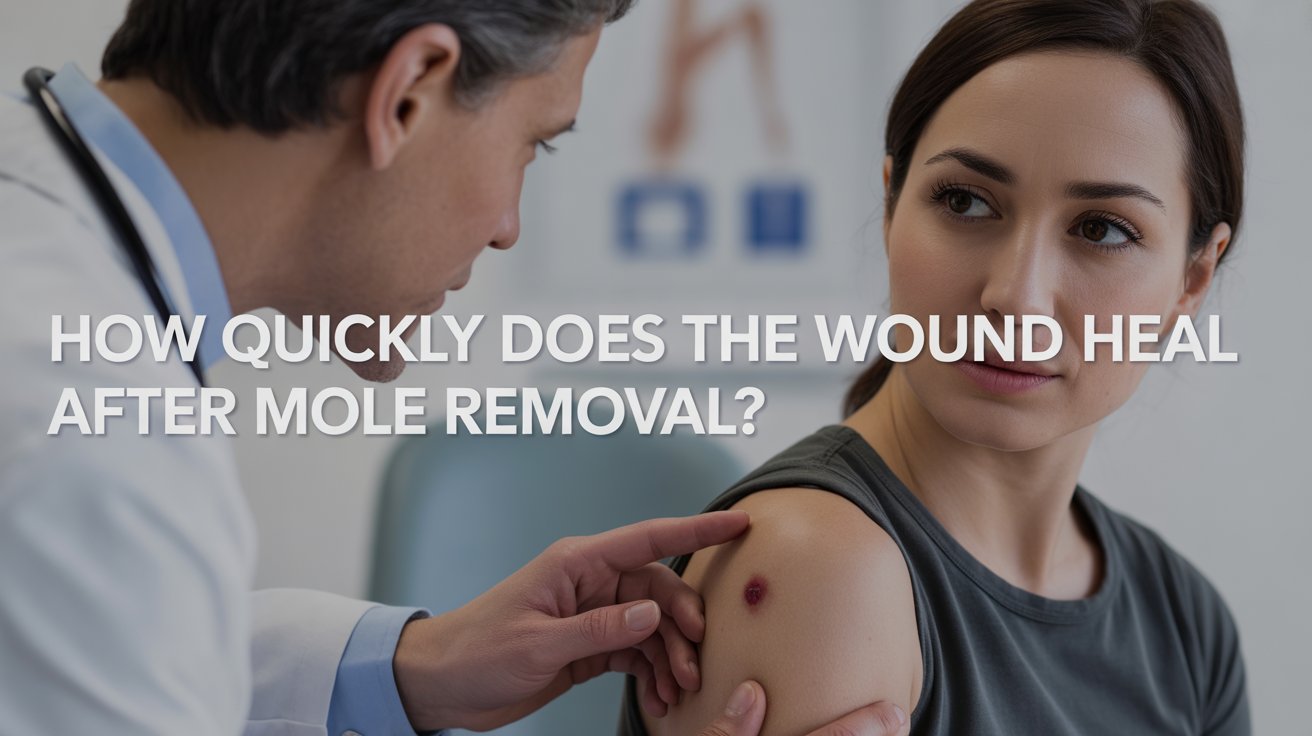
Having a mole removed is a relatively minor procedure, but it is still a procedure, and it is completely natural to wonder what happens to your skin afterwards. How long will it take to heal? What is normal to expect, and what should prompt you to contact your doctor? Will there be a scar?
The good news is that mole removal healing is straightforward for the vast majority of people. Understanding what happens at each stage, and knowing how to care for your wound properly, makes a significant difference both to how quickly you recover and to the final appearance of the skin. This guide walks you through the full healing journey, from the first few hours after your procedure right through to the months beyond.
The Three Stages of Wound Healing
Whether your mole was removed by surgical excision, shave excision, or another method, your body follows the same biological process to repair the skin. There are three overlapping stages, each playing a distinct role in your recovery.
Stage 1: The Inflammatory Phase (Days 1 to 5)
This phase begins within hours of the procedure. The area around the wound will appear red, feel slightly warm, and may be a little swollen or tender. You may also notice some minor oozing in the very first hours, which is entirely normal. This is your immune system sending resources to the wound site to clean it and prepare it for repair.
The redness and swelling should ease noticeably within the first five days. Keeping the area clean, dry, and protected with a sterile dressing during this time helps everything progress as it should.
Stage 2: The Proliferative Phase (Days 1 to 14)
This stage overlaps with the inflammatory phase and is when the body begins actively rebuilding. Your skin produces new collagen and tissue to close the wound, and a scab will form over the surface. The scab is not a problem; it is a natural protective layer that shields the new skin forming beneath it.
Resist the urge to pick at the scab. Removing it before it is ready can delay healing, increase the risk of infection, and make scarring more likely. Allow it to separate in its own time.
Stage 3: The Maturation Phase (Weeks 4 to 52)
Once the surface has healed, your skin enters its longest phase: remodelling. The body continues to strengthen and refine the new tissue, and any scar that has formed will gradually change in appearance. A scar that looks quite pink or raised at first will typically soften, flatten, and fade considerably over the course of six to twelve months.
It is worth knowing that a scar is not ‘finished’ just because the surface looks healed. The deeper layers of skin continue to remodel for up to a year after the procedure.
Healing Timelines by Removal Method
How quickly your wound heals depends in large part on the technique used to remove your mole. Here is what you can generally expect from the most common methods.
Surgical Excision
Surgical excision involves cutting the mole out entirely under local anaesthetic and closing the wound with stitches. It is the most thorough removal method, and is typically used where a mole requires pathological analysis, or where it is raised, large, or has any features that warrant closer examination.
Because the wound is deeper and involves stitches, healing takes a little longer. The surface wound usually heals within two to four weeks. Stitches are removed after seven to fourteen days, depending on where the mole was located. Scar remodelling then continues for up to a year. Areas under regular movement or tension, such as the back or shoulders, tend to take longer than areas like the face, where blood supply is excellent.
Shave Excision
Shave excision removes a raised mole at skin level without the need for stitches. Healing occurs from the surface downwards, and most people find the area looks intact within one to two weeks. A shallow scab forms within the first day and gradually separates over the following ten to fourteen days. There may be a slightly pink or indented area once the scab has gone, which evens out over subsequent months.
Laser Removal
For small, flat, confirmed benign moles treated with laser, the surface healing is typically the fastest. Most patients see the skin looking intact within one to two weeks. There is often a period of mild redness or pigmentation change in the weeks that follow, which settles gradually. Because no tissue is removed for analysis with laser treatment, it is only appropriate for moles that have already been thoroughly assessed by a clinician.
Cryotherapy
If liquid nitrogen is used to freeze a mole, a blister may form over the first few days. This can look dramatic but is entirely normal. The area typically heals within two to four weeks, though temporary discolouration of the skin in that area can persist for some time afterwards.
What Affects How Quickly You Heal?
Healing is not the same for everyone, and several factors can influence how quickly your wound recovers. Being aware of these helps you understand your own experience and set realistic expectations.
- Size and depth of the mole. Larger or deeper moles require more tissue to regenerate, so healing naturally takes longer.
- Location on the body. Facial wounds tend to heal faster due to greater blood supply. Areas subject to stretching or friction, such as the back, shoulders, or joints, often take longer.
- Age and general health. Younger patients and those in good general health typically heal more efficiently. Conditions such as diabetes, or medications that affect immune function or clotting, can slow the process.
- How well you follow wound care guidance has a direct impact on both healing speed and the final appearance of the scar. Keeping the area clean, protected, and out of the sun makes a genuine difference.
- Smoking and alcohol. Both can impair the healing process. Avoiding them in the weeks following your procedure, or reducing intake significantly, supports better recovery.
Aftercare: How to Support Your Skin’s Recovery
Good aftercare is one of the most important things you can do after mole removal. The guidance below reflects standard best practice, though your doctor will provide advice specific to your procedure and the site of your wound.
- Keep the wound clean and dry. Gently clean the area with mild soap and water as instructed, and keep a sterile dressing in place for the first few days.
- Avoid soaking the area. Do not swim or soak in a bath until the wound has properly closed and, if stitches were used, until they have been removed.
- Do not pick at the scab. Allow it to separate naturally. Interfering with it delays healing and increases the risk of scarring.
- Protect the area from sunlight. New skin is particularly vulnerable to UV damage, which can darken a scar significantly. Keep the area covered or apply a broad-spectrum SPF 30 or higher sunscreen once the skin has closed.
- Eat well and stay hydrated. A balanced diet rich in vitamins C and A, protein, and zinc supports the body’s repair processes.
- Avoid strenuous exercise initially. Activities that stretch or put pressure on the wound site should be avoided for the first few days, or until your doctor advises it is safe to resume.
Signs of Normal Healing Versus Signs of Concern
It is helpful to know what normal healing looks like so that you can feel reassured throughout the process, and equally important to recognise the signs that warrant medical attention.
What Is Normal
- Mild redness, tenderness, and swelling in the first few days
- A scab forming over the wound within one to two days
- The scab darkening and gradually separating over one to three weeks
- New skin appearing slightly pink or lighter than the surrounding area
- Mild itching as the skin heals
- A visible scar that is pink or raised initially, fading over months
When to Contact Your Doctor
- Increasing redness, swelling, or warmth around the wound after the first few days
- Pus or cloudy discharge from the wound
- Bleeding that does not settle with gentle, clean pressure after twenty minutes
- A high temperature or feeling generally unwell
- The wound edges separating or opening up
- Pain that worsens rather than gradually improves
If you are ever unsure about how your wound is healing, it is always better to seek advice promptly rather than wait. At The Private GP, you can book a face-to-face GP consultation to have the site reviewed, or if getting to the clinic is difficult, we offer home visit appointments for patients who prefer to be seen at home.
What About Scarring?
It is honest to say that most mole removal procedures leave some trace on the skin, particularly surgical excision. However, the appearance of that trace changes considerably with time. A scar that looks quite noticeable at four weeks will, in most cases, be significantly less visible by six months, and by the one-year mark will often be difficult to spot at all.
A few things that can help with scar appearance over time include silicone gel or silicone sheets applied to the healed wound, gentle massage of the scar tissue once the skin has fully closed, and consistent sun protection throughout the first year. Your doctor can advise on what is appropriate for your specific situation.
In rarer cases, some individuals develop hypertrophic or keloid scars, where the body produces excess collagen in the healing process. These can be treated effectively with options including corticosteroid injections, laser treatments, or other interventions if needed. If you have a known tendency to scar in this way, it is worth mentioning it before your procedure so that your doctor can take this into account.
Planning Ahead: What to Think About Before Your Procedure
If you are considering mole removal and want to plan your recovery thoughtfully, a few practical steps can help. Think about the timing of your procedure relative to any holidays or events where you would be spending extended time in sunlight. Consider whether the location of your mole might affect day-to-day activities during recovery, such as wearing certain clothing or exercising.
Most importantly, make sure you have had a proper assessment before any removal method is decided upon. Our minor surgery consultation service gives you the opportunity to discuss your individual circumstances, ask questions about the procedure and recovery, and have any concerns addressed before you commit to anything.
Our minor surgery service in Birmingham is carried out by experienced GPs in a fully clinical setting, with detailed aftercare guidance provided as standard. Removed tissue is processed appropriately, giving you confidence that the right approach has been taken from the outset.
The Bottom Line
For most people, the surface wound after mole removal heals within two to four weeks. The deeper biological process of scar remodelling continues for up to a year, with the scar improving in appearance throughout that time.
The method of removal, the size and depth of the mole, where it was located, and how well you follow aftercare guidance all play a part in how quickly and cleanly you heal. The vast majority of patients find the recovery straightforward, with minimal disruption to daily life.
If you have a mole you would like assessed or removed, or if you would simply like to know more about what the process involves, we would encourage you to get in touch. Our team at The Private GP is here to give you clear, honest guidance from the very first appointment. You can also explore our mole removal service in Birmingham or book a full health check-up if you would like a broader review of your health at the same time.
References
Spot Check Clinic – How Long Does Mole Removal Take to Heal?
City Dermatology Clinic – Mole Removal Healing Stages