


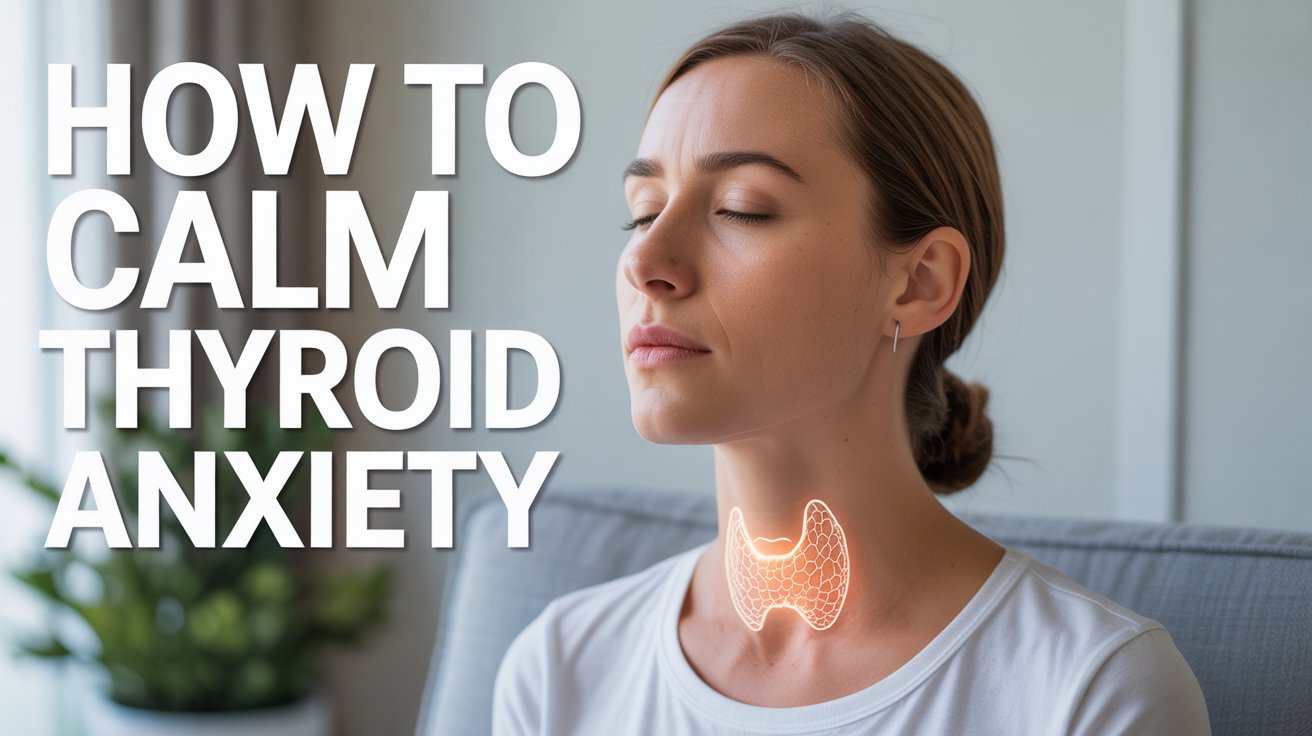
Anxiety is one of the most distressing — and most misunderstood — symptoms of thyroid disease. Whether your thyroid is overactive or underactive, the anxious feelings it produces can feel every bit as overwhelming as anxiety from any other cause. And yet thyroid anxiety is frequently dismissed, misdiagnosed, or treated in isolation from the hormonal imbalance driving it. If you have been wondering how to calm thyroid anxiety, the most important thing to understand is this: managing the anxiety and treating the thyroid condition are not separate tasks — they are the same one.
Why Does Thyroid Disease Cause Anxiety?
Thyroid hormones regulate far more than metabolism. They directly influence the brain’s neurotransmitter activity — including serotonin, noradrenaline, and dopamine — the chemical messengers that govern mood, emotional regulation, and the body’s threat-response system. When those hormone levels shift out of balance, the neurological effects can be profound.
Hyperthyroidism and Anxiety
An overactive thyroid floods the body with excess thyroid hormone, accelerating virtually every bodily system. The nervous system becomes hyperactivated — heart rate increases, the body sweats more readily, muscles may tremble, and the mind races in a way that is biologically indistinguishable from a classic anxiety response. Research published in peer-reviewed journals has found that a significant proportion of hyperthyroid patients meet diagnostic criteria for an anxiety disorder — and a 2023 case study published in PMC demonstrated how hyperthyroidism can be conclusively misdiagnosed as generalised anxiety disorder (GAD) when thyroid function testing is not carried out.
This matters enormously. A person prescribed anxiolytic medication for what is actually undiagnosed hyperthyroidism is receiving treatment that addresses the sensation without touching the cause. The anxiety will persist — and so will the physical damage of uncontrolled thyroid hormone excess.
Hypothyroidism and Anxiety
An underactive thyroid is more commonly associated with low mood and depression, but anxiety is a recognised and frequently reported symptom. When thyroid hormone levels are insufficient, the body’s stress-response system can become dysregulated — producing a background hum of unease, rumination, or a persistent sense that something is wrong, even without an identifiable trigger. A large systematic review and meta-analysis published in JAMA Psychiatry confirmed a significant association between autoimmune thyroid disease — including Hashimoto’s thyroiditis — and both anxiety and depression disorders.
Hashimoto’s and the Anxiety of Fluctuation
Hashimoto’s thyroiditis, the autoimmune condition that gradually destroys thyroid tissue, can produce particularly unsettling anxiety because the thyroid hormone levels it causes tend to fluctuate. During a Hashimoto’s flare, damaged thyroid cells release stored hormone into the bloodstream, temporarily pushing levels high before they drop. This can produce alternating episodes of hyperthyroid-like anxiety and hypothyroid-like low mood that are confusing and exhausting to live with — and that may not always be captured on a single blood test.
A patient at our Birmingham clinic — a woman in her early forties — had been seeing her GP for anxiety management for nearly two years, with only partial relief from medication. When we arranged a comprehensive private thyroid blood test including TSH, free T3, free T4, and thyroid antibodies, elevated anti-TPO antibodies and a fluctuating TSH pointed clearly to Hashimoto’s thyroiditis. Addressing the thyroid component — rather than managing the anxiety alone — led to a significant and sustained reduction in her symptoms over the following months.
Step 1: Address the Underlying Thyroid Condition
This is the single most important step — and the one most often overlooked when anxiety is the presenting symptom. Lifestyle strategies, breathing techniques, and psychological support all have genuine value, but they work best as complements to proper thyroid treatment, not substitutes for it.
If you have not yet had a thorough thyroid assessment, or if your current results have only ever included a standard TSH check, it is worth investigating further. TSH alone can miss meaningful thyroid dysfunction — particularly in Hashimoto’s, where antibody levels and the free T3 and T4 picture matter considerably.
For Hyperthyroidism
Treatment — whether antithyroid medication, radioiodine, or surgery — reduces the excess hormone driving the neurological hyperactivation. Beta-blockers are sometimes used in the short term to manage palpitations and physical anxiety symptoms while awaiting full thyroid control, though they do not alter hormone levels themselves.
For Hypothyroidism
Levothyroxine replacement raises thyroid hormone levels towards normal, which typically improves mood, reduces anxiety, and restores neurological stability over time. It is worth noting that the full psychological benefit of thyroid treatment may take several months to become apparent.
For Hashimoto’s
Beyond managing TSH levels, reducing the inflammatory and immune burden of the condition — through lifestyle, diet, and stress management — can stabilise the hormonal fluctuations that drive anxiety. Some patients find that optimising free T3 levels, rather than focusing solely on TSH, produces better psychological outcomes.
If you are concerned that your current thyroid management is not adequately addressing your anxiety symptoms, a face-to-face GP consultation gives you the space to review your full thyroid picture with a doctor who takes both the physical and psychological dimensions of your condition seriously.
Step 2: Regulate Your Nervous System Directly
While thyroid treatment addresses the root cause, the nervous system can be genuinely calmed in the meantime — and the strategies that work for thyroid anxiety are those that specifically counter the physiological state of hyperarousal that excess or imbalanced thyroid hormone produces.
Controlled Breathing
Slow, controlled breathing is one of the most evidence-based tools for reducing acute anxiety. It works by activating the parasympathetic nervous system — the body’s rest-and-digest system — which directly counteracts the sympathetic nervous system activity that produces the physical sensations of anxiety. A simple technique is to inhale for a count of four, pause briefly, and exhale for a count of six to eight. The longer exhale is key — it is this that engages the vagus nerve and triggers the calming response. For thyroid anxiety, which tends to produce a sustained background agitation rather than acute panic, building a daily breathwork practice — even five to ten minutes — is more effective than reserving it only for crisis moments.
Mindfulness and Meditation
Research consistently supports mindfulness practice as an effective tool for reducing anxiety — including anxiety associated with chronic health conditions. It works not by suppressing anxious thoughts but by changing your relationship to them: reducing the degree to which you are pulled into and overwhelmed by them. For people with thyroid disease, where anxiety can feel like an unpredictable physical state rather than a response to specific thoughts, mindfulness meditation can help create a sense of stability and agency. Even ten to fifteen minutes of guided practice daily has been shown to produce measurable reductions in anxiety over a matter of weeks.
Yoga and Gentle Movement
Yoga combines breath regulation, physical movement, and mental focus in a way that is particularly well-suited to thyroid anxiety. Research in thyroid patients specifically has found that regular yoga practice supports improvements in thyroid hormone levels alongside psychological wellbeing. For those in the acute phase of hyperthyroid anxiety, lower-intensity styles — such as yin yoga or restorative yoga — are preferable to vigorous forms, which can further stimulate an already overactivated nervous system.
Time in Nature
Spending at least two hours per week in natural environments has been consistently linked to meaningful improvements in wellbeing, stress levels, and anxiety in population-based research. Even regular walks in a local park contribute to this effect. For people managing thyroid anxiety, where the nervous system is already under metabolic strain, the restorative quality of natural settings provides a gentle and genuinely effective counterbalance.
Step 3: Support Your Thyroid Through Diet and Nutrition
Certain nutritional deficiencies can worsen both thyroid dysfunction and anxiety — and addressing them is a practical, evidence-based part of comprehensive thyroid care.
Selenium
Essential for converting inactive T4 into active T3, selenium also has a direct calming effect on thyroid autoimmunity. Research has shown that selenium supplementation reduces anti-TPO antibody levels in Hashimoto’s patients. Good dietary sources include Brazil nuts, eggs, tuna, and sunflower seeds.
Magnesium
Magnesium has a well-established role in supporting the nervous system and reducing anxiety. Deficiency is common and has been associated with both heightened anxiety and impaired thyroid function. Leafy green vegetables, nuts, seeds, and dark chocolate are all good sources.
Vitamin D
Low vitamin D levels are found in a high proportion of people with autoimmune thyroid conditions and have been independently associated with anxiety and depression. Given the UK’s limited sunshine, supplementation is frequently appropriate — though levels should be checked before supplementing.
Avoiding Stimulants
Caffeine significantly amplifies the symptoms of thyroid anxiety — particularly in hyperthyroidism — by further stimulating an already hyperactivated nervous system. Reducing or temporarily eliminating caffeine during a period of active thyroid anxiety can produce a noticeable and rapid improvement in symptoms.
Step 4: Prioritise Sleep
Sleep deprivation is both a cause and a consequence of anxiety — and for people with thyroid disease, the relationship is particularly fraught. Hyperthyroidism directly disrupts sleep architecture, making it harder to fall and stay asleep. Hypothyroidism can produce sleep apnoea and unrefreshing sleep despite excessive tiredness. In both cases, the resulting sleep debt amplifies anxiety considerably.
Establishing a consistent sleep routine — the same bedtime and wake time seven days a week, a cool and dark sleeping environment, no screens in the hour before bed — provides the nervous system with the recovery time it needs to regulate mood and anxiety the following day. Where sleep disturbance is significant and persistent, discussing it explicitly with your GP is important, as it may require direct management alongside your thyroid treatment.
Step 5: Consider Psychological Support
Cognitive behavioural therapy (CBT) is the gold-standard psychological treatment for anxiety disorders, and there is good evidence for its effectiveness in people with thyroid-related anxiety — particularly in addressing the patterns of health-related worry, symptom monitoring, and avoidance behaviour that commonly develop when living with a chronic thyroid condition. If your anxiety has become entrenched — persisting even when thyroid hormone levels are reasonably controlled — a referral to a therapist trained in health anxiety is worth discussing with your GP. Our private anxiety treatment service in Birmingham can support you in accessing the right care without delay.
When to Seek Urgent Help
Most thyroid anxiety is uncomfortable but not dangerous. However, there are circumstances in which prompt medical assessment is important:
- Palpitations that are rapid, irregular, or accompanied by chest pain or breathlessness
- Anxiety so severe it is preventing you from functioning in daily life
- Symptoms that appear suddenly or that have worsened significantly in a short period
- Any suspicion that your thyroid medication dose may need urgent review
At The Private GP in Birmingham, same-day appointments are available with no lengthy waiting times. If you are struggling with thyroid anxiety and want clarity on whether your thyroid is being managed as effectively as it could be, a private blood test and GP review can provide answers quickly — and set you on a clearer, more confident path forward.
Frequently Asked Questions
- How do I know if my anxiety is caused by my thyroid?
Thyroid anxiety tends to be accompanied by other thyroid symptoms — weight changes, temperature sensitivity, altered heart rate, hair or skin changes, and fatigue. It may also feel different from situational anxiety in that it seems to arrive without a clear psychological trigger and does not respond predictably to standard anxiety management techniques. The most reliable way to find out is through a comprehensive thyroid blood test covering TSH, free T3, free T4, and thyroid antibodies. A private thyroid test in Birmingham provides same-day results with GP interpretation included.
- Will treating my thyroid make the anxiety go away?
In many cases, yes — at least partially. For hyperthyroid anxiety, bringing hormone levels under control is typically the most effective treatment. For hypothyroid and Hashimoto’s-related anxiety, thyroid hormone replacement and antibody management usually improve psychological symptoms significantly over time, though this may take several months. Some people find that anxiety which developed during a period of thyroid dysfunction persists as a learned pattern even after hormone levels normalise — and in those cases, psychological support alongside medical treatment produces the best outcomes.
- Is it safe to take anxiety medication if I have a thyroid condition?
This depends on the specific medication, the thyroid condition, and your individual clinical picture — and it is important to discuss this with your GP rather than making changes independently. Some anxiolytic medications interact with thyroid hormones or thyroid medication. Beta-blockers are sometimes used specifically for the physical symptoms of hyperthyroid anxiety and are generally considered safe in this context, but should only be taken under medical supervision. Your GP will be able to advise on what is appropriate for your circumstances.
- Can I reduce thyroid anxiety without medication?
Lifestyle and psychological strategies — breathing techniques, mindfulness, gentle exercise, nutritional support, and sleep hygiene — can produce meaningful reductions in thyroid anxiety, particularly as a complement to thyroid treatment. However, if your anxiety stems primarily from uncontrolled thyroid hormone levels, these strategies will only go so far. Addressing the underlying hormonal imbalance remains the most important and effective intervention for genuine thyroid anxiety.
- How quickly can thyroid anxiety improve with treatment?
Physical anxiety symptoms — palpitations, tremor, sweating — often begin to improve within a few weeks of starting treatment for hyperthyroidism, particularly if beta-blockers are used in the short term. The broader psychological improvements from thyroid hormone normalisation typically take longer — often two to three months, and sometimes up to six months for full stabilisation. Patience with the process, combined with the lifestyle and psychological strategies described in this article, tends to produce the best overall outcomes.