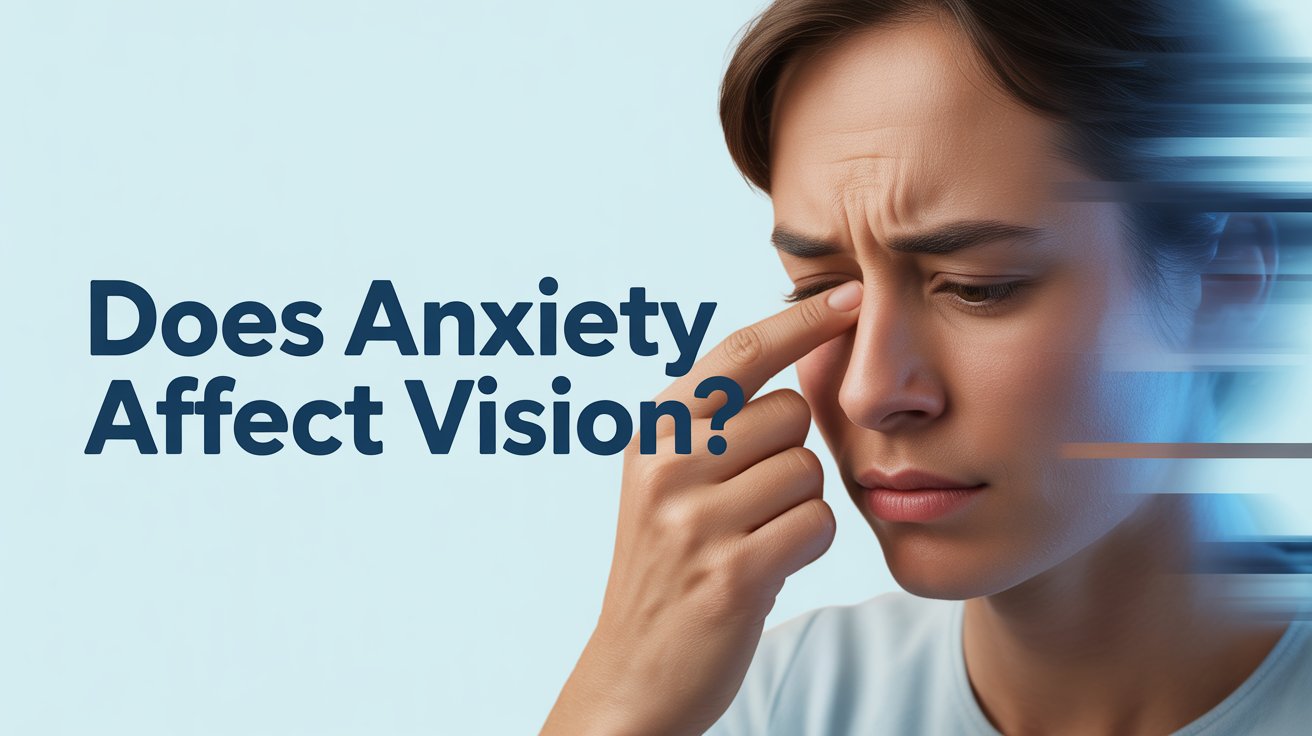
If you’re wondering whether anxiety affects vision, the answer is definitely yes—anxiety and stress can significantly impact your eyesight through various mechanisms. From temporary blurred vision to increased sensitivity to light, anxiety-related eye symptoms are remarkably common and often overlooked. Understanding how emotional stress affects your visual system helps you recognise when anxiety might be behind your eye problems and what steps you can take to protect your vision.
How Anxiety Impacts Your Eyes
Simply put, when you experience anxiety, your body activates its “fight-or-flight” response, flooding your system with stress hormones like adrenaline and cortisol. These hormones prepare your body for action, causing widespread physiological changes—including significant effects on your eyes and visual system.
Research shows that mental stress can affect your eyes and lead to visual distortions, and even put you at risk of developing sight-threatening eye diseases. The impact of the body’s fight-or-flight reaction affects the eyes and visual system directly, potentially leading to eye strain, headaches, and, in severe cases, chronic vision problems.
Your eyes are sensory organs directly connected to your nervous system. During anxiety, your brain sends signals causing your pupils to dilate—allowing more light to enter so you theoretically can see potential dangers more clearly. While this evolutionary response proved useful when facing genuine threats, it becomes problematic when anxiety occurs frequently without real danger present.
Common Vision Problems Caused by Anxiety
Anxiety can trigger various eye and vision symptoms, ranging from mild discomfort to severe visual disturbances:
Blurred Vision: The most common anxiety-related vision problem. As your brain becomes overwhelmed by anxiety signals, it may become harder for your eyes to focus on objects properly. The release of adrenaline affects blood flow and eye muscles, making focusing difficult. This blurriness typically occurs during or immediately after anxious episodes.
Eye Strain and Fatigue: Frequent anxiety causes constant pupil dilation, which eventually results in significant eye strain. When stressed for prolonged periods, this continuous dilation makes your eyes particularly sensitive to light and seriously strained as a result. Eye fatigue often accompanies this strain, making it uncomfortable to read or use screens.
Tunnel Vision: During severe anxiety or panic attacks, you may experience tunnel vision—a reduction in peripheral vision that makes you feel like you’re looking through a narrow tube. Anxiety activates the stress response, which causes this reduction in peripheral vision to focus your attention solely on the perceived threat.
Dry Eyes: Anxiety alters your blinking patterns, reducing the frequency with which you blink and therefore decreasing moisture in your eyes. This resulting dryness makes maintaining clear vision difficult and causes discomfort. Stress-induced eye strain is often accompanied by dry eyes and eye fatigue.
Light Sensitivity: Constant pupil dilation during prolonged anxiety makes your eyes excessively sensitive to light. Even normal daylight may seem painfully intense, especially in highly stressful environments. Those experiencing photophobia may squint, develop headaches, or feel compelled to avoid lighted environments altogether.
Eye Twitching: Stress causes involuntary muscle spasms around your eyes, leading to visible twitching—medically known as myokymia. While usually harmless, persistent eye twitching indicates your body is under significant stress.
Remember, these symptoms often manifest temporarily during anxious periods and typically improve when stress subsides. However, chronic anxiety causing frequent or persistent visual symptoms warrants professional attention.
The Bidirectional Relationship
The connection between anxiety and vision works in both directions, creating potentially troubling cycles. Stress and anxiety can be both consequences and causes of vision loss. Initial vision loss causes stress, which in turn leads to more vision loss, leading to once again increased stress levels—creating a dangerous downward spiral.
Research dating back over 3,000 years to ancient Indian Ayurvedic medicine has documented mental distress as a leading cause of vision loss. Modern scientific studies confirm this historical observation, demonstrating clear links between psychological stress and various eye conditions.
Furthermore, hundreds of studies and clinical trials have shown that stress can increase the risk of vision loss from eye diseases such as glaucoma, optic neuropathy, diabetic retinopathy, and age-related macular degeneration. Chronic stress can lead to pressure buildup inside your eyes, potentially damaging the optic nerve and risking glaucoma development.
If you’re experiencing vision changes alongside persistent anxiety, consider scheduling a GP consultation to address both aspects comprehensively.
Long-Term Effects of Chronic Stress on Vision
While temporary anxiety-related vision changes usually resolve when stress subsides, chronic anxiety poses more serious risks:
Increased Eye Pressure: With students facing coursework deadlines and exams, their stress levels are likely to be high. With anxiety causing increased pressure in the eye, concern has been raised about students’ chances of developing glaucoma. Although eye pressure alone doesn’t cause glaucoma, the Glaucoma Research Foundation considers it a significant risk factor.
Optic Neuropathy: Prolonged mental stress can cause cortisol levels to rise continuously, negatively affecting the eyes and brain. Imbalances in the sympathetic nervous system caused by increased cortisol can lead to diseases of the visual system, including optic neuropathy—potentially causing permanent vision loss.
Central Serous Chorioretinopathy: Research suggests that perceived stress is a risk factor for this condition, which results in fluid collection in the macula (the central part of the retina), causing blurry vision.
Accelerated Age-Related Conditions: Chronic stress may speed up the development of age-related eye diseases like macular degeneration, potentially causing vision loss earlier than would otherwise occur.
Fortunately, most stress-related vision problems are temporary and will disappear as soon as you begin to relax. However, if you experience frequent extreme anxiety, elevated adrenaline and cortisol levels can contribute to serious conditions.
Managing Anxiety-Related Vision Problems
Various approaches effectively address both anxiety and its visual manifestations:
Stress Reduction Techniques: Practice deep breathing exercises, meditation, mindfulness, and progressive muscle relaxation. These techniques calm your nervous system, reducing the fight-or-flight response, triggering visual symptoms. Regular practice helps lower overall stress levels and manage anxiety symptoms as they occur.
Regular Physical Activity: Exercise naturally reduces anxiety while improving blood flow to the eyes. Physical activity increases endorphin production—chemicals that improve mood and reduce stress. Aim for moderate exercise most days, but avoid high-intensity workouts during particularly stressful periods.
Eye Rest and the 20-20-20 Rule: Every 20 minutes, look at something 20 feet away for 20 seconds, allowing your eyes to rest and take breaks from focusing on close-up objects like screens. This simple practice significantly reduces digital eye strain.
Proper Hydration: Stay hydrated by drinking water regularly. Hydration is crucial for healthy tear production and preventing dry eyes. Adequate fluid intake helps maintain comfortable vision and reduces strain.
Quality Sleep: Ensure you get enough restful sleep. Poor sleep exacerbates both anxiety and eye problems, including increased pressure and reduced healing capacity. Establish consistent sleep schedules and create calming bedtime routines.
Limit Screen Time: Extended screen time elevates stress levels, causes eye strain, and affects vision over time—a condition called near point visual stress. Take regular breaks, blink consciously, and reduce unnecessary digital device usage.
Reduce Caffeine and Sugar: Both substances can aggravate anxiety and eye strain. Consider limiting intake, particularly during high-stress periods or when experiencing vision symptoms.
For those requiring a comprehensive health assessment, full health check-ups provide a holistic evaluation, including factors affecting both mental health and vision.
Professional Treatment Options
When lifestyle modifications alone aren’t sufficient, professional interventions offer substantial relief:
Cognitive Behavioural Therapy (CBT): This evidence-based approach helps identify and change negative thought patterns contributing to anxiety. Studies show that taking a psychosomatic approach, emphasising stress reduction and relaxation techniques, is highly effective for treating stress-related vision loss.
Vision Therapy: If functional vision problems contribute to your symptoms, vision therapy can help alleviate discomfort by strengthening the visual system and improving visual skills necessary for clear, comfortable vision.
Medication Management: Some medications treating anxiety may affect vision, including pupil dilation and blurred vision as side effects. Discuss any vision changes with your healthcare provider when starting or adjusting medications.
Professional Eye Care: Regular eye examinations ensure no underlying conditions contribute to your symptoms. Visit your optician if you notice persistent eye problems or have concerns to rule out other causes requiring different treatment.
If you’re experiencing significant anxiety symptoms affecting your quality of life, professional support provides structured approaches to managing both anxiety and its physical manifestations.
When to Seek Immediate Medical Attention
Consult your healthcare provider promptly if you experience:
- Sudden, severe vision changes or vision loss
- Persistent blurred vision not improving with stress reduction
- Eye pain or severe discomfort
- Flashing lights or floaters in your vision
- Blind spots in central or peripheral vision
- Vision changes accompanied by severe headaches
- Any symptoms suggesting retinal detachment or other serious conditions
These warning signs may indicate conditions beyond anxiety requiring immediate medical evaluation. For urgent concerns, telephone consultations or video consultations provide quick access to professional guidance.
Protecting Your Long-Term Vision
Taking proactive steps protects your eyes from stress-related damage:
- Schedule regular comprehensive eye examinations
- Manage chronic health conditions like diabetes and hypertension that affect vision
- Eat a balanced diet rich in nutrients supporting eye health
- Avoid smoking, which increases both anxiety and risk of eye diseases
- Create healthy work-life boundaries to reduce chronic stress
- Address anxiety symptoms early before they significantly impact your vision
Remember that caring for your mental health directly benefits your visual health. The interconnection between anxiety and vision means that managing stress effectively protects your eyes while improving overall wellbeing.
Key Takeaways
Does anxiety affect vision? Absolutely. The fight-or-flight response triggered by anxiety causes pupil dilation, muscle tension, altered blood flow, and inflammatory changes affecting visual function. Common symptoms include blurred vision, eye strain, tunnel vision, dry eyes, and light sensitivity—most of which resolve when anxiety subsides.
However, chronic anxiety poses serious long-term risks, including increased eye pressure, glaucoma development, optic neuropathy, and accelerated age-related vision loss. Understanding this mind-body connection empowers you to address both psychological and visual health comprehensively.
Through stress management techniques, appropriate lifestyle modifications, regular eye care, and professional support when needed, you can protect your vision while managing anxiety effectively. Your well-being—both mental and visual—deserves careful attention, and addressing the anxiety-vision connection ensures you maintain healthy eyesight throughout your life.