


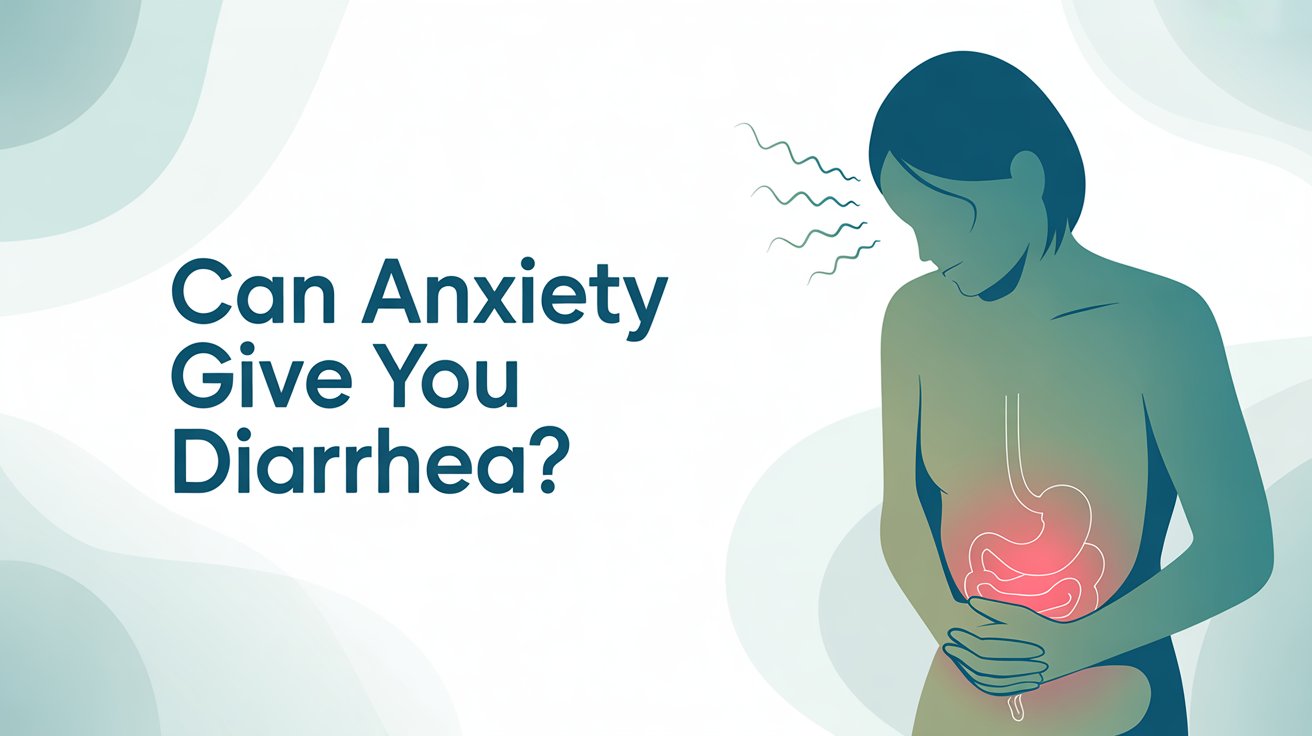
If you’re wondering whether anxiety can give you diarrhea, the straightforward answer is yes—anxiety and stress can definitely trigger digestive disturbances, including diarrhea. This uncomfortable connection between your mind and gut is no coincidence. Understanding how anxiety affects your digestive system helps you recognise when emotional stress is causing physical symptoms and what you can do to manage both effectively.
The Gut-Brain Axis: Your Second Brain
Simply put, your gut contains what scientists call the enteric nervous system (ENS)—a complex network of over 100 million nerve cells lining your gastrointestinal tract from oesophagus to rectum. This “second brain” doesn’t balance your budget or compose poetry, but it controls digestion and communicates constantly with your brain through the gut-brain axis.
The brain and gastrointestinal system are intimately connected, sharing many of the same nerve connections. When you experience anxiety, your brain sends stress signals directly to your gut, triggering a cascade of digestive changes. This connection goes both ways—a troubled intestine can send signals to the brain, just as a troubled brain can send signals to the gut.
Have you ever felt “butterflies in your stomach” when nervous or had a “gut-wrenching” experience? These expressions exist because the gastrointestinal tract is remarkably sensitive to emotion. Anger, anxiety, sadness, and elation can all trigger symptoms in the gut, including diarrhea.
How Anxiety Triggers Diarrhea
When you’re anxious, your body enters a primitive “fight-or-flight” response. Your brain interprets stress as potential danger and floods your system with hormones like adrenaline, cortisol, and serotonin. These stress hormones enter your digestive tract and interfere with normal digestion in several ways:
Accelerated Digestive Processes
The brain wants your gastrointestinal tract to flush everything from your system quickly, preparing you to either flee or fight. When your digestive system speeds up this way, the colon doesn’t have enough time to absorb water from waste, resulting in loose, watery stools.
Disrupted Gut Motility
Anxiety affects how your intestines and stomach squeeze and move waste through the body. These stress-induced contractions can push waste through your system too rapidly, causing cramping, urgency, and diarrhea.
Altered Gut Bacteria
Your gut relies on a healthy balance of beneficial bacteria. Stress can reduce good gut bacteria populations while favouring harmful bacteria. This imbalance causes gastrointestinal symptoms and reduces production of serotonin—a mood-lifting chemical—creating a vicious cycle where digestive problems worsen anxiety.
Increased Gut Sensitivity
Stress makes the existing discomfort seem even worse because the brain becomes more responsive to pain signals from the gastrointestinal tract. People experiencing anxiety perceive pain more acutely than they would during calm periods.
Remember, though these symptoms feel alarming and discomforting, they represent your body’s natural response to perceived threats rather than dangerous medical emergencies in most cases.
Recognising Anxiety-Induced Diarrhea
Certain indicators suggest your diarrhea stems from anxiety rather than infection or dietary issues:
- Episodes occur specifically during or immediately after stressful situations
- Urgency to use the restroom strikes before important events like presentations, interviews, or social gatherings
- Symptoms improve when stress subsides
- No fever, blood in stool, or other signs of infection
- Patterns correlate with identified stress triggers
Additional symptoms accompanying anxiety-related digestive disturbances may include stomach cramping, bloating, nausea, feeling of “knots” in your stomach, and general abdominal discomfort.
The Two-Way Street: When Gut Problems Worsen Anxiety
The gut-brain connection operates bidirectionally. Just as anxiety can trigger gastrointestinal symptoms, chronic digestive problems can exacerbate anxiety. Many people develop fear around potential “accidents” in public places, making them afraid to leave home or attend social events.
Research shows that up to 30-40% of the population experiences functional bowel problems at some point. People with irritable bowel syndrome (IBS) are particularly vulnerable—they often develop depression and anxiety, with studies suggesting digestive system irritation may send signals to the central nervous system that trigger mood changes.
Once you develop digestive symptoms, the condition itself can become a significant source of anxiety, greatly impacting your quality of life and creating a self-perpetuating cycle that’s challenging to break without addressing both components.
Managing Anxiety-Related Diarrhea
Fortunately, several strategies help manage both anxiety and its digestive manifestations:
Stress Reduction Techniques: Practice controlled breathing exercises during anxious moments. Deep, slow breathing signals your nervous system to activate the relaxation response, calming both mind and gut. Meditation, progressive muscle relaxation, and guided imagery also prove effective.
Regular Physical Activity: Exercise increases production of endorphins—chemicals that improve mood and reduce stress. Even fifteen minutes of daily activity helps. Activities emphasising breath control like yoga or tai chi particularly benefit the gut-brain connection.
Dietary Modifications: Avoid spicy foods, fatty or fried items, excessive caffeine, and foods high in natural or artificial sugar when experiencing stress-related digestive issues. Plain foods like crackers, toast, rice, bananas, broth, and water help settle your stomach. Peppermint tea or capsules provide soothing relief.
Identify and Manage Triggers: Note when digestive symptoms occur and what preceded them. Identifying specific stress triggers allows you to develop coping strategies or, when possible, avoid particularly stressful situations.
Adequate Sleep: Prioritise quality sleep, as poor rest exacerbates both anxiety and digestive problems. Establish consistent sleep schedules and create calming bedtime routines.
Probiotics: Consider probiotic supplements or probiotic-rich foods like yoghurt, kefir, and fermented vegetables. Probiotics may help restore healthy gut bacteria balance disrupted by stress.
For comprehensive assessment of digestive symptoms, private blood testing services can rule out underlying conditions requiring different treatment approaches.
When to Seek Professional Help
While stress-related diarrhea usually resolves once anxiety subsides, certain situations warrant medical attention:
- Diarrhea lasting more than a few days despite stress management efforts
- Blood in stool or black, tarry stools
- Severe abdominal pain
- High fever (over 38°C/100.4°F)
- Signs of dehydration (excessive thirst, dark urine, dizziness)
- Unintentional weight loss
- Symptoms significantly impacting daily activities and quality of life
These warning signs may indicate conditions beyond anxiety requiring medical evaluation and treatment.
Psychological Interventions
When lifestyle modifications alone aren’t sufficient, psychological therapies offer significant relief:
Cognitive Behavioural Therapy (CBT): This evidence-based approach helps you identify and change negative thought patterns contributing to anxiety. CBT specifically tailored for gastrointestinal conditions addresses the unique challenges of anxiety-related digestive symptoms.
Gut-Directed Hypnotherapy: This specialised therapy combines deep relaxation with calming suggestions specifically addressing digestive function. Research demonstrates effectiveness for functional gastrointestinal disorders.
Stress Management Counselling: Working with therapists specialising in anxiety treatment provides personalised strategies for managing stress and breaking the anxiety-diarrhea cycle.
Remember, seeking professional help isn’t admitting defeat—it’s taking proactive steps toward better health. Coping with stress is a lifelong skill, and progress takes time, so patience remains vital.
Understanding Functional Gastrointestinal Disorders
When gastrointestinal symptoms are caused by stress or anxiety rather than infection or structural disease, medical professionals classify them as functional GI disorders. These conditions are real—not imagined or “all in your head”—even though no physical abnormality appears on tests.
Psychology combines with physical factors to cause pain and other bowel symptoms. Psychosocial factors influence the actual physiology of the gut, affecting movement, contractions, and sensitivity. This explains why psychological interventions prove so effective—they address the underlying mechanisms driving symptoms.
The Role of Overall Health
Maintaining general health supports both mental wellbeing and digestive function. Consider scheduling a full health check-up to ensure no underlying medical conditions contribute to your symptoms. Comprehensive assessment provides peace of mind and establishes baselines for monitoring your health over time.
For immediate concerns or ongoing symptoms, telephone consultations or video consultations offer convenient access to professional guidance without adding travel-related stress.
Key Takeaways
Can anxiety give you diarrhea? Absolutely. The gut-brain connection means emotional stress directly affects digestive function through hormonal changes, altered gut motility, disrupted bacterial balance, and heightened sensitivity. While uncomfortable and inconvenient, anxiety-induced diarrhea typically resolves when stress subsides and responds well to stress management techniques.
Understanding this connection empowers you to address both anxiety and digestive symptoms comprehensively rather than treating them as separate issues. Through lifestyle modifications, stress reduction techniques, appropriate dietary choices, and professional support when needed, you can break the anxiety-diarrhea cycle and regain control over both your mental and digestive health.
Your wellbeing deserves careful attention, and recognising how anxiety manifests physically—including through digestive disturbances—ensures you receive appropriate support for your complete health picture, not just isolated symptoms.