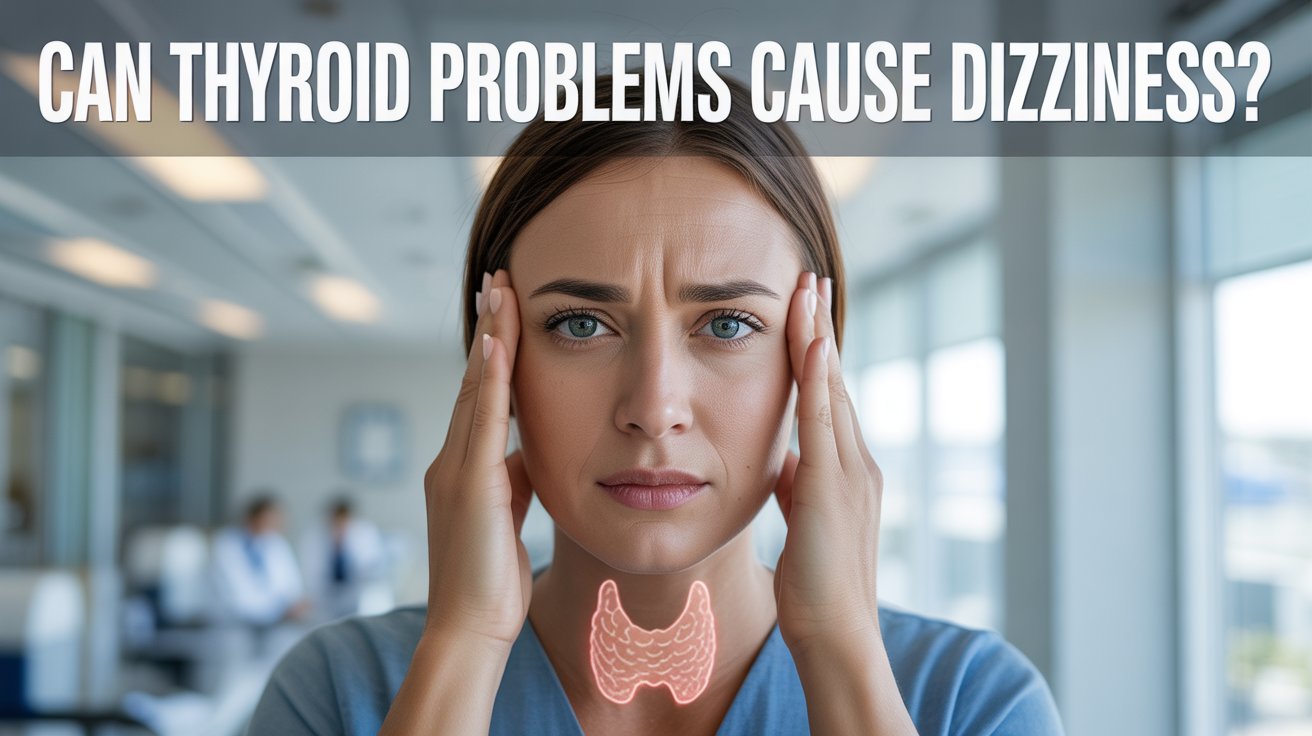



If you have noticed a tenderness or discomfort in your neck — particularly around the front of your throat — it is natural to wonder whether your thyroid could be involved. Thyroid pain is not always the first symptom people associate with thyroid problems, but it can be a meaningful sign that something needs attention. Understanding what it feels like, and what it might indicate, is an important first step towards getting the right answers.
Where Is the Thyroid Gland and Why Does It Hurt?
Simply put, your thyroid is a small, butterfly-shaped gland sitting at the front of your neck, just below the Adam’s apple. It produces hormones that regulate your metabolism, heart rate, and energy levels. When the gland becomes inflamed, infected, or affected by an autoimmune condition, the surrounding tissue can become sensitive — and that sensitivity can range from a mild, dull ache to something considerably more noticeable.
It is worth understanding that not all thyroid conditions cause pain. Hypothyroidism (underactive thyroid) and hyperthyroidism (overactive thyroid), for example, rarely produce neck pain as a primary symptom. Pain is more typically associated with conditions that cause active inflammation of the gland itself — a group of conditions collectively known as thyroiditis.
What Thyroid Pain Typically Feels Like
The character of thyroid pain can vary depending on its underlying cause, but there are common patterns that tend to emerge across different conditions:
A Dull Ache or Pressure
Many people describe the sensation as a persistent, low-level ache in the front of the neck — not sharp, but noticeable, and often made worse by swallowing or turning the head.
Tenderness to Touch
The thyroid area may feel sore or sensitive when pressed gently. This tenderness is particularly associated with subacute (de Quervain’s) thyroiditis and acute infectious thyroiditis.
Pain that Radiates
In some cases, the discomfort does not stay localised. It can spread upwards to the jaw or ears, which sometimes leads people to mistake it initially for dental pain or an ear infection.
A Feeling of Fullness or Tightness
An enlarged thyroid gland (goitre) can create a sensation of something pressing from the inside — a tightness in the throat that may be more pronounced when lying down.
Sharp Pain on Swallowing
Some people experience a more acute, stabbing discomfort specifically when swallowing food or drink, or when turning their neck sharply.
If any of the above sounds familiar, it is worth having a proper assessment rather than waiting to see whether things resolve on their own. Our face-to-face GP consultation gives you direct access to a GMC-registered doctor who can examine the gland in person and arrange appropriate investigations — often the same day.
Common Causes of Thyroid Pain
Subacute Thyroiditis (De Quervain’s Thyroiditis)
This is the most common cause of genuine thyroid pain. It typically follows a viral upper respiratory infection — a cold or flu — and is thought to be triggered by the body’s immune response to the virus. The thyroid gland becomes inflamed and swollen, producing pain that can be quite marked. The condition usually resolves over several weeks to months, though it can temporarily push thyroid hormone levels both too high and too low during that time.
Hashimoto’s Thyroiditis
Hashimoto’s is an autoimmune condition in which the immune system gradually attacks thyroid tissue. It is the most common cause of hypothyroidism in the UK. Most people with Hashimoto’s do not experience thyroid pain, but some report a low-grade ache or sense of pressure in the neck, particularly during flare-ups. An enlarged thyroid is also possible.
Acute Infectious Thyroiditis
This is a rarer condition caused by a bacterial or fungal infection of the thyroid gland. It tends to produce more acute symptoms — significant neck pain, fever, and general unwellness. It requires prompt medical assessment and treatment.
Thyroid Nodules or Cysts
Occasionally, a growth within the thyroid — whether benign or otherwise — can press on surrounding structures and cause discomfort. If you can feel a lump in your neck, or if a lump has been noticed by someone else, this should always be assessed by a doctor. At The Private GP, we can arrange an MRI or CT referral where further imaging is needed.
What Other Symptoms Might Accompany Thyroid Pain?
Thyroid pain rarely occurs in isolation. Depending on the underlying cause, you may also notice:
- Swelling or visible enlargement at the front of the neck
- Difficulty swallowing or a persistent sensation of something in the throat
- Fever, chills, or general flu-like symptoms
- Symptoms of hyperthyroidism: palpitations, unexplained weight loss, anxiety, excessive sweating
- Symptoms of hypothyroidism: fatigue, weight gain, low mood, cold sensitivity, brain fog
- A hoarse or changed quality to your voice
If your neck pain is accompanied by any of these, a private thyroid blood test is one of the most efficient ways to start building a clear picture. A full thyroid panel — measuring TSH, free T3, and free T4 — can identify hormone imbalances quickly, with results typically available the same day at our Birmingham clinic.
When Should You See a GP About Thyroid Pain?
It is always worth seeking a professional opinion if:
- The pain in your neck has persisted for more than a week or two without improvement
- You can feel a lump, swelling, or asymmetry in your neck
- The discomfort is spreading to your jaw or ears
- You have difficulty swallowing or a noticeably hoarse voice
- The pain appeared alongside or shortly after a viral illness
- You have other symptoms suggesting a thyroid imbalance
Thyroid conditions are highly treatable — but they do require the right diagnosis first. At The Private GP, we offer discreet, personalised consultations with short waiting times, so you are never left wondering for longer than necessary. If you would like to be seen promptly, book a same-day appointment online today.
Frequently Asked Questions
- Can thyroid pain come and go?
Yes. In conditions such as Hashimoto’s thyroiditis, discomfort can fluctuate in line with immune activity and hormone fluctuations. Subacute thyroiditis may also ease and worsen over the course of weeks. Pain that persistently comes and goes is worth investigating rather than attributing to muscle tension or minor illness.
- Is thyroid pain the same as a sore throat?
Not quite, though the two can feel similar and are sometimes confused. A sore throat typically sits higher in the throat and is more often associated with infection or inflammation of the tonsils and pharynx. Thyroid pain tends to be lower — around the front of the neck below the larynx — and may be accompanied by tenderness that you can locate by gently pressing the area. If you are unsure, a GP can usually distinguish between the two on examination.
- Can stress cause thyroid pain?
Stress itself does not directly cause thyroid pain. However, significant physical or emotional stress can trigger or worsen autoimmune activity — including the kind associated with Hashimoto’s thyroiditis. If you have a known thyroid condition and notice your symptoms worsening during stressful periods, it is worth discussing this with your GP.
- Do I need a scan to diagnose what’s causing my thyroid pain?
Not necessarily. In many cases, a combination of a physical examination and a private blood test is sufficient to identify the cause. Where there is a palpable lump, or where the clinical picture is less clear, an ultrasound or further imaging may be recommended. Your doctor will advise which investigations are appropriate based on your individual presentation.
- How long does thyroid pain last?
This depends entirely on the cause. Subacute thyroiditis typically resolves within one to three months, though the full recovery of normal thyroid function can take up to a year. Acute infectious thyroiditis tends to improve quickly with appropriate treatment. Pain associated with Hashimoto’s or thyroid nodules may be more intermittent and longer-lasting, and should be monitored by a doctor.