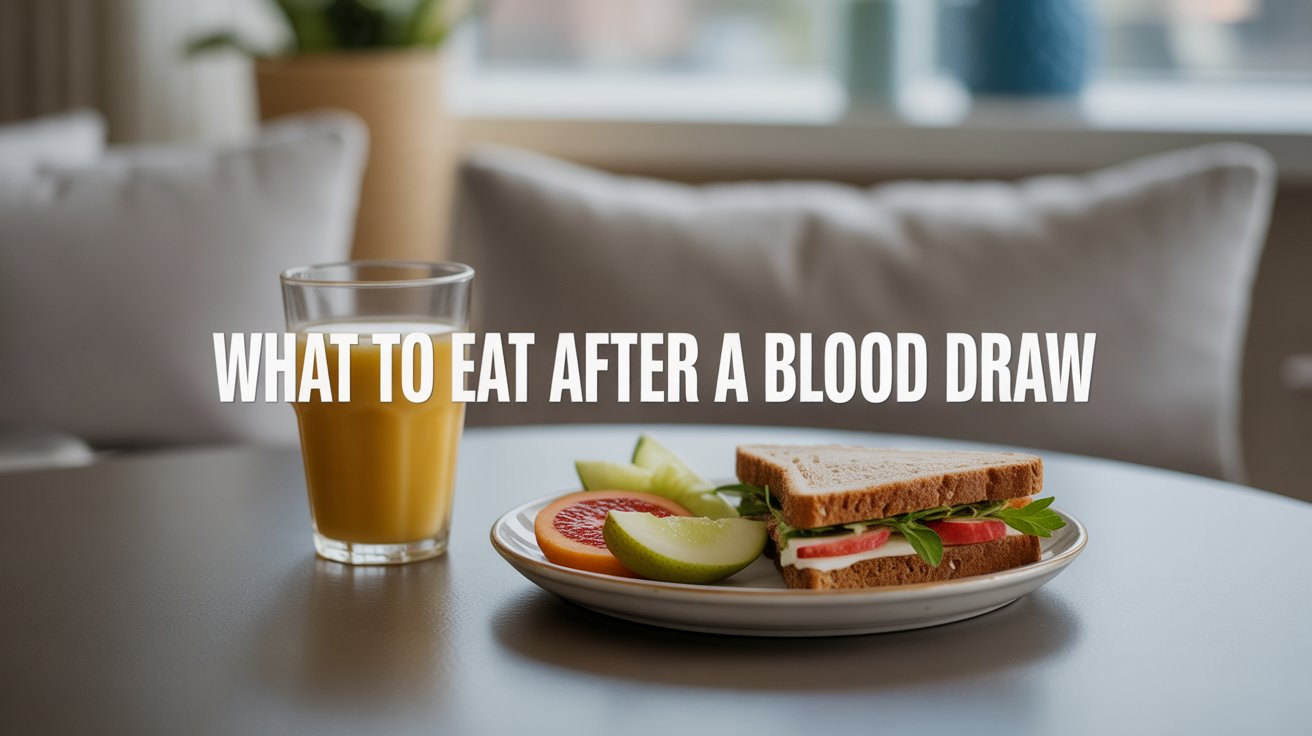
For most people, a blood draw is over within minutes and life carries on as normal. But for those who fasted beforehand, feel lightheaded afterwards, or simply want to recover as smoothly as possible, what you eat and drink in the hour or two following the procedure makes a meaningful difference.
The guidance here is straightforward and grounded in what actually helps — restoring blood sugar, supporting hydration, and giving your body what it needs to feel settled again quickly.
Why What You Eat After Matters
When blood is drawn, the body loses a small volume of fluid and — if you fasted beforehand — you arrive at the appointment already running on lower blood sugar and reduced fluid reserves. The combination of mild dehydration, low glucose, and the physiological stress response that some people experience during venepuncture can leave you feeling tired, lightheaded, or slightly nauseous.
Eating and drinking appropriately after a blood draw helps stabilise blood sugar, replenish fluid and electrolytes, and support the body’s natural recovery. None of this needs to be complicated — it is largely a matter of choosing the right foods and giving yourself a few quiet minutes to settle before rushing off.
What to Eat: The Best Foods After a Blood Draw
Something with Slow-release Carbohydrates
If you have been fasting, the priority after your blood draw is to restore your blood sugar at a steady, sustainable pace — not to spike it rapidly with something sugary. Slow-release carbohydrates are ideal for this: wholegrain toast, porridge, a banana, or a small bowl of cereal will all raise blood glucose gently and sustain your energy without a sharp crash shortly afterwards.
A piece of fruit is a practical option to bring to your appointment and eat immediately after the draw. It is portable, requires no preparation, and provides both natural sugars for a quick lift and fibre to moderate the response.
Protein
Pairing carbohydrates with a source of protein helps sustain your energy for longer and keeps you feeling fuller. Eggs, yoghurt, a handful of nuts, or a small portion of cheese alongside your toast are all sensible choices. If you are heading straight to work or back into a busy morning after your appointment, a more substantial meal that includes protein will serve you considerably better than a biscuit and a cup of tea.
Iron-Rich Foods — particularly if anaemia is a concern
If your test included a ferritin test or full blood count to investigate iron levels, the blood draw itself removes only a small amount of iron — not enough to make a clinical difference. That said, if you know your iron stores are low or you are prone to anaemia, eating iron-rich foods throughout the day is good general practice: lean red meat, lentils, spinach, fortified cereals, and pumpkin seeds are all strong sources.
If you eat plant-based iron sources, pairing them with something rich in vitamin C — a glass of orange juice, some tomatoes, or a handful of strawberries — significantly enhances absorption.
What to Drink After a Blood Draw
Water
Hydration is the single most important thing to address immediately after a blood draw. Drink a full glass of water as soon as the procedure is complete, and continue drinking steadily throughout the rest of the morning. Blood plasma is predominantly water, and staying well hydrated supports the body’s natural replenishment process.
Juice or a Sports Drink
If you feel lightheaded or faint immediately after the draw, a small glass of fruit juice or a sports drink can help raise blood sugar and electrolytes quickly. This is not necessary for everyone, but it is a useful option to have to hand — particularly if you fasted beforehand or are prone to feeling unwell after blood tests.
Tea or coffee — with Caveats
Once your blood has been drawn and your results are no longer at risk of being affected, there is nothing wrong with having a cup of tea or coffee. Caffeine is a mild diuretic, however, so pair it with additional water rather than relying on it as your primary source of fluid after the draw.
What to Avoid in the Hours After
Most foods are entirely fine after a blood draw. There are, however, a few things worth being sensible about in the immediate aftermath:
- Even if your test is now complete, drinking alcohol shortly after a blood draw — particularly if you fasted — is not advisable. Your blood sugar is already recovering, and alcohol impairs the liver’s ability to regulate glucose. Give yourself at least a few hours and a proper meal before drinking.
- Heavy, fatty meals immediately after fasting. After a prolonged fast, the temptation to eat something large and rich is understandable. However, a very heavy meal straight after fasting can cause a sharp insulin response and leave you feeling sluggish or uncomfortable. Start with something moderate and balanced, then eat normally for the rest of the day.
- Skipping food altogether. Some patients, particularly those who feel fine after the draw, skip eating entirely and carry on with their morning. This is unnecessary and counterproductive — especially after a fasting test. Eating a proper meal promptly supports your recovery and your concentration for the rest of the day.
If You Feel Unwell After the Draw
Lightheadedness, nausea, and brief fatigue are the most common post-draw symptoms and usually resolve quickly with food, water, and a few minutes of rest. Sit down, drink something, and eat a small snack before attempting to drive or return to demanding activity.
If symptoms persist beyond twenty to thirty minutes, or if you experience chest discomfort, significant weakness, or continued bleeding at the puncture site, seek medical advice promptly. These reactions are uncommon but worth taking seriously.
A Straightforward Recovery, Every Time
The post-draw recovery is rarely complicated, but a little thought beforehand makes it even smoother. Bringing a snack and a bottle of water to your appointment — and allowing yourself ten minutes to sit quietly afterwards — is all most people need. If you have specific health concerns that affect what you should eat after your test, such as diabetes or a known iron deficiency, your clinician can advise you directly at your appointment.
Frequently Asked Questions
- What should I eat immediately after a blood test?
A light meal or snack combining slow-release carbohydrates and protein is ideal — wholegrain toast with eggs, a banana with yoghurt, or a small bowl of porridge. The goal is to restore blood sugar steadily and sustain your energy without an abrupt spike and crash. If you feel lightheaded immediately after the draw, a small glass of juice can help quickly.
- How long should I wait to eat after a blood draw?
There is no waiting period required. If you fasted for your test, you can eat as soon as the draw is complete. In fact, eating promptly is actively encouraged — it supports your recovery and reduces the chance of feeling faint or fatigued in the hour that follows.
- Is it normal to feel dizzy or tired after a blood test?
Yes, and it is more likely if you fasted beforehand, are not well hydrated, or feel anxious during the procedure. These symptoms typically resolve within a few minutes of sitting quietly, eating a small snack, and drinking water. If they persist or worsen, let your clinician know before you leave.
- Can I drink coffee after a blood draw?
Yes. Once your blood has been taken, caffeine will not affect your results. Be mindful that coffee is mildly dehydrating, so drink water alongside it rather than treating it as a substitute for proper hydration after the procedure.
- Do I need to eat differently after a blood draw if I have diabetes?
If you manage diabetes and have fasted for your blood test, eating promptly after the draw is particularly important to avoid hypoglycaemia. Follow your usual post-fast eating routine and take any medication as normal unless your doctor has advised otherwise. If you are unsure how to manage your medication around a fasting blood test, confirm this with your clinician when you book.
Book Your Blood Test in Birmingham
Whether you’re attending for a routine check or a targeted panel, The Private GP offers same-day private blood tests in Birmingham with results reviewed directly by a GMC-registered doctor. Our team will always walk you through exactly what to expect before, during, and after your appointment — so nothing comes as a surprise.