


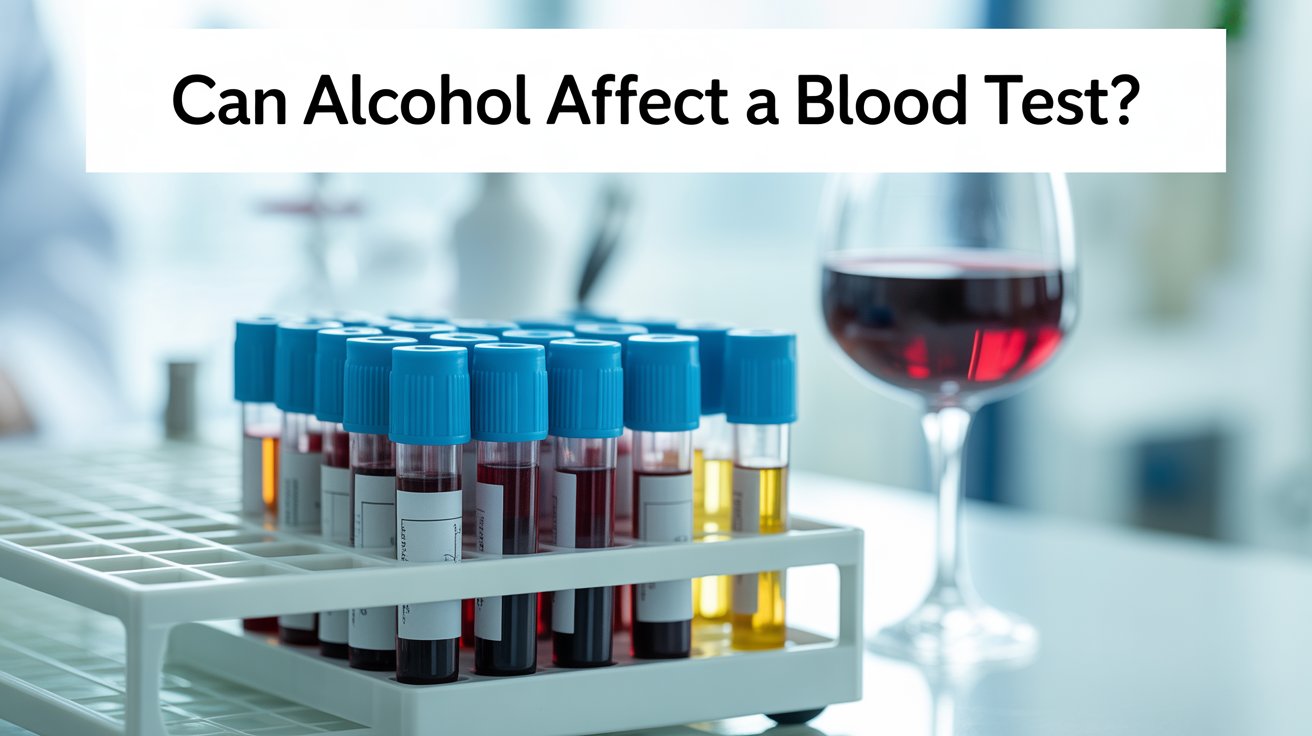
Alcohol is one of the most common substances people forget to factor into their blood test preparation — and one of the most disruptive. Unlike food, which many patients know to avoid before a fasting test, alcohol occupies a greyer area in most people’s minds. A glass of wine with dinner seems harmless. A couple of drinks at the weekend feels like ancient history by Monday morning. But alcohol’s effects on blood chemistry are both broader and longer-lasting than most people realise.
The short answer to whether alcohol can affect blood test results is yes — and in more ways than one. Here is what you need to understand.
How Alcohol Interacts With Your Blood Chemistry
When you drink, alcohol is absorbed rapidly into the bloodstream and metabolised primarily in the liver. This process is not passive — it triggers a cascade of physiological responses. Liver enzymes are produced to break alcohol down. Inflammatory pathways are activated. Blood sugar regulation is disrupted. Fat metabolism is altered. Red blood cell production and shape can be affected over time.
Many of these responses are measurable in blood work, which is precisely why drinking before certain tests can produce results that look abnormal even in an otherwise healthy person. The challenge for clinicians is distinguishing between a genuine pathological finding and a result that has been skewed by recent alcohol intake — which is why being transparent about your drinking habits before a blood test always leads to better clinical decision-making.
Which Blood Tests Does Alcohol Affect?
Liver Enzymes
This is where alcohol’s impact is most direct and most clinically significant. The liver produces enzymes — including ALT, AST, and GGT — to process alcohol, and these rise in response to even moderate drinking. GGT is particularly sensitive: it can be elevated for up to two to three weeks after sustained heavy drinking, and a single heavier evening can produce a transient rise in ALT and AST. If your liver function test returns elevated enzymes, the first question your clinician should ask is about recent alcohol intake. Without that context, the result may trigger unnecessary further investigation.
Triglycerides and Lipids
Alcohol causes a rapid rise in triglyceride levels, often within hours of consumption. This is because the liver, occupied with metabolising alcohol, diverts its normal fat-processing functions. For a fasting cholesterol panel — which measures total cholesterol, LDL, HDL, and triglycerides — drinking the night before can produce triglyceride readings that are markedly higher than your true baseline, painting a misleading picture of cardiovascular risk.
Blood Glucose
Alcohol’s effect on blood sugar is nuanced and worth understanding properly. In the short term, alcohol inhibits gluconeogenesis — the liver’s ability to produce and release glucose — which can cause blood sugar to fall. This means a fasting glucose test taken after a night of drinking may show a lower reading than your true baseline, potentially masking insulin resistance or early-stage diabetes. In people who already have diabetes, this suppression can be clinically significant.
Inflammatory Markers
Alcohol is an inflammatory stimulus, and even moderate consumption can raise C-reactive protein (CRP) — a key marker of systemic inflammation used to assess conditions from infection to cardiovascular risk. A result taken after drinking may suggest more inflammation than is actually present at your baseline, which can complicate interpretation considerably.
Full Blood Count
Regular or heavy alcohol consumption over weeks and months affects red blood cell production. Specifically, it can cause red blood cells to become enlarged — a condition called macrocytosis, reflected in an elevated MCV (mean corpuscular volume) on a full blood count. This pattern can mimic vitamin B12 or folate deficiency. A single evening of moderate drinking will not cause this change, but it is a useful marker that clinicians may use to identify sustained alcohol use when interpreting results.
Uric Acid
Alcohol raises uric acid levels by increasing its production and reducing its excretion through the kidneys. Elevated uric acid is associated with gout, and drinking before a uric acid blood test can produce a false positive or an overestimate of the true baseline level — which matters when monitoring or diagnosing gout or related conditions.
Tests Less Affected by Alcohol
Not every blood test is equally sensitive to recent drinking. Thyroid function markers, for instance, are not significantly altered by a single evening of moderate alcohol consumption, nor are most standard hormone panels. The key distinction is between tests that measure substances directly produced or altered by alcohol metabolism, and those that assess systems the body regulates more independently of recent intake.
That said, the safest approach for any blood test is to abstain from alcohol for at least 24 hours beforehand. For panels that include liver enzymes or lipids, 48 hours is a more reliable buffer.
The Difference Between Acute and Chronic Alcohol Effects
It is worth distinguishing between the acute effects of a single drinking occasion and the cumulative effects of sustained or heavy alcohol use over time. Most of what has been described above relates to the former — a temporary disruption to blood chemistry that resolves once alcohol clears the system.
Chronic heavy drinking produces a different and more persistent picture: consistently elevated liver enzymes, macrocytosis, chronically raised triglycerides, and suppressed immune function. These changes may not resolve for weeks after stopping, and they provide clinicians with important information about a patient’s longer-term health status.
Understanding which picture your results reflect — acute intake or chronic use — is part of the clinical interpretation process, and it is why context matters as much as the numbers themselves.
Be Honest With Your Clinician
If you have had a drink before your blood test, the most useful thing you can do is say so before the blood is drawn. This is not about judgement — it is about getting the most accurate interpretation of your results. At The Private GP in Birmingham, our doctors take the time to understand your full picture before drawing any clinical conclusions. Book a private blood test in Birmingham and arrive knowing your results will be properly contextualised, not just reported.
Frequently Asked Questions
- Can one drink the night before a blood test affect my results?
It depends on which tests are being carried out. A single drink the evening before is unlikely to cause a significant problem for most standard panels, but tests measuring liver enzymes, triglycerides, and fasting glucose are sensitive even to moderate recent intake. Abstaining for at least 24 hours is the safest approach for any blood test.
- Does alcohol affect cholesterol test results?
Yes. Alcohol raises triglyceride levels rapidly and can affect the overall lipid profile measured in a cholesterol panel. For the most accurate cardiovascular risk assessment, avoid alcohol for at least 48 hours before a fasting lipid test.
- Will my GP be able to tell if I’ve been drinking from my blood test?
Certain markers are sensitive indicators of alcohol intake. GGT rises with even moderate recent drinking and can remain elevated for weeks after heavy or sustained use. MCV, ALT, and AST also provide information about drinking patterns when interpreted together. Being open with your clinician about your alcohol intake leads to better interpretation and avoids unnecessary repeat testing.
- How long does alcohol affect blood test results?
The alcohol itself clears the bloodstream within 12 to 24 hours, depending on the amount consumed. However, its effects on liver enzymes, triglycerides, and inflammatory markers can persist for 48 hours or longer after moderate drinking — and for several weeks after heavy or sustained use in the case of GGT and red blood cell changes.
- Is this article relevant if I only drink occasionally?
Yes. Even occasional drinking in the 24 to 48 hours before a blood test can affect specific markers, particularly liver enzymes and triglycerides. The guidance here applies regardless of how regularly you drink — what matters in the context of blood testing is what you consumed in the days immediately before the draw.
Book Your Blood Test in Birmingham
Accurate blood test results begin with the right preparation — and the right clinician to interpret them. At The Private GP, we offer same-day private blood tests in Birmingham with results reviewed directly by a GMC-registered doctor who takes the time to understand your full health picture, not just the numbers on a page.