


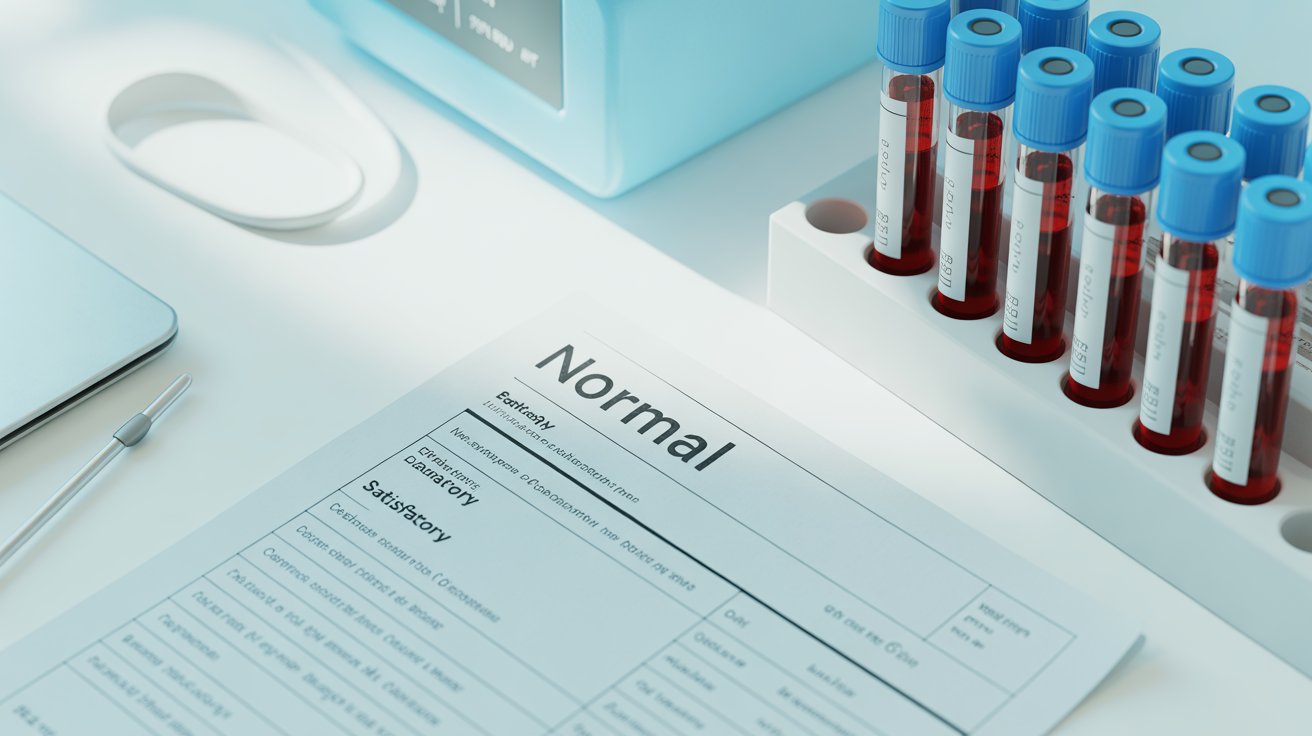
Every winter, countless people across the UK attribute their low energy, persistent tiredness, and dull mood to the season itself — shorter days, colder temperatures, less time outdoors. And whilst the season does play a role, it can also provide convenient cover for something more clinically significant. Winter fatigue caused by hidden nutritional deficiencies is far more common than most people realise, and unlike the weather, it is something you can actually do something about.
The good news is that targeted private blood tests in Birmingham can identify the most common deficiencies quickly, clearly, and without the long waits often associated with NHS testing. If you have been feeling off since autumn and cannot quite put your finger on why, this article is for you.
Why Winter Makes Deficiencies Worse
Several factors combine during the winter months to deplete key nutrients and exacerbate underlying deficiencies that may have been borderline throughout the rest of the year. Reduced sunlight dramatically limits the body’s ability to synthesise vitamin D. Dietary habits often shift towards more processed, comfort-based foods. Physical activity tends to decline. And the immune system works harder — drawing on reserves of nutrients that are already under pressure.
The result, for many people, is a cluster of symptoms that are easy to dismiss: tiredness that sleep does not fix, low mood, difficulty concentrating, a tendency to feel the cold more than usual, and an immune system that seems to pick up every passing virus. These are not simply the hallmarks of winter — they are the hallmarks of a body running low on something essential.
The Key Blood Tests to Consider This Winter
Vitamin D
Vitamin D deficiency is the single most common nutritional deficiency in the UK, and it worsens significantly between October and March when sunlight — the body’s primary source — is insufficient for synthesis at northern latitudes. Symptoms include fatigue, low mood, muscle weakness, and increased susceptibility to infection. A simple blood test measures your serum 25-hydroxyvitamin D level and determines whether supplementation is needed and at what dose. This is included as part of our full health check-up and can also be requested as a standalone test.
Iron and Ferritin
Iron deficiency — and the anaemia it can progress to — is one of the most prevalent causes of unexplained fatigue, particularly in women of reproductive age. Importantly, ferritin (the body’s iron storage protein) can be depleted well before a standard haemoglobin test shows any abnormality. This means many people with symptomatic iron deficiency are told their bloods are “normal” when, in fact, their stores are running critically low. A ferritin blood test and a full blood count together give a far more complete picture than either test alone.
Thyroid Function
An underactive thyroid — hypothyroidism — is notorious for producing symptoms that mirror winter malaise almost exactly: fatigue, weight gain, feeling persistently cold, low mood, and brain fog. It affects roughly one in 20 people in the UK, with women significantly more likely to be affected. A thyroid function test measures TSH and, where appropriate, free T3 and T4 — giving a clear indication of whether your thyroid is functioning as it should.
Full Blood Count
A full blood count (FBC) is one of the most informative single tests available. It measures red and white blood cells, haemoglobin, haematocrit, and platelets, and can identify anaemia, infection, inflammation, and a range of other conditions that manifest as fatigue and low energy. It is a natural starting point for anyone who has been feeling consistently unwell without explanation.
Vitamin B12 and Folate
B12 deficiency is another commonly missed cause of winter fatigue. The vitamin plays a critical role in red blood cell production and neurological function, and low levels can cause extreme tiredness, poor concentration, pins and needles, and low mood — symptoms that are frequently attributed to stress or the season. Folate deficiency produces a similar picture. Both are easily identified through blood testing and straightforwardly corrected once confirmed.
Blood Glucose and HbA1c
Persistent fatigue, increased thirst, and difficulty concentrating can all be early signs of insulin resistance or type 2 diabetes — conditions that often develop silently over years before a diagnosis is made. An HbA1c blood test provides a three-month average of blood sugar control, making it a far more reliable marker than a fasting glucose alone.
Don’t Guess — Test
One of the most common patterns our GPs see is patients who have been managing symptoms with supplements purchased on guesswork — taking vitamin D, B12, or iron without knowing whether deficiency is actually present, and often at doses that are either insufficient or unnecessary. Blood testing removes the guesswork entirely. It tells you precisely what your levels are, what supplementation you actually need, and gives you a baseline against which to measure improvement.
At The Private GP, you can book a targeted panel or a comprehensive health check-up in Birmingham that covers all of the above and more. Results are reviewed with your doctor — not simply posted through the door — and any findings are explained clearly with a practical plan to address them.
Frequently Asked Questions
- Can winter fatigue really be caused by a vitamin deficiency?
Yes, and more often than most people assume. Vitamin D, iron, B12, and thyroid dysfunction are among the most frequent findings when patients present with persistent winter tiredness. The season itself creates conditions in which these deficiencies are more likely to develop or worsen, making winter an ideal time to check your levels.
- How quickly will I get my blood test results at The Private GP?
Most results from our private blood tests in Birmingham are available within 24 to 48 hours. Your doctor will review the results with you directly, either in a follow-up consultation or by telephone, and discuss any findings and next steps.
- Do I need to fast before these blood tests?
Fasting is required for some tests — including blood glucose and HbA1c — but not for others such as thyroid function, ferritin, or B12. When you book, your clinician will advise you clearly on any preparation needed so there is no uncertainty on the day.
- Is it worth getting a full health check-up rather than individual tests?
For most patients, a comprehensive health check-up offers better value and a more complete picture than individual tests ordered in isolation. It allows your GP to look at your health as a whole, identify patterns across multiple markers, and provide joined-up advice — rather than addressing each finding separately.
- What if my GP has already told me my bloods are normal?
NHS blood tests are often limited to a core panel, and “normal” can sometimes mean within a broad reference range rather than optimal for your individual health. Ferritin is a common example — a level within the reference range may still be low enough to cause significant fatigue. A private blood test gives you access to a wider panel of markers and a GP who has the time to discuss what your results actually mean for you.
Book Your Winter Blood Tests in Birmingham
Winter fatigue is common. Accepting it as inevitable is not. If you have been feeling persistently low, tired, or unlike yourself since the colder months set in, the most useful thing you can do is find out why. Book a private blood test or health check-up at The Private GP in Birmingham — with same-day appointments available and results reviewed directly with your doctor.