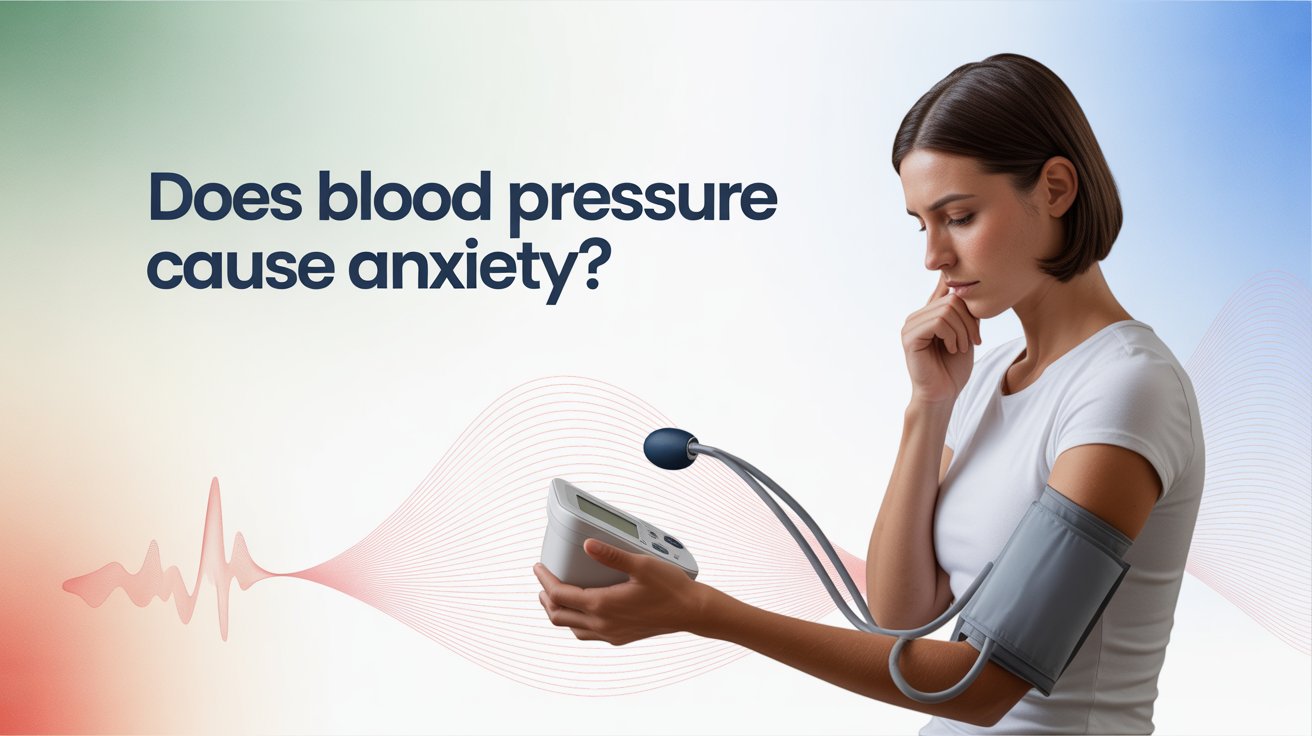
If you’re wondering whether blood pressure causes anxiety, the answer is more complex than a simple yes or no. The relationship between blood pressure and anxiety works in both directions—anxiety can temporarily raise blood pressure, and having high blood pressure can trigger anxiety about your health. Understanding this bidirectional connection helps you address both conditions effectively and protect your overall wellbeing.
The Anxiety-Blood Pressure Connection
Simply put, anxiety and high blood pressure often coexist, with each potentially influencing the other through specific biological mechanisms and shared risk factors. When you experience anxiety, your body enters a “fight-or-flight” response, releasing stress hormones like adrenaline and cortisol that cause temporary blood pressure spikes. However, anxiety itself doesn’t directly cause chronic hypertension in most cases.
Research indicates that individuals with anxiety disorders have a higher risk of developing hypertension than those without anxiety. Conversely, people with hypertension experience higher rates of anxiety than those with normal blood pressure. This reciprocal relationship creates a cycle that can be challenging to break without addressing both conditions simultaneously.
How Anxiety Affects Blood Pressure
Anxiety triggers immediate physiological changes that temporarily elevate blood pressure. During anxious moments—whether giving an important presentation, sitting in traffic, or worrying about health concerns—your nervous system releases stress hormones that:
- Increase your heart rate
- Constrict blood vessels
- Raise systemic vascular resistance
- Elevate cardiac output
These temporary blood pressure surges usually subside once anxiety levels decrease and your body returns to homeostasis. For most people, occasional anxiety-related blood pressure spikes don’t lead to chronic hypertension or cause lasting problems.
However, if you frequently experience anxiety over prolonged periods, these blood pressure elevations occur more often, potentially putting extra strain on your heart and blood vessels. Remember, while occasional spikes are harmless, frequent stress-related rises in blood pressure can cause blood vessel damage similar to what occurs in people with sustained hypertension.
Does Anxiety Cause Long-Term Hypertension?
The evidence suggests that anxiety alone doesn’t typically cause chronic high blood pressure. When healthy individuals with normal blood pressure experience chronic anxiety (such as those with generalized anxiety disorder), the body actually adjusts blood pressure levels to account for the ongoing anxiety.
This doesn’t mean you’re entirely protected, though. Anxiety can contribute to hypertension development through indirect pathways:
Unhealthy Coping Mechanisms: People with chronic anxiety often adopt behaviours that increase hypertension risk, including smoking, excessive alcohol consumption, poor dietary habits, and physical inactivity. These lifestyle factors contribute to blood pressure elevation independently of anxiety itself.
Sleep Disruption: Chronic anxiety commonly leads to insomnia and poor sleep quality, both linked to higher blood pressure. When you’re sleep-deprived, your heart works harder to pump blood throughout your body.
Sympathetic Nervous System Activation: Long-term anxiety states improve sympathetic response and more easily activate the sympathetic nervous system. This activation not only reduces renal blood flow and increases water and sodium retention—elevating blood pressure—but also damages endothelial cells, causes endothelial dysfunction, and increases atherosclerosis risk.
Fortunately, recognising these connections allows you to take preventive steps before anxiety-related factors compromise your cardiovascular health.
Can High Blood Pressure Cause Anxiety?
Yes, having high blood pressure can trigger anxiety, though not through the direct physical mechanisms you might expect. Hypertension itself rarely causes physical symptoms—most people feel perfectly normal despite elevated blood pressure. However, the psychological impact of knowing you have high blood pressure can generate significant anxiety.
People with hypertension may worry about:
- Potential heart attacks or strokes
- Their overall health and future
- Medication side effects or costs
- Whether treatments are working effectively
- Lifestyle restrictions necessary to manage the condition
This health anxiety can become substantial, particularly for individuals newly diagnosed with hypertension. The knowledge of having a serious condition—even without symptoms—may lead to increased worry and stress, creating a concerning cycle where anxiety about blood pressure potentially worsens blood pressure control.
Additionally, untreated hypertension increases levels of stress-related chemicals circulating in your blood, while stress-related chemicals themselves increase blood pressure. This two-way relationship spells trouble for your mental health if left unaddressed.
White Coat Syndrome: When Medical Settings Trigger Anxiety
White coat syndrome—also called white coat hypertension—perfectly illustrates how anxiety directly affects blood pressure. This phenomenon occurs when your blood pressure reads higher in clinical settings than at home, typically due to anxiety about medical appointments or procedures.
The term “white coat” refers to the white coats traditionally worn by doctors. Most people feel more tense than usual in medical settings, even if they don’t consciously realise it. On average, systolic blood pressure (the top number) tends to be approximately 10 mmHg higher in clinics than at home, with diastolic pressure (bottom number) about 5 mmHg higher. For those feeling very worried or stressed, blood pressure could be raised by as much as 30 mmHg.
White coat syndrome affects approximately 15% to 30% of people who have high blood pressure readings in clinical settings. This condition isn’t trivial—research suggests that people with white coat hypertension have higher cardiovascular risk than those with consistently normal blood pressure, though lower risk than those with sustained hypertension.
If you suspect white coat syndrome, discuss home blood pressure monitoring or 24-hour ambulatory monitoring with your healthcare provider. These methods provide more accurate assessments of your typical blood pressure away from anxiety-inducing clinical environments.
The Biological Mechanisms
Understanding the biological pathways connecting anxiety and blood pressure helps explain their complex relationship:
Renin-Angiotensin System: Anxiety closely relates to the renin-angiotensin system, increasing angiotensin II levels. Long-term anxiety may decrease vascular variability, so persistent vascular resistance leads to hypertension.
Hypothalamo-Pituitary-Adrenal Axis: This major physiological stress response system, when dysfunctional, increases steroid hormone secretion causing water and sodium retention—mechanisms that elevate blood pressure.
Inflammatory Pathways: Both anxiety and hypertension involve elevated inflammatory markers. Chronic inflammation contributes to endothelial dysfunction and arterial stiffness, further compromising cardiovascular health.
Autonomic Nervous System Dysregulation: Anxiety disorders alter autonomic function, affecting heart rate variability and blood pressure regulation mechanisms.
These interconnected biological systems explain why treating both anxiety and hypertension often requires comprehensive approaches addressing multiple physiological pathways.
Managing Both Conditions Together
Fortunately, many interventions benefit both anxiety and blood pressure control:
Regular Physical Activity: Exercise reduces anxiety while lowering blood pressure. Aim for 30 minutes of moderate activity most days. Activities allowing you to focus on breathing—like yoga, tai chi, or swimming—are particularly helpful.
Stress Management Techniques: Meditation, deep breathing exercises, and progressive muscle relaxation reduce anxiety and stabilise blood pressure. By breathing slowly and deeply, your heart beats slower, causing less stress on the heart while reducing anxiety symptoms.
Sleep Optimisation: Prioritise 7-9 hours of quality sleep nightly. Good sleep reduces stress hormone levels, including cortisol, helping maintain normal blood pressure ranges while improving mental health.
Dietary Modifications: Reduce sodium intake, increase potassium-rich foods, and follow heart-healthy eating patterns like the DASH diet. These dietary changes support both blood pressure control and mental wellbeing.
Limit Caffeine and Alcohol: Both substances can trigger or worsen anxiety while affecting blood pressure. Moderating or eliminating these helps stabilise both conditions.
Social Connection: Maintaining strong social relationships and seeking support when needed benefits mental health and cardiovascular function.
For personalised guidance on managing anxiety and blood pressure together, consider scheduling a private GP consultation to discuss your specific circumstances and treatment options.
When Medications Are Necessary
Some people require medication to manage either anxiety, hypertension, or both:
Blood Pressure Medications and Anxiety: Most blood pressure medications don’t cause anxiety. In fact, some—including beta-blockers and clonidine—can actually treat anxiety. However, certain anti-anxiety medications, particularly SNRIs (serotonin and norepinephrine reuptake inhibitors), may increase blood pressure in some individuals.
Treatment Coordination: If you’re taking medications for both conditions, ensure all your healthcare providers know your complete medication list. This prevents potential interactions and allows coordinated treatment planning.
Monitoring Requirements: When managing both conditions with medication, regular monitoring becomes essential. Private blood testing services and ECG heart health checks help track your cardiovascular health while anxiety treatment progresses.
If you’re experiencing anxiety symptoms that affect your quality of life or suspect your blood pressure medication isn’t working optimally, talk to your healthcare provider. They can review your situation and adjust your anxiety treatment plan to manage both conditions effectively, ensuring better overall health and emotional balance.
The Importance of Accurate Diagnosis
Given the complex relationship between anxiety and blood pressure, accurate diagnosis is crucial. Misdiagnosis can lead to unnecessary treatment or missed opportunities for appropriate intervention.
Home blood pressure monitoring provides valuable information about your typical blood pressure outside clinical settings. When measuring at home:
- Use a validated, properly calibrated device with an appropriate cuff size
- Take measurements at consistent times daily
- Sit quietly for 5 minutes before measuring
- Record all readings to share with your healthcare provider
- Avoid measuring immediately after exercise, caffeine consumption, or stressful events
For comprehensive cardiovascular assessment, full health check-ups include blood pressure evaluation alongside other vital health markers.
Breaking the Cycle
The bidirectional relationship between anxiety and blood pressure can create a self-perpetuating cycle. Breaking this cycle requires:
Addressing Underlying Anxiety: Whether through therapy, lifestyle modifications, or medication, effectively managing anxiety reduces stress-related blood pressure spikes and unhealthy coping behaviours.
Treating Hypertension Appropriately: Proper blood pressure management reduces health anxiety and prevents cardiovascular complications that could worsen stress and worry.
Building Resilience: Developing healthy coping strategies, maintaining social connections, and practising stress management techniques create psychological resilience that protects both mental and cardiovascular health.
Regular Monitoring Without Obsession: Check blood pressure as recommended by your healthcare provider, but avoid obsessive checking that increases anxiety. If you find yourself constantly worried about blood pressure readings, discuss this with your doctor—this anxiety itself can become problematic.
Key Takeaways
Does blood pressure cause anxiety? Not directly through physical mechanisms, but the psychological impact of having hypertension can certainly trigger anxiety about health and future. Similarly, anxiety causes temporary blood pressure spikes but typically doesn’t lead to chronic hypertension unless accompanied by unhealthy lifestyle behaviours.
The relationship between these conditions is bidirectional and complex, involving shared biological pathways, lifestyle factors, and psychological elements. Understanding this connection empowers you to address both conditions comprehensively rather than treating them in isolation.
If you’re experiencing symptoms of either anxiety or high blood pressure—or concerned about how they might interact—don’t hesitate to seek professional guidance. Whether through face-to-face consultations, telephone appointments, or video consultations, healthcare professionals can provide personalised strategies for managing both conditions effectively. Your wellbeing deserves this careful attention, and addressing the anxiety-blood pressure connection remains fundamental to protecting your long-term health.